

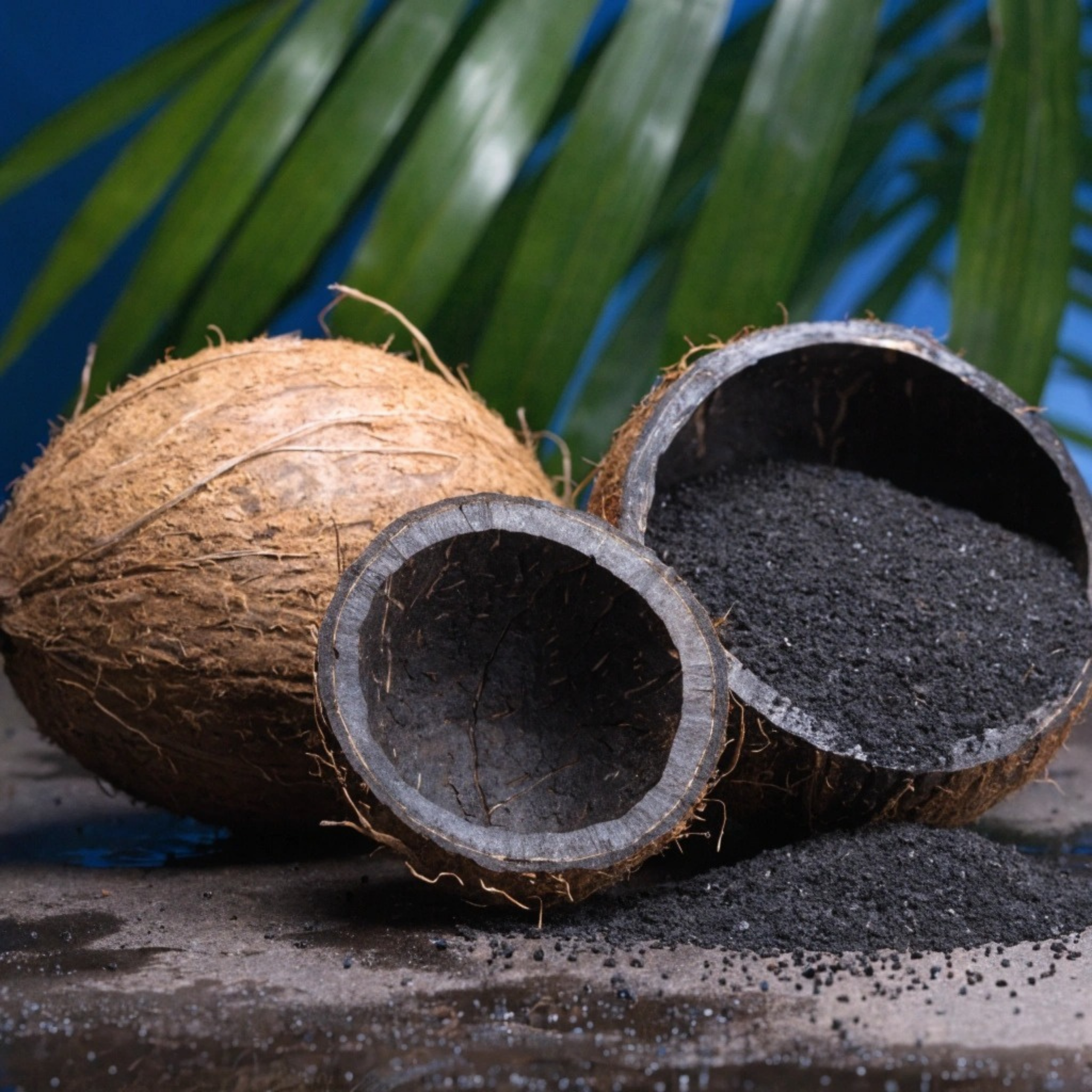
The humble coconut is dubbed the tree of life for its myriad of uses—the “water” of young green coconuts makes for a refreshing drink; its meat is used for coconut milk and cream; its sap can be turned into coconut vinegar or wine. Even the coconut shell, which is typically thrown out and considered mere waste, is no exception. The world is now realizing its potential for producing activated carbon, and one of the companies bringing coconut shell activated carbon produced in the Philippines to the international market is Kalikha Carbon.
From Coconut Byproduct to Business
The venture as a whole began in 2025, while the business itself was launched in 2026. “The idea came from seeing the potential to make better use of one of the Philippines’ most abundant agricultural resources: coconut,” owner Abigail Cuenca tells Delish Philippines. She’s long been intrigued by the different ways resources can be moved along the value chain—and interested in exploring what can be made out of them.
Agriculture has a special place in Abby’s heart. “I grew up in Mindanao, where agriculture is such a big part of the local economy and everyday life, so I’ve always had a personal connection to the agricultural sector and the communities behind it,” she shares.
“When I learned more about coconut-shell activated carbon, I immediately saw why it was interesting from an agricultural, sustainability, and international perspective,” says Abby. “Rather than looking at the coconut shell merely as an agricultural byproduct, we’re looking at its potential to become something far more valuable.”
Activated carbon is carbon processed to have tiny, low-volume pores, increasing its surface area and in turn allowing it to remove contaminants via adsorption. Activated carbon has a myriad of applications, including—but not limited to—water filtration, odor elimination, skin care, and air purification.
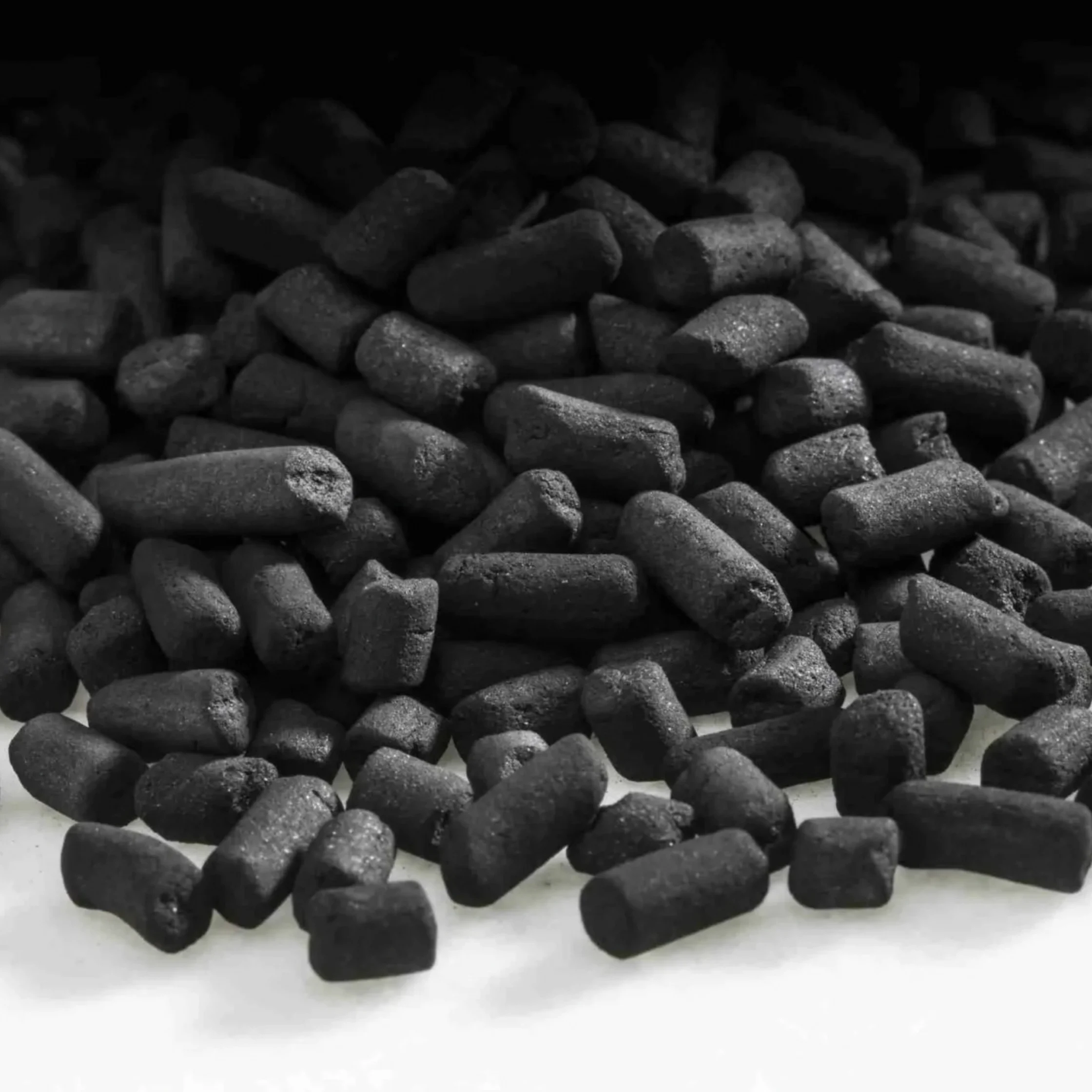
The Surprising Second Life of Philippine Coconut Shells
Coconut shells, in particular, are excellent material for producing activated carbon given their natural hardness, low ash, and high carbon content. And as coconut is abundant in the Philippines, it’s no surprise that coconut shell activated carbon is big business here—one that’s fast becoming one of the country’s major exports.
“When we learned that coconut shell is also a particularly good raw material for activated carbon because of its strong adsorption properties and microporous structure, it felt like something worth pursuing,” Abby continues.
These properties, she explains, make coconut shell activated carbon particularly effective for applications that involve capturing or removing smaller molecules.
Coconut shell’s hardness and relatively low ash content also makes the resulting activated carbon suitable for the likes of water and wastewater treatment, food and beverage processing, pharmaceuticals, mining, and industrial filtration, Abby explains.
Using coconut shells to make activated carbon also maximizes a material that would otherwise be discarded, making it an environmentally friendly option, too.
“What I find interesting is that activated carbon is one of those materials that people interact with every day without necessarily realizing it. It quietly works behind the scenes in many of the products, processes, and filtration systems we rely on,” says Abby.
“But beyond the technical advantages, what I appreciate most about coconut shell is its circular nature. You’re finding a new application for a resource that already exists within an existing supply chain,” Abby shares.
“For us, sustainability isn’t just about having a ‘green’ product. It’s about making better use of the resources we already have and finding ways to create more opportunities within the communities and ecosystems connected to them.”
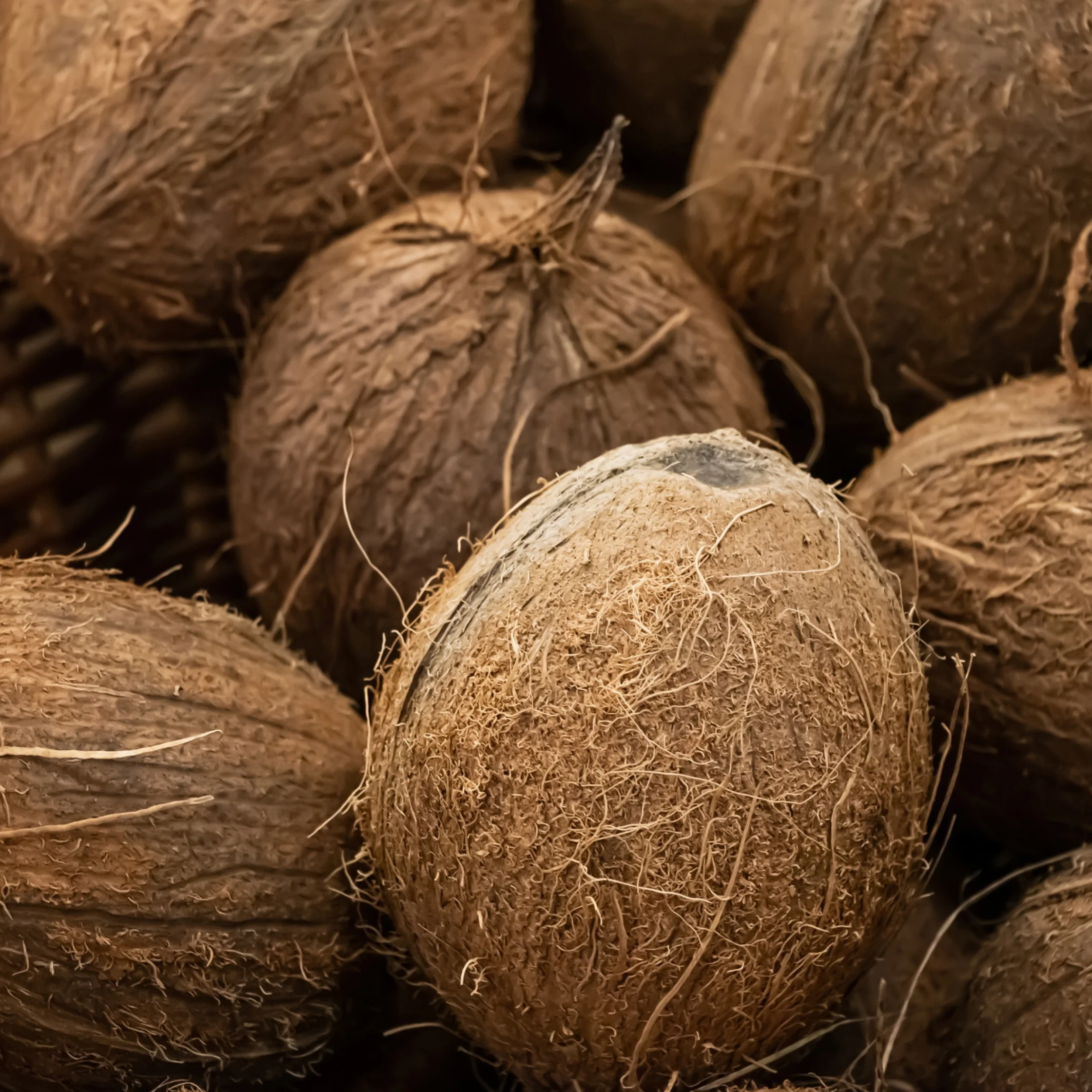
From Filipino Farms to Global Markets: The Rise of Coconut Carbon
Kalikha Carbon gets their coconut shells from local coconut farming cooperatives, and smallholder farmers from around the country.
“From the very beginning, we made a commitment to source our raw material from Filipino farmers because we believe that the opportunities created from this resource should remain connected to the local communities producing it,” Abby explains. “From my perspective, this is what makes Kalikha special as a business. Sustainability isn’t only about finding a new application for an agricultural byproduct. It’s also about creating more opportunities within an ecosystem that already exists around it.”
“We’re still in the process of developing the business, but this is something we’re very intentional about as we scale—to create more opportunities not just around the product itself, but also for the communities and supply chains behind it.”
The venture couldn’t have come at a better time, what with the continually growing global demand for activated carbon as a whole (its value is projected to reach US$13 billion by 2030, per Research and Markets); coconut shell activated carbon in particular is projected to maintain the fastest growth, especially in the arenas of water purification and air filtration.
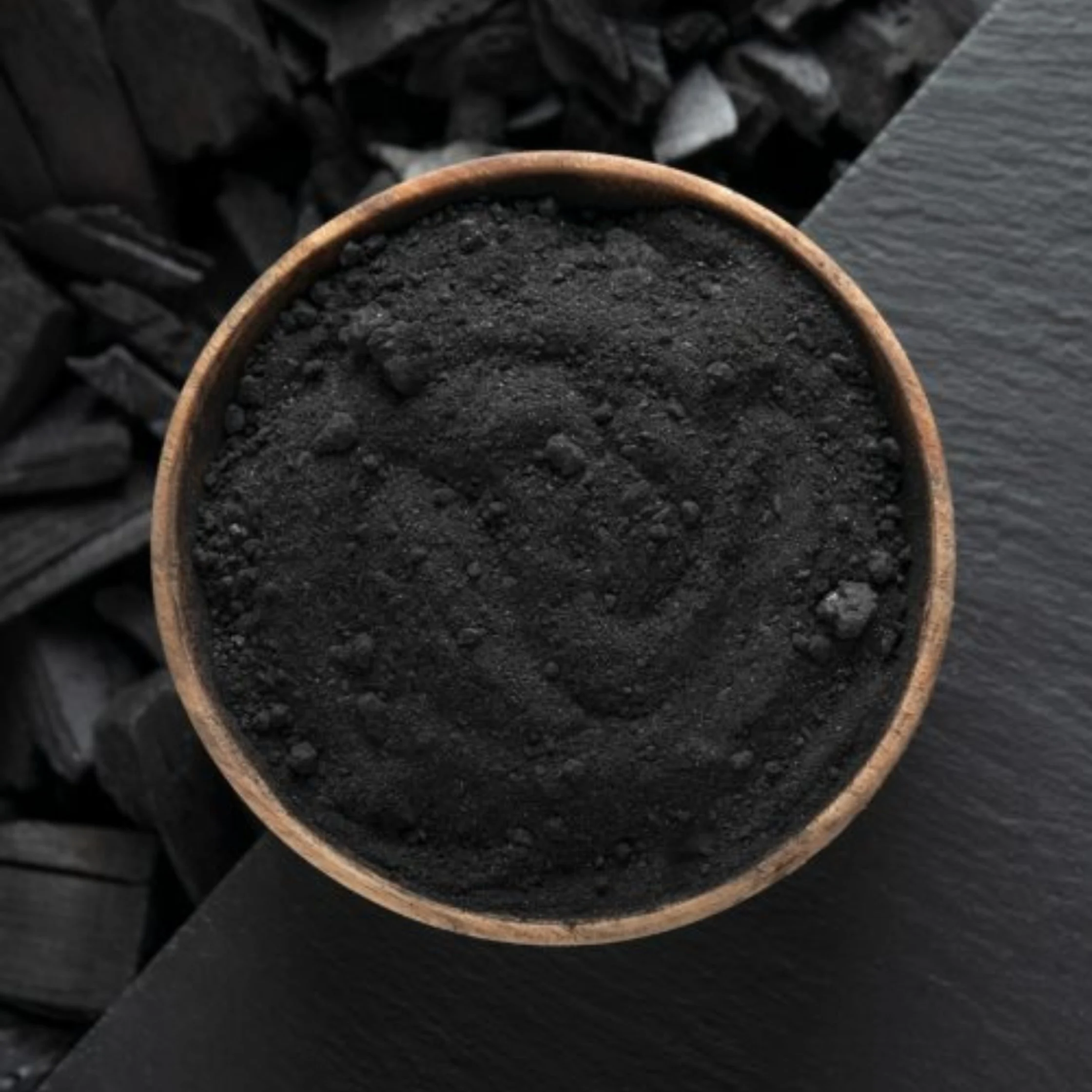
With that, Kalikha Carbon was established with international business in mind, Abby shares. In particular, they have their eyes on Asia, Europe, and North America—areas that turn to activated carbon for use in industries like water and wastewater treatment, food and beverage processing, pharmaceuticals, mining, beauty, and industrial filtration.
“What really interests me is the entire journey of the product—from a resource that is so familiar to us as Filipinos, a coconut, to its potential to become part of an international supply chain,” says Abby. “That’s the story I want to tell with Kalikha. Sometimes, we don’t have to look outside the Philippines for opportunities to build internationally oriented businesses. The opportunity may already exist in our own backyard. We just have to look at what we already have differently and find ways to make something more of it.”
“For me, that’s what sustainability is about,” she continues. “[It’s] not just reducing or reusing waste, but finding ways to make something useful and valuable from what we already have while keeping people and communities part of the story.”

Frequently Asked Questions
Kalikha Carbon is a company that brings coconut shell-produced activated carbon from the Philippines to the international market. The overall venture began in 2025, and the business itself was officially launched in 2026 by its owner, Abigail Cuenca.
Activated carbon is carbon that has been processed to create tiny, low-profile pores, which vastly increases its surface area and allows it to remove contaminants via adsorption. It has a wide range of applications, including water and wastewater treatment, air purification, odor elimination, skin care, food and beverage processing, pharmaceuticals, mining, and industrial filtration.
Coconut shells are exceptional for producing activated carbon because of their natural hardness, low ash content, high carbon content, strong adsorption properties, and microporous structure. These features make them especially effective at capturing and removing smaller molecules, as well as handling demanding applications like industrial and wastewater filtration.
Kalikha Carbon sources its coconut shells directly from local coconut farming cooperatives and smallholder farmers around the Philippines. This intentional sourcing ensures that the economic opportunities created by the business remain connected to the local agricultural communities.
Kalikha Carbon was established with international business in mind to tap into the rapidly growing global demand for activated carbon (which is projected to reach US$13 billion by 2030). The company specifically has its eyes on markets in Asia, Europe, and North America, where industries rely heavily on activated carbon for filtration, purification, and processing.

![The Ongpin South Bridge arch [PHOTO COURTESY OF The Urban Roamer Official Website]](https://assets.delish.ph/wp-content/uploads/2026/10/The-Ongpin-South-Bridge-arch-PHOTO-COURTESY-OF-The-Urban-Roamer-Official-Website-960x960.webp)