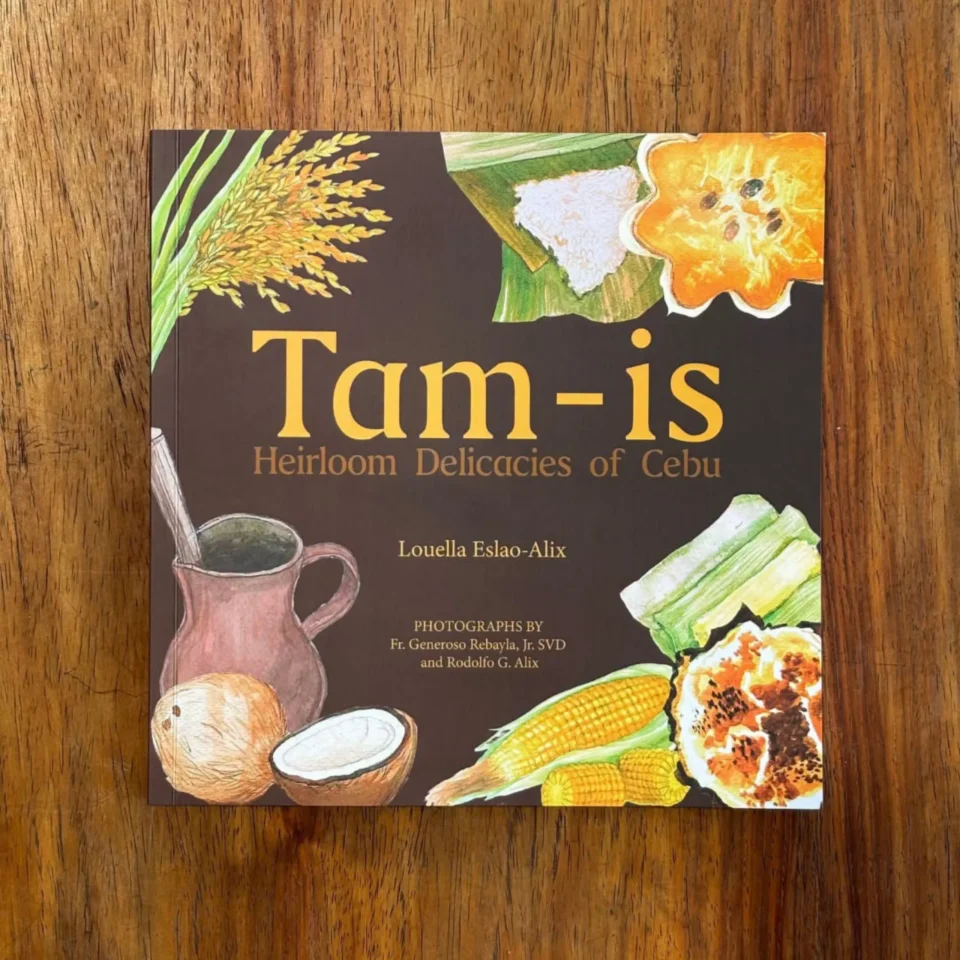


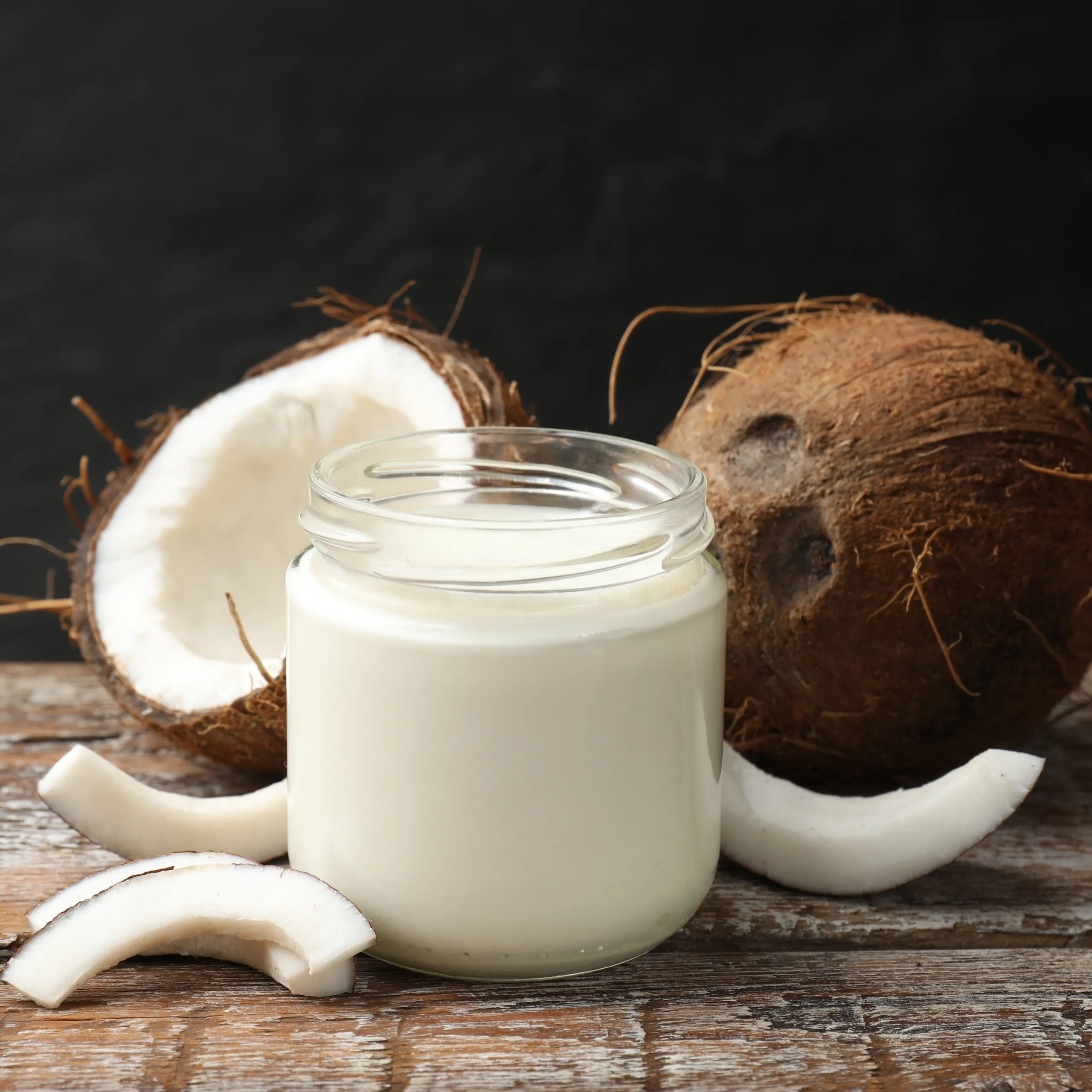
Ginataan is an entire subsection of Filipino savory dishes and sweet desserts that are incomplete without using gata or coconut milk.
One of my personal favorites growing up was Bicol Express. And as embarrassing as this may be to admit, I had no idea coconut milk was even an ingredient for making it until much later.
Gata or coconut milk is a key component to a lot of Filipino recipes, so it’s going to come up in your kitchen a lot. One caveat is that it spoils very easily. Because of its high level of moisture, fat, and protein, it creates an ideal environment for bacteria and mold to grow rapidly. And whether it’s because of bad packaging or incorrect storage practices, here are a few things you need to watch out for to make sure it’s safe to use.
1. If the Container has Any Significant Damage
Even before you open a packet or can of coconut milk, a good rule of thumb is to check the condition of the container. Any prior damage or incorrect storing could potentially affect the coconut milk from the outside in.
Watch out for any cracks, small holes, or leaks.

2. If It Smells Bad
Coconut milk has a mildly sweet and nutty smell. So any scent that deviates from that should already raise some concern.
If your coconut smells unpleasant, fermented or even rancid, don’t push your luck.
3. If the Color is Different
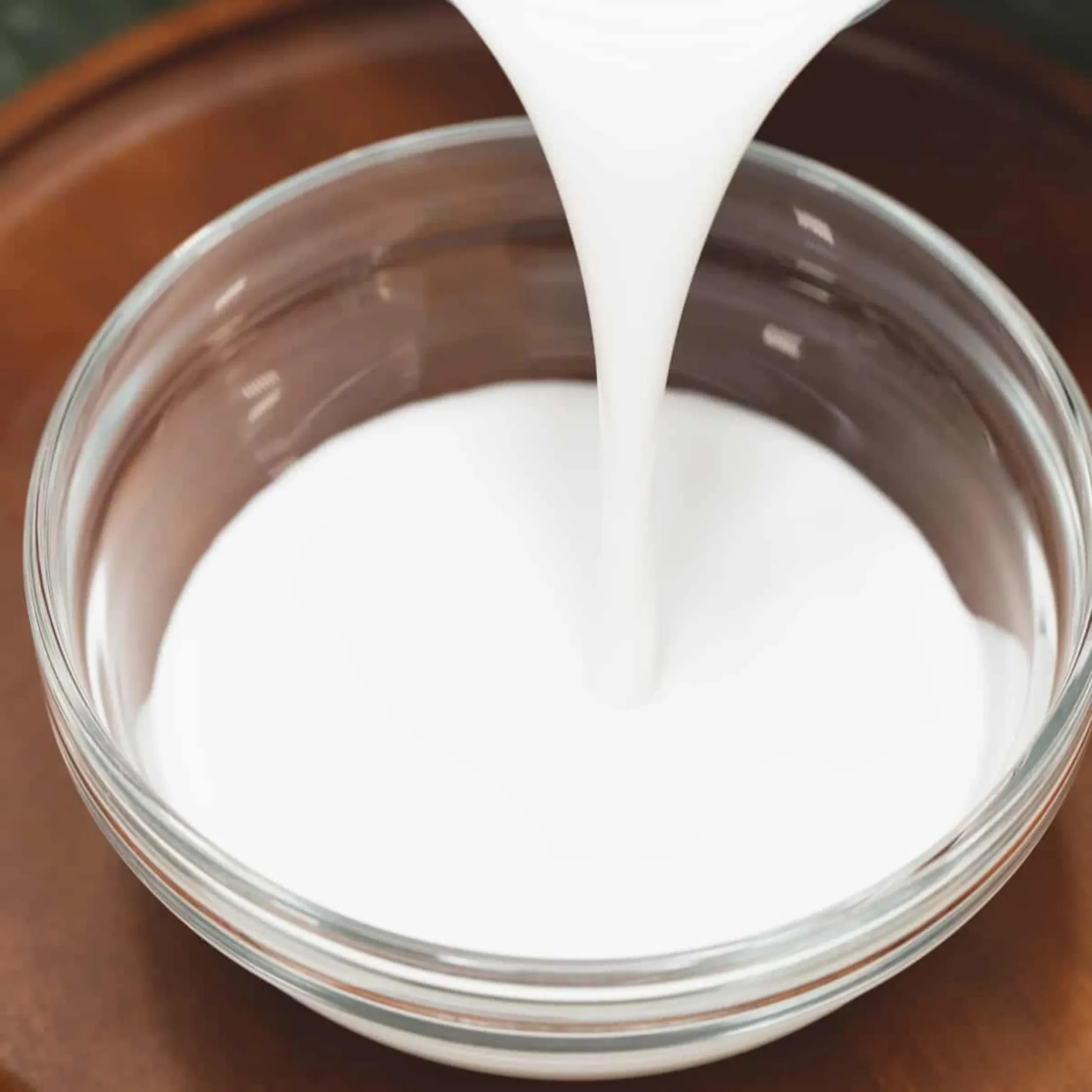
Coconut milk is supposed to be white and opaque. If you notice any kind of discoloration, that is usually a sign that it has gone bad. And if it has a pinkish hue, that is a sign that your coconut milk is going through the oxidation process and bacteria has already started to grow.
If you notice other colors like yellow, green, and grey, your coconut milk should be disposed of immediately.
4. If the Texture is Strange
While coconut milk has a certain thickness that is a little different from cow’s milk, canned coconut milk in particular can be thicker because it has less water and it has high levels of pressed coconut fat. So thickness or body isn’t necessarily a problem.
But if you spot any chunky or curdled bits in your coconut milk that don’t look like they are smoothing out even after shaking or stirring it, it means it has already coagulated. That is a big indication that your coconut milk is no longer safe to use or consume.
5. If There’s Visible Mold
Yet another visual clue to keep a close eye on are any fuzzy spots. That is a tell tale sign of mold.
Any attempts to scoop them out or separate them from the milk are futile. It’s best to just throw it out.
6. If It Tastes Sour
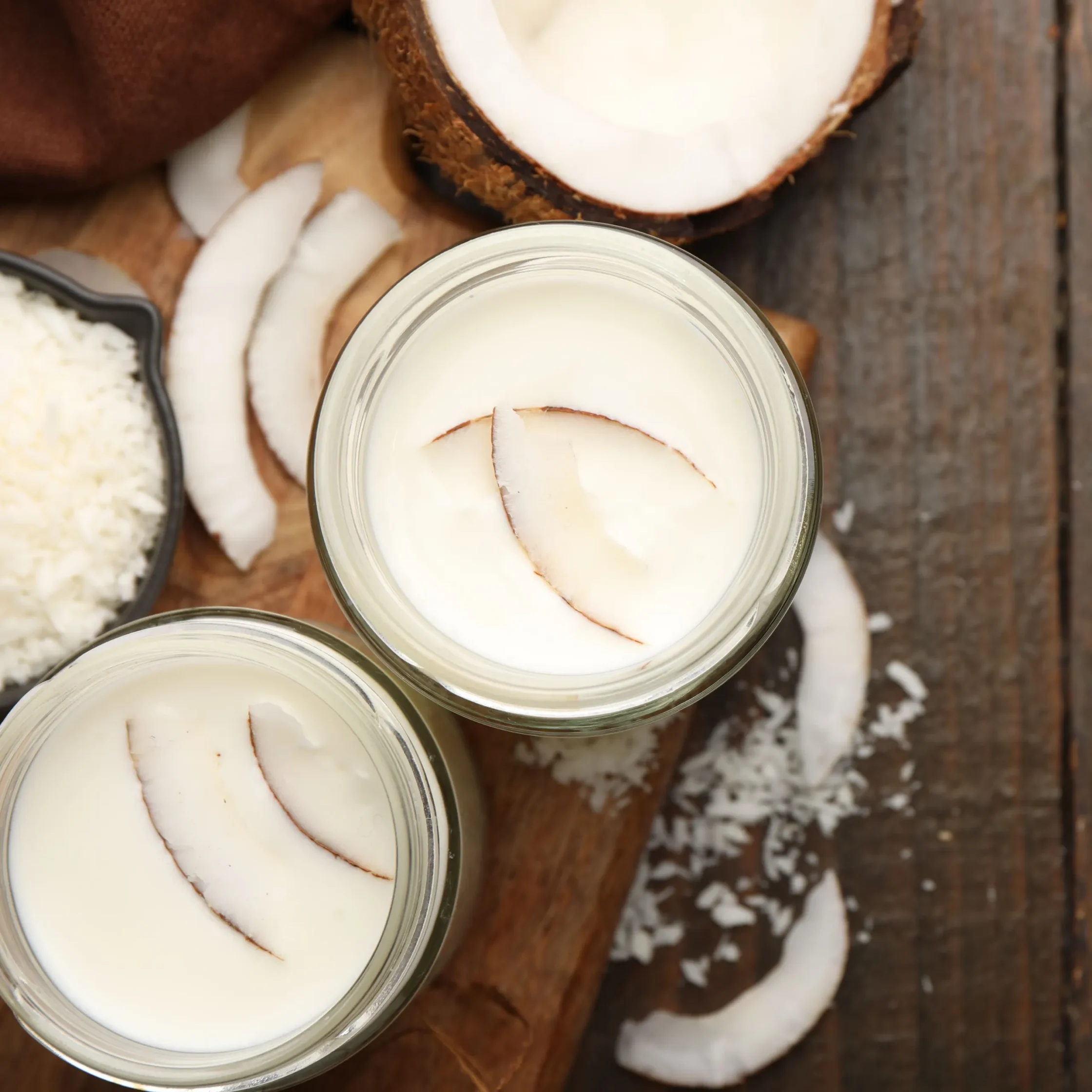
Compared to dairy milk, coconut milk tastes slightly sweet, creamy, and has a kind of floral taste to it. So if your coconut milk tastes sour, immediately dispose of it.
And before you even get to this point, make sure you’ve checked for all the aforementioned signs first.
Looking beyond the expiry date
When checking if any ingredient is still okay to use or not, your first instinct should be to check for the expiration date. And this is more or less what you should do with your coconut milk when you are dealing with it unopened.
This isn’t me trying to say you shouldn’t trust the expiration instructions. But there are many signs you still need to watch out for that a date won’t be able to tell you and this is is especially the case for coconut milk that has already been opened.
While unopened pre-packaged coconut milk can last around two to five years (again, read the labels), you have about a week or so to use up your already opened batch. So throughout that week, keep a good eye out for any of these signs so that you can make sure you can cook your gising gising or maja blanca with greater peace of mind.

Frequently Asked Questions
Gata is coconut milk in Filipino. It is considered a staple ingredient in Filipino cooking.
It directly translated to “cooked with coconut milk.” This refers to both savory and sweet dishes that are made using coconut milk. Some examples are laing, bicol express, and ginataang bilo-bilo.
You can check if gata or coconut milk has gone bad depending on the conditions of its packaging, how it smells, if there is any discoloration, it’s texture, if there’s any mold, and how it tastes.
When refrigerated, its best to use up within the next four to seven days.