


A Filipino dish of raw fish or seafood cured in vinegar and citrus, mixed with ginger, onions, and chilies. Often compared to ceviche, kinilaw predates Spanish colonization and is prized in the Visayas and Mindanao for its fresh, clean, tangy flavor and coastal heritage.
Kinilaw

Drinking sessions are a whole lot more fun with these bar snacks and viands on the table.
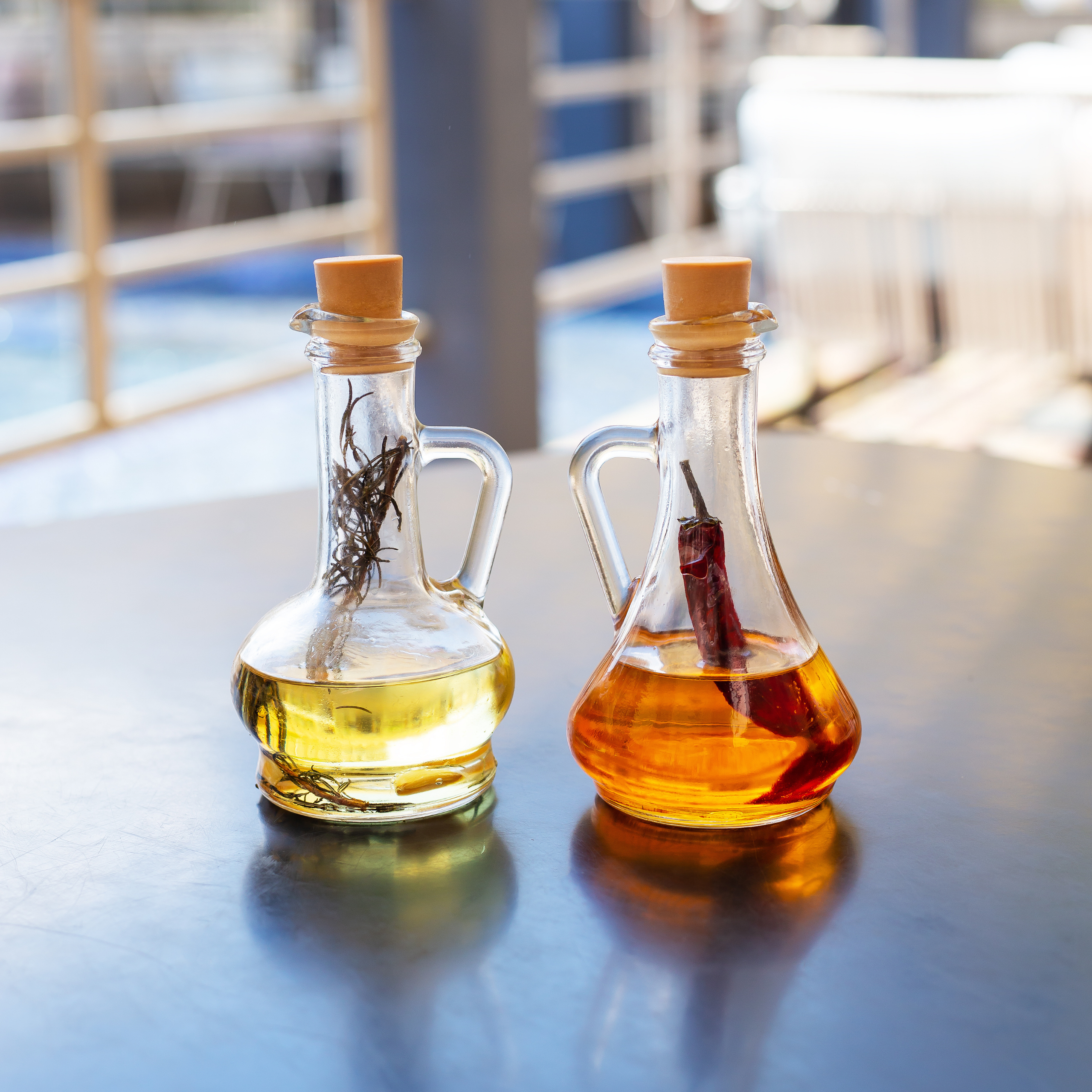
Why suka is the heartbeat of Filipino cuisine.
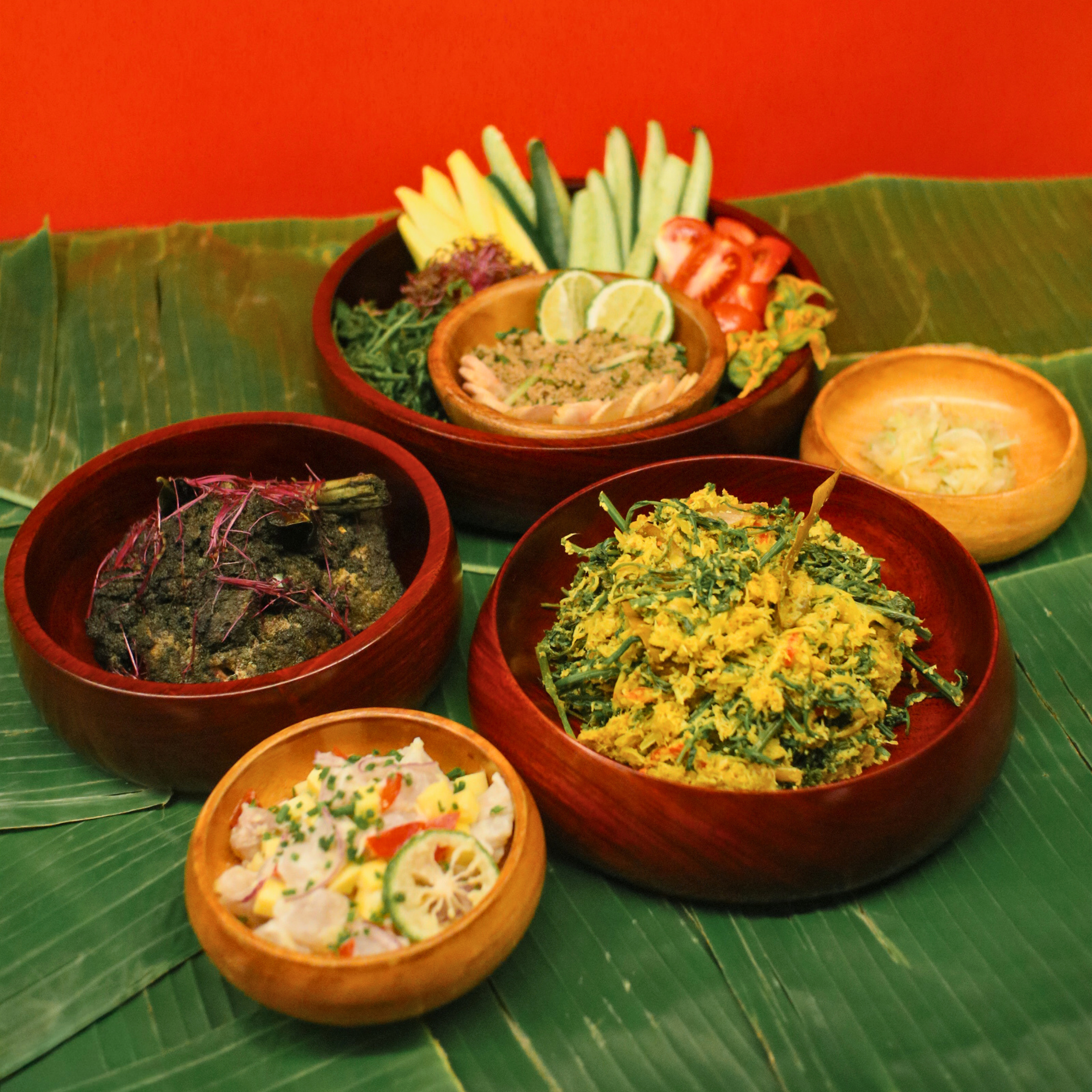
Datu Shariff Pendatun explains why Mindanao's diverse communities deserve to be recognized for their individual food cultures and culinary histories.
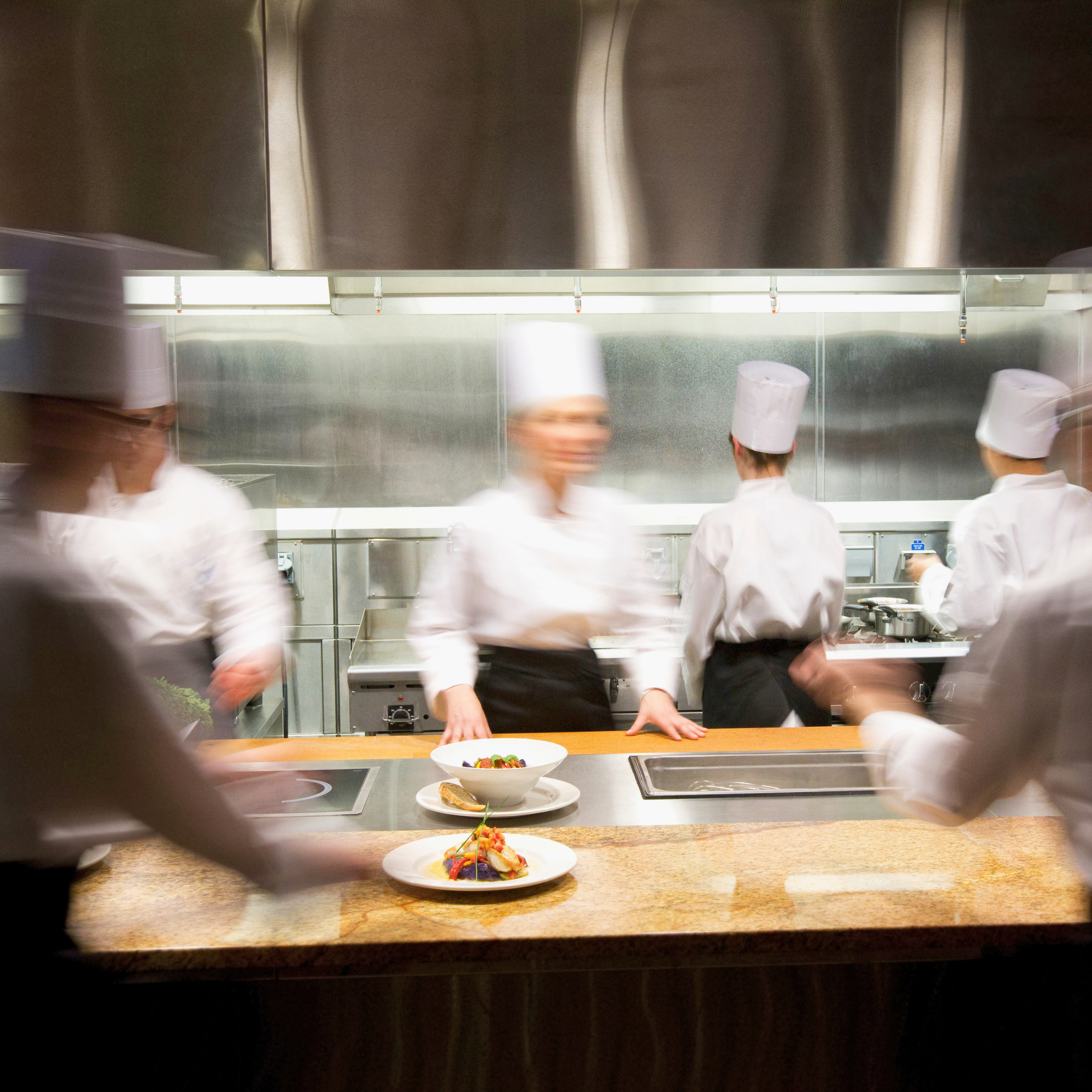
From rice to artisanal salt, the ingredients we take for granted at home can become the stars of a fine-dining menu. With the Michelin Guide turning its attention to the Philippines, it's worth asking why familiar ingredients sometimes need a fancy plate to get the recognition they deserve.
From sinigang and adobo to fresh seafood and heirloom rice, the Filipino food we take for granted depends on farms, fishing grounds, and traditions that are increasingly under pressure.
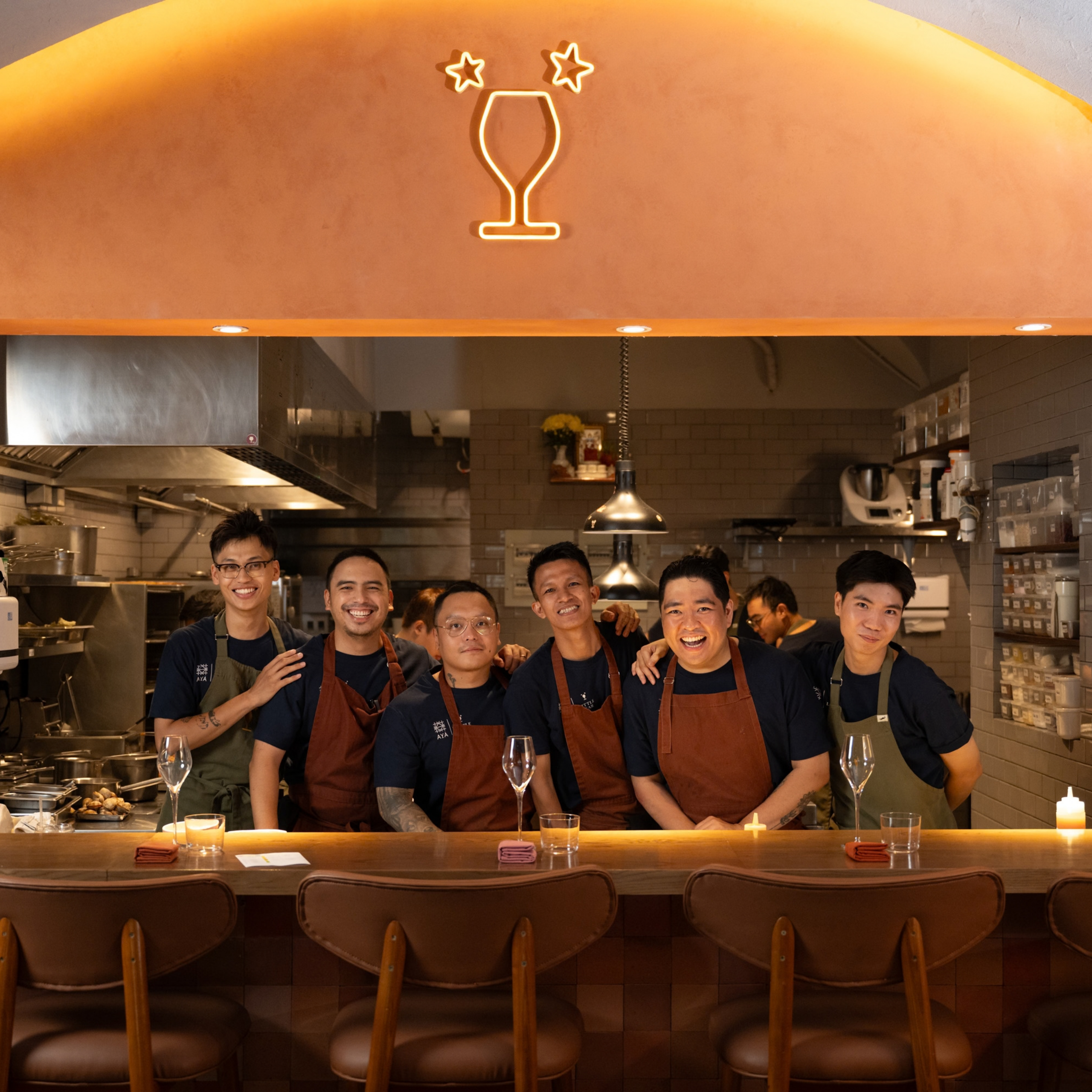
Chefs Thirdy Dolatre and Kevin Navoa fold Filipino classics into Vietnamese flavors, showing how Asian cuisines can cross borders without losing their roots.
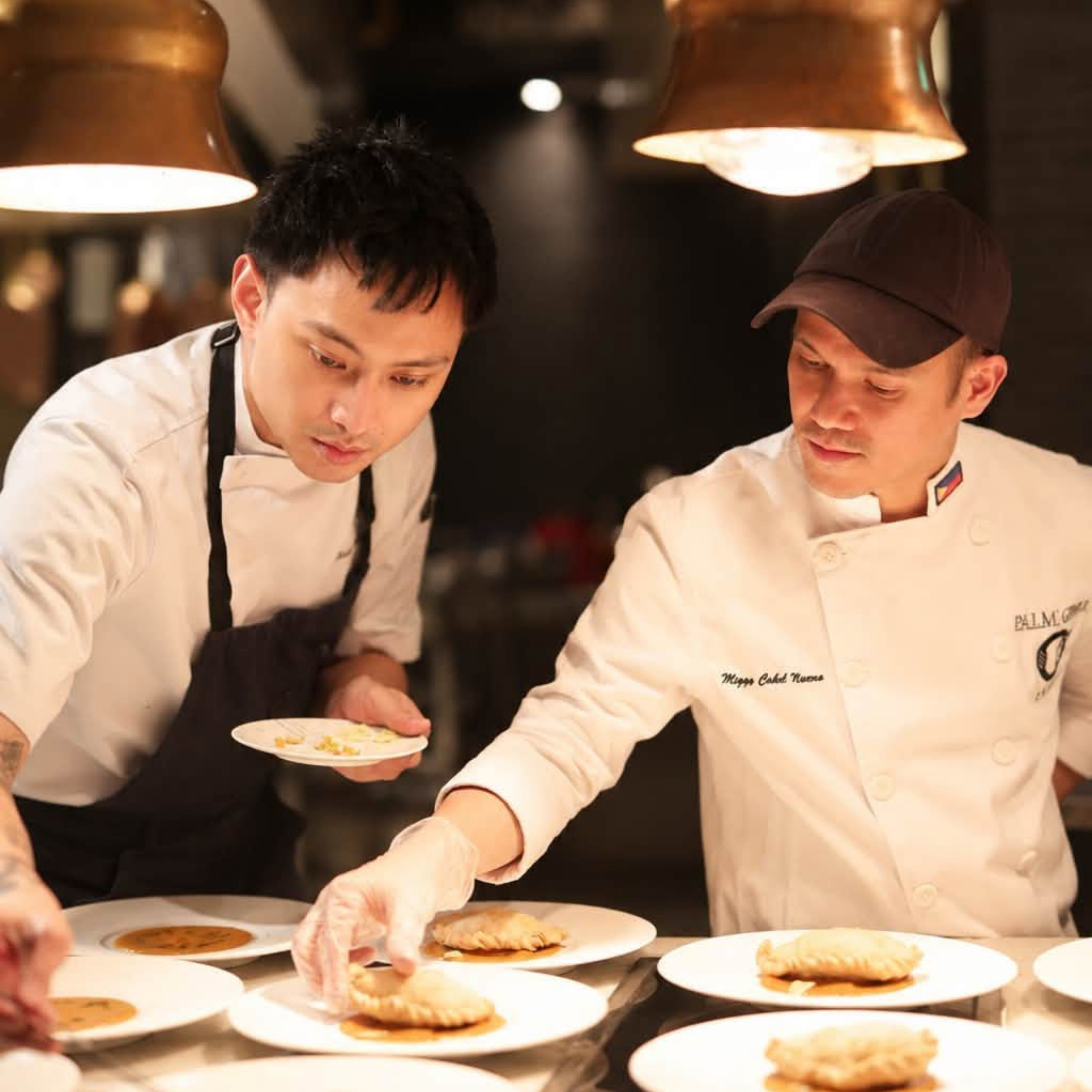
For The Southern Table, Mark Tumbale and Miggy Moreno transformed regional classics like Tiyula Itum, Kurma, and Sinuglaw into contemporary plates.
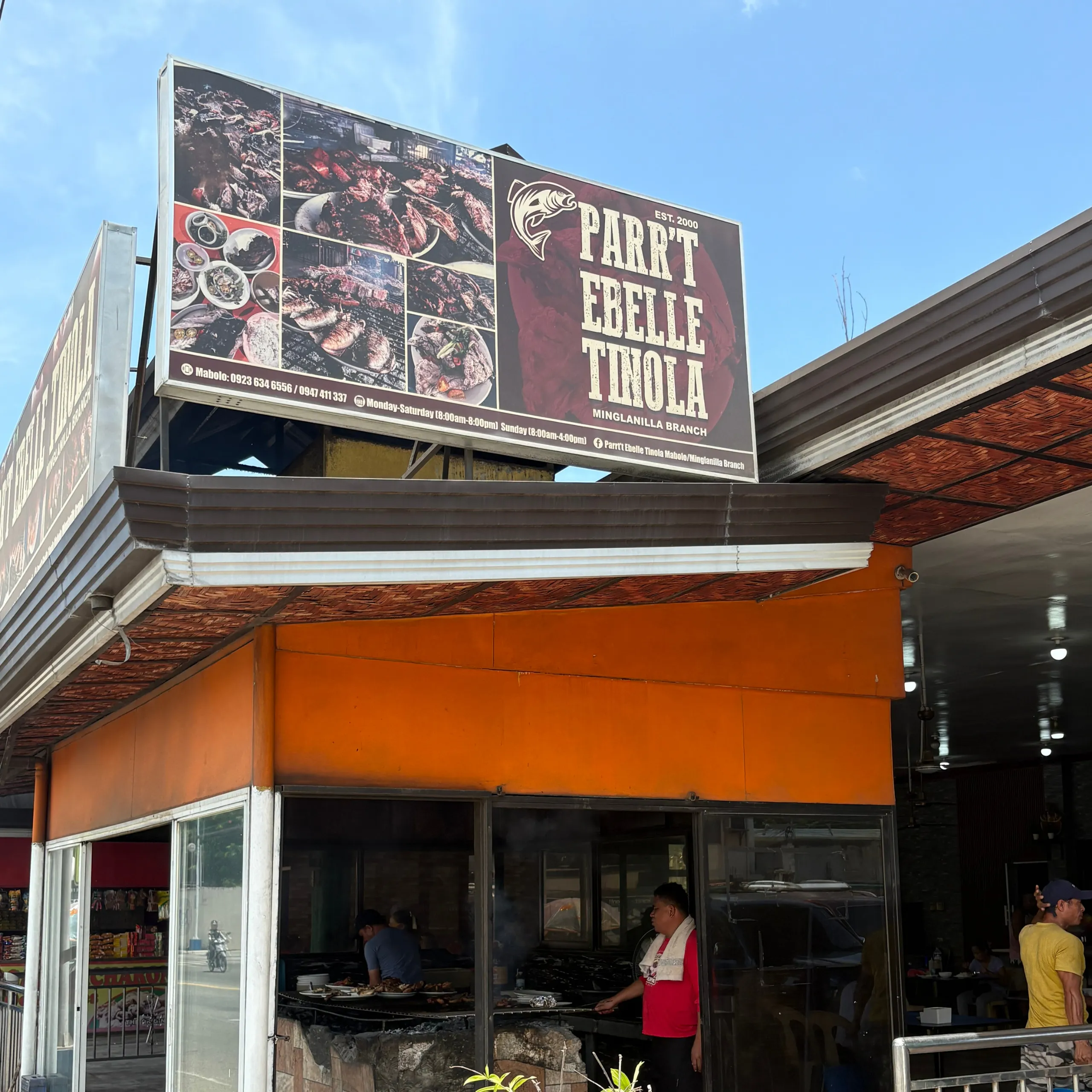
From fish tinola and charcoal-grilled seafood to freshly dressed kinilaw, Parr’t Ebelle has built its reputation on the simple, elemental cooking at the heart of Cebu’s sutukil tradition.
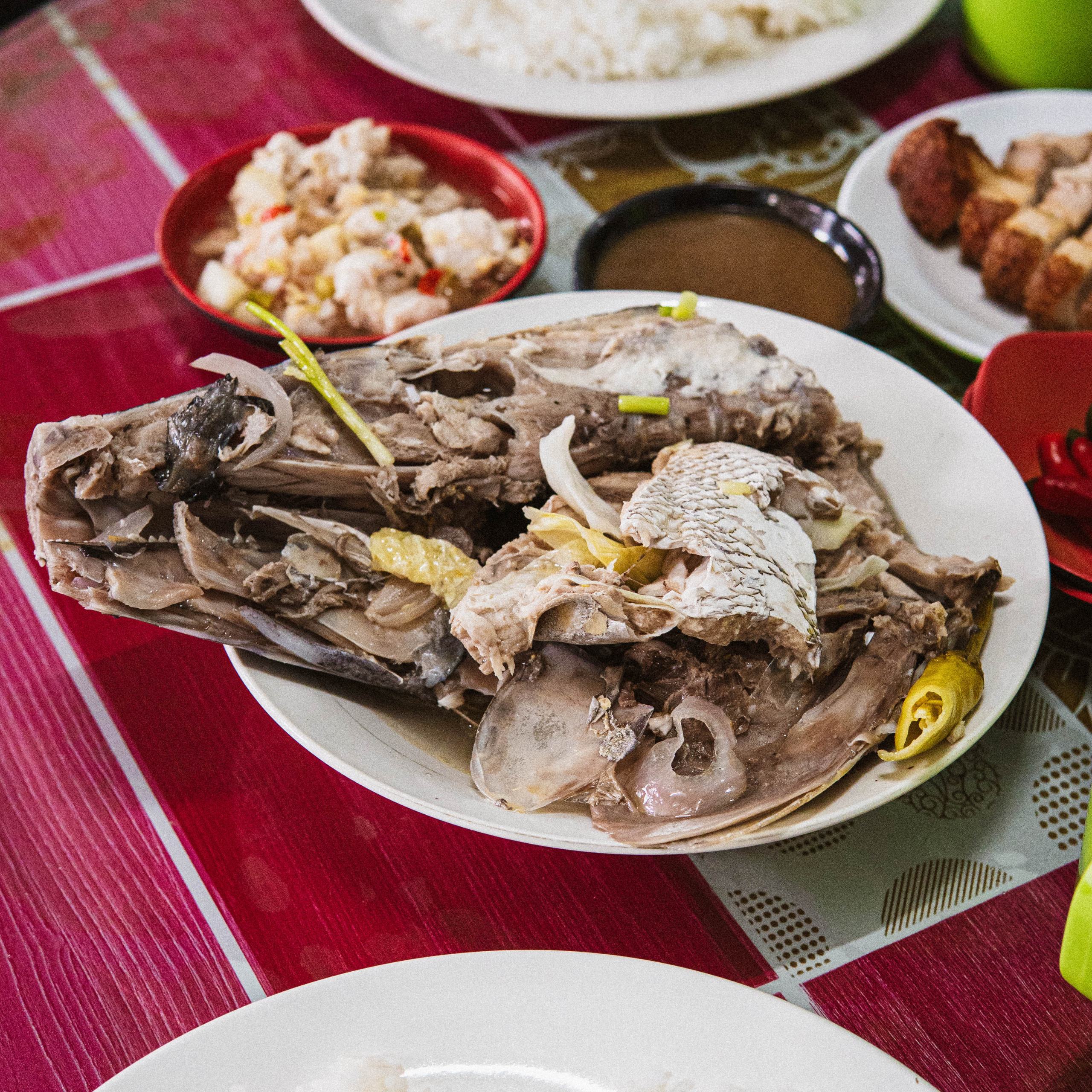
I’ve always preferred fish fillets, but DPD Carinderia’s famous fish head soup in Quezon City made me wonder what else I’ve been missing.
Page of 3
You May Also Like



Advertisement