Advertisement

An Eye-Opening Dinner in Complete Darkness at The Westin Manila

Dine in the Dark at The Westin Manila takes the familiar dinner experience away from your eyes—and makes you realize just how much you rely on them.

DINE IN THE DARK WESTIN
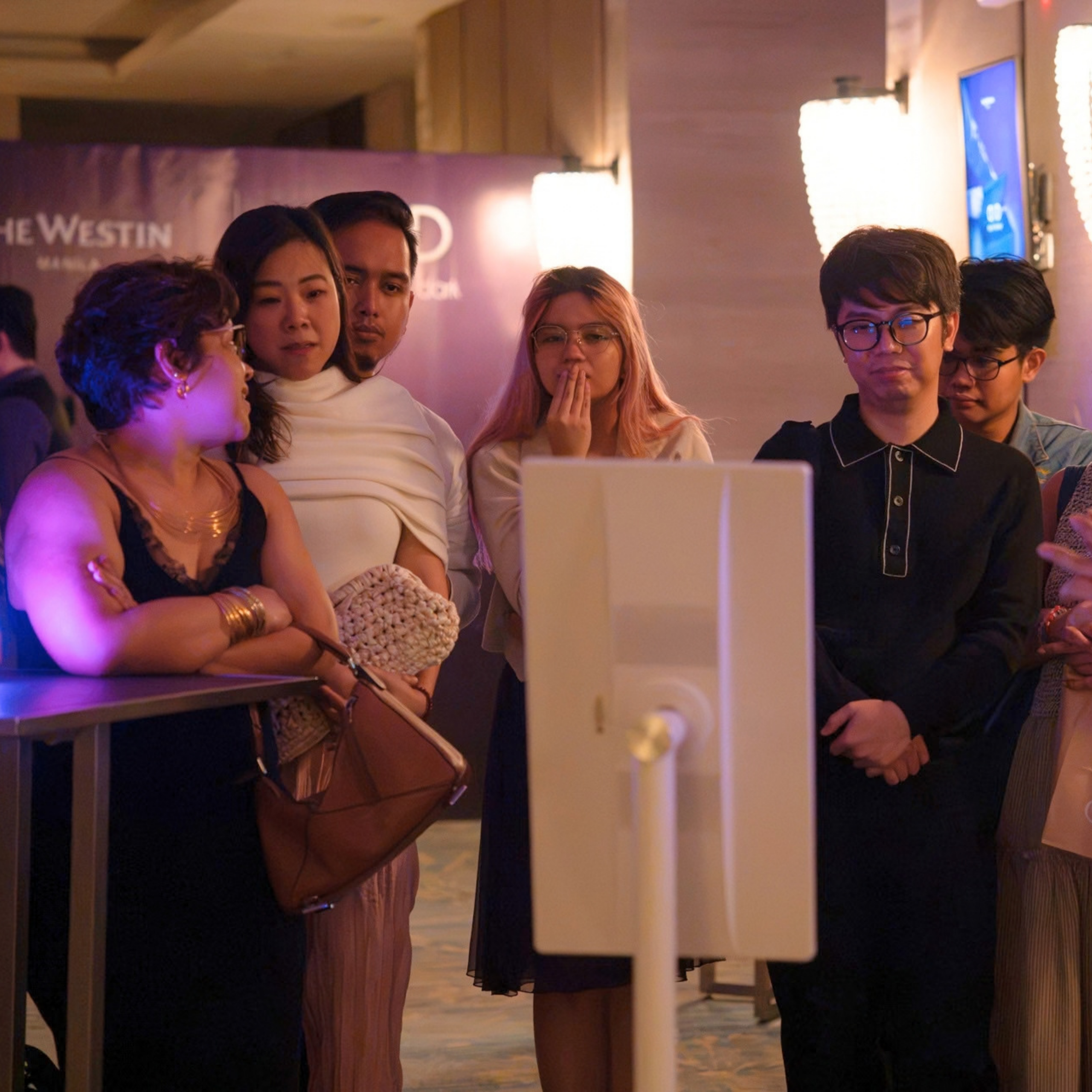
There’s a lot of surprises hiding in the dark at Westin!  [PHOTO COURTESY OF The Westin Manila]

There’s something slightly unsettling about being told that dinner will be served in complete darkness.

Not dim lighting, Not candlelight. Not one of those restaurants where you can still make out the person sitting across from you. I mean pitch black, with no phones, no peeking, and no visual clues to help you figure out what’s sitting on your plate. That’s the idea behind Dine in the Dark (DID) at The Westin Manila.
DINE IN THE DARK WESTIN
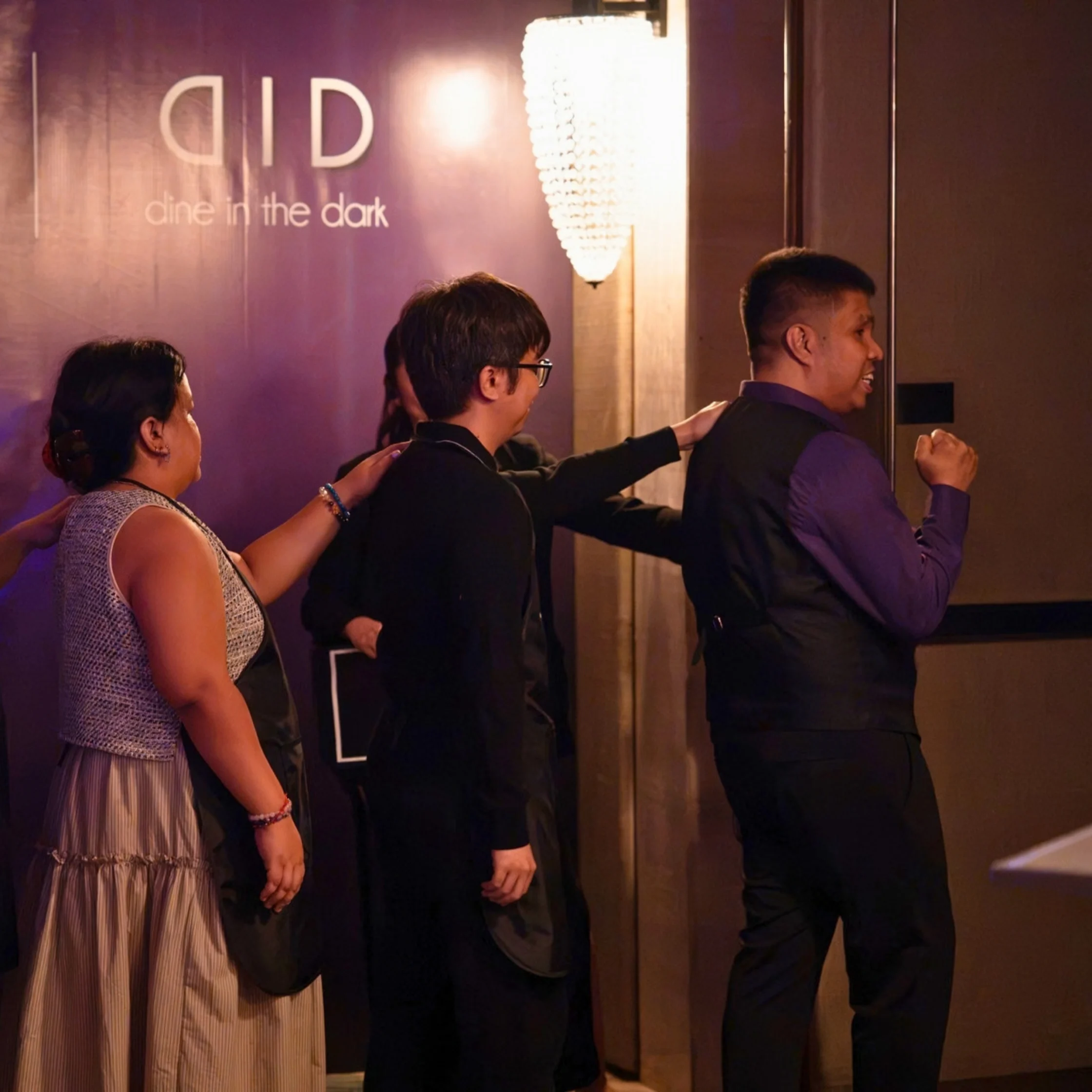
Diners were guided into a pitch black room by visually impaired guides. [PHOTO COURTESY OF The Westin Manila]

It’s an experiential dining concept where guests eat in a room void of any light while being guided and assisted by visually impaired guides. And while you might assume that taking away your sight would make you pay more attention to the food, I found that the experience was a little more complicated than that.

Dine in the Dark: Orienting at the Table Without Sight

The first challenge wasn’t figuring out what I was eating. It was actually figuring out where everything was.

Without being able to see my plate, utensils, glass, or even the person beside me, suddenly even simple things required a lot more thought. Where exactly is my fork? Am I reaching for the glass or something else? How do I know where the food is on the plate?

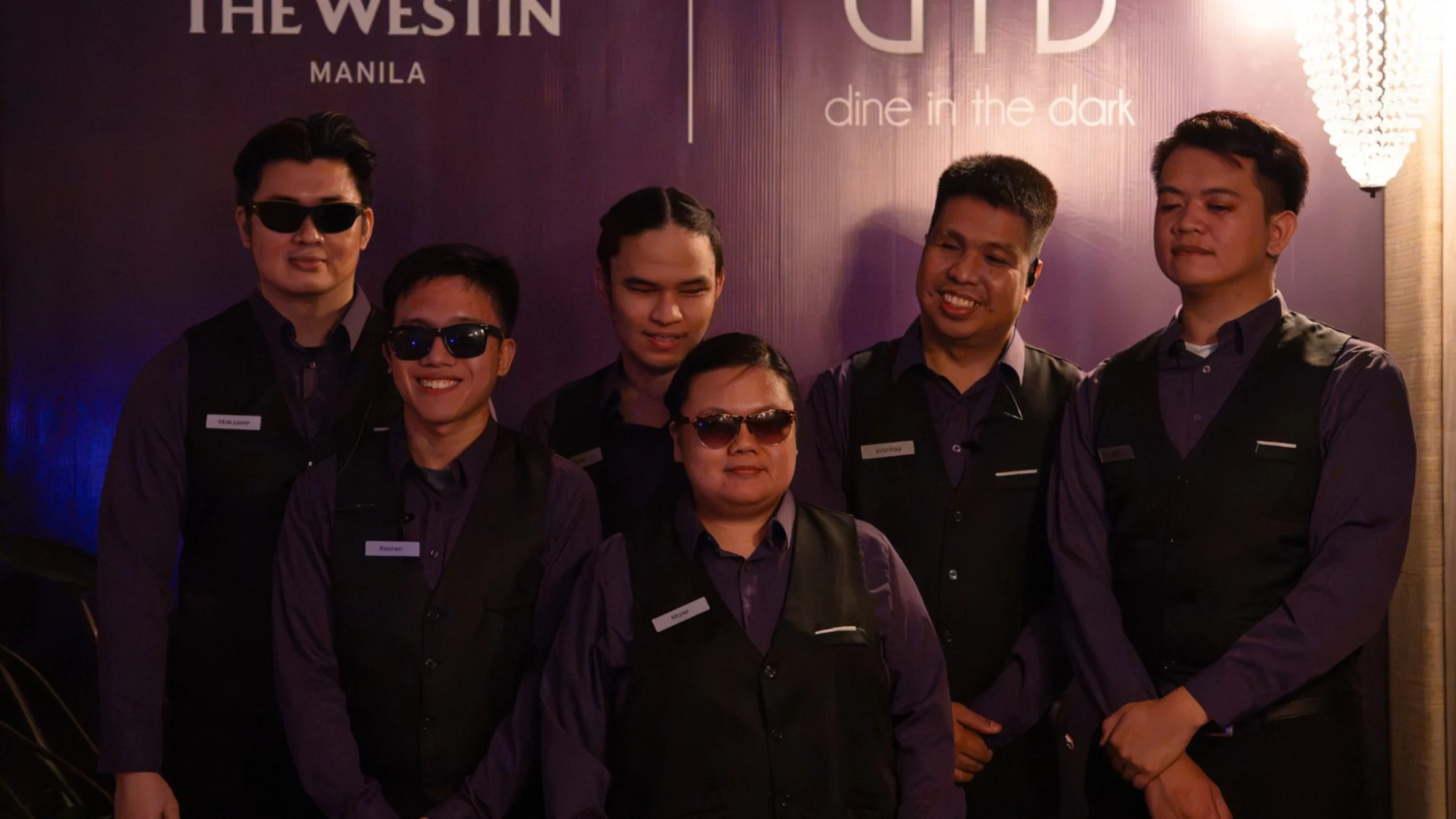
Thankfully, our guides, Mark and Jeffery, made the transition much easier.
DINE IN THE DARK WESTIN
Westin’s Dine the Dark Guides [PHOTO COURTESY OF The Westin Manila]

Warm, patient, and remarkably good at talking us through the entire experience, they guided us around the room, helped us navigate the table, and gave clear instructions when a dish was served. More importantly, though, they did all of that without making the experience feel awkward or overly controlled. So despite being in complete darkness, I felt surprisingly comfortable. 

That, in itself, was probably one of the biggest takeaways from the experience.

Tasting Without Seeing: How a Mystery Menu Shifts Attention to Texture and Aroma

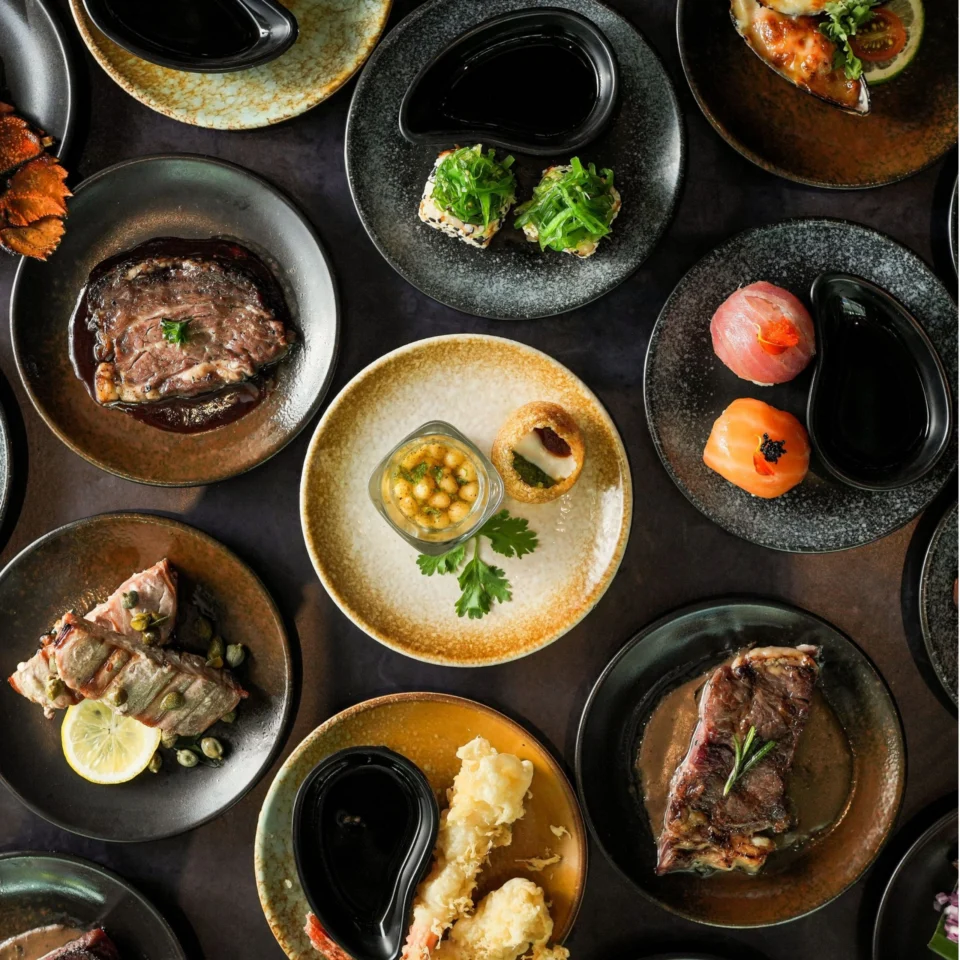
The mystery menu at The Westin Manila is designed around textures, temperatures, aromas, and flavors. The meal I had included eyebrow-raising, slightly head-scratching appetizers, a hearty main course, and a creamy, fruit-filled dessert.

I obviously can’t give you the usual description of how each dish looked because, well, I didn’t see any of them. But the food itself was interesting—all of which consisting of different textures and flavors.

But without the visual component, I often found myself trying to identify ingredients through taste and texture instead. There was a certain fun in trying to figure out what I was eating, even when I wasn’t always successful. 
DINE IN THE DARK WESTIN
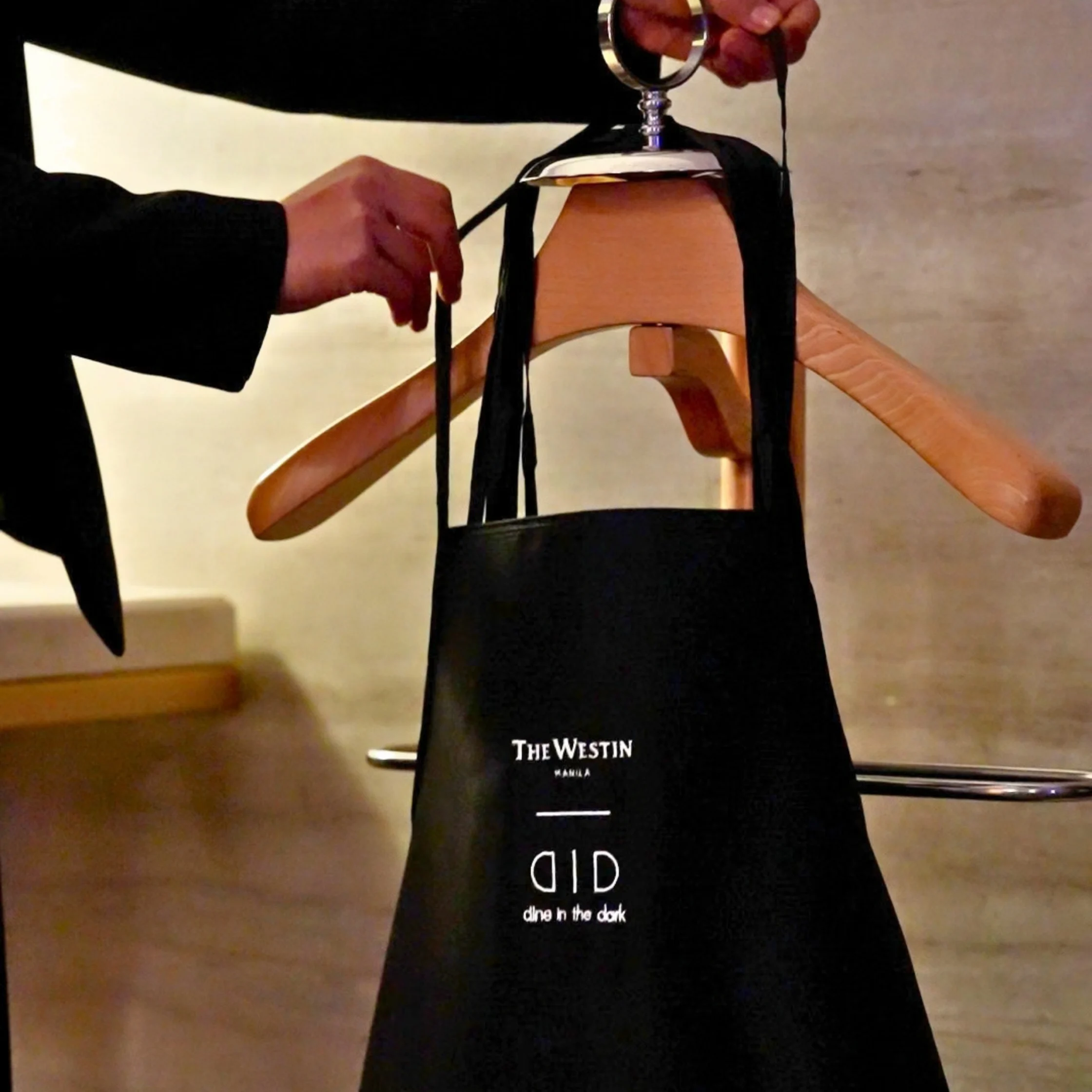
Aprons were provided to each guest, so they wouldn’t get any food on their clothes! [PHOTO COURTESY OF The Westin Manila]

And while every bite carried the excitement of a small guessing game, I initially expected the darkness to help me better focus on the food. In reality, though, a huge chunk of my attention was spent making sure I was okay. I was thinking about where my hands were, how much food was on my fork, where my drink was, and whether I was about to accidentally knock something over.

It sounds almost contradictory: remove the biggest distraction—in this case, sight—and suddenly there are even more things to think about.

Dine in the Dark: The Role of the Guides

This is where the guides really make the experience work. Their assistance doesn’t simply help you get through dinner—it changes the dynamic of the meal.

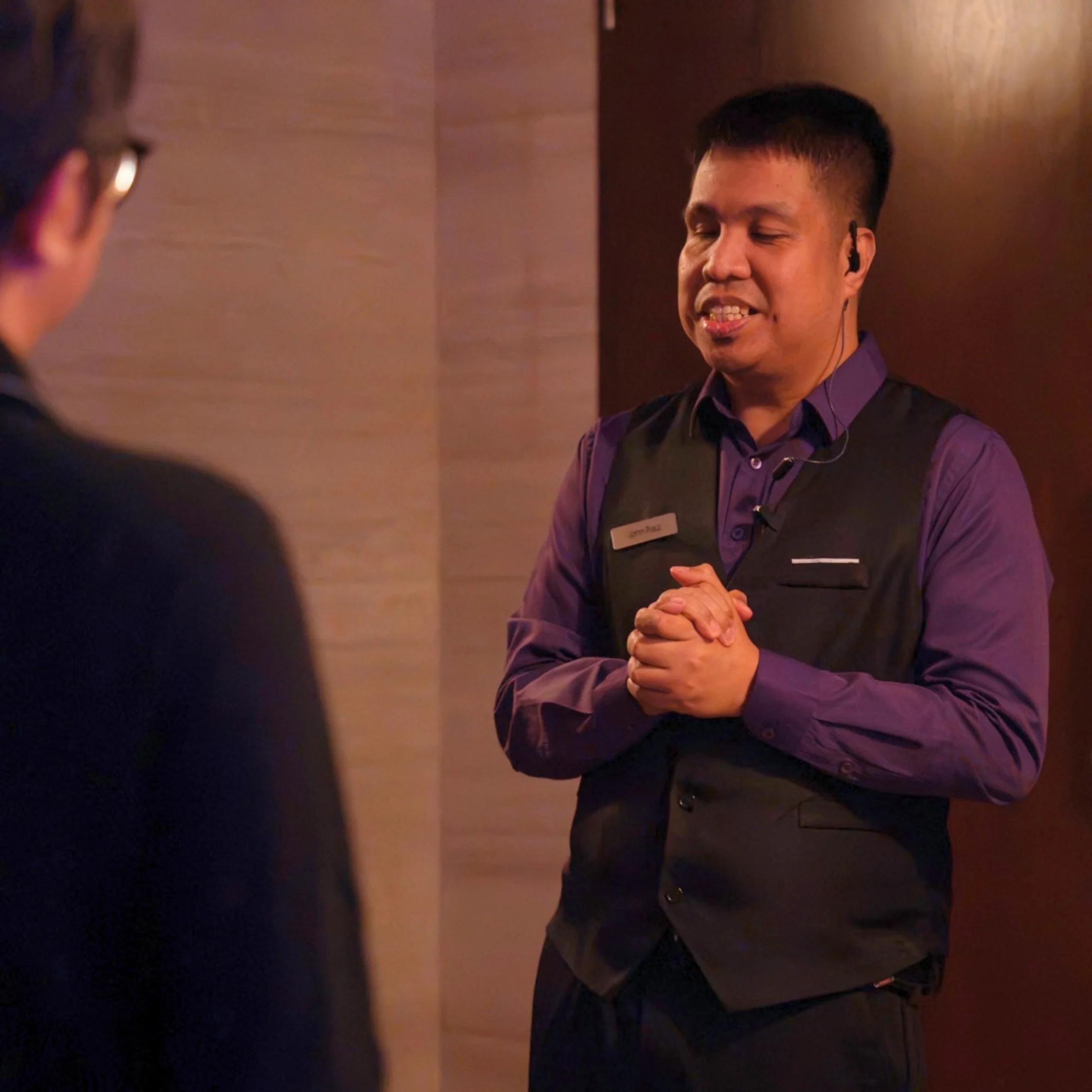
You’re used to being the person who sees where you’re going, reaches for things, and figures out what’s happening around you. In DID, you have to trust someone else to guide you. The guides at The Westin Manila did this exceptionally well. Their instructions were clear without being intrusive, and their calm, reassuring presence made it easy to relax into the experience.
DINE IN THE DARK WESTIN
The guides were patient and accommodating—helping diners feel safe and comfortable. [PHOTO COURTESY OF The Westin Manila]

It also makes you reconsider some of the assumptions you might have about visual impairment. These weren’t people simply helping guests because they couldn’t see. They were confident professionals who knew exactly how to navigate the room, serve guests, and make us feel at ease.

Dine in the Dark: More Than Just a Dinner

Dine in the Dark was established in Bangkok in 2012 by social entrepreneur Julien Wallet-Houget and has since expanded to different locations across Asia Pacific. At The Westin Manila, the concept fits neatly with the hotel’s focus on wellness, community, and connection.

But I think its biggest strength is that it gives you something other restaurants don’t usually ask you to do: let go of control.
DINE IN THE DARK WESTIN
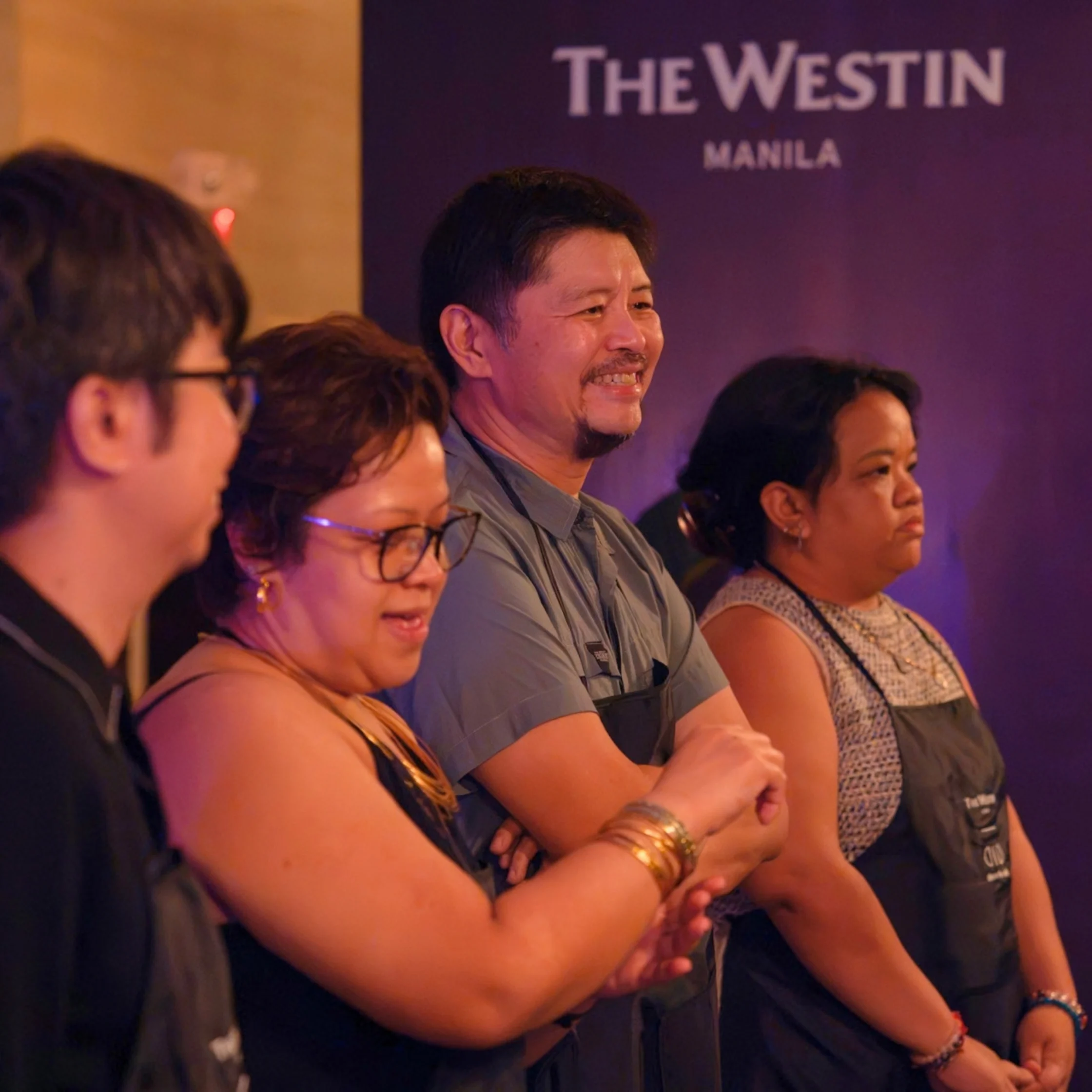
After a meal at Dine the Dark, you’re for sure to leave satisfied and smiling. [PHOTO COURTESY OF The Westin Manila]

You can’t photograph your food, you can’t judge a dish by its presentation, you can’t look across the table to see someone’s reaction, and you can’t rely on your eyes to tell you what’s happening next. You simply have to listen, taste, feel, and trust your guide.

I went into Dine in the Dark expecting to focus more on the food. Instead, I found myself thinking more about the experience of eating itself—and how much of dining we normally take for granted.

I guess, the most eye-opening dinner is the one where you can’t see anything at all.
author avatar
Paolo Elwick
Paolo is a food writer and storyteller exploring the intersections of food, culture, and identity through thoughtful, people-centered storytelling. He believes that, second only to language, food is one of humanity's most powerful expressions of culture—a medium for preserving history, expressing identity, and coming to understand ourselves and connect with others. Drawn to the histories, traditions, and personal experiences behind every dish, his writing combines curiosity with emotional honesty, highlighting diverse voices and celebrating the communities that shape our food landscape. Influenced by writers and artists who embrace vulnerability and introspection, Paolo uses a reflective, metaphor-rich approach to uncover the deeper meanings found in everyday meals and shared tables. He is passionate about creating stories that foster empathy, preserve cultural narratives, and invite readers to see food as more than sustenance—as memory, identity, and belonging. Through his work, Paolo hopes to amplify underrepresented perspectives and spark meaningful conversations that extend far beyond the plate.

Frequently Asked Questions

Dine in the Dark at The Westin Manila is an experiential dining concept where guests eat a mystery menu in a room without any light. Visually impaired guides lead diners through the room and the meal, so the experience relies on taste, texture, aroma, and sound.

author avatar
Paolo Elwick
Paolo is a food writer and storyteller exploring the intersections of food, culture, and identity through thoughtful, people-centered storytelling. He believes that, second only to language, food is one of humanity's most powerful expressions of culture—a medium for preserving history, expressing identity, and coming to understand ourselves and connect with others. Drawn to the histories, traditions, and personal experiences behind every dish, his writing combines curiosity with emotional honesty, highlighting diverse voices and celebrating the communities that shape our food landscape. Influenced by writers and artists who embrace vulnerability and introspection, Paolo uses a reflective, metaphor-rich approach to uncover the deeper meanings found in everyday meals and shared tables. He is passionate about creating stories that foster empathy, preserve cultural narratives, and invite readers to see food as more than sustenance—as memory, identity, and belonging. Through his work, Paolo hopes to amplify underrepresented perspectives and spark meaningful conversations that extend far beyond the plate.

Dine in the Dark was established in Bangkok in 2012 by social entrepreneur Julien Wallet-Houget. The concept has since expanded to different locations across Asia Pacific, including The Westin Manila, where it fits the hotel’s focus on wellness, community, and connection.

author avatar
Paolo Elwick
Paolo is a food writer and storyteller exploring the intersections of food, culture, and identity through thoughtful, people-centered storytelling. He believes that, second only to language, food is one of humanity's most powerful expressions of culture—a medium for preserving history, expressing identity, and coming to understand ourselves and connect with others. Drawn to the histories, traditions, and personal experiences behind every dish, his writing combines curiosity with emotional honesty, highlighting diverse voices and celebrating the communities that shape our food landscape. Influenced by writers and artists who embrace vulnerability and introspection, Paolo uses a reflective, metaphor-rich approach to uncover the deeper meanings found in everyday meals and shared tables. He is passionate about creating stories that foster empathy, preserve cultural narratives, and invite readers to see food as more than sustenance—as memory, identity, and belonging. Through his work, Paolo hopes to amplify underrepresented perspectives and spark meaningful conversations that extend far beyond the plate.

Diners are guided by visually impaired professionals, including Mark and Jeffery at The Westin Manila. They lead guests around the room, help them navigate the table, and give clear instructions whenever a dish is served, so diners can settle comfortably into the darkness.

author avatar
Paolo Elwick
Paolo is a food writer and storyteller exploring the intersections of food, culture, and identity through thoughtful, people-centered storytelling. He believes that, second only to language, food is one of humanity's most powerful expressions of culture—a medium for preserving history, expressing identity, and coming to understand ourselves and connect with others. Drawn to the histories, traditions, and personal experiences behind every dish, his writing combines curiosity with emotional honesty, highlighting diverse voices and celebrating the communities that shape our food landscape. Influenced by writers and artists who embrace vulnerability and introspection, Paolo uses a reflective, metaphor-rich approach to uncover the deeper meanings found in everyday meals and shared tables. He is passionate about creating stories that foster empathy, preserve cultural narratives, and invite readers to see food as more than sustenance—as memory, identity, and belonging. Through his work, Paolo hopes to amplify underrepresented perspectives and spark meaningful conversations that extend far beyond the plate.

No. The room is completely dark and phones are not allowed, so guests cannot see plates, photograph dishes, or judge food by presentation. Diners identify ingredients through taste, texture, and aroma while guides help them locate utensils, glasses, and food.

author avatar
Paolo Elwick
Paolo is a food writer and storyteller exploring the intersections of food, culture, and identity through thoughtful, people-centered storytelling. He believes that, second only to language, food is one of humanity's most powerful expressions of culture—a medium for preserving history, expressing identity, and coming to understand ourselves and connect with others. Drawn to the histories, traditions, and personal experiences behind every dish, his writing combines curiosity with emotional honesty, highlighting diverse voices and celebrating the communities that shape our food landscape. Influenced by writers and artists who embrace vulnerability and introspection, Paolo uses a reflective, metaphor-rich approach to uncover the deeper meanings found in everyday meals and shared tables. He is passionate about creating stories that foster empathy, preserve cultural narratives, and invite readers to see food as more than sustenance—as memory, identity, and belonging. Through his work, Paolo hopes to amplify underrepresented perspectives and spark meaningful conversations that extend far beyond the plate.

The mystery menu is built around textures, temperatures, aromas, and flavors rather than appearance. The meal described included unexpected appetizers, a hearty main course, and a creamy, fruit-filled dessert, with guests guessing ingredients by taste and texture instead of sight.
author avatar
Paolo Elwick
Paolo is a food writer and storyteller exploring the intersections of food, culture, and identity through thoughtful, people-centered storytelling. He believes that, second only to language, food is one of humanity's most powerful expressions of culture—a medium for preserving history, expressing identity, and coming to understand ourselves and connect with others. Drawn to the histories, traditions, and personal experiences behind every dish, his writing combines curiosity with emotional honesty, highlighting diverse voices and celebrating the communities that shape our food landscape. Influenced by writers and artists who embrace vulnerability and introspection, Paolo uses a reflective, metaphor-rich approach to uncover the deeper meanings found in everyday meals and shared tables. He is passionate about creating stories that foster empathy, preserve cultural narratives, and invite readers to see food as more than sustenance—as memory, identity, and belonging. Through his work, Paolo hopes to amplify underrepresented perspectives and spark meaningful conversations that extend far beyond the plate.
paolo elwick delish ph food writer

Paolo Elwick

Writer

Paolo is a food writer and storyteller exploring the intersections of food, culture, and identity through thoughtful, people-centered storytelling. He believes that, second only to language, food is one of humanity's most powerful expressions of culture—a medium for preserving history, expressing identity, and coming to understand ourselves and connect with others. Drawn to the histories, traditions, and personal experiences behind every dish, his writing combines curiosity with emotional honesty, highlighting diverse voices and celebrating the communities that shape our food landscape. Influenced by writers and artists who embrace vulnerability and introspection, Paolo uses a reflective, metaphor-rich approach to uncover the deeper meanings found in everyday meals and shared tables. He is passionate about creating stories that foster empathy, preserve cultural narratives, and invite readers to see food as more than sustenance—as memory, identity, and belonging. Through his work, Paolo hopes to amplify underrepresented perspectives and spark meaningful conversations that extend far beyond the plate.

0 0 votes
Total of Ratings
guest
Rating
Ratings for Article
0 Comments
Oldest
Newest Most Voted

To provide a customized ad experience, we need to know if you are of legal age in your region.

By making a selection, you agree to our Terms & Conditions.