

In the food industry, inconsistency and unpredictability are telltale signs that something must be awry. But nature, our source for all things, always has a way of surprising us for better or for worse—especially in the subject of coffee. And if we are talking about homegrown beans in the country, the uncertainty of their turnout is a resilient response as much as it is a bitter reality to the state of agriculture in the Philippines.
At the quaint outdoor space in Nuvali where 18 Days Coffee Roasters serves all-Filipino coffee beans, branch owner Jem Catabijan expresses his musings in front of our iced Nuvaleño lattes.
“It’s not common knowledge that Filipinos can grow coffee, that we have a complete set of Arabica, Robusta, Excelsa, and Libera varieties in the Philippines. And that’s where I kind of fell in love with it. If it wasn’t for the fact that we can grow it, [that] there are some complexities in the art form of coffee, I would have never been interested in the first place,” he shares.
Today’s drink of choice is the brainchild of Jem and his father, a testament of their love for coffee apart from paying homage to this area of Sta. Rosa, Laguna. Imagine the cult favorite Spanish latte reclaimed through Filipino flavor in the form of carabao’s milk, a product of our own that he sourced in the local dairy shop next stall.
How Climate Change Is Hitting Filipino Coffee Farmers
But even in the consistency of the Nuvali-inspired beverage’s recipe and in the steady streamline of customers that they’ve had for more than a decade, the barista-slash-owner puts his faith and trust in the most unreliable element of all—the beans.
“This has been a problem ever since first year,” he ironically admits. “Last year, the storms killed a lot of trees. The farmers are telling me [that] we lost trees at almost 80% for some farms, others around 50%. The harvest is completely cut either in half or more than half, and it has changed the flavors drastically.”
Cabingin also notes that the flavor of Sagada’s coffee beans has changed, an effect of supertyphoon Nando’s wrath hitting northern regions such as Mountain Province in September last year.
The Farmer, Roaster, and Barista Behind Every Cup
In the midst of climate change’s consequences to all sectors—the food industry in particular— three valuable players work hand-in-hand to fulfill the commitment of establishments such as 18 Days in sourcing and serving exclusively-Filipino coffee beverages: that’s your farmer, the roaster, and the barista.
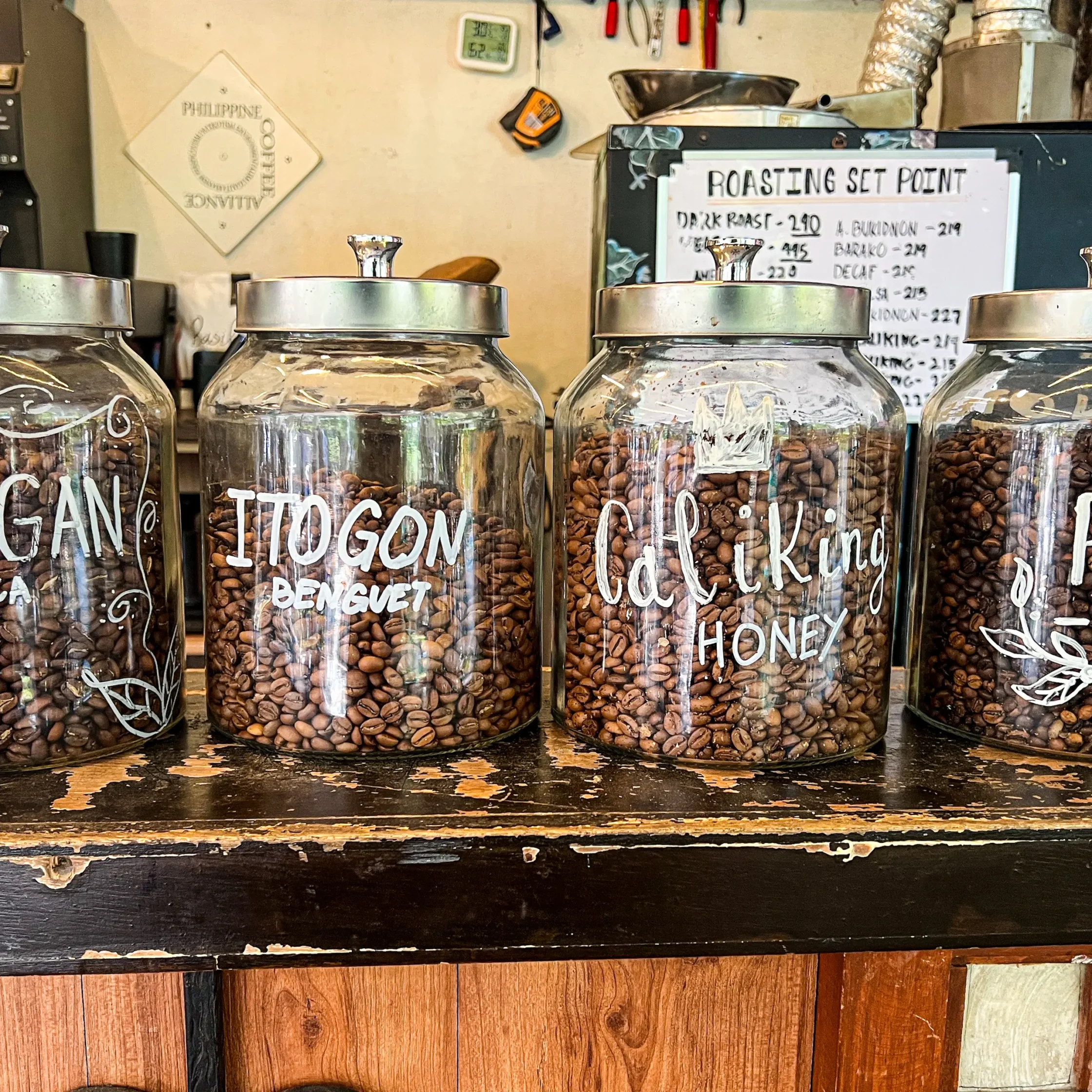
Jem points out, “I [as a barista] can only develop what is cultivated by the farmer. And then the farmer can only rely on the roaster to bring out the flavor the best way they can. The roaster, meanwhile, is relying on the barista to calibrate that coffee the best way they can. It’s not simple. Those are three people that need to be masters of the craft.”
It also goes without saying that the recent oil price hike is hitting the coffee industry pretty hard. Jem had to put his planned trips to the Cordillera regions on hold. Farmers are desperate to sell their beans, but can’t harvest or transport them due to diesel’s cost ranging from PHP 150 to 160, as of writing. But as much as he can still stretch their stock and support the farmers, Catabijan promises to do so.
Tasting the Nuvaleño: How Every Cup Tells a Different Story
I’ve tasted Nuvaleño thrice, and each cup is a nod to the ever-constant change bound by coffee’s nature. My introduction to the blend was in the form of the pour-over process with my friend’s v60 Hario switch. It was consistently rich and whole even as it cooled down, a reliable pick-upper for your everyday caffeine intake.
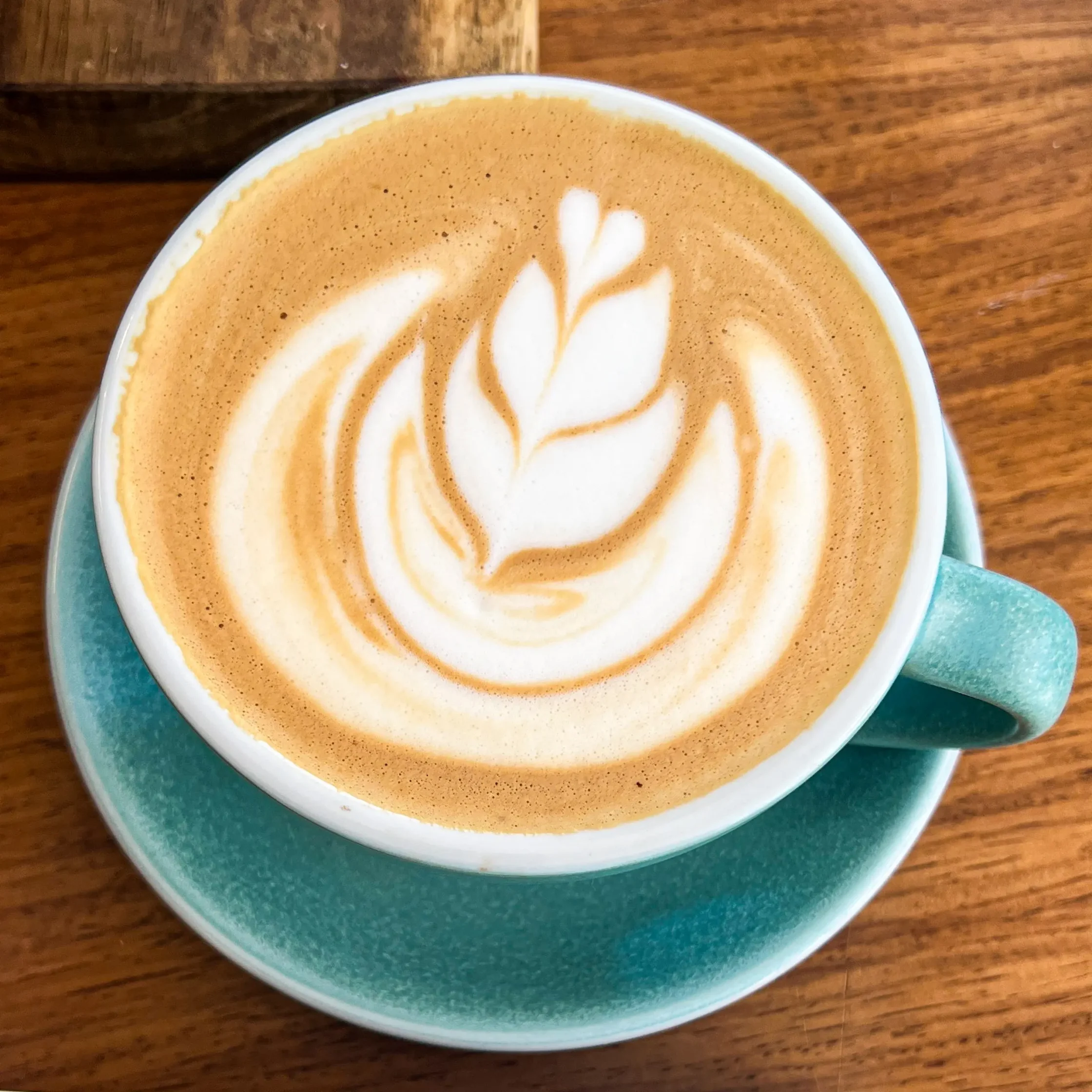
A week later, curiosity got the best of me and I got a cup of the Nuvaleño latte. This time, it was sweeter, but without the compromise of the coffee’s roasty notes. Much like my first try, the flavor was intact and present all throughout. Every sip that I took was a marriage of the condensed milk’s sweetness and beans’ richness.
For my third try, I switched to the iced latte version to cool myself from the summer heat. This time, the carabao milk stole the show. Although I could taste the blend’s distinct notes, the flavor came in second to the creaminess of the milk. Unlike its warmer iteration, this drink showcased the nuances of each layer of flavor but could possibly be a hit or miss depending on one’s preference.
In retrospect, these complexities in my experiences with the Nuvaleño blend warrant Jem’s statement on the Filipino beans’ unpredictable yet evolving notes. “It’s really a challenge to continue being here,” he confesses. Then, like coffee, he brings another flavor to his tone—conviction. “But for the love and pride of being Filipino, serving Filipino coffee is enough for me to keep going.”
18 Days Coffee Roasters is located at Solenad 3 Ayala Malls, Naval Boulevard, Sta. Rosa, Laguna.

Frequently Asked Questions
The Nuvaleño Latte is a localized reimagining of the Spanish latte, featuring a blend of all-Filipino beans and fresh carabao’s milk sourced from local dairy shops. This combination creates a distinctively rich and creamy texture that highlights the natural sweetness of Philippine dairy while maintaining the robust, roasty notes of homegrown coffee varieties.
18 Days Coffee Roaster is one of the few spots showcasing the full spectrum of Philippine coffee, utilizing all four major varieties: Arabica, Robusta, Excelsa, and Libera. These beans are sourced from various local regions, including the Cordilleras, to offer a complex flavor profile that celebrates the agricultural diversity of the archipelago.
The hot Nuvaleño latte offers a balanced “marriage” of condensed milk sweetness and bean richness, while the iced version emphasizes the thick creaminess of the carabao milk. Depending on the temperature and brewing method (such as pour-over versus latte), the coffee’s flavor notes can shift from bold and whole to more nuanced and milk-forward.
The flavor profile of local beans is highly susceptible to climate conditions and natural disasters, such as supertyphoons, which can drastically alter soil conditions and harvest yields. Because 18 Days Coffee Roaster sources exclusively Filipino beans, these environmental shifts result in “evolving notes,” making every batch a unique reflection of the current agricultural landscape.
To appreciate the technical skill of the farmer, roaster, and barista, try the Nuvaleño blend in different forms to see how the flavors calibrate. If you prefer a pure caffeine experience, opt for a pour-over; if you want to experience a “reclaimed” Filipino classic, the iced latte with local carabao milk is the recommended choice for the Laguna heat.