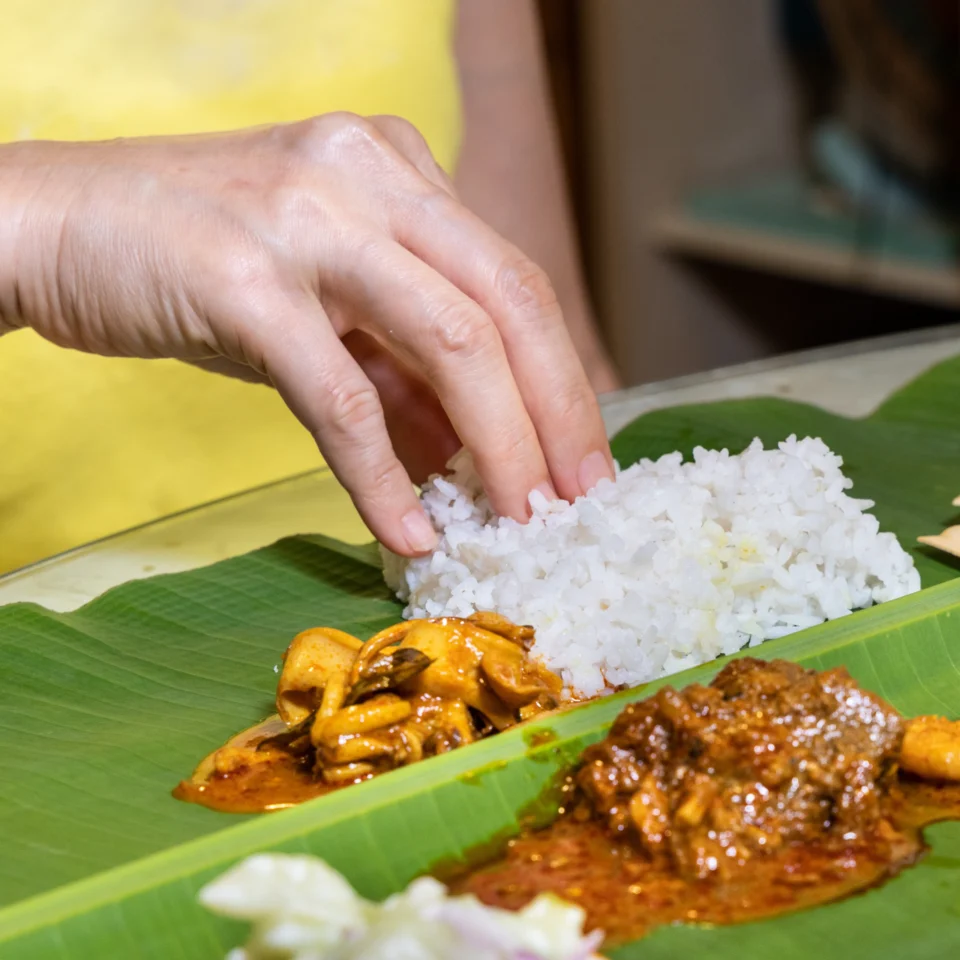


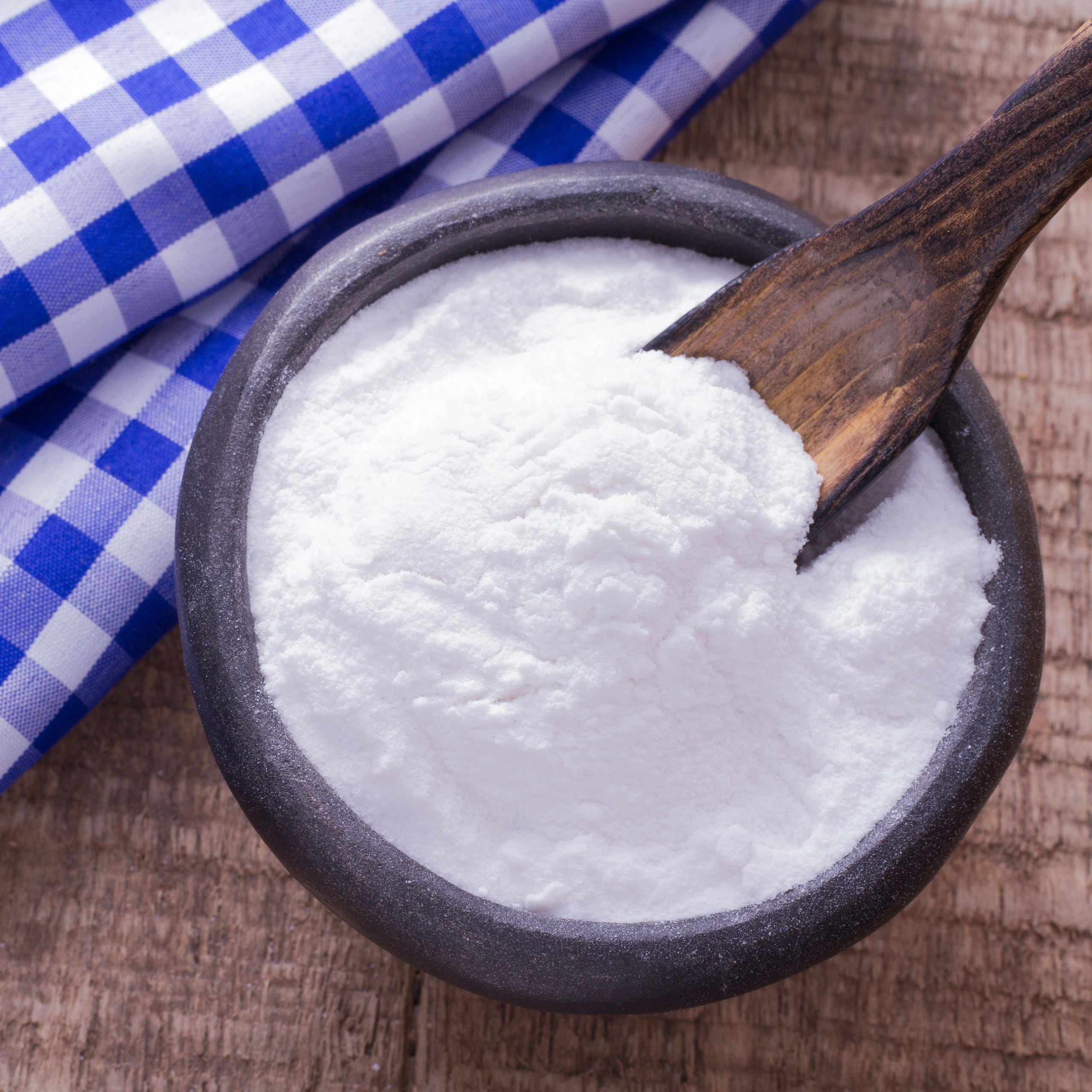
Life has been hard these days, and if you’re keeping your pantry in stock of only the basics, baking soda should be on that list. It may clean and brighten clothes and surfaces, but it’s in the kitchen where this compound shines best—particularly in your cooking recipes.
Were you expecting us to say that it’s for baking? Well, your baking soda rises to the occasion in other ways.
How to Enhance Beef Flavor with Less Meat
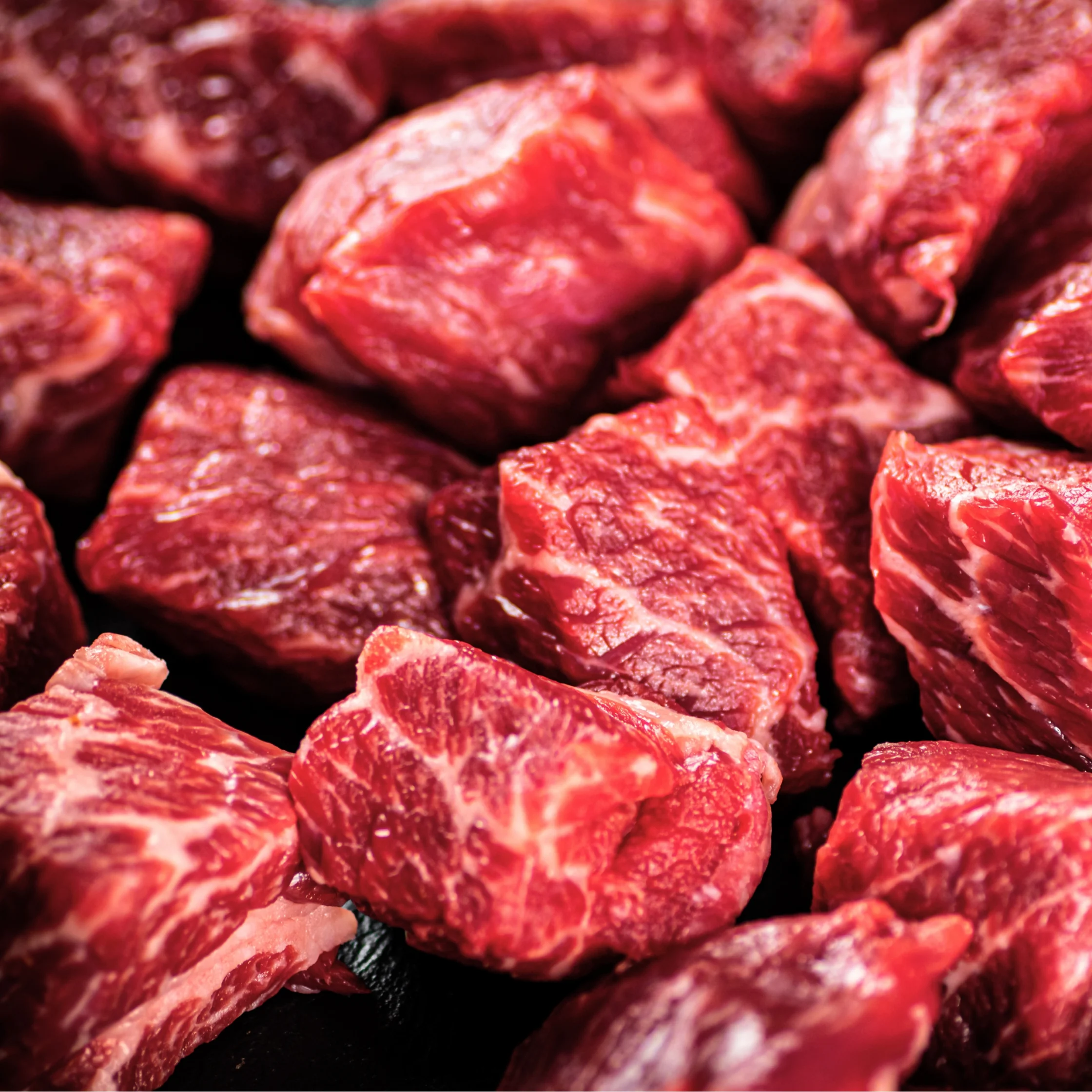
How to hack your way through soft, tender beef for your tapaTapaThinly sliced cured beef, marinated in soy sauce, garlic, sugar, and vinegar, then pan-fried until tender and browned at the edges. Served with garlic rice, fried egg, and spiced vinegarGo to Tapa Glossary or creamy mushroom steak recipe? Adding baking soda to your cattle meat is the secret to that. Known to Chinese cooking as velveting, this technique keeps your beef’s moisture intact while also sealing in all its flavors. Even Erwan Heussaff swears by this step for his tapsilog meal, adding a ¾ teaspoon of baking soda for every 250 grams of beef.
The Best Shortcut for Quick Caramelized Onions
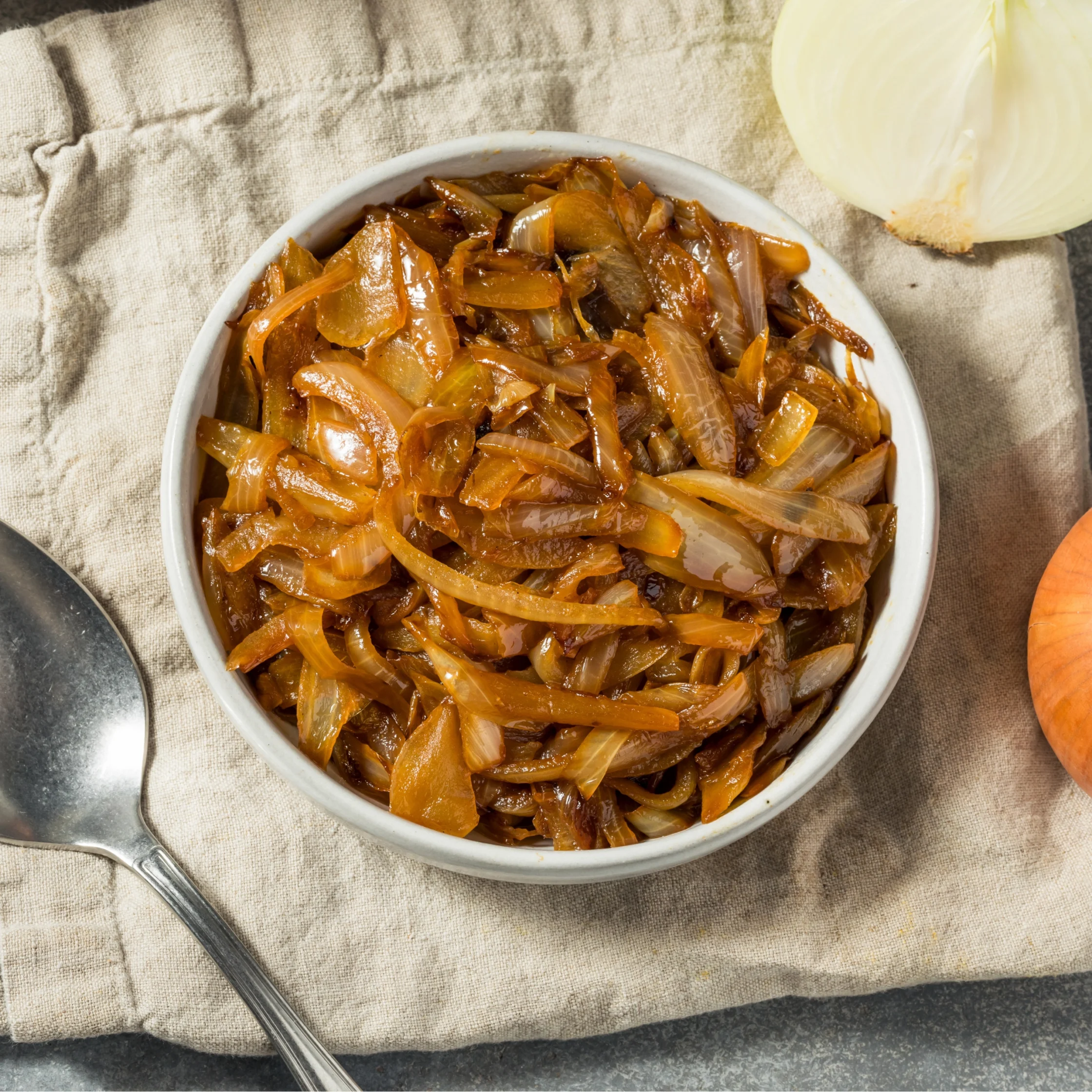
Oh, you know onions and their layers! It does take time to release their rich, caramel color apart from their natural sweetness, but baking soda’s got you. Sprinkling about ¼ teaspoon for every pound of your onion cuts your caramelization process half the time by increasing its pH level. This is known as the Maillard reaction between the amino acids and reducing sugars in high heat, which is responsible for that distinctly nutty and roasty, yet sweet flavor.
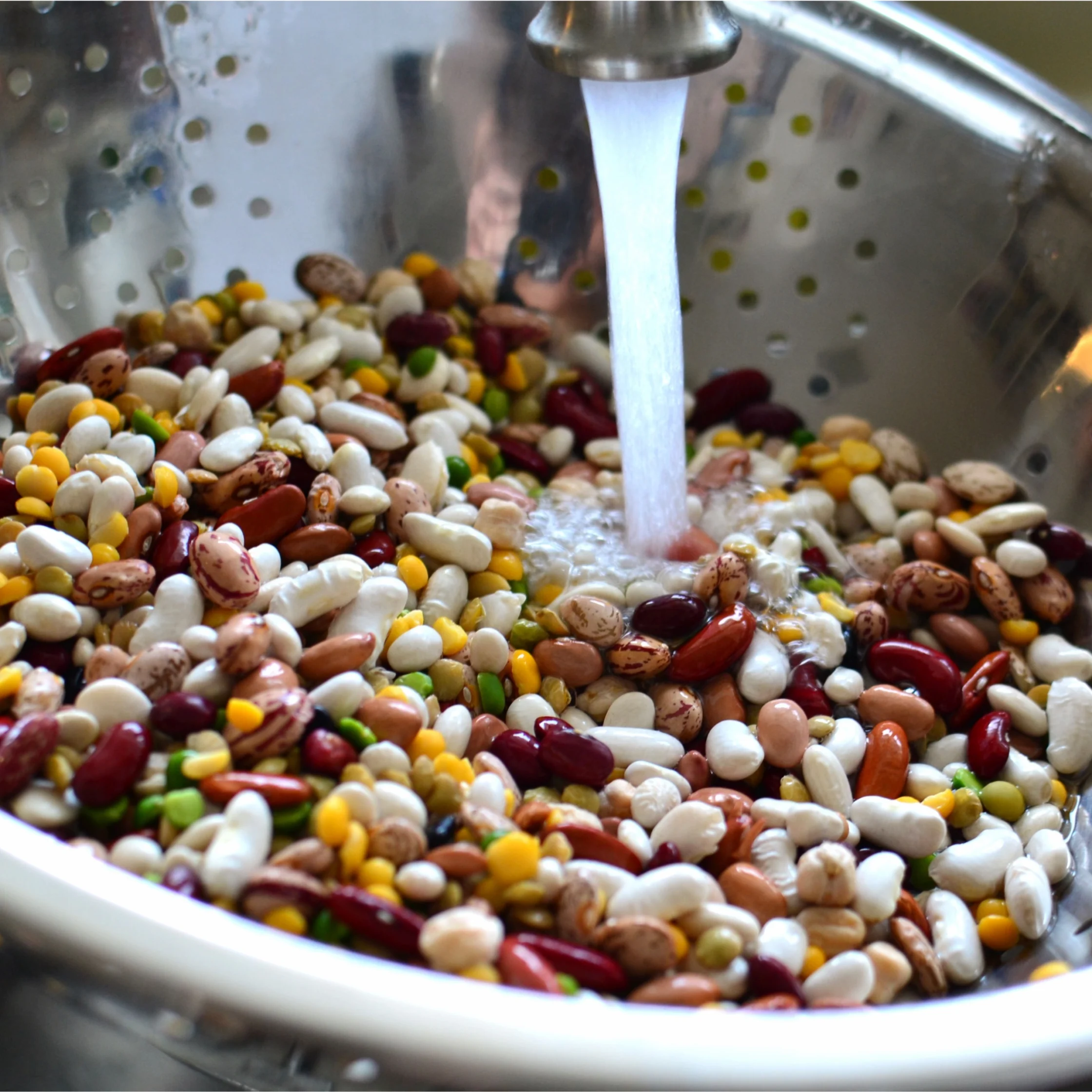
Tips for Cooking Softer, Creamier Beans
Beans can be as versatile as they can get, but they can also be tough to work with. Adding ¼ teaspoon of baking soda for every cup of water for your soaked beans breaks down their pectin, speeding up their softening process. No need to fret about hard surprises in your soups or dips now!
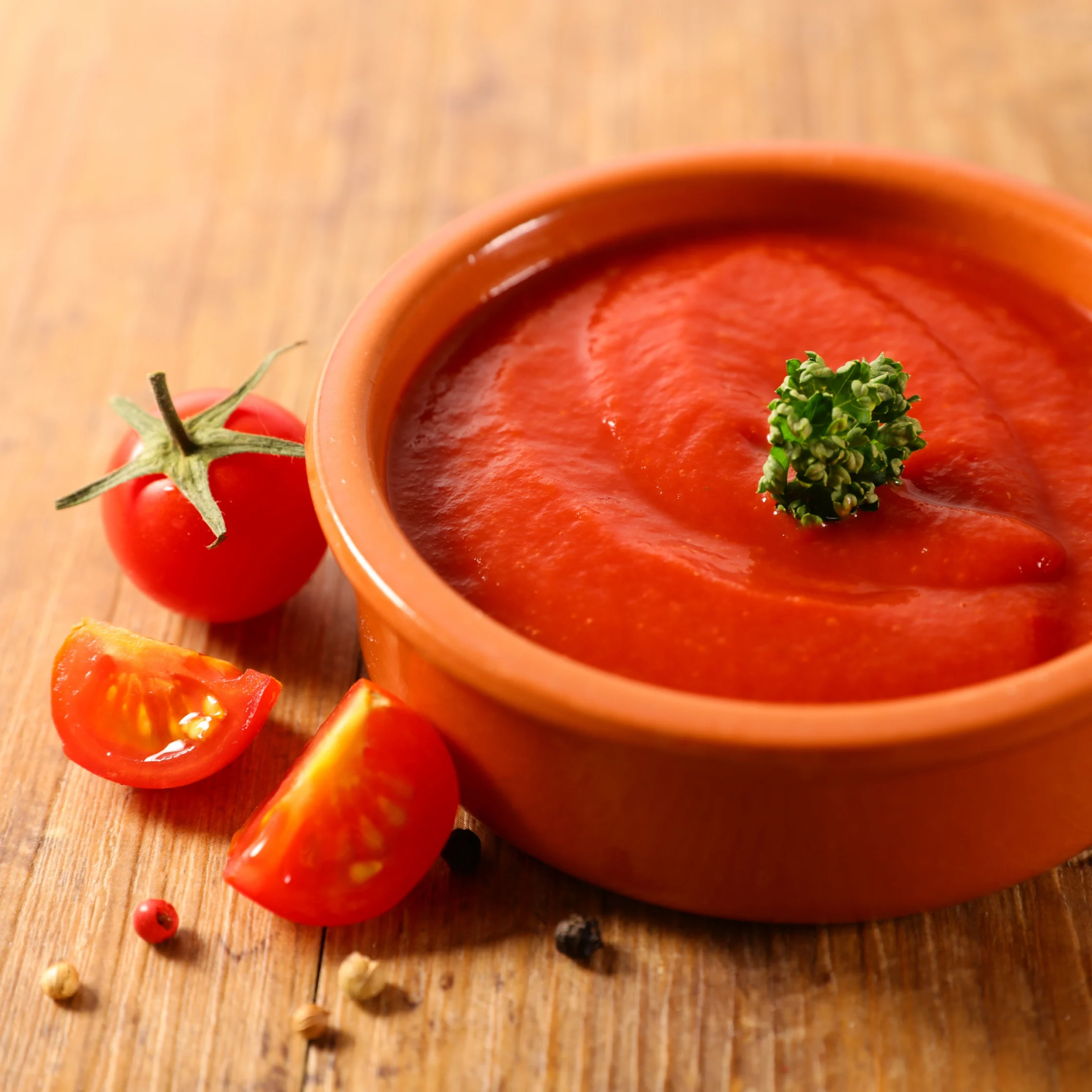
How to Reduce Acidity in Tomato Sauce
Finding your tomato base for your creamy soup or chicken parmigiana a little too tangy for your taste? Your baking soda will let you enjoy that rich, savory flavor without any overwhelming tartiness. Its alkaline nature balances the acidity of your tomato, but remember to keep it to a minimum of around ¼ teaspoon for no bitter aftertaste.
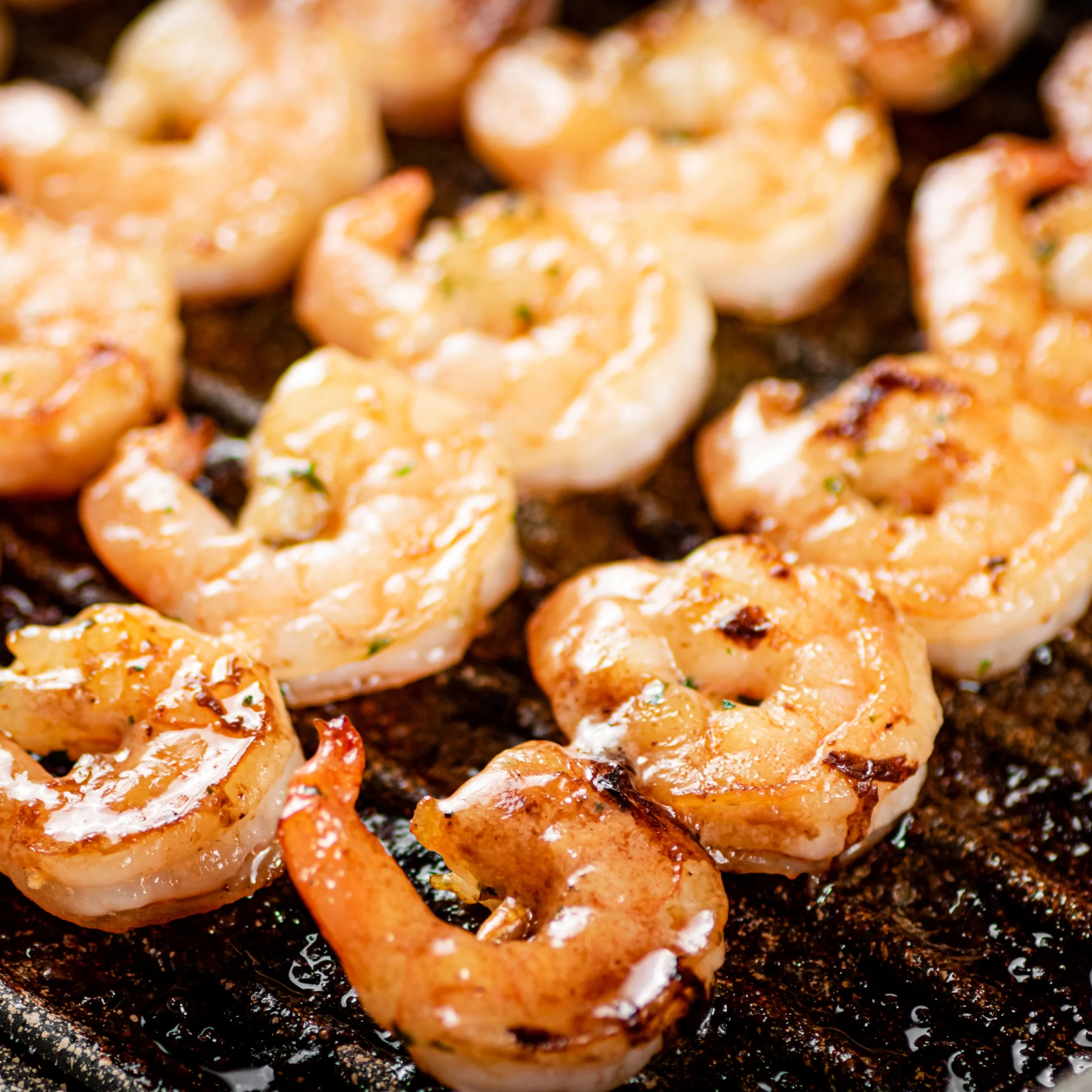
Essential Prep Tips for Better Shrimp Dishes
Want your shrimp to be the star of your quick garlic butter dinner dish or surf and turf menu? A quick, dry brine is key to achieving that plump texture and juicy taste. Coat a pound of shrimp with one teaspoon of salt and a quarter teaspoon of baking soda, then chill inside the refrigerator for 15 minutes to an hour. From there, you can start getting creative with your shrimp dish! But don’t get too complacent—overcooking can still happen, so keep your eye on the pan.

Frequently Asked Questions
Baking soda, or sodium bicarbonate, is a white crystalline powder that’s often used in baking. It is a leavening agent.
No, baking soda can also be used for tenderizing meat, caramelizing onions, softening beans, reducing acidity, and keeping shrimps plump and juicy.
Sometimes called velveting, adding baking soda to your beef keeps it juicy and flavorful by raising the pH on the meat’s surface to prevent protein tightening.
Baking soda increases the pH level of the onions which speeds up the Maillard reaction, giving you that distinct nutty, roasty yet sweet flavor in half the time.
Yes, baking soda breaks down the beans’ pectin, helping speed up their softening process.
You can use baking soda to tone down the acidty of your tomato-based because of its alkaline nature that counters the acidity of the tomatoes.
You can use baking soda to create a dry brine that’ll help keep your shrimp plump and juicy right before cooking.