

Food is deeply ingrained in Filipino culture that it has become a part of our vocabulary, associating even our psyche to some words that we usually see or taste in the kitchen.
Why do Filipinos use food words to describe people?
Sometimes, they’re simply culinary terms found in the list of ingredients in recipes, some menus, or cookbooks. Now, these nine expressions mean more, adding richer flavors to our expressions.
Patola
Sponge gourd, silk squash, Chinese okra—this elongated vegetable certainly does have a lot of names under its belt. We usually enjoy this with boiled egg, tiny pork cubes or hipon, and misua, but it means something else these days.

Ever been called “patola”? It’s not because you’re anything like the vegetable. Coming from the original word “patol,” the slang means you’re certainly not going without a fight when triggered by some statement or action. Ignorance is not bliss for you, but saying your piece is. Nowadays, people may call you one if you’re the type to answer back on social media.
Sabaw
We’re all no strangers to being “sabaw,” especially when we’re thinking of too many things all at the same time. This also happens when we’re suddenly disorienting during a conversation that we offer an apology and say, “Sorry, sabaw kasi ako.”

Food-wise, there’s no denying how comforting hot soup can be. It’s much like a hug in a bowl, even. But if you’re “sabaw,” it’s usually because our thoughts are scattered, with our disposition all over the place. Just like how you’d see the components of your soup dish floating around in the pot.
Balat-Sibuyas
“Maramdamin” is one way to describe someone who’s sensitive in Tagalog, but you can also call them balat-sibuyas. An onion’s skin is delicate to touch, something that’s comparable to someone who tends to get easily offended. That’s one way to look at them, but onions can be quite tough, too. Don’t we all shed a tear or two when slicing through them?
Hate chopping onions because it makes you tear up? Here’s how to cut onions without crying!
Toyo
Besides salt and fish sauce, the soy sauce is a staple in a Filipino kitchen. It’s quite a versatile flavor enhancer for our dips, sauces, soups, and stews, but it’s also what we can call someone who’s in a foul vibe or even going through a mood swing. “Tinotoyo ka na naman!” or “May toyo na naman siya” is usually how we’d hear it said by Filipinos familiar with the term.
Though its origin can hardly be traced, a 1975 Filipino song titled “T.L. Ako Sa’yo” had the lyrics, “Sabi ng lolo, may toyo ang utak ko.” It might also be a translation of “salty” in English, which is associated with someone who’s suddenly feeling bitter, angry, or annoyed.
‘Di Makabasag-pinggan
Timid, meek, and shy seem to be blander descriptions vis-a-vis our own adjective that’s more descriptive: ‘di makabasag-pinggan. We usually attribute this phrase to individuals who quietly enter a room and by all means, are as prim and proper as possible. Imagine yourself carrying a stack of plates. Aren’t you going to observe grace, composure, and caution as well? This careful, calculated act is similar to how people see those who are bashful and quiet in gatherings.

Paminta
Sharp enough to pierce through our senses but not to an overwhelming point—that’s the appeal of pepper. Adding a layer of kick with earthy, woody elements in our dishes makes a whole difference, whether you’re seasoning your breakfast eggs or your ribeye steak.
But in Filipino slang, the expression is actually considered derogatory for its wordplay that sounds like “pa-men” or trying to fit the societal expectations of how a man should act, dress up, or sound like. This definition has even expanded to pamintang buo or whole peppers for gay men who you wouldn’t suspect to be one, or pamintang durog or ground pepper for those who you can obviously tell. But whether it’s about how much pepper you’re sprinkling or identifying your sexuality, there’s just one simple rule—that should only be up to you!
Hipon
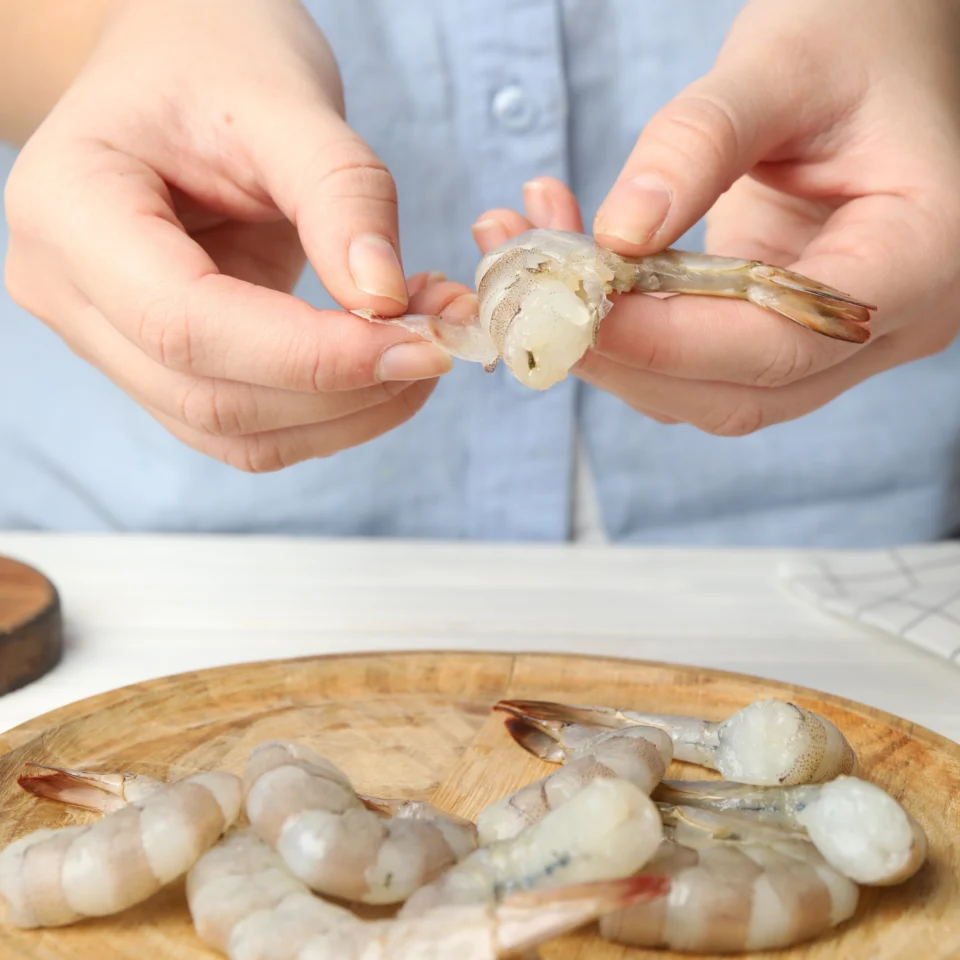
The discourse on Filipino cuisine isn’t complete without touching on shrimp, as testified by food writer and critic Doreen G. Fernandez’s book, Tikim, where she devoted a whole chapter on the seafood and its all-around utility. In cooking, each part of the shrimp contributes to the richness of a dish or a dip.
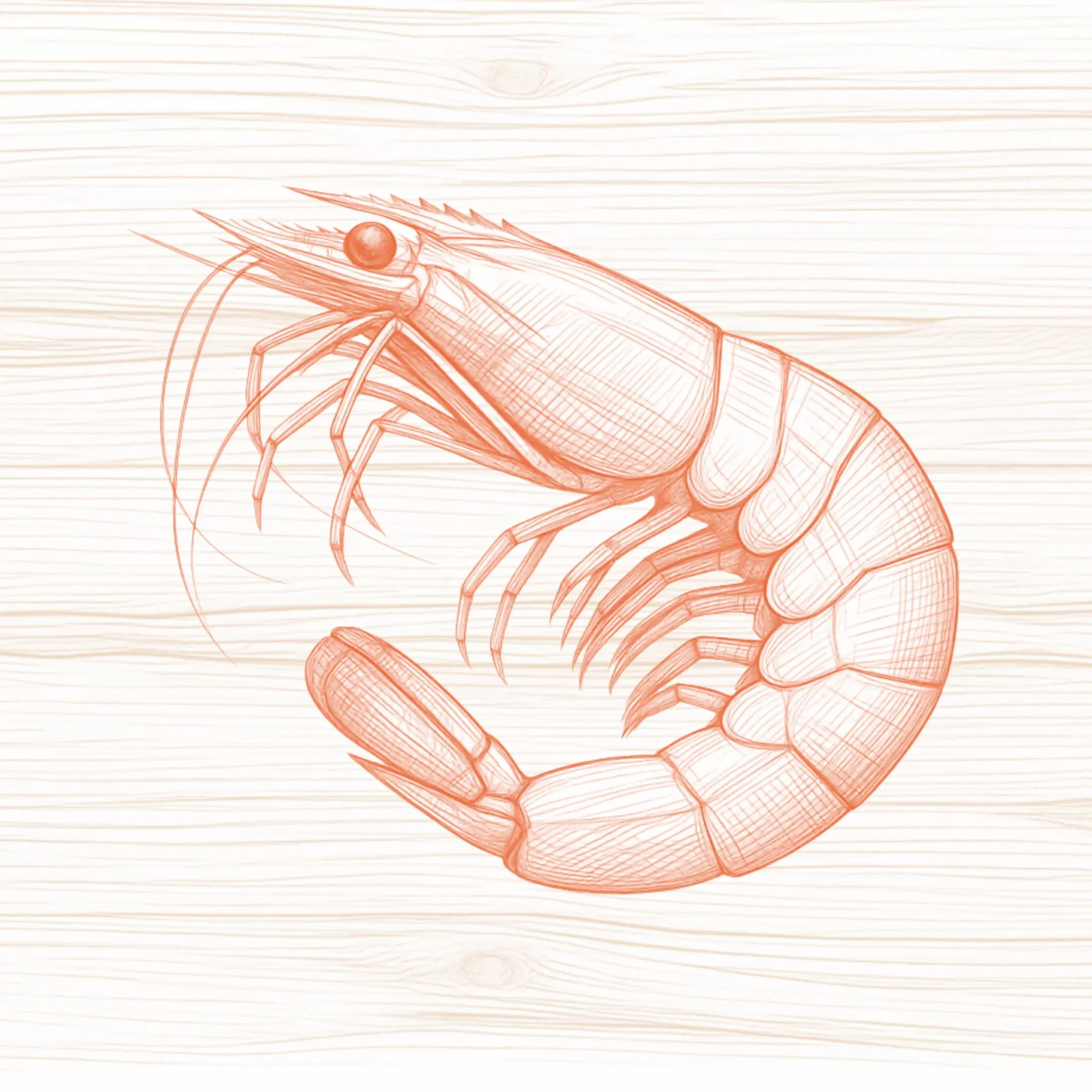
But if you attribute it to a person, it’s a form of sexualizing and disrespecting them. Calling someone “hipon” means that you think their face may not be as attractive as their body, reducing them to mere physicality. Maybe there are some terms related to food that should just stay within the kitchen, right?
Utak Talangka
Directly translated from the concept of “crab mentality,” utak talangka is used to describe those who like dragging people down whenever they see a successful person. It’s a mix of feeling threatened, envy, and having a wrong sense of fairness.
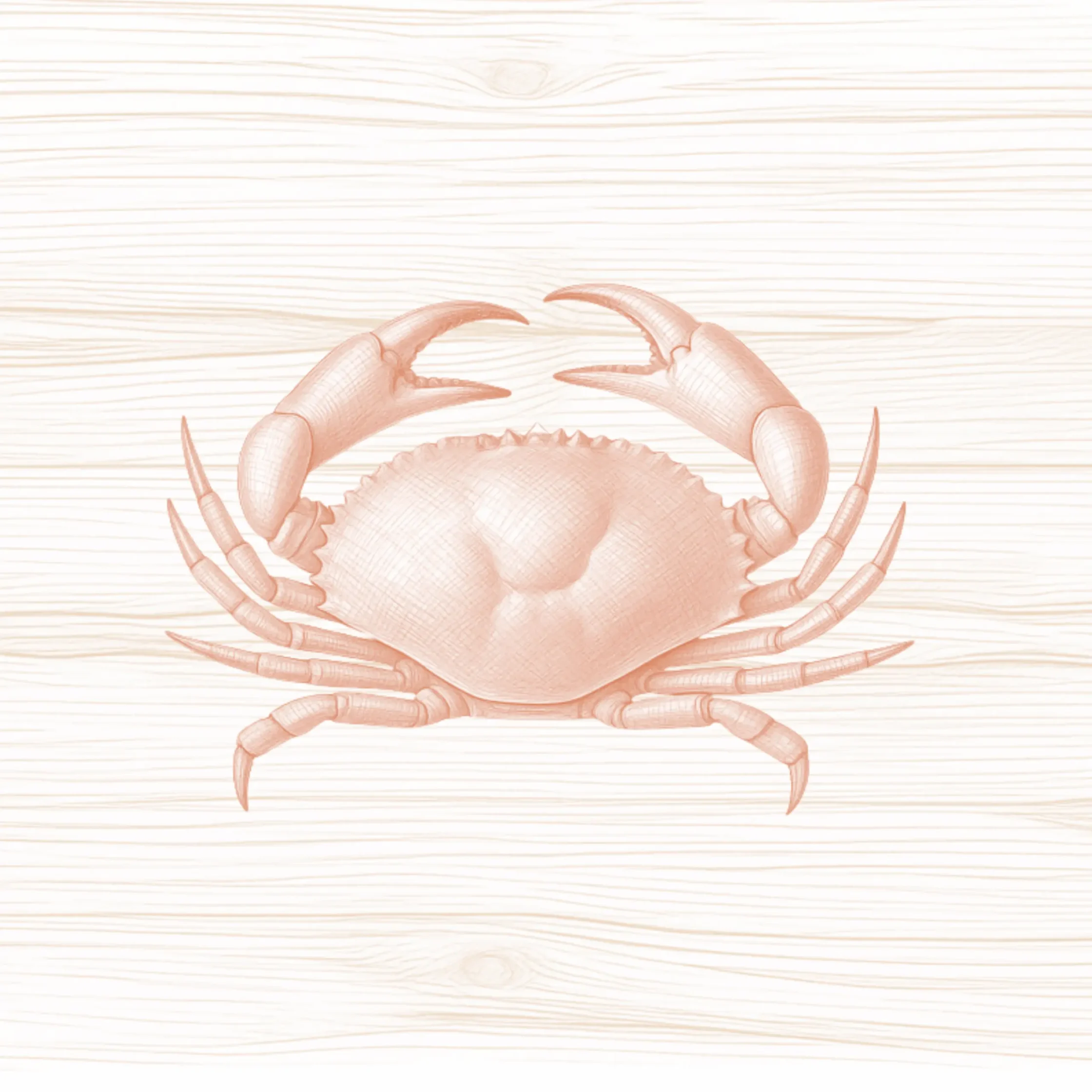
In essence, we attribute this thinking to crabs that, when trapped in a bucket, not one can successfully escape because the others pull them back. But according to our history, our bayanihan practice shifted to this mindset because of colonization. So, while crabs are sinfully irresistible, thinking like them shouldn’t be the case.
Luto
Filipinos may be jolly, but we are also competitive. And we are rightfully so in the best way, given the dedication of our representatives in sports, singing competitions, and pageantry. So, when the pride of our country doesn’t get the placement or wins they deserve, we collectively express our disappointment and say, “Luto ‘yan!” On social media, international livestreams and comments would even be flooded with “cooking show” statements. This is usually our expression whenever we think the results have been rigged to favor another more deserving candidate. And no, it’s not just merely sour graping.

Frequently Asked Questions
Food is deeply connected to Filipino culture and daily life, so many food-related terms evolved into expressions used to describe emotions, personalities, or social behavior.
While “sabaw” literally means soup or broth, Filipinos also use it to describe someone who feels mentally scattered, distracted, or absent-minded.
“Balat-sibuyas,” which translates to onion skin, refers to someone who is overly sensitive or easily offended.
“Utak talangka” refers to “crab mentality,” or the tendency to pull others down out of envy, insecurity, or competitiveness.
“Tinotoyo” is a slang expression used to describe someone acting moody, irritable, or emotionally unpredictable.
Although patola (sponge gourd) is a vegetable, the slang version refers to someone who easily reacts, engages, or takes the bait during arguments or online discussions.
“Hipon” is a slang term used to describe someone whose body is considered attractive while unfairly insulting their face. The term is often criticized for being disrespectful and objectifying.
This Filipino expression describes someone who appears timid, quiet, gentle, or overly innocent.
“Paminta” is a slang term historically used toward gay men perceived as masculine-presenting. The term is considered derogatory and outdated by today’s standards.
Beyond its literal meaning of “cooked,” “luto” is also used to describe competitions or results believed to be rigged or unfair.
Yes. Many of these expressions remain widely used in conversations, social media, and pop culture, especially among younger Filipinos online.