

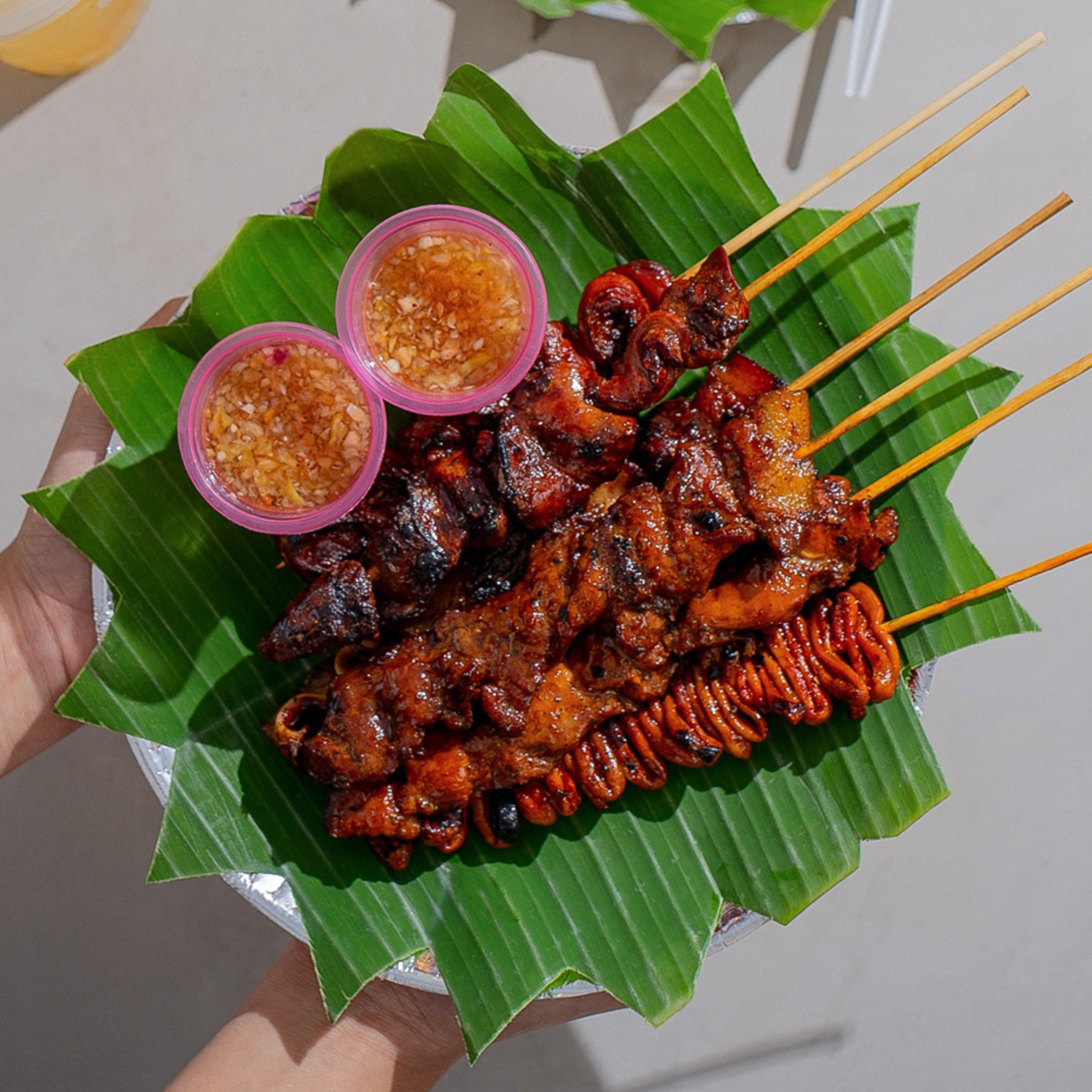
For many Filipinos, Mercato Centrale is where food discoveries happen. It’s where long queues signal the next must-try dish, where weekend cravings are satisfied, and where aspiring food businesses get their first real shot at an audience.
But behind the delicious smells, nonstop chatter, bustling stalls, and a vibrant atmosphere is a much larger mission—one that goes far beyond just serving good food.
Since its launch in 2010, Mercato Centrale has quietly evolved into one of the country’s most influential platforms for food entrepreneurs, helping turn dreams into sustainable businesses while also creating opportunities for the next generation of Filipino food brands.
From Florence to flourishing
With a deep Filipino advocacy, it might surprise some that the idea for Mercato Centrale was actually sparked by experiences abroad.
RJ Ledesma recalls being inspired by the original Mercato Centrale in Florence, Italy, as well as the lively night markets of Taiwan, Thailand, and Singapore. What stood out at these places wasn’t just the variety and quality of food, but also the sense of community that naturally formed around it.

“We wanted to bring that experience here,” Ledesma shared.
At the same time, they identified a practical need in the rapidly-developing Bonifacio Global City. Despite the growing number of BPO and call center employees working late shifts, affordable and freshly cooked meals were, at the time, surprisingly hard to come by.
Interestingly, Mercato still didn’t begin as a night market—because it actually was an air-conditioned morning market first. And its goal was to offer a more comfortable alternative to traditional outdoor bazaars that Filipinos still flock to today. But after testing out the idea of a nighttime food market with an event that drew thousands of people despite having only 10 vendors, the Mercato team was convinced.
“It was one of those moments where we realized there was a much bigger opportunity,” said Ledesma.
Building businesses, not just stalls
As Mercato grew, the team began to notice something important.
Many vendors had incredible products and a genuine passion for their respective businesses, but most of them often lacked experience in areas such as operations, finance, and marketing—so simply providing a booth space wasn’t enough if the goal was to actually plant the seeds for long-term success. So rather than acting solely as market operators, Mercato put on the new, much more meaningful hat of mentor.

“If our vendors failed, we would lose a tenant. Their success became our success,” Ledesma explained.
That philosophy eventually manifested itself through the establishment of the Mercato Academy. Developed with the Benilde School of Hotel, Restaurant, and Institution Management at De La Salle-College of Saint Benilde, the program is specifically designed to equip entrepreneurs with practical tools that’ll help them grow beyond the Mercato Centrale environment.
This is because Mercato sees itself as a bridge between home kitchens and brick-and-mortar restaurants—a place where entrepreneurs can test out concepts, receive feedback, and refine ideas before making larger, life-changing investments. This philosophy is best expressed by The Next Big Food Entrepreneur, a competition designed to discover and reward promising concepts so they can reach their full potential. The initiative is supported by Jose Magsaysay, co-founder of Potato Corner and Mercato Centrale partner, who actively looks for businesses with the potential to become the next major success story.
A recipe for success
For Ledesma, however, great food is only one piece of the equation.
The strongest brands, he said, share three main qualities: a standout product, a compelling story, and a business model that can actually be scaled. “Every successful business has a secret sauce,” he explained. “It might be a recipe, a process, or something unique that competitors can’t copy.”
And in a market where consumers value authenticity, storytelling plays an important role because people don’t just care about the food. They care about the stories behind it, the family recipe, the culture and heritage, or the entrepreneur chasing a dream that many people doubted.
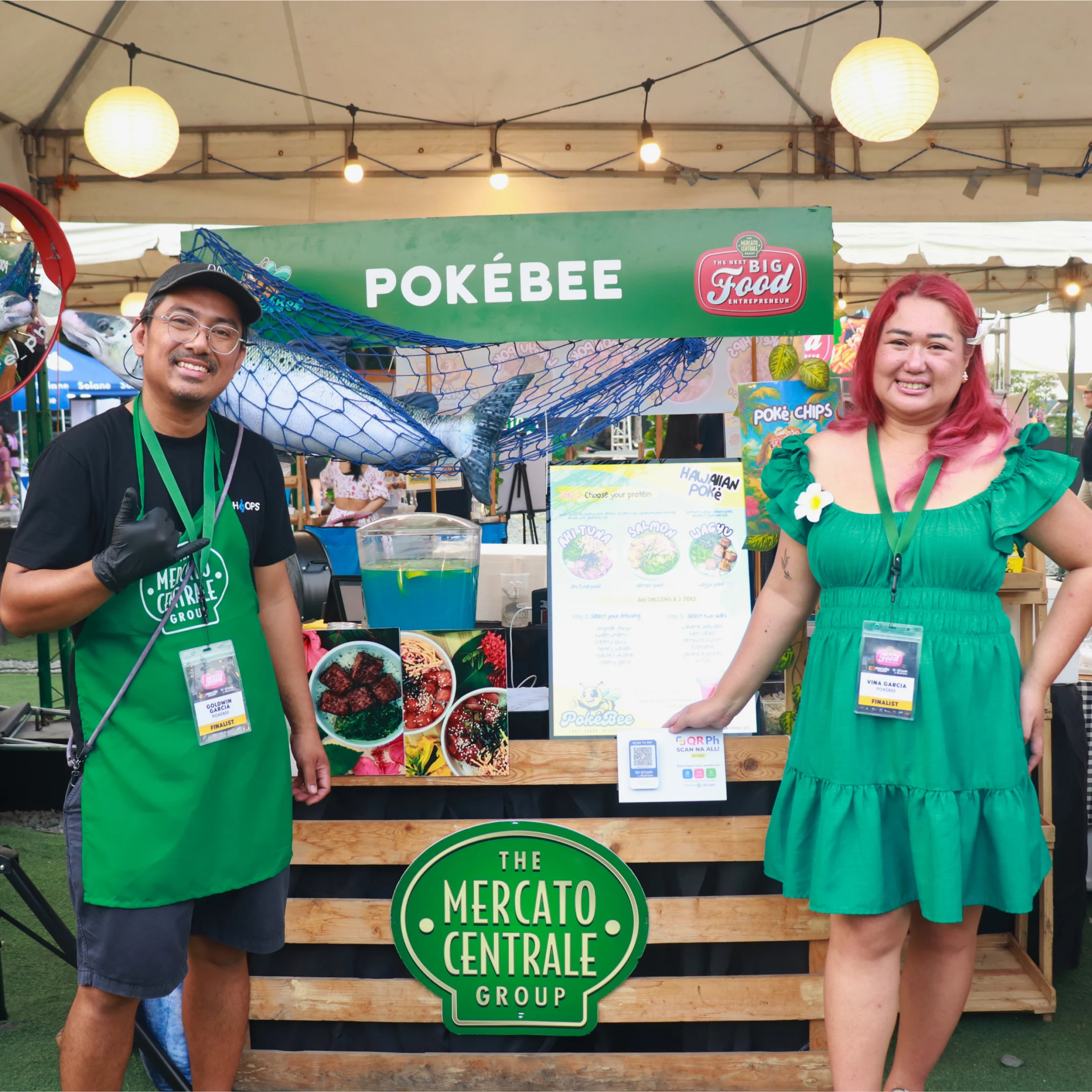
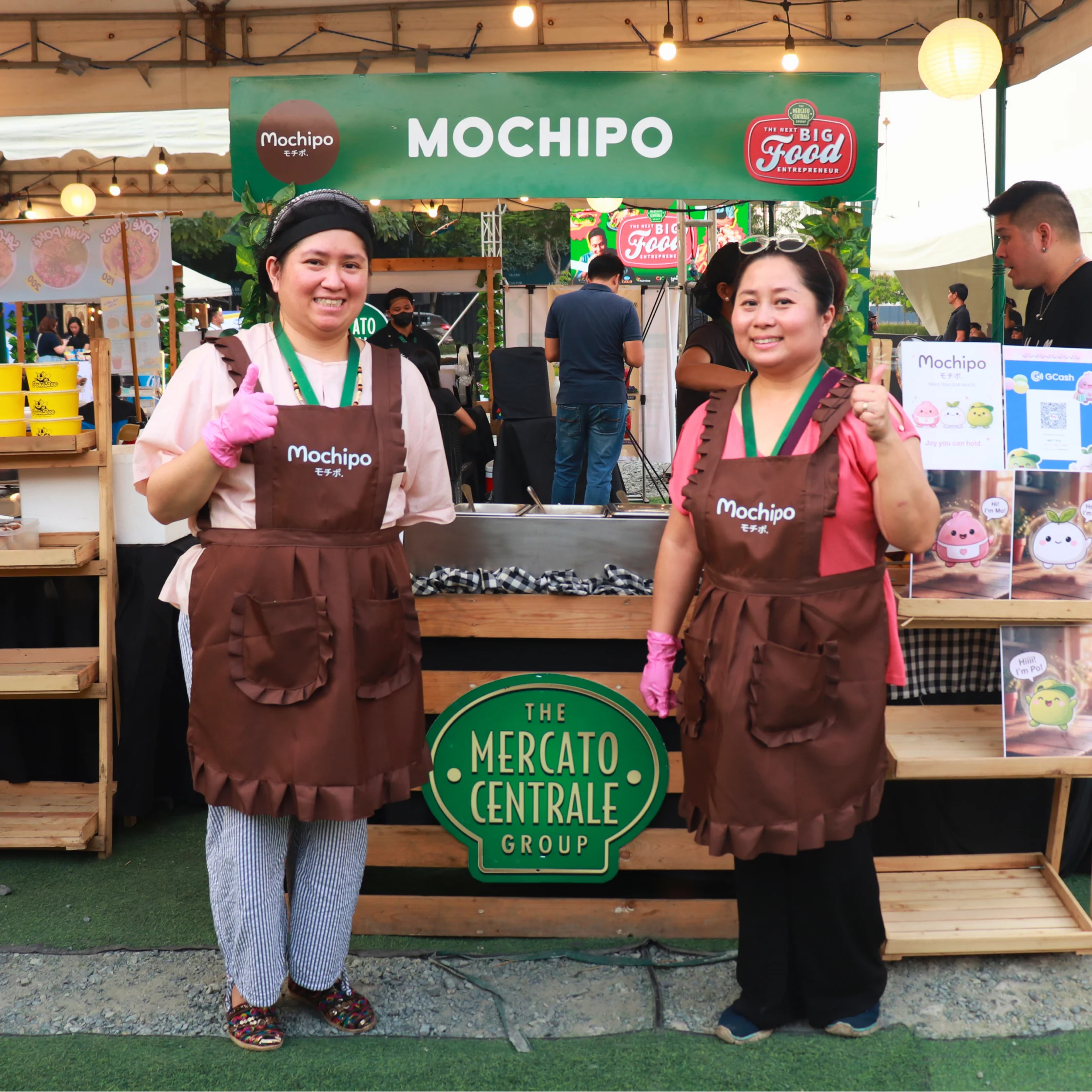
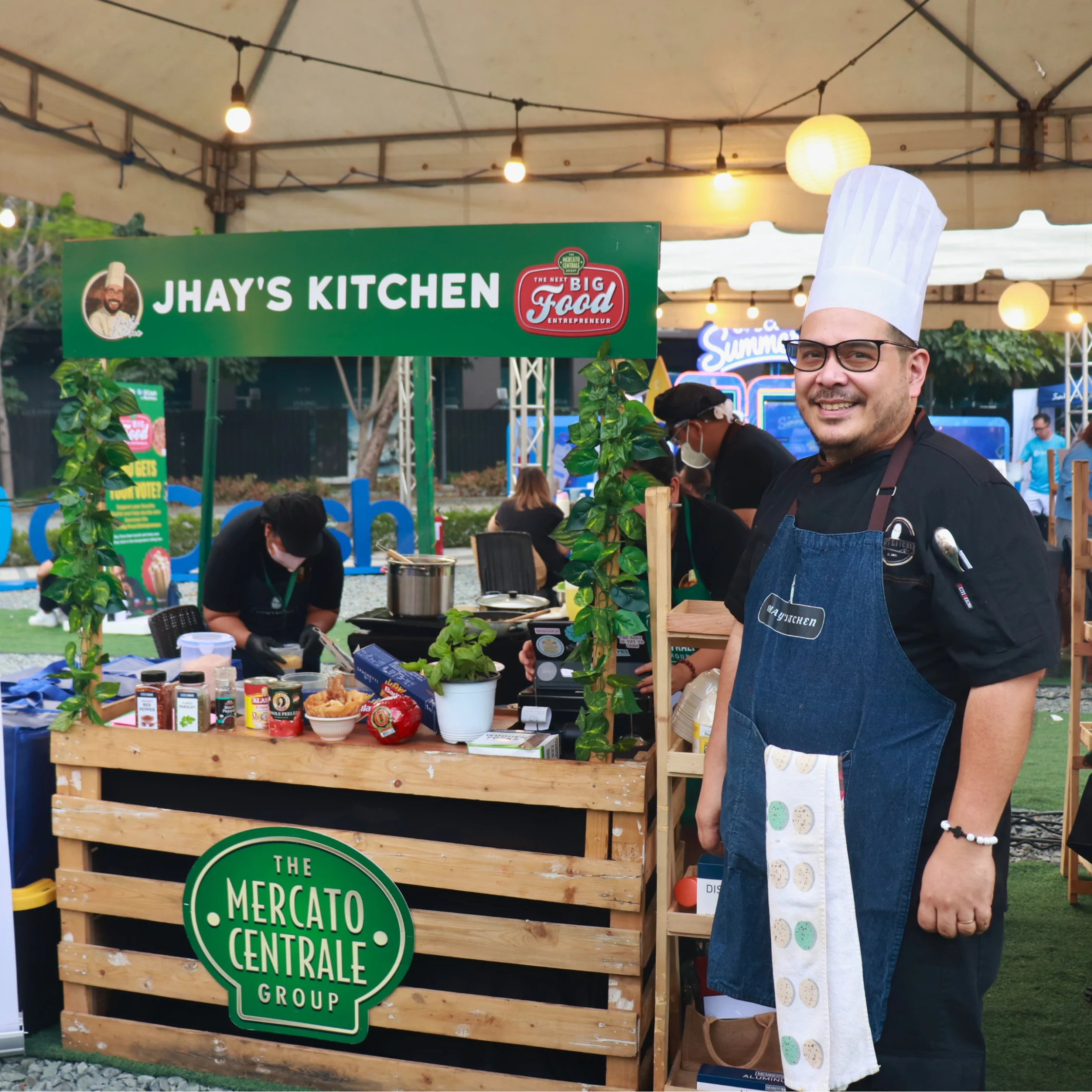
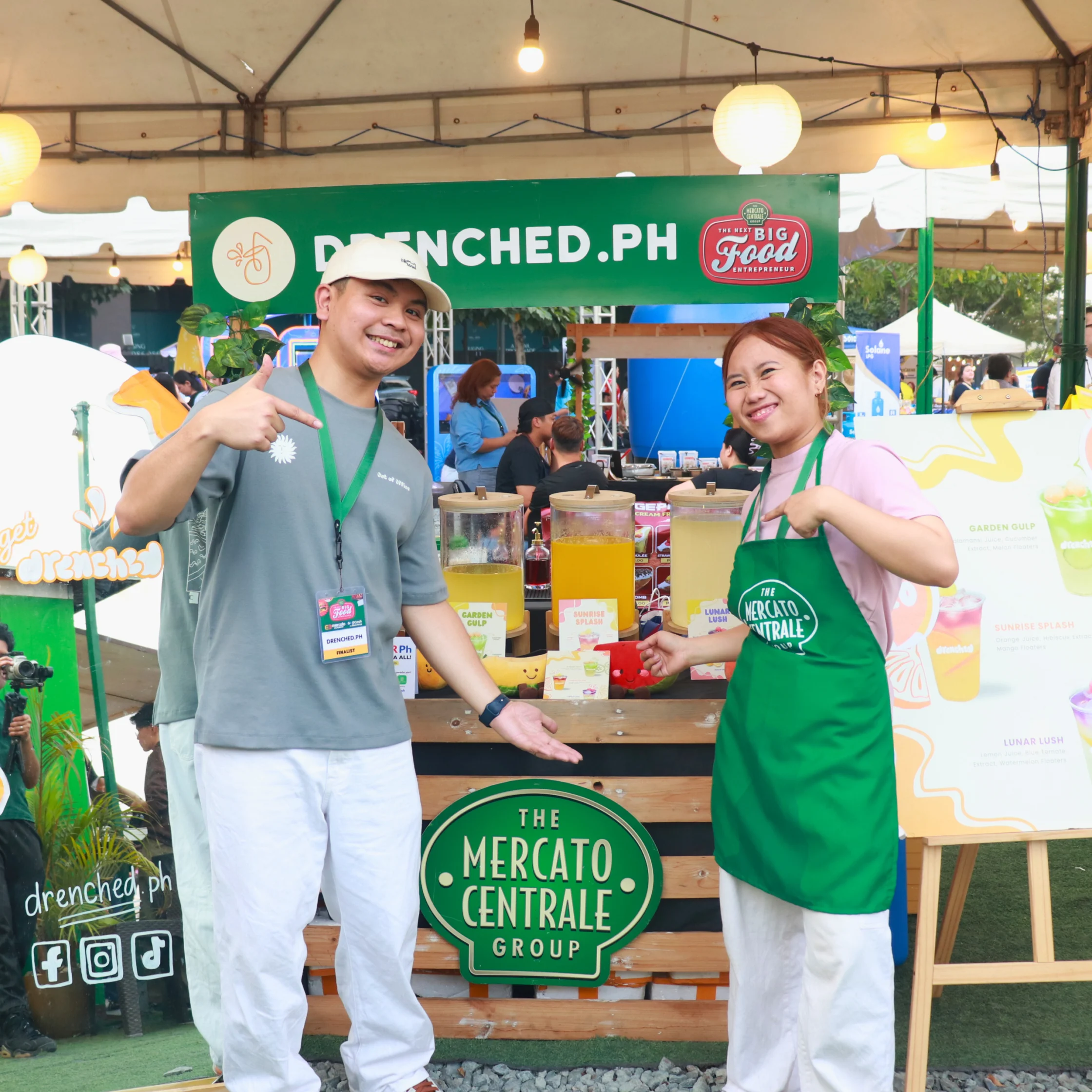
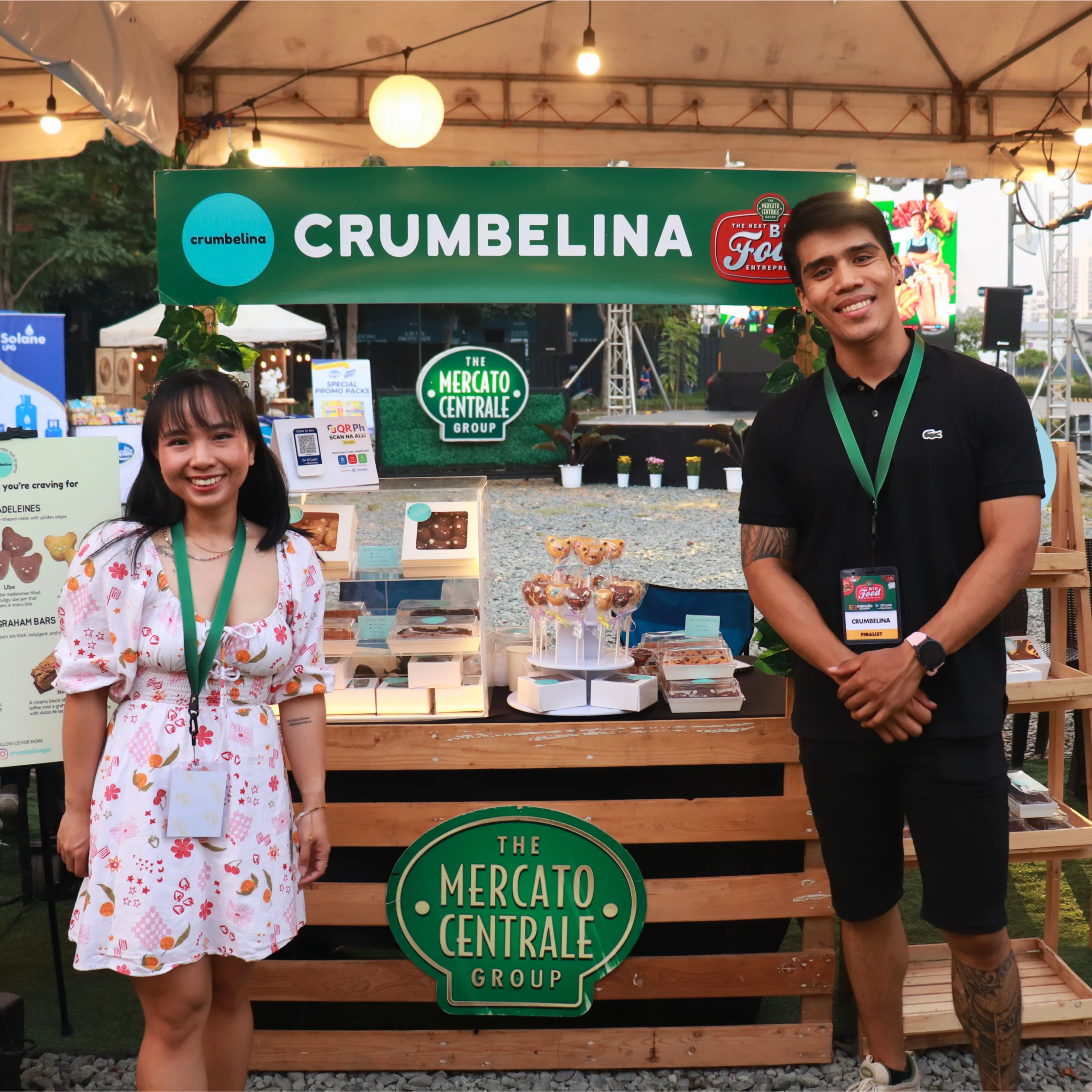
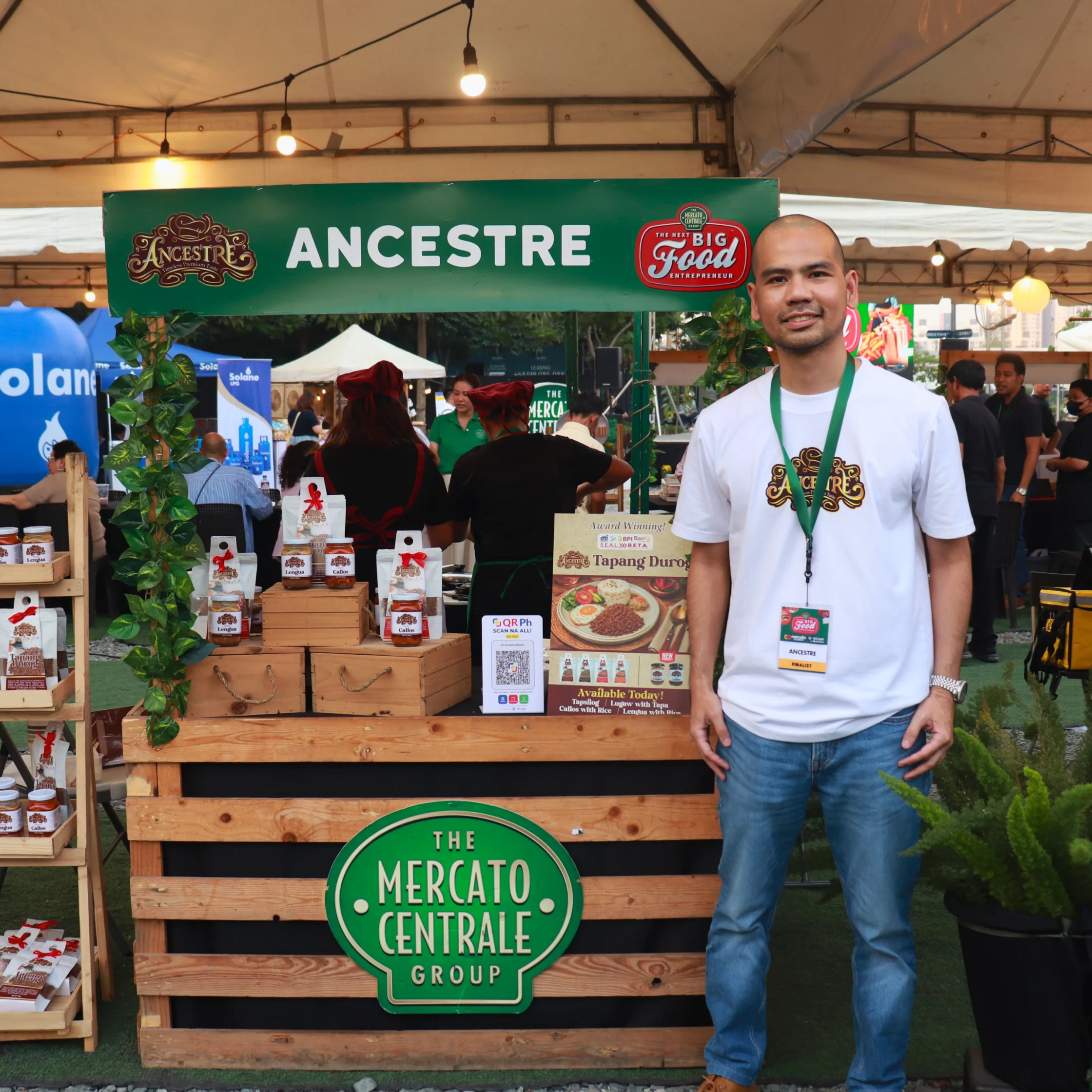
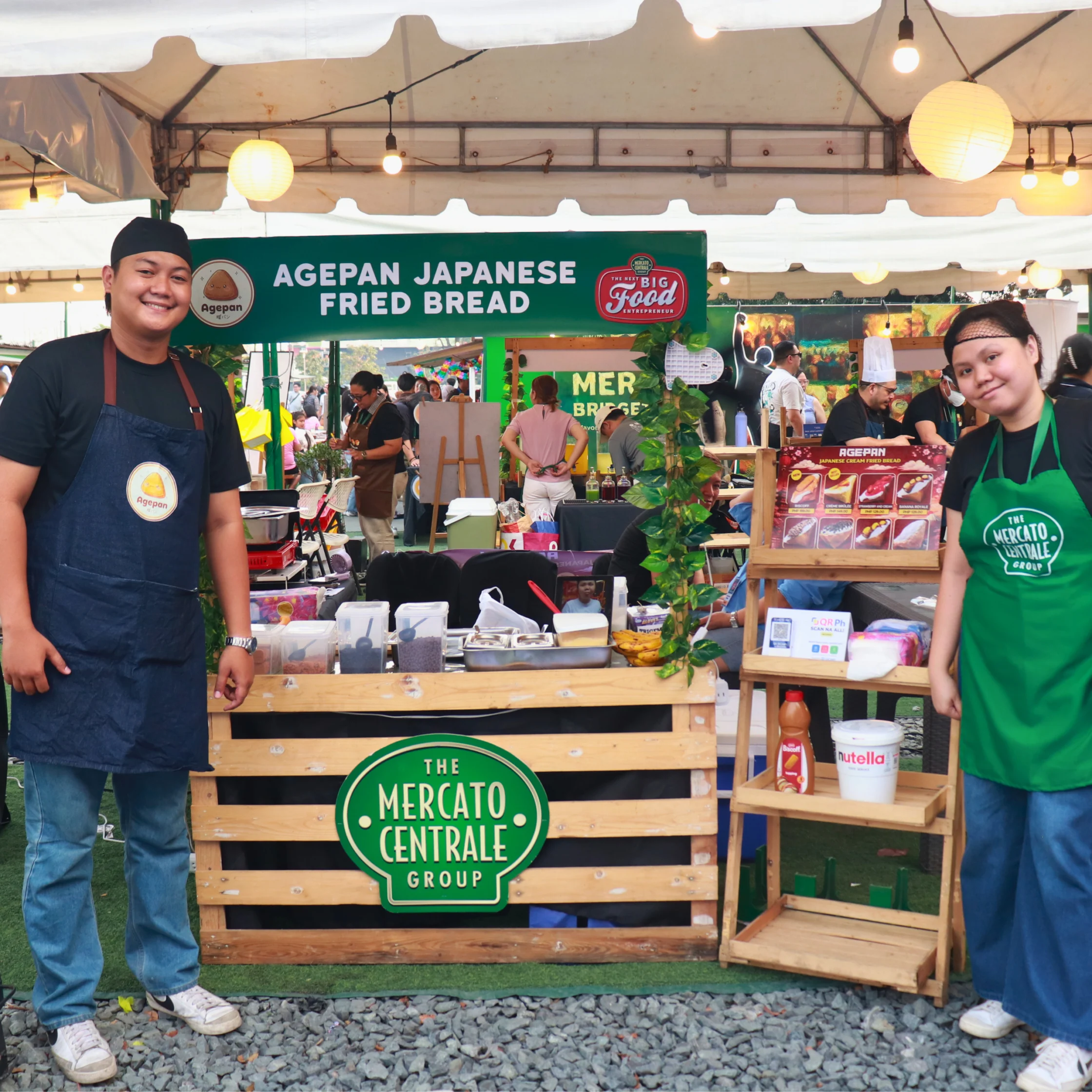
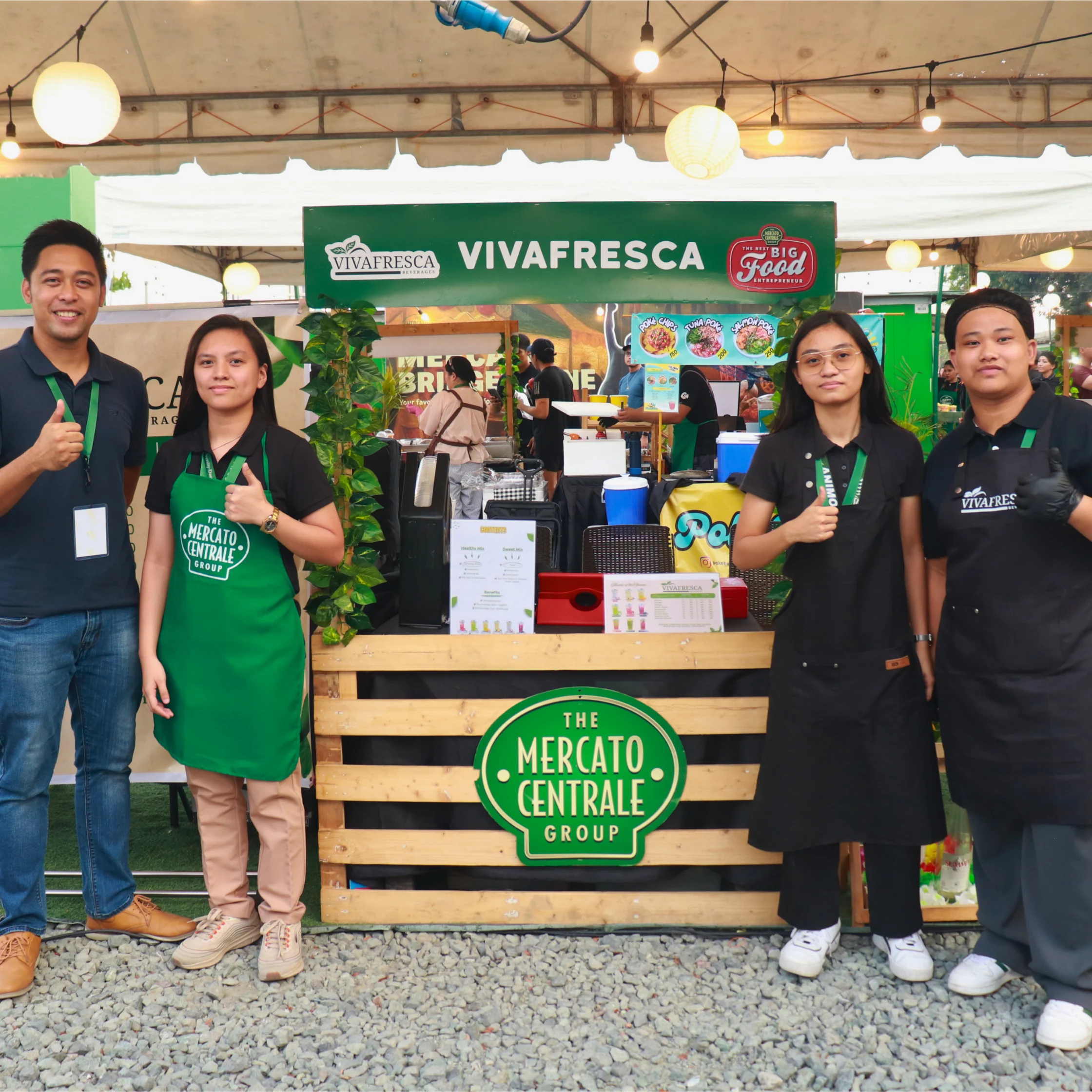
That formula has helped shape several success stories within the Mercato ecosystem, including Thai Mango, which grew from a small market stall into a recognizable brand with multiple locations, and PokéBee, whose authentic Hawaiian-inspired poke bowl concept helped it win The Next Big Food Entrepreneur 2026.
Just the start
Now, more than a decade after its launch, Mercato’s ambitions continue to expand far beyond just food markets. Their upcoming initiatives like the MercatoCon and the Mercato Street Food Awards aim to connect entrepreneurs with suppliers, mentors, investors, and industry experts while still championing and celebrating local culinary talent. It’s clear that, at its core, the vision remains simple: to set aspiring food entrepreneurs up for a sweet shot at success.
For many customers, Mercato Centrale will always be a place to discover great food. But its greatest impact is actually behind the scenes because every stall represents a business being tested, a founder learning in real time, and a dream taking shape. And for many of today’s emerging entrepreneurs, Mercato isn’t the destination—it’s where the journey begins.
Follow Mercato Centrale’s ongoing journey, and the entrepreneurs growing alongside it through its official website and Instagram.

Frequently Asked Questions
Mercato Centrale is a Philippine food market platform that supports food entrepreneurs by providing opportunities to test products, reach customers, receive mentorship, and grow their businesses.
Mercato Centrale launched in 2010.
Mercato Centrale was co-founded by husband-and-wife duo, RJ Ledesma and Vanessa Ledesma.
Mercato supports entrepreneurs through market exposure, business mentorship, educational programs like Mercato Academy, and competitions such as The Next Big Food Entrepreneur.
Mercato Centrale serves as a bridge between home-based food businesses and larger restaurant ventures, helping entrepreneurs validate concepts before scaling.
PokéBee was named the grand winner of The Next Big Food Entrepreneur 2026. Run by a husband-and-wife team, the concept specializes in Hawaiian-style poke bowls made with fresh fish, customizable toppings, and house-made sauces.