

The Philippines is blessed with a diverse local landscape with a whopping 300 edible fruits and nuts. Of these, only 20 fruits are commercially grown, and even less are easily found in local supermarkets. Below are some of the lesser-known local fruits worth seeking out, each of which carries its own distinct flavor profile.
Katmon
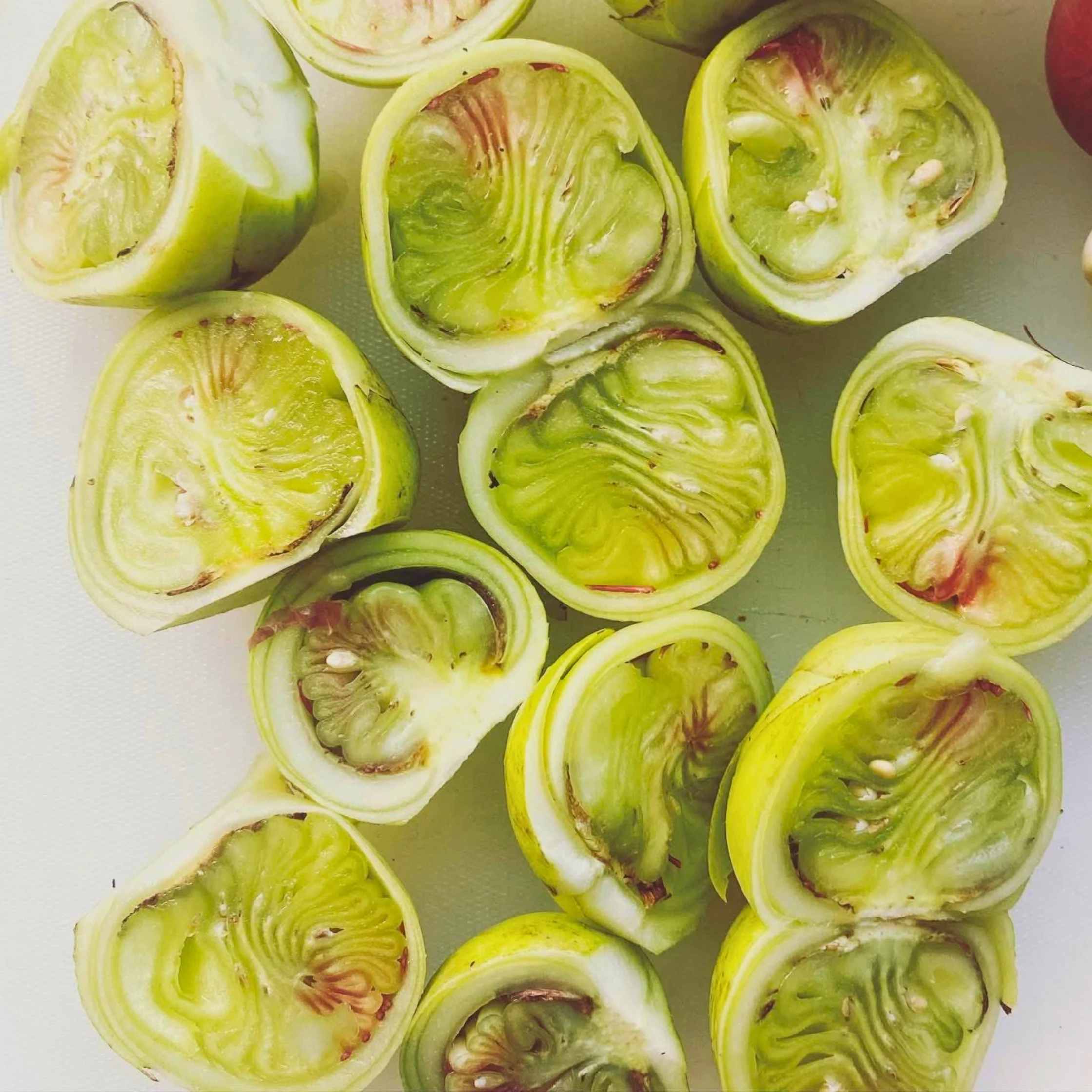
Called the “elephant apple,” katmon resembles a light green ball with spiral grooves and vivid pink filaments underneath the sepals. Its crisp, juicy texture and sharp, tangy taste is comparable to that of kamias; and like kamias, katmon can be eaten as is with salt or used as a souring agent for cooking.
Lipote
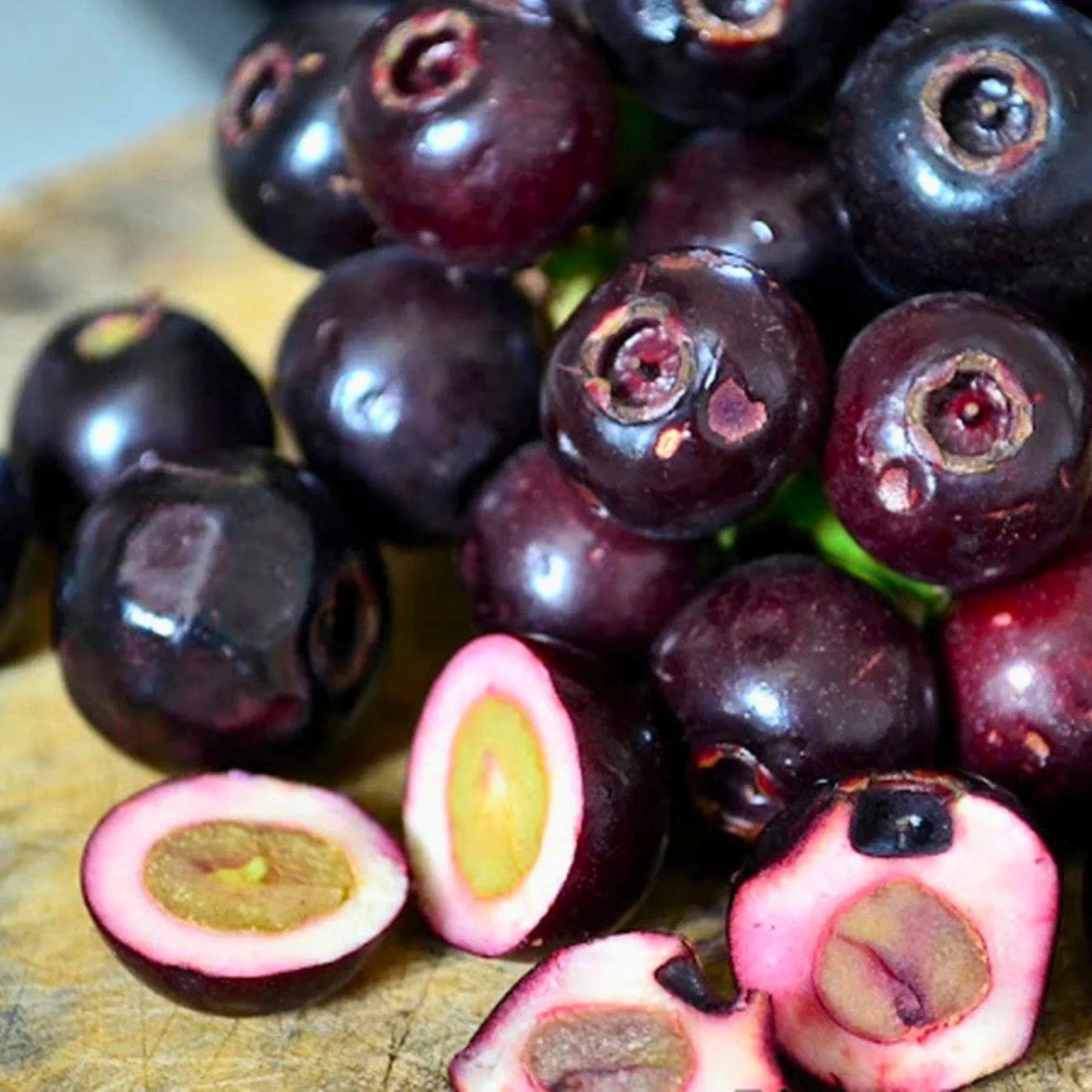
From the outside it resembles blueberries, except each piece is bigger and more reddish or purplish in color. Lipote is primarily found in Luzon, Leyte, and Samar, where it grows in compact clusters on Lipote trees. They’re mildly sour, with a deep, cherry-like flavor profile and a tannic mouthfeel.
Bignay
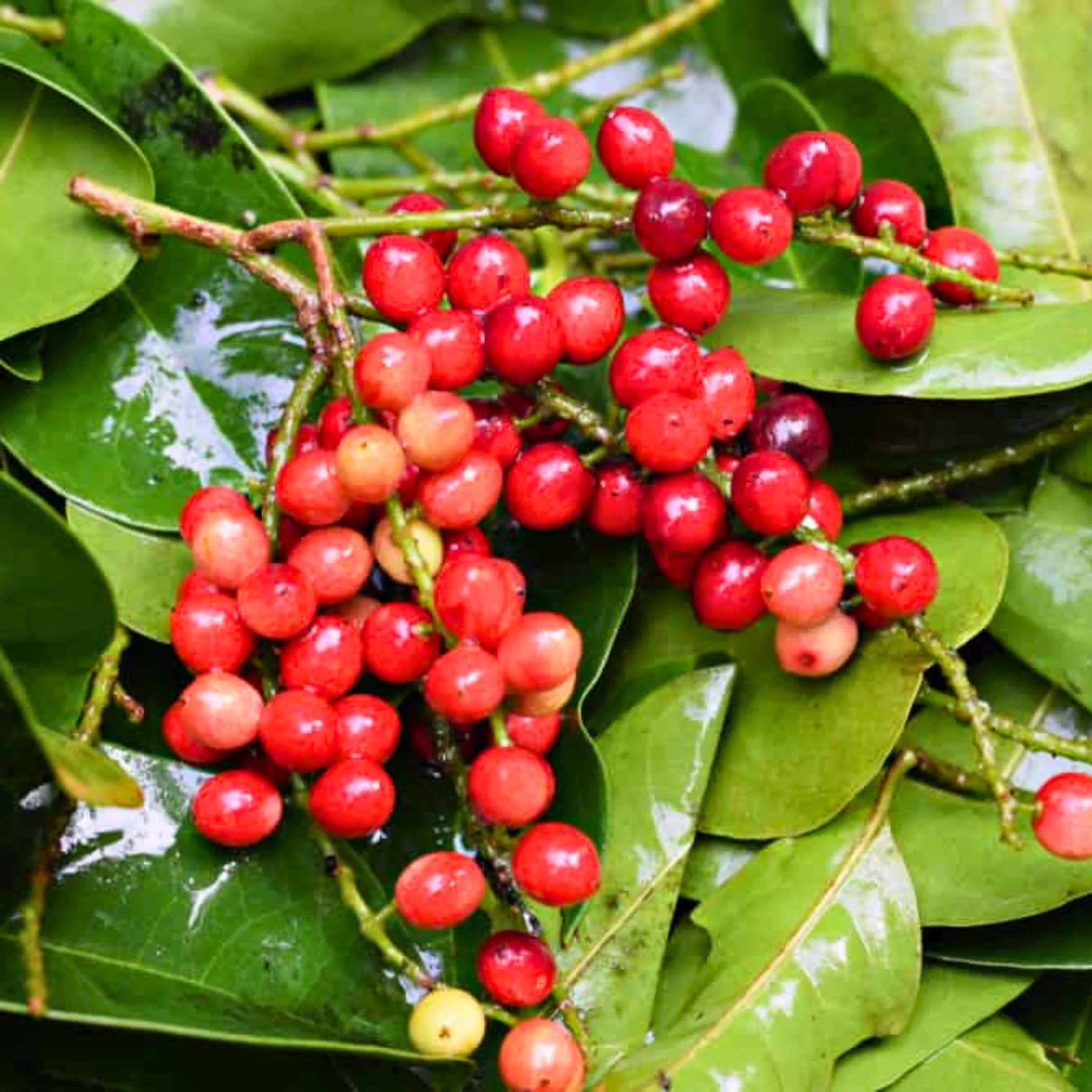
Bignay, also called buni, comes as tiny berries that grow in clusters. Due to their staggered ripening, different colors can exist in fruits within the same cluster—yellow, green, orange, red, dark red, purple, and dark purple. In each tiny bignay is a central ivory seed surrounded by the fruit’s flesh. When unripe it tastes more acidic, but it sweetens and develops a juicier character as it ripens.
Aratiles
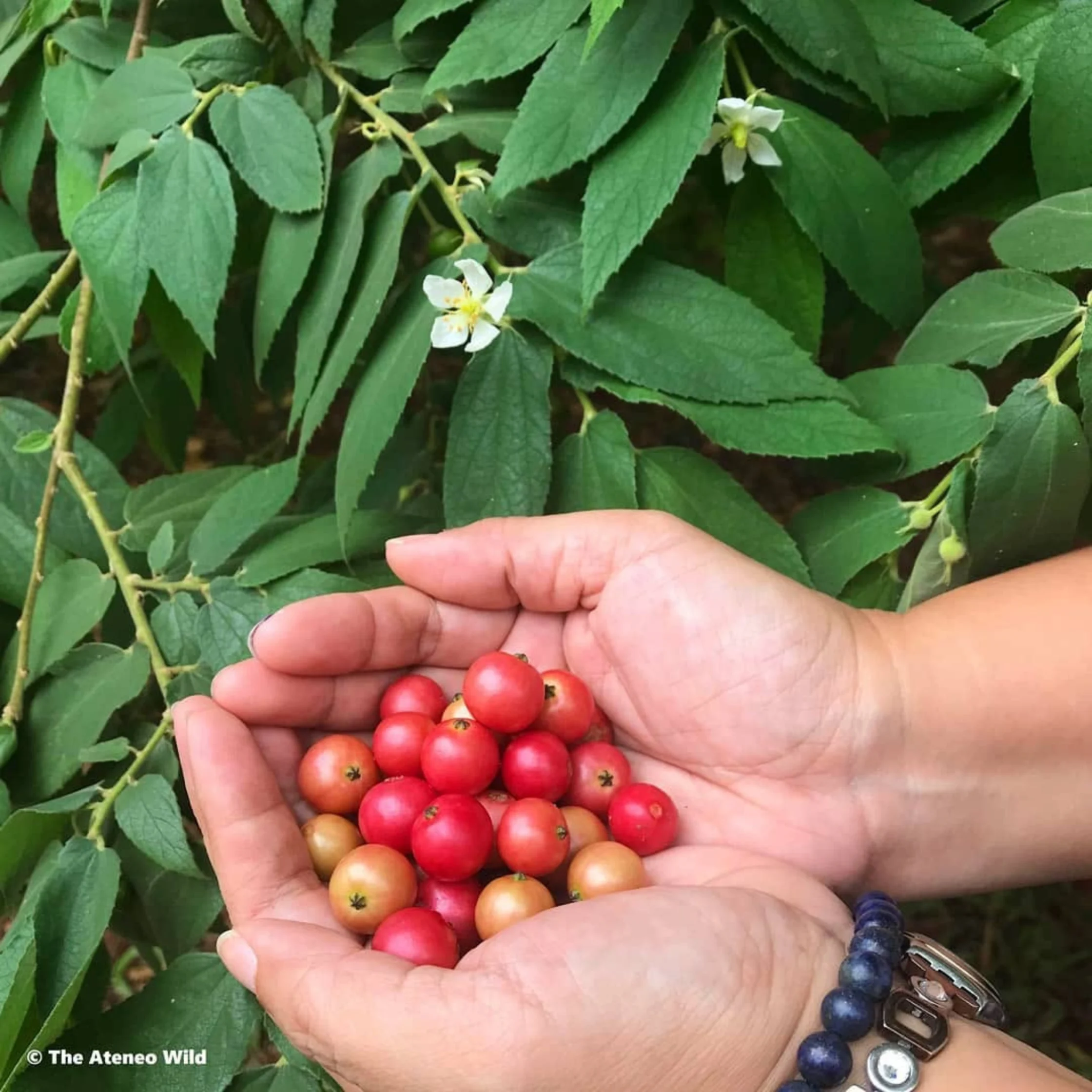
Another berry-like Filipino fruit is aratiles, also called aratilis, sarisa, or Jamaican cherry. Each fruit is about the size of a blueberry, and goes from green when unripe to orange to red as it ripens. Consider it nature’s candy—aratiles is described to taste like cotton candy with a jelly-like consistency and tiny seeds.
Duhat
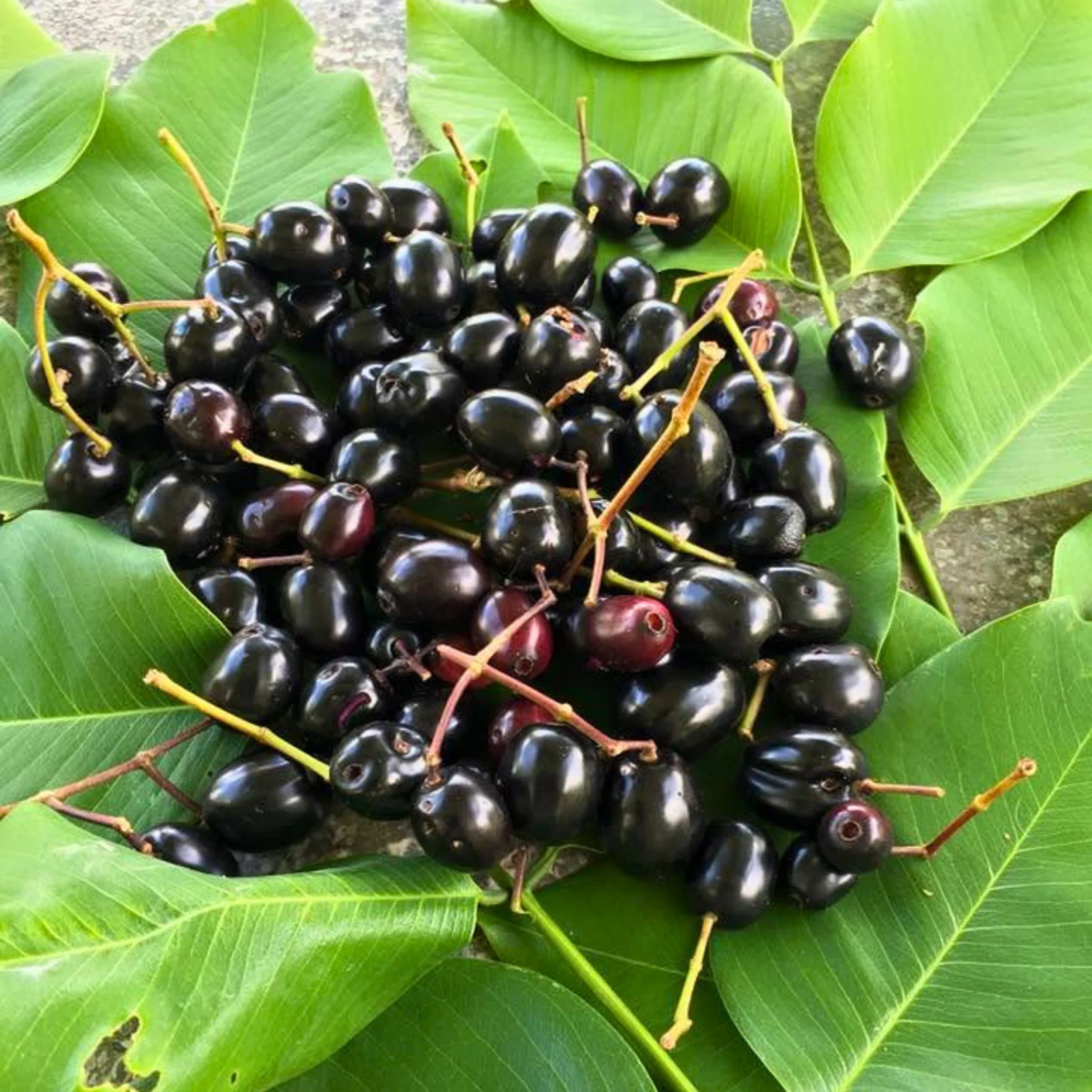
Duhat (also called Java plum or black plum) is oblong in shape, not unlike grapes but with a central seed and smooth, glossy skin. When ripe, it develops a deep purple hue and sweet, blackberry-like taste with just a touch of sourness. Locals counter the tannic sensation duhat leaves on the tongue by serving the fruit shaken in sugar and salt.
Buri Fruit
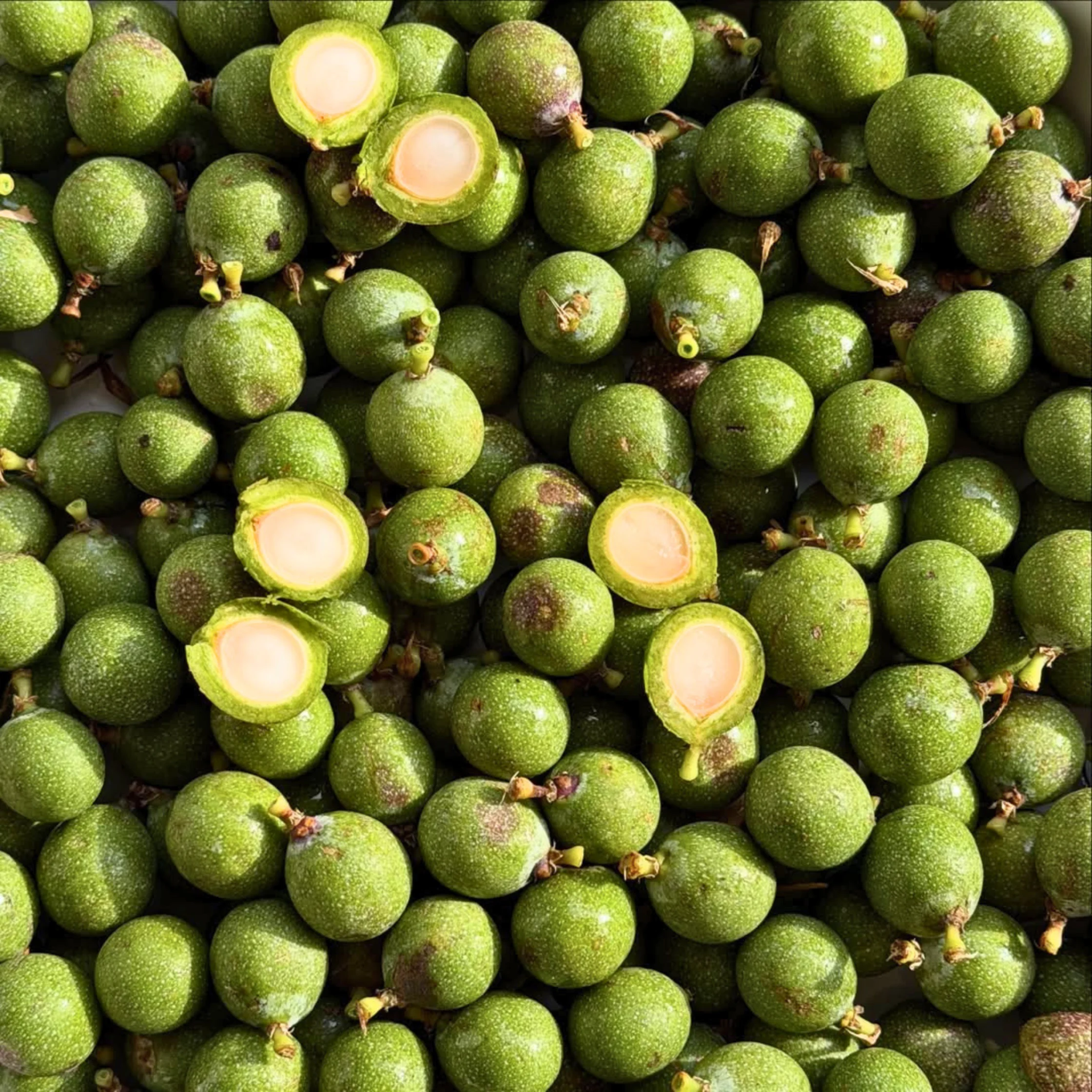
The buri fruit (a.k.a. buli or silag) comes from buri palm. Its has speckled green skin and a thick, hard rind that often requires a knife to be cut open. The part consumed is the jellylike seed inside, which is nutty and slightly sweet like buko. Buri fruit can be eaten as it is, or boiled with sugar.
Noni Fruit
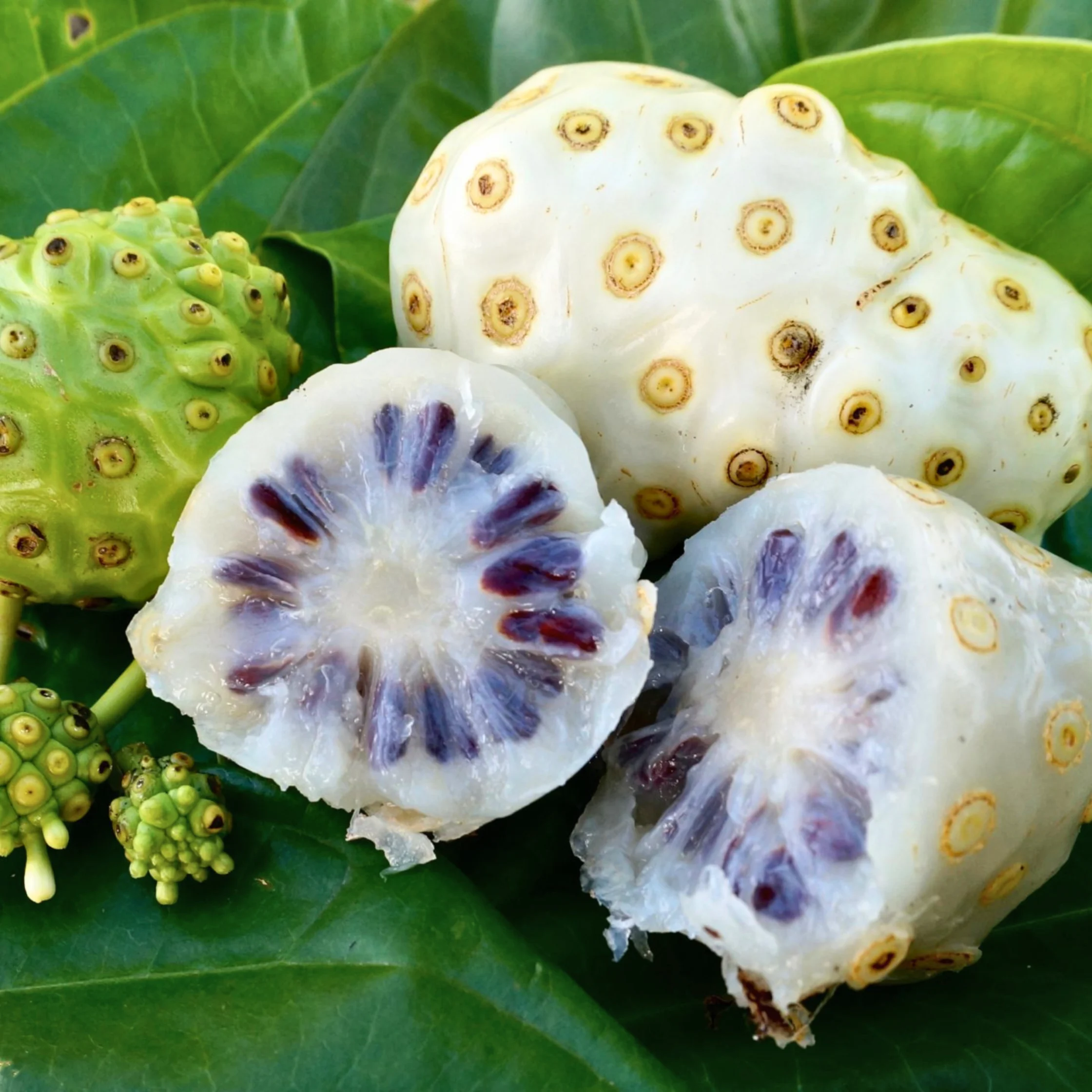
Noni fruit has a bumpy appearance with prickly bumps across the surface. It goes from green to yellowish white as it ripens. Locally it goes by the names apatot, bangkoro, or bangkoro; abroad, some call it the vomit fruit for its taste—described as pungent, likened by some to that of fish or funky cheese.
Mabolo
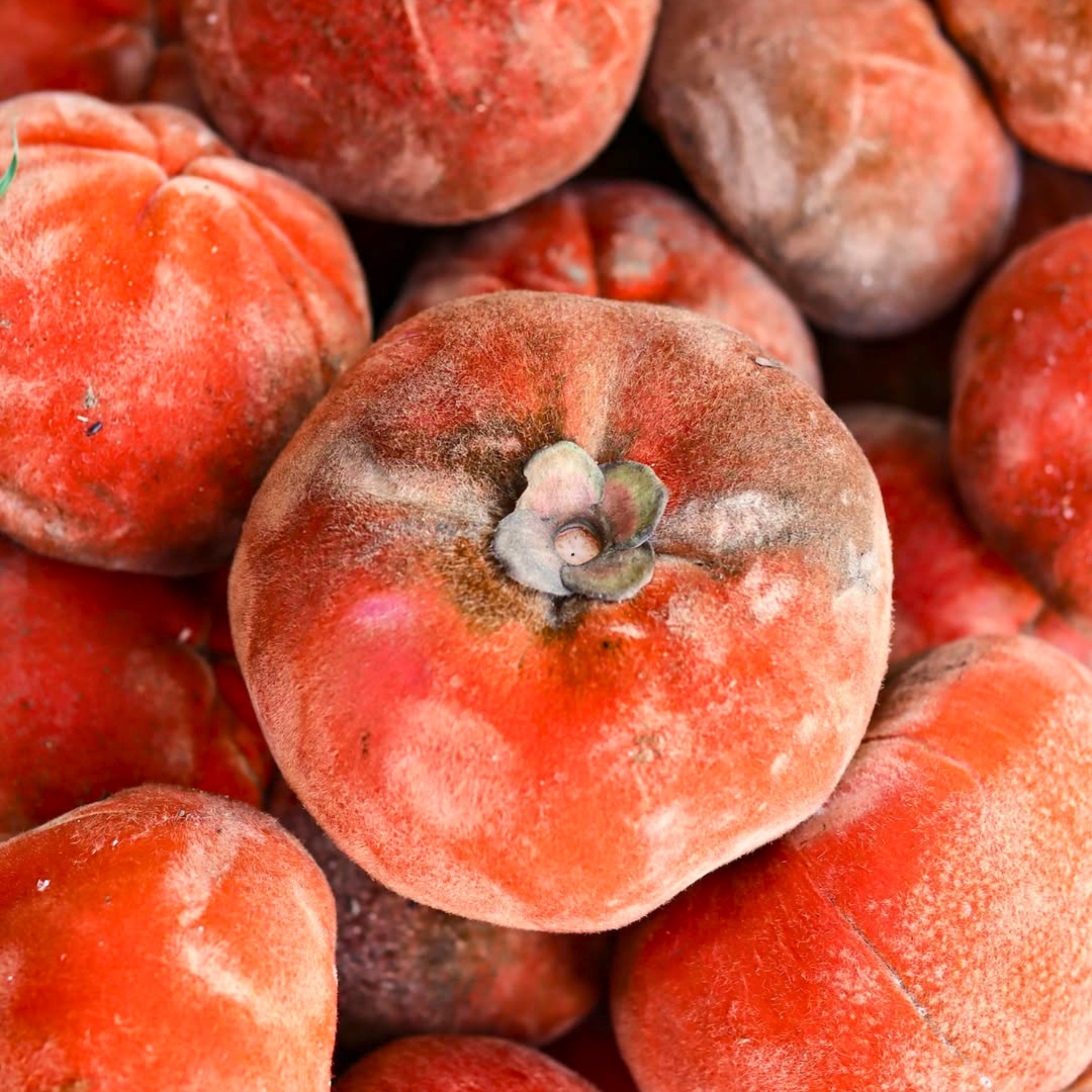
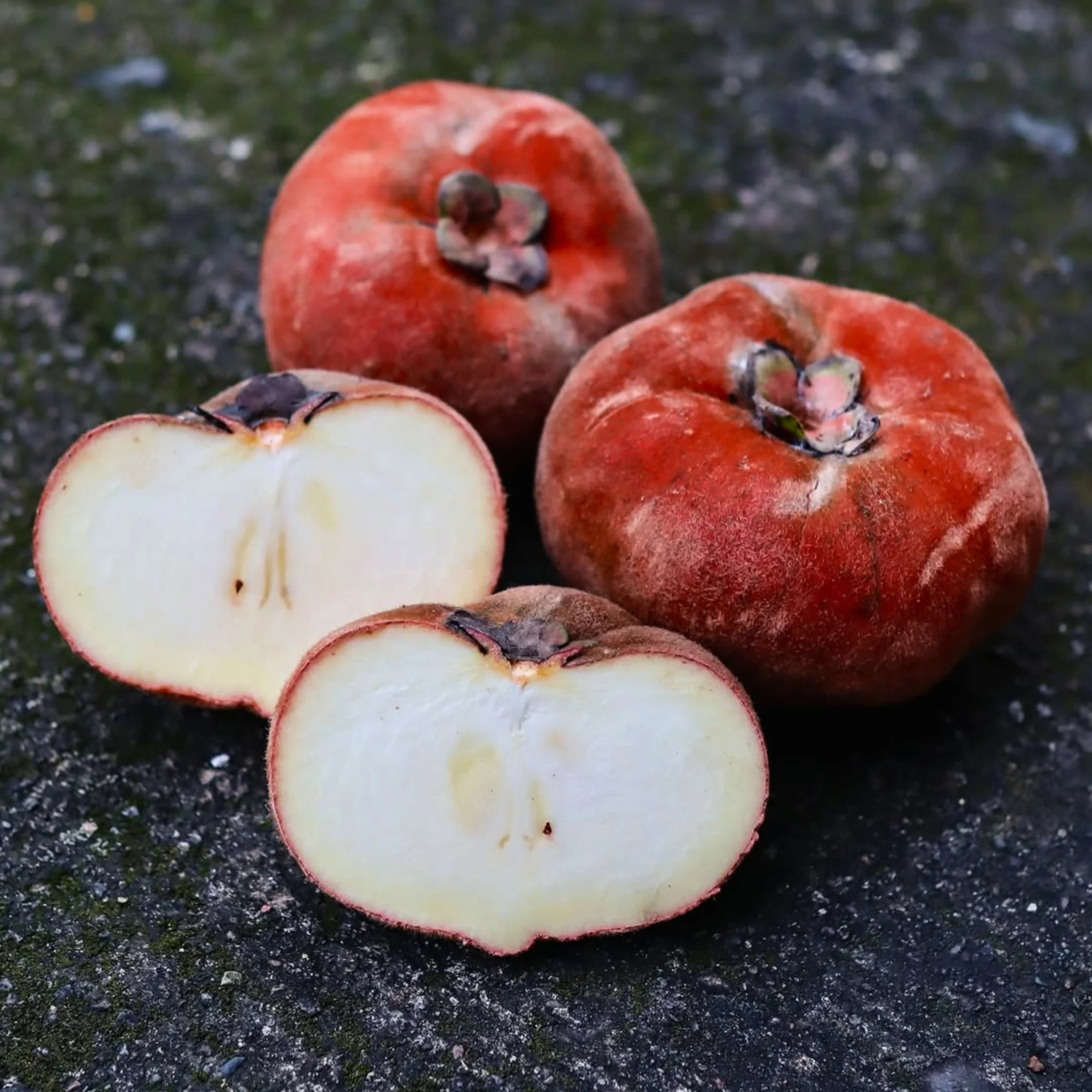
Mabolo resembles larger persimmons with its reddish-orange color—except the skin has a fine, velvety fur—hence the English name “velvet apple.” (The word mabolo itself means “fuzzy” in Tagalog.) The skin itself has a strong, borderline pungent aroma, but the flesh inside is sweet and creamy with a taste similar to a more mellow banana.
Bulala
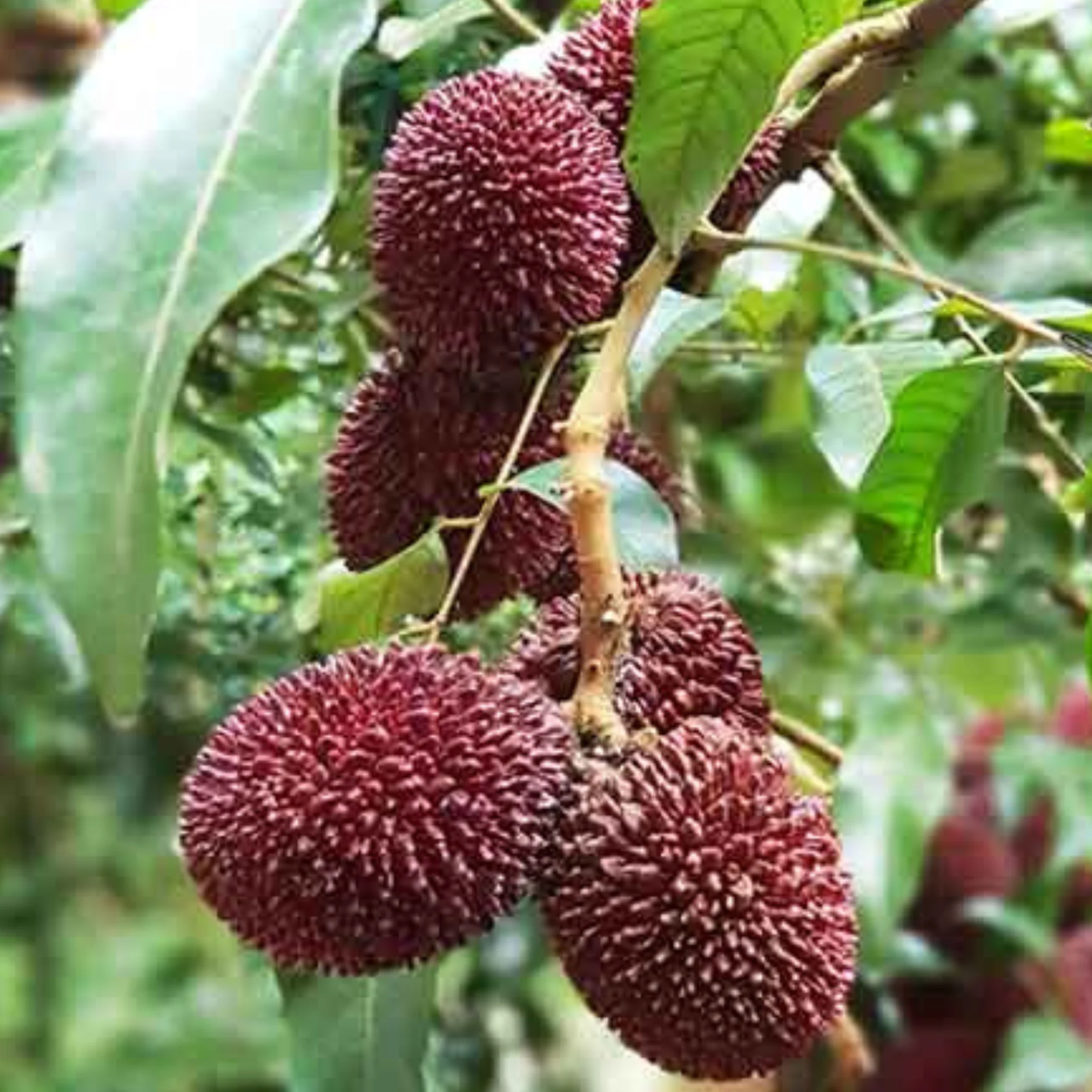
A close relative to the rambutan, the bulala (sometimes called pulasan) features hairy skin but lacks the long spines of a rambutan. The flesh inside is sweeter and richer than a standard rambutan or lychee.
Marang
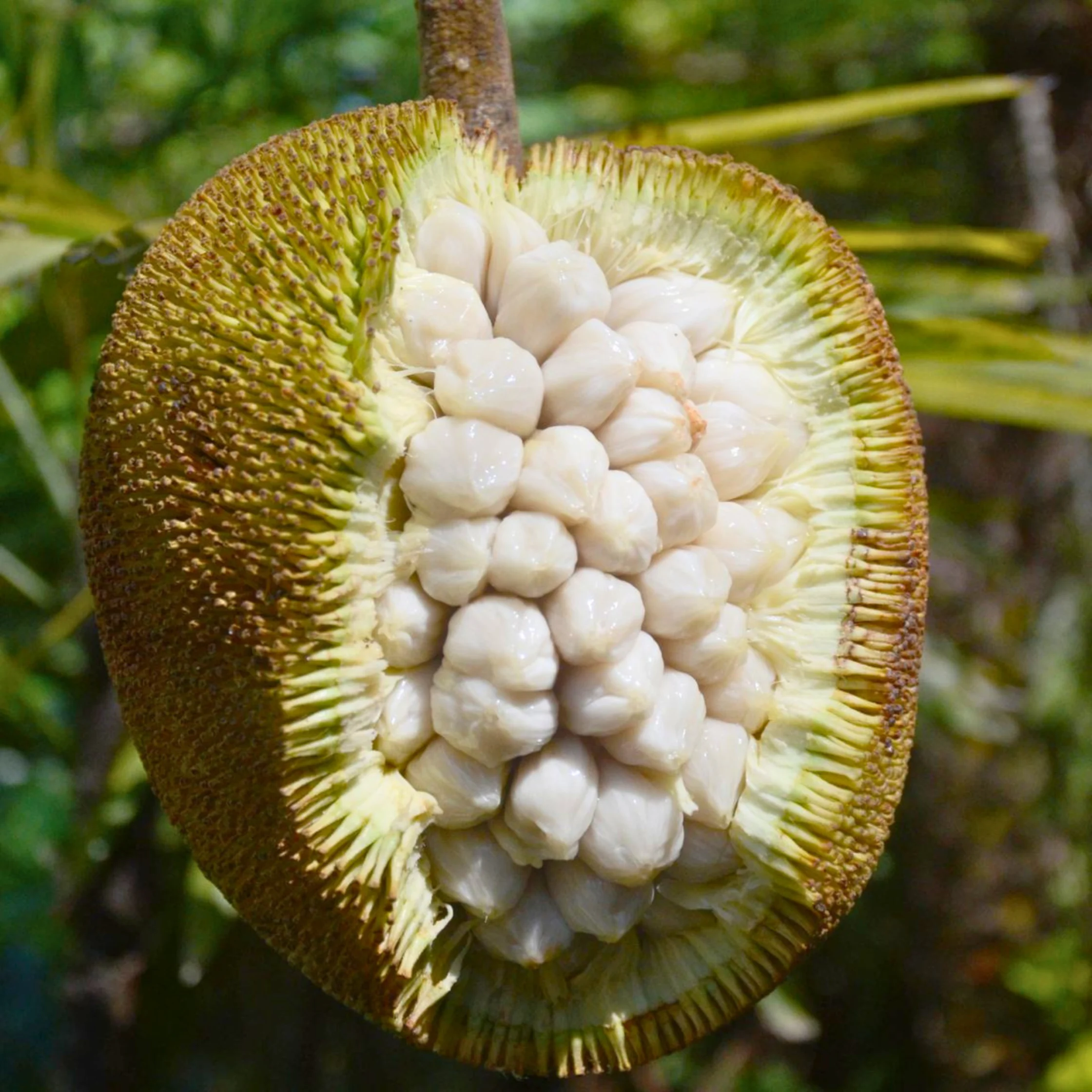
It is a large oblong fruit packed with sweet, grape-sized seeds covered in white flesh. It spoils quickly once ripe, making it an incredibly rare tropical treat outside of its local harvesting season. It’s custard-like in texture and taste like a blend of pineapple, banana and jackfruit.

Frequently Asked Questions
Rare Filipino fruits include katmon, lipote, bignay, aratiles, mabolo, marang, bulala, buri fruit, duhat, and noni.
Marang is considered one of the rarer fruits because it spoils quickly and is difficult to transport.
Marang has a creamy texture and tastes like a combination of banana, pineapple, and jackfruit.
Mabolo, or velvet apple, is a fuzzy-skinned fruit with sweet, creamy flesh and a distinct aroma.
Duhat contains antioxidants and is commonly enjoyed fresh or tossed with sugar and salt.
Lipote has a mildly sour flavor with notes similar to cherries and a slightly tannic finish.
Katmon is often eaten with salt or used as a souring ingredient in Filipino dishes.
Many rare Filipino fruits are seasonal, highly perishable, or produced only in small quantities.