Over the years, Metiz has built its identity around Philippine produce, fermentation, and regional ingredients.
Under chef Stephan Duhesme, the restaurant’s commitment to locality had guests enjoying plates that pushed Philippine ingredients like Bauko oranges and manibalang mangoes to their limits. Its newest menu takes a thoughtful departure from that as Metiz takes on a new form—one that’s defined not by restrictions, but by creative freedom.
At Metiz, Creativity Thrived on Limits—Until It Didn’t
“We used to be hyperlocal,” says Duhesme. “We created limitations in order to let our creativity thrive. I think this phase was important in order for us to grow as chefs.”
In Metiz’s early days, the kitchen famously cooked without butter, relying instead on alternative fats and extracting as much flavor as possible from local ingredients to deliver that dairy richness in their dishes. It’s a limitation they imposed on themself to fuel their creativity. Then, after two and a half years of operations, they reached a point when they had pretty much explored everything they could with that restriction.
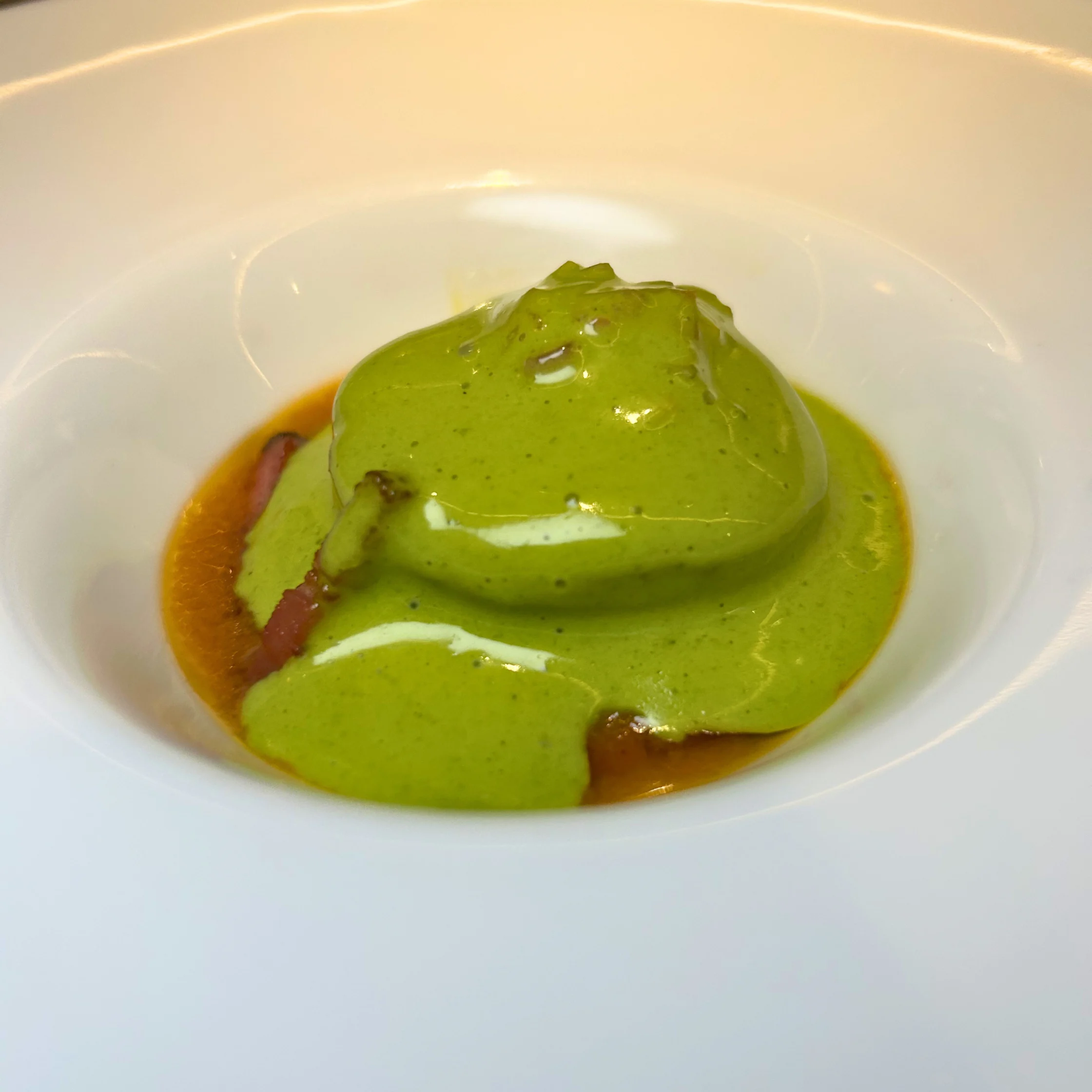
“Progress became slower. Ideas became harder to come by. That’s when we made the decision to unlock butter. It completely changed our cooking—we had access to European style sauces, emulsions; a very specific mouthfeel that you could not get from any other fat.”
He adds, “We kept all other ingredients local aside from flour, cream and certain spices. By 2024, we started running into issues with protein variety and consistency in quality. We’d R&D pork cuts, different pork suppliers… the quality varied wildly, even within the same supplier. It was finally in January of 2026, after 6 months of R&D-ing with pork to no avail (and unable to put it onto the menu) that we decided to unlock all proteins. It was pretty revolutionary for us. We all agreed though that it was time.”

He confesses that the team wasn’t having as much fun with creativity anymore and felt frustrated with the varying quality of the produce they’ve been getting. For Duhesme, a consistently good product trumps an inconsistent luxury anytime. The shift was transformative—not only did it solve technical issues, but it also reignited creativity and drive in the kitchen.
While Filipino flavors remain central to Metiz’s identity, they no longer wanted those to be its sole definition. “In a way,” Duhesme says, “the inspiration behind our current menu is flavor liberation.”
At Metiz, Flavor Takes Precedence Over Geography
Today, Metiz describes itself not solely as a Filipino restaurant, but as a flavor-forward one. And the menu, divided in four movements, was evidence to this.
The first wave of dishes arrived as three light starters that highlighted fruits and vegetables. One was a single-bite sandwich of tapuey-cured pineapple from Bukidnon and guapple from La Union. Another featured a medley of vegetables prepared different ways, dressed in coconut milk and bagoongBagoongA salty, umami-rich paste of fermented fish or shrimp, central to Filipino cooking. It seasons stews like pinakbet, tops green mango, and accompanies kare-kare, while the sautéed version, bagoong alamang,Go to Bagoong Glossary, then crowned with a foam made from batuan leaves. The third was a small wedge of caramelized roasted peanut squash served with cashew nut nilupak and a sardine.
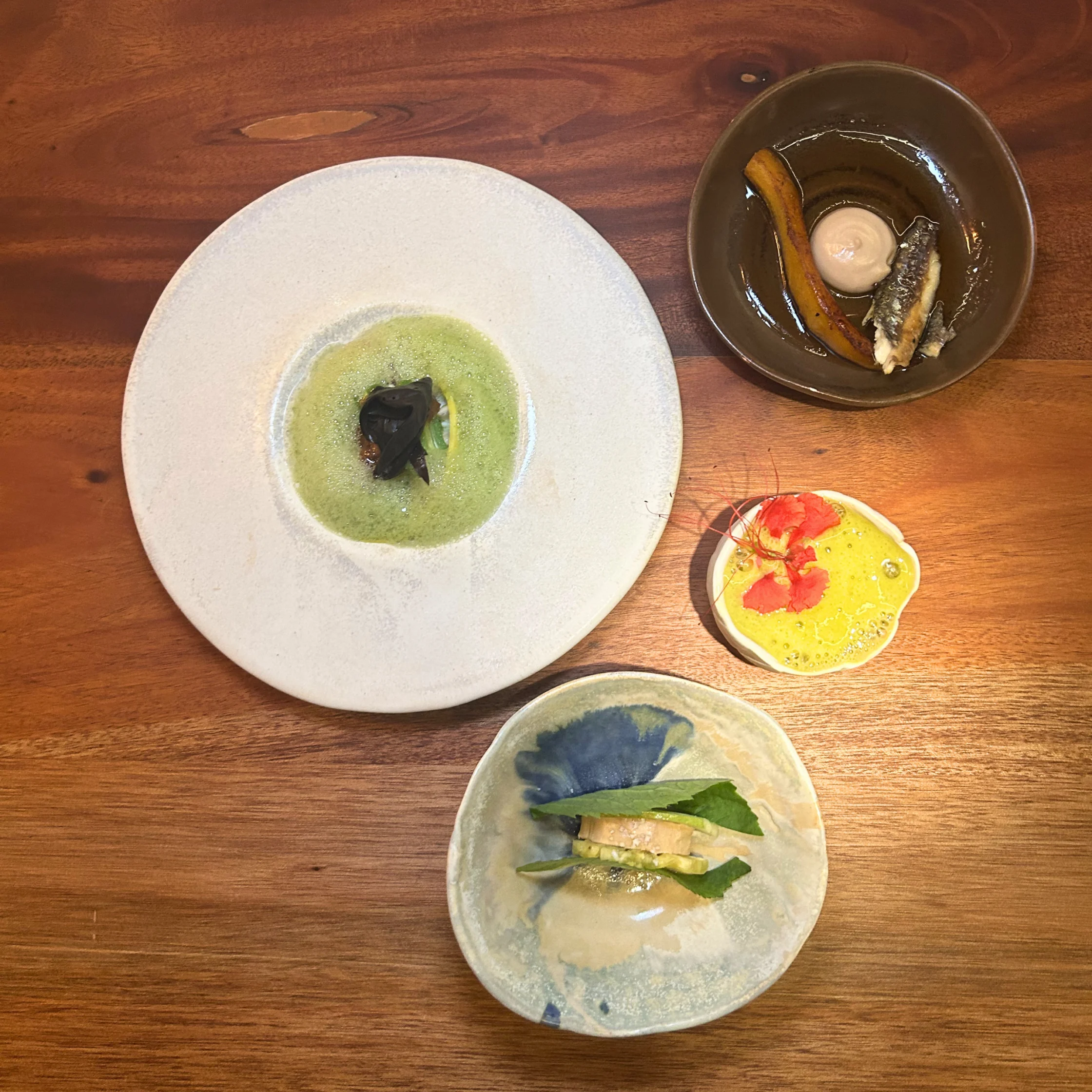
All three hit the mark, delivering compelling combinations of flavors and textures. None overwhelmed the palate, yet each left a lasting impression.
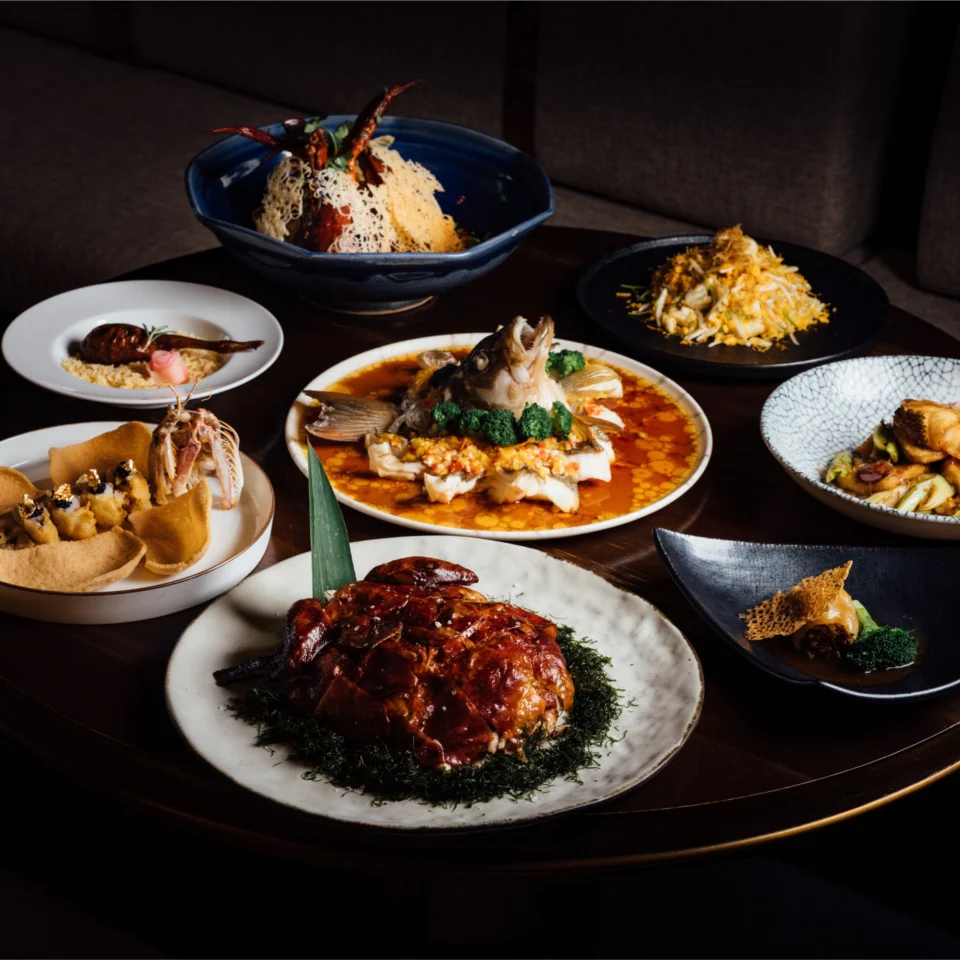
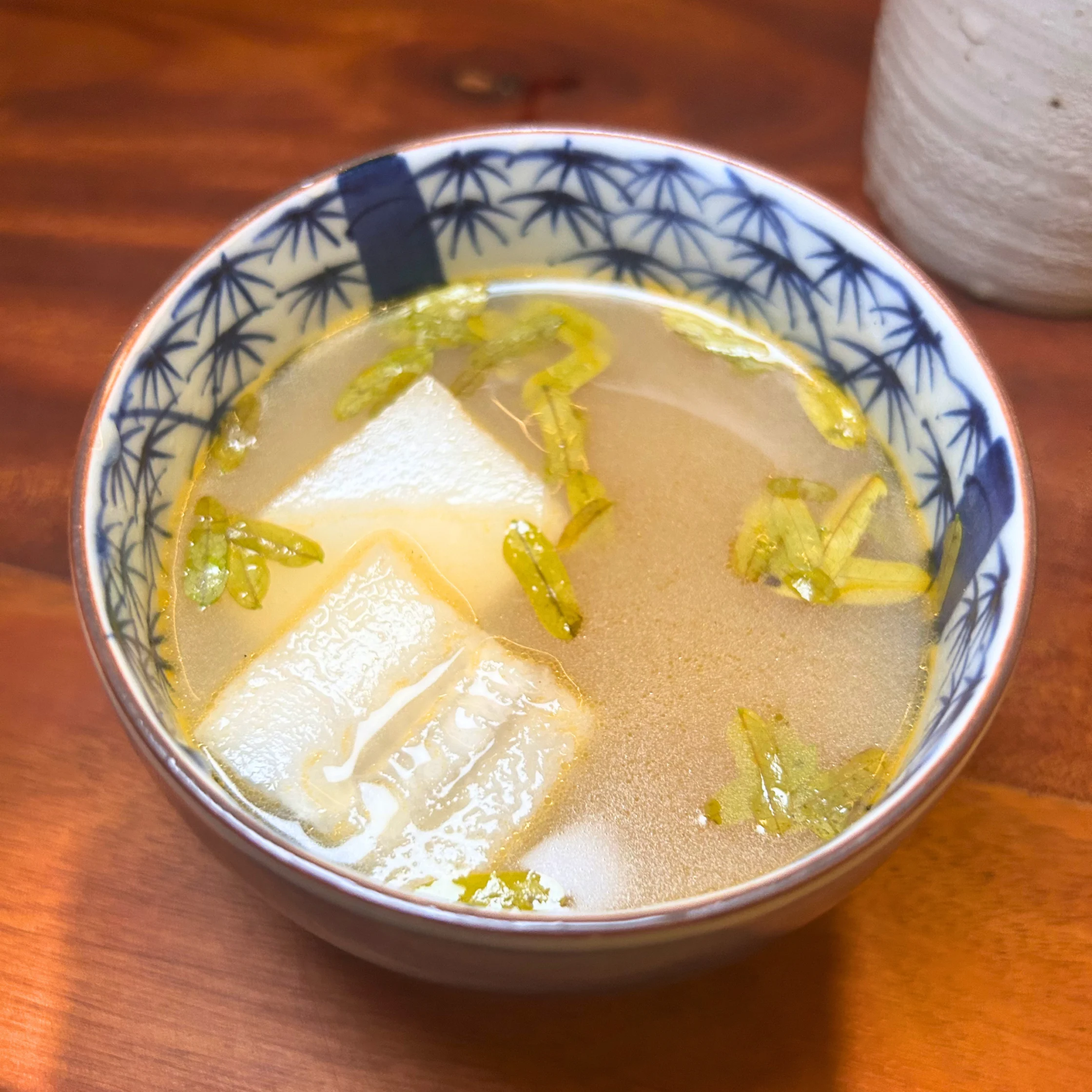
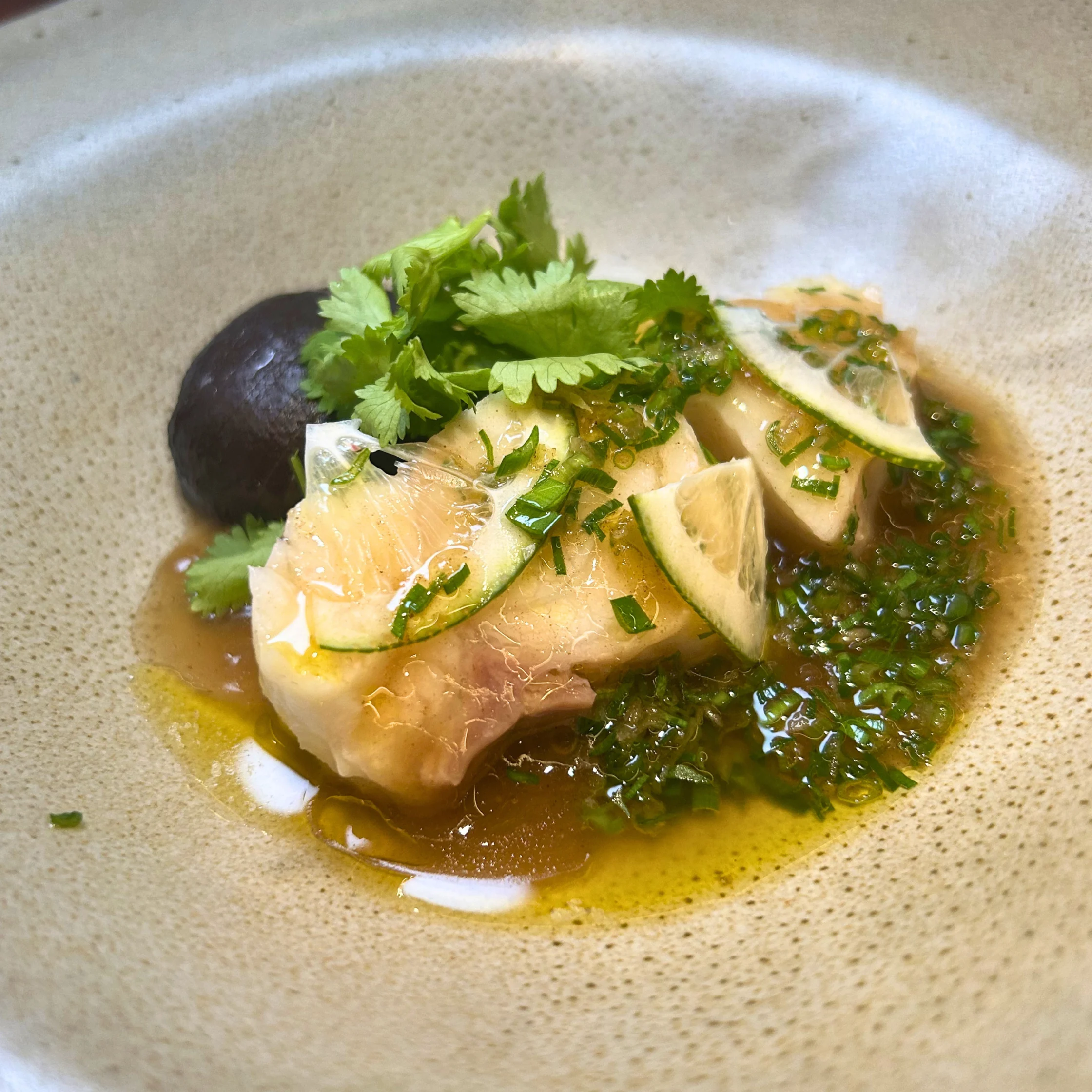
Then came a string of satisfying hits: their signature ensaymada; Hokkaido scallop with pork belly and pinangat; a crispy pompano fritter with fermented red tofu sauce; a warm cup of native chicken sinampalukan; aged Palawan lapu-lapu with etag and tausi; and dry aged pork chop with an asado sauce.
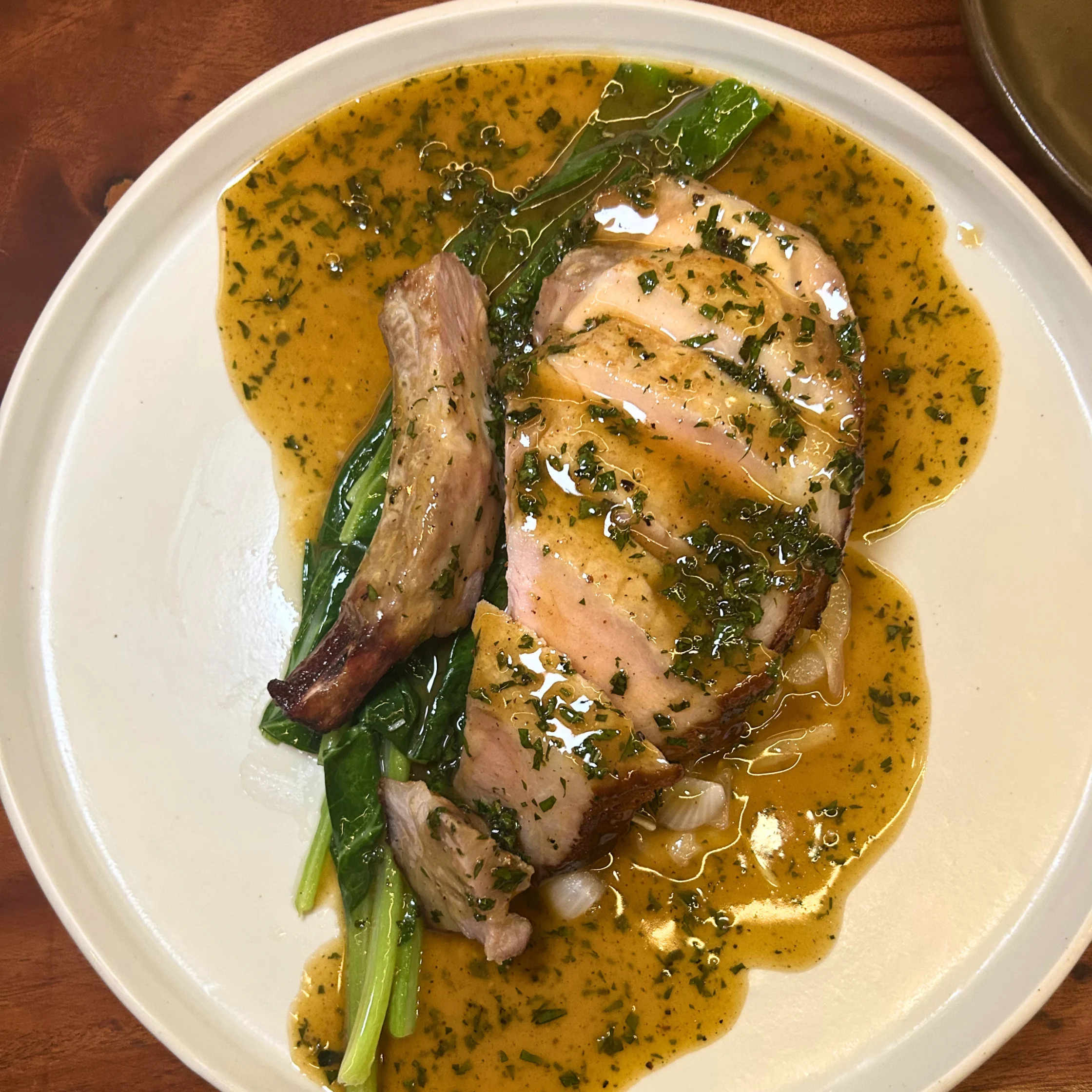
He tells us that the last savory item clearly drives his intention to transition. “The duck was inconsistent in quality. Sometimes tough, sometimes tender, in spite of our really precise and consistent cooking method.” Consequently, he chose to serve pork, which, based simply on what I savoured, was a good choice.
Metiz Now Offers À La Carte as Chef Stephan Duhesme Rethinks Fine Dining
The changes extend beyond the tasting menu as Metiz now offers both a tasting menu and à la carte service, with separate evening seatings to allow the kitchen to manage both formats. This comes from Duhesme’s own evolving take on fine dining.
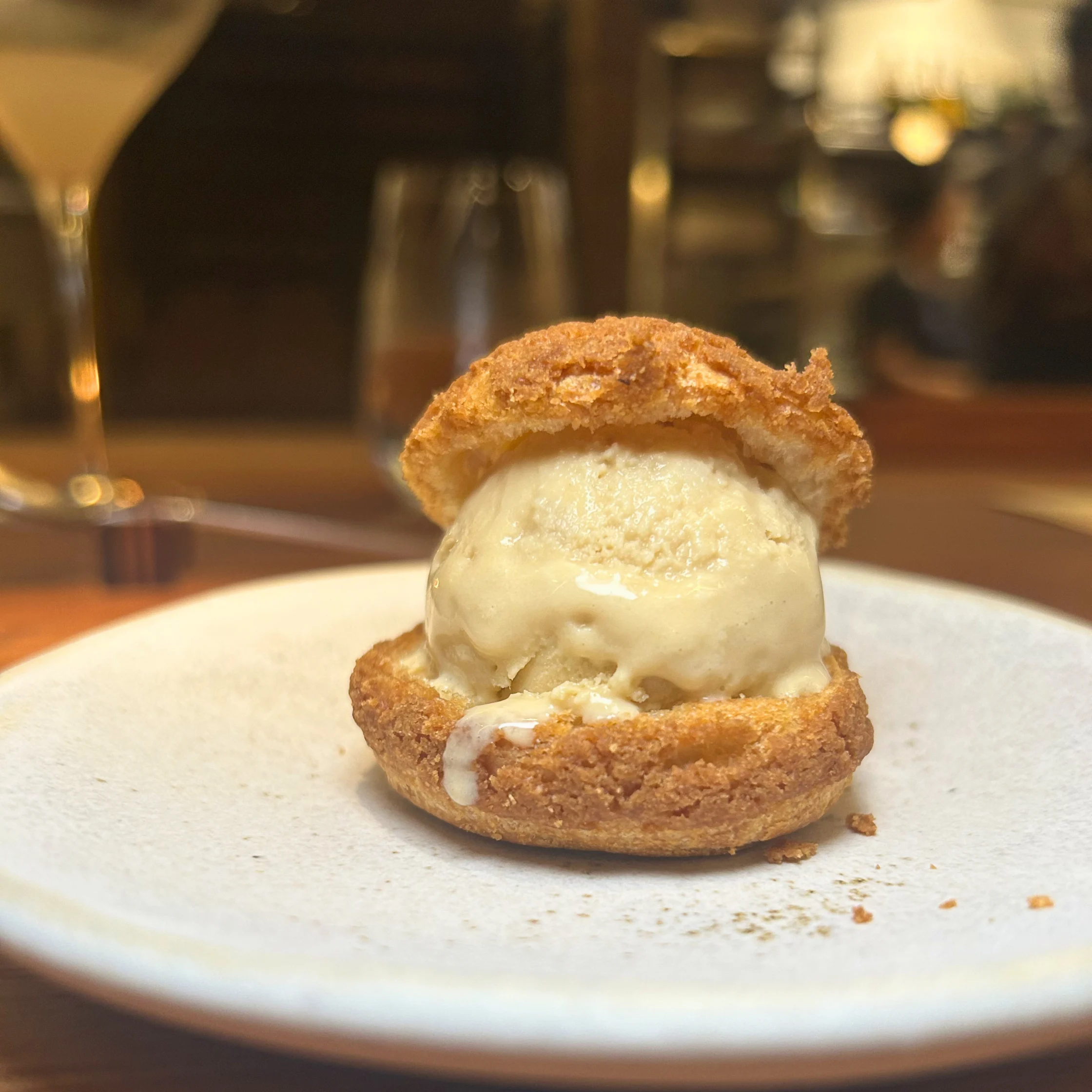
“I honestly personally am also feeling the tasting menu fatigue,” he says. “I’m looking for shorter, less formal formats. It’s funny, we’re slowly going back to the Metiz of 2019 which was a little more anti-fine dining.”
It seems that the restaurant appears to be circling back to their original philosophy. The menus may be shorter and the format more flexible, but the drive to be great at what they do remains unchanged.
As Duhesme suggests, sometimes, diners are simply looking for well-executed food.
These days, so is he.

Frequently Asked Questions
Metiz shifted away from strict hyperlocal sourcing to prioritize flavor, consistency, and creative freedom while maintaining Filipino influences.
Yes. Filipino flavors and ingredients remain central, but the restaurant now describes itself as flavor-forward rather than strictly Filipino.
Metiz is led by Chef Stephan Duhesme, known for his innovative approach to Filipino ingredients and contemporary dining.
The team encountered consistency issues with protein sourcing and wanted more reliable ingredients to support their culinary vision.
Yes. Metiz offers tasting menus alongside a new à la carte format.
Notable dishes include Hokkaido scallop with pinangat, aged Palawan lapu-lapu, native chicken sinampalukan, and dry-aged pork chop.