

I have this specific cooking memory with my mother; a spatula as our sword and a pan’s lid as our shield, my mother and I prepared as much as we could whenever it was time to fry boneless bangus. Even though my mom had way more experience in the kitchen than me, we were both equally scared of how intense the oil gets while frying.
But there’s nothing more frustrating than getting ready to cover the pan to protect yourself from the oil splatter, only to drop the fish into the oil and there’s no big reaction.
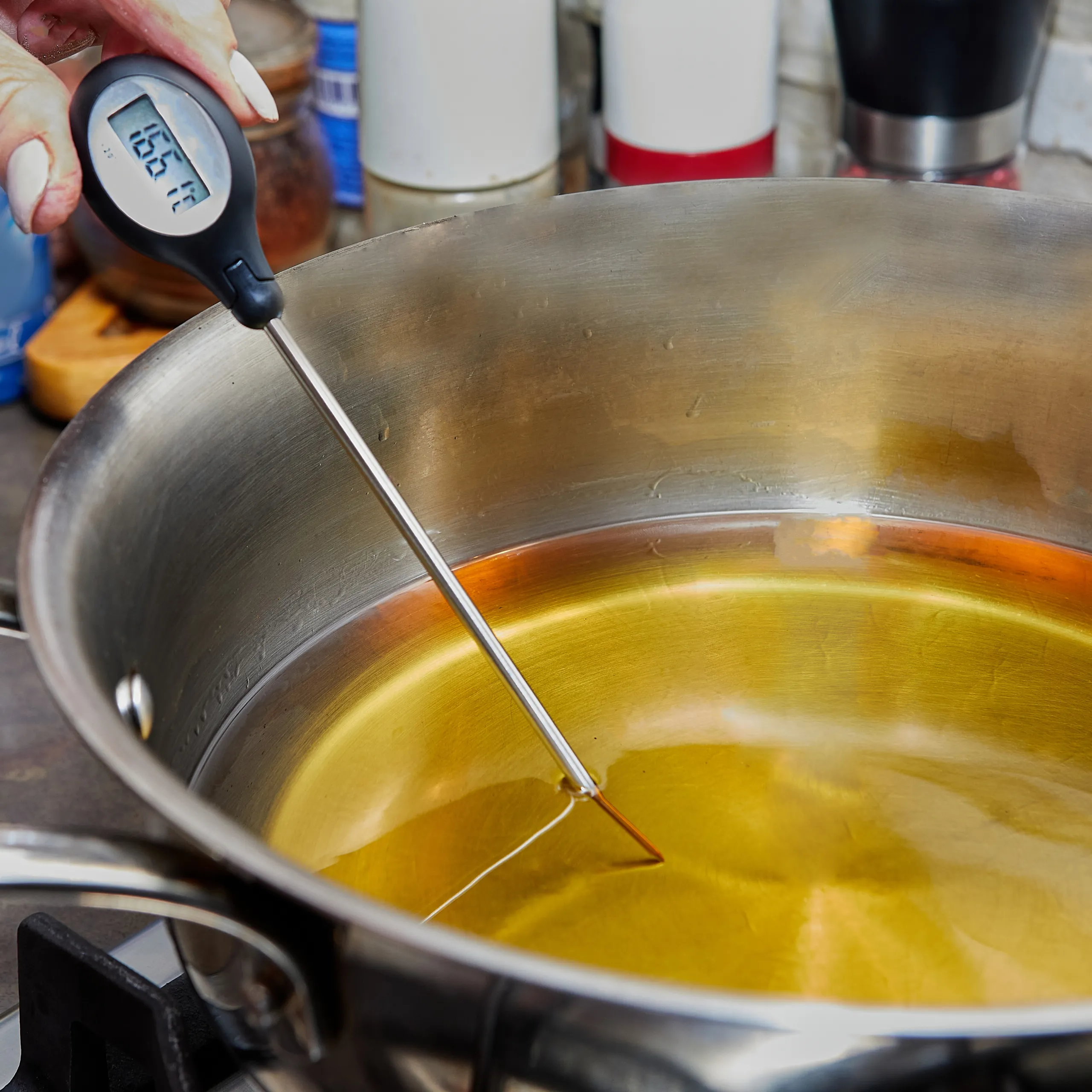
Learning how to tell oil temperature without having to rely on a thermometer is a good cooking skill to have in the long run. With how a lot of recipes flow in execution, there leaves little to no time for you to go out of your way to reach for your thermometer to double check if the oil is hot enough. But it doesn’t end there.
Here are 4 simple ways to check how hot or cold your oil is.
1. Drop a Small Crumb
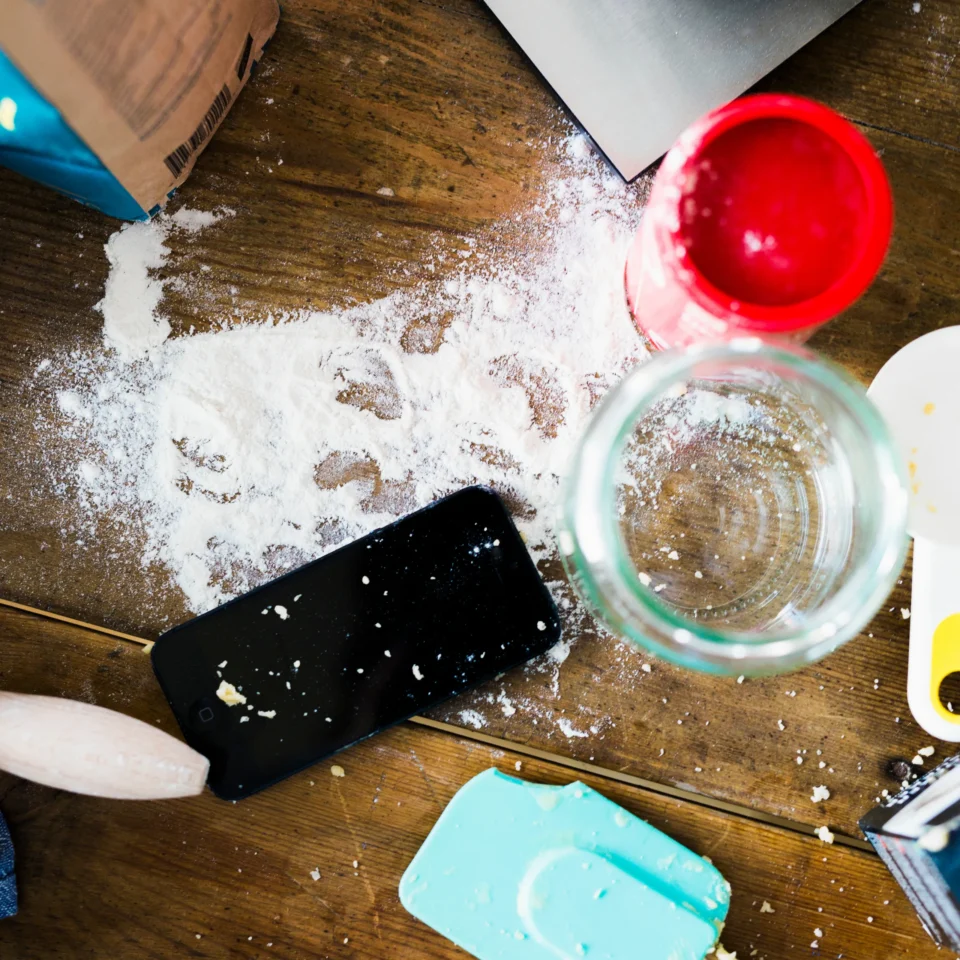
Whether it be a pinch of breadcrumbs, a bit of batter, or a very small piece of whatever you are planning to fry, you can drop any one of these and use the reaction to gauge if the oil is hot enough.
If you are pan-frying, you have to observe how quickly the oil reacts to whatever you dropped. If it quickly sizzles up as it lands in the oil, it should be just hot enough. But if you see it brown instantly, that is a clear indication that it has gotten too hot. If nothing happens, then it’s not hot enough yet.
If you are deep frying, you have to watch if it floats or sinks. If what you drop silently sinks to the bottom, then your oil isn’t hot enough yet. But if it sizzles as it immediately floats on the surface of the oil, that should be good to go.
Some people even opt to use small bits of leftover bread. You’ll know if your oil is at the right temperature if the small piece of bread takes at least 30 and at most 60 seconds to brown. Any quicker, it might be too hot. Any slower, it is still too cool.
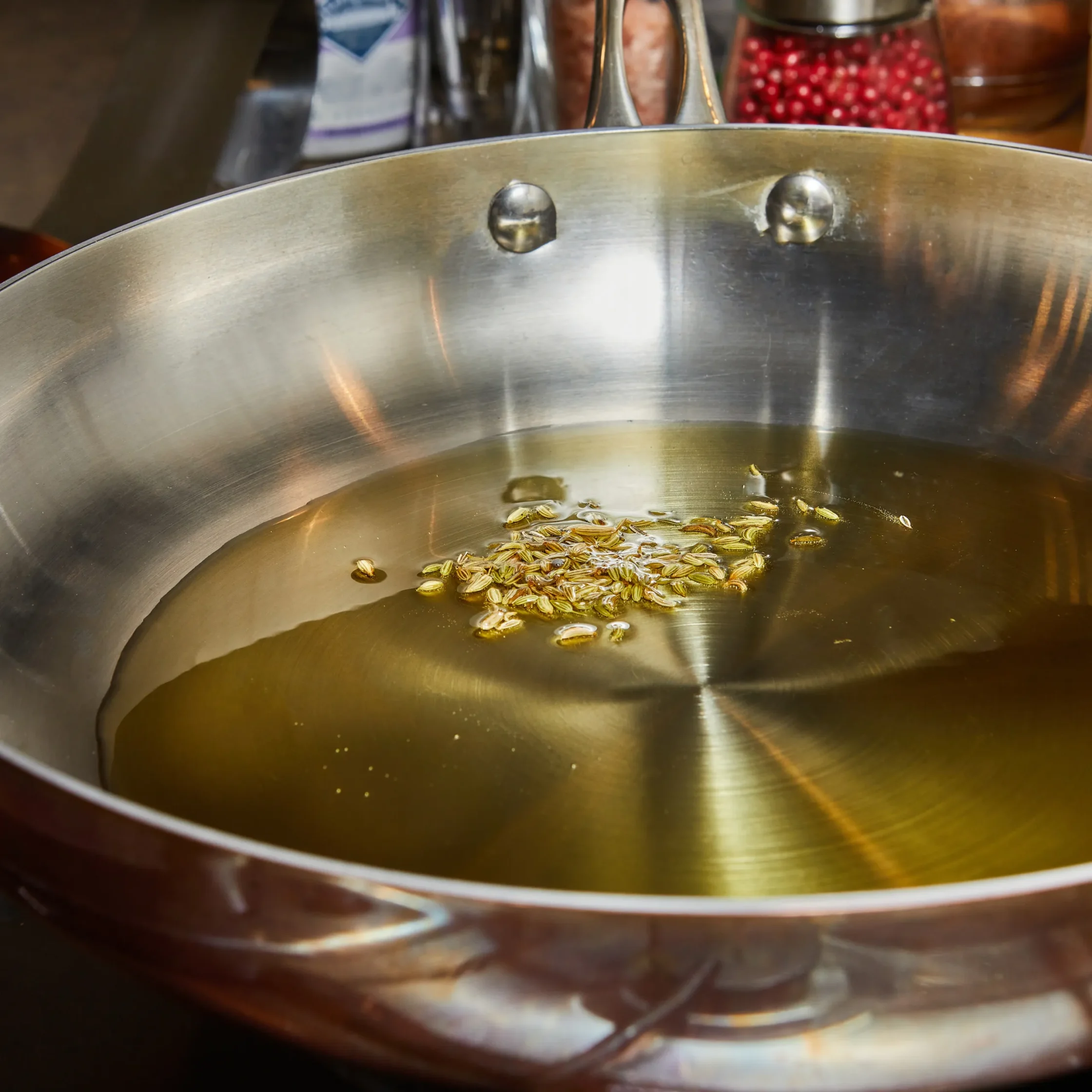
Now, can you do the same with water? Maybe you have seen other people flick one tiny drop of water to check if their oil is hot. In my case, it was my mother. What she says she hopes for if the oil is at a good temperature is a gentle, steady sizzle. If it’s too cool, expect to see and hear nothing.
While that’s technically correct, what makes me want to not recommend trying this for yourself is what could happen if your oil is too hot. That small drop will instantly sink, flash boil into steam, and trigger an explosion of scalding oil you’re definitely in the vicinity of.
A good rule to keep in mind when in the kitchen is that mixing hot oil and water will always end in an oily mess at best and someone getting hurt at worst. So as much as possible, avoid using water with this method.
2. Use a Wooden Spoon or a Chopstick
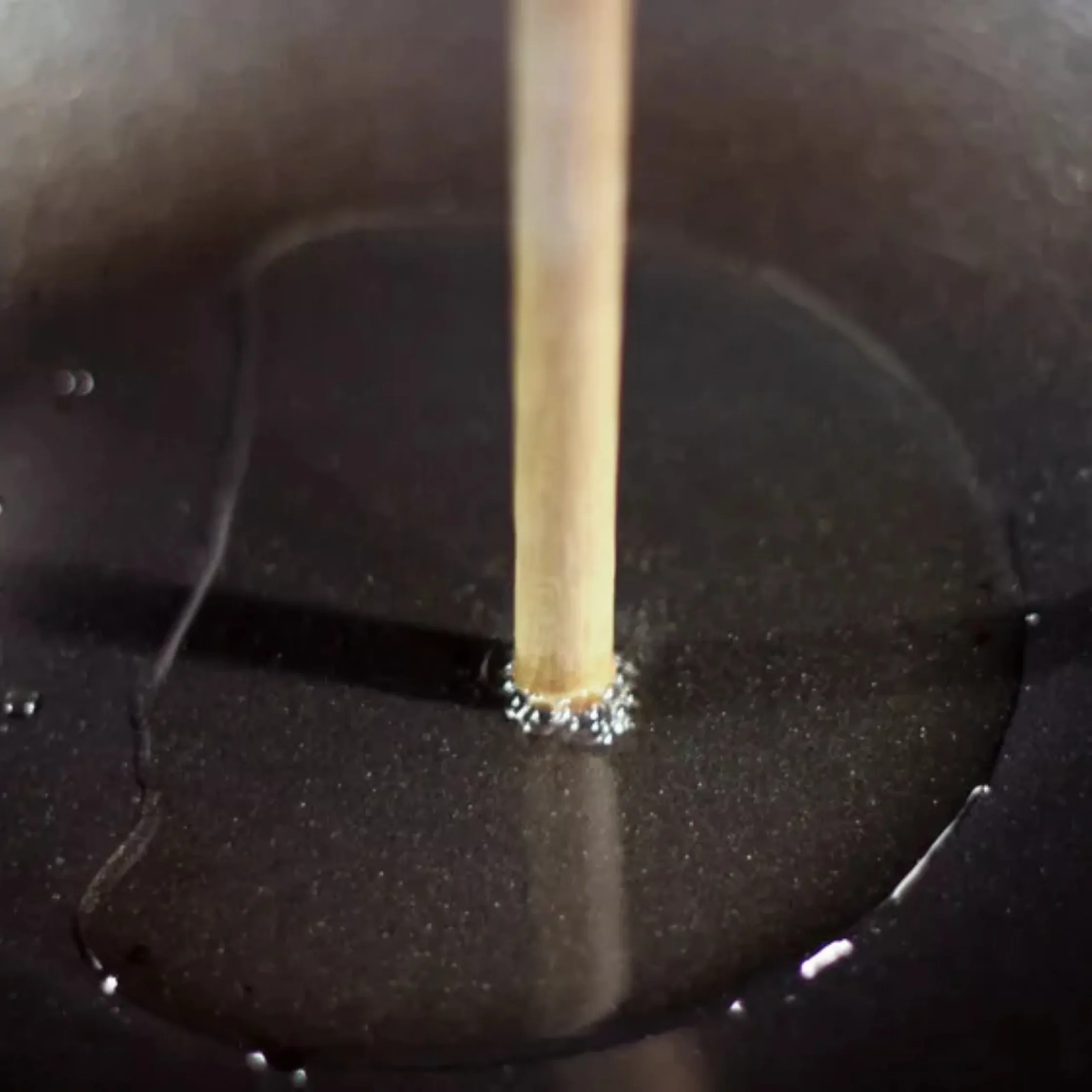
Another way to check the temperature of your oil is by using either a wooden spoon or wooden chopstick. This method is a common one amongst my friends who know a thing or two about how to cook, primarily for when you are deep frying.
Because wood is porous, it holds small amounts of moisture inside its fibers. To see this work, simply dip the end of the wooden spoon or chopstick into the oil—if it sizzles and there are bubbles gradually forming around the utensil, that means your oil is hot enough for frying. If there’s no reaction, then you need to heat your oil for longer. The more vigorous the bubbles, the hotter the oil.
Another way to tell if your oil has gone too hot is if it starts smoking.
3. Watch Out for Ripple Movements and Smoking
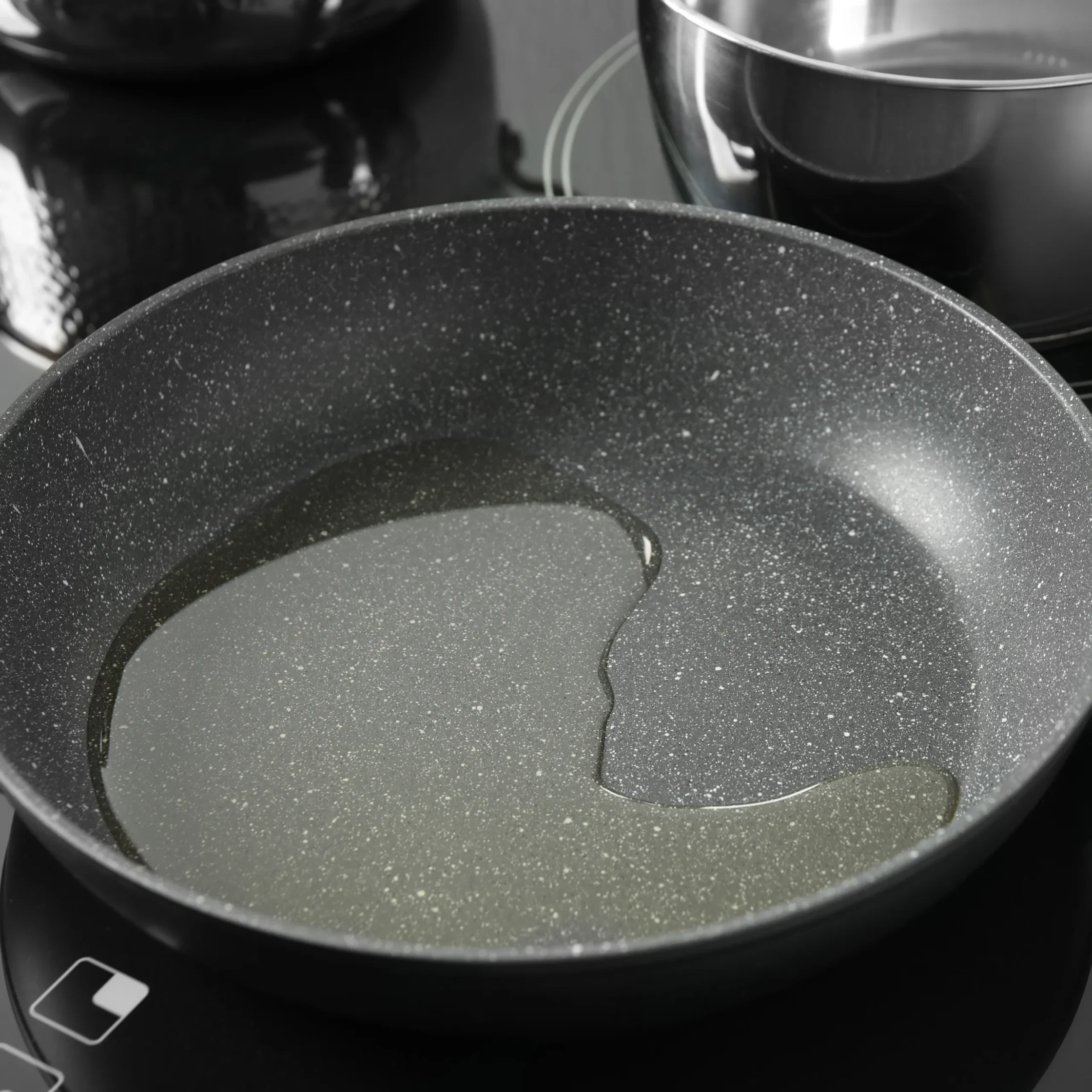
If ever you are sautéing in a pan or cooking with too little oil to be able to use your wooden spoon or chopstick, one trick you can try is to spot certain visual cues.
The first thing to look out for is the way your oil changes as it heats up. When you first add oil to a pan, it will look like how it did in the bottle and it should coat the pan as you move it around. But as soon as it heats up, the oil should look like it’s splitting into streams. Whenever you slightly tilt the pan, it should look kind of like ripples you’d see in a lake. After seeing this, that would be the best time to add whatever you were going to cook.
Another sign would be if it starts to smoke. A few wisps here and there are okay. But if you notice a consistent stream of smoke coming from your oil, you should immediately turn the heat down.
4. Feeling with Your Hand
This last method may only apply to more experienced home cooks who know exactly what to look out for, or in this case, what to feel out.
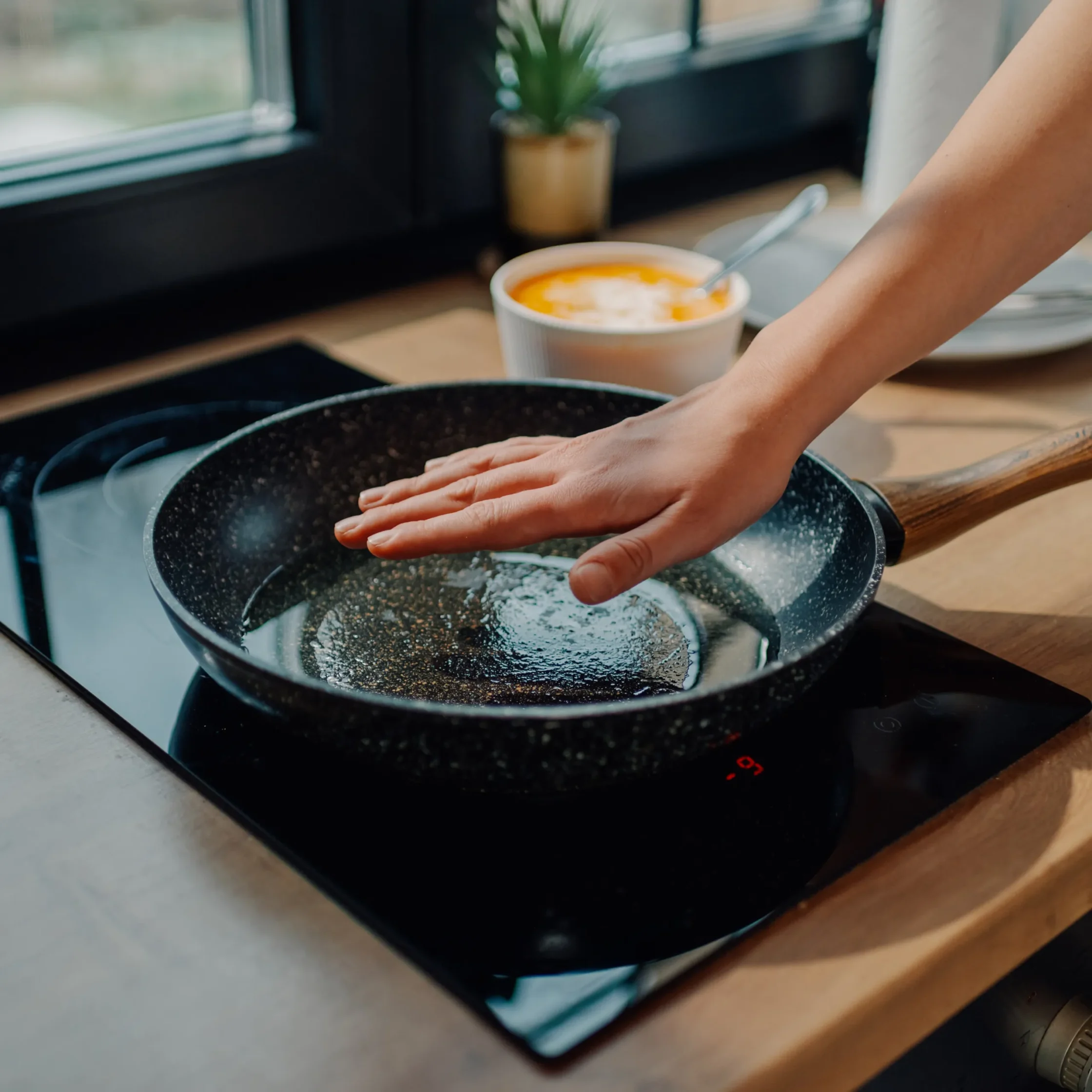
If you want to give it a shot, wait a few minutes from when you start heating your oil. After a while, simply hover your hand a few inches above the pan, wait five seconds, and if you don’t feel anything, that means it isn’t hot enough yet. Your oil should be ready if you feel a good amount of warmth on your palm within five seconds and the heat lingers a little once you move your hand away.
I must reiterate being careful, especially if you are not used to checking temperature this way. As much as possible, make sure your hand does not make any contact with the oil to avoid any injuries.

Frequently Asked Questions
When you dip either a wooden spoon or wooden chopstick into your oil, you should expect sizzling and bubbles forming around the utensil. If you hear sizzling and see bubble gradually forming, then your oil is hot. If you see too much smoke and the bubbles are popping so fast, that means your oil is too hot.
The best indication if your oil is still too cold is if there is no reaction: if you don’t hear any sizzling, if you don’t see any bubbles, if you don’t see any browning if you dropped a small crumb of food, or if you didn’t feel any warmth when you check with your hand.
You’ll know when your oil is getting hotter when it starts splitting into streams and if you see any ripples.
Mixing water with hot oil can cause violent pops or explosions of oil, which can cause burns and other injuries.