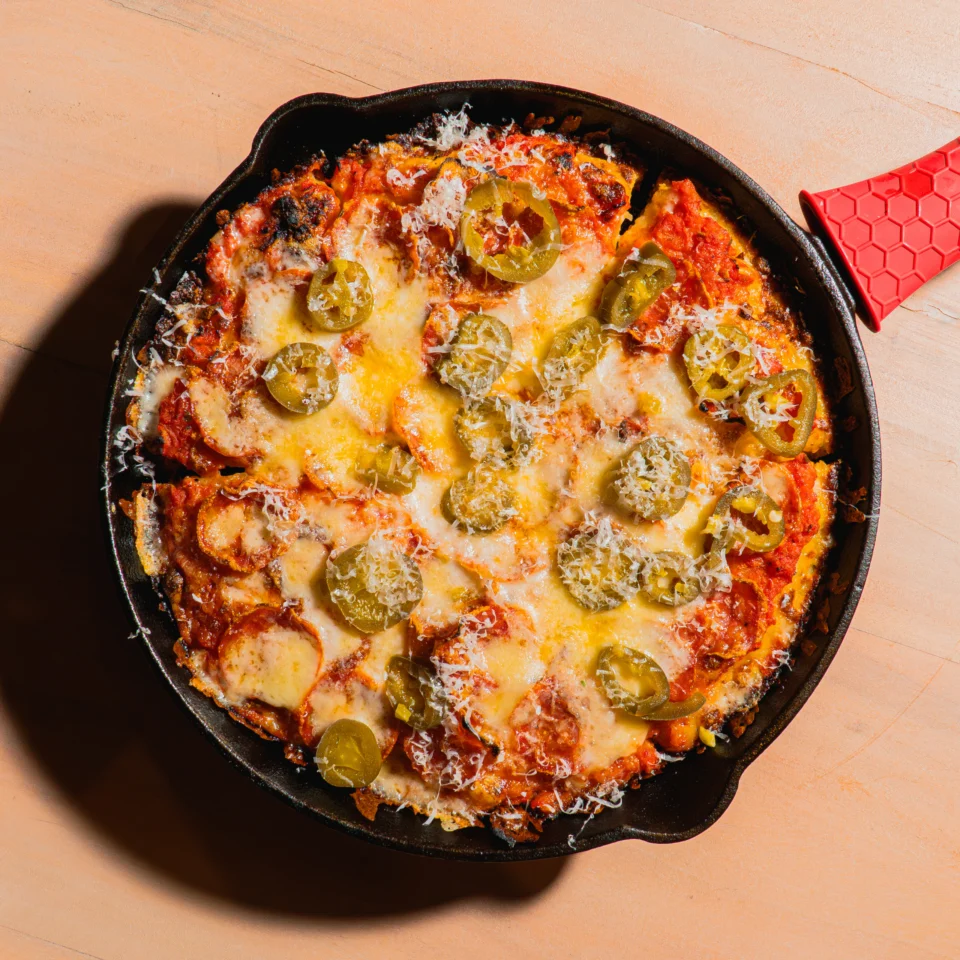
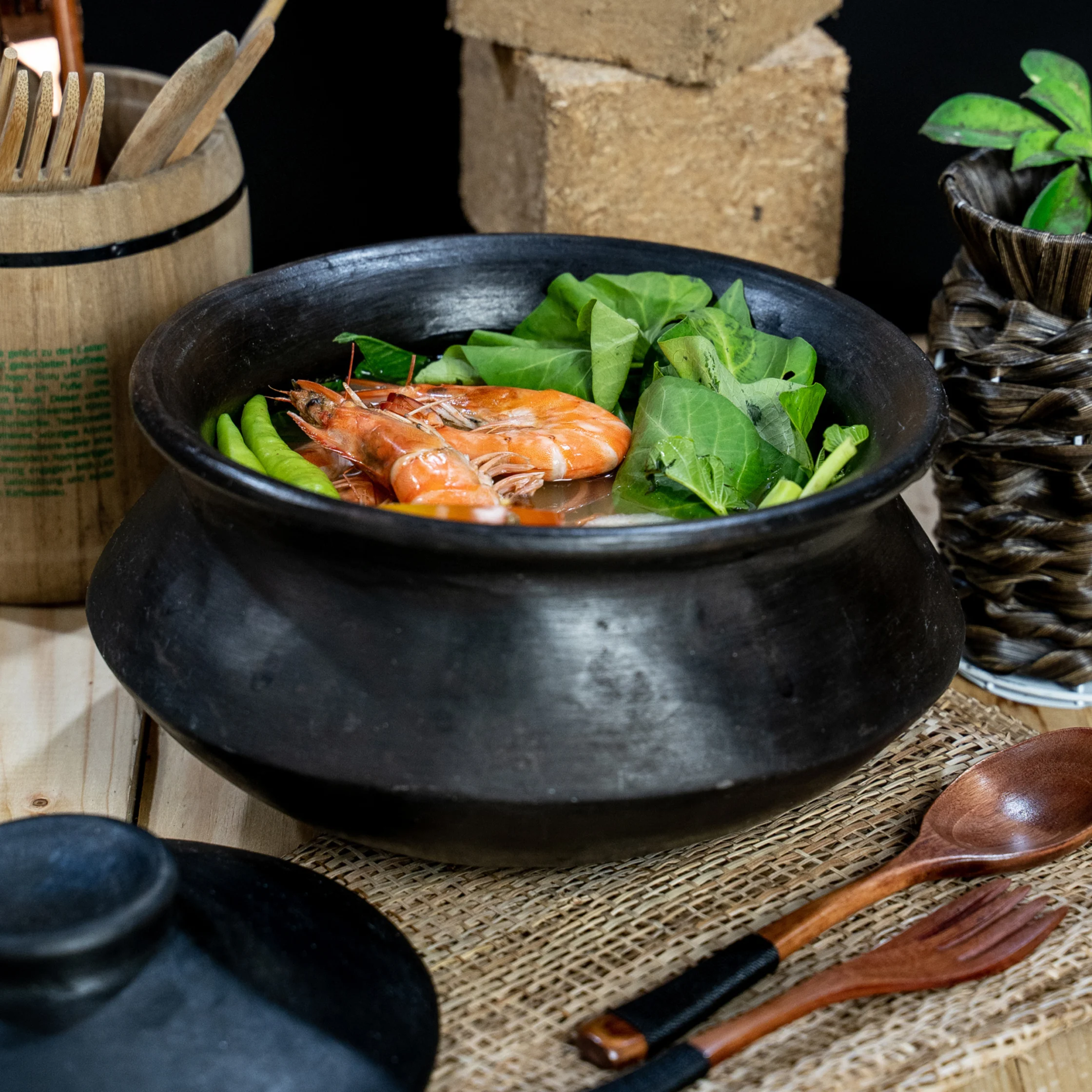
Few kitchen tools carry as much charm as a traditional Filipino palayok.
Between the gentle, even simmer and the subtle earthy note it lends to stews and soups, it’s easy to see why so many home cooks are returning to clay pot cooking.
The palayok does what modern metal cookware cannot: its unglazed terracotta holds gentle, ambient heat while letting flavor slowly breathe into every layer of a dish.
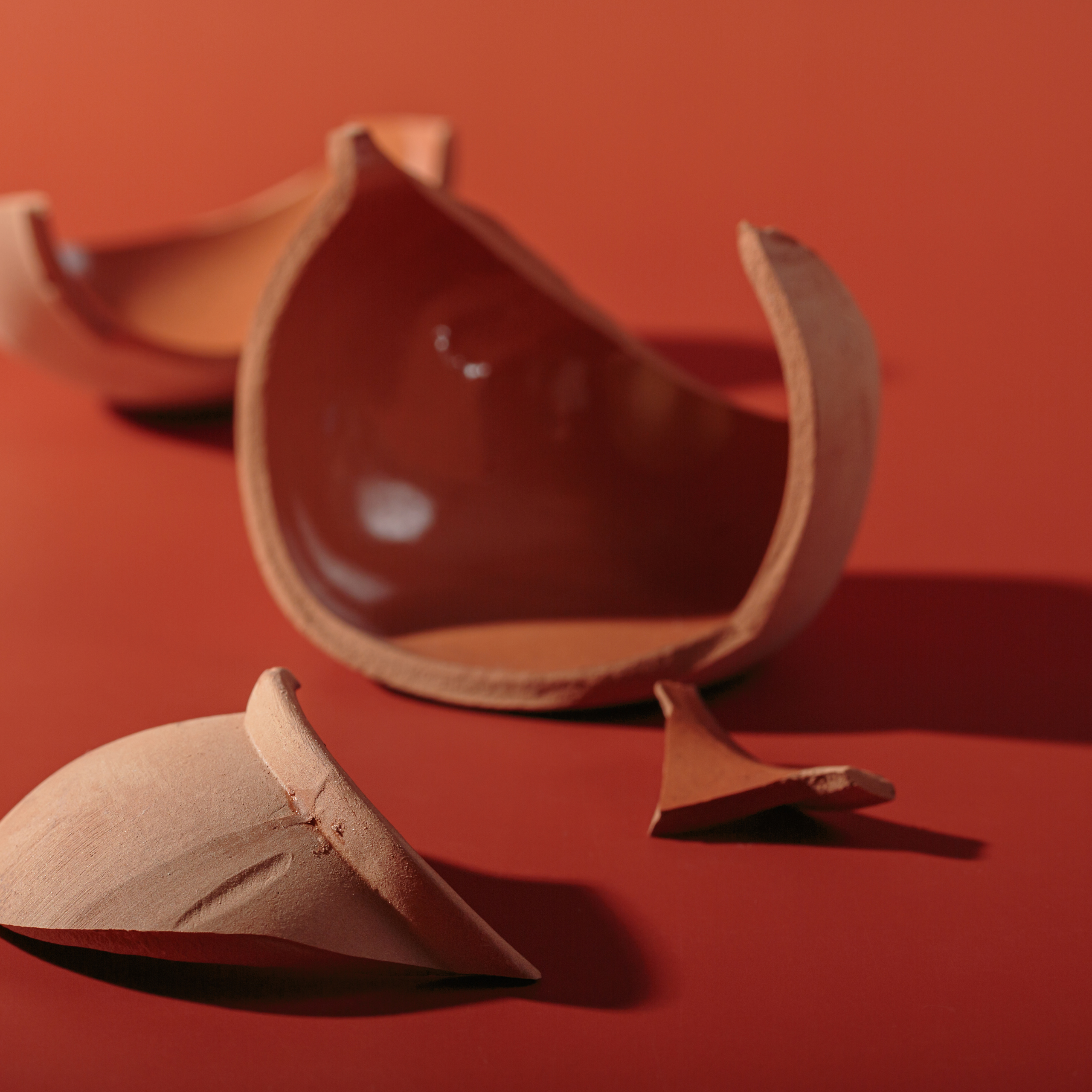
However, because this unglazed clay pot is porous and sensitive to rapid temperature shifts, it requires a little extra care to prevent cracking.
If you took the chance and bought your very own palayok, you need to know how to use it and how to make it last.
Here are three things to keep in mind to keep your palayok crack-free and kitchen-ready!
1. Proper Seasoning and Tempering
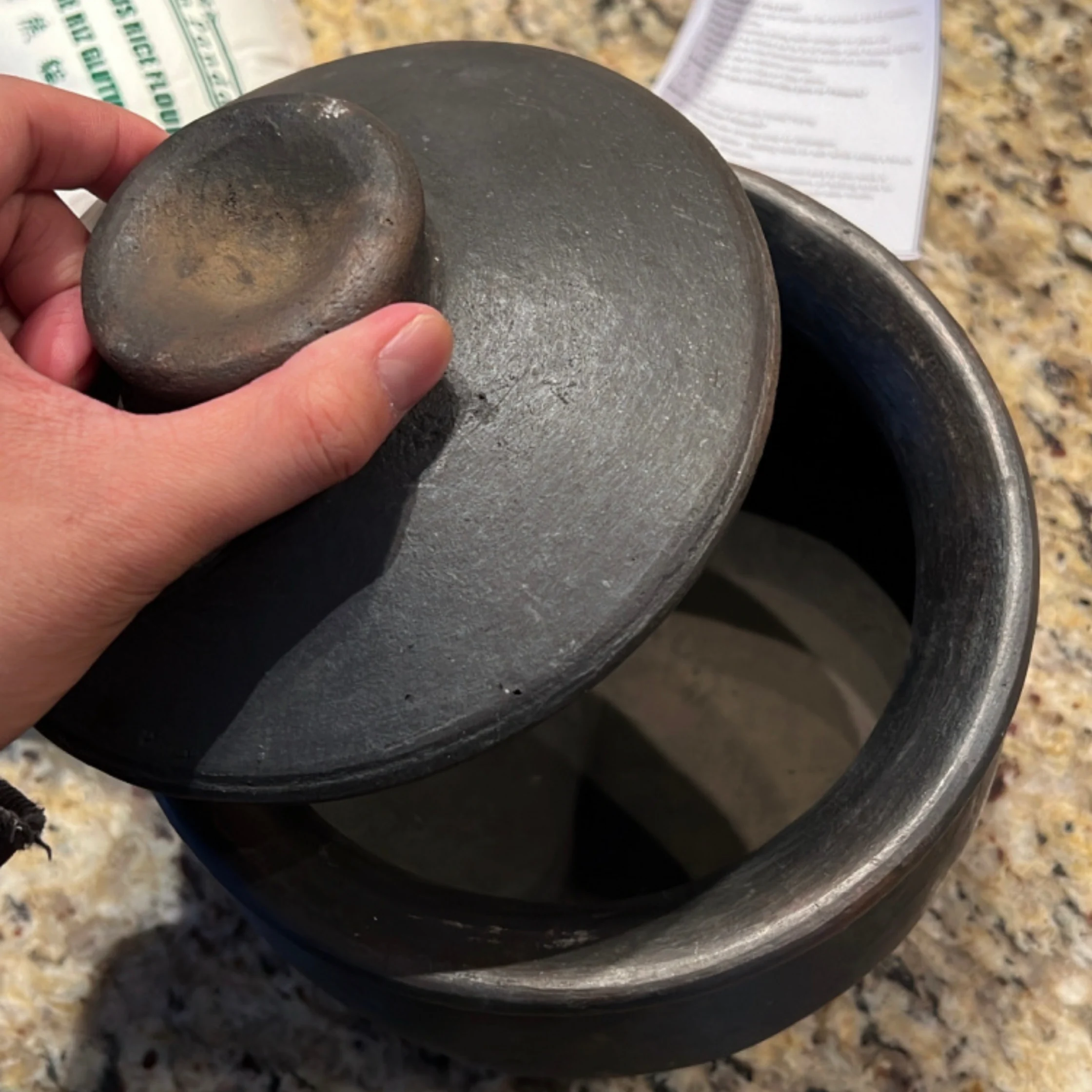
Before using a brand-new palayok for the first time, you must strengthen the unglazed terracotta. Seasoning seals the clay’s microscopic pores and prepares it to withstand direct heat without cracking.
First, wash away any leftover dust or grime using plain water. Soak the entire pot in room-temperature water for at least 1 hour. Pre-soaking saturates the clay pores, protecting it from absorbing your dish’s liquids and shielding it against thermal shock. Then, you have to oil the interior. Coat the inside of the pot and the underside of the lid with a neutral cooking oil or animal fat.
Next, fill the pot three-quarters full with room-temperature water. Place it on the stove over low heat for 10 minutes to warm up gradually, then increase to medium-low heat for another 10 minutes until it reaches a gentle simmer.
After that, you have to give your palayok ample time to cool down. Turn off the stove and let the pot cool completely on the burner before discarding the water. Heat draws the fat into the pores, creating a durable, light protective barrier.
2. Understanding Temperature Control
Thermal shock or sudden jumps or drops in temperatures tend to be the primary reason clay pots crack.
The first thing you need to know is to let your palayok heat gradually at its own pace. Never place a cold palayok over high, direct heat. Start at a low heat to allow the clay to warm slowly before increasing to your desired cooking temperature.
If you are using the palayok in an oven, place the pot inside before preheating so it heats up alongside the oven.
When removing a hot palayok from the stove or oven after using it, set it aside on a trivet, wooden board, or folded cloth towel. Never set a hot clay pot directly onto cold tile, granite, or stainless steel countertops.
3. Cleaning and Storage
Because unglazed clay absorbs moisture and aromas, standard dishwashing habits must be adjusted.
After using it, allow your palayok to return to room temperature naturally and cool down completely before even beginning to wash it.
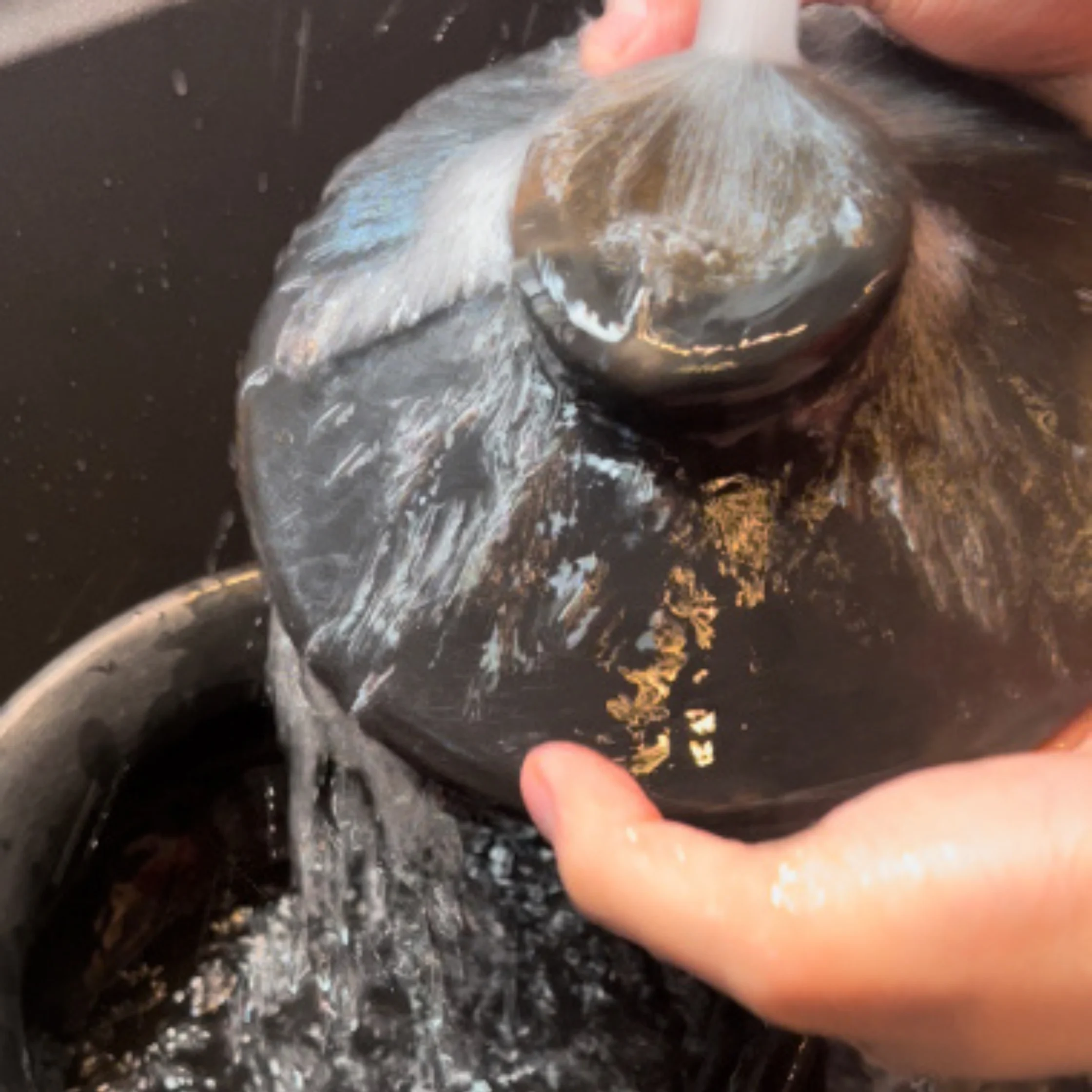
Avoid using any scented dishwashing soaps, detergent liquids, or scouring powders. The porous clay will absorb the soap flavor and leach it into your next meal. Instead, soak any stubborn food residues in room-temperature or warm water. Scrub the interior using a soft brush or a paste of rock salt or coarse salt and water. Always use your hands when cleaning. The palayok doesn’t belong in an automatic dishwasher.
Lastly, make sure the pot and lid are completely dry before storing in a well-ventilated space to prevent mold formation within the porous clay.

Frequently Asked Questions
Seasoning strengthens the unglazed terracotta by removing lingering clay dust and drawing oil into the surface pores. This creates a light protective barrier, seals the clay, and prepares it to withstand heat, preventing the pot from cracking or absorbing too much liquid during cooking.
You should never use scented dishwashing soaps, liquids, or scouring powders. Because unglazed terracotta is highly porous, it will absorb the detergent’s chemical flavors and leach them into your food the next time you cook.
Unglazed clay expands when heated and contracts when cooled. Sudden, drastic changes in temperature cause uneven expansion or contraction across the pot, creating internal stress that leads to permanent cracks or splitting.
Always place a hot palayok on a trivet, a wooden board, or a folded cloth towel. Never set it directly on a cold surface like tile, granite, or stainless steel, as the sudden cold temperature can crack the bottom.
No. A palayok should always be hand-washed. Dishwashers subject clay pots to harsh detergent soaps and extreme water pressure shifts, both of which can ruin the taste of future meals and damage the pot.