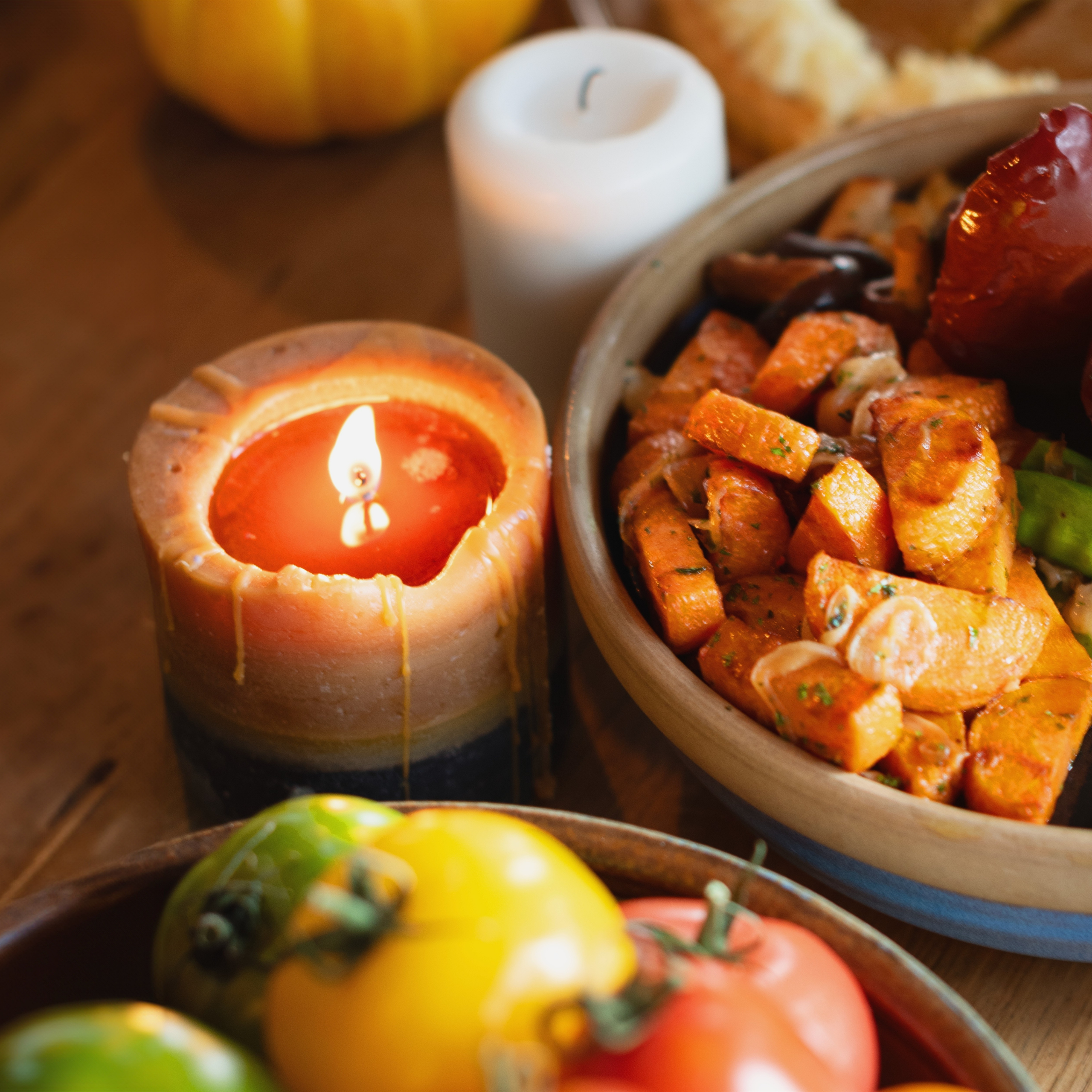
Every culture has its own sacred set of unwritten rules, but few weave them into daily life quite as deeply as the Philippines.
Known locally as pamahiin, Filipino food superstitions are more than just passing folklore or mealtime trivia. Rooted in indigenous traditions and influenced by foreign culture, these beliefs reflect the country’s core values—imbibing sense of community, spiritual caution, and reverence for hospitality into the way Filipinos eat.
Fallen utensils tells you someone’s gender
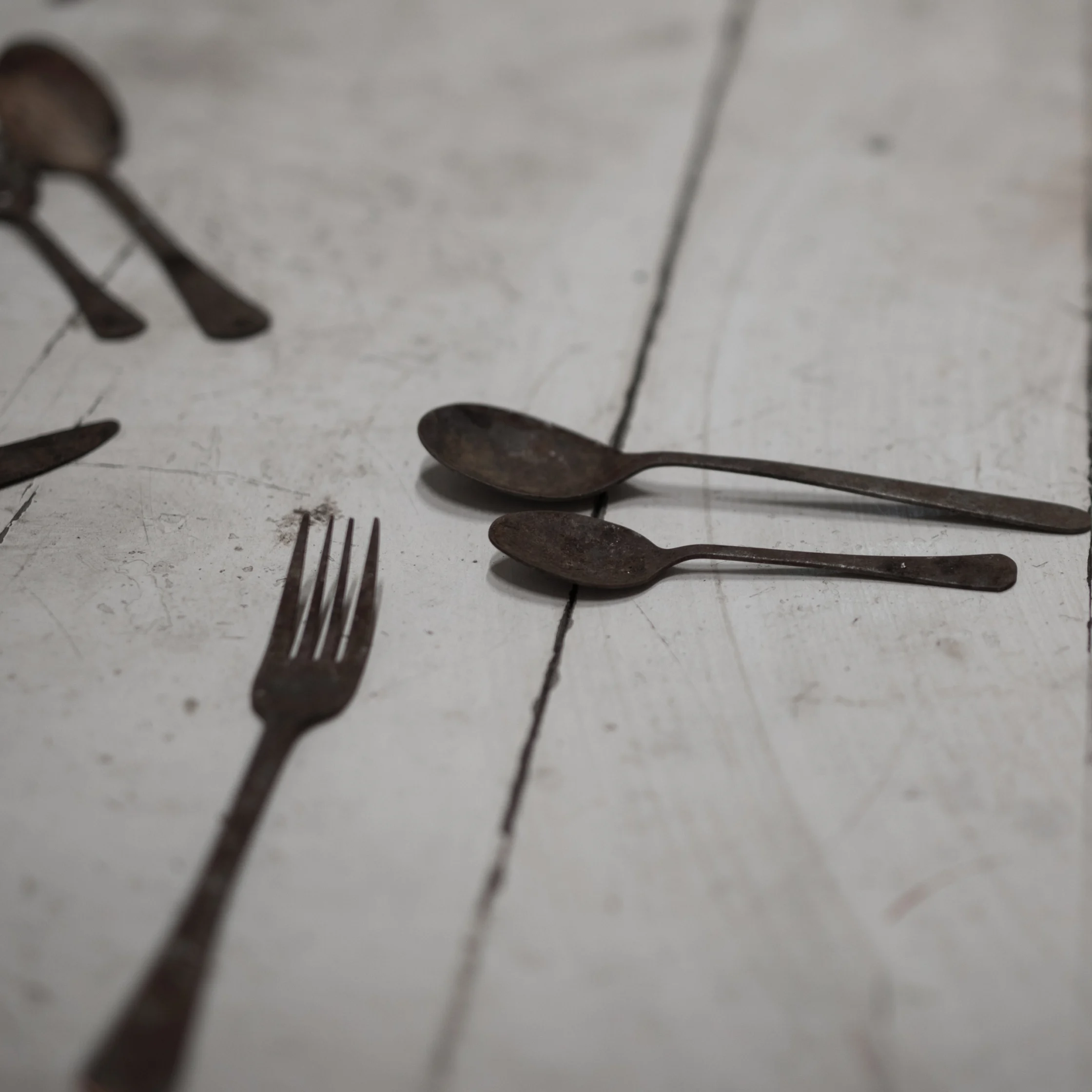
Dropped your spoon or fork while eating? It’s believed that the specific utensil that fell to the ground determines the gender of a guest coming over shortly after—a spoon indicates it’s a woman, a fork indicates it’s a man.
Pancit gives you long life
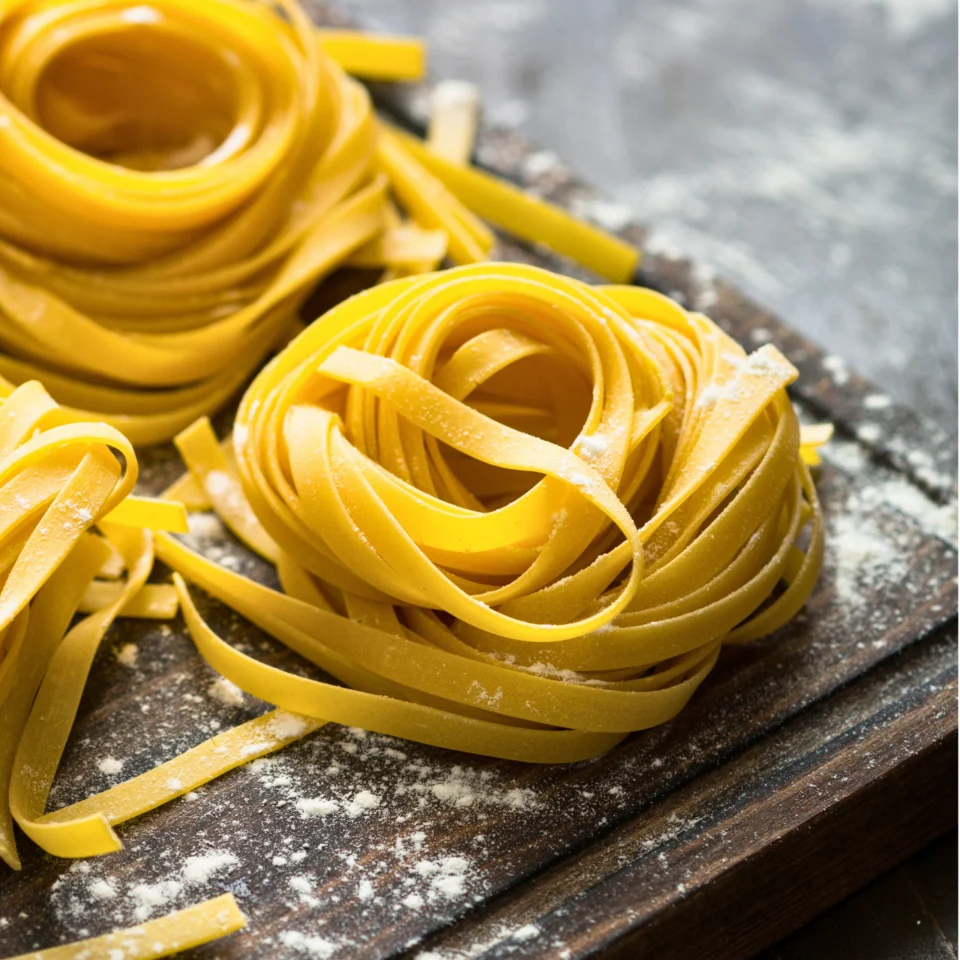
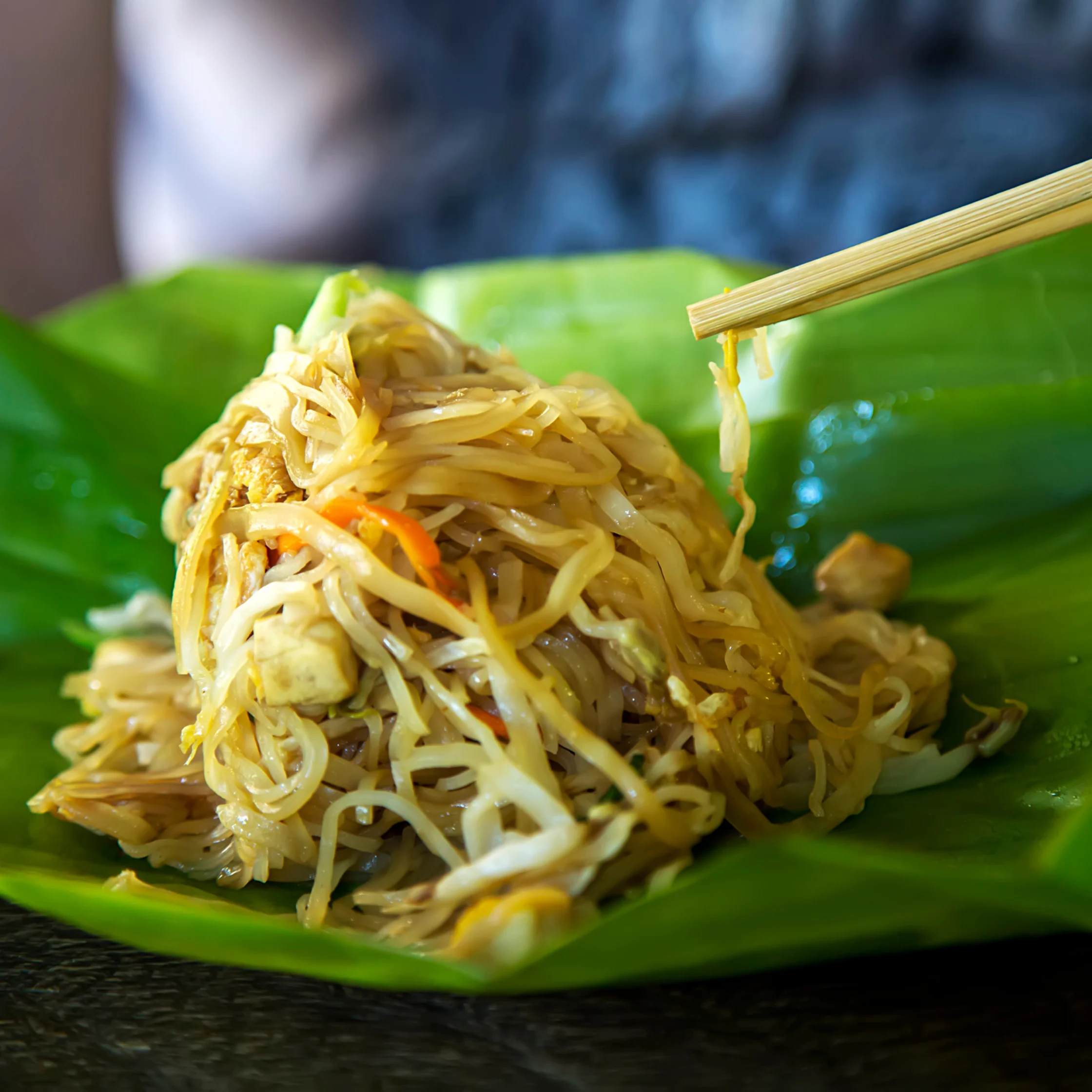
One of the tastiest imprints of the Chinese on Filipino culture comes in the form of pancit and the way it symbolizes longevity. In the same way, Filipinos eat pancit during celebrations (birthdays, Christmas, New Year’s eve, et cetera) as it’s believed it brings about blessings and a long life.
But also… don’t serve pancit during a wake
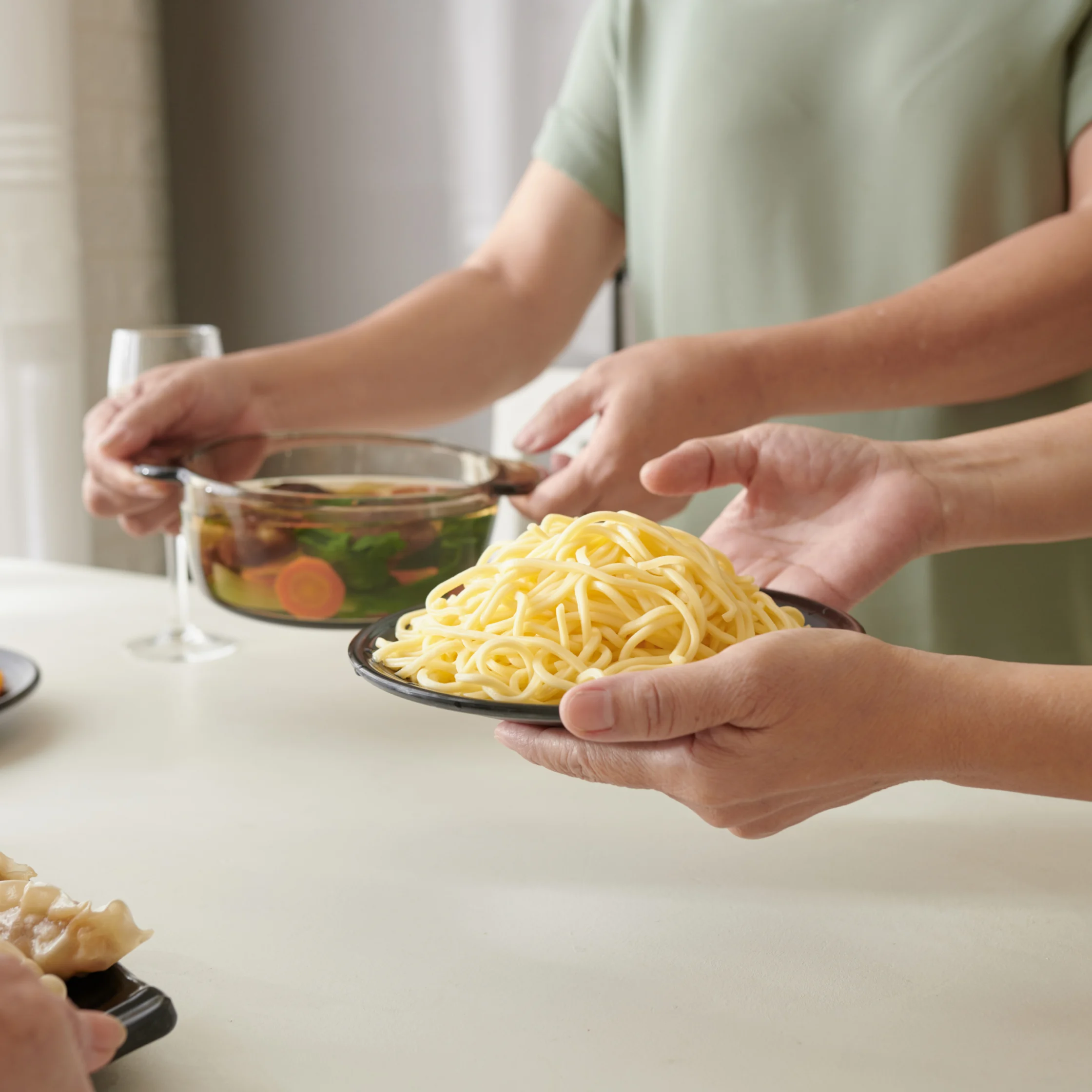
The other side of the longevity connection? Serving pancitPancitThe Filipino noodle dish, symbolizing long life and traditionally served at birthdays. Varieties abound, from everyday bihon and canton to regional specialties such as Quezon's habhab and Cagayan's pancit batilGo to Pancit Glossary during wakes prolongs bereavement. You’d be better of saving the bihon or palabok for after the funeral.
Speaking of wakes, don’t you bring home food from one
Don’t even think about pulling a Sharon on a wake. As the superstition goes, doing so might just invite spirits to follow you back home.
No clearing the table ‘til everyone’s done
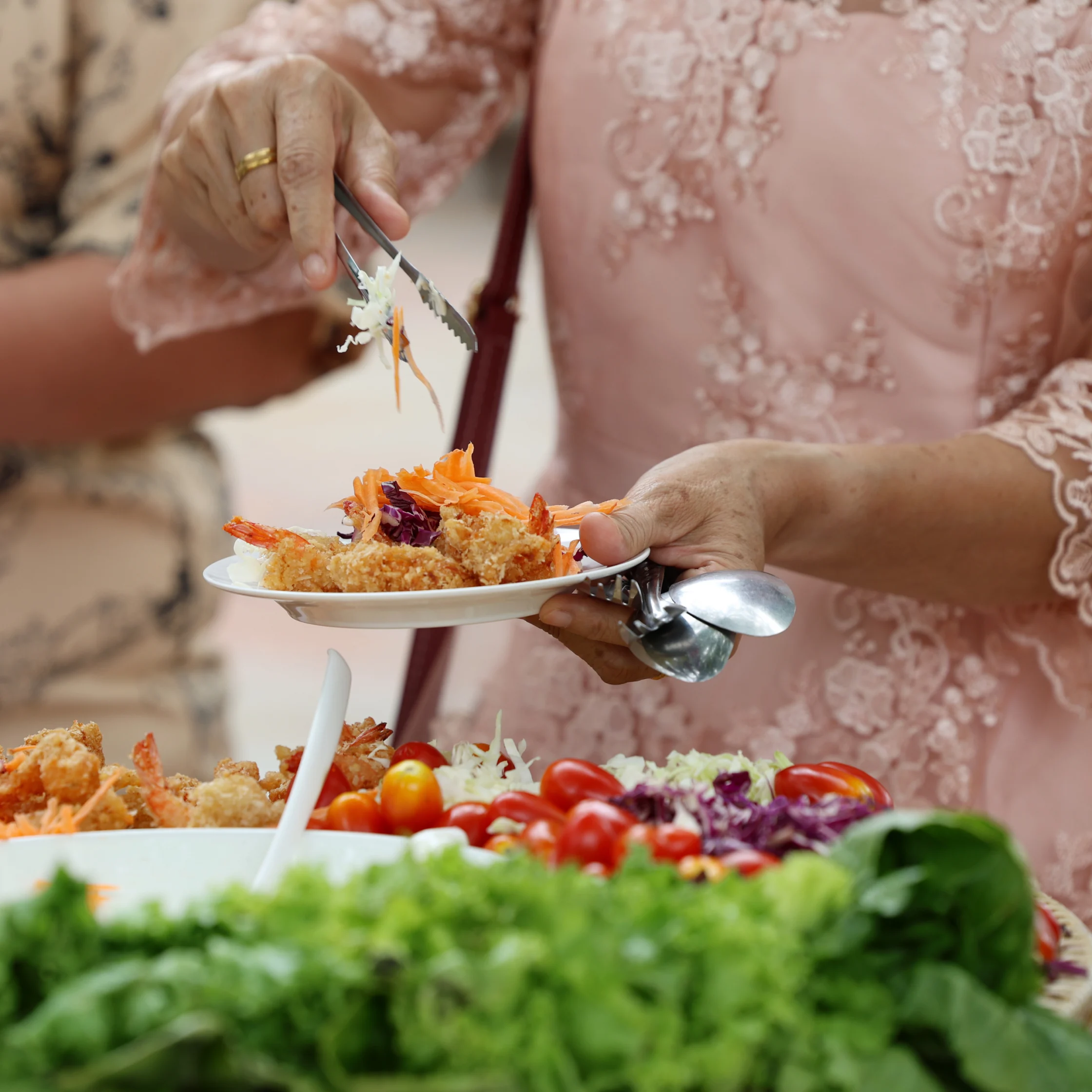
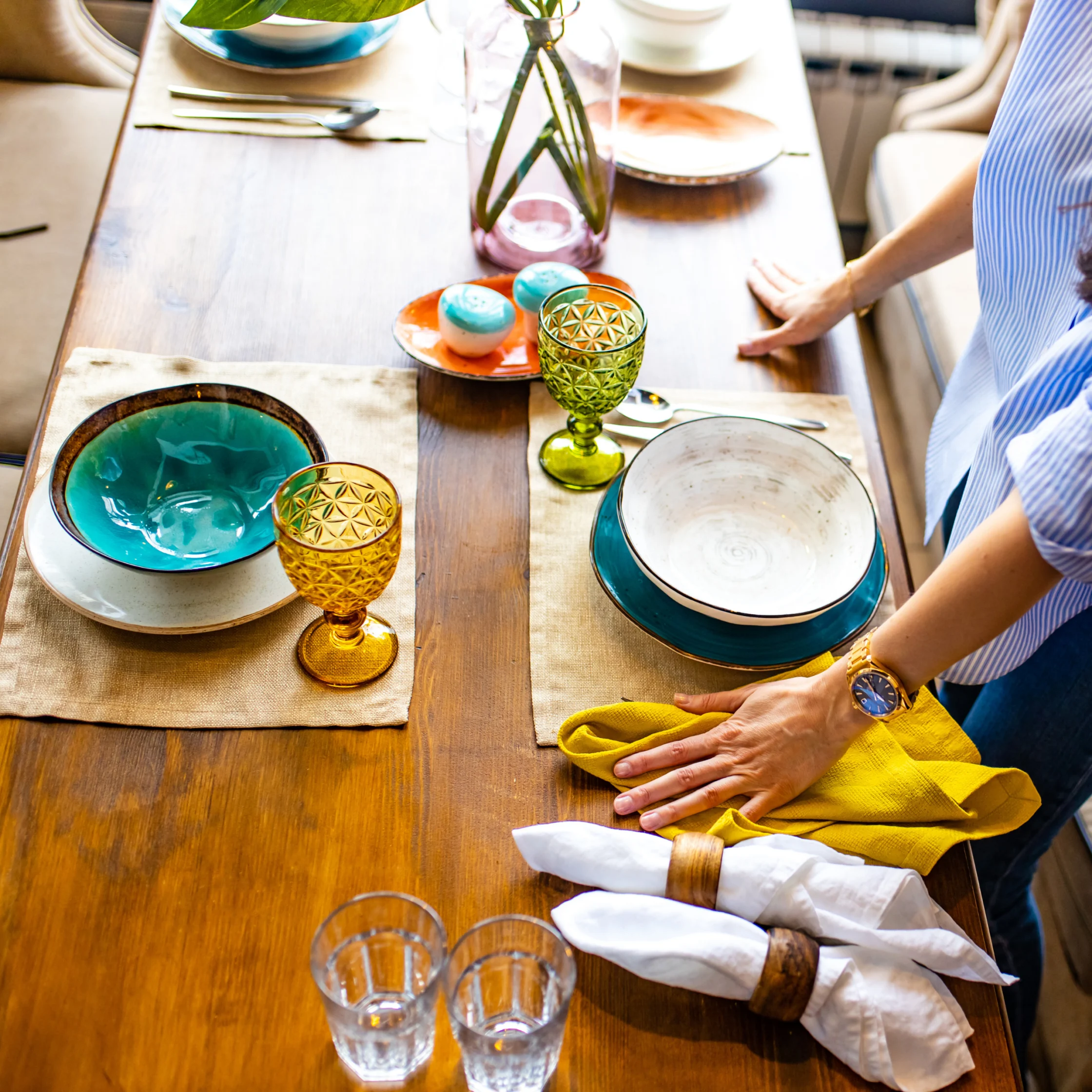
Perhaps this is rooted in how Filipinos put importance on finishing one’s food, but as the belief goes, diners ought to stay and wait for all parties on the table to finish eating before clearing the table—lest the last person still eating would find it difficult to get married.
Finish your rice!
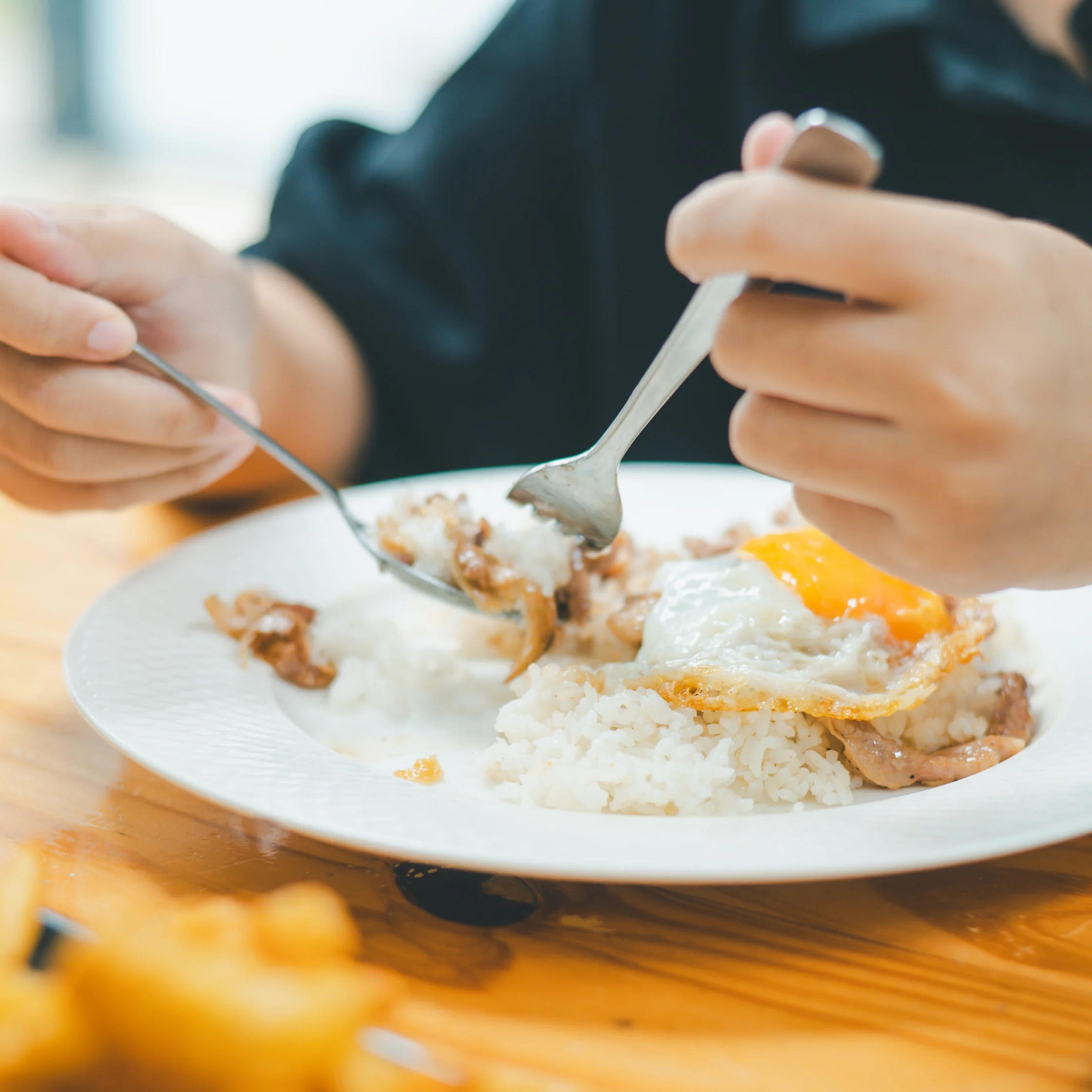
Supposedly, leaving rice unfinished can keep you from going to heaven when you’ve passed away—the more grains of rice left over, the more days you’ll spend in purgatory.
Twinning ingredients
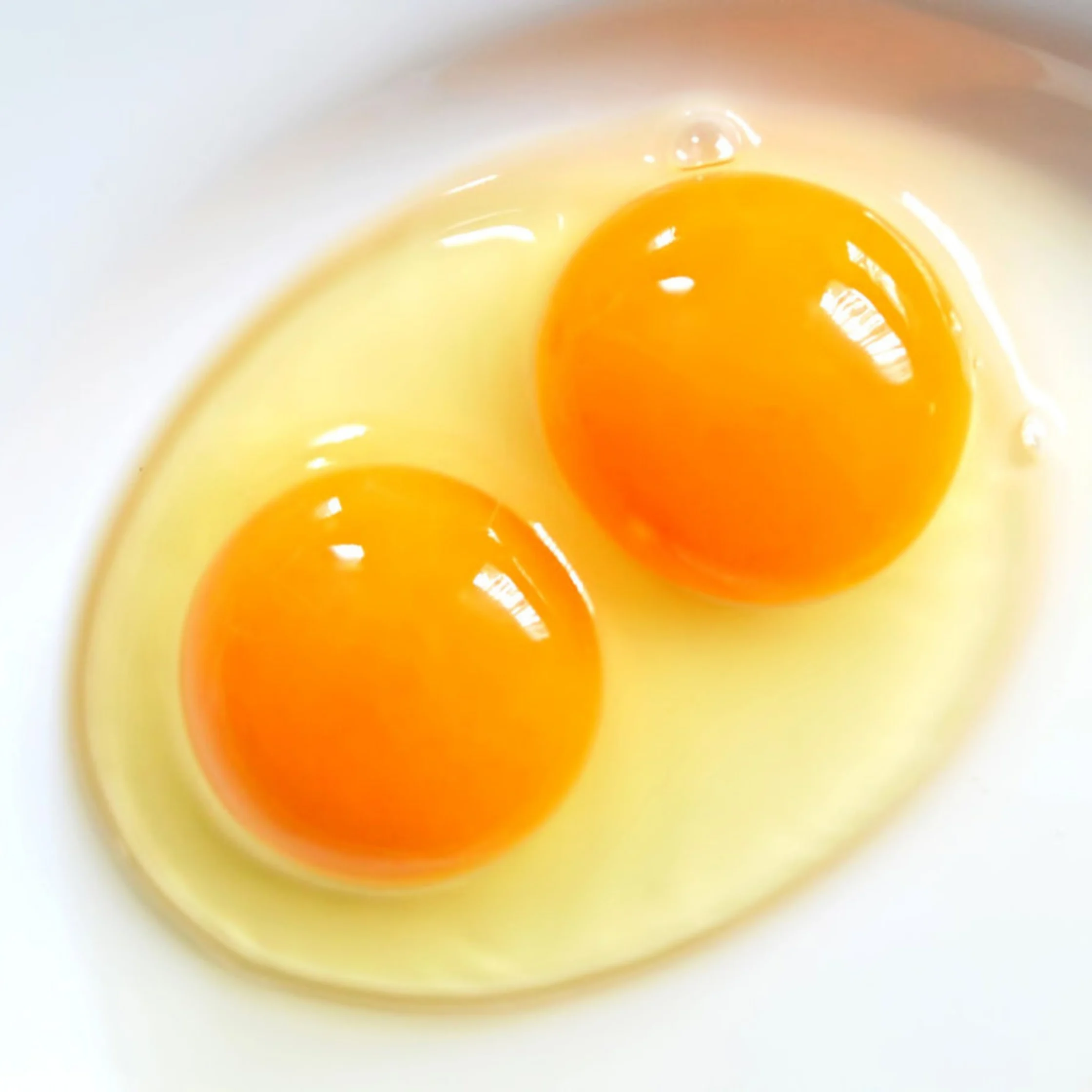
Occasionally you’ll come across fresh ingredients that are twin or conjoined in form. It’s believed that if you’re a woman, getting twin bananas means you’ll get twin babies. And if you happen to crack open an egg with two yolks, expect good luck (and possibly money) to come your way.

Frequently Asked Questions
Dropping a spoon or fork to the ground indicates the gender of a guest coming over shortly after: a spoon means a woman is arriving, and a fork means a man.
Dropping a spoon or fork to the ground indicates the gender of a guest coming over shortly after: a spoon means a woman is arriving, and a fork means a man.
Serving pancit during a wake is believed to prolong bereavement, so it is better to save dishes like bihon or palabok for after the funeral.
Bringing home food from a wake might invite spirits to follow you back home.
Diners are expected to wait for all parties at the table to finish eating before clearing the table, lest the last person still eating finds it difficult to get married.
Leaving rice unfinished can keep you from going to heaven when you pass away; the more grains of rice left over, the more days you will spend in purgatory.
Coming across fresh ingredients that are twin or conjoined in form can mean different things. If you’re a woman, encountering twin bananas means you will have twin babies. On the other hand, cracking open an egg with two yolks means you can expect good luck and possibly money to come your way.