

“I’m not vegan.”
That’s how chef Joff Hernandez playfully introduced himself to me when we hopped on a call for an interview.
It may sound surprising coming from the man behind Lutong Lupa, a Manila-based private dining and pop-up concept known for championing plant-forward Filipino cuisine. But Hernandez believes that the distinction is precisely the point.
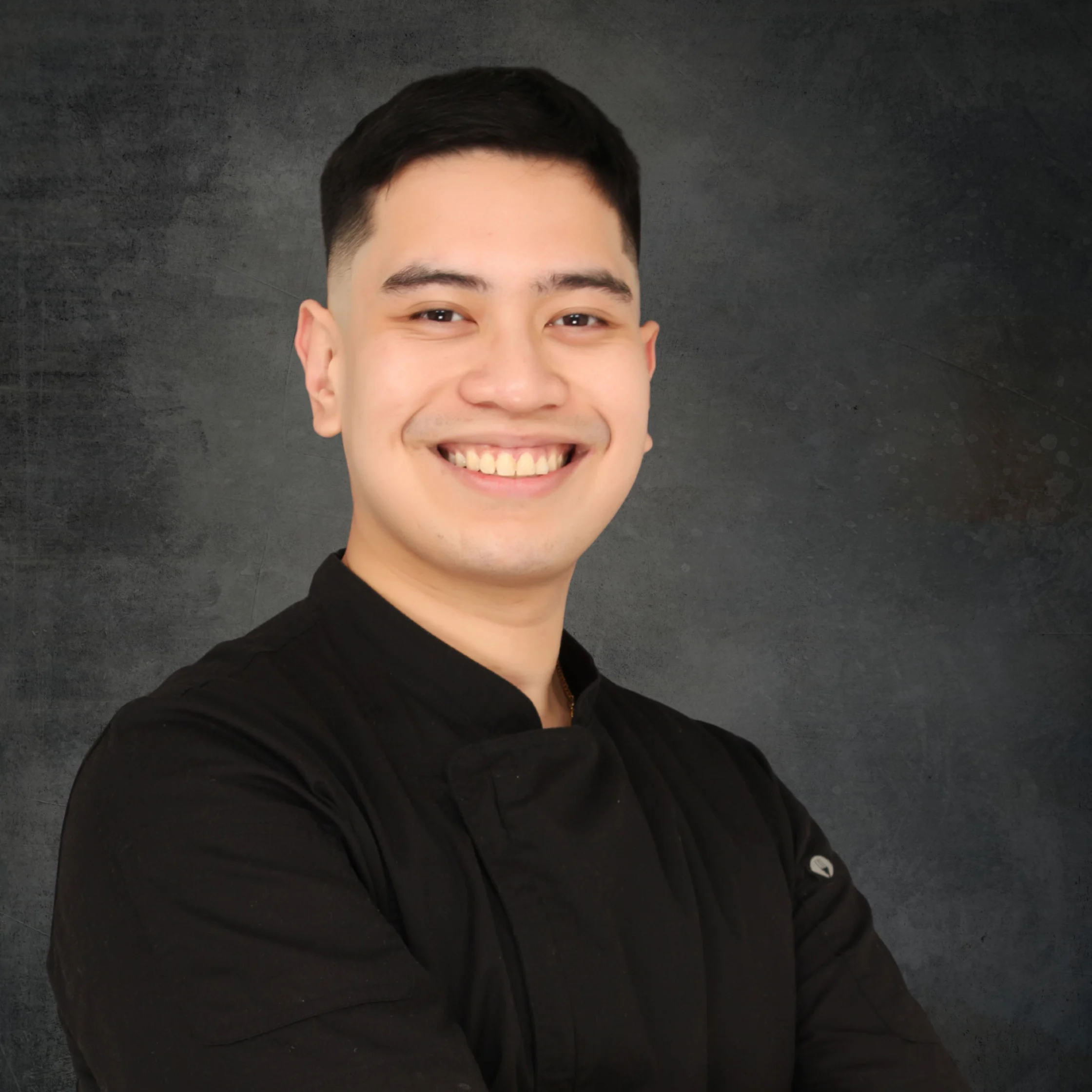
After spending six years in Melbourne, where he initially started Lutong Lupa, the 31-year-old chef has returned to the Philippines with a mission beyond just veganism. Rather than convincing Filipinos to give up meat entirely, he wants to show that vegetables deserve a bigger portion of the plate.
“What I’m seeking to promote is the choice for an alternative lifestyle,” he said. “I just want people to open their minds to the possibility of adding more plant-based food to their diets.”
A Business Born During Lockdown
That philosophy sprouted thousands of kilometers away from home.
Hernandez moved to Melbourne in 2019 to pursue postgraduate studies in hotel leadership. When the pandemic hit just months later, he found himself isolated in a 10-square-meter apartment during one of the world’s strictest lockdowns.
With classes shifting online and restaurants shutting down, he suddenly had an abundance of time—so like many of us trapped at home during that time, he started cooking. And by leveraging a loophole that allowed registered food businesses to operate beyond the lockdown’s travel restrictions, he launched a one-man meal kit operation. He vacuum-sealed dishes, packed instructions into boxes, and personally delivered orders across Melbourne.
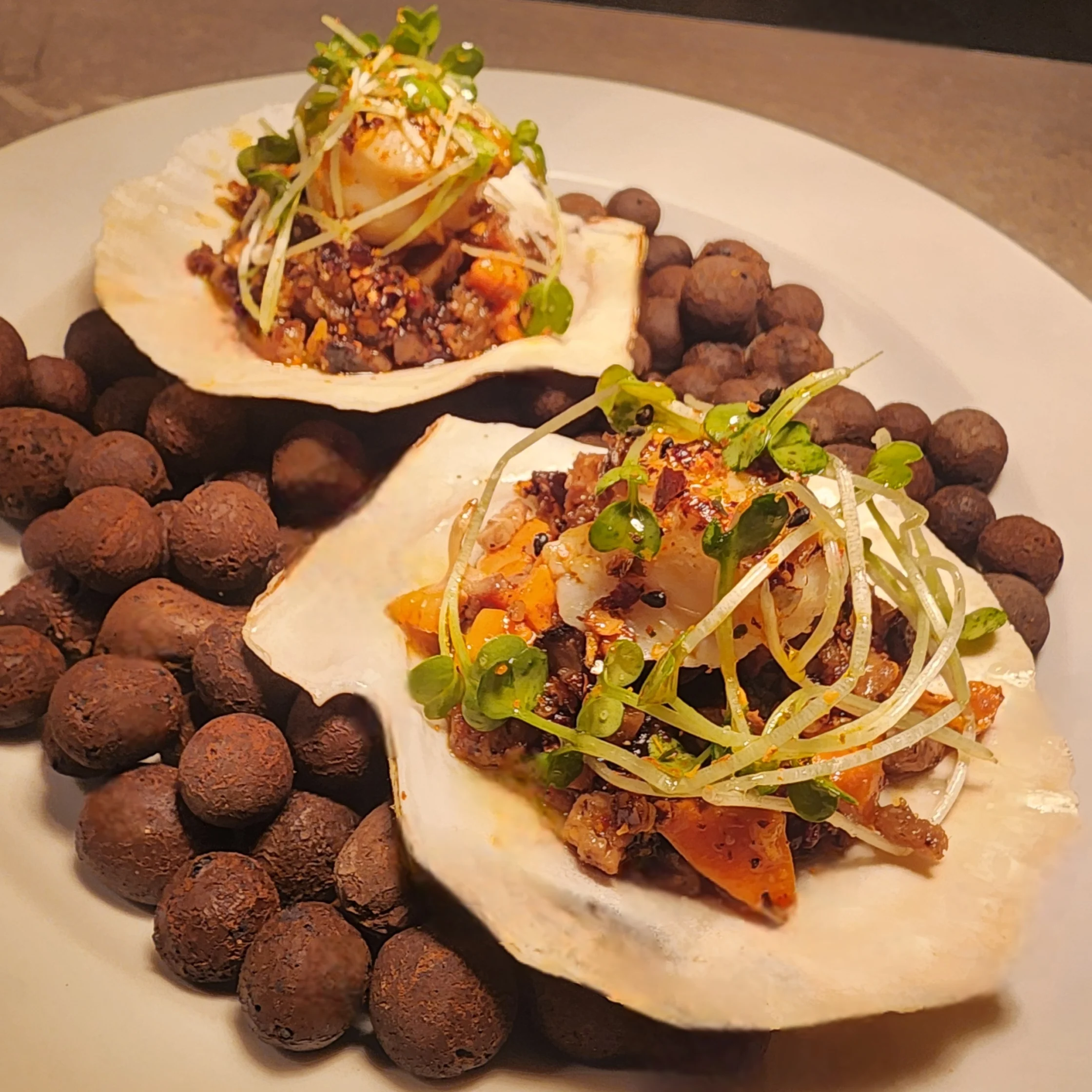
Eventually, this would blossom into what Lutong Lupa is today, a concept that creates private dining experiences and pop-up events that introduce diners to plant-forward Filipino food.
Lessons From India and Melbourne
While the idea of Lutong Lupa came to life in Australia, the seeds for his interest in plant-forward cuisine were actually planted long before he landed in The Land Down Under.
At age 14, Hernandez spent a year with his dad in India, where he experienced firsthand a food culture built with vegetarian cuisine in mind. “That was my first exposure,” he recalled. “I fell in love with Indian food—chickpea curries, cauliflower dishes, samosas. It opened my eyes to the possibilities of plant-forward cooking.”
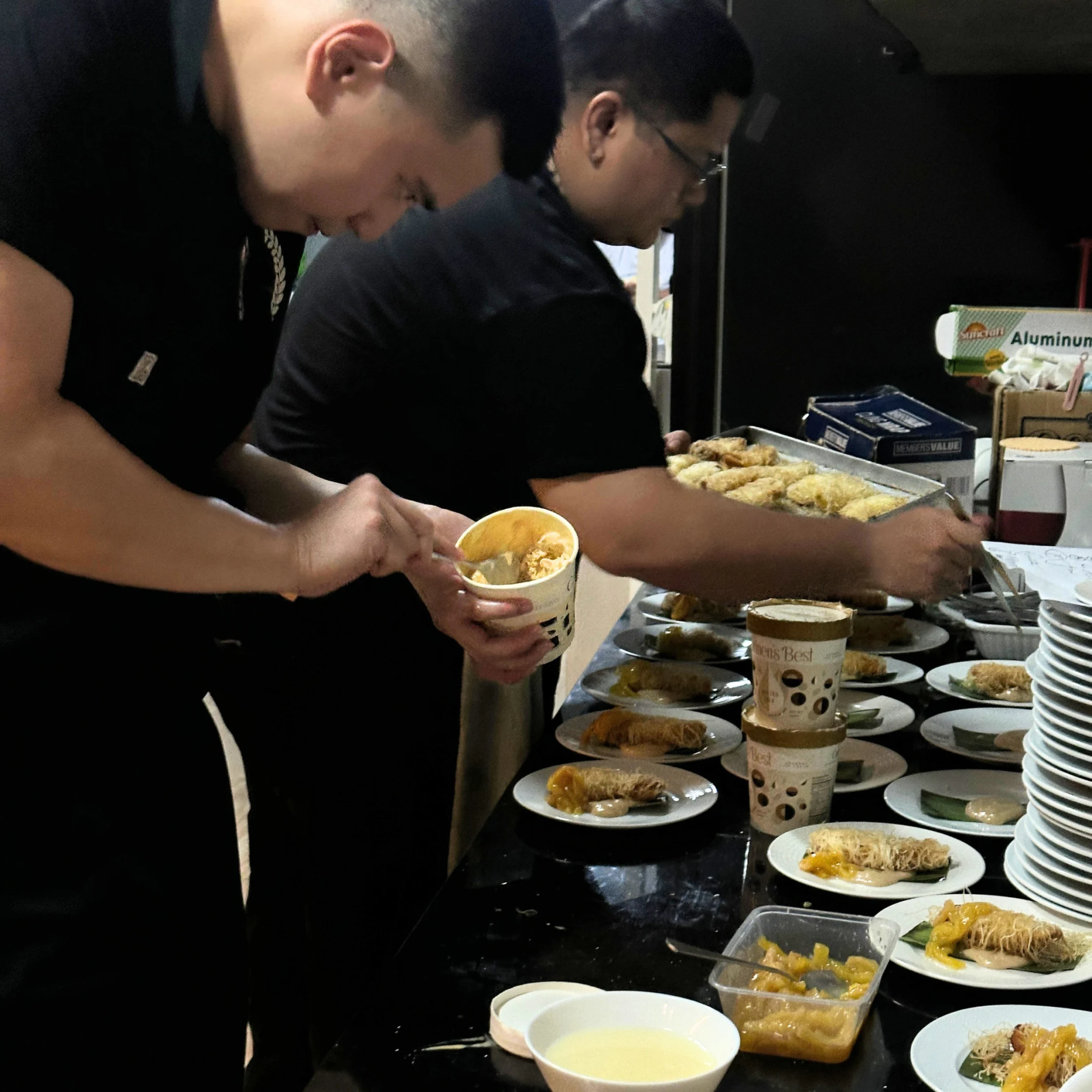
The defining moment came years later when he joined the kitchen of Smith + Daughters, one of Melbourne’s most celebrated vegan restaurants, led by renowned chef Shannon Martinez. Working at one of Australia’s most well-known plant-based restaurants challenged everything Hernandez had learned in culinary school.
“When you start cooking professionally, everything revolves around animal products—stocks, sauces, proteins,” he shared. “Then I got into vegan cooking and everything I learned was turned upside down.”
Creativity Through Constraints
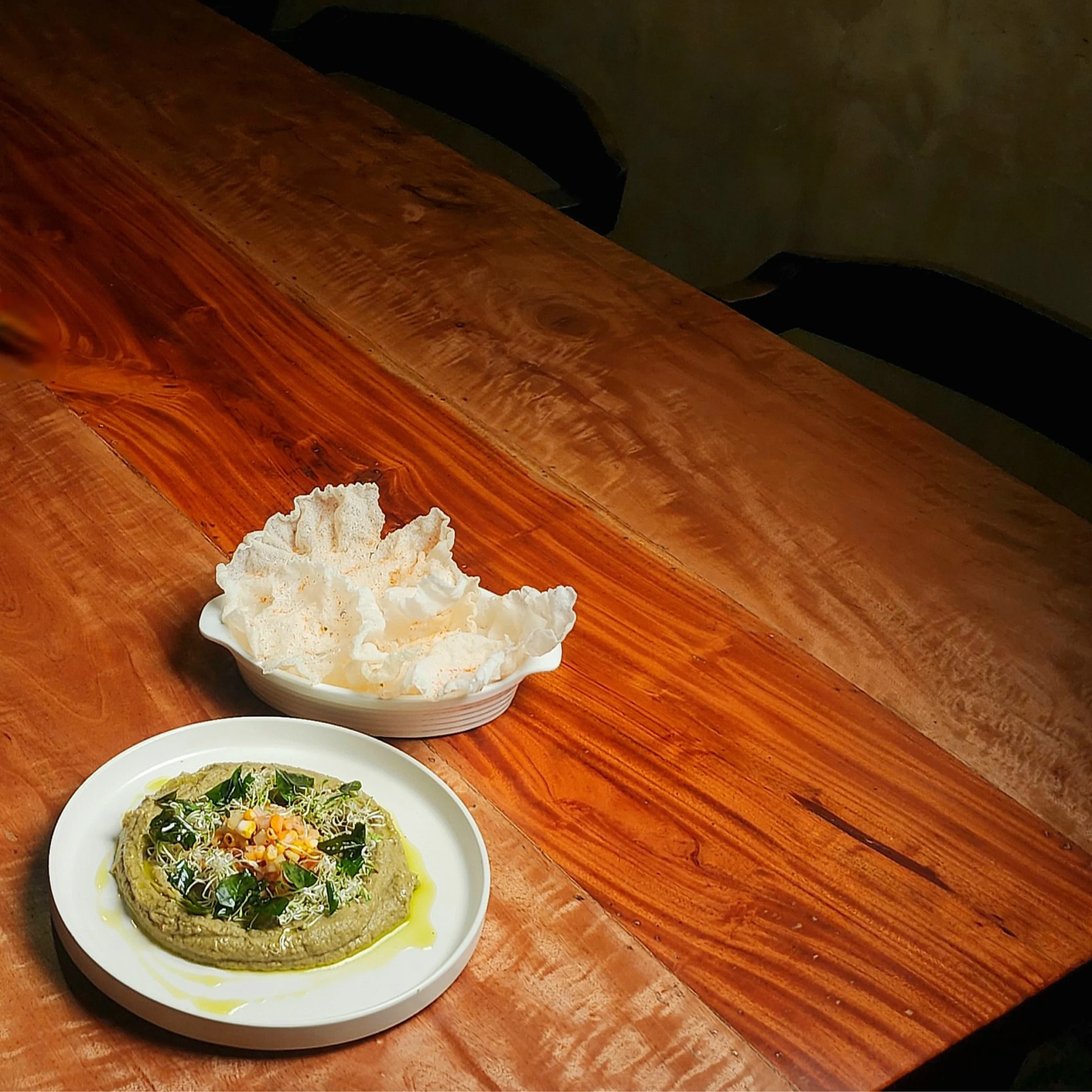
So instead of relying on meat-based stocks or dairy products, Hernandez learned how to build from a foundation of vegetables, herbs, spices, nuts, and fermentation. In the process, he discovered how to turn cashews into cheese and wheat gluten into convincing meat alternatives.
“It forces you to think outside the box because the goal isn’t to make something that’s good for ‘vegan food.’ The goal is to make a great dish, regardless, ” he said about plant-based cooking.
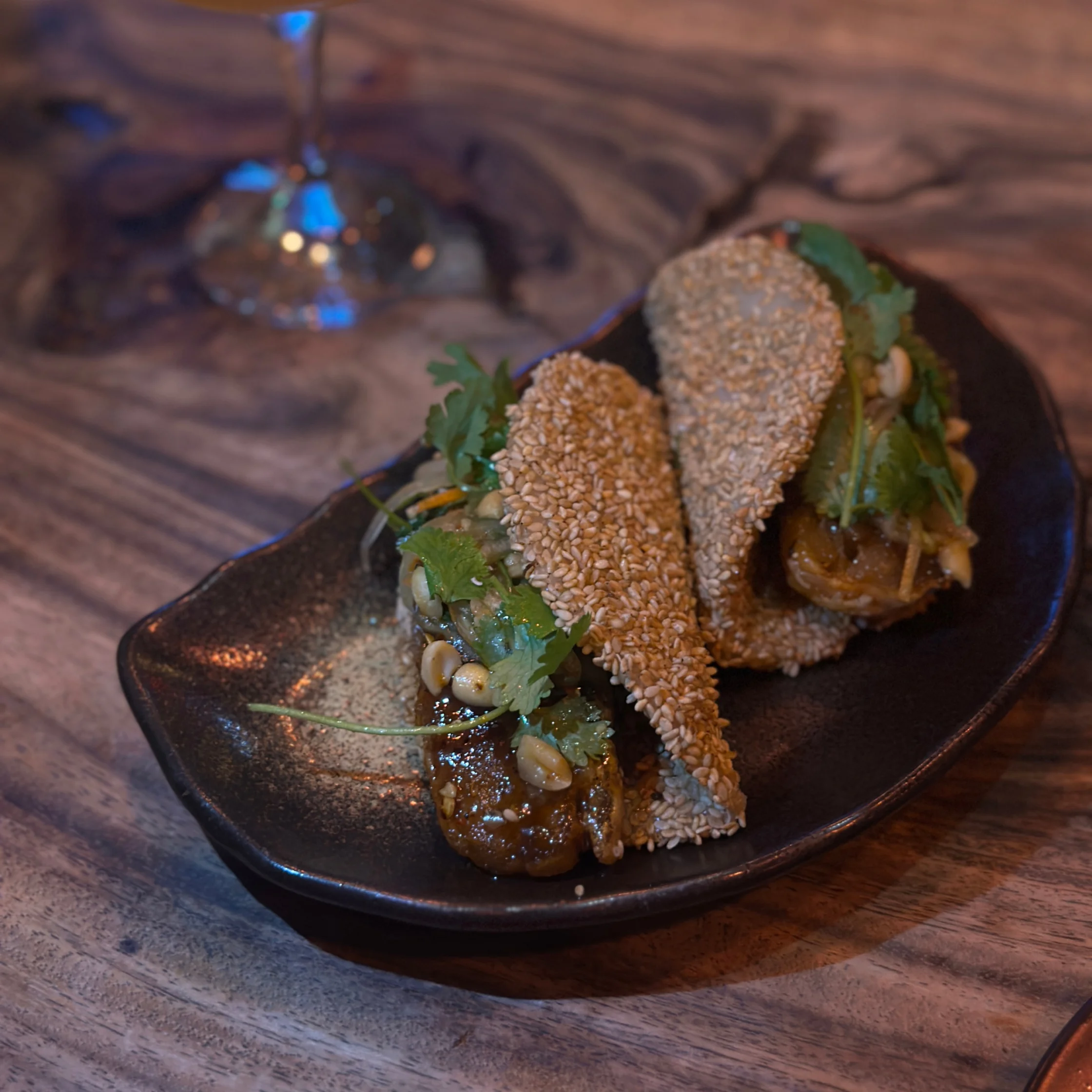
That culinary challenge continues to shape his cooking today, because for Hernandez, the future of plant-based Filipino food isn’t really about replicating meat perfectly. It is about preserving the memory of a dish.
“The soul of Filipino cuisine comes from the technique and the memory of the flavor,” he explained. “Not necessarily the protein itself.”
A perfect example is his mushroom barbecue dish. While directly inspired by skewered pork ears, it’s not a direct replacement for the Filipino barbecue stall staple. Rather than creating a clone, he chooses to focus on the marinade, char and smokiness that Filipinos associate with the chewy and fatty original.
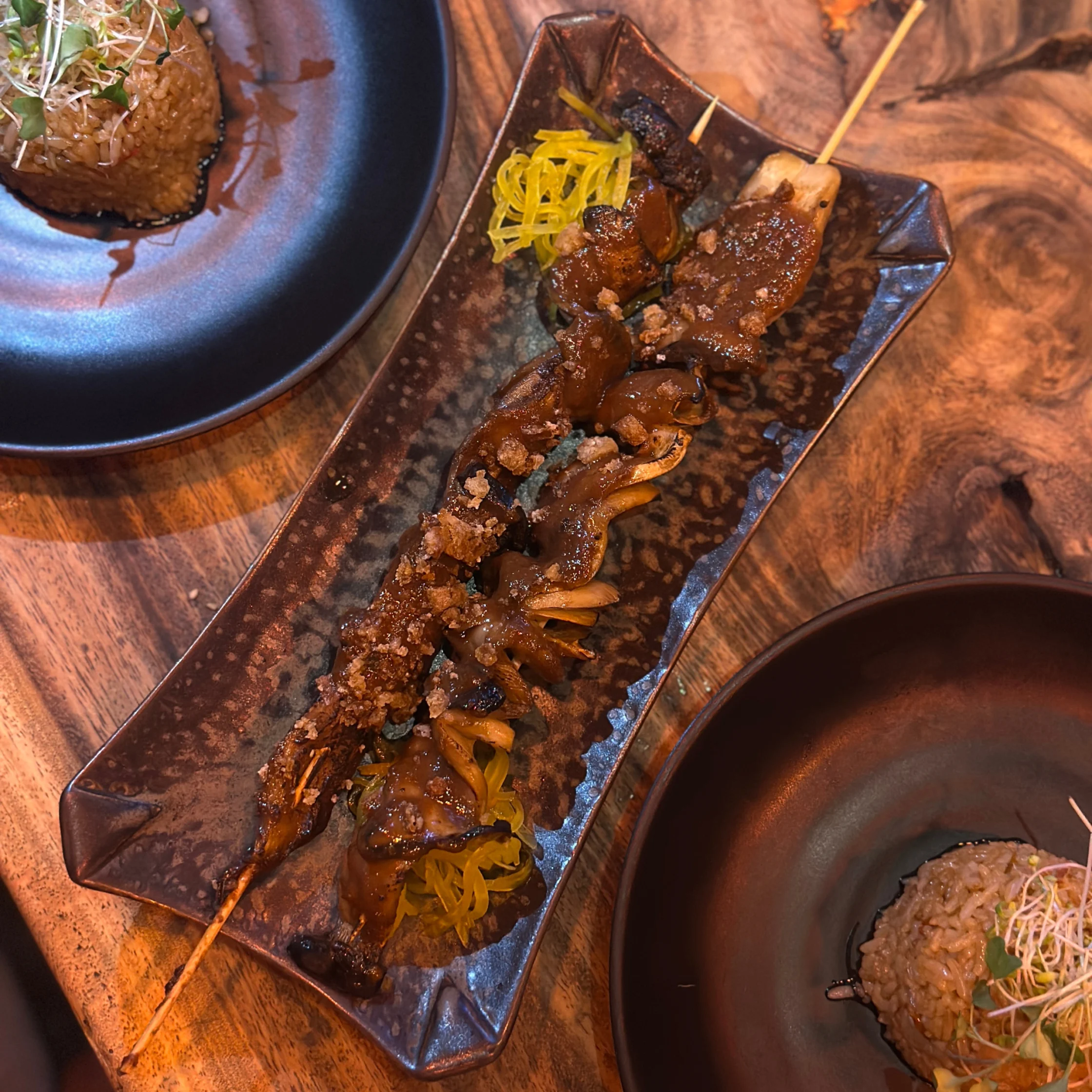
“If someone takes a bite and it reminds them of childhood, then the dish has succeeded,” he added.
Making Filipino Food More Inclusive
That approach also shows up in his belief that plant-forward cooking can make Filipino food more accessible.
In Australia, many of his diners were non-Filipino vegans who might never have had the opportunity to experience the flavors of Filipino cuisine otherwise. By offering plant-based equivalents, Hernandez found a way to bridge cultures and introduce new palates to the diverse and delicious character of Filipino food.
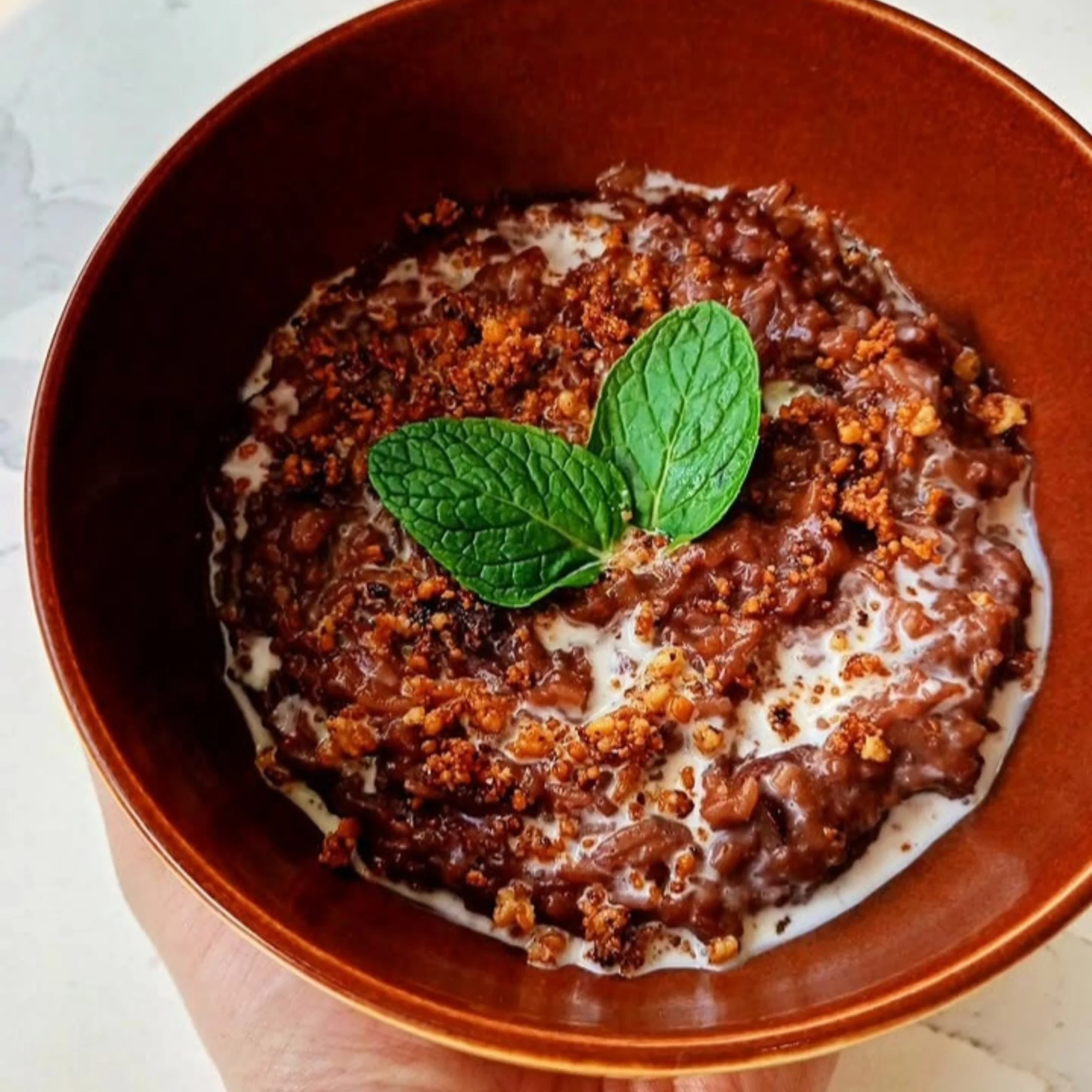
He also sees practical reasons for embracing more vegetables.
“Not everybody has the privilege to afford meat and seafood all the time,” he said. “If Filipinos had knowledge of even one or two plant-based dishes, that could make a difference during future shortages or food insecurity,”—referencing a humble ingredient like munggo or mung beans, which are inexpensive, protein-rich and already a staple in most Filipino kitchens.
Small Changes, Big Possibilities
Still, Hernandez avoids framing his work as a call for strict veganism. Instead, he advocates for small, realistic changes—a meatless meal once a week, maybe twice. For a country where vegetables are often treated as sides, that shift alone could be transformative.
“Food is about possibilities,” Hernandez says. “You can’t say you don’t like something if you’ve never tried it.”
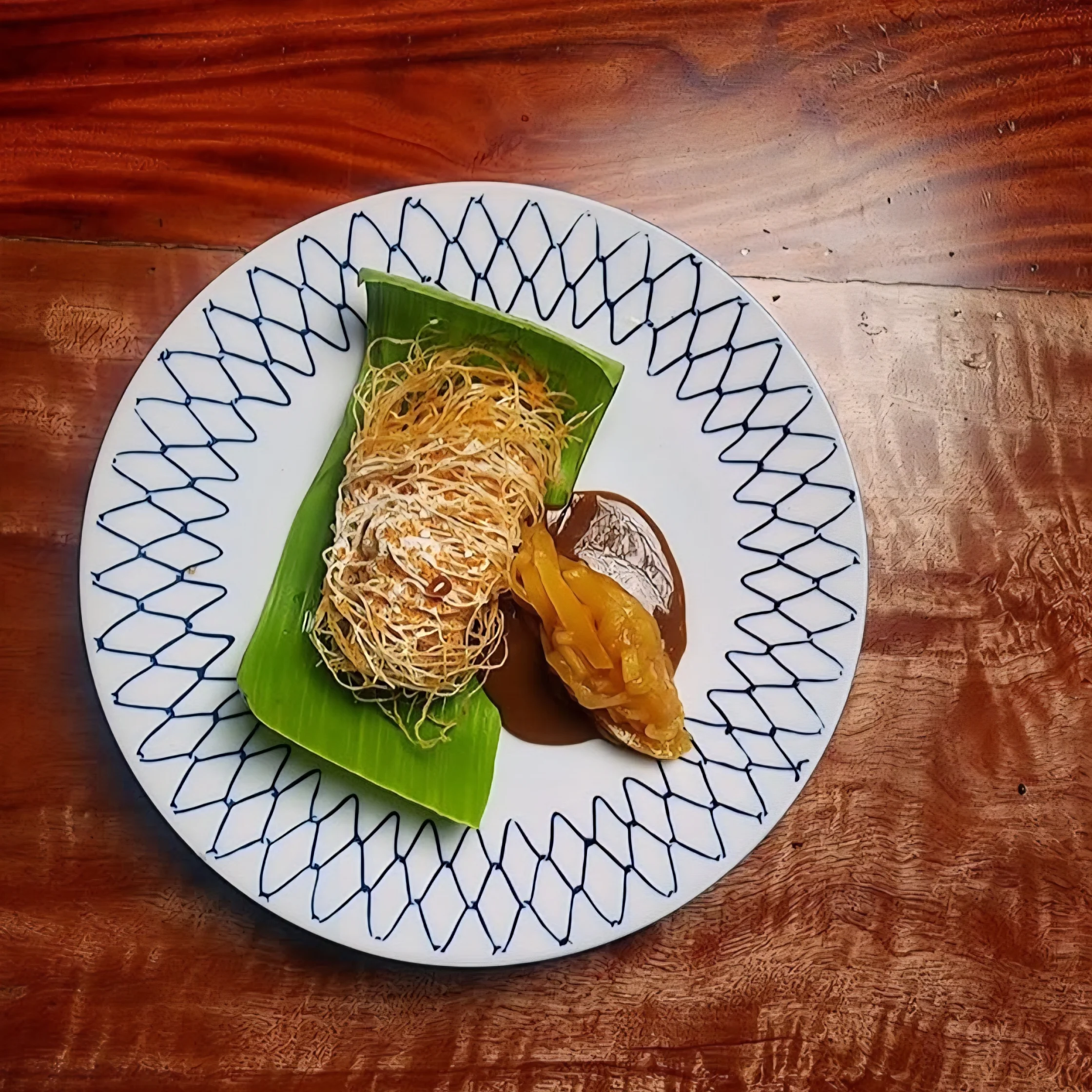
For Lutong Lupa, the future of Filipino food is not meat versus vegetables. It’s about giving diners more choices—and proving that plant-forward dishes belong on the same table as the classics.

Frequently Asked Questions
Joff Hernandez is the founder of Lutong Lupa, a private dining and pop-up concept focused on plant-forward Filipino cuisine.
Plant-forward Filipino cuisine emphasizes vegetables, legumes, and plant-based ingredients while still drawing from traditional Filipino flavors, techniques, and food memories.
No. Hernandez describes himself as plant-forward rather than vegan and advocates for giving diners more options rather than eliminating meat entirely.
Lutong Lupa is a Manila-based dining concept that showcases plant-forward Filipino food through private dinners and pop-up events.
Plant-forward cooking can improve accessibility, support sustainability, encourage dietary diversity, and create new ways to experience familiar cuisines.
He focuses on preserving the techniques, aromas, marinades, textures, and memories associated with Filipino dishes rather than directly replicating meat.
Chef Joff Hernandez accepts inquiries for private dining experiences, collaborations, pop-ups, and events through Lutong Lupa’s official social media channels. Interested guests can visit @lutonglupa on Instagram for updates, reservations, and contact information.