

Simultaneously festive with their colorful makeup yet comforting with their meat-forward taste, Filipino meatloaves are in a league all of their own.
The appeal of these meatloaves is multifold. They unite seemingly disjoint tastes and textures into a congruent whole, being comprised of some sort of ground meat or seafood; aromatics and seasonings, and other ingredients like chopped vegetables, cold cuts, cheese, and so on—plus a binder like flour, breadcrumbs, and/or eggs to hold everything together.
They’re also generally quite budget-friendly, as the added ingredients allows households to extend the meat or seafood being used without sacrificing flavor.
Different parts of the Philippines have their own meatloaf-adjacent dishes waiting for the share of the spotlight they deserve—and we’ve rounded up a few in this list.
Embutido
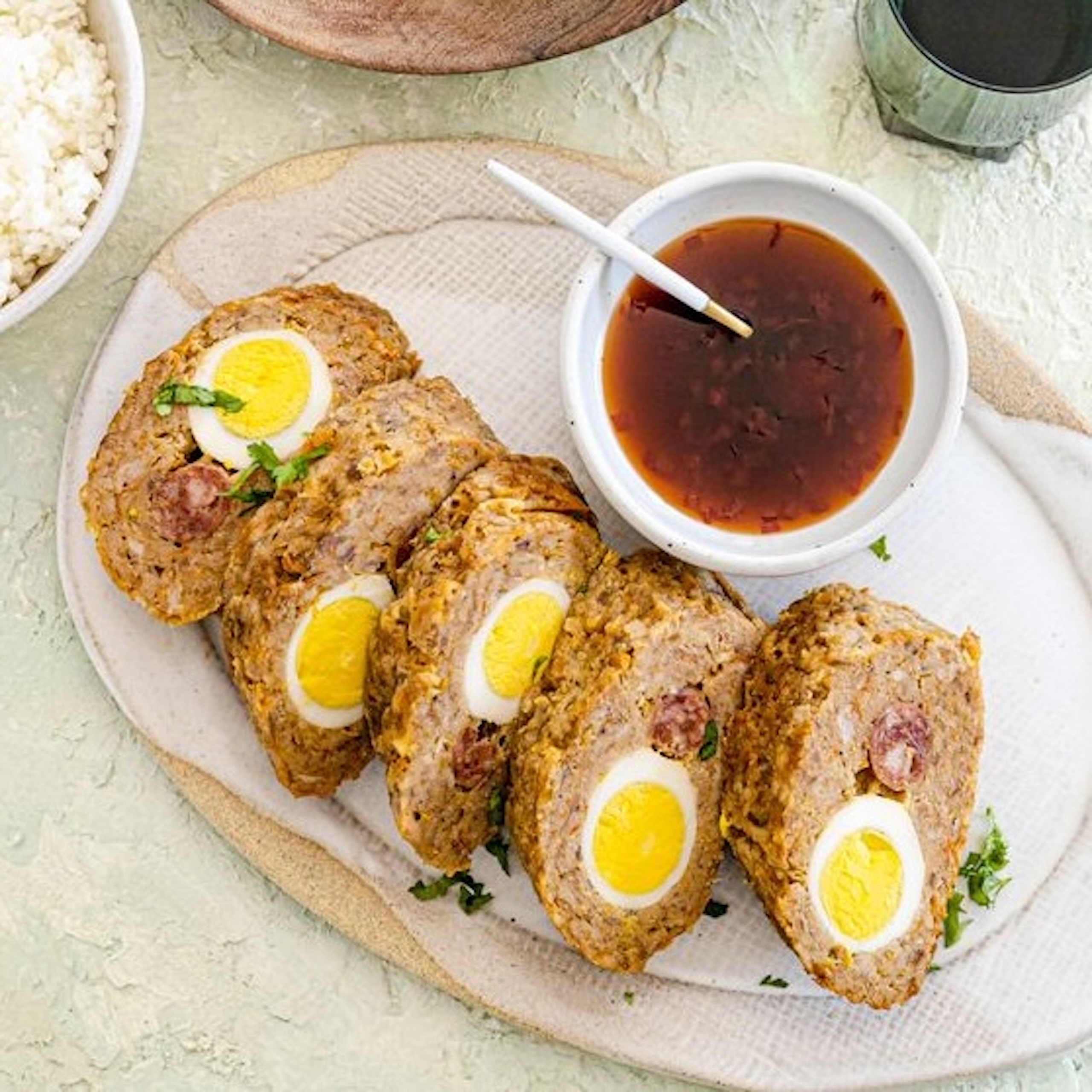
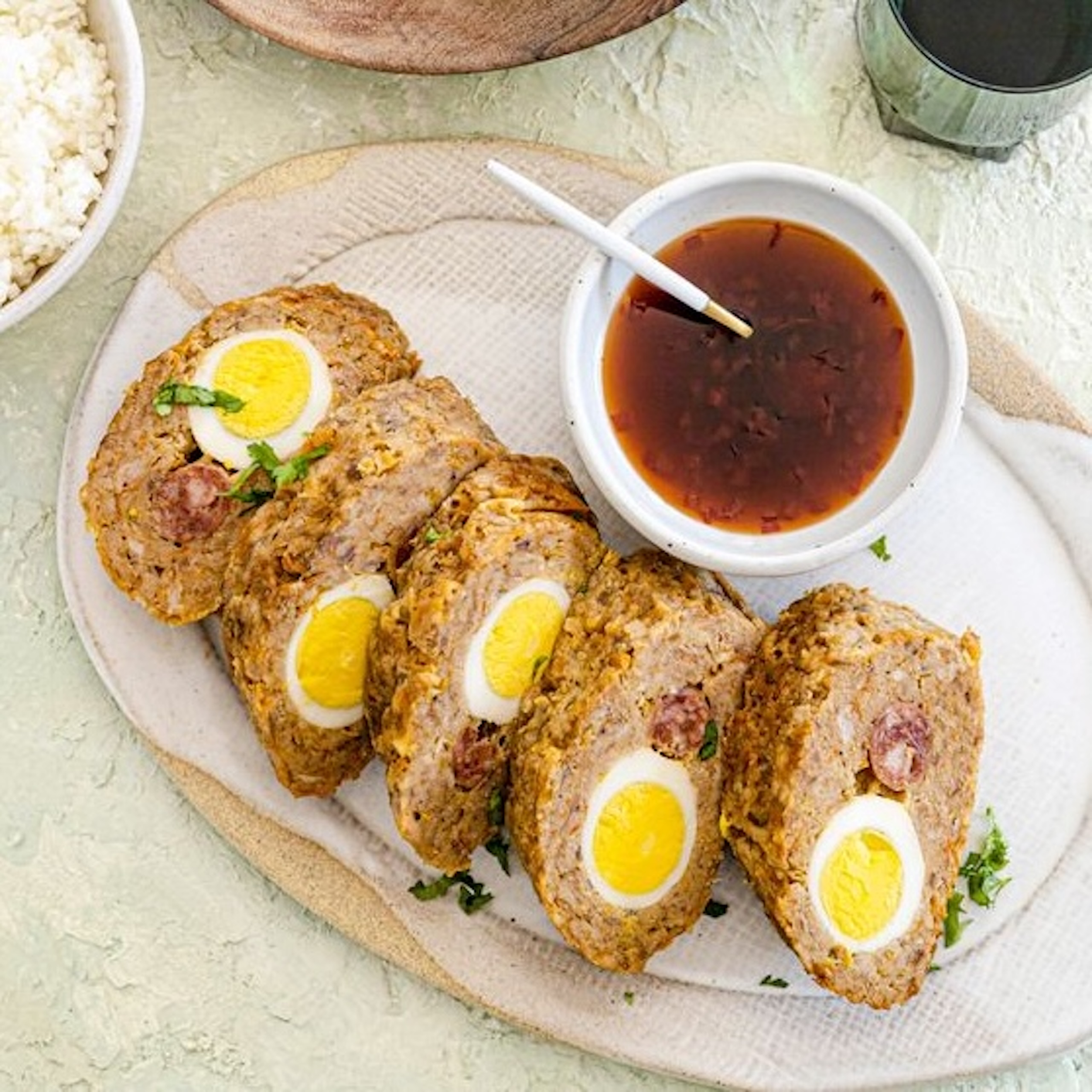
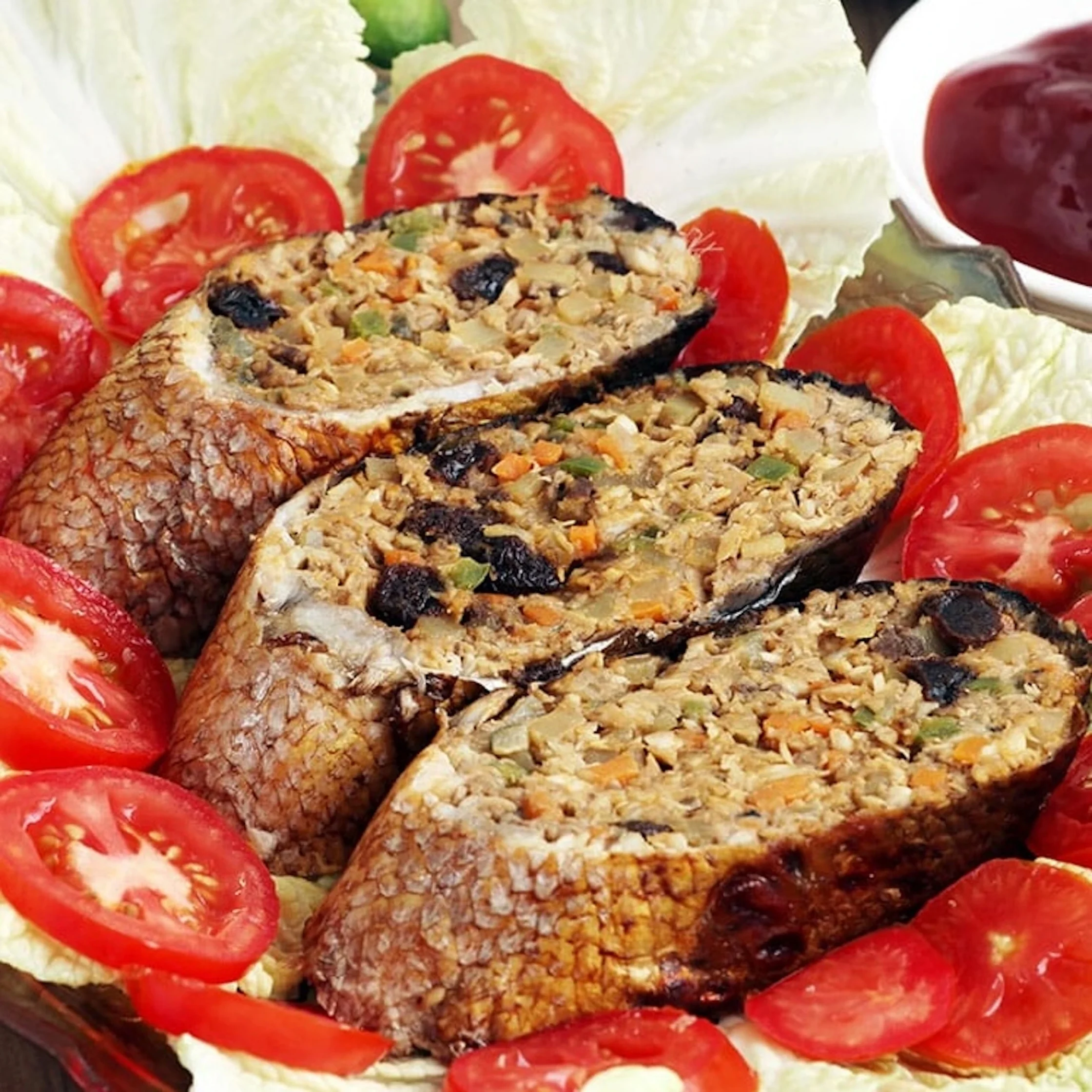
What’s Noche Buena without a roll of embutido on the table, ready to be sliced and shared? This is a steamed or baked loaf usually made with ground pork, soy sauce, tomato sauce or paste, onions, carrots, red bell peppers, raisins, pickle relish or canned crushed pineapples, grated cheese, and raw eggs to bind the mixture together. Chopped hard-boiled eggs and hotdogs or Vienna sausage would usually be layered in the center, making for a mosaic-like look as the roll is cut. Have your slices cold from the fridge with ketchup, or give them a quick pan sear for variety.
Everlasting
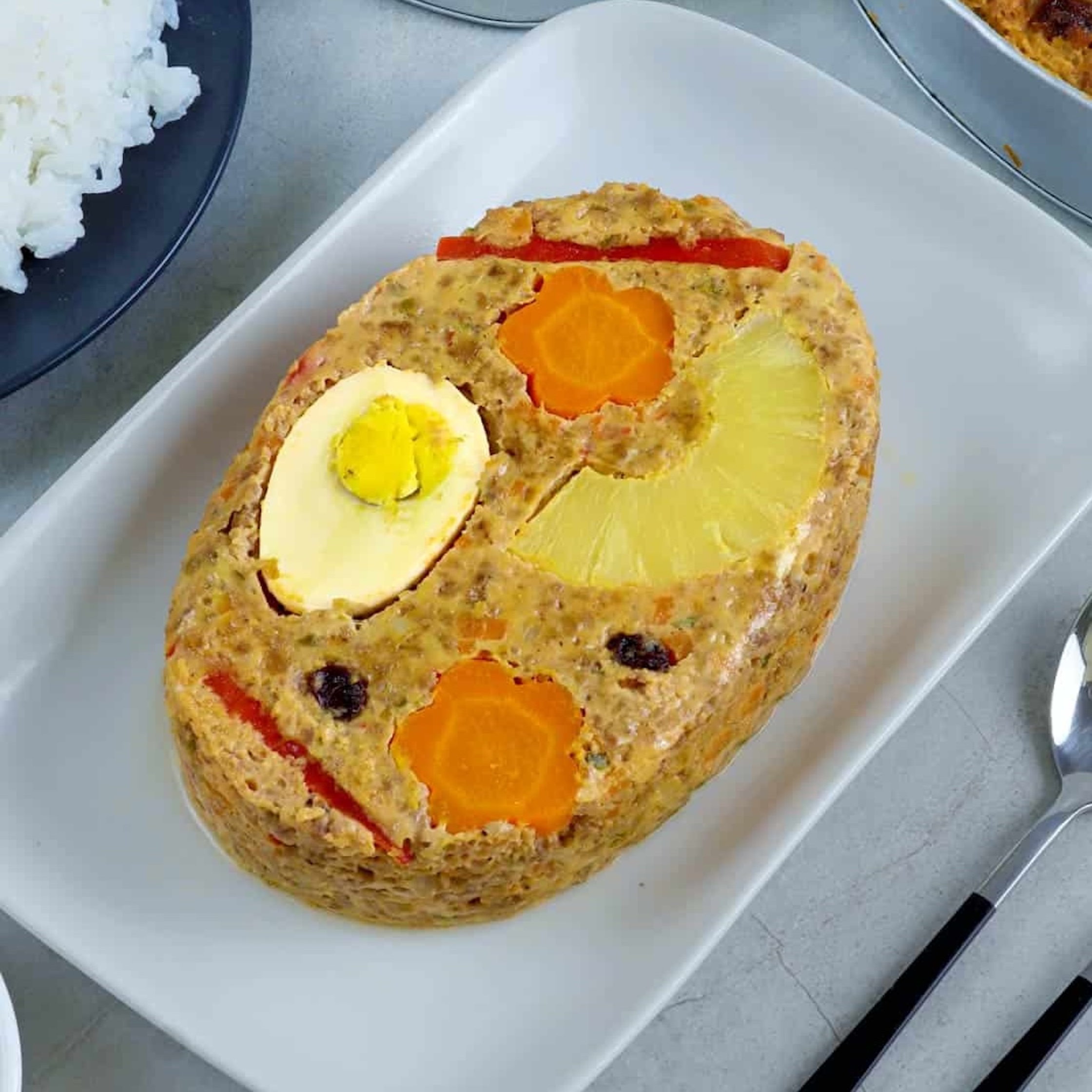
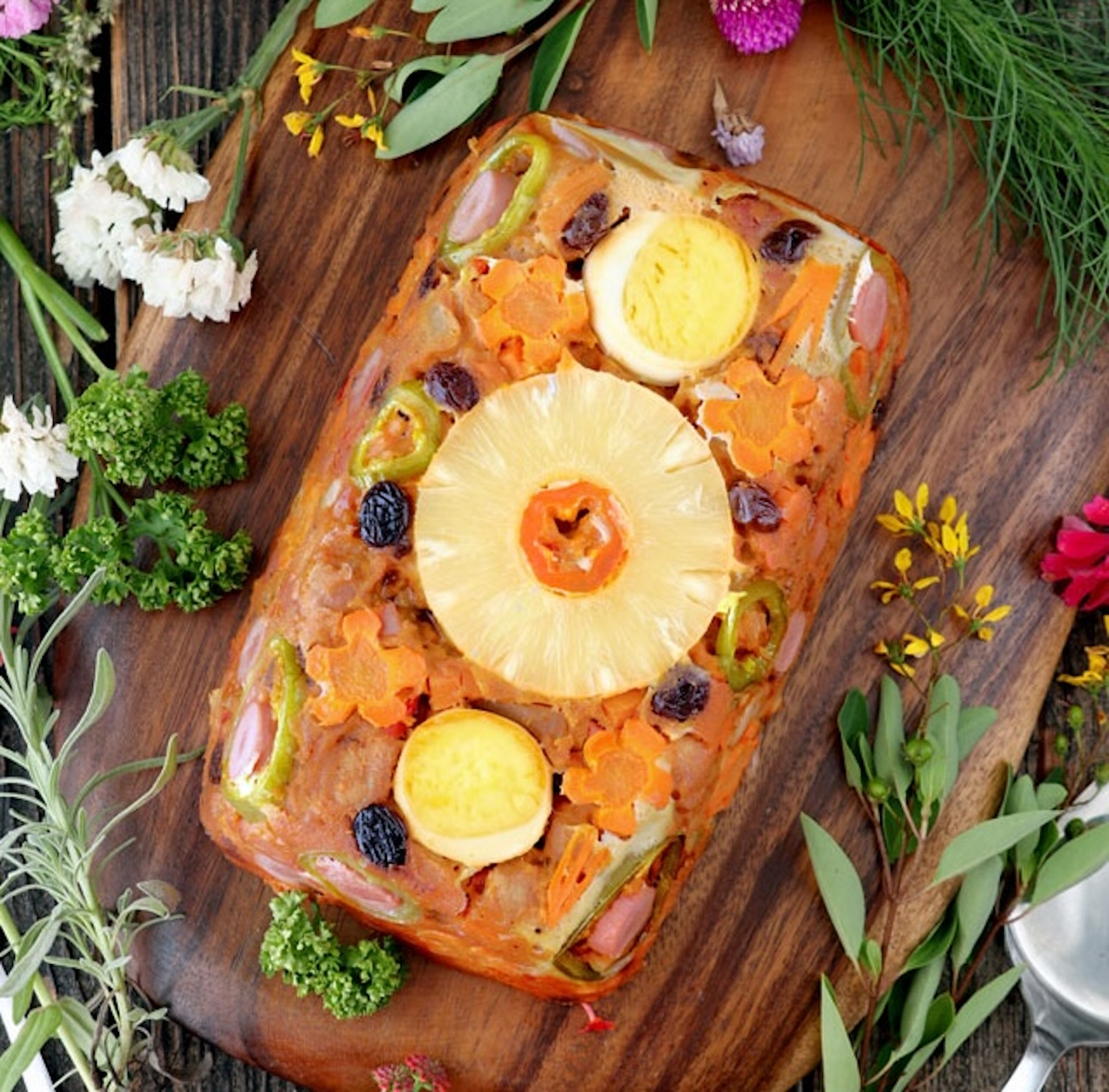
Repping Marikina in the Pinoy meatloaf family tree is what’s called Everlasting. It has some general similarities to embutido, like using ground pork as the main protein, soy sauce for savoriness, canned pineapple or pickle relish for sweetness, some form of sausage (chorizo de bilbao and luncheon meat are common), and raw eggs as a binder. Rather than being rolled into a log the way embutido is, everlasting is usually cooked in a llanera, then inverted to reveal a mosaic-like bottom with the cross-section of carrots, sausage, and hard-boiled eggs.
Hardinera
Another member of the Filipino meatloaf family is hardinera, which hails from Lucban, Quezon and is visibly very similar to everlasting in that it’s steamed in a llanera. But whereas everlasting calls for ground pork, hardinera uses cubed or shredded pork, resulting in a coarser texture. it also calls for a heavier hand of tomato sauce, as well as liver spread, giving it a flavor profile that’s loosely comparable to menudo. Like everlasting, it’s layered with colorful ingredients—hard-boiled eggs, pineapple slices, and carrot and red bell pepper strips are common—then steamed until cooked.
Bola Catalana
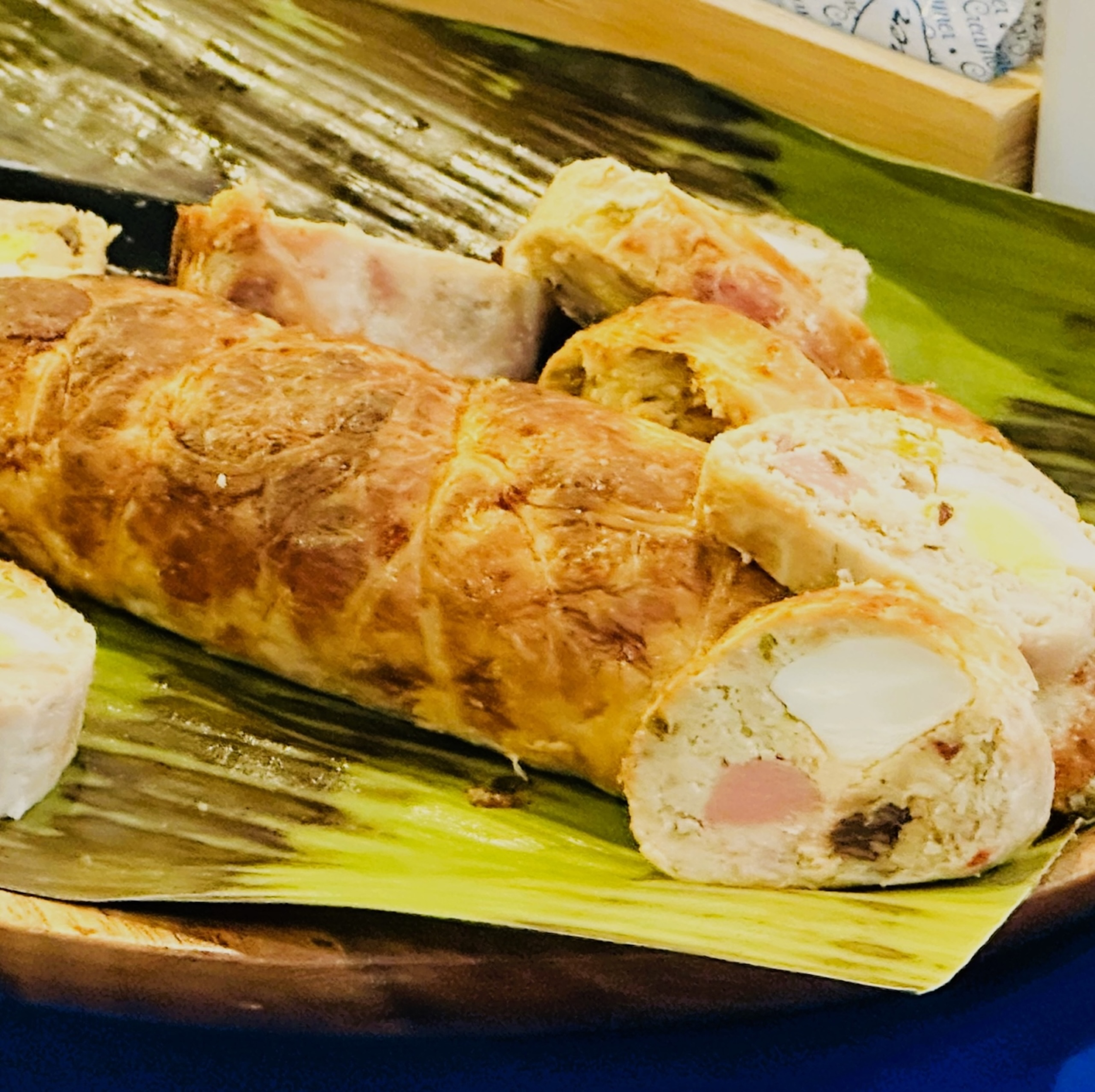
Over in Samar you’ll find bola Catalana, which is similar to embutido in that it uses a seasoned ground pork mixture, rolled into a log with hard-boiled eggs and cheese in the center. It’s distinct, however, in that it’s wrapped in sensal (caul fat) which helps insulate the interior. Bola Catalana is also typically baked—either after being steamed, or in place of steaming altogether.
Monghe
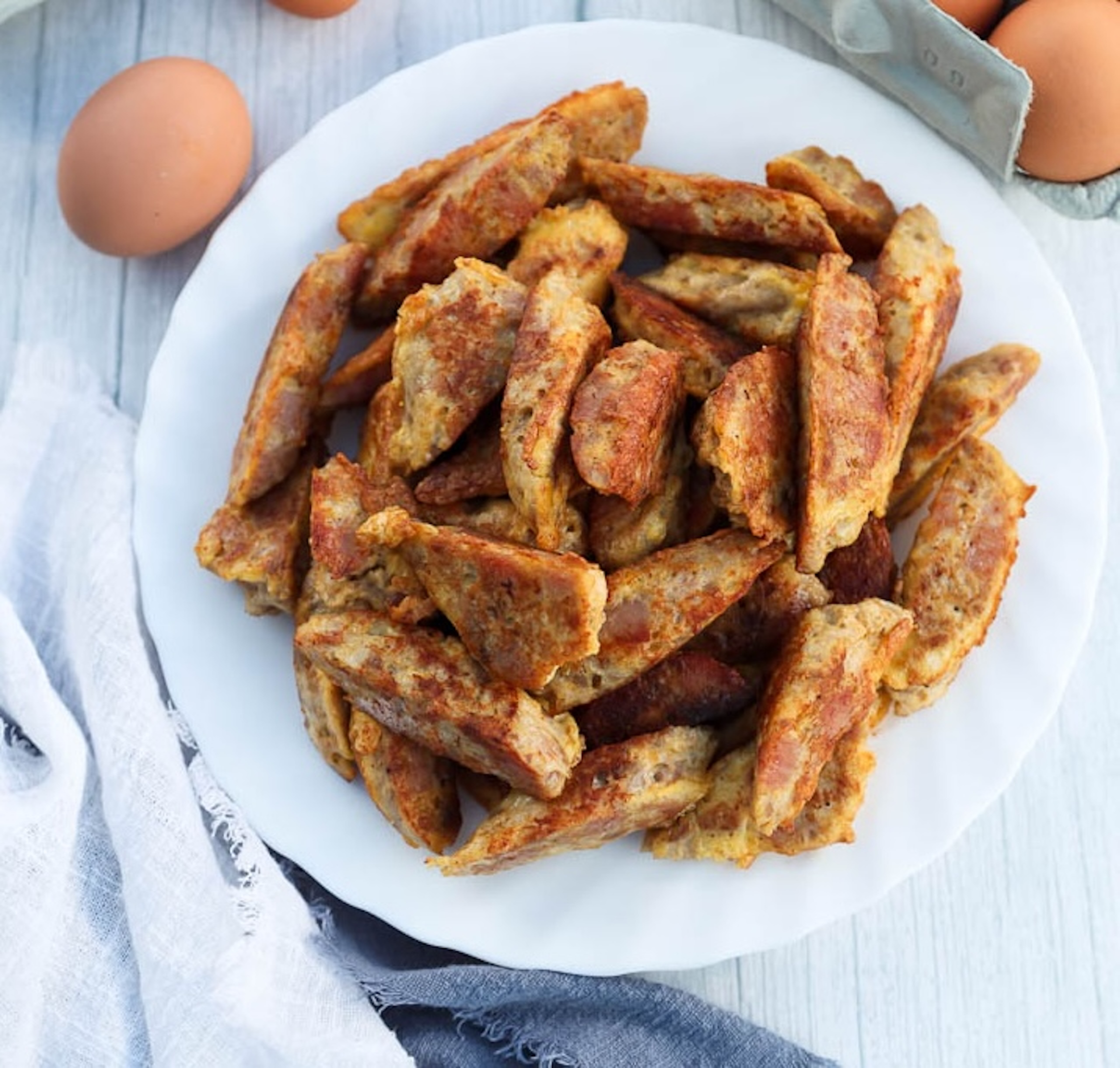
Rizal has their monghe, a simpler but no less satisfying meatloaf of minced pork, eggs, cheese, powdered milk, and luncheon meat plus other seasonings. After being steamed, slices of the monghe are dipped in egg then pan-fried for a crisp exterior that makes way to a moist, meaty interior.
Galantina, Relleno, Torta, and so on
These are more stuffed dishes than meatloaves per se, but there is a link in that the fillings are made up of ground meat or seafood, plus some form of a binder.
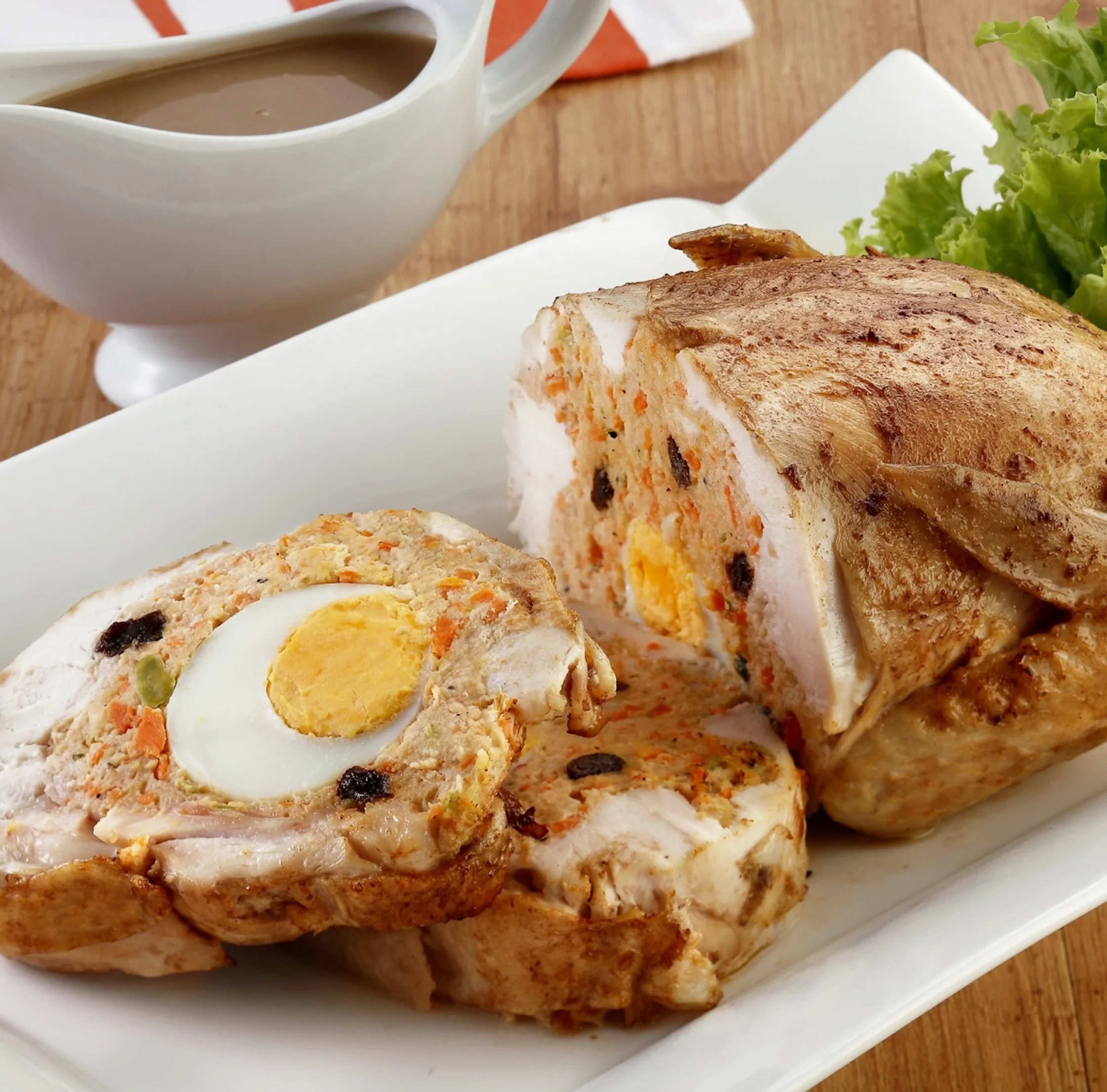
There’s galantina, French for “to debone stuffed meat.” Most popular is chicken galantina, where a whole deboned chicken is stuffed with a mixture of ground pork, hard-boiled eggs, ham, Vienna sausage or chorizo bilbao, and other ingredients. Like embutido, galantina can be had cold or warm, served in slices.
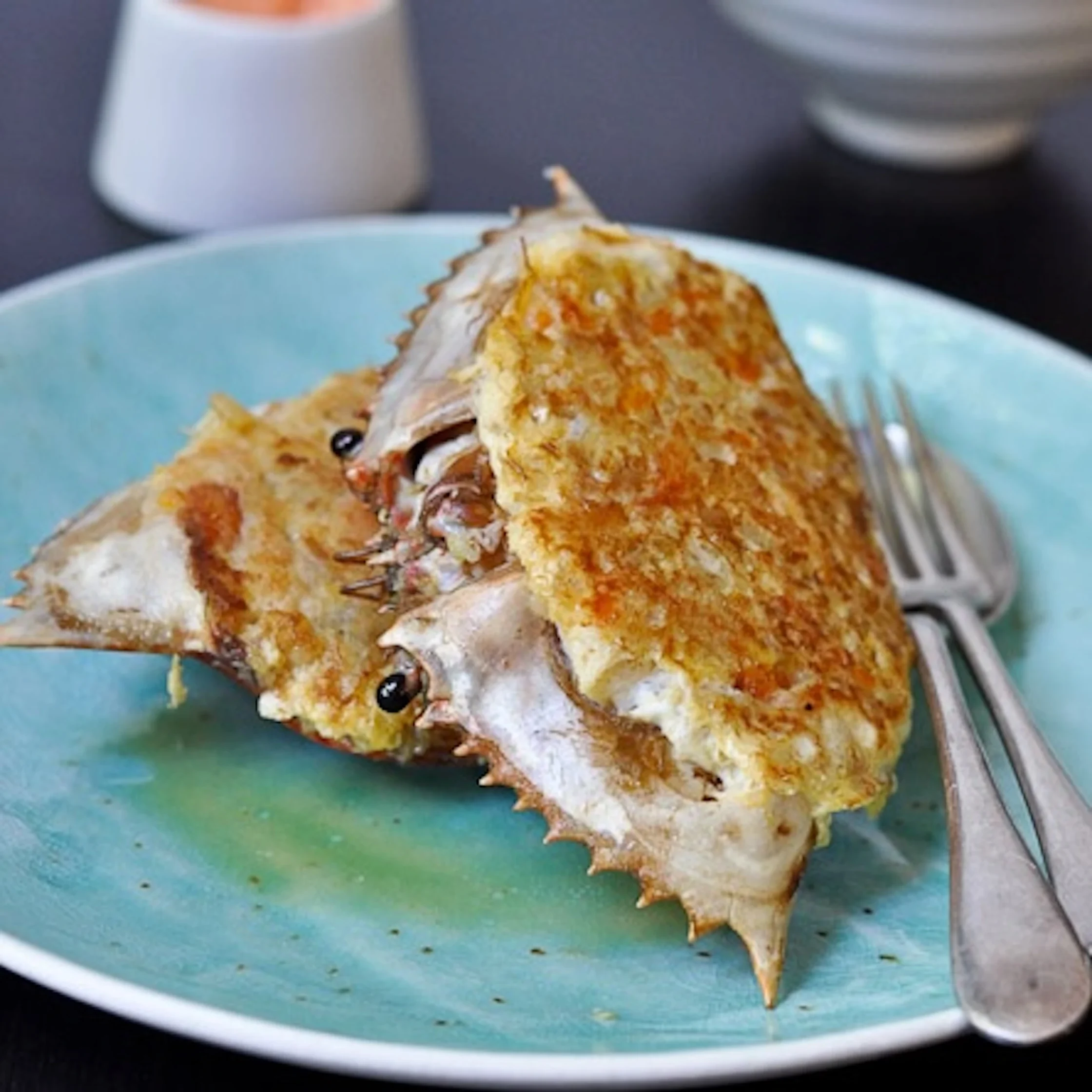
Then you’ve got relleno, Spanish for “to stuff”. Rellenong bangus is milkfish filled with a mixture of the fish meat and other ingredients; rellenong alimasag has a crab shells filled with a crab mixture then baked.

Frequently Asked Questions
Embutido is a popular Filipino meatloaf made with seasoned ground pork, minced vegetables, and sweet-savory mix-ins, traditionally rolled into a log around hard-boiled eggs and sausages
Filipino meatloaf includes Embutido, Everlasting, and Hardinera. These varieties differ by shape, preparation method, and regional ingredients.
Filipino embutido came from a mix of Spanish and American colonial influences. The name comes from the Spanish word embutido (meaning a stuffed sausage or cured meat), but the actual dish evolved locally from the American-style meatloaf introduced between 1898 and 1946.
Classic Filipino embutido ingredients include ground pork, minced carrots, and sweet pickle relish.
Monghe is a meatloaf from Rizal made with minced pork, eggs, cheese, powdered milk, and luncheon meat. After steaming, slices are dipped in egg and pan-fried, giving the dish a crisp exterior over a moist, meaty interior.