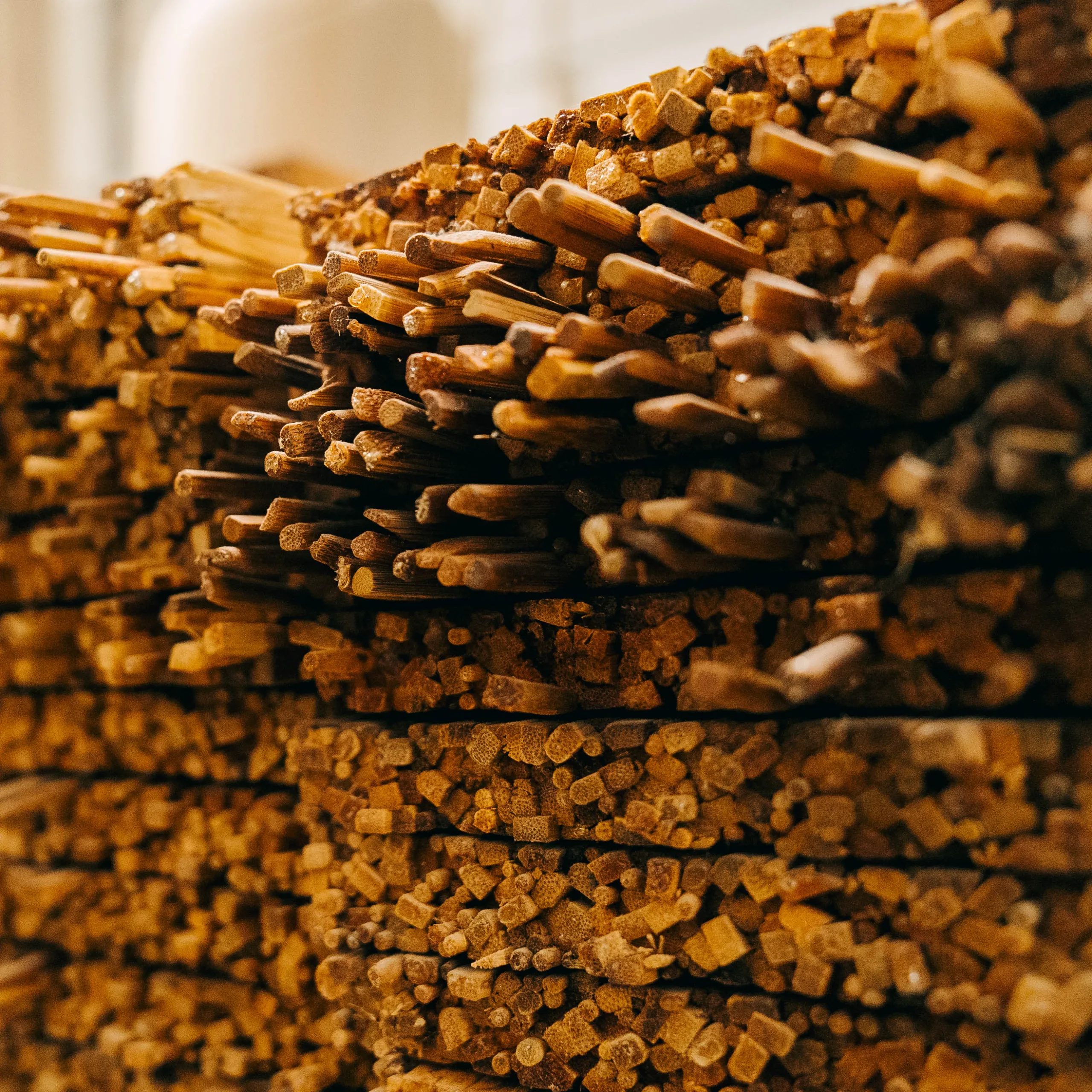
Four thousand kilograms of chopsticks monthly.
That’s the total weight of chopsticks that ChopValue Philippines collects from malls across Metro Manila alone. Imagine how many more are thrown away for the rest of the country—and that’s considering Filipinos do not even use chopsticks for every meal.
Still, 48,000 kilos of chopsticks are discarded annually, most of which would have ended up in our landfills, had ChopValue Philippines not given these single-use utensils a new life–not just reducing waste but also converting them into functional pieces.
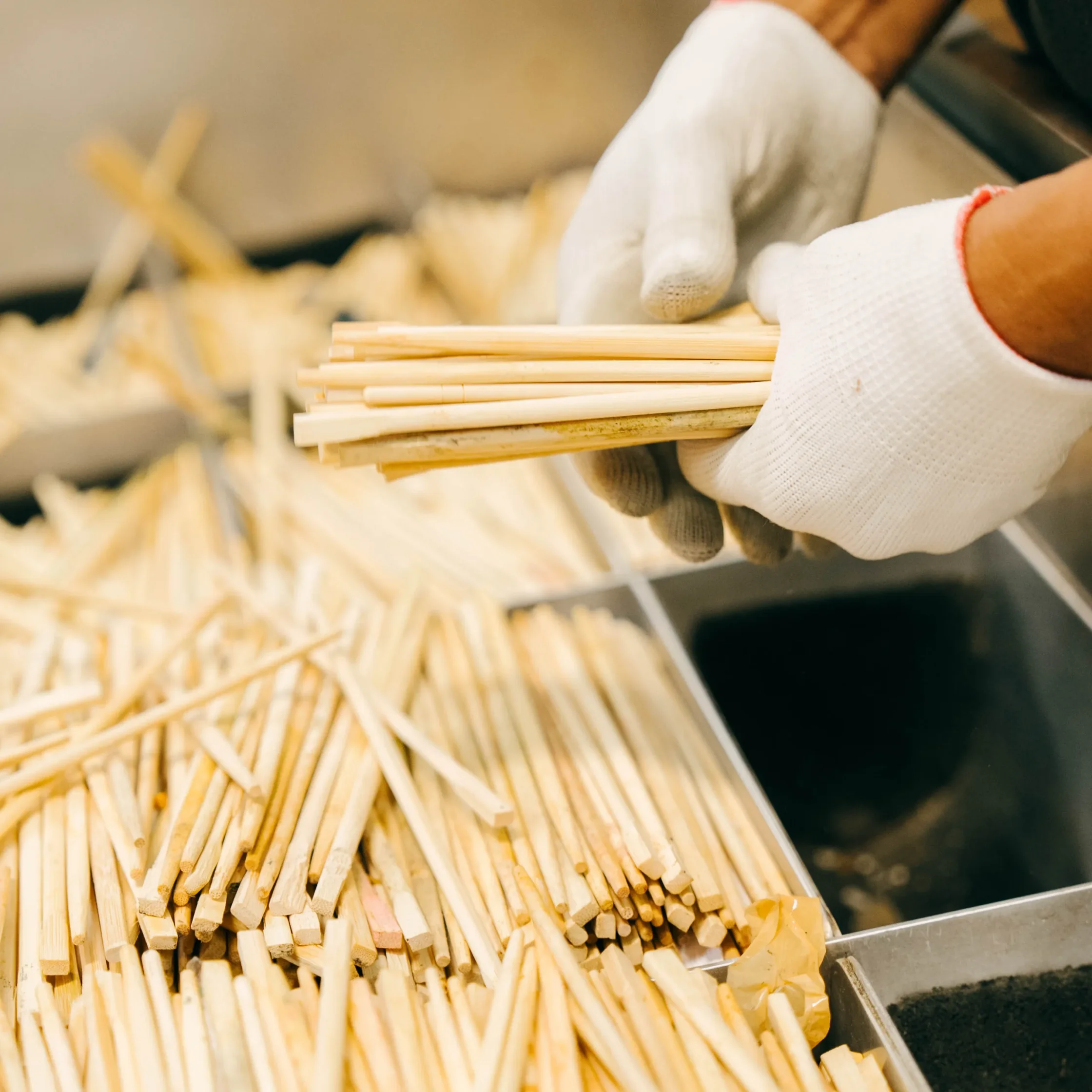
How ChopValue Philippines Is Giving Used Chopsticks a Second Life
“It’s no secret that we have a lot of trash in the Philippines,” laments Tim Ng about the growing garbage problem in the country and the lack of any solid legislation on waste management and sustainability efforts. “All of that trash [is] going into our oceans and into our landfills,” he points out, without any infrastructure in place to process everything.
“We saw that there was this big problem and either one of two things are going to happen,” the managing director of ChopValue Philippines says. “Either the whole country is onboard, and we have this big, unified effort to focus and invest in the infrastructure to manage all this waste, or we find a way to use the waste as a resource.”
He admits that systemic change of such scale won’t be easy, considering that environmental concerns usually take a backseat to more pressing economic issues. “It takes a lot of people in the private sector to really lead the charge,” he says. Compared to many countries, the Philippines is lagging in solid waste management and long-term environmental efforts. It’s a sad reality, one that underscores the importance of businesses and communities willing to take the lead and make a meaningful change.
For Ng and his partners, the opportunity presented itself when they met ChopValue founder Felix Böck in a conference, learned more about the upcycling process and technology, and saw the potential of the bamboo tiles. “We saw the vision right away,” he says. “We believed in it.” That belief consequently led them to bring ChopValue to the country.
Inside ChopValue Philippines’ Carbon-Negative Microfactory
Entering the ChopValue microfactory in Parañaque, the air smells of pastries and cookies—but no flour, butter or sugar is being cooked at the moment. Instead, thousands of bamboo chopsticks are undergoing transformative change, one that turns them from garbage into sturdy furniture and décor.
The ChopValue microfactory looks just like any other woodworking workshop, except here, no natural resources are being used up and no trees are being leveled off to acquire materials. While most organizations aim to be carbon neutral, ChopValue hopes for more companies to aim to be carbon negative by using their bamboo tiles.
ChopValue’s upcycled chopsticks are considered carbon-negative products because these items were not created by using natural resources. “We’re taking materials that would have, otherwise, been thrown in the trash, burned, or eventually dumped into our oceans,” says Ng. “We collect those and we bring them to our facility for processing.”
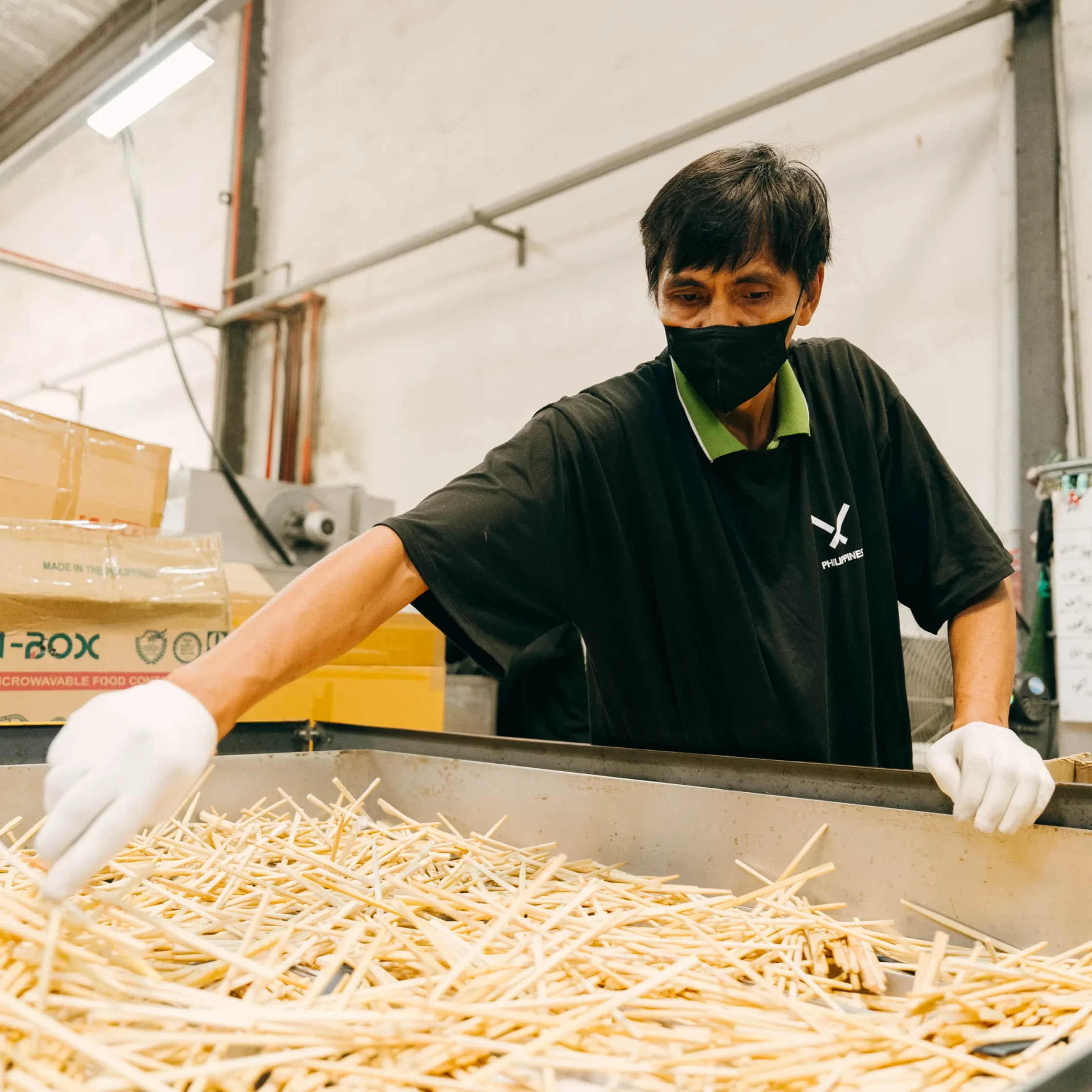
ChopValue Philippines is very conscious about its carbon footprint. Collections are thoughtfully scheduled to avoid unnecessary trips that use up too much fuel and are brought to the microfacility located within Metro Manila for its simplified manufacturing process. “Because we’re locally sourcing, locally manufacturing, and serving the local market, that reduces a lot of the logistics, gas, and fuel that we use,” he further explains.
These upcycled tiles are very durable and thick, making them great for products that need to last a long time. Compared to other microfacilities located in North America and Europe, ChopValue Philippines was faced with a unique challenge: the Philippines’ extreme humidity.
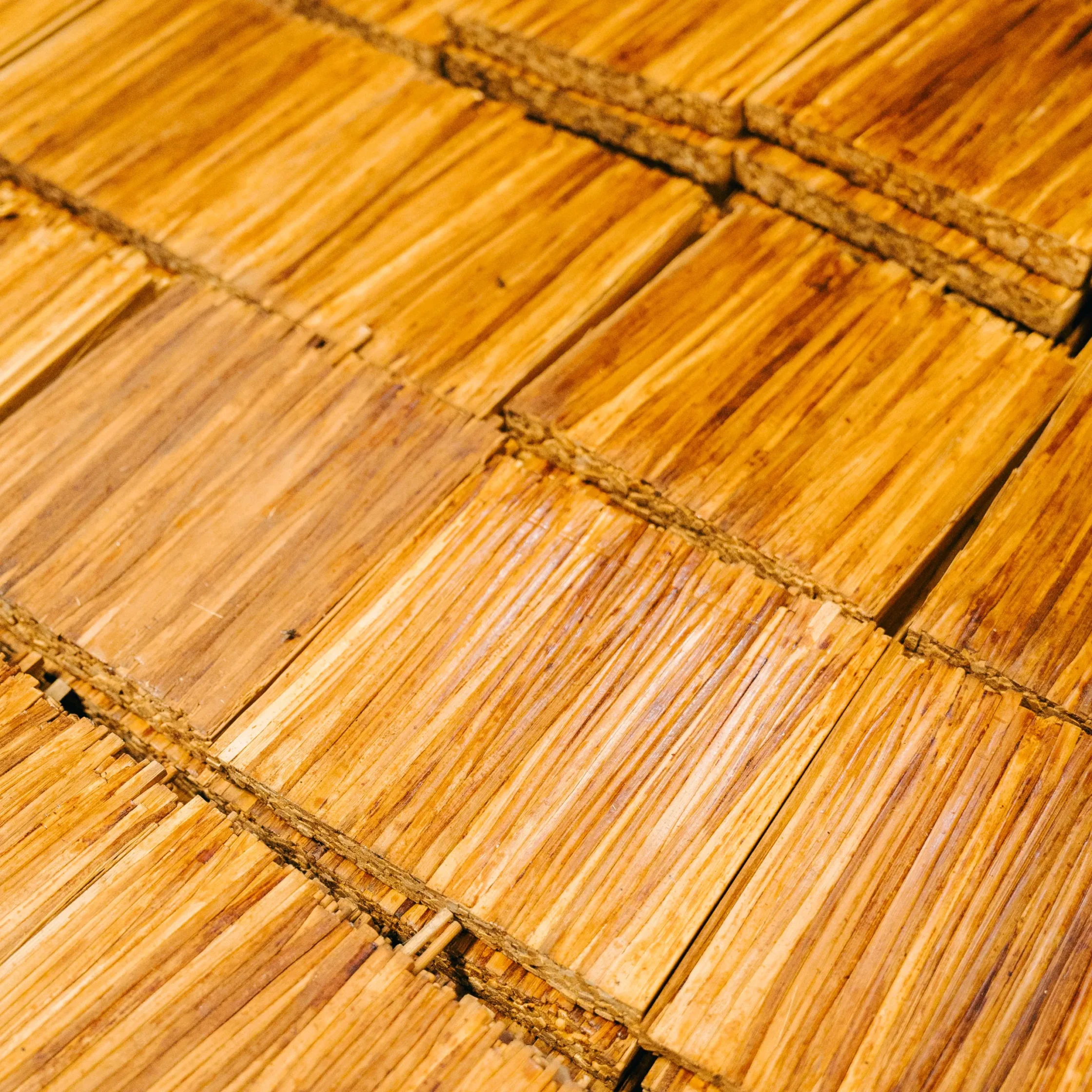
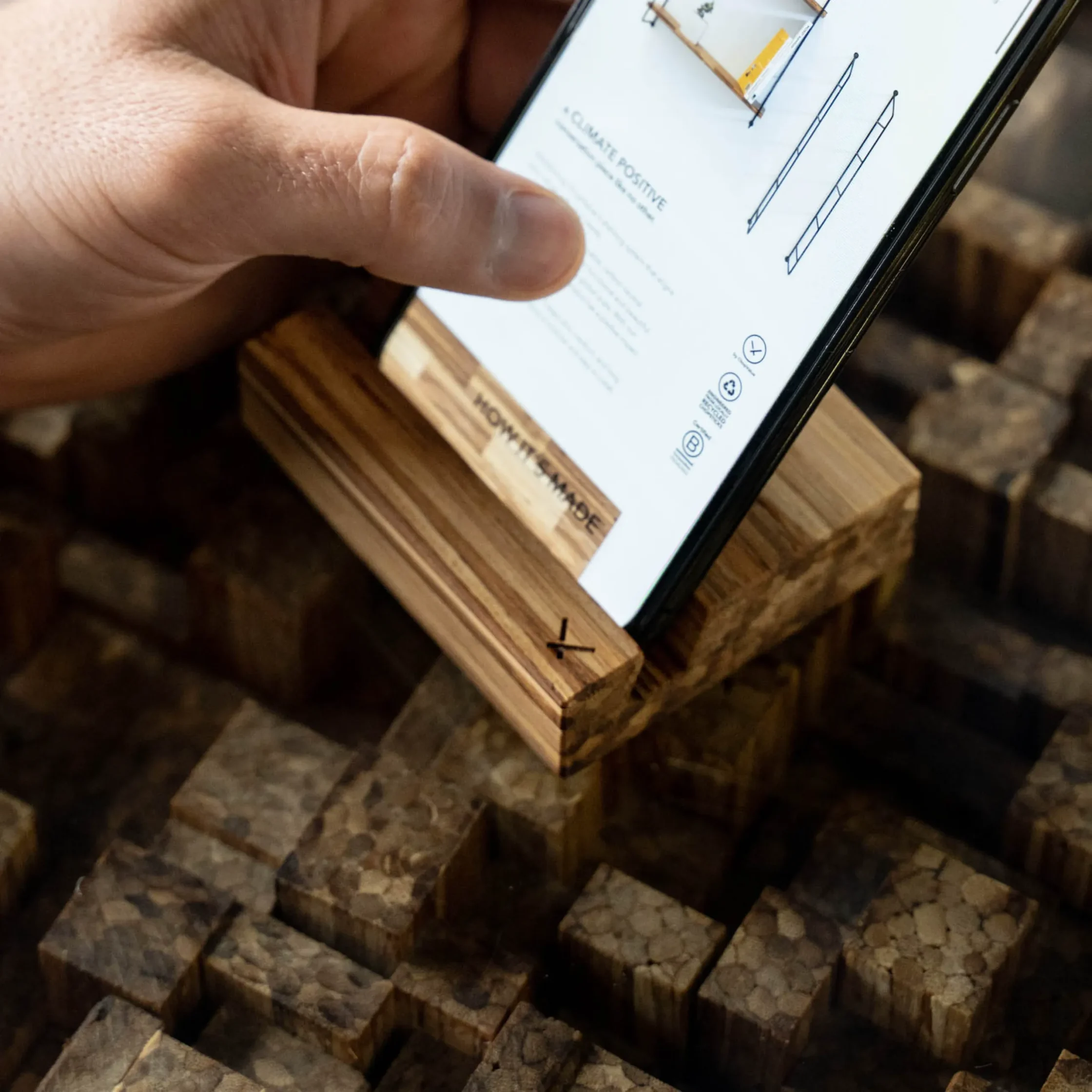
“We had to do a lot of R&D to get the right finishing in place to make sure that we protect the material from humidity,” shares Ng. “But that added to the carbon storage of the material. Because when you store carbon, you’re basically stopping it from being burned or decomposing and going into the air. When we seal it, we basically take this material that would have been carbon in the air and store it in a way that’s durable and has longevity. So once you buy it, you never really need to buy another product like that again.”
How ChopValue Philippines Is Building a Circular Economy
There are only 11 countries in the world that have ChopValue microfacilities, and the Philippines is the fourth in Asia. Just like any startup with an innovative idea, Ng and his team were welcomed with much enthusiasm, but actual support came slowly. Thankfully, they got their big break when Ayala Malls partnered with them. Soon after, other malls and hotels like Marriott and Sheraton followed suit.
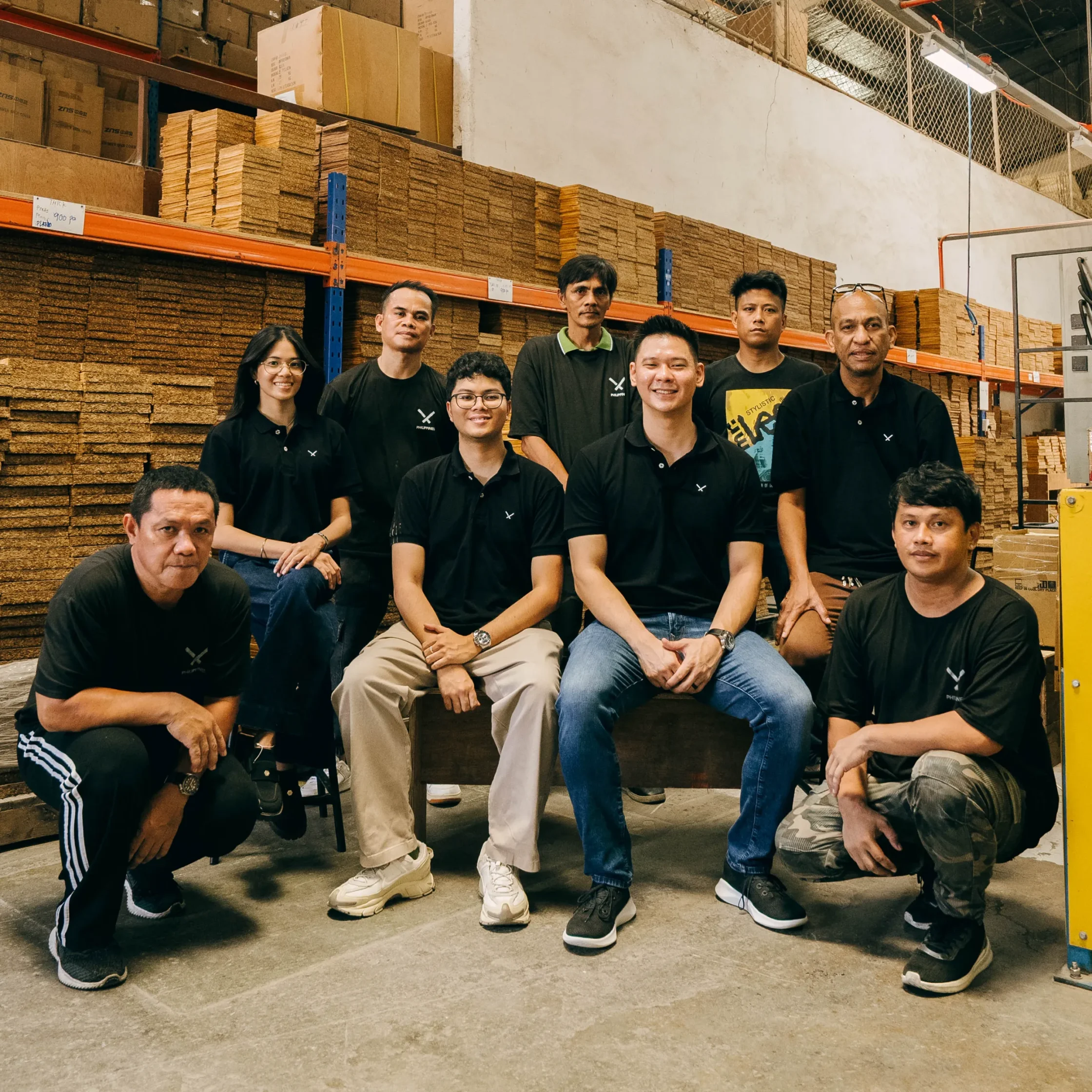
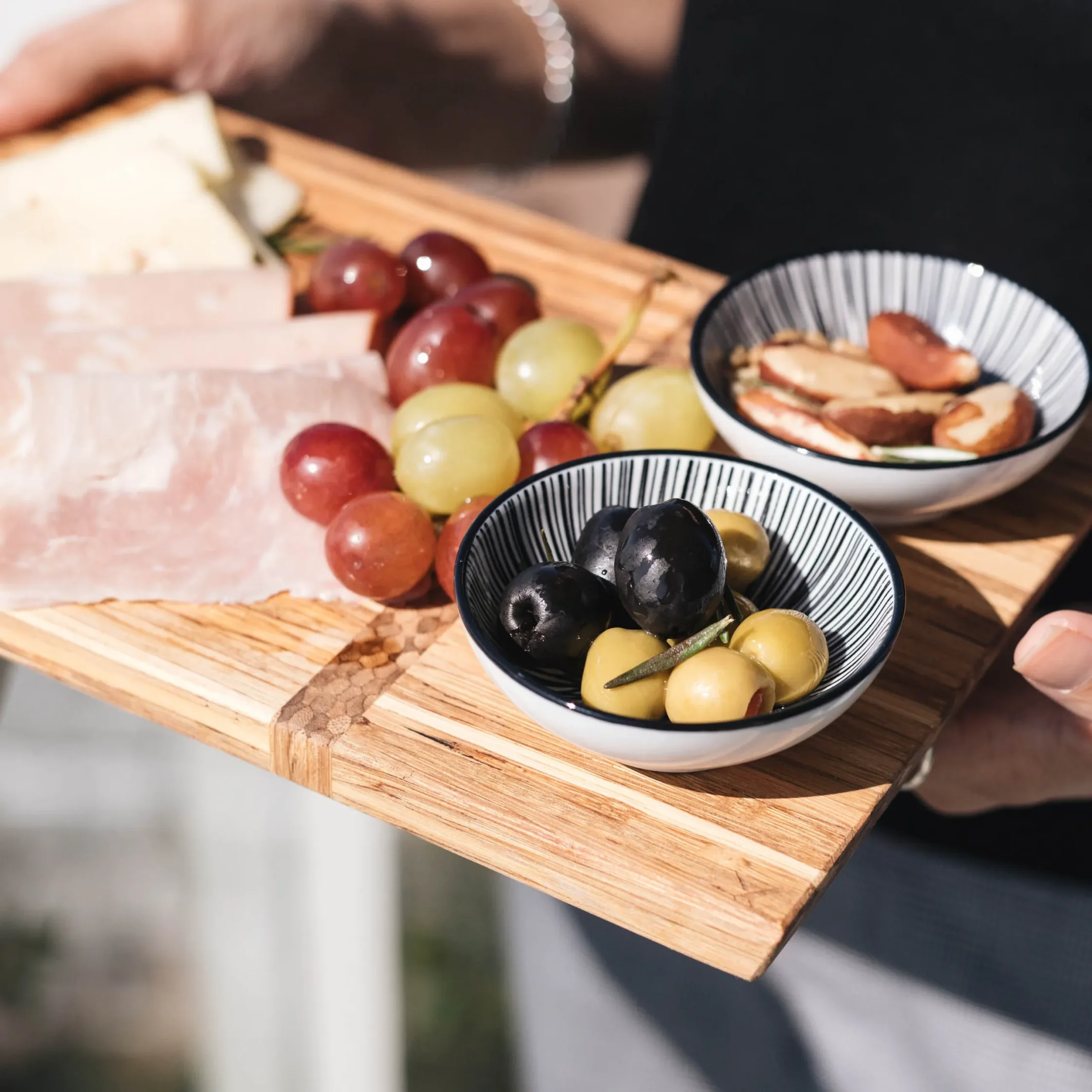
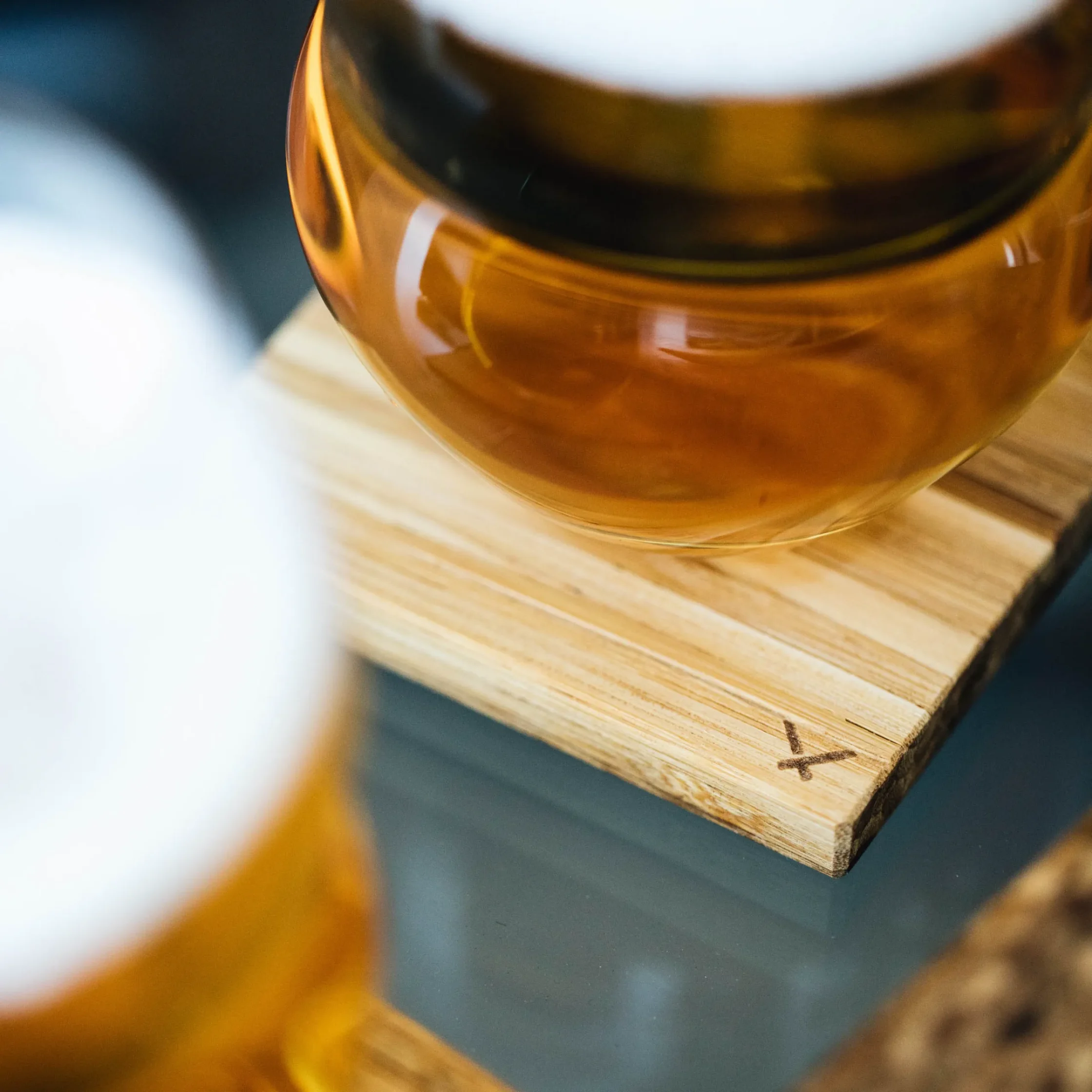
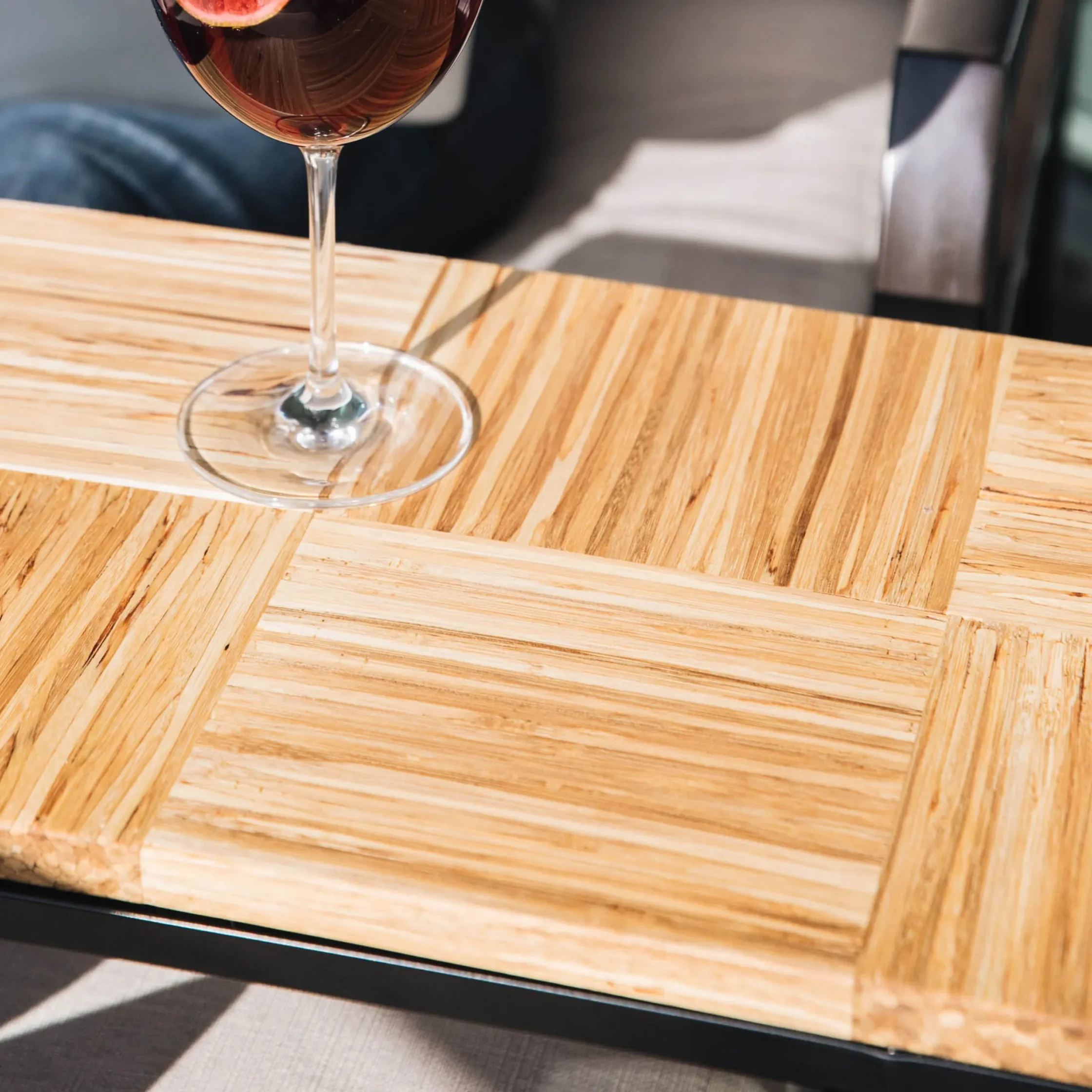
It’s just been three years since ChopValue was brought to the Philippines, and things are starting to pick up steam. At the moment, they have over 500 recycling partners, with many of them embracing the circular economy by using ChopValue’s bamboo tiles in their own restaurants and establishments as serving platters and trays, furniture pieces, or as part of their interior design.
What used to be discarded bamboo chopsticks are transformed into products that look great and are built to last. “[ChopValue] had a great story that we hoped was going to be inspiring for the generations to come,” says Ng. “Because at the end of the day, sustainability is a multi-generational journey.”

Frequently Asked Questions
ChopValue Philippines is a sustainability company that collects used bamboo chopsticks and transforms them into furniture, décor, and other durable products.
The company collects around 4,000 kilograms of used chopsticks every month from partner establishments across Metro Manila.
Collected chopsticks are cleaned, processed, compressed into engineered bamboo panels, and crafted into furniture, trays, tabletops, and other products.
Because they reuse discarded bamboo instead of harvesting new raw materials, helping keep carbon stored in durable products rather than releasing it into the atmosphere.
Its microfactory is located in Parañaque City, where locally collected chopsticks are processed into finished products.
The company works with more than 500 recycling partners, including Ayala Malls, Marriott, Sheraton, restaurants, and other hospitality businesses.