Advertisement

The Future of Food Is Now on the Menu

Five key takeaways from Unilever Food Solutions’ Future Menus 2026, from culinary roots and street food to diner experiences and borderless cuisine.

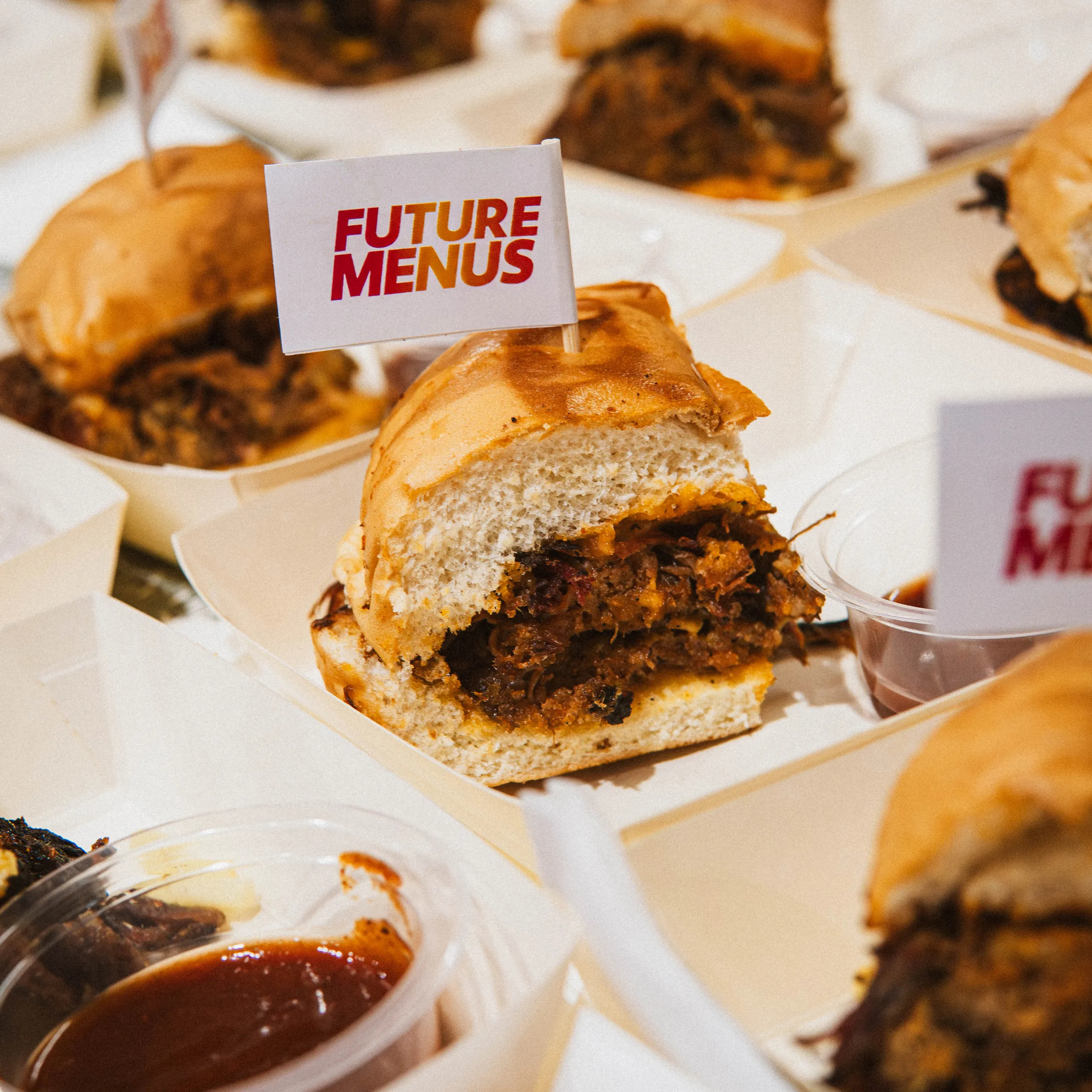
bbq backyard sandwiches at FUTURE MENUS 2026
The future is looking delicious, if Unilever Food Solutions’ Future Menus initiative is anything to go by. The global, data-driven program identifies emerging culinary trends shaping the way we eat. [PHOTO: JC Galisanao]

At first glance, Unilever Food Solutions’ Future Menus 2026, held at Foro de Intramuros in Manila last August 8, might feel like just about every other food trade show or event—but it isn’t. 

Now on its fourth year, Future Menus 2026 brings together insights from Unilever Food Solutions’ global network of chefs and foodservice operators to identify trends that inspire menus, drive innovation, and generate growth. But the most interesting thing about this year’s edition is that the trends—Culinary Roots, Diner Designed, Street Food Couture and Borderless Cuisine—haven’t changed from last year.
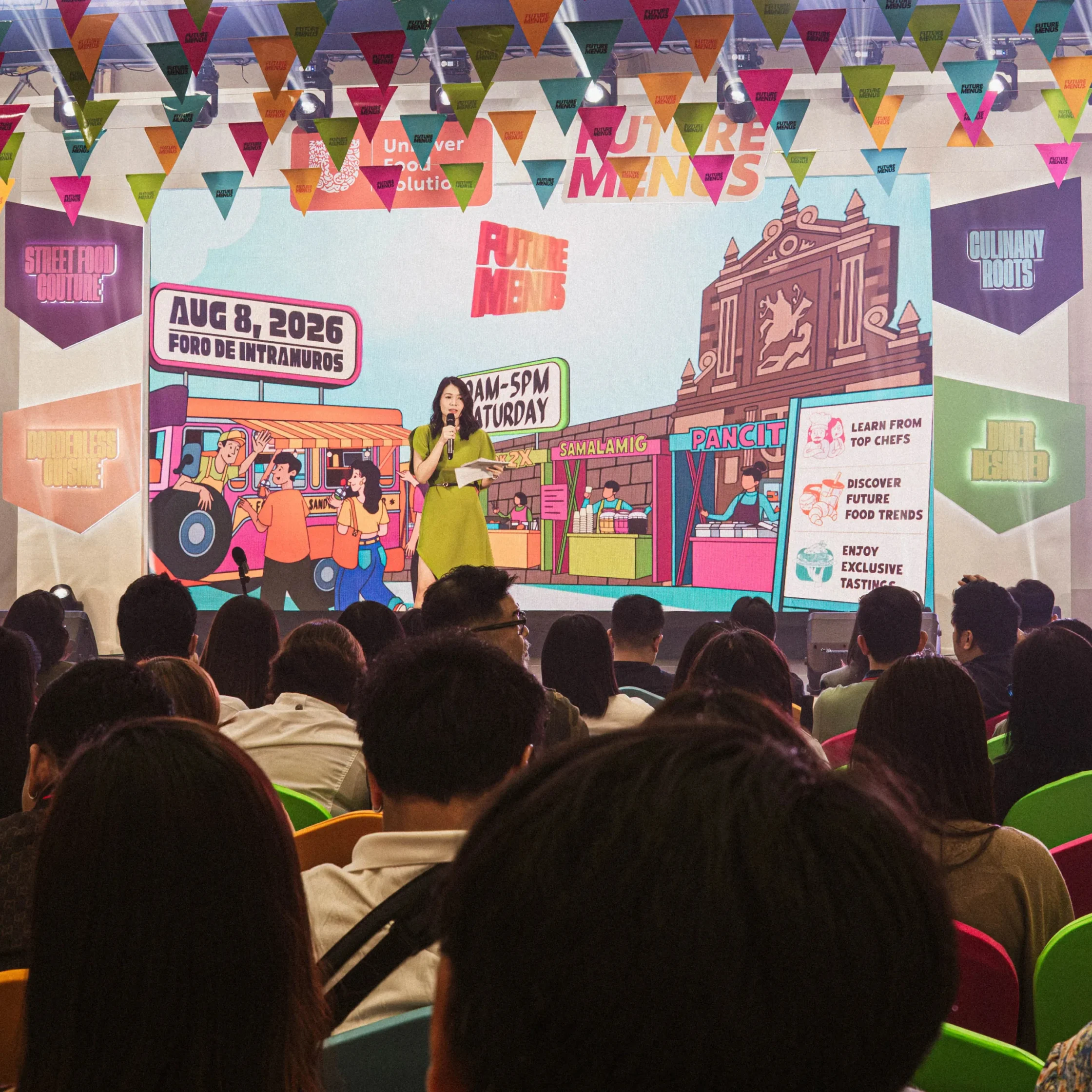
FUTURE MENUS 2026 unilever marketing head kat huang
Kathleen Huang, Country Marketing Head of Unilever Food Solutions, speaking on stage [PHOTO: JC Galisanao]

According to Kathleen Huang, Country Marketing Head of Unilever Food Solutions, that’s because real trends don’t just disappear after 12 months. If an insight is genuinely driving growth in the food and beverage industry, then it deserves more than just a moment in the spotlight.

Here are five takeaways from Future Menus 2026.

1. Innovation Starts With Knowing Where You Come From

For Josh Boutwood, the chef and restaurateur behind Helm, the country’s only restaurant with two Michelin Stars, innovation always starts by understanding where you come from. Throughout his talk, he repeatedly challenged the idea that progress in food always means inventing something new.

“Innovation isn’t forgetting the past, it’s understanding it enough to build on it,” he shared on stage. 
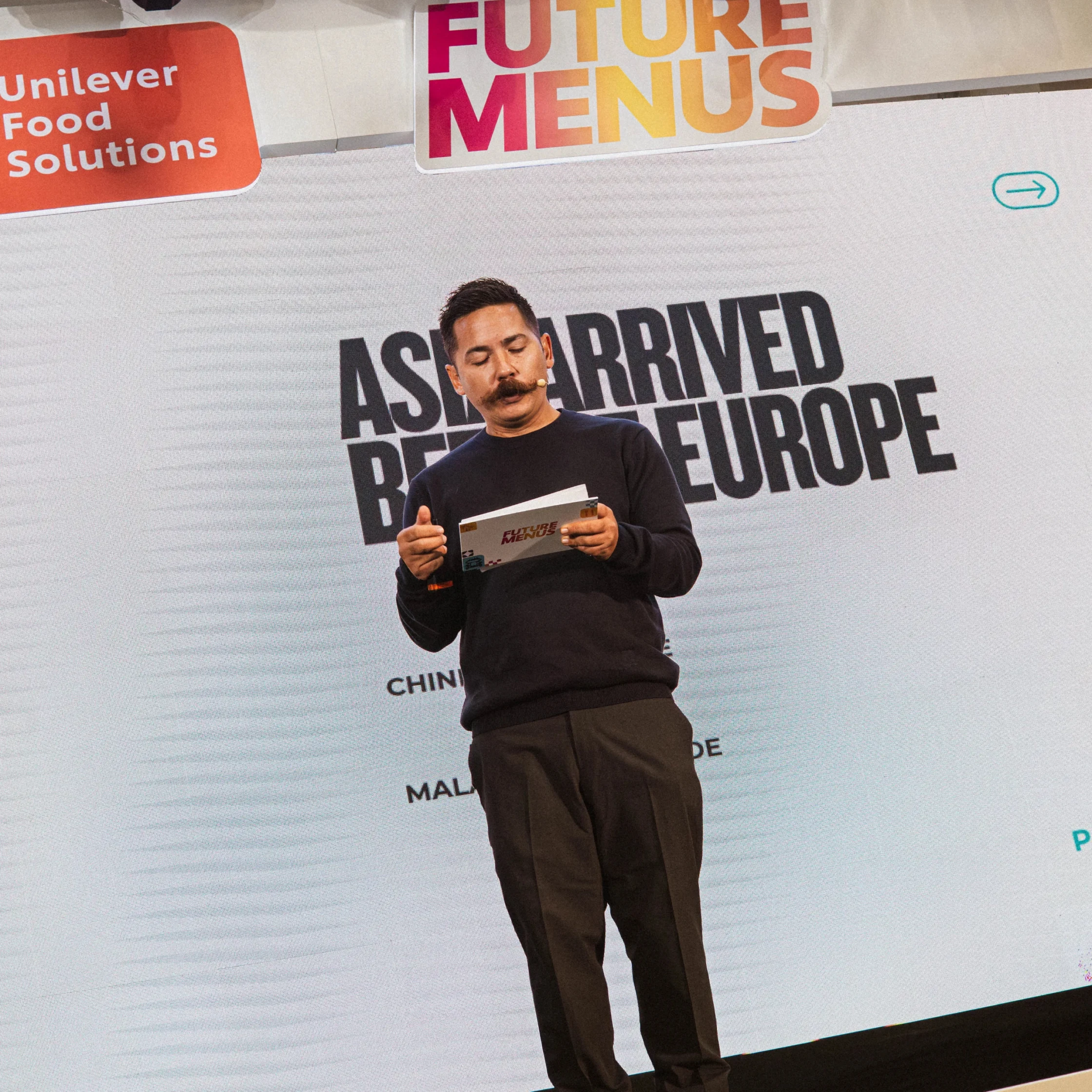
josh boutwood at FUTURE MENUS 2026
Chef Josh Boutwood of Helm [PHOTO: JC Galisanao]

For Boutwood and the team at Helm, that means looking closer at ingredients and techniques that have long been part of Filipino cooking and finding new ways to express them. And as diners develop an appetite for local and indigenous ingredients, the opportunity may not be to invent a new Filipino identity, but to rediscover, reimagine and build on the one that already exists.

2. The Best Dining Experiences Start With a Feeling

For Maxine and Byran Kong, the husband-and-wife powerhouse behind Kurimu and Michelin-recognized Now Now, every memorable dining experience starts with a question. But instead of asking the age-old query, “Is the customer always right?”, they ask a more meaningful one: “How do we make people feel like they made the right choice?”

It’s a slight, but important shift in perspective that moves the focus beyond the food and onto the emotions that shape how diners experience a restaurant, from what they order to how they’re welcomed, served and made to feel throughout the entire meal. 
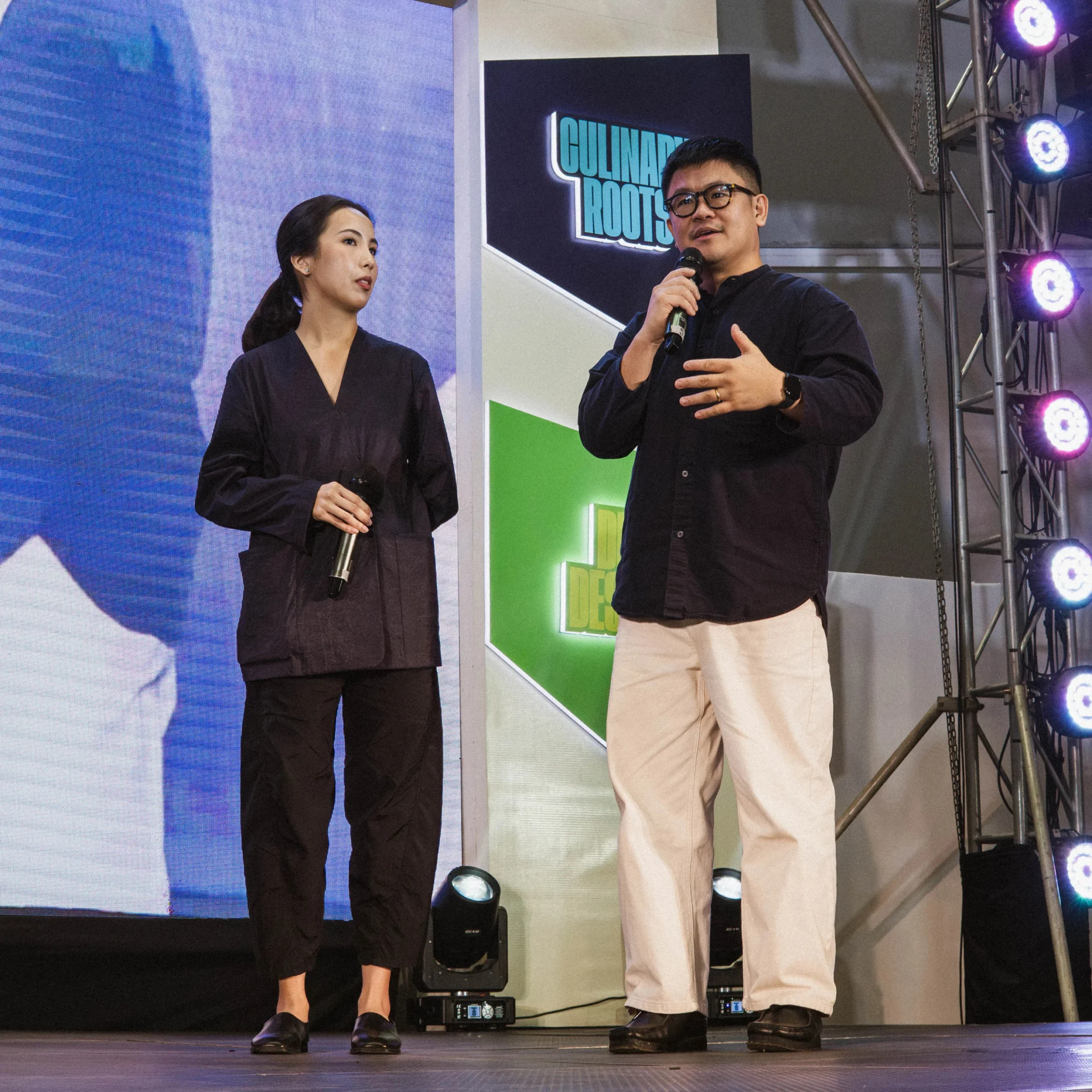
maxine kong and bryan kong at FUTURE MENUS 2026
Maxine and Byran Kong of Now Now and Kurimu [PHOTO: JC Galisanao]

Remember: diners can forget the details of a meal, but they’ll always remember how a restaurant made them feel.

3. The Street Knows What Diners Want

Some of the most powerful culinary ideas don’t come from formal kitchens or fancy, chandelier-lit dining rooms. They come from busy and bustling streets.

“Street food is the most democratic cuisine,” viral content creator Bradleytries shared. And he’s right, because it’s accessible, alive, rooted in community, and above all, a representation of what people actually want to eat. In a way, it serves as a medium for telling stories about communities, traditions and the people who make and eat it.
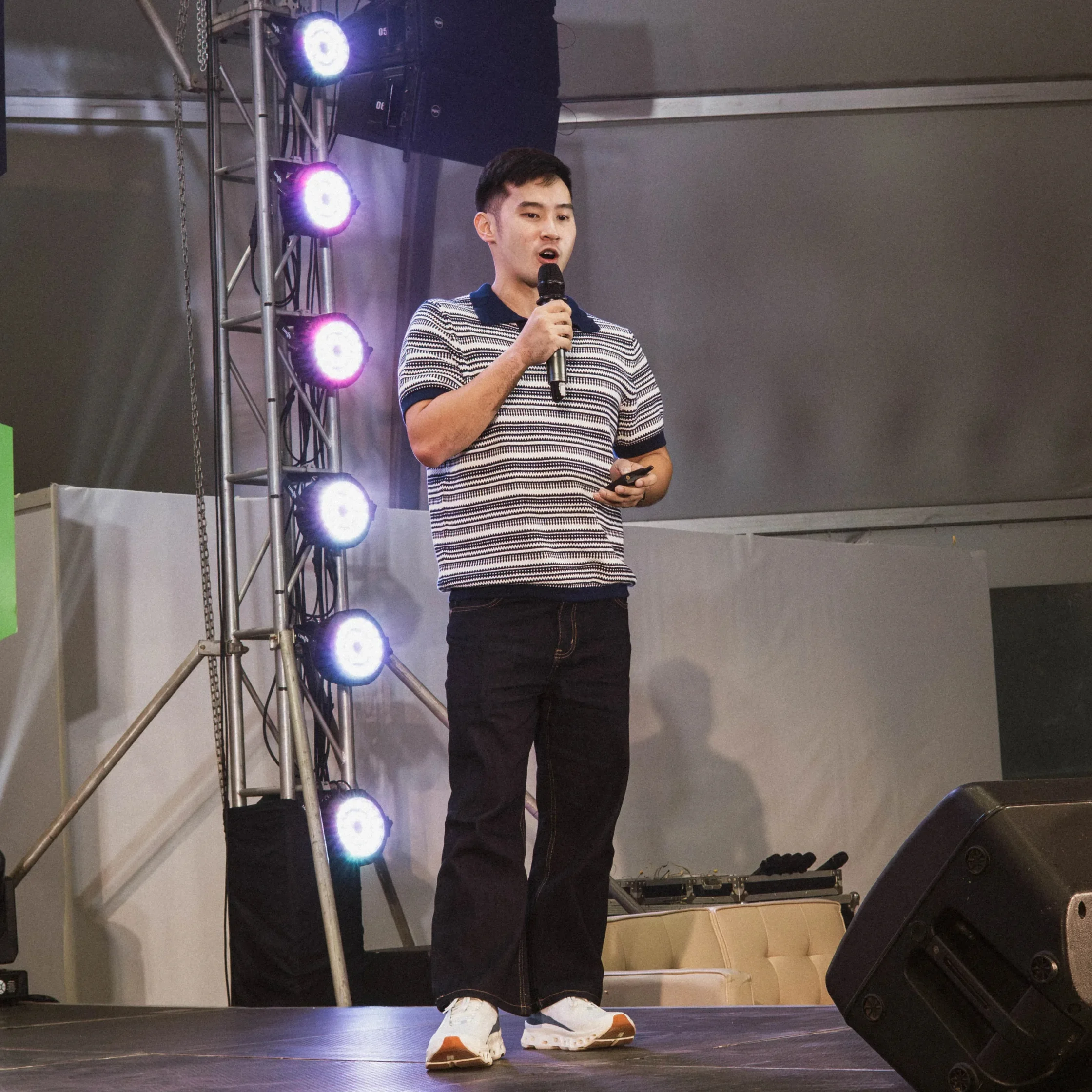
bradleytries at FUTURE MENUS 2026
Content creator Bradleytries [PHOTO: JC Galisanao]

When you combine that cultural relevancy with a strong sense of personality and place, you get the recipe for virality. But it isn’t just about replicating what people are lining up for in their local neighborhoods, it’s about understanding what gives street food its enduring pull. 

4. Good Food Doesn’t Need a Passport

Cuisine has always been shaped by the movement of people, ingredients and ideas across borders, so culinary traditions aren’t meant to be static. 
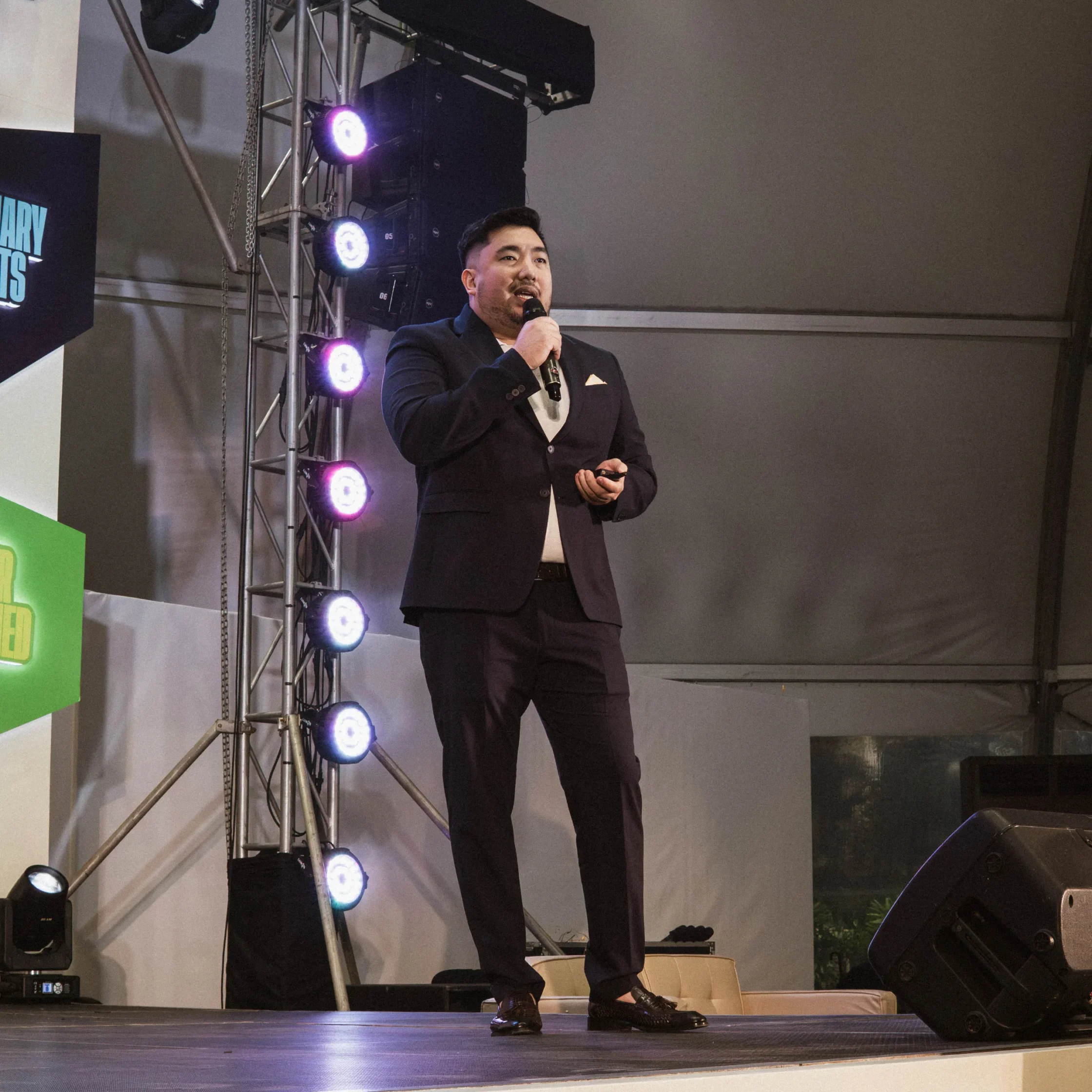
nico gonzales FUTURE MENUS 2026
Nico Gonzales of Noodle Lab, Delina, and Itamessy [PHOTO: JC Galisanao]

As Nico and Ally Gonzales, the couple behind Noodle Lab, Delina, and Itamessy, put it, “What we call traditional food today is simply the borderless cuisine of yesterday that survived long enough to become heritage.”

For them, the goal isn’t to blur culinary identities, but to understand where they come from well enough to let them evolve, making it clear that borderless doesn’t mean mindlessly mashing different cuisines together. 

5. The Future Is About More Than Trends

Ultimately, Future Menus isn’t asking chefs to chase whatever’s viral on social media. Its purpose is to identify what consumers actually like and to translate these into tangible opportunities for foodservice operators.

The four pillars might point in different directions, but they all converge on a single idea: diners want food that feels meaningful—connected to culture, rooted in community, designed around their preferences, and open to new influences.
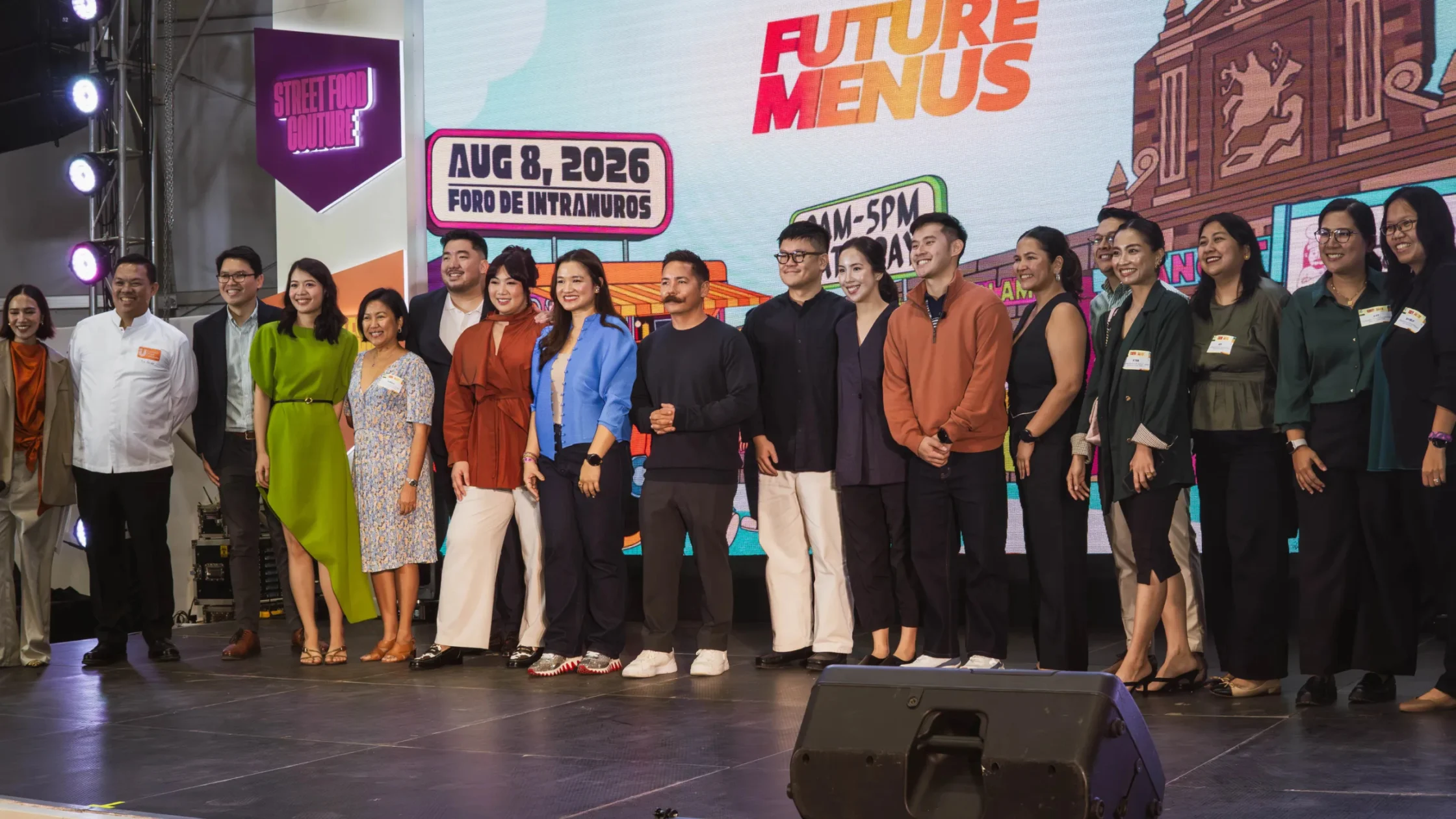
the FUTURE MENUS 2026 team and speakers pose on stage for a photo
What trend are you looking forward to seeing more of in the future? [PHOTO: JC Galisanao]

If anything, Future Menus shows us that Filipino food doesn’t need to choose between tradition and innovation. There’s plenty of room for both on the same plate.

author avatar
Paolo Elwick
Paolo is a food writer and storyteller exploring the intersections of food, culture, and identity through thoughtful, people-centered storytelling. He believes that, second only to language, food is one of humanity's most powerful expressions of culture—a medium for preserving history, expressing identity, and coming to understand ourselves and connect with others. Drawn to the histories, traditions, and personal experiences behind every dish, his writing combines curiosity with emotional honesty, highlighting diverse voices and celebrating the communities that shape our food landscape. Influenced by writers and artists who embrace vulnerability and introspection, Paolo uses a reflective, metaphor-rich approach to uncover the deeper meanings found in everyday meals and shared tables. He is passionate about creating stories that foster empathy, preserve cultural narratives, and invite readers to see food as more than sustenance—as memory, identity, and belonging. Through his work, Paolo hopes to amplify underrepresented perspectives and spark meaningful conversations that extend far beyond the plate.

Frequently Asked Questions

Future Menus is Unilever Food Solutions’ annual initiative that brings together insights from its global network of chefs and foodservice operators to identify trends that can inspire menus, innovation, and growth.

author avatar
Paolo Elwick
Paolo is a food writer and storyteller exploring the intersections of food, culture, and identity through thoughtful, people-centered storytelling. He believes that, second only to language, food is one of humanity's most powerful expressions of culture—a medium for preserving history, expressing identity, and coming to understand ourselves and connect with others. Drawn to the histories, traditions, and personal experiences behind every dish, his writing combines curiosity with emotional honesty, highlighting diverse voices and celebrating the communities that shape our food landscape. Influenced by writers and artists who embrace vulnerability and introspection, Paolo uses a reflective, metaphor-rich approach to uncover the deeper meanings found in everyday meals and shared tables. He is passionate about creating stories that foster empathy, preserve cultural narratives, and invite readers to see food as more than sustenance—as memory, identity, and belonging. Through his work, Paolo hopes to amplify underrepresented perspectives and spark meaningful conversations that extend far beyond the plate.

The four trends are Culinary Roots, Diner Designed, Street Food Couture, and Borderless Cuisine.

author avatar
Paolo Elwick
Paolo is a food writer and storyteller exploring the intersections of food, culture, and identity through thoughtful, people-centered storytelling. He believes that, second only to language, food is one of humanity's most powerful expressions of culture—a medium for preserving history, expressing identity, and coming to understand ourselves and connect with others. Drawn to the histories, traditions, and personal experiences behind every dish, his writing combines curiosity with emotional honesty, highlighting diverse voices and celebrating the communities that shape our food landscape. Influenced by writers and artists who embrace vulnerability and introspection, Paolo uses a reflective, metaphor-rich approach to uncover the deeper meanings found in everyday meals and shared tables. He is passionate about creating stories that foster empathy, preserve cultural narratives, and invite readers to see food as more than sustenance—as memory, identity, and belonging. Through his work, Paolo hopes to amplify underrepresented perspectives and spark meaningful conversations that extend far beyond the plate.

Future Menus 2026 was held at Foro de Intramuros in Manila on August 8, 2026.

author avatar
Paolo Elwick
Paolo is a food writer and storyteller exploring the intersections of food, culture, and identity through thoughtful, people-centered storytelling. He believes that, second only to language, food is one of humanity's most powerful expressions of culture—a medium for preserving history, expressing identity, and coming to understand ourselves and connect with others. Drawn to the histories, traditions, and personal experiences behind every dish, his writing combines curiosity with emotional honesty, highlighting diverse voices and celebrating the communities that shape our food landscape. Influenced by writers and artists who embrace vulnerability and introspection, Paolo uses a reflective, metaphor-rich approach to uncover the deeper meanings found in everyday meals and shared tables. He is passionate about creating stories that foster empathy, preserve cultural narratives, and invite readers to see food as more than sustenance—as memory, identity, and belonging. Through his work, Paolo hopes to amplify underrepresented perspectives and spark meaningful conversations that extend far beyond the plate.

Street food is accessible, community-driven, culturally relevant, and reflective of what people actually want to eat, making it an important source of inspiration for foodservice.

author avatar
Paolo Elwick
Paolo is a food writer and storyteller exploring the intersections of food, culture, and identity through thoughtful, people-centered storytelling. He believes that, second only to language, food is one of humanity's most powerful expressions of culture—a medium for preserving history, expressing identity, and coming to understand ourselves and connect with others. Drawn to the histories, traditions, and personal experiences behind every dish, his writing combines curiosity with emotional honesty, highlighting diverse voices and celebrating the communities that shape our food landscape. Influenced by writers and artists who embrace vulnerability and introspection, Paolo uses a reflective, metaphor-rich approach to uncover the deeper meanings found in everyday meals and shared tables. He is passionate about creating stories that foster empathy, preserve cultural narratives, and invite readers to see food as more than sustenance—as memory, identity, and belonging. Through his work, Paolo hopes to amplify underrepresented perspectives and spark meaningful conversations that extend far beyond the plate.

Borderless Cuisine recognizes that culinary traditions have always evolved through the movement of people, ingredients, and ideas across borders.

author avatar
Paolo Elwick
Paolo is a food writer and storyteller exploring the intersections of food, culture, and identity through thoughtful, people-centered storytelling. He believes that, second only to language, food is one of humanity's most powerful expressions of culture—a medium for preserving history, expressing identity, and coming to understand ourselves and connect with others. Drawn to the histories, traditions, and personal experiences behind every dish, his writing combines curiosity with emotional honesty, highlighting diverse voices and celebrating the communities that shape our food landscape. Influenced by writers and artists who embrace vulnerability and introspection, Paolo uses a reflective, metaphor-rich approach to uncover the deeper meanings found in everyday meals and shared tables. He is passionate about creating stories that foster empathy, preserve cultural narratives, and invite readers to see food as more than sustenance—as memory, identity, and belonging. Through his work, Paolo hopes to amplify underrepresented perspectives and spark meaningful conversations that extend far beyond the plate.
paolo elwick delish ph food writer

Paolo Elwick

Writer

Paolo is a food writer and storyteller exploring the intersections of food, culture, and identity through thoughtful, people-centered storytelling. He believes that, second only to language, food is one of humanity's most powerful expressions of culture—a medium for preserving history, expressing identity, and coming to understand ourselves and connect with others. Drawn to the histories, traditions, and personal experiences behind every dish, his writing combines curiosity with emotional honesty, highlighting diverse voices and celebrating the communities that shape our food landscape. Influenced by writers and artists who embrace vulnerability and introspection, Paolo uses a reflective, metaphor-rich approach to uncover the deeper meanings found in everyday meals and shared tables. He is passionate about creating stories that foster empathy, preserve cultural narratives, and invite readers to see food as more than sustenance—as memory, identity, and belonging. Through his work, Paolo hopes to amplify underrepresented perspectives and spark meaningful conversations that extend far beyond the plate.

0 0 votes
Total of Ratings
guest
Rating
Ratings for Article
0 Comments
Oldest
Newest Most Voted

To provide a customized ad experience, we need to know if you are of legal age in your region.

By making a selection, you agree to our Terms & Conditions.