

A wild, artisanal honey from the Philippines, it’s valued for its distinct tangy flavor and natural medicinal properties that includes boosting immunity and overall wellness.
Kiwot honey isn’t exactly “honey”. It is its own thing—and that’s exactly what makes it special. Produced by kiwot or native stingless bees, it offers a different experience from the golden syrup we’ve all probably tried at least once.
Kiwot vs. Regular Honey: Understanding the Difference
According to Codex Alimentarius or food code, honey is defined as a natural substance produced by honeybees (Apis) from nectar. It also needs to meet a specific set of criteria: not fermented or effervesced, moisture level is not more than 20%, and should have particular sugar compositions—mainly when it comes to fructose, glucose, and sucrose.
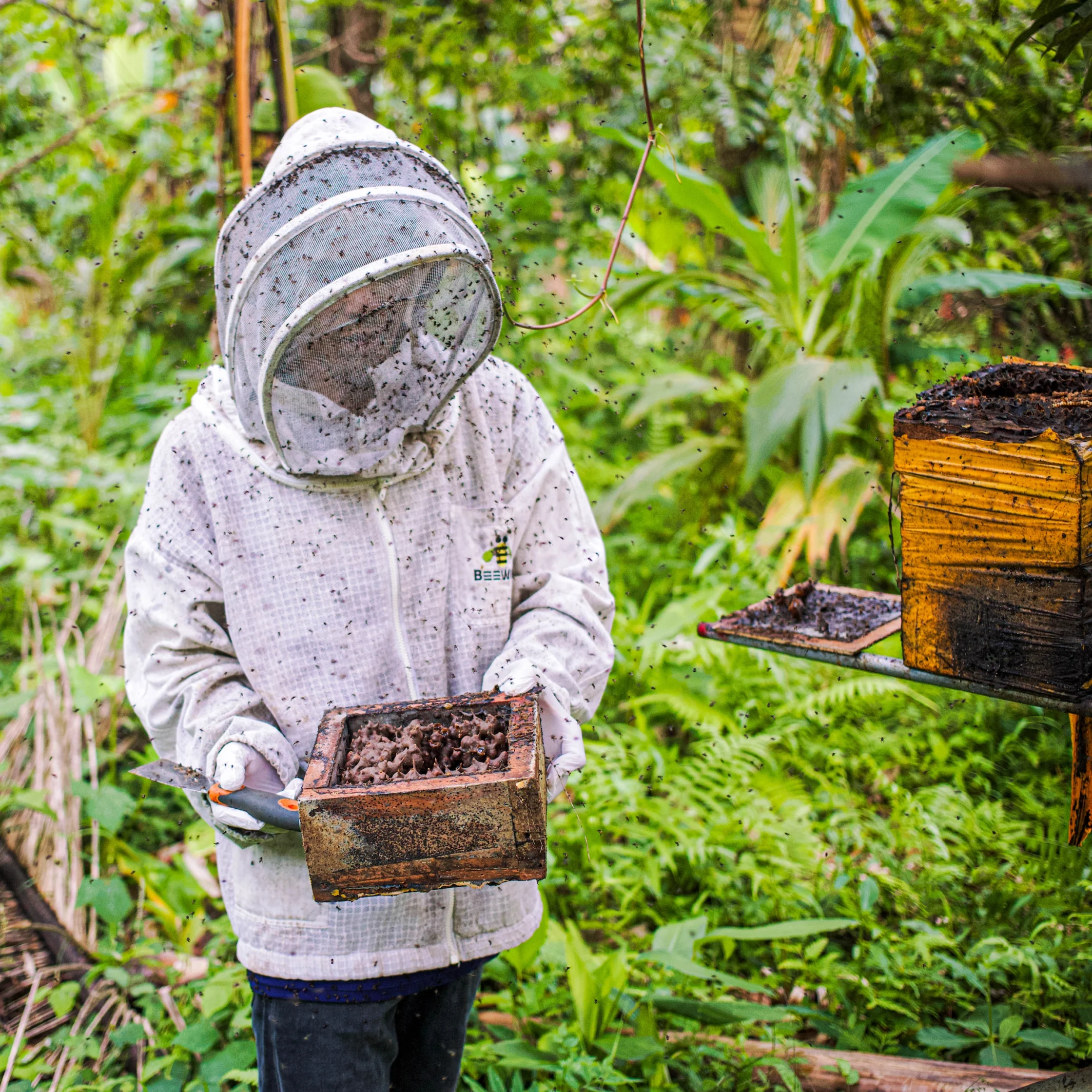
Kiwot honey, however, comes from stingless bees (Tetragonula spp.). And because of its higher moisture content and a different sugar content, it doesn’t neatly meet these standard benchmarks despite being a genuine, natural bee product.
What Does Kiwot Honey Taste Like?
What truly sets kiwot honey apart is its flavor. Instead of just the sweetness we typically get from honey, it also delivers a bright, citrusy tang that can sometimes lean on tasting fruity. Because of its thinner consistency it feels lighter, but each drop is still interesting because of its unique flavor profile.
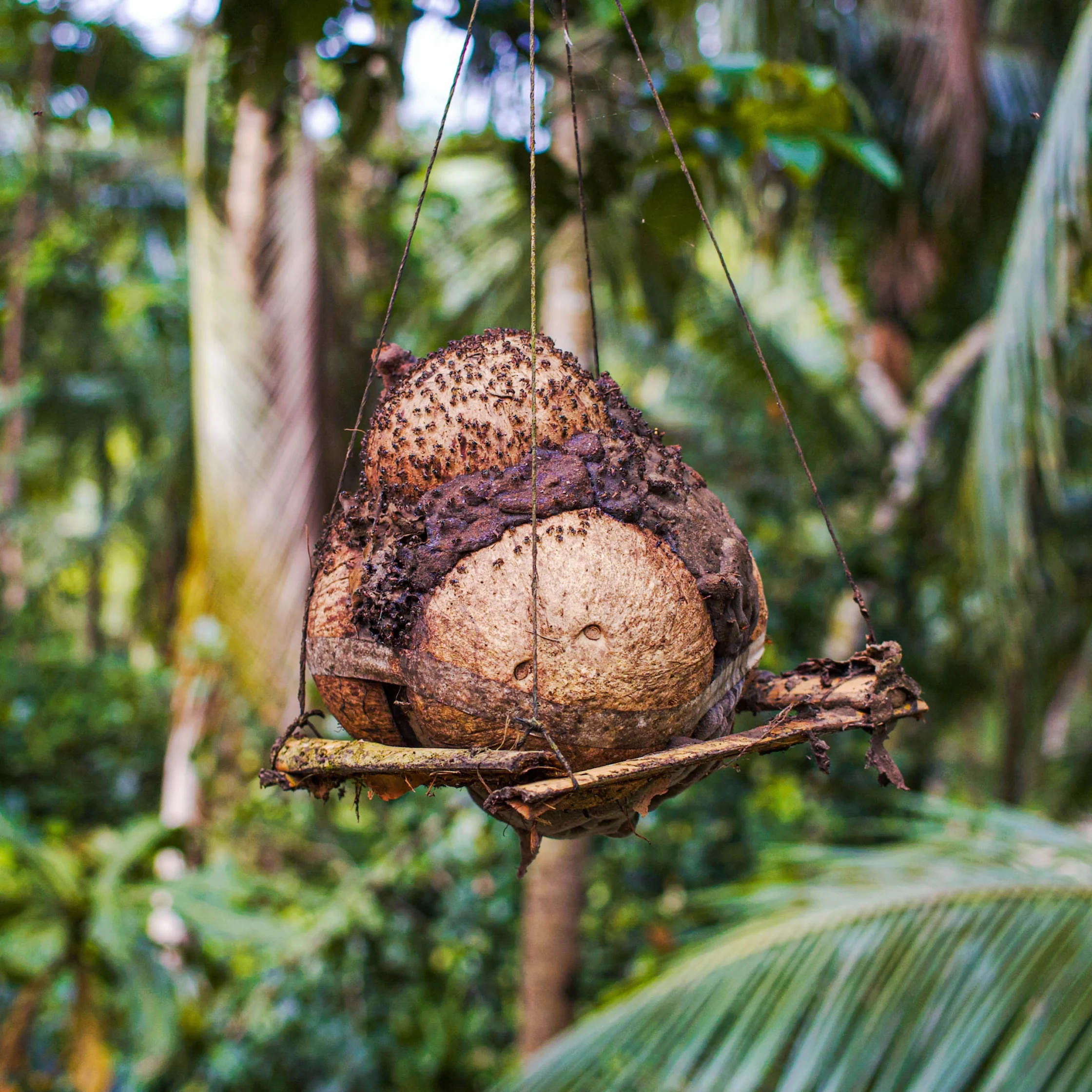
This distinct profile is a direct result of where the kiwot bees live. Stingless bees often build their nests or forage in a variety of trees and plants, from coconuts and mangoes to rambutan, pili nuts, and other local trees and plants. This influences the honey’s taste, so each batch has its own character and flavor.
Additionally, kiwot honey is valued for its nutritional qualities. It’s rich in antioxidants, has natural anti-inflammatory properties, and contains propolis, which is known to support immune health. It is also naturally lower in sucrose than many conventional sweeteners.
Culinary Uses: Cooking with Stingless Bee Honey
Kiwot honey works beautifully in both sweet and savory dishes. It can be stirred into tea or drizzled over fruit and yogurt, where its acidity can complement richness. It also shines in soups, sauces and cocktails, bringing a balanced complexity between sweet and sour.
This perspective was echoed by Kaya Kusina during Toyo Eatery’s Talyer Talks on March 27, 2026, where kiwot honey was discussed not just as a sweetener, but as an ingredient that enhances and layers flavor.
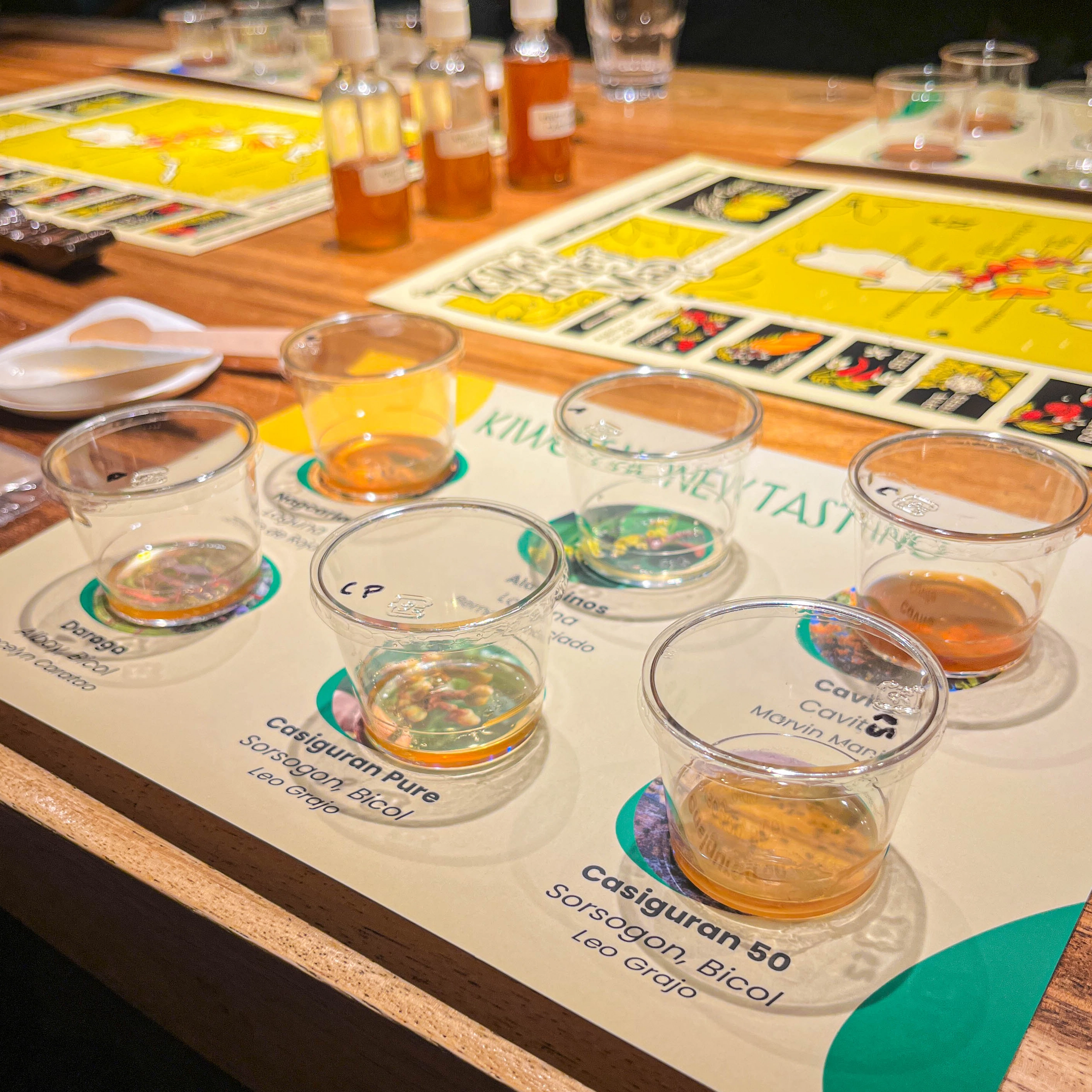
During their short but informative session, they first had us taste kiwot honey from different farms and regions—each with its own unique character shaped by where the bees lived. Some were pale, light, and fluid, while others were darker, thicker, and more syrup-like. Flavor-wise, they ranged from bright and citrusy to deeper, more mellow, with one variation even having pollen.

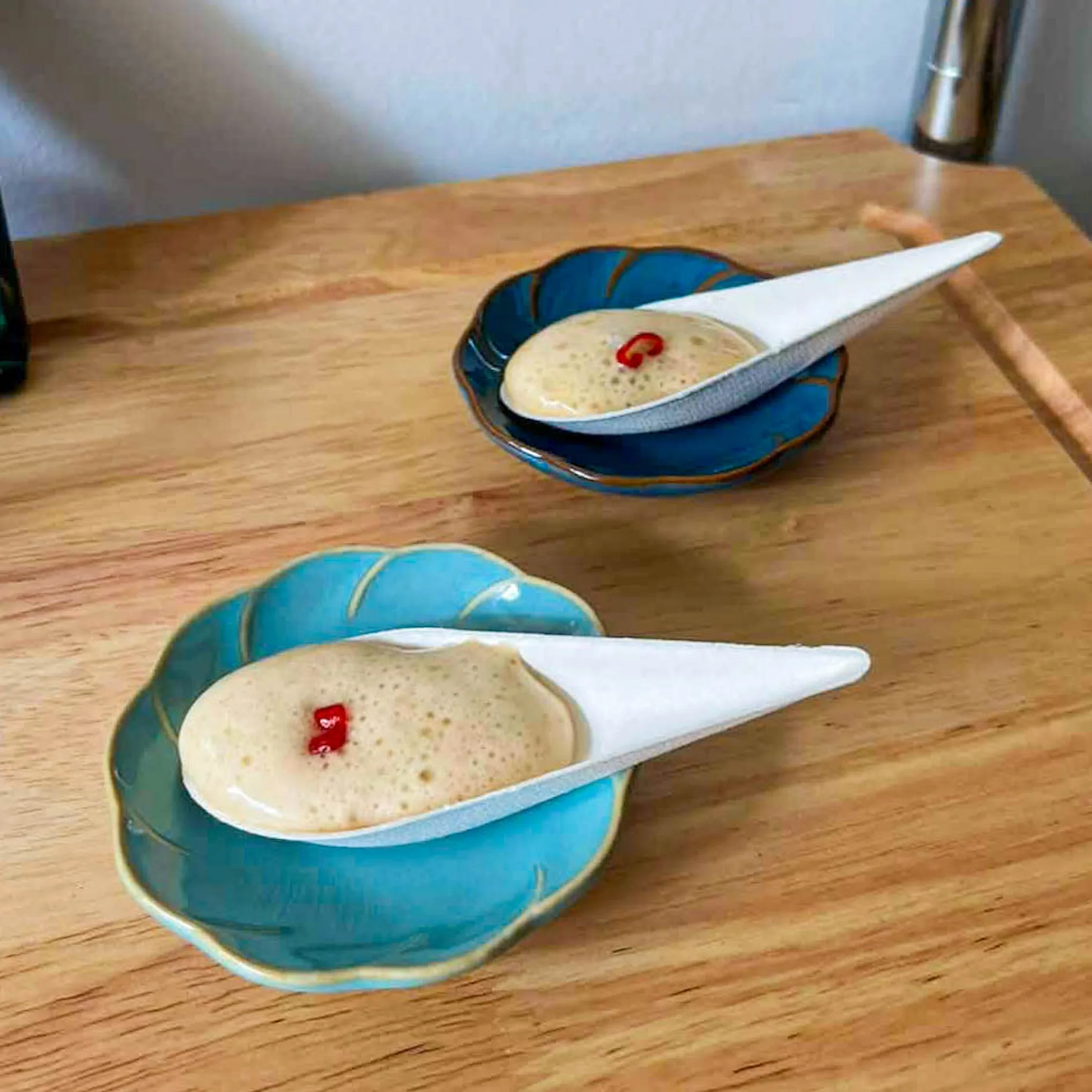
They then asked us to try a version of sinigang that used kiwot honey as the souring agent before transforming its broth into a delicate foam that felt both familiar and entirely new. They even reimagined in their own version of the Last Rites cocktail, where a tangy and herbaceous batch of kiwot honey added depth and complexity rather than just sweetness.
Why Kiwot Honey is a Unique Filipino Delicacy
Despite not fitting into the standard definition of honey, kiwot honey offers something more interesting by being a vibrant, nuanced ingredient that reflects its environment and invites a more thoughtful approach to flavor—the kind of flavor that stays with you, even after the sweetness fades.

Frequently Asked Questions
According to the Codex Alimentarius, “honey” must be produced by Apis (honeybees) and have a moisture content below 20%. Kiwot honey is produced by stingless bees (Tetragonula spp.) and naturally has a much higher moisture content and different sugar composition, causing it to fall outside the standard definition.
It is known for its bright, citrusy tang and fruity undertones rather than just pure sweetness. Its consistency is thinner and more fluid, and the flavor varies significantly depending on the local flora—such as coconut, mango, or pili nuts—where the bees forage.
Kiwot honey is prized for its high antioxidant levels and anti-inflammatory properties. It also naturally contains propolis, which is known to support immune health, and is lower in sucrose than many conventional sweeteners.
Because of its sweet-and-sour profile, it is highly versatile. It was recently featured at Toyo Eatery’s Talyer Talks (March 2026), where it was used as a unique souring agent for sinigang broth and as a complex, herbaceous sweetener in a “Last Rites” cocktail.
Yes. Depending on the region and the specific plants nearby, the honey can range from pale and light to dark and syrup-like. Some varieties even contain traces of pollen, which adds to the depth of the flavor and texture.