


When we talk about Filipino dishes, the conversation usually starts and ends with taste. Which dish is the most delicious? Which specialty should represent the region? Which recipe deserves to be called the national dish?
But taste is subjective and isn’t the only gauge for importance. Some dishes matter because they reveal something about our roots. They might not be the best tasting nor the most celebrated and iconic, but these dishes still keep a different degree of worth—one that reveals how our ancestors ate, lived and adapted to centuries of change.
They tell the story of the Philippines: a community of people shaped by the sea, transformed by trade, influenced by colonization, and united by a culture that places extraordinary importance on sharing food.
Kinilaw and the Origins of Filipino Cooking
Long before physical cooking, there was kinilaw. Believed to be one of living examples of precolonial Filipino cuisine, this dish’s simplicity is exactly why it made the cut.
At its “rawest,” kinilaw consists of fresh seafood that’s doused with vinegar not only to make it easier to consume but also to add a layer of flavor. In many ways, kinilaw represents the earliest foundations of Filipino cooking: taking something natural and using local ingredients to reveal its potential.
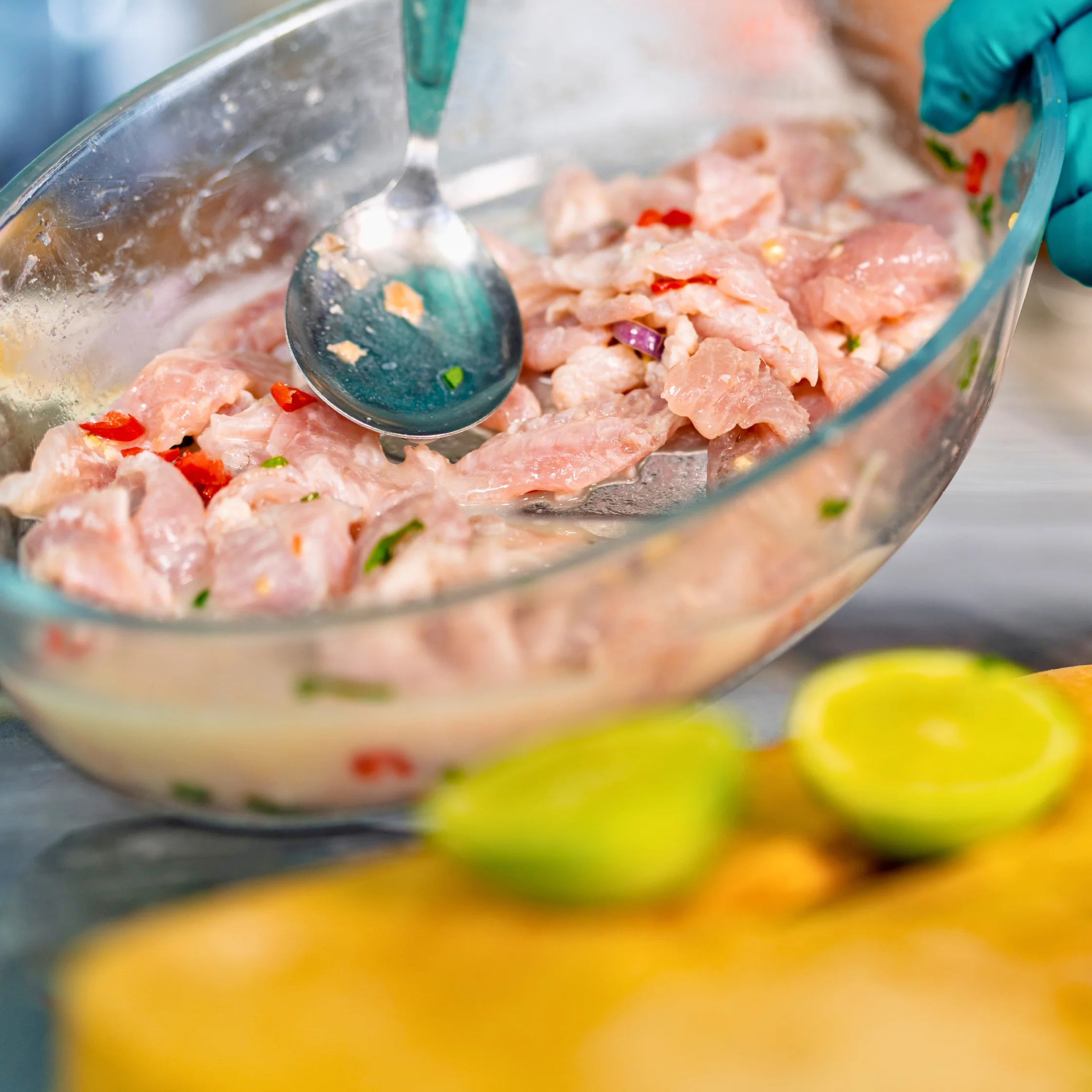
“That’s the root of our cooking—eating raw and adjusting it,” says Sta. Maria. “People added the flavor to something that is natural.” Before there was braising, boiling, grilling, frying and roasting, there was the instinct to work with what the sea provided.
Rice and the Birth of Cultivation
“If kinilaw is about hunting and gathering, rice is about cultivation,” says Sta. Maria. “Rice is the backbone of what is now our cuisine.”
It is so integrated in our daily meals that it plays a role bigger than a side dish. It serves as a canvas against which other flavors are experienced. Yet its importance goes beyond the plate.
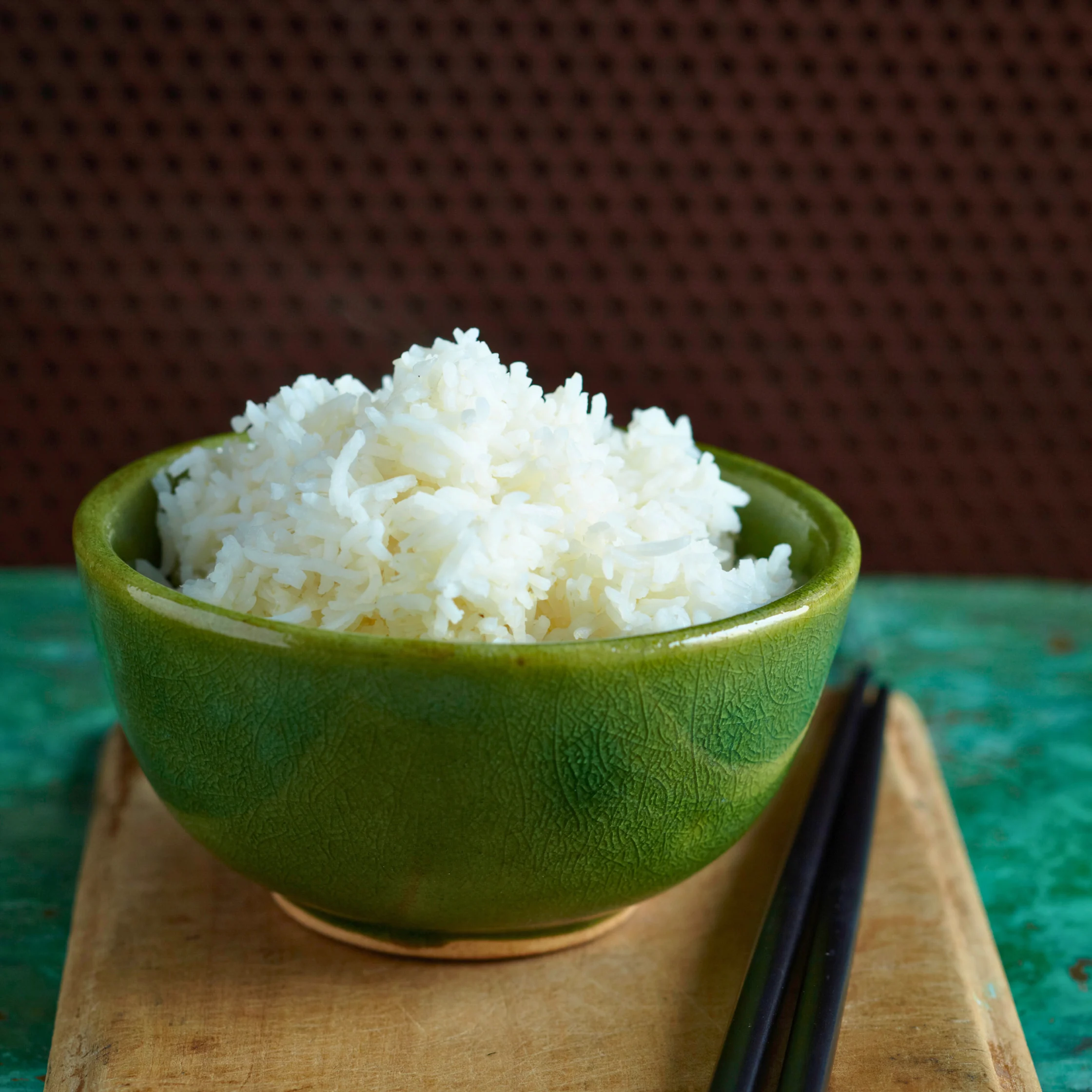
It tells of a society capable of planning, farming, and adapting to diverse environments. “It also comes with so many myths and rituals. It’s important in knowing the spiritual soul of the people,” Felice adds. It was revered as much as it was consumed.
Acknowledging rice means understanding the agricultural and spiritual foundations of Filipino civilization.
Adobo and the Meeting of Two Worlds
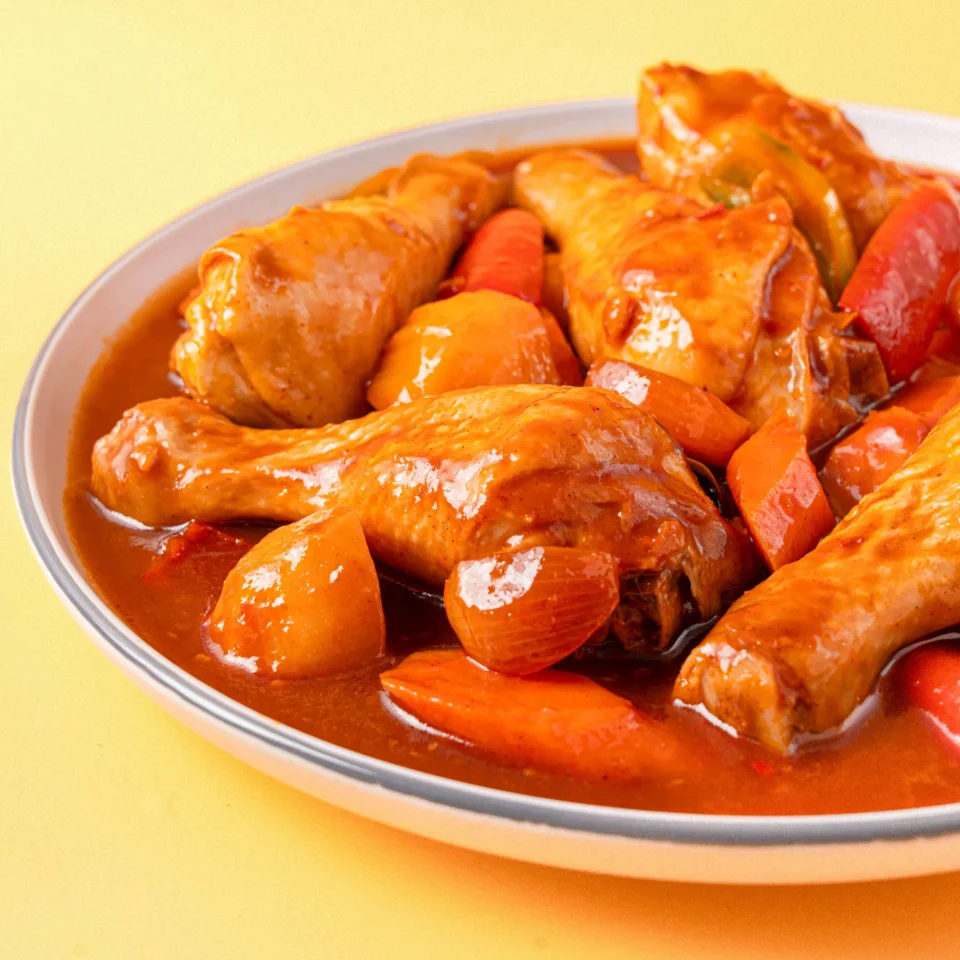
Adobo is known the world over for having a mouthwatering balance of sour, savory and salty flavors. But its real significance does not lie in its popularity but what it reveals about our history.
Long before the Spanish arrived, Filipinos were already cooking food in vinegar. Our ancestors knew how proteins reacted with acid, as evidenced by the existence of kiniaw and the early forms of paksiw.
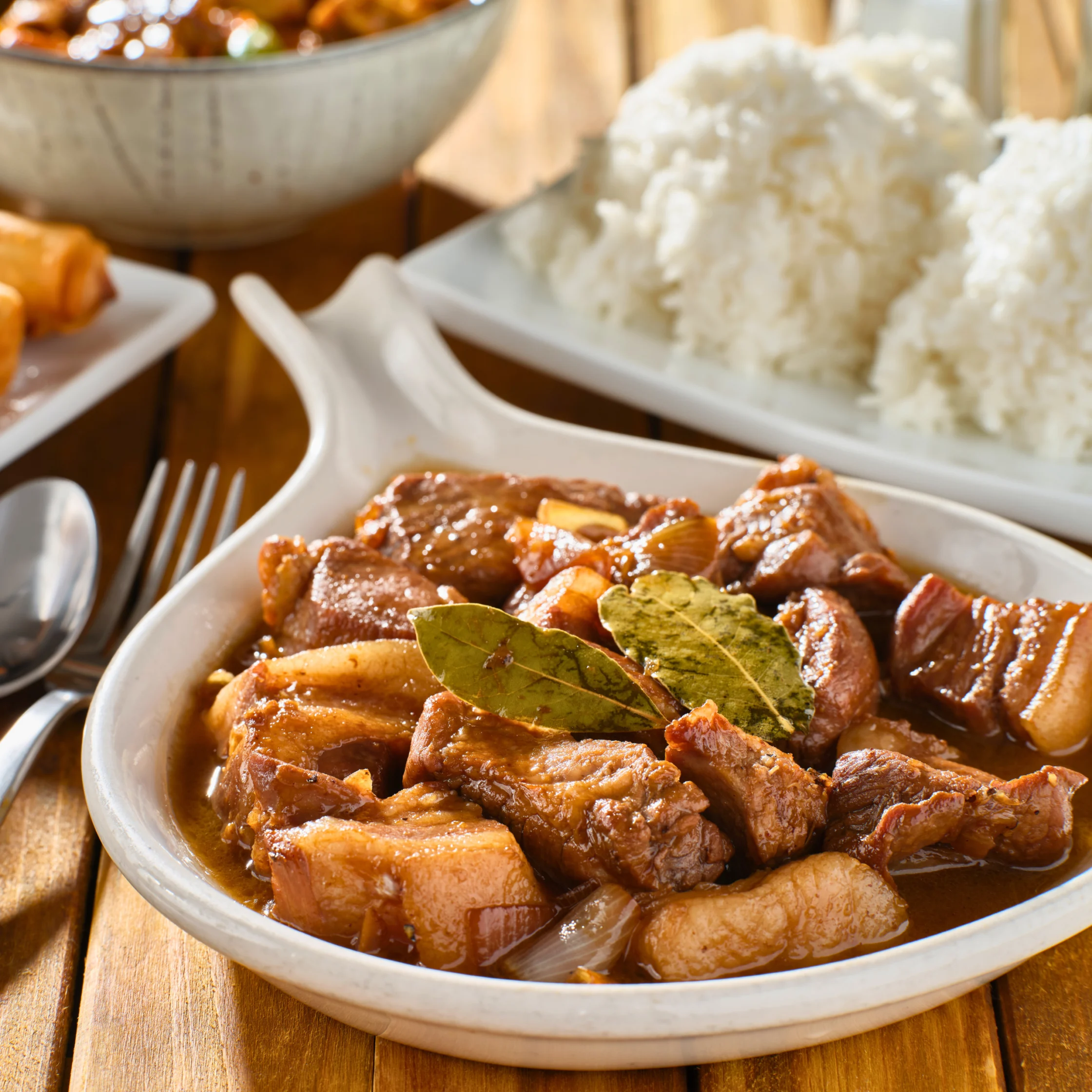
The Spanish, meanwhile, brought with them a technique called adobo—adobar means marinating meat in spices and seasonings before applying heat.
The congruence of the two brought about adobo, a culinary marriage between indigenous and colonial traditions. Foreign influences being adapted and reshaped to something more uniquely Filipino—that’s definitely a defining moment in our culinary history.
Lechon and the Sacred Pig
Pigs held a significant place in our history other than being livestock or nourishment—they were largely considered to be valuable offerings in many Philippine communities, be it to honor gods/ancestors or get in touch with the spirit world. In some traditions, Felice says, they sacrifice a black pig, either bury the head or put it up as an offering, while the meat gets cooked multiple ways without salt, onion, vinegar or garlic—anything that can scare away of offend the spirits.
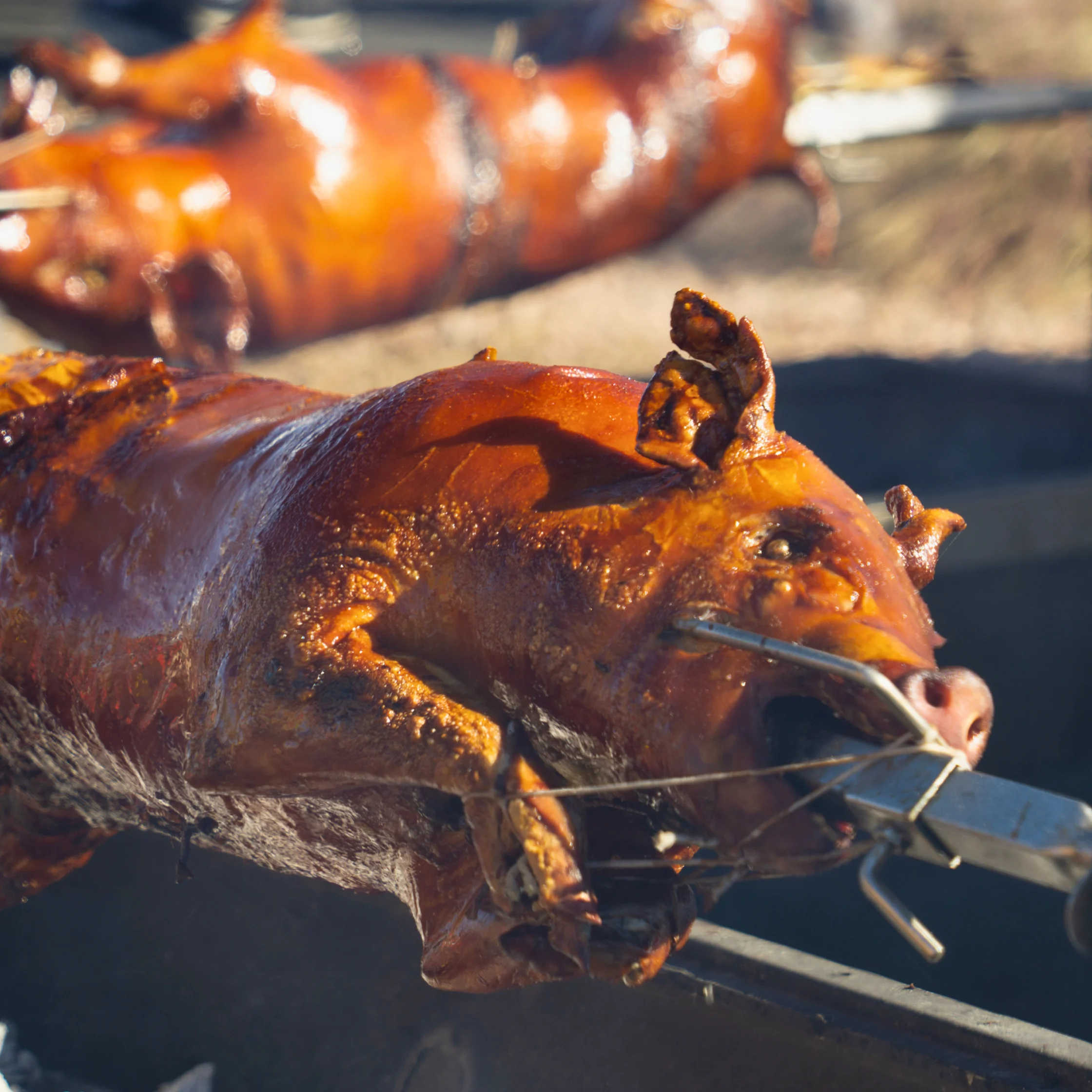
When European chroniclers arrived in the Philippines, they frequently documented the abundance of pigs and the importance of pork in local society. Unlike other places in the world where pigs had to be introduced, domesticated pigs were already embedded in the country’s cultural and religious life.
“The Spanish must have been happy to find wild pigs and domesticated pigs when they came because they had not much to eat,” says Sta. Maria.
Suman and the Sacredness of Rice
Suman, to many, is a street side snack. Historically, however, it was much more than that. It was sacred!
History reveals that rice cakes like suman were frequently used as offerings in indigenous religious practices. “Before priests had to write their sermon down and file it. And then they would send them to the higher authorities to double check whether they’re saying anything bad. They had to have proof.”
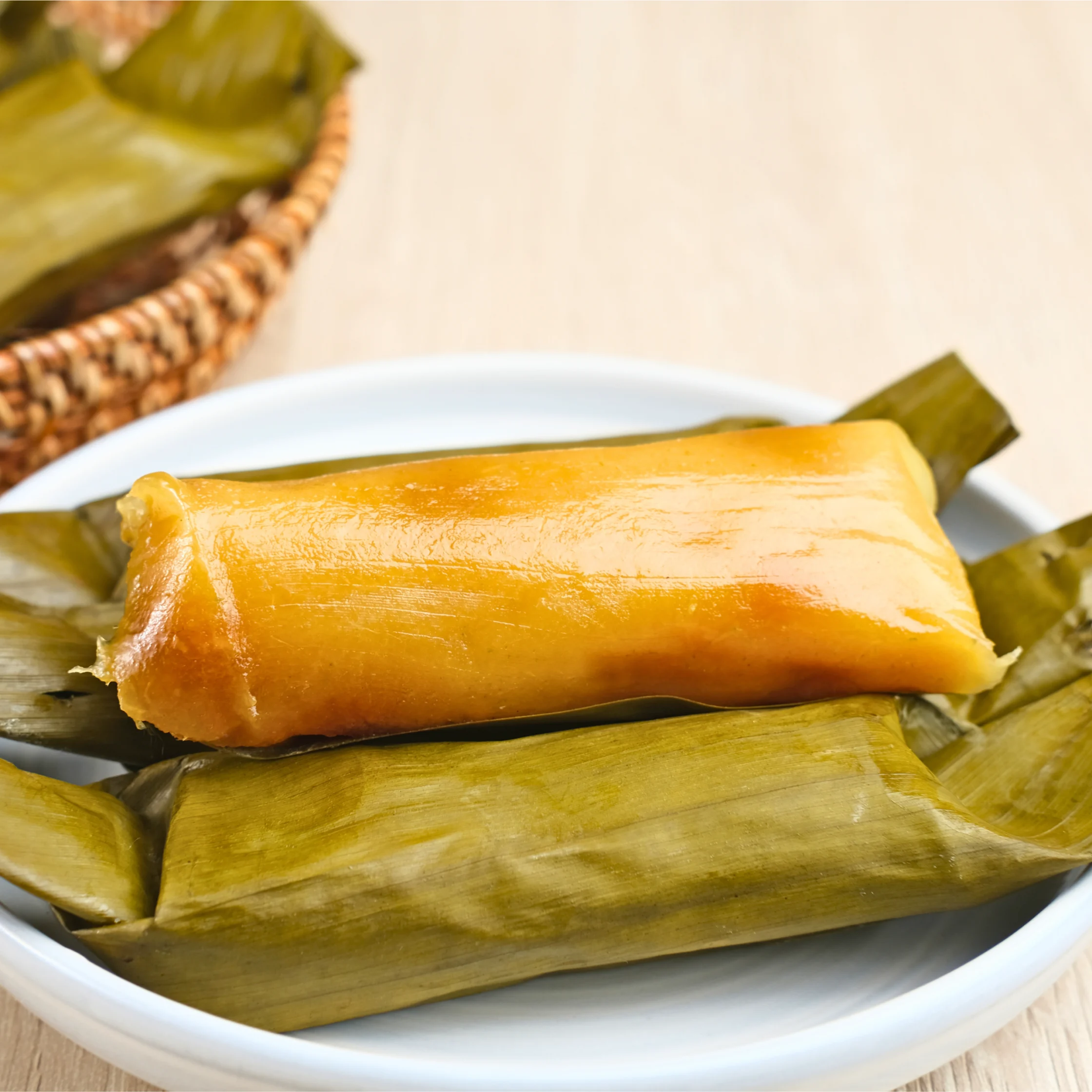
As evidenced by colonial records, there was one sermon attributed to a Spanish priest that reprimanded parishioners for continuing to offer suman to their traditional deities, telling them instead to practice Christianity. This remark gives us a glimpse into how suman is used for acts of devotion.
“Suman is a memory of a divine connection between people and their god. It’s now a snack. Once upon a time, it was a form of reverence.”

Frequently Asked Questions
Kinilaw is considered one of the oldest surviving examples of precolonial Filipino cuisine, showcasing how early Filipinos used vinegar to flavor and preserve seafood.
Rice reflects the agricultural, social, and spiritual foundations of Filipino civilization and remains central to daily meals across the country.
Adobo symbolizes the blending of indigenous Filipino cooking traditions and Spanish culinary influence, making it a powerful example of cultural adaptation.
Pigs were often used in rituals, offerings, and celebrations, making them culturally and spiritually significant beyond their role as food.
Historical records show that rice cakes like suman were used as offerings in indigenous religious practices before Spanish colonization.