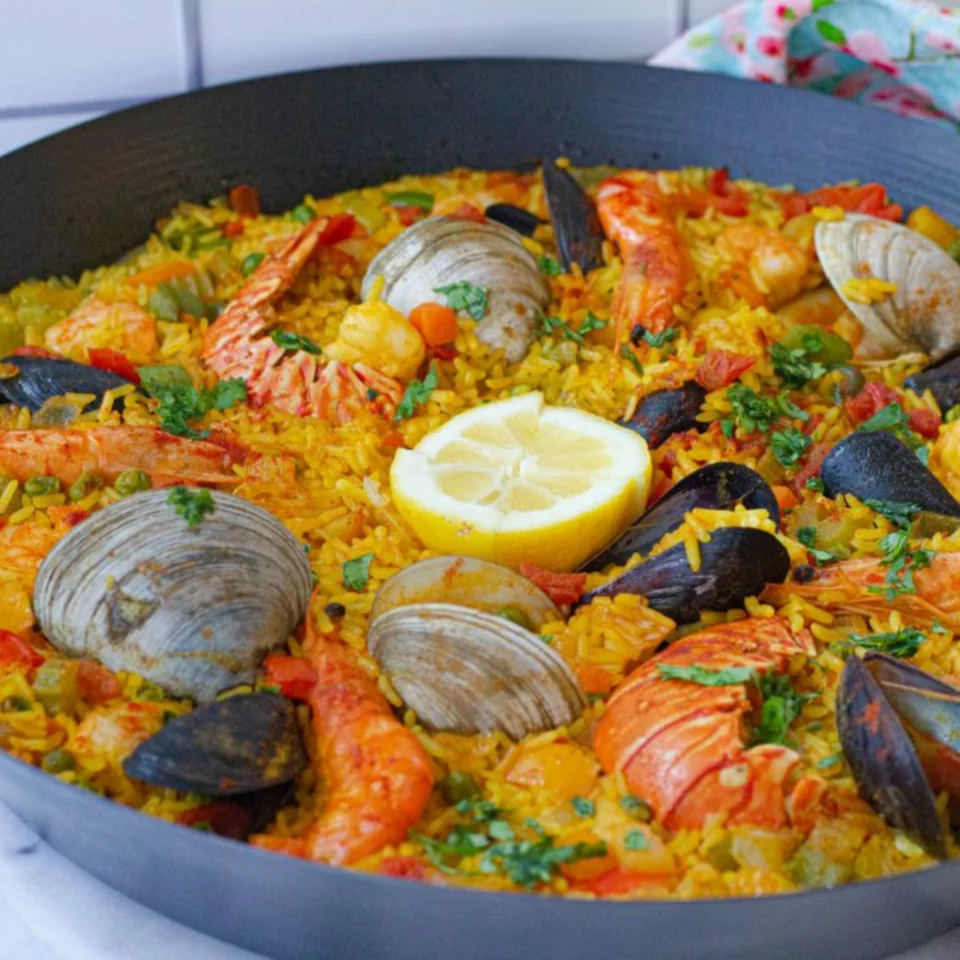


For many Filipinos, “I love you” isn’t always expressed through words. Sometimes, it comes as a well-packed lunch, a favorite dessert, a home-cooked meal, or the simple question, “Kumain ka na ba?”
Food has long been a Filipino way of showing care. We take on the arduous task of cooking for the people we love, bring food when we visit, learn someone’s favorite recipe, and even remember someone’s favorite dish long after they’re gone. So it’s no surprise that food also finds its way into traditions surrounding the dead.
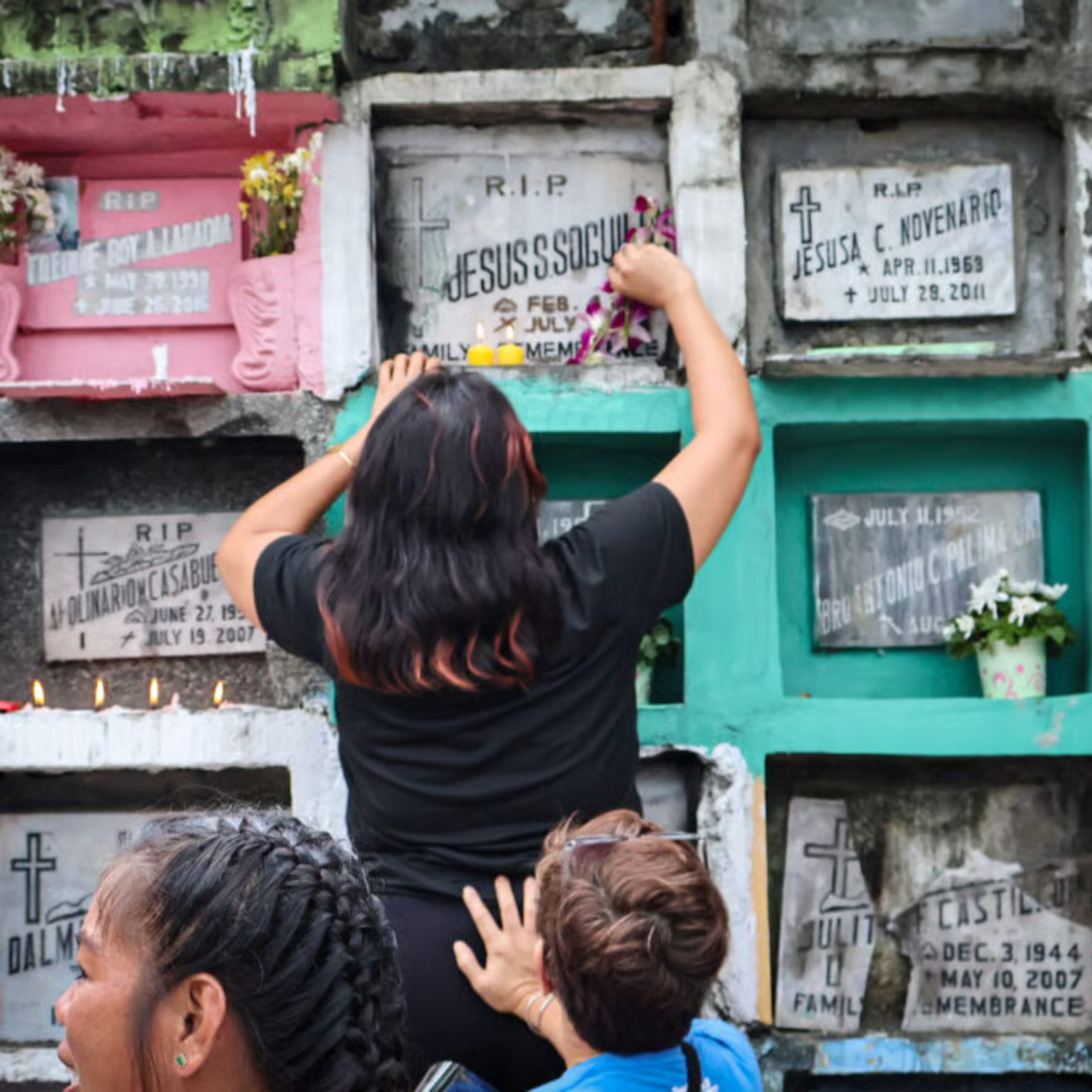
During Undas, Filipinos typically offer food to departed loved ones as a way of remembering and honoring them. This tradition supposedly comes from the belief that these offerings provide sustenance for the deceased as they make their journey towards the afterlife. This makes the act both practical and deeply emotional: food is nourishment, but offering it is also a way of saying, we remember you, we still care for you, and you’re still part of us.
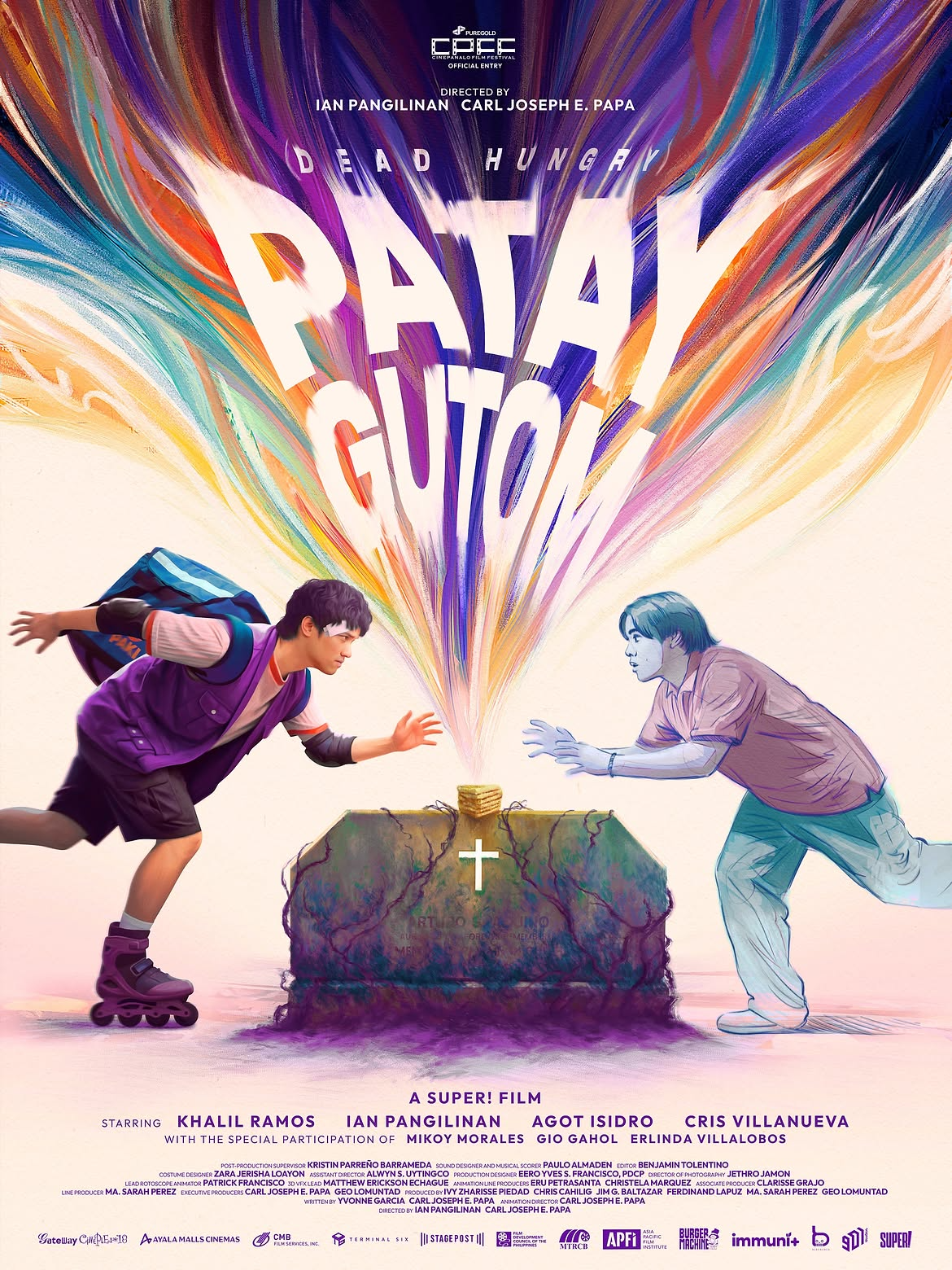
It’s an idea that sits at the heart of Patay Gutom, an upcoming film by Ian Pangilinan and Carl Joseph E. Papa for this year’s Puregold CinePanalo Film Festival that uses food and the act of offering it to the dead as a central part of its story.
When Food Becomes a Love Language
For Pangilinan, the tradition offered more than an intriguing supernatural premise. It gave the film a way to explore one of its central themes in love.
“We wanted a story that’s about love,” Pangilinan explained. “And how does one show love to the dead?”
In Patay Gutom, food might be the device that allows its two main characters to meet and interact, but its significance goes much deeper than that. Throughout the film, as Pangilinan shared, food becomes a recurring motif for the different ways people express affection.
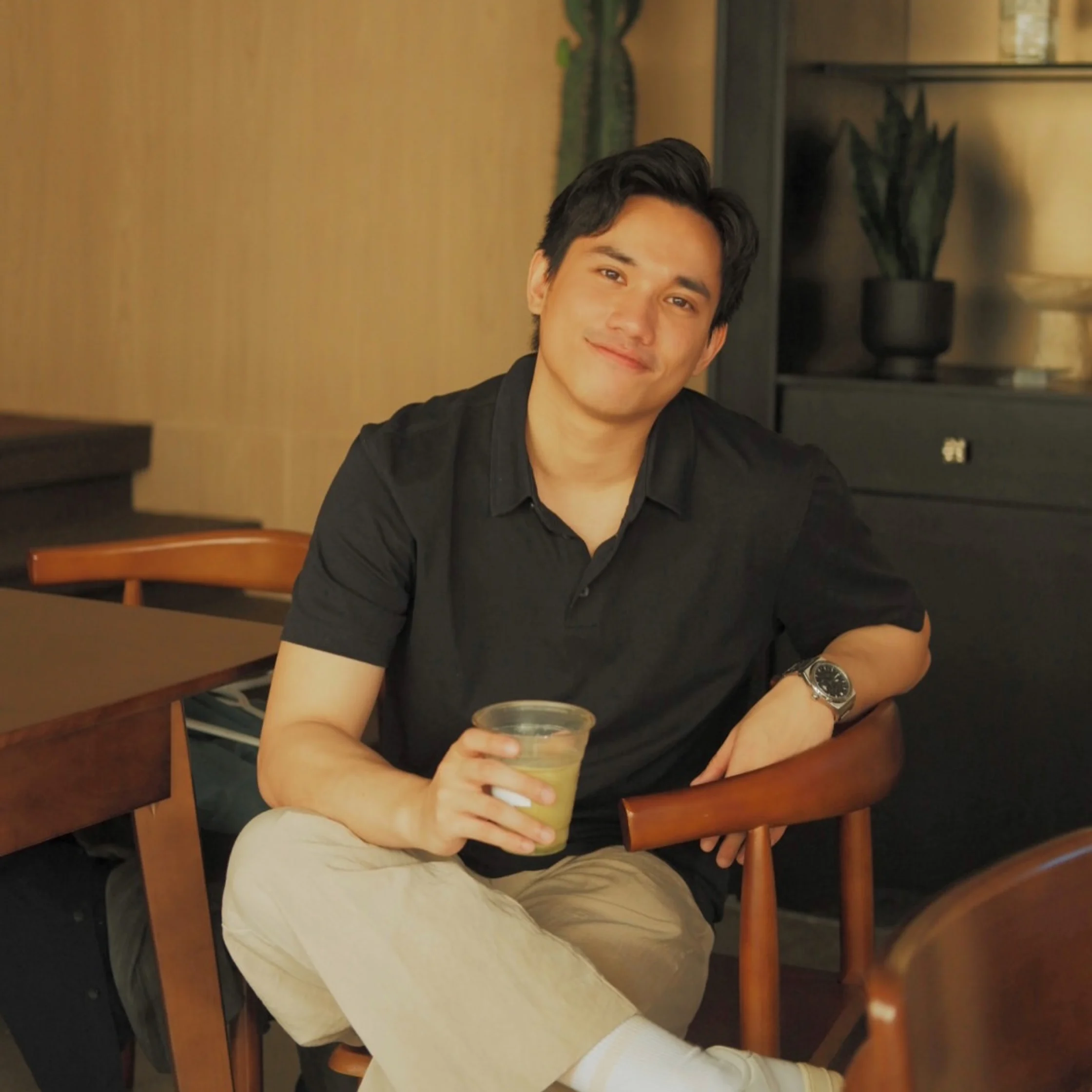
“When they try to express love, usually it’s in the form of food,” he said. “It’s like, ‘Oh, let’s go to your favorite burger place. Let’s get your favorite dessert. I’m gonna invite you over for dinner to show you that I love you.’”
It’s a particularly familiar form of affection for Filipinos—making food rarely just about food. Instead, it’s something meant to be shared, offered, prepared for someone, or remembered through someone’s favorite flavors.
“Especially amongst us Filipinos, food is something to be shared, is something to be experienced with community,” Pangilinan emphasized.
That sense of community is also one of the film’s larger themes. In this context, offering food becomes a small but powerful way to bridge distance between people, even when that distance is immeasurable like death itself.
Pangilinan also explains that the film draws on the idea of food as an offering meant to remember the departed. In the world of Patay Gutom, however, that act takes on another meaning by also helping the dead remember who they are.
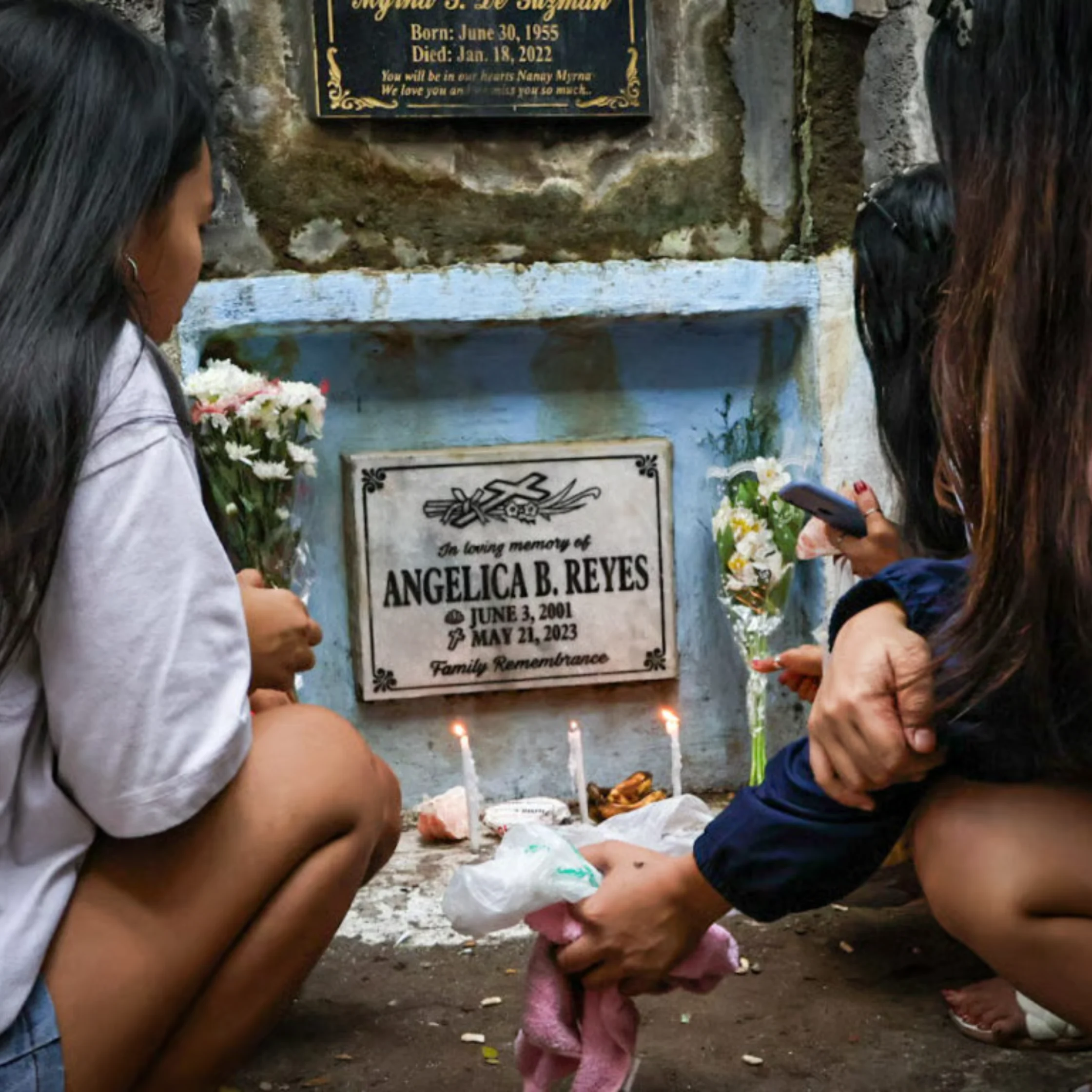
“If you show love to them, they’re not gonna be lost in the afterlife,” he said. “They’re gonna remember who they are. They’re gonna be strengthened by it.”
That echoes the idea of food as a form of sustenance for the journey towards the afterlife—turning the familiar gesture of feeding someone you love into something that transcends the physical world.
That’s what makes the tradition so emotionally resonant. Food is life-giving. It sustains us, comforts us, and brings us together, so we extend that care beyond the limits of life by offering food to someone who has already passed on.
A Favorite Food, A Familiar Memory
There is also something particularly Filipino about remembering people through what they liked to eat. Whether it’s a favorite meal, beloved dessert, or dish someone always asked for at home, food can be vessels for memory, carrying pieces of a person even after they are gone.
That’s where Patay Gutom finds an especially fitting metaphor. If food can be a substitute for love or one of the ways we communicate love, then offering food becomes more than an act of feeding—it also becomes an act of remembering.
In the film, Pangilinan says, the characters’ relationship with food reflects this idea repeatedly. Food is shared, offered, enjoyed together, and, at times, even stolen, all adding layers to the film’s exploration of love and community.
Ultimately, the tradition at the center of Patay Gutom taps into something much more familiar than the supernatural: the instinct to care for others through food.
Because sometimes, love can look like making sure someone has eaten, saving them the last piece of their favorite dish, or simply offering the dead something they used to love—just in case they’re still hungry.
“Patay Gutom” is showing from September 23 to October 4, 2026 in selected cinemas across Metro Manila.

Frequently Asked Questions
Offering food can be a way of remembering and honoring departed loved ones. The tradition is also associated with beliefs that food provides sustenance for the deceased on their journey into the afterlife.
During Undas and other occasions for remembering the departed, some Filipino families offer food as part of honoring their loved ones. Practices vary among families, communities, and religious traditions.
Food is deeply connected to Filipino ideas of hospitality, family, and community. Preparing, sharing, and offering food are common ways of expressing care and affection.
Undas is the Filipino observance associated with All Saints’ Day and All Souls’ Day, when many Filipinos honor and remember the dead, often by visiting cemeteries and spending time with family.
Patay Gutom is an upcoming film by Ian Pangilinan and Carl Joseph E. Papa for the Puregold CinePanalo Film Festival. The film uses food and the act of offering food to the dead as part of its exploration of love, memory, and community.