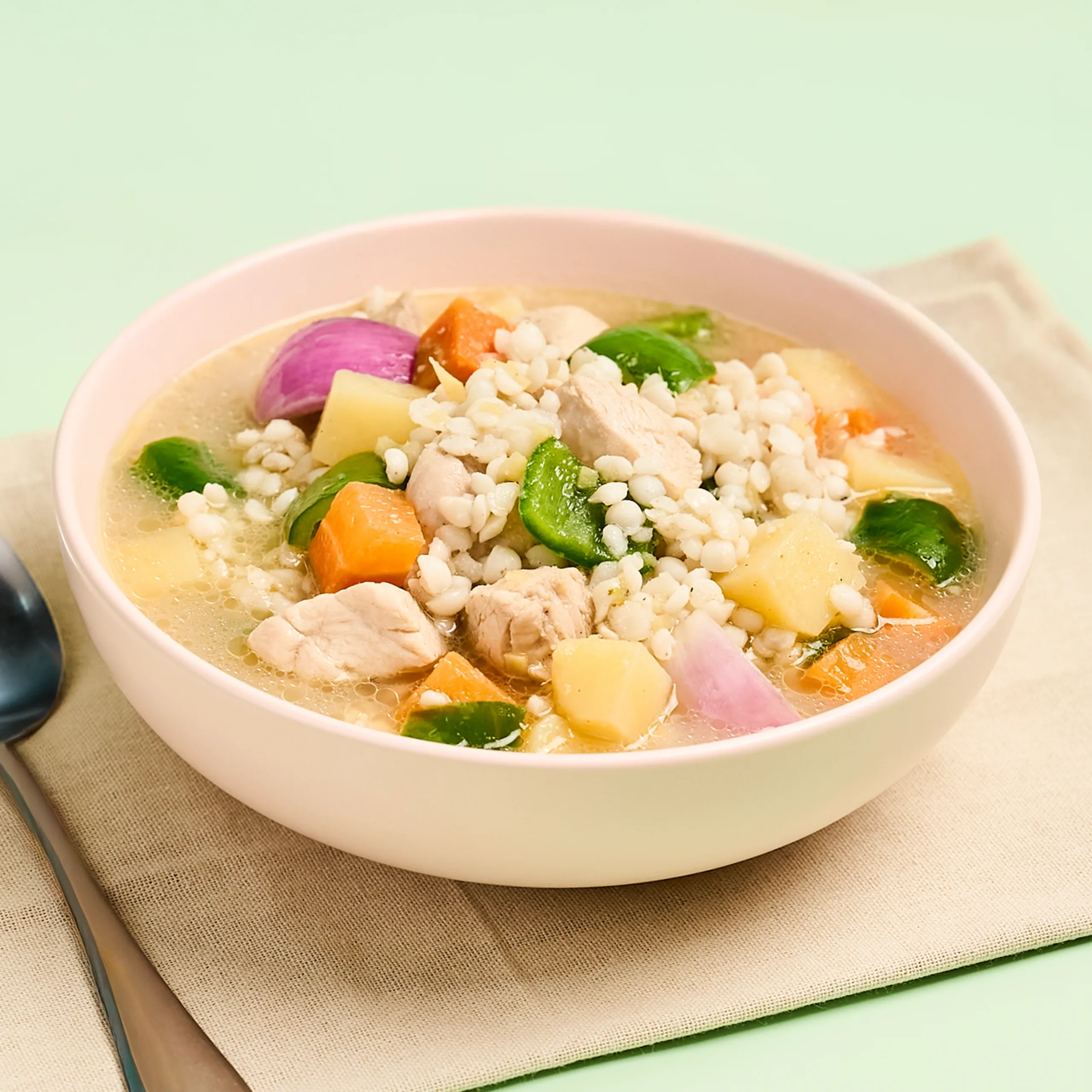


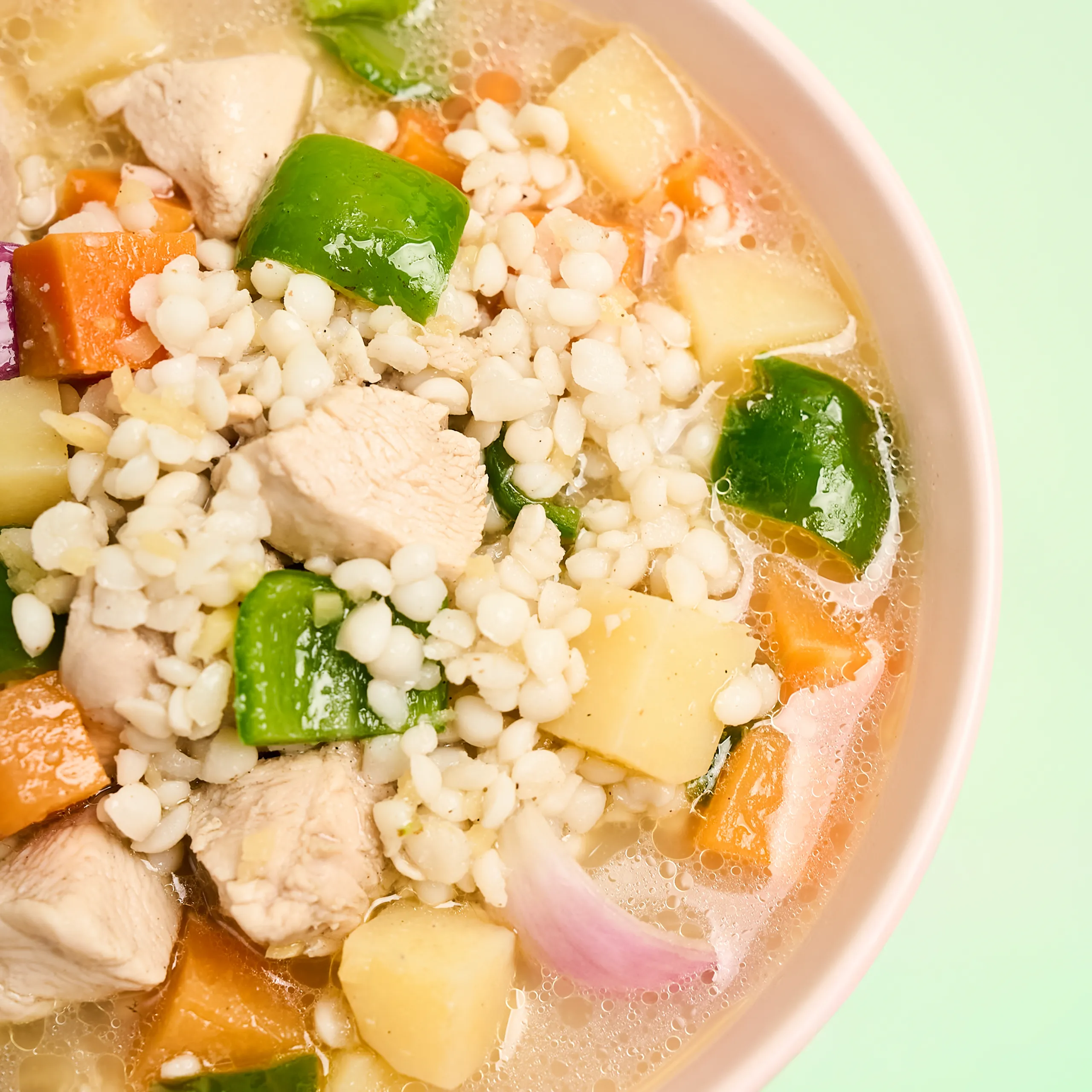
Adlai Chicken Soup Recipe
There’s something especially comforting about a warm bowl of chicken soup. It’s the kind of food we turn to on rainy afternoons, chilly evenings, or simply on days when we want something nourishing without making a complicated meal. This Adlai Chicken Soup puts a Filipino-inspired twist on the familiar chicken soup by using adlai, or Job’s tears, instead of the usual rice or noodles.
Adlai has a pleasantly chewy texture and a mild, slightly nutty flavor that makes it a wonderful addition to soups and stews. Combined with tender chicken, ginger, garlic, vegetables, and a savory broth, it creates a filling meal that feels both wholesome and comforting.
What I particularly like about this recipe is that it doesn’t require fancy ingredients or complicated cooking techniques. Most of the flavor comes from a simple combination of aromatics—garlic, onion, and ginger—while fish sauce gives the broth that familiar savory depth. A small drizzle of sesame oil at the end adds a subtle toasted aroma that brings everything together.
Whether you are already familiar with adlai or trying it for the first time, this soup is an easy and delicious way to include this traditional grain in your everyday meals.
A Little History of Adlai
Adlai, commonly known as Job’s tears, is an ancient grain that has been cultivated and eaten in different parts of Asia for centuries. In the Philippines, it is considered one of the country’s traditional and indigenous grains and has become increasingly popular as an alternative to rice.
The name “Job’s tears” comes from the hard, teardrop-shaped appearance of the grain’s outer covering. Depending on how it is processed, adlai can be cooked and eaten much like rice, added to soups, used in porridge, or incorporated into salads and other dishes.
For generations, local communities have grown and consumed adlai, particularly in areas where it is well suited to the climate and agricultural conditions. Today, it is receiving renewed attention because of growing interest in traditional crops, local food production, and alternatives to commonly eaten grains.
Using adlai in soup is particularly practical because the grain absorbs some of the flavors from the broth while maintaining a pleasantly chewy texture. It can make a simple soup feel more substantial without making it overly heavy.
Why You’ll Love This Adlai Chicken Soup
This recipe is a great choice when you want a meal that is:
- Warm and comforting
- Simple enough for everyday cooking
- Filling without relying on noodles
- Packed with chicken and vegetables
- A good way to try adlai
- Easy to adjust according to what you have in your kitchen
The ginger gives the soup a gentle warmth, the garlic and onion create a flavorful base, and the chicken adds protein and richness. The vegetables bring color, texture, and additional nutrients, while the adlai makes the soup hearty enough to serve as a complete meal.
Cooking Tips for the Best Adlai Chicken Soup
Rinse the adlai well.
Give the grains a thorough rinse before cooking. This helps remove surface impurities and excess starch.
Consider soaking the adlai.
Soaking isn’t absolutely necessary, but it can help the grains cook more quickly and evenly.
Use chicken stock for a richer broth.
Water works perfectly well, especially if you want a lighter soup. Chicken stock, however, gives the dish a deeper savory flavor.
Don’t rush the aromatics.
Garlic, onion, and ginger may seem like simple ingredients, but allowing them to sauté gently before adding the liquid gives the soup much more flavor.
Watch the liquid level.
Adlai absorbs liquid as it cooks. If you like a brothy soup, keep some extra stock or hot water nearby and add it as needed.
Cut the vegetables evenly.
Try to cut the potato and carrot into similarly sized pieces so they cook at roughly the same rate.
Season gradually.
Fish sauce contributes both saltiness and umami. Taste the soup before adding more salt.
Add sesame oil at the end.
A little goes a long way. Adding it after cooking helps preserve its characteristic aroma.
Ingredient Substitutions
One of the best things about this soup is how flexible it is.
Chicken
Chicken breast is convenient because it cooks quickly and provides a lean source of protein. However, you can substitute boneless chicken thighs if you prefer meat that is more tender and flavorful.
You can also use leftover cooked chicken. If using cooked chicken, add it later in the cooking process so it doesn’t become dry and overcooked.
Fish Sauce
Fish sauce provides a distinctly savory, umami-rich flavor. If you don’t have it or prefer not to use it, you can substitute:
- Soy sauce
- Tamari
- A combination of soy sauce and a little mushroom seasoning
- Salt, if you want a simpler flavor
Keep in mind that these substitutes will change the character of the soup.
Adlai
Adlai is the star ingredient, but if you can’t find it, you can make the same basic soup using:
- Brown rice
- White rice
- Barley
- Quinoa
- Other whole grains suitable for soup
Cooking times and liquid requirements will vary depending on the substitute, so adjust accordingly.
Vegetables
The potato, carrot, and green pepper can easily be changed according to what you have available.
You could also add:
- Chayote
- Cabbage
- Corn
- Green beans
- Spinach
- Pechay
- Mushrooms
- Celery
This makes the recipe particularly useful for cleaning out the vegetable drawer.
Sesame Oil
If you don’t have sesame oil, you can simply leave it out. The soup will still be delicious. Alternatively, a small amount of toasted sesame seeds can provide a similar nutty aroma.
Understanding the Main Ingredients
Adlai
Adlai is a grain with a naturally chewy texture and mild, slightly nutty taste. It can be used in many of the same ways as rice and is particularly enjoyable in soups because it holds its texture well.
It also provides carbohydrates and fiber, making the soup more satisfying.
Chicken
Chicken provides high-quality protein, which is important for maintaining and repairing body tissues. Chicken breast is relatively lean, making it a practical choice when you want a lighter protein source.
Ginger
Ginger is more than just a flavoring ingredient. It has been used traditionally in many cultures for digestive comfort and as a warming ingredient in food and beverages.
In this soup, ginger provides a gentle spicy warmth that balances the richness of the chicken and savory broth.
Garlic
Garlic contributes a deep savory aroma and flavor. It contains sulfur-containing compounds that are responsible for many of its characteristic properties.
You don’t need a large amount—three cloves are enough to make a noticeable difference in the broth.
Onion
Onion forms part of the flavor base of the soup. When gently sautéed, it becomes sweeter and more aromatic, giving the broth greater depth.
Carrots
Carrots contribute natural sweetness, color, texture, and nutrients. They are particularly good in chicken soup because their sweetness balances salty and savory flavors.
Potato
Potatoes make the soup more filling and give the broth a little additional body as they cook.
Green Pepper
Green pepper adds freshness and a mild vegetal flavor. It also provides color that contrasts nicely with the golden broth and other ingredients.
Health Benefits of the Ingredients
This soup contains a combination of protein, carbohydrates, vegetables, and flavorful aromatics, making it a well-rounded meal.
Adlai provides carbohydrates for energy and contains dietary fiber. It can be a satisfying alternative to refined grains, although its exact nutritional profile depends on how it is processed and prepared.
Chicken provides protein and several vitamins and minerals, including B vitamins and selenium.
Carrots are especially known for their beta-carotene content, which the body can convert to vitamin A. Vitamin A plays an important role in normal vision and immune function.
Garlic and onions contain naturally occurring plant compounds and antioxidants. Including a variety of vegetables and aromatics in your meals is a simple way to increase dietary variety.
Ginger contains naturally occurring compounds such as gingerols and has a long history of culinary and traditional use.
Green pepper contributes vitamin C and other plant compounds while adding flavor without requiring much additional fat.
Keep in mind that while these ingredients can contribute to a nutritious diet, no single soup or ingredient should be considered a cure or treatment for a health condition.
How to Make It More Nutritious
If you want to increase the nutritional value of the soup, there are several easy adjustments you can make.
Add more vegetables if you enjoy a vegetable-heavy soup. Leafy greens such as spinach or pechay can be stirred in during the final few minutes of cooking.
You can also use chicken thighs if you prefer their richer flavor, or add mushrooms for another savory component.
For a lighter soup, use skinless chicken breast and a low-sodium chicken stock. Since fish sauce is naturally salty, using less fish sauce and adjusting the seasoning at the end can also help you control the overall sodium content.
How to Store Adlai Chicken Soup Properly
If you have leftovers, allow the soup to cool slightly and transfer it to clean, airtight containers.
For food safety, don’t leave cooked soup sitting at room temperature for an extended period. Refrigerate leftovers promptly.
Refrigerator
Store the soup in an airtight container in the refrigerator and use it within 3–4 days.
Because adlai continues absorbing liquid as it sits, you may notice that the soup becomes thicker the next day. Simply add a little water or chicken stock when reheating.
Freezer
The soup can also be frozen in freezer-safe containers.
For convenience, divide it into individual portions before freezing. This allows you to thaw only what you need.
Leave a little space at the top of the container because liquids expand when frozen.
For best quality, use frozen soup within about 2–3 months, although continuously frozen food can remain safe longer when kept at the proper temperature. Quality and texture may gradually decline over time.
Reheating
When reheating, heat the soup thoroughly until it is steaming hot throughout.
If the adlai has absorbed much of the broth, add water or chicken stock to loosen it. Taste again and adjust the seasoning after adding extra liquid.
For frozen soup, thaw it safely in the refrigerator or reheat it directly if your container and method are appropriate.
How to Store the Ingredients
Proper storage before cooking can also help preserve the quality of your ingredients.
Adlai: Keep uncooked adlai in a cool, dry place in a tightly sealed container. Protect it from moisture, heat, and insects. For longer storage, you can keep it refrigerated or frozen in an airtight container.
Chicken: Keep raw chicken refrigerated and use it according to the package’s freshness guidance, or freeze it if you won’t be cooking it soon.
Ginger: Fresh ginger can be kept refrigerated for longer storage. Keep it dry and use a clean utensil or knife when preparing it.
Garlic and onions: Store whole garlic and onions in a cool, dry, well-ventilated area rather than in a sealed plastic bag.
Potatoes: Keep potatoes in a cool, dark, dry place. Avoid storing them in direct sunlight.
Carrots and green peppers: Refrigerate them in the vegetable drawer and keep them dry to help maintain their quality.
What Does Adlai Chicken Soup Taste Like?
The flavor is savory, aromatic, and comforting.
The chicken gives the broth a familiar richness, while fish sauce adds depth and umami. Garlic and onion provide the foundation, and ginger gives the soup a gentle warmth.
The adlai is what makes the dish different from a typical chicken soup. Instead of soft rice or noodles, you get chewy, slightly nutty grains that make each spoonful more substantial.
The potato and carrot add mild sweetness, while the green pepper gives the soup a fresh vegetable note. Finally, the sesame oil adds a subtle toasted aroma.
It’s simple food, but that’s part of its appeal.
Serving Suggestions
Serve the soup hot in a bowl with plenty of broth and a generous amount of adlai, chicken, and vegetables.
You can garnish it with chopped spring onions, fresh herbs, toasted garlic, or a little freshly ground black pepper.
For those who enjoy a little heat, sliced chili peppers or a small amount of chili oil can be added just before serving.
A squeeze of calamansi or lemon can also brighten the flavor, especially if the soup tastes particularly rich.
Frequently Asked Questions
Do I need to soak adlai before cooking?
No. Soaking is optional, but it can help reduce cooking time and encourage more even cooking. If you don’t soak it, simply allow additional cooking time as needed.
Why did my soup become too thick?
Adlai naturally absorbs liquid as it cooks and continues doing so while the soup cools. Add more water or chicken stock until you reach the consistency you prefer.
Can I use leftover chicken?
Yes. Shredded or cubed leftover cooked chicken works well. Add it toward the end of cooking and simmer just long enough to heat it through.
Can I make this soup ahead of time?
Yes. In fact, the flavors can become even more blended after resting. Just remember that the adlai will continue absorbing broth, so you may need to add extra liquid when reheating.
Can I make this without fish sauce?
Absolutely. Use soy sauce, tamari, or simply season with salt and pepper. The flavor will be slightly different but still delicious.
Final Thoughts
Adlai Chicken Soup is a wonderful example of how a familiar comfort food can be made a little more interesting by using a traditional grain.
It’s hearty without being complicated, flavorful without requiring a long list of ingredients, and flexible enough to adapt to whatever vegetables and proteins you have on hand. Most importantly, it gives adlai a place in an everyday meal rather than treating it as something that needs a special occasion.
The combination of tender chicken, chewy adlai, colorful vegetables, ginger, garlic, and savory broth makes every spoonful comforting and satisfying. It’s the kind of recipe you can make for your family on a rainy day, prepare ahead for weekday meals, or simply enjoy when you’re craving something warm and homemade.
If you’ve never cooked with adlai before, this soup is a great place to start. Once you get used to its pleasantly chewy texture, you may find yourself looking for even more ways to use this versatile Filipino grain.
Sometimes, the best meals aren’t the most complicated ones. They’re the simple dishes made with familiar ingredients, cooked with care, and shared while they’re still warm.