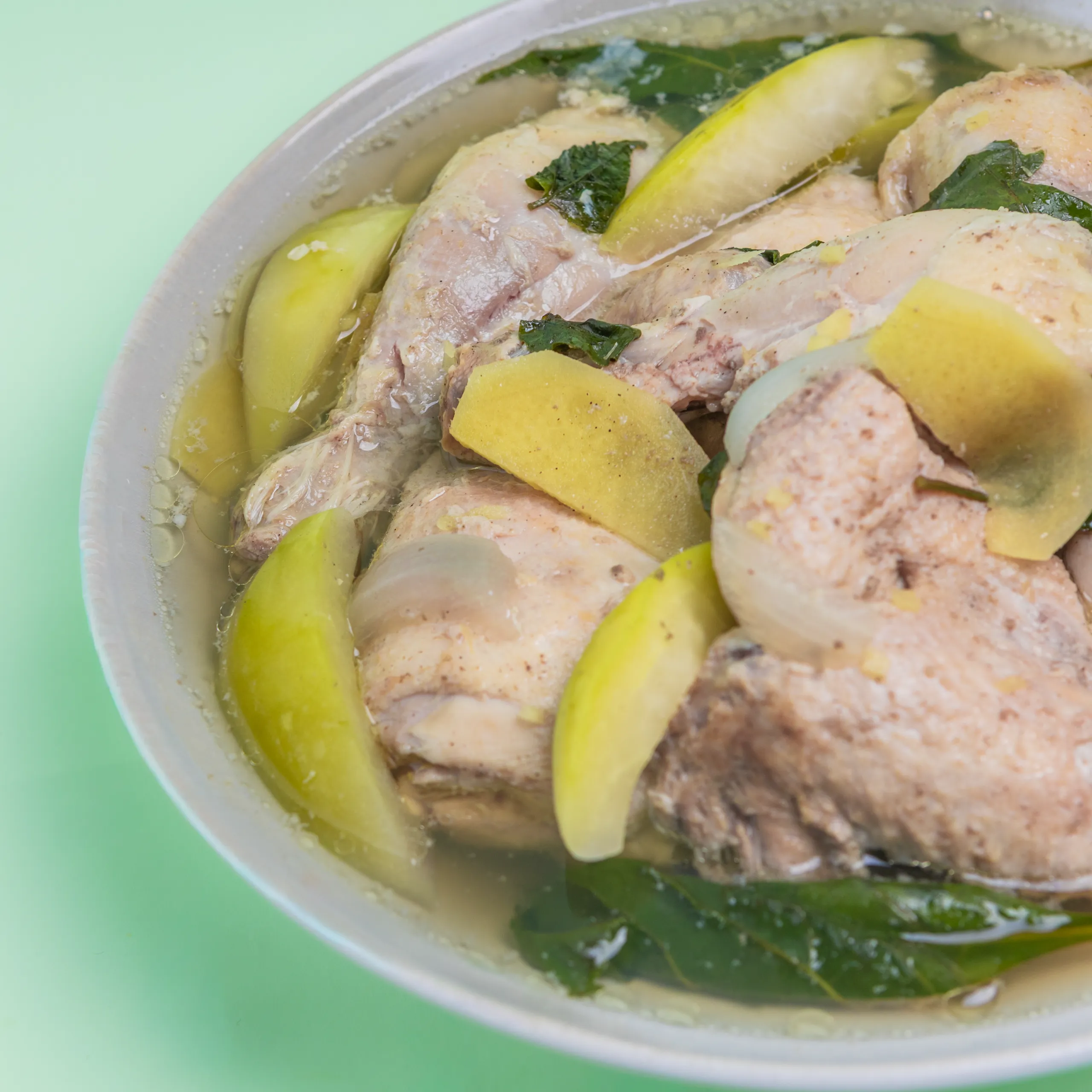


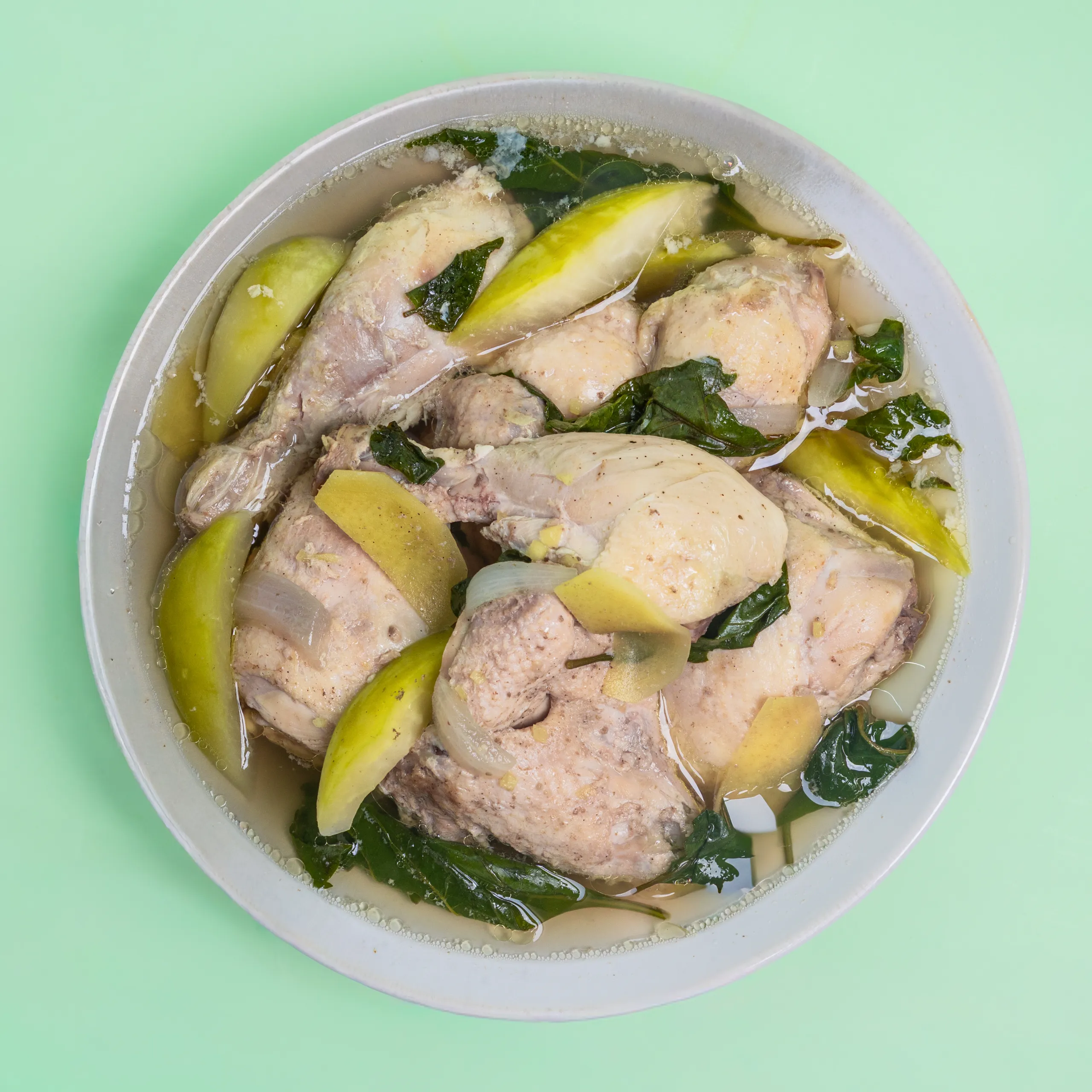
Tinolang Manok is the Chicken Soup of our Nation. As far as I can remember this is a staple dinner or lunch recipe in every Filipino household. Especially when you’re down and out with the flu or any virus or sickness you have. The ginger based soup broth soothes you. Ginger is considered as an antioxidant and is rich in vitamins, that helps the body fight bacterial infections, soothe sore throat, fight cold symptoms.
We don’t only have ginger as the healing ingredient. We also have Malunggay or popularly known as Moringa. An antioxidant, anti-Inflamatory, a good source that helps you manage your blood sugar, also known as the drumstick tree, the miracle tree, the ben oil tree.
Wondering how this became a Filipino staple? Cooking chicken in ginger broth was said to be around even before the Spaniards arrived Philippine soil. But, Antonio Pigafeta who circumnavigated the world during the 1500’s with Ferdinand Magellan, kept a food diary. In that food diary, Pigafeta described one dish that was very Tinola. He also wrote about other Filipino dishes that were served to him and Magellan when they were in our territory. Fast forward to the year of Noli me Tange (or in English: Touch Me Not) which was written by none other than Dr. Jose Rizal. The Tinola was part of his novel. It was being served to Padre Damaso and Crisostomo Ibarra, who were main characters in the Novel which was written In 1887. Damaso was left with the chicken neck while Crisostomo Ibarra had the most prized chicken piece which is any part that’s not the neck of the chicken. The Friar cried foul not verbally but I’m sure his face said it all.
Whether you’re preparing it as a cozy weeknight dinner, a comforting meal during the rainy season, or a meal to nourish yourself or a loved one. This dish is easy to make and just like adobo, there are many different styles and types of this around the Philippine region.
Recipe Tips
- You would definitely want to choose bone in chicken for this. Flavourful chicken stock requires its bones.
- Fresh ginger should be used. This to me is a non- negotiable of this dish.
- Sautéing the aromatics (ginger, onions, garlic) brings out the aroma and is a good base to flavor your broth.
- I Personally would brown the chicken first. Not only do you get extra juices of the chicken out, it’s a good way to make sure your chicken isn’t bloody.
- If you see foam coming out from your broth. Skim it out, for a cleaner tasteful broth.
- The first vegetable you add after dealing with the chicken over heat is the sayote. Just make sure, you don’t over cook it. So low fire is much appreciated.
- Stir in the leafy greens during the last few minutes. We need the nutrients of those greens and over cooking them would kill the nutrition.
- Taste your broth before adding fish sauce or salt and pepper.
- Just like Adobo, Tinola taste even better a day after, and the day after that if you make a big pot to last you for a week. Taste through reaheating and time gets better.
- Thinking of rice? Yes please! Any Filipino viand with rice is the best marriage in your tummy. If you want more flavor, have some freshly squeezed calamansi and fish sauce (Patis) on the side for more flavor.
Ingredient Substitutions
Chicken
Free Range Chicken, Native Chicken, Organic Chicken. You name it, as long as it’s chicken that’s bone- in should be used for a good chicken broth flavor. Thank God for chicken packs that are segregated to parts. So if you’re a chicken thigh or wing or breast kind of person, you can just get whatever pack you like. As long as they have their bones.
Green Payaya
Sayote is commonly used and found in local markets and supermarkets in the Philippines. If there is none, you can use green papaya or zucchini, or upo (bottle gourd).
Fish Sauce
No fish sauce? That’s ok, use light soy sauce or coconut aminos.
Chili Leaves
Personally, when I make Tinola I choose Malunggay (Moringa) over Chili leaves. But some really like Chili leaves over Malunggay. Others put both. I’m a stick to one kid of girl so, I’m with Malunggay. Chili leaves doesn’t necessarily spice up your soup broth.
Ginger
Sorry not sorry but there is no other alternative but fresh ginger. Yes there is ginger powder, but it doesn’t have the nutrients that fresh ginger gives out when cooking Tinola. But as a last resort, yes you can use the powdered version but please remember fair warning was given- the flavor and taste to your tinola will not be the same as with fresh ginger.
Onion
White, yellow, or red onions can all be used depending on what you have available.
Helpful Tips:
- You would definitely want to choose bone in chicken for this. Flavourful chicken stock requires its bones.
- Fresh ginger should be used. This to me is a non- negotiable of this dish.
- Sautéing the aromatics (ginger, onions, garlic) brings out the aroma and is a good base to flavor your broth.
- I Personally would brown the chicken first. Not only do you get extra juices of the chicken out, it’s a good way to make sure your chicken isn’t bloody.
- If you see foam coming out from your broth. Skim it out, for a cleaner tasteful broth.
- The first vegetable you add after dealing with the chicken over heat is the sayote. Just make sure, you don’t over cook it. So low fire is much appreciated.
- Stir in the leafy greens during the last few minutes. We need the nutrients of those greens and over cooking them would kill the nutrition.
- Taste your broth before adding fish sauce or salt and pepper.
- Just like Adobo, Tinola taste even better a day after, and the day after that if you make a big pot to last you for a week. Taste through reaheating and time gets better.
- Thinking of rice? Yes please! Any Filipino viand with rice is the best marriage in your tummy. If you want more flavor, have some freshly squeezed calamansi and fish sauce (Patis) on the side for more flavor.
Serving and Storage Suggestions
Refridgerator Storage
- Cool down first: Let the soup reach room temperature before sealing.
- Two-hour window: Refrigerate within two hours of cooking to prevent bacteria.
- Airtight containers: Store in glass or BPA-free plastic containers.
- Separation trick: Store papaya/sayote separately if you dislike mushy veggies.
- Shelf life: Keep in the fridge for up to 3 to 4 days.
- Freezer Storage
- Leaf extraction: Remove moringa (malunggay) or chili leaves before freezing.
- Veggie warning: Green papaya or sayote will become very watery after thawing.
- Headspace logic: Leave one inch of space at the top of containers.
- Freezer bags: Heavy-duty freezer bags save space when laid flat.
- Shelf life: Keep frozen for up to 2 to 3 months.
Health Benefits and Nutrition
Tinolang Manok can be a nutritious meal because it combines protein, vegetables, and a flavorful broth in one dish.
Chicken is a good source of protein, which is important for maintaining muscles and supporting normal body functions. Choosing leaner chicken pieces or removing some of the skin can reduce the overall fat content.
Green papaya contributes fiber and various vitamins and minerals, while leafy vegetables such as chili leaves can add additional micronutrients and plant compounds to the meal.
Ginger also contains naturally occurring compounds that have been studied for their antioxidant and digestive properties. Garlic and onions contain beneficial plant compounds as well.
The broth itself is comforting and provides fluids, which can make tinola an especially appealing meal when you want something warm and hydrating.
However, one thing to watch is the sodium content. Fish sauce can contain a considerable amount of sodium, so people who need to limit sodium may want to reduce the amount used and rely more on ginger, garlic, onion, pepper, and other natural flavors.
The nutritional value of the entire meal will also depend on how much rice is served alongside the soup, the chicken cut used, and the amount of oil and fish sauce added.
Final Words
Tinolang Manok is a wonderful example of Filipino cooking at its most comforting. It does not depend on complicated techniques or an overwhelming number of ingredients. Instead, it allows a handful of familiar ingredients to work together: fragrant ginger, garlic and onion, tender chicken, savory fish sauce, mild green papaya, and fresh chili leaves.
What makes the dish special is its simplicity. A pot of tinola can turn an ordinary meal into something warm and memorable. Its clear broth feels light but flavorful, while the chicken and vegetables make it filling enough for the whole family.
Whether you are cooking it for the first time or preparing a recipe that reminds you of home, Tinolang Manok is more than just chicken soup—it is a comforting piece of Filipino food culture served in a bowl.