

Few dishes tell the story of Puerto Princesa quite like chao long.
As a result of the Fall of Saigon in 1975, thousands of Vietnamese “boat people” fled their country in search of safer ground. Many of them eventually ended up in Puerto Princesa, where the Philippine government, together with the United Nations High Commissioner for Refugees and the Catholic Church, established the Philippine First Asylum Center in 1979. Thousands of refugees lived on the camp before being resettled in countries like the United States, Canada, and Australia.
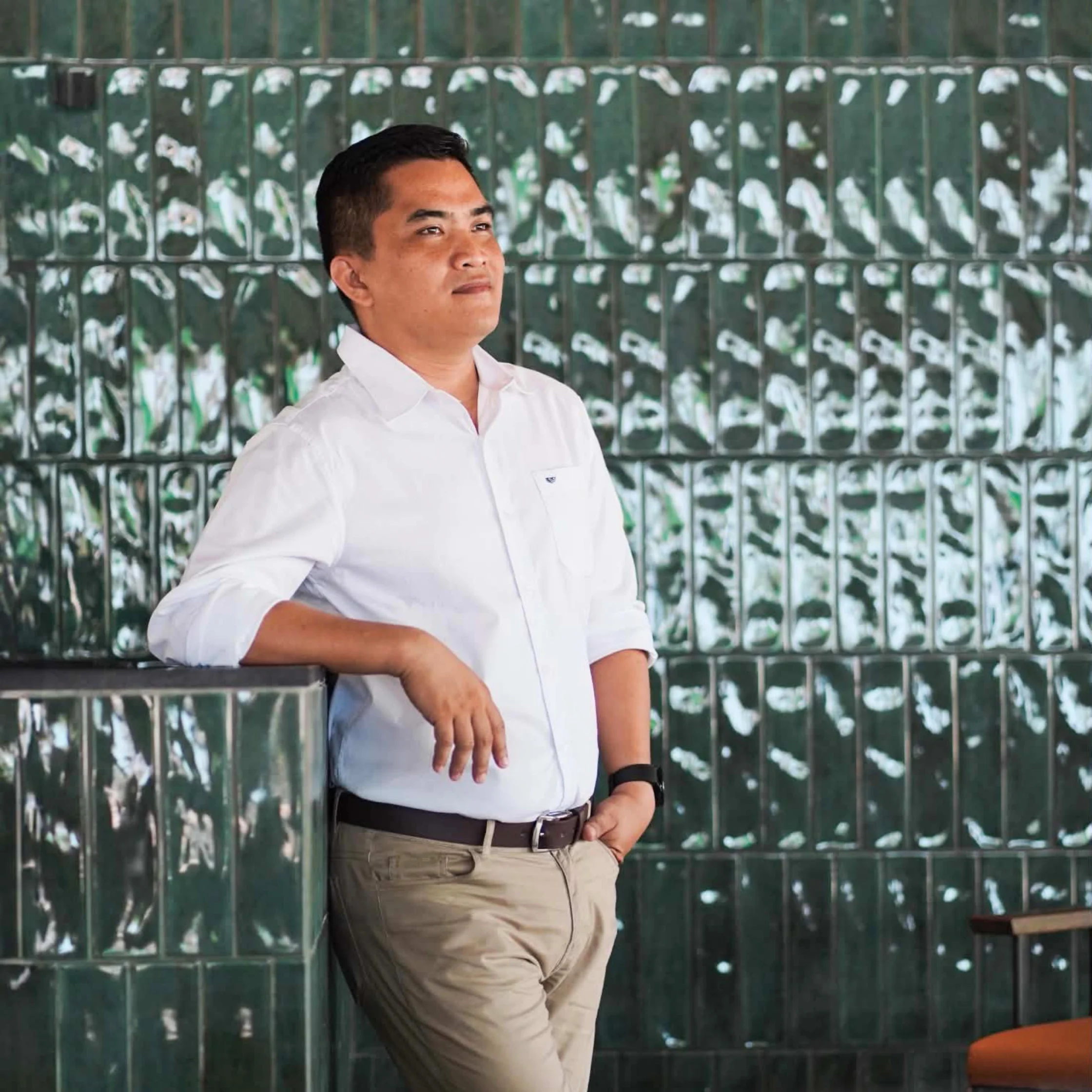
Though born and raised Palawan, Michael Mahinay, general manager of The Funny Lion, wasn’t there to witness the migration but when he moved from his home town to Puerto Princesa in 1994, he could still feel the presence of the Vietnamese refugees as they came with hope—and their food.
How Chao Long Became Puerto Princesa’s Favorite Comfort Food
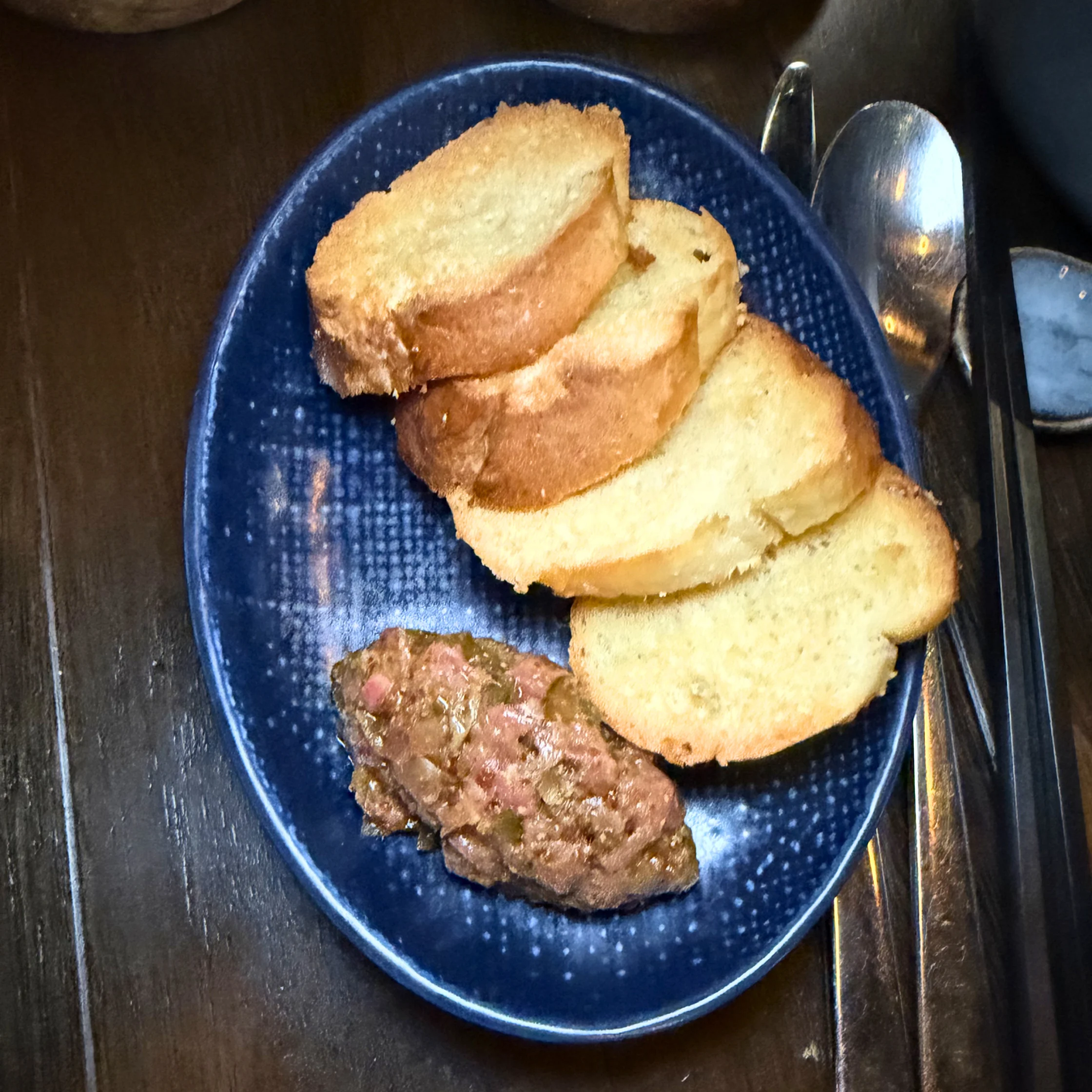
“Ang naging livelihood nila is pagbenta ng baguette, yung French bread. Sa tabing kalye lang, dun naka-display. Also gold jewelry,” says Mahinay. “And of course, chao long.”
At first glance, chao long is simply a hearty bowl of beef soup with rice noodles—perfumed with lemongrass, anise and other warming spices, and almost always served with warm French bread on the side, along with bean sprouts, coriander, chili and lime wedges. It’s basically a pho.
But the locals began calling it chao long.
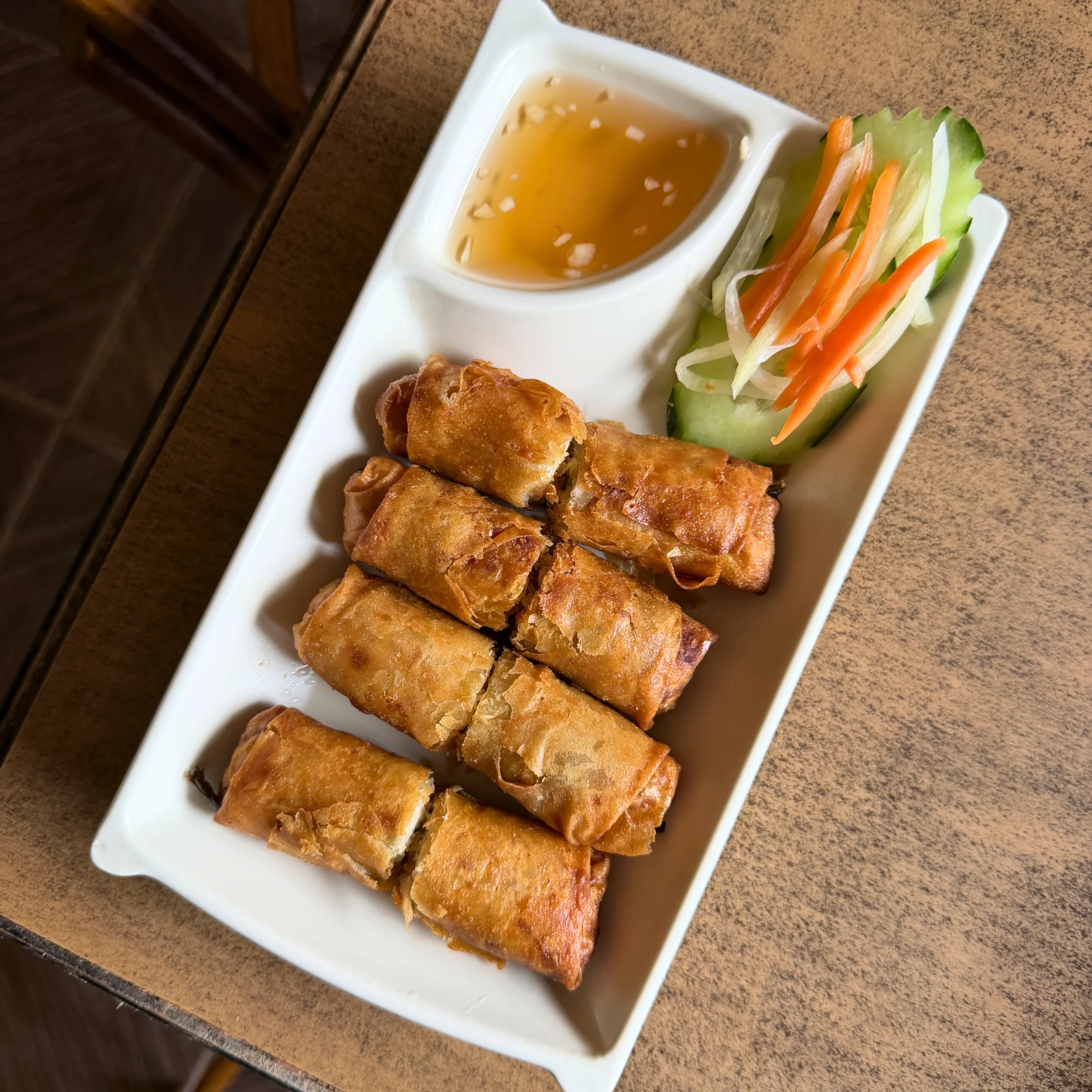
Interestingly, in Vietnam, the name actually refers to an entirely different dish—a rice porridge made with pork offal and blood. How the name became synonymous to the beef noodle soup remains uncertain, but over time, it became firmly embedded in Puerto Princesa’s culinary vocabulary.
“Nakasanayan sa Puerto Princesa na kapag pupunta ka sa Vietnamese restaurant, ang tawag namin ay chao long house. Never na na-correct. Even the Vietnamese kids, tawag namin sa kanila, chao long,” jokingly says Michael.
He adds, “Mga anak ko, kapag nagugutom sila ng madaling araw, nag-aaya silang mag chao long. May mga 24 hour na chao long house dito. Actually, every two blocks may chao long house. Naging part na talaga ng culture namin. Kapag malamig, we go for Chao long instead of sinigangSinigangA sour, savory Filipino soup soured with tamarind, guava, or calamansi and loaded with pork, shrimp, fish, or beef alongside vegetables like kangkong, radish, and string beans. A national comfortGo to Sinigang Glossary or any other Filipino soup.”
How Chao Long Evolved Into a Distinctly Palaweño Dish
The recipe evolved too.
When Vietnamese cooks were forced to adapt to locally available ingredients and Filipino palates, the broth gradually developed its own personality. It became slightly sweeter and the color got enriched with banana ketchup, tomato paste, or annatto, giving it a reddish hue. Calamansi replaced lime, while crusty French bread became an option.
What emerged wasn’t quite Vietnamese anymore. Nor was it entirely Filipino. It was distinctly Palaweño.
Rene Saigon, said to be one of the oldest Vietnamese chao long houses in the city, still serves the traditional version to date. Their menu gives guests an array to choose from: from the popular beef stew to the chicken, shrimp, and roast pork rice noodle soup alternatives.
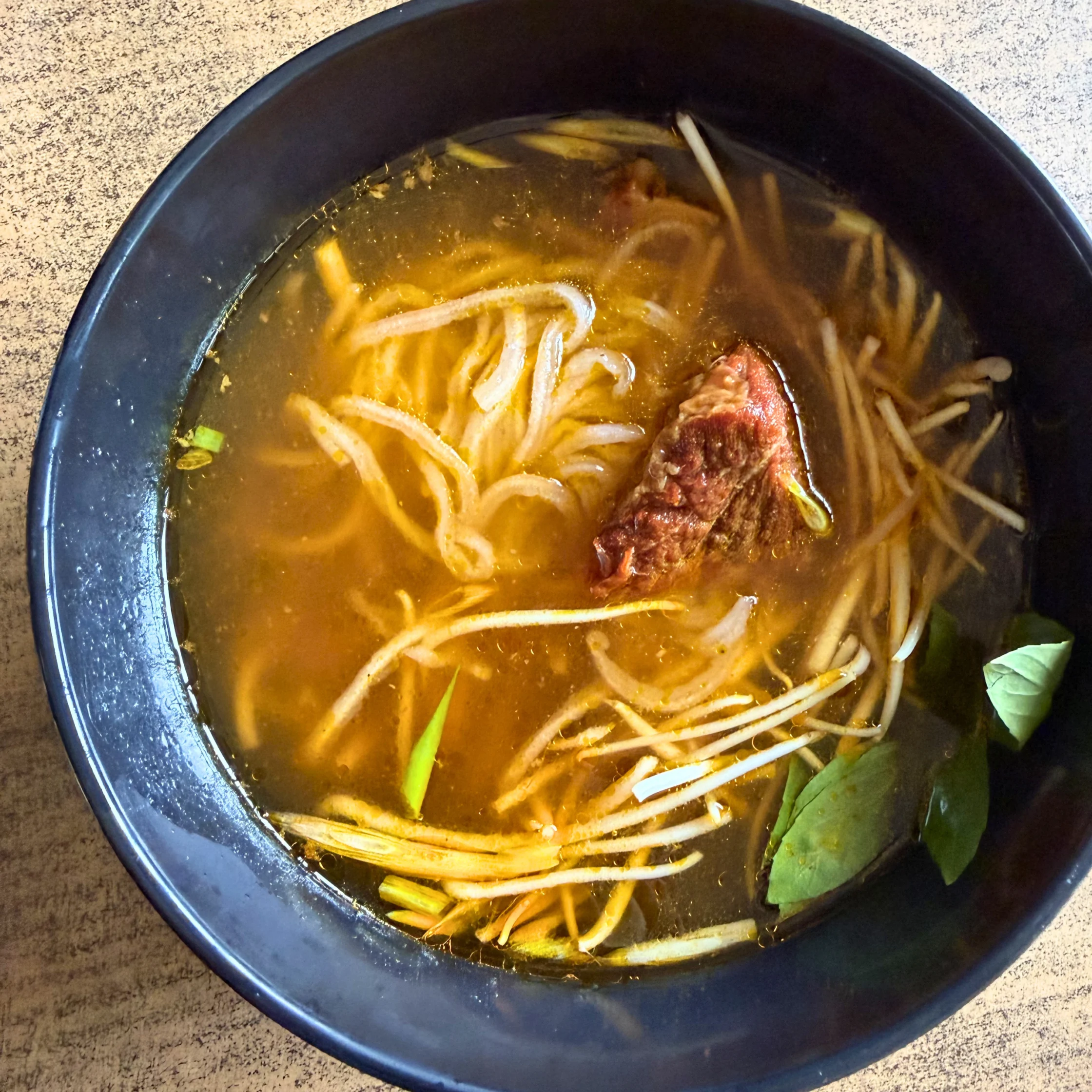
C75, lodged inside The Funny Lion, is on the other end of the spectrum with a chao long that’s gourmet-fied. They have one with a charred duck breast and duck skewers in a duck essence broth, and another that’s vegetarian—a variety of mushrooms (braised, oven-dried and pickled) in a mushroom broth.
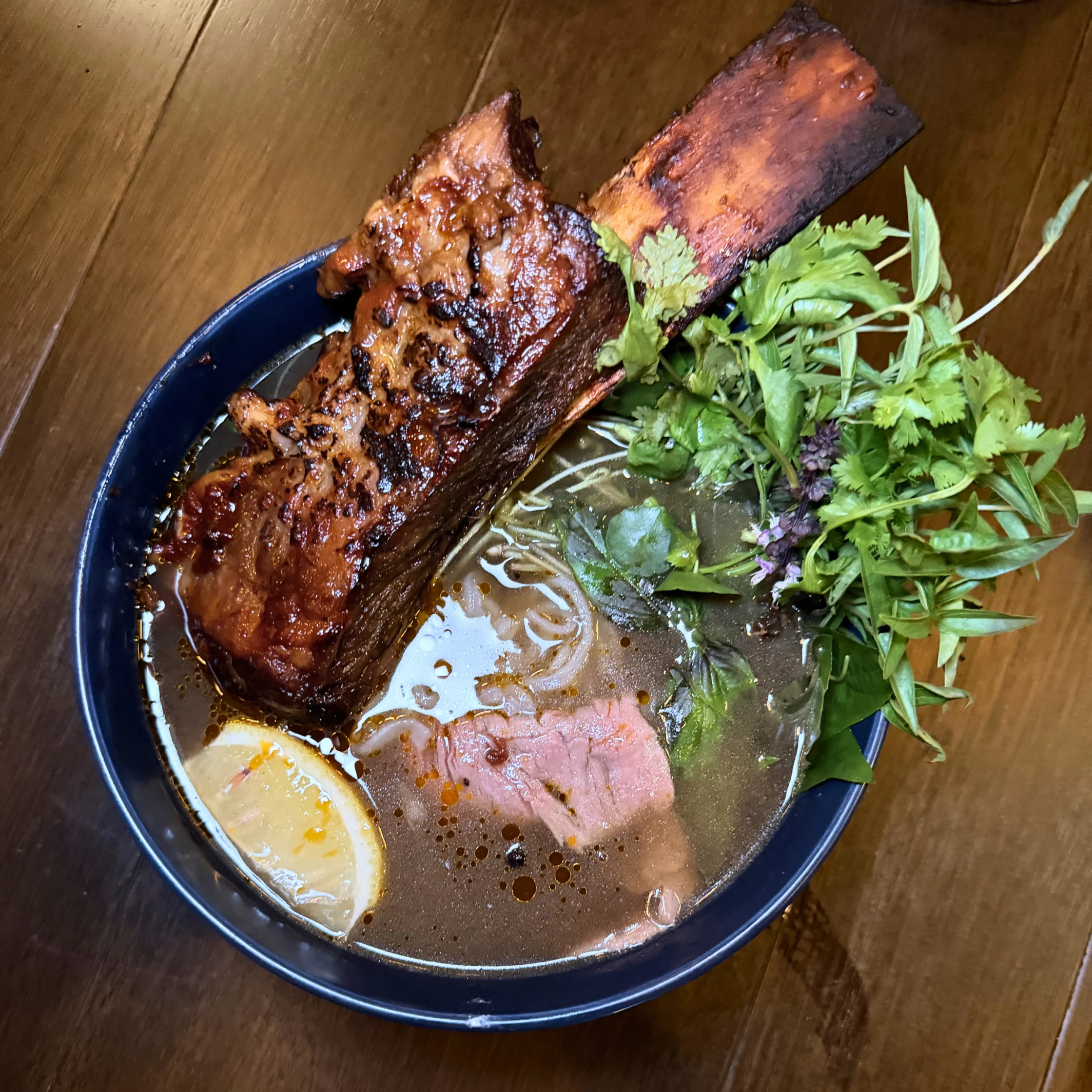
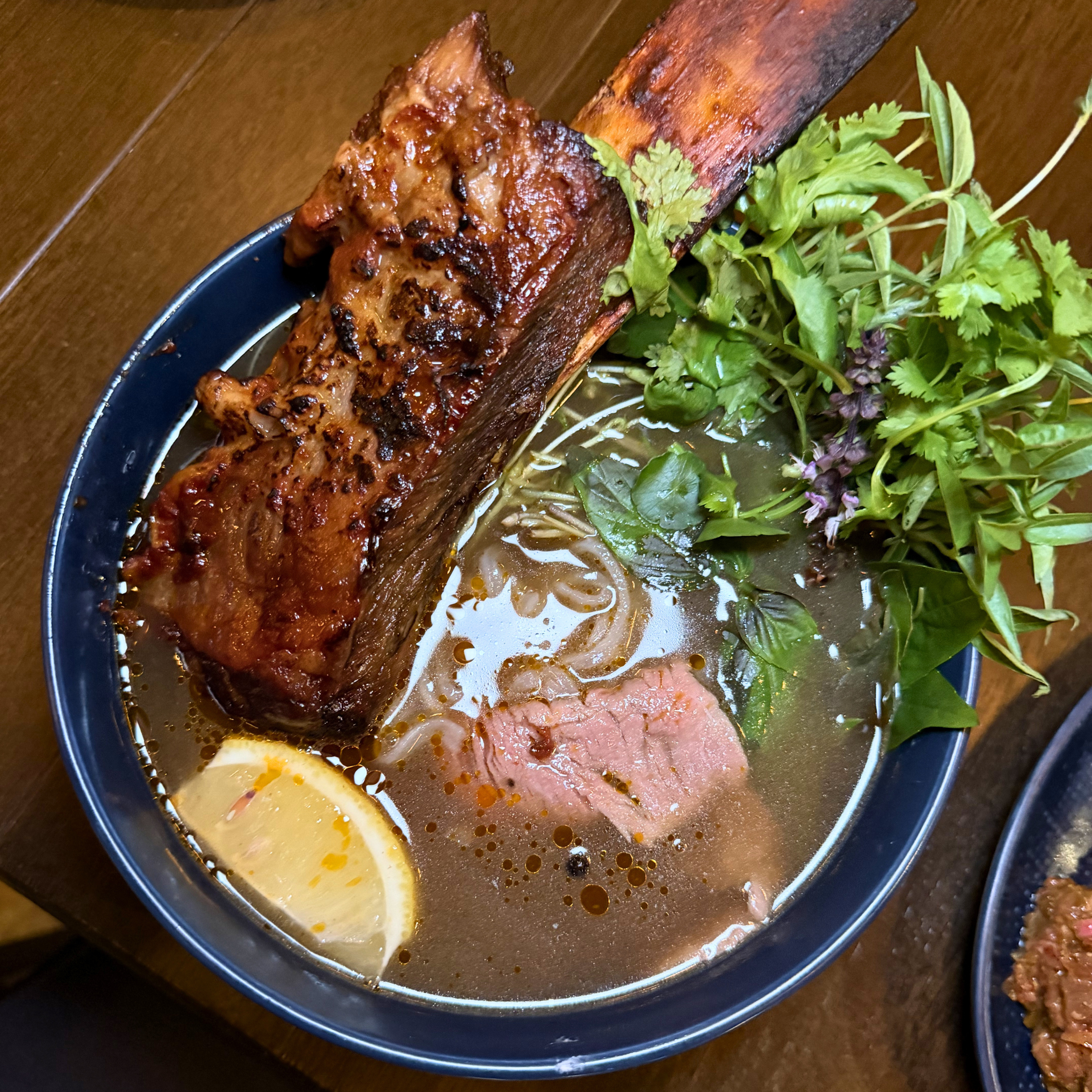
But it’s the Boeuf de Luxe pho that edges the others out, as it elicits gasps and awe once diners see the very tender braised beef ribs dangling on the bone. It’s a beef pho that’s done extra and has become the modern French-Vietnamese bistro’s bestsellers.
Why Chao Long Is One of Puerto Princesa’s Most Beloved Comfort Foods
Today, chao long has become one of Puerto Princesa’s defining comfort foods. Longtime institutions and family-run eateries continue to serve steaming bowls to both locals and visitors, preserving a recipe that traces its roots back to a refugee community that briefly called Palawan home.
In many ways, chao long represents what makes Filipino cuisine so compelling. Rather than remaining fixed, it continues to absorb influences, adapt to new environments, and create something uniquely its own.

Frequently Asked Questions
Chao long is a Vietnamese-inspired noodle soup popular in Puerto Princesa. It typically features beef broth, rice noodles, herbs, bean sprouts, and French bread on the side.
The dish was introduced by Vietnamese refugees who settled in Puerto Princesa after the Fall of Saigon and eventually evolved into a local specialty.
It closely resembles Vietnamese pho, although the Puerto Princesa version has evolved with local ingredients and flavors, making it distinctly Palaweño.
In Vietnam, cháo lòng actually refers to a rice porridge made with pork offal. How the name became attached to the noodle soup in Puerto Princesa remains unclear.
Popular spots include Rene Saigon, one of the city’s oldest Vietnamese restaurants, and C75 at The Funny Lion, which offers modern interpretations of the dish.