

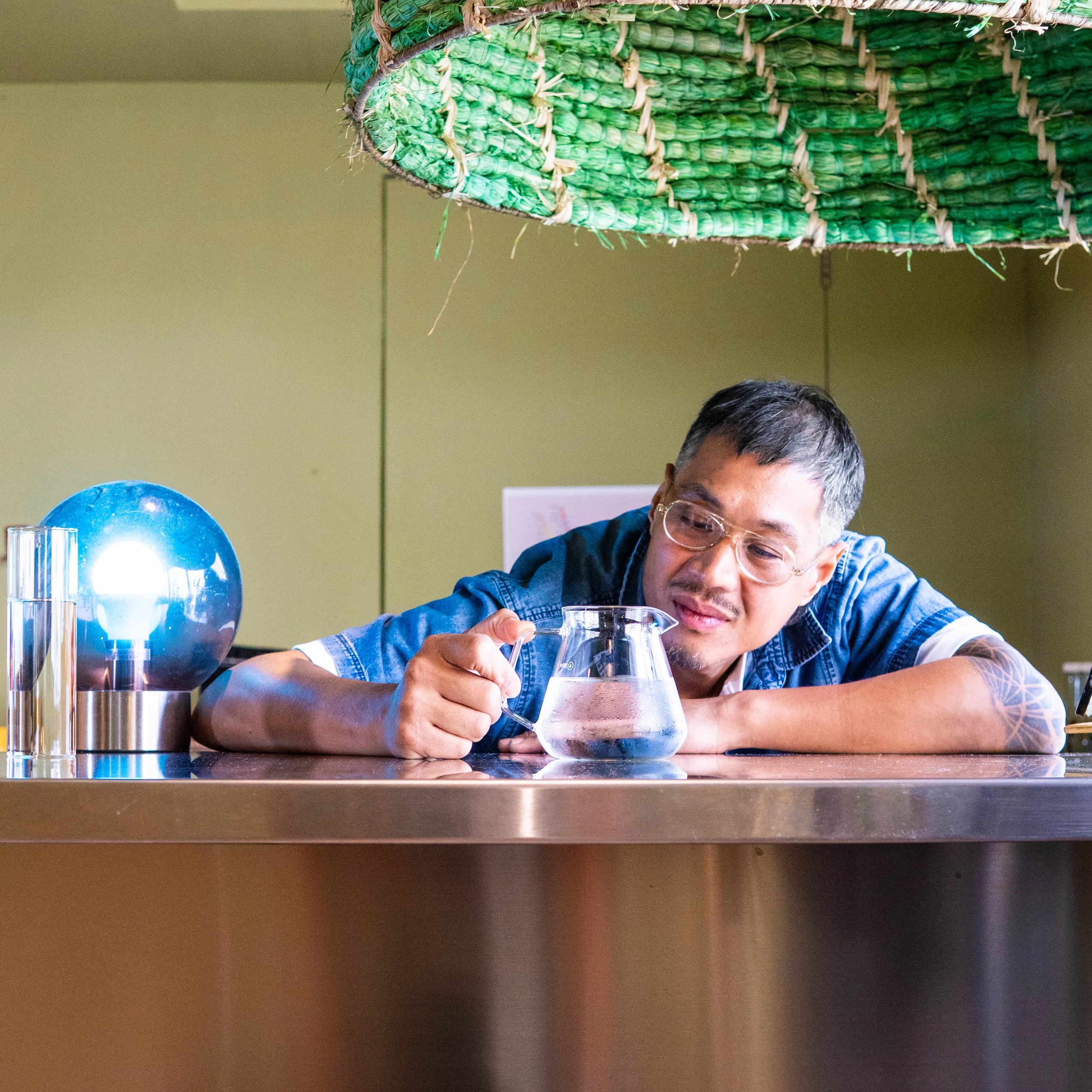
Sly Samonte is a two-time Philippine National Barista Champion and certified water sommelier, known for his expertise in specialty coffee and beverage science.
Try to remember the last time you checked the nutrition label on a bottle of water—I bet you can’t. Don’t worry. You’re not alone. According to the Department of Science and Technology (DOST), most Filipinos actually don’t read nutrition labels. And for something mundane, like water, it doesn’t seem outlandish to assume that most Filipinos probably aren’t even aware of its existence.
What is a Water Sommelier and Why Does It Matter?
These labels, although considered accurate when it comes to the amount of calories, fat, and sugar, aren’t always the most precise when it comes to declaring the specific mineral content or pH level. This is because the FDA isn’t as strict as one would expect when it comes to these minute, but significant, details. Why does this matter? Well, the presence or absence of these can have noticeable effects on the water’s flavor, and it also has implications related to bone health, blood pressure, digestion, and of course, hydration.
So if regulators can’t fully account for these differences, who does? Enter the water sommelier.
And yes, it’s a real profession. They’re trained experts who evaluate water based on pH level, mineral composition, and Total Dissolved Solids (TDS).
In the Philippines, there is a limited number of water sommeliers—and the most celebrated is none other than Silvester “Sly” Samonte. Today, he’s channeling that expertise into his latest venture: Lost Islands Center for Kape in Makati.
How Water Sommeliers Pair Minerals with Beverages
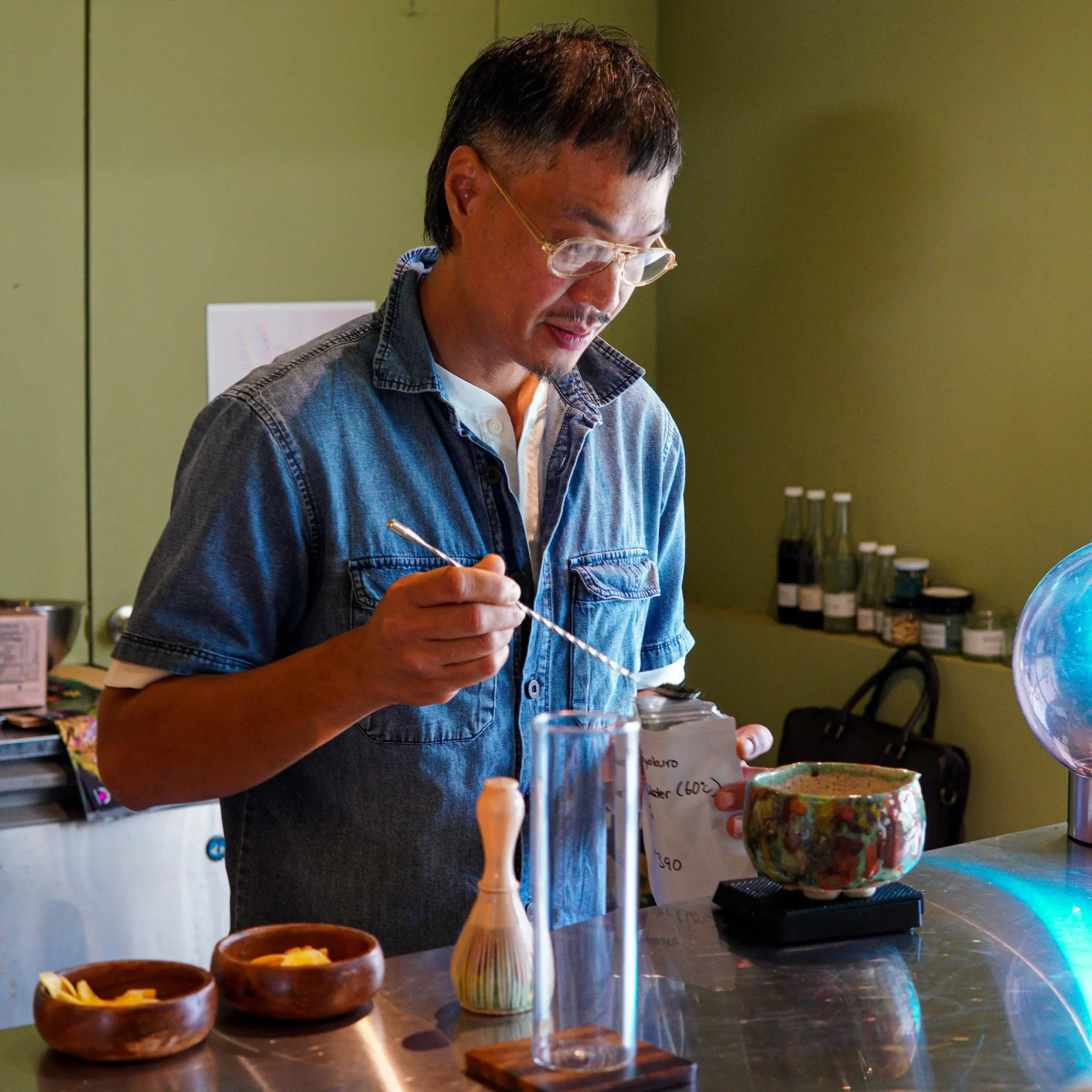
“A wine sommelier has deep knowledge about wine and can recommend bottles for what a person wants to drink or pair with food,” explains the two-time Philippine National Barista Champion. “A water sommelier does something similar but with water.”
In Europe, the profession has become particularly relevant because of the dozens of naturally occurring waters. Restaurants pair specific kinds with meals, while beverage manufacturers consult experts to determine which mineral profiles work best for brewing beer, tea, coffee, or syrups.
“The water sommelier’s job is to understand your water quality and match that to the application. It could be for restaurants, fine dining, or even industrial production like beer brewing or beverage manufacturing.”
– Silvester “Sly” Samonte
Becoming one requires specialized training. Samonte himself studied in Germany at the Doemens Academy, which originally developed the program to help brewers better understand how water chemistry affects different styles of beer.
“In order to make different styles of beer, you need different types of water,” Samonte explains. “That’s why they developed the program to certify water sommeliers: to study minerality, water quality, and its effects on beverages.”
Which Minerals Affect the Taste of Your Water?
But the work itself involves more than just tasting water. A proper evaluation considers multiple variables, starting with purity.
“The first thing is cleanliness: no foreign material, no off-tastes, no odors,” Samonte emphasizes. From there, professionals examine a range of characteristics, including mineral composition, its pH, and Total Dissolved Solid levels. But when it comes to taste, one factor outshines the rest: mineral content.
“Minerals are the ones responsible for flavor.”
– Sylvester “Sly” Samonte
“Salt is the most obvious example. Seawater tastes salty because of dissolved minerals. Calcium can give a slight sweetness, while magnesium can give other hints and flavors, all of which contribute to your cup,” Samonte shares.
The Impact of Water Quality on Specialty Coffee
For Samonte, the progression from coffee to water feels natural. After years competing and working in the coffee industry, he began to realize how dramatically water affects the final brew. He credits British coffee expert Maxwell Colonna-Dashwood for helping shift his and the broader coffee world’s perspective in the mid-2010s.
“People weren’t really aware of the importance of water and minerality until around 2015,” Samonte recalls. “Now there are companies producing mineral packets and water-dropping kits so baristas can adjust water chemistry and enhance the flavors of their coffee.”
Today, the relationship between coffee and water has become increasingly more obvious as high-end cafes aim for precision. As a result, a water sommelier, Samonte believes, is becoming “almost crucial” for specialty coffee. But despite the public’s growing interest, the profession is still largely misunderstood.
“Most people think all water tastes the same,” Samonte says. “They think it’s a joke. But that’s only because nobody really thinks about water.”
Exploring Filipino Flavors at Lost Islands Center
That’s something he wants to change, and as more people around the world embrace coffee, tea, beer, and other craft beverages, the role of water and the people who understand it will only continue to grow.
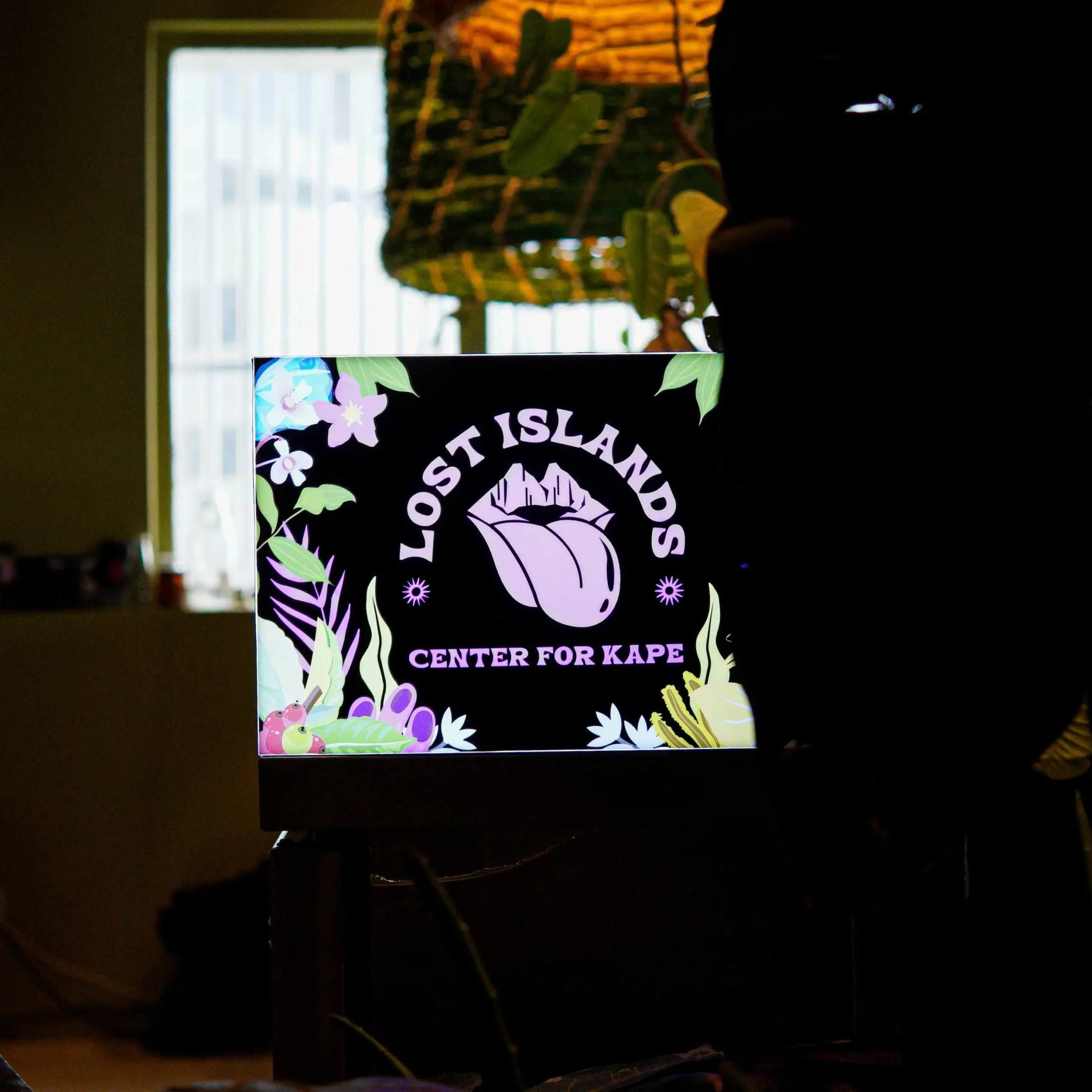
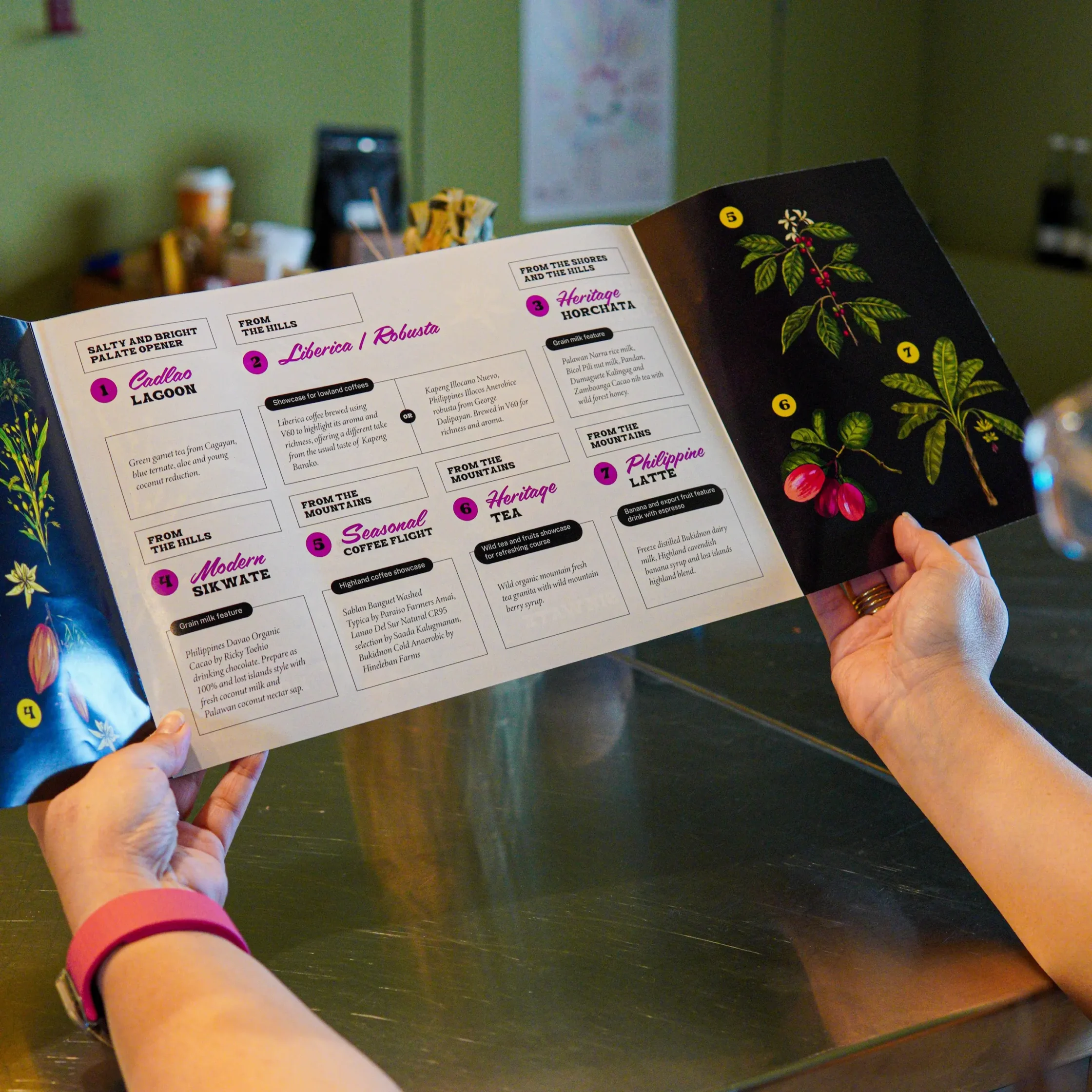
At Lost Islands, Samonte’s philosophy is put into practice. The space functions as a tasting room dedicated to exploring Filipino flavors through coffee and beverage experimentation.
“We’re here to explore the flavors of the Philippines,” Samonte proudly remarks. “And to use everything the modern world has discovered to help us enjoy them.”
The result is an immersive sensory experience that takes guests on a journey across the country’s landscapes and regions. And each cup is more than just a drink; it’s a story about our country, its people, and culture.
Remember: great coffee doesn’t start with the beans—it starts with the water. And the deeper our understanding of water—its minerals, chemistry, and role in brewing—the easier it is to understand why water sommeliers are indispensable to the drinks we love.

Frequently Asked Questions
Sly Samonte is a two-time Philippine National Barista Champion and a certified water sommelier. He studied at the Doemens Academy in Germany, an institution that originally developed the certification to help brewers understand how water chemistry impacts beer.
Water is the foundation of these beverages. Minerals are responsible for flavor: calcium can add sweetness, while magnesium can enhance other complex notes. A water sommelier matches water quality to the specific application—whether it’s fine dining, industrial brewing, or specialty coffee.
They look at several key variables:
Purity: Ensuring no foreign materials, off-tastes, or odors.
Mineral Composition: Identifying specific minerals that contribute to flavor.
pH Level: Measuring the acidity or alkalinity of the water.
Total Dissolved Solids (TDS): Checking the concentration of dissolved substances.
It is Sly Samonte’s latest venture located in Makati. It functions as a tasting room dedicated to exploring Filipino flavors through coffee and beverage experimentation, utilizing modern water chemistry to enhance local beans.
Until around 2015, the importance of minerality was largely overlooked. Now, following the influence of experts like Maxwell Colonna-Dashwood, the industry uses mineral packets and water-dropping kits to precisely adjust water chemistry for the perfect brew.