

Marco Lobregat likes to say that mushrooms are going to save the world. “It sounds dramatic,” admits the 45-year-old mushroom advocate. “But the more you learn about fungi, the less far-fetched it seems.”
Marco Lobregat Thought He Knew Mushrooms—Until He Foraged in the Cordilleras
For Lobregat, who currently works as Asia Editor and International Projects Director of Bridges and International Projects Director at Synergy Media Specialists, his fascination actually began with agricultural waste and the realization that materials that are often discarded could become the foundation for growing something nutritious and valuable. That interest eventually led him to co-found Ministry of Mushrooms, initially a business cultivating and supplying gourmet mushrooms in the Philippines.
“We wanted to demonstrate that mushrooms could be grown locally and sustainably while creating value from agricultural by-products,” he says.

But the more Lobregat learned about mushrooms, the more he learned about the potential of the fungi. “Mushrooms sit at the intersection of food, agriculture, ecology, science and culture,” he says. “They can transform agricultural waste into food, provide new sources of livelihood and, of course, some are extraordinary ingredients.”
The turning point came in 2017, when Lobregat and his friend Charlie Sutcliffe joined forager Chris Angway on a mushroom hunt in the Cordilleras. Having already spent years cultivating mushrooms, Lobregat thought he knew the subject well. The forest schooled him.
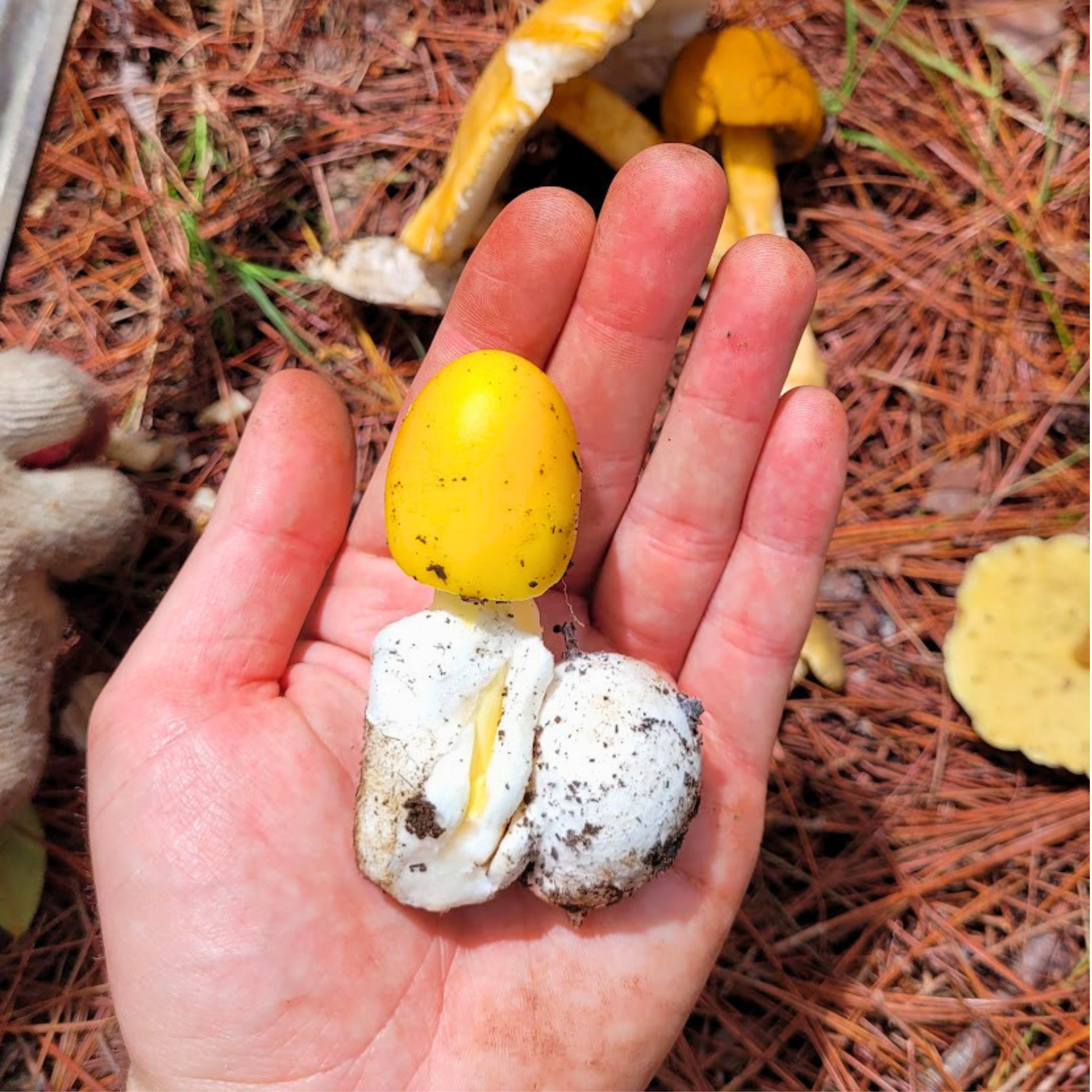
“In a single outing, [Chris] picked around 13 different kinds, seven of which he identified as choice edibles,” he recalls. “That blew my mind.” Even more remarkable were the names Angway used. These mushrooms weren’t being identified using terms from European field guides. The Kankanaey, an indigenous ethnolinguistic group in the Philippines, had their own names for them, backed by knowledge handed down orally through generations.
Among them were Sedesdem, a wild Boletus species akin to porcini; Ing-inga, the Kankanaey name for chanterelles; and Nga-an, related to the saffron milk caps prized in places such as Catalonia.
What Makes the Cordilleras a Haven for Wild Mushrooms
The Cordilleras make for an environment that’s conducive to wild mushrooms: high elevations, cool temperatures, humidity, rainfall, pine forests, and mixed forest ecosystems that are difficult to replicate in the country’s lowlands.
Many wild species also depend on relationships with the surrounding trees, soil, and other elements of the forest, making them difficult—oftentimes, impossible—to simply reproduce on a farm.
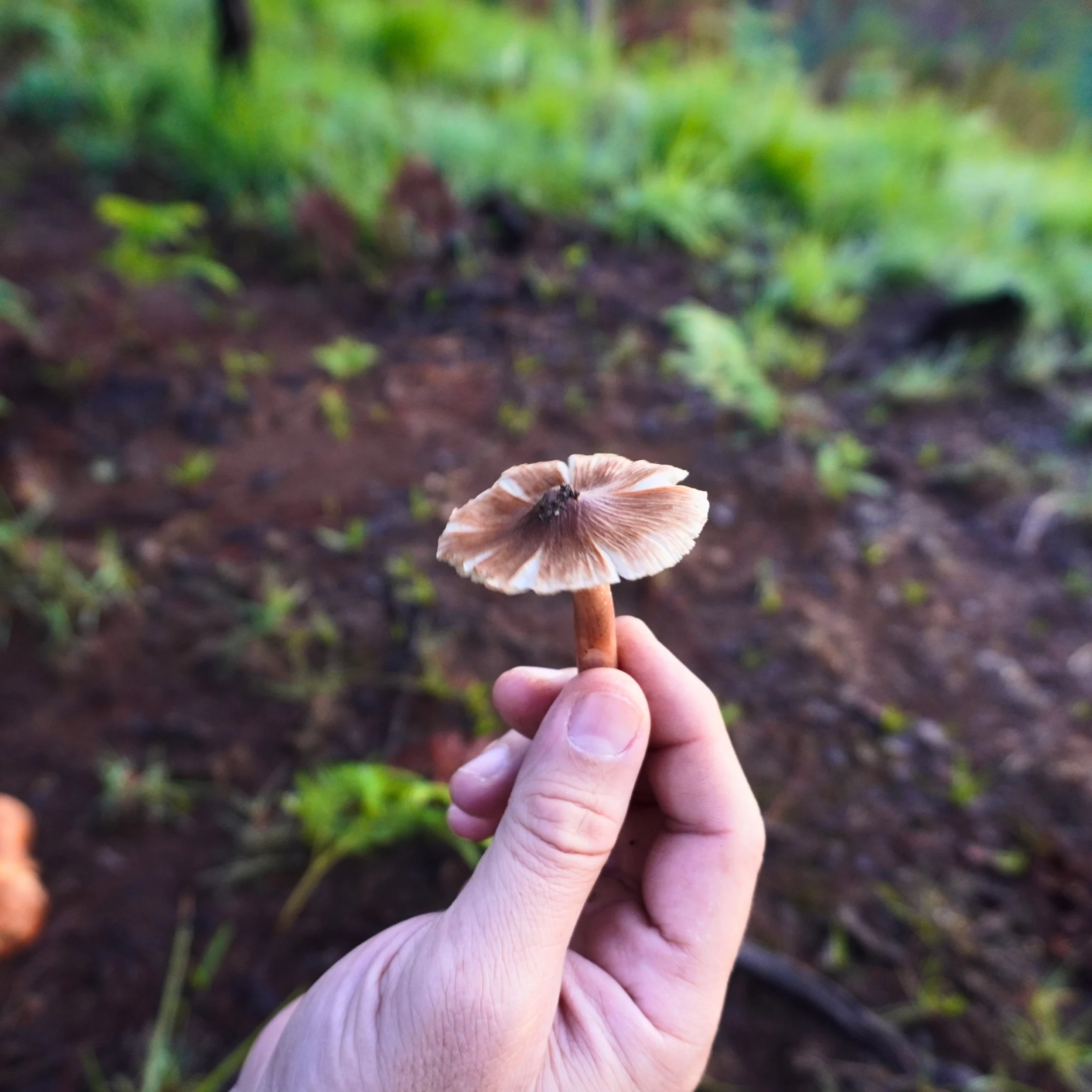
But Lobregat stresses that biodiversity is only half the story. “The other half of the story is the people,” he says.
Generations of indigenous communities,including the Kankanaey and Ibaloi have learned when certain mushrooms emerge, where they grow, which ones can be eaten, how they should be prepared, and which should be left alone.
“The biodiversity and the cultural knowledge surrounding it really need to be understood together.”
More Than a Field Guide: Preserving the Cordilleras’ Mushroom Heritage
That realization eventually led Lobregat and Angway to co-author The Mushroom Explorer’s Guide to the Cordilleras, published by Manila Bulletin Publishing Corporation in 2024 with support from Forest Foundation Philippines.
The book was born out of years of foraging, photography, conversations, and research. More importantly, it became a noble step to preserving knowledge that had survived mostly through oral tradition.
“My role was very much about helping document, research, and share that knowledge with a wider audience,” Lobregat explains.
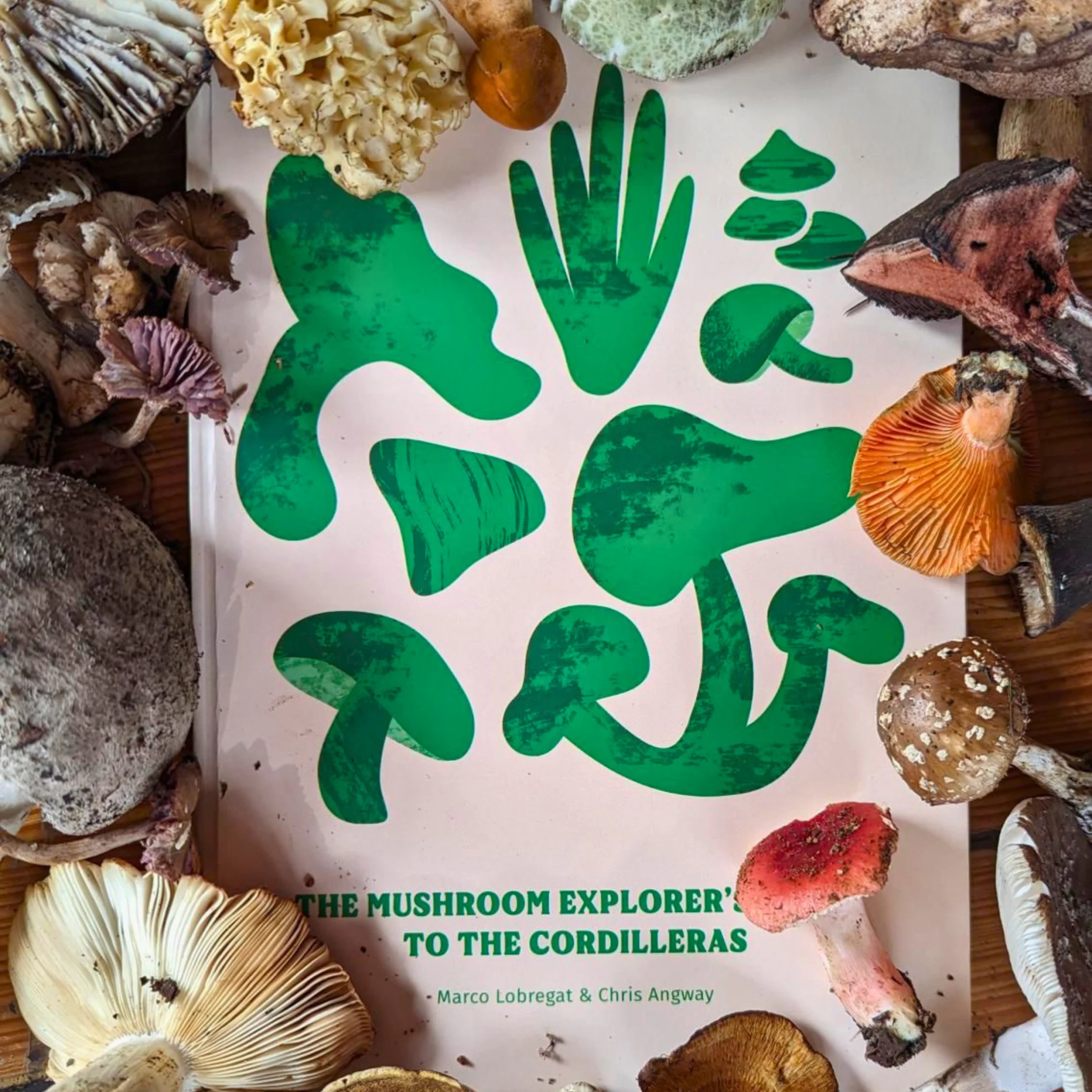
The book records not only mushrooms but also indigenous names, stories, preparation methods, and cultural practices. Among the species featured are Dakino, various Russulas, and several Termitomyces, or termite mushrooms, differentiated through names such as O-ong, Adaan, and Sabsabotan.
Publishing the book, however, did something unexpected.
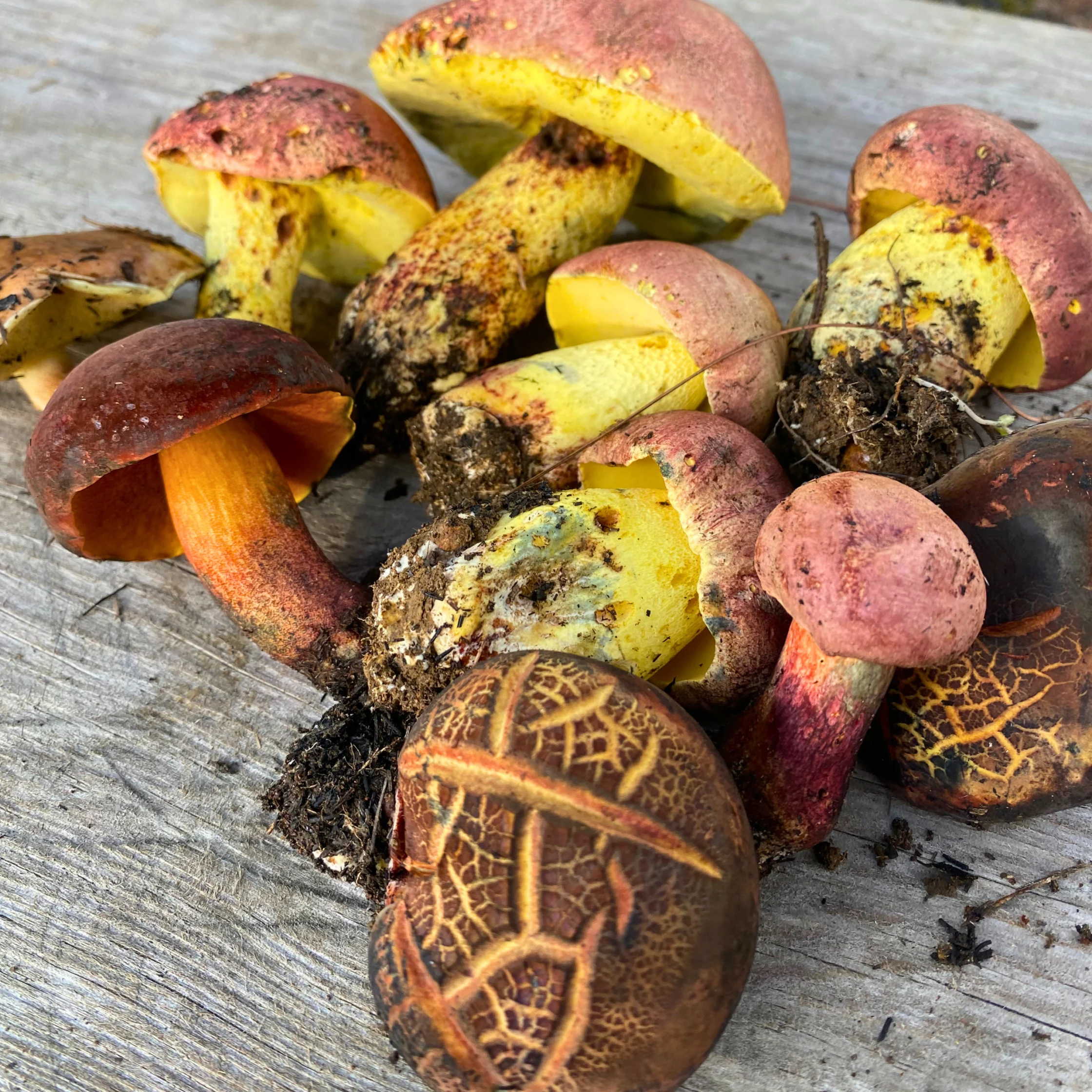
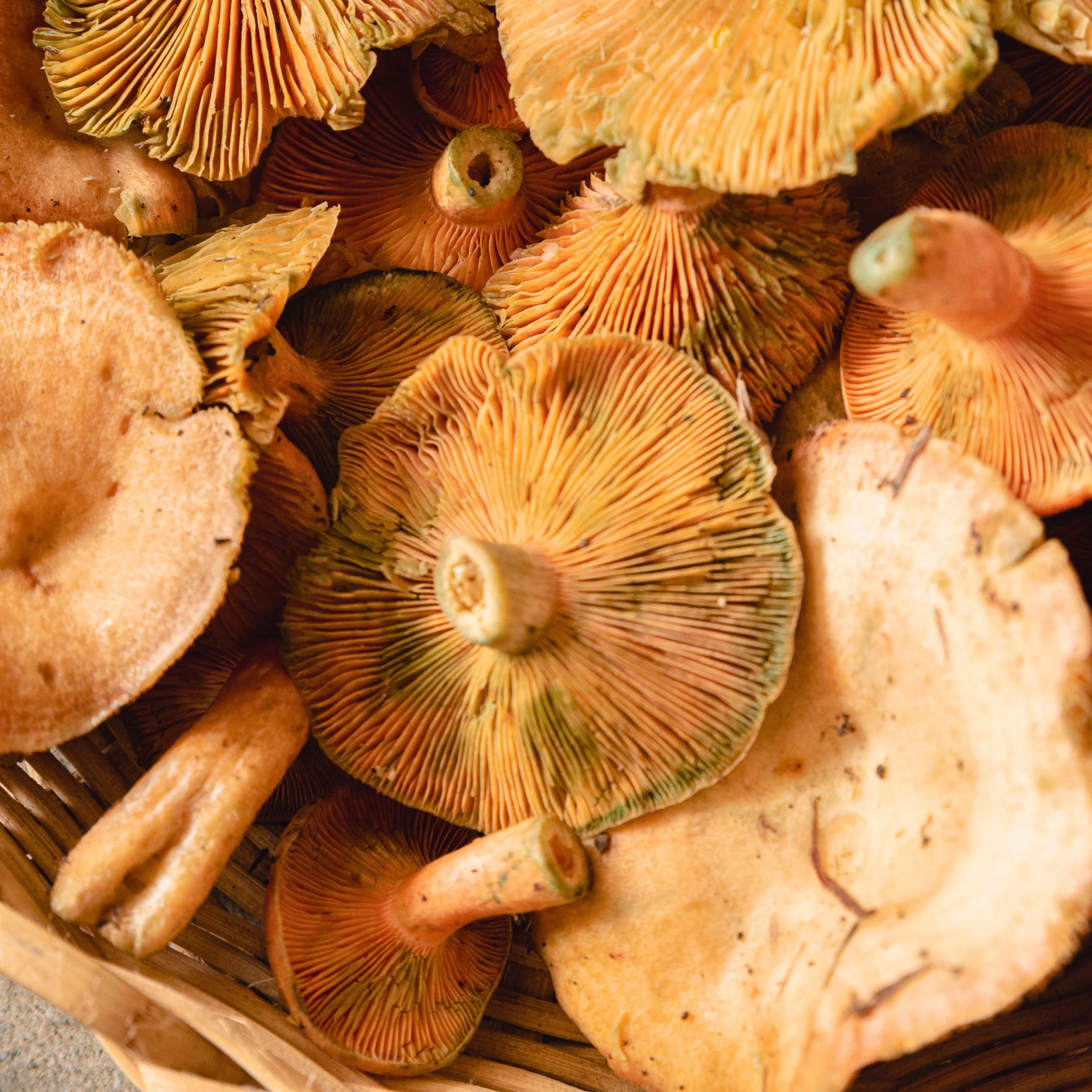
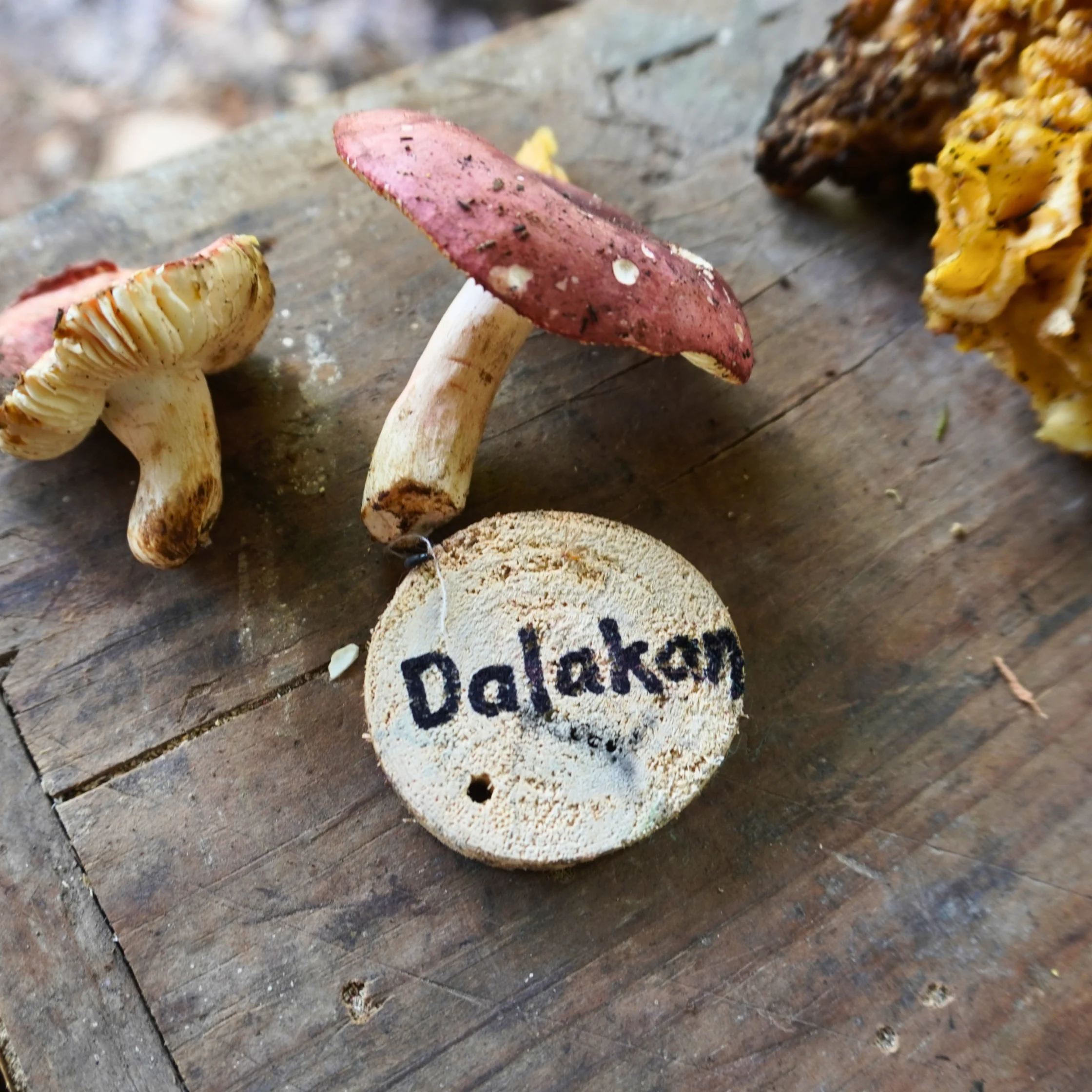
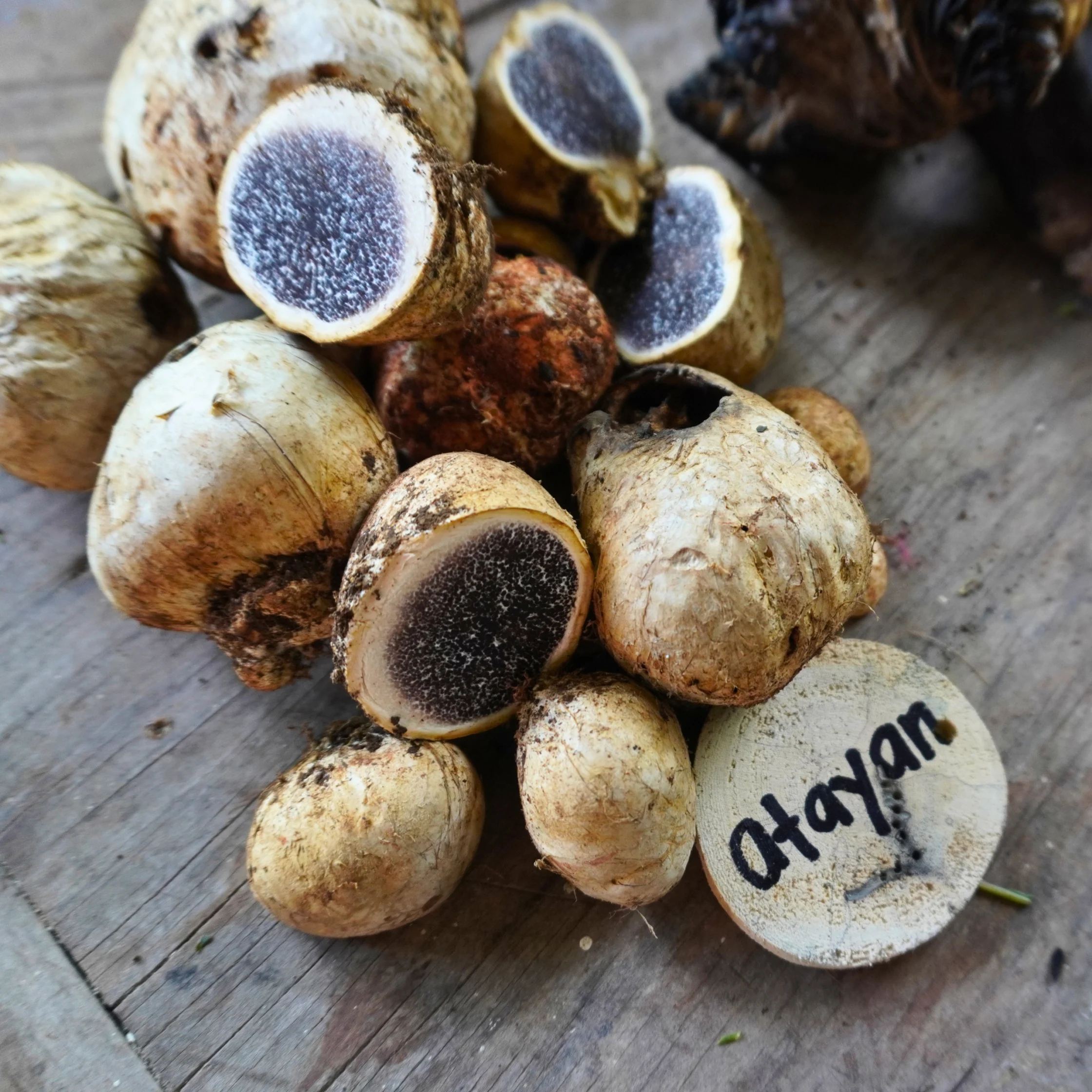
“Interestingly, publishing the book didn’t finish the journey. It accelerated it,” Lobregat says. People began approaching the pair with additional names, stories, mushrooms, and knowledge. “The more interest there is, the more this knowledge seems to come alive.”
The Untapped Potential of the Philippines’ Wild Gourmet Mushrooms
Ministry of Mushrooms has evolved from a business into an advocacy. Lobregat no longer operates a mushroom farm day to day, but he remains involved through education, documentation, supporting growers and foragers, and connecting different players in the industry.
Together with Mycosphere, founded by fellow Ministry of Mushrooms co-founder Victor Sala, he is also exploring projects that could help chefs, hotels, communities, and other partners cultivate gourmet mushrooms themselves.
“We import expensive wild gourmet mushrooms from Europe without realizing that we have extraordinary species growing in our own forests,” Lobregat says.
Perhaps, we shouldn’t be looking at other countries when it comes to highly prized mushrooms as extraordinary varieties have been growing in our very own forests all along.

Frequently Asked Questions
The Philippine Cordilleras are home to a diverse range of wild fungi, including Sedesdem, a wild Boletus species similar to porcini; Ing-inga, the Kankanaey name for chanterelles; Nga-an, which is related to saffron milk caps; as well as various Russula and Termitomyces species.
The Cordilleras offer conditions that favor wild mushroom growth, including high elevations, cool temperatures, humidity, rainfall, pine forests, and diverse forest ecosystems. Some species also depend on specific relationships with trees, soil, and other elements of their environment.
The Mushroom Explorer’s Guide to the Cordilleras is a 2024 book co-authored by Marco Lobregat and forager Chris Angway. It documents wild mushrooms found in the region alongside indigenous names, stories, preparation methods, and cultural knowledge.
Indigenous communities including the Kankanaey and Ibaloi have generations of knowledge about wild mushrooms, including when they emerge, where they grow, which species are edible, and how they are traditionally prepared.
Many wild Cordillera mushroom species depend on specific relationships with surrounding trees, soil, and forest ecosystems — conditions shaped by the region’s high elevation, cool temperatures, humidity, and pine or mixed forests. These relationships are difficult, and often impossible, to replicate outside their natural habitat.