

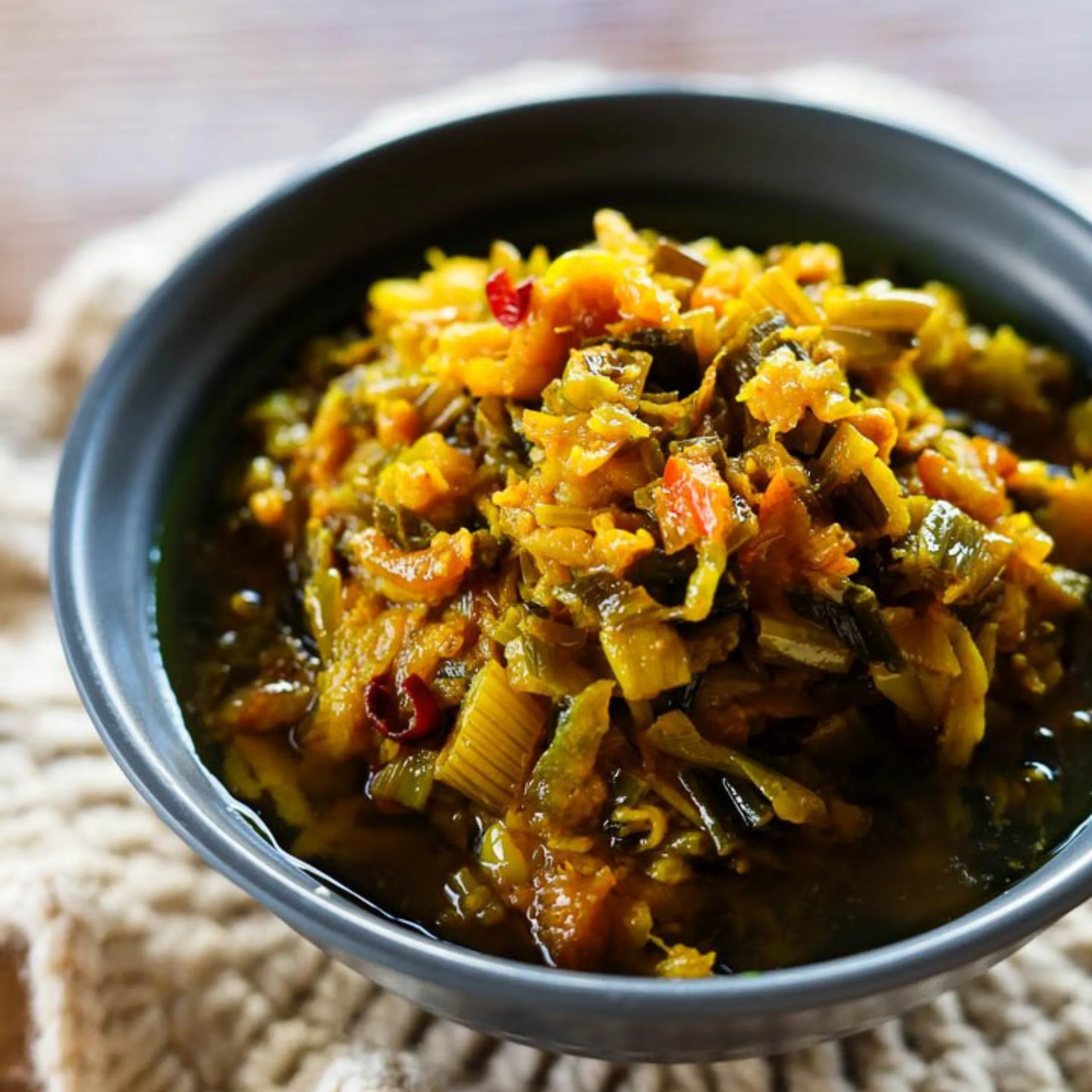
It’s almost impossible to miss when palapa is being prepared in homes in Lanao del Sur, Maguindanao, and other parts of the Land of Promise.
If its raspy, herbal, nutty, vividly spiced aroma doesn’t get your attention, the “pok-pok” sound as cooks pound, mash, and grind the ingredients in a mortar and pestle is bound to fulfill the assignment. Or the soft sizzle as cooks coax out their soulful flavors in the pan; and the fragrance that fills the air shortly after.
Made with aromatics that are pounded together into a coarse, intensely flavored paste or relish of sorts, palapa breathes bold, earthy, spiced life into just about any dish it accompanies or is infused into.
What Is Palapa—or Rather, What Are the Variations of Palapa?
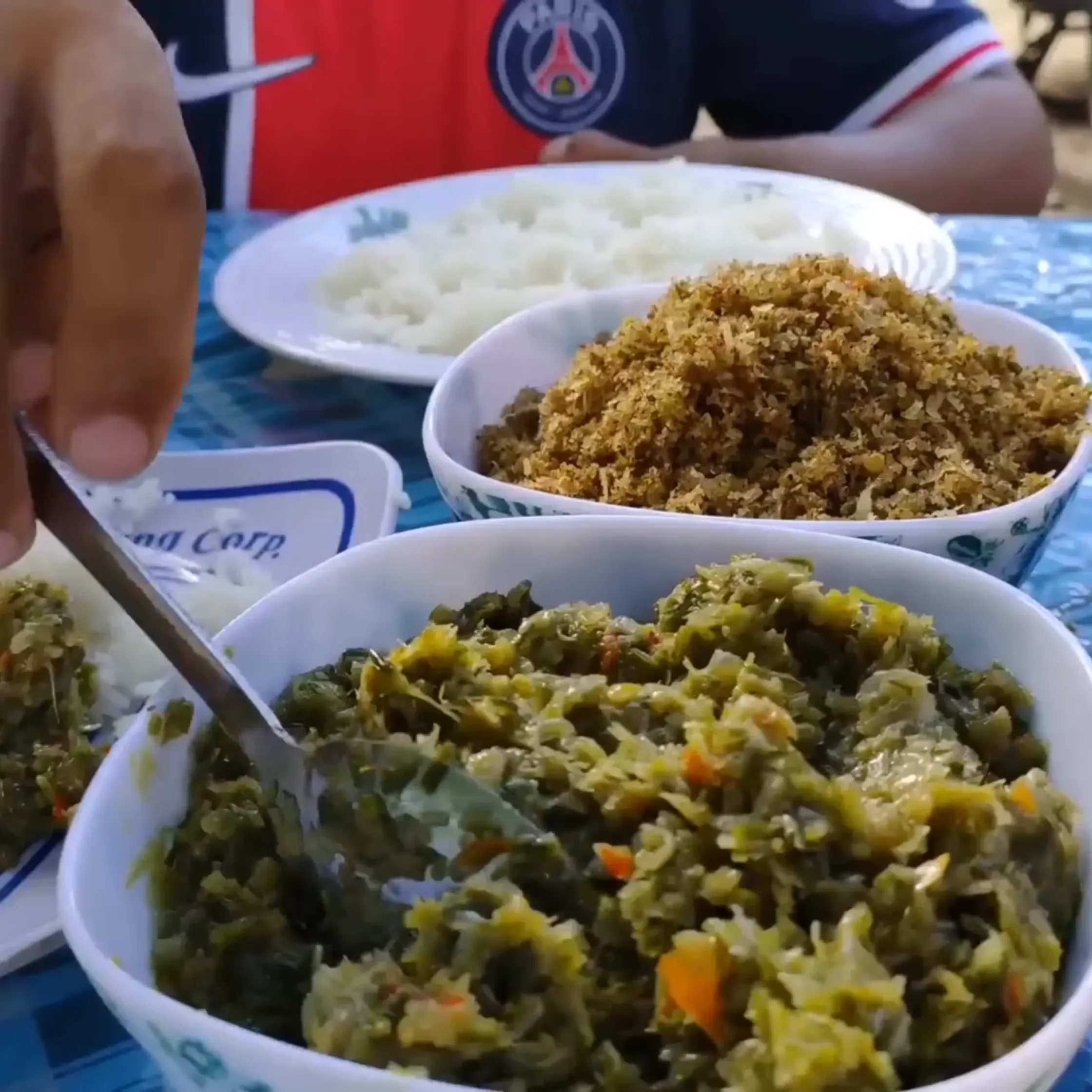
Palapa is, at its core, a flavoring (or flavor source), says Datu Shariff Pendatun, chef, food writer, lecturer, and consultant who has dedicated much of his life’s work to the culinary heritage of Muslim Mindanao. It’s consumed across Lanao, Davao, Maguindanao, the Sulu Archipelago, and Zamboanga, and it achieves this flavoring function in two ways.
On one hand, it can be thought of as a condiment or side dish to be had with other dishes. Taken in modest doses along with your viand of choice, it provides a flavor boost that can be earthy, aromatic, nutty, and/or spicy, depending on the version of palapa on the table.
But palapa can also be likened to a soffritto—that is, an ingredient or building block in cooking, and a flavor base that powers other dishes within the cuisine it hails from.
Some households prefer to make their own palapa, presumably using their own age-old, tried-and-tested recipes; others buy from other shops and sellers nearby. It is a constant in the pantry and/or dining table in the aforementioned areas, ready to join other constituents on the plate, or to release its constituent aromatics onto other ingredients in the pot.
The thing to keep in mind regarding palapa is that the same word has different meanings for different sets of people. “Basa Magindanawn and Basa a Mëranaw belong to the same subgroup of languages—the Danao group, So they share a lot of words,” Shariff notes. (He remarks, however, there’s no standard Maguindanaon or Maranao orthography, or officially set system of spelling, writing, or punctuating these words.)
Either way, the fact that there are commonalities between words used to refer to its different concepts (or the reverse—different words referring to the same things or similar things) also point to potential connections between different people who use them.
Maguindanaon Palapa
Palapa for the Maguindanaon people is primarily made with roasted coconut, which brings a toasty, nutty profile to the mix. The browned coconut is then pounded with aromatics like galangal, ginger, chili, and onion for added zing.
This roasted coconut component also appears in other cultures, going by different names, and at times with some variations in the aromatics, spices, and other ingredients used. The Kalagan people in Davao refer to it as “tinu.” The Tausugs call it “bubuk”; their version is distinct for the frequent addition of turmeric and, in some recipes, dried fish.
The Maranao have what they call “tiyolo”—note that they also have their own distinct version, also referred to as “palapa,” which is discussed below. Outside the Philippines, locals in Borneo, Sumatra, and Java refer to it as “kerisik.”
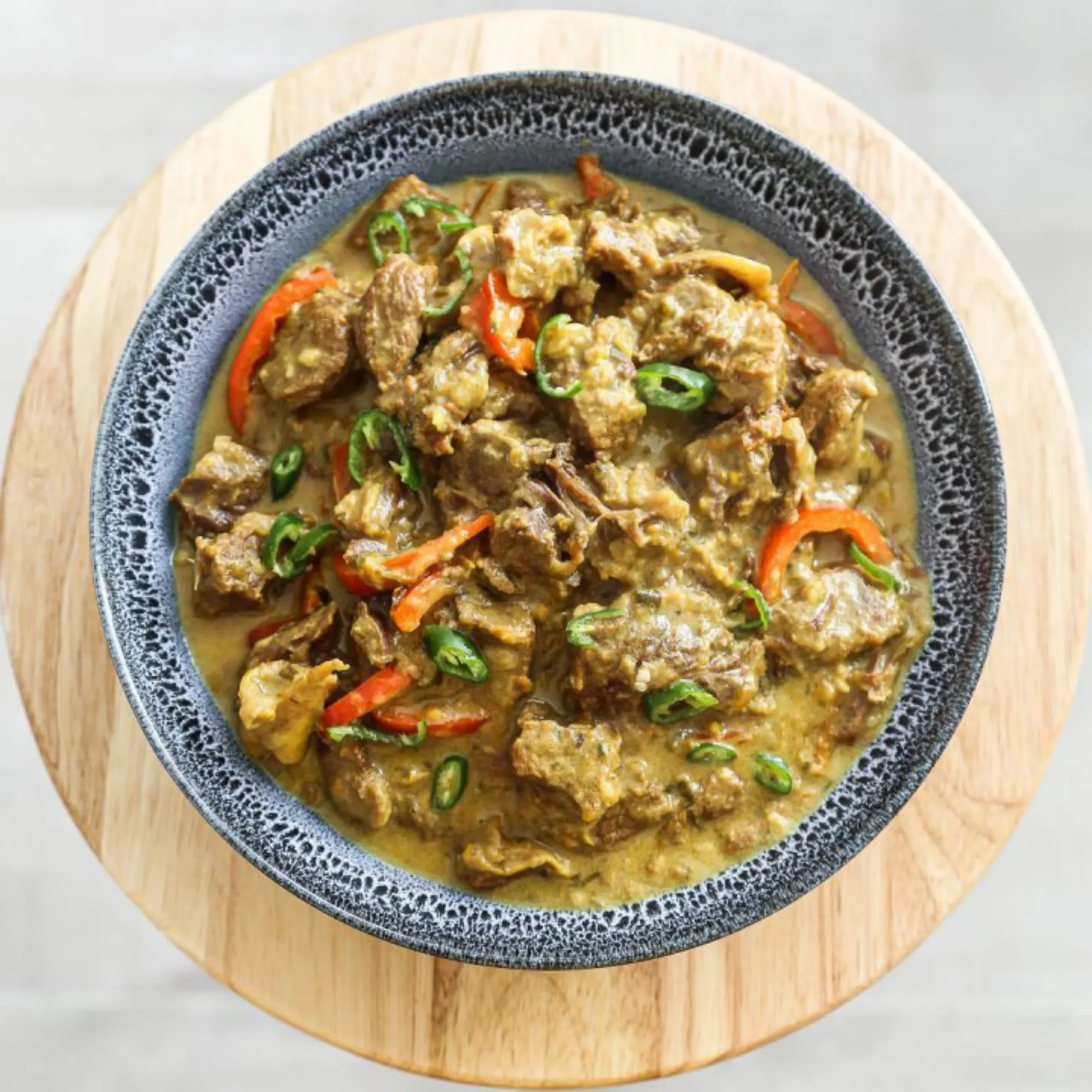
One recipe that uses this palapa is sinina, a stew of sorts with beef or goat, carrots, potatoes, and the roasted coconut palapa for depth of flavor. Another is agal-agal, a salad of fresh seaweed, tossed in a roasted coconut mixture.
Maranao Palapa
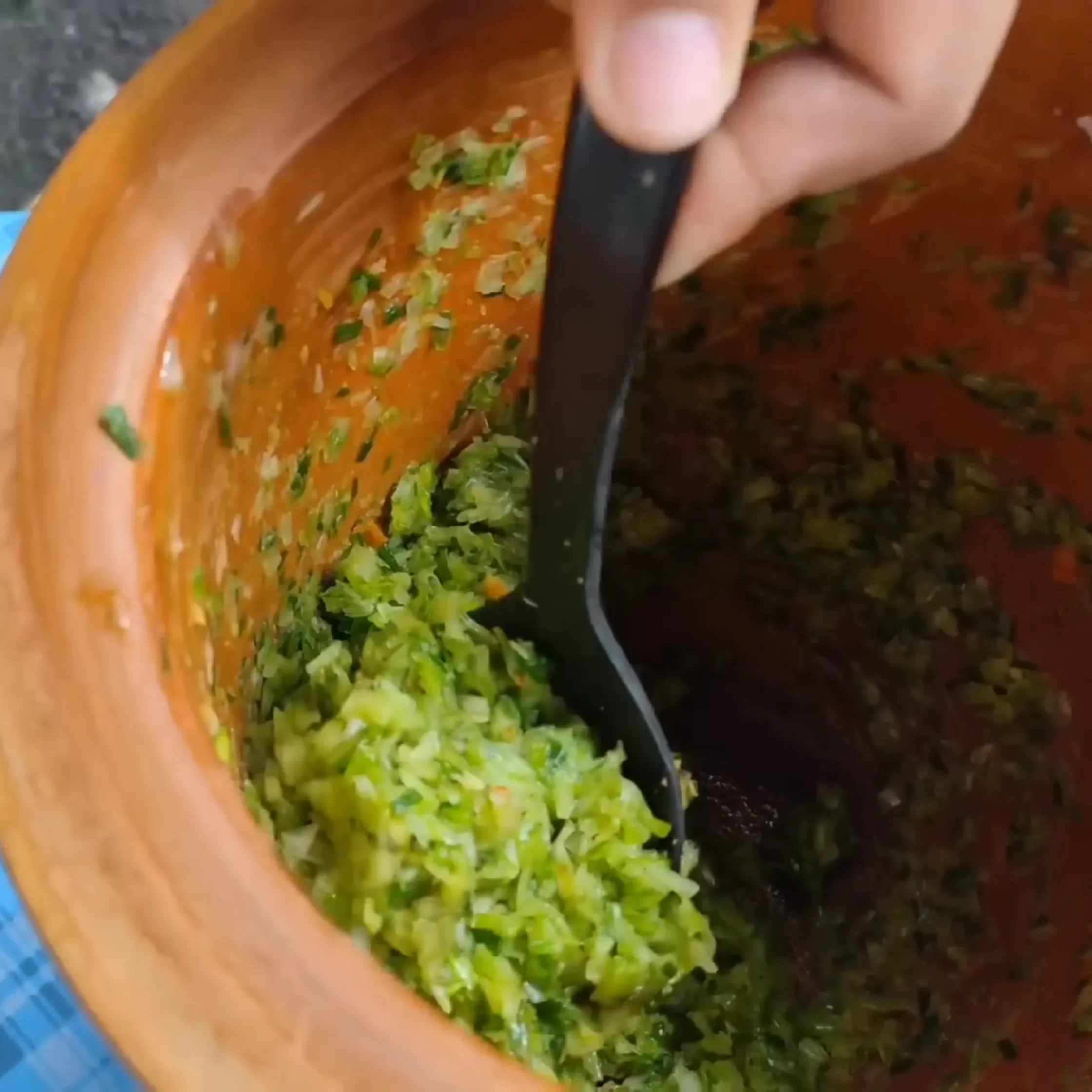
Then there’s Maranao palapa which uses sakurab, an allium that can be likened to spring onions, if grassier and a touch more pungent. At its simplest, you could have palapa just out of sakurab, ginger, and chili—which collectively bring the zip and heat that balances out the raspiness of the sakurab. It can be left raw, or sauteed; the latter extends its shelf life and allows it to be kept unrefrigerated, says Elgen Desierto of Cakeko café and restaurant in Iligan City.
Some versions of Maranao palapa also include the aforementioned tiyolo or roasted coconut. One particularly memorable version Shariff once encountered had smoked tuna, pointing to a possible connection to the bubuk mentioned earlier with fish.
Palapa with sakurab is the flavor force that powers piaparan, a Maranao dish of chicken cooked in a mixture of coconut milk, palapa, and other aromatics. It’s also frequently paired with other viands, like fried fish and vegetables.
Desierto enjoys it on the side of the dish called pater—parcels of steamed rice and shredded meat wrapped in banana leaves.
Palapa’s Ongoing Voyage
The exact origins of palapa remain unknown at this point, Shariff shares when I ask about the food’s history. Murky, that is, if the goal is to know which came first or which version led to what. But perhaps that shouldn’t be the (sole) goal.
“To me, it doesn’t really matter because what matters is the relationships [between the people, cuisines, and cultures involved],” he remarks.
“What we can talk about is that, from those parts of Mindanao, it has traveled to wherever those people have gone,” Shariff continues. Today, one can get hold of palapa in Quiapo, in Baguio—who knows what other far-flung destinations palapa might reach next?

Frequently Asked Questions
Palapa can be local dish originating from various parts of Mindanao. It can be used as a flavoring, as an ingredient, and as a side dish.
Palapa comes from Mindanao. It is eaten across Lanao, Davao, Maguindanao, the Sulu Archipelago, and Zamboanga.
Maguindanaon Palapa is primarily made with roasted coconut. After browning it, its pounded with other chopped vegetables like chili, onion, garlic, and galangal. What differentiates Maranao Palapa from this is the use of sakurab.