Advertisement

Sweeten Up International Chocolate Day With Amazing Filipino Chocolate

This International Chocolate Day, discover five Filipino brands giving locally grown cacao a delicious place in the spotlight.

Milk Chocolate Knafeh form 1919 Chocolate PHOTO COURTESY OF 1919 Chocolate Official Instagram
Take a break from your usual chocolate brands with these five local favorites!  [PHOTO COURTESY OF 1919 Chocolate Official Instagram]

Chocolate cravings shouldn’t require a passport—especially when the Philippines has plenty of good stuff to offer! 

With International Chocolate Day as the perfect excuse to indulge, it’s time to give some love to the local chocolate makers turning homegrown cacao into some seriously delicious bars and treats. From rich, single-origin chocolates to playful creations featuring familiar Filipino flavors, there’s plenty to discover beyond the ones on your supermarket shelf. 

So, whether you like your chocolate dark and intense, smooth and creamy, or packed with unexpected flavors, here are five Filipino chocolate brands worth getting to know—and, more importantly, worth getting your hands on.

1. Nico Cacao

Nico Cacao is putting Philippine cacao front-and-center by letting the beans do the talking. The Negros Oriental-based brand handles its chocolate-making locally, carefully taking cacao through the bean-to-bar process to create chocolates with plenty of depth and character.
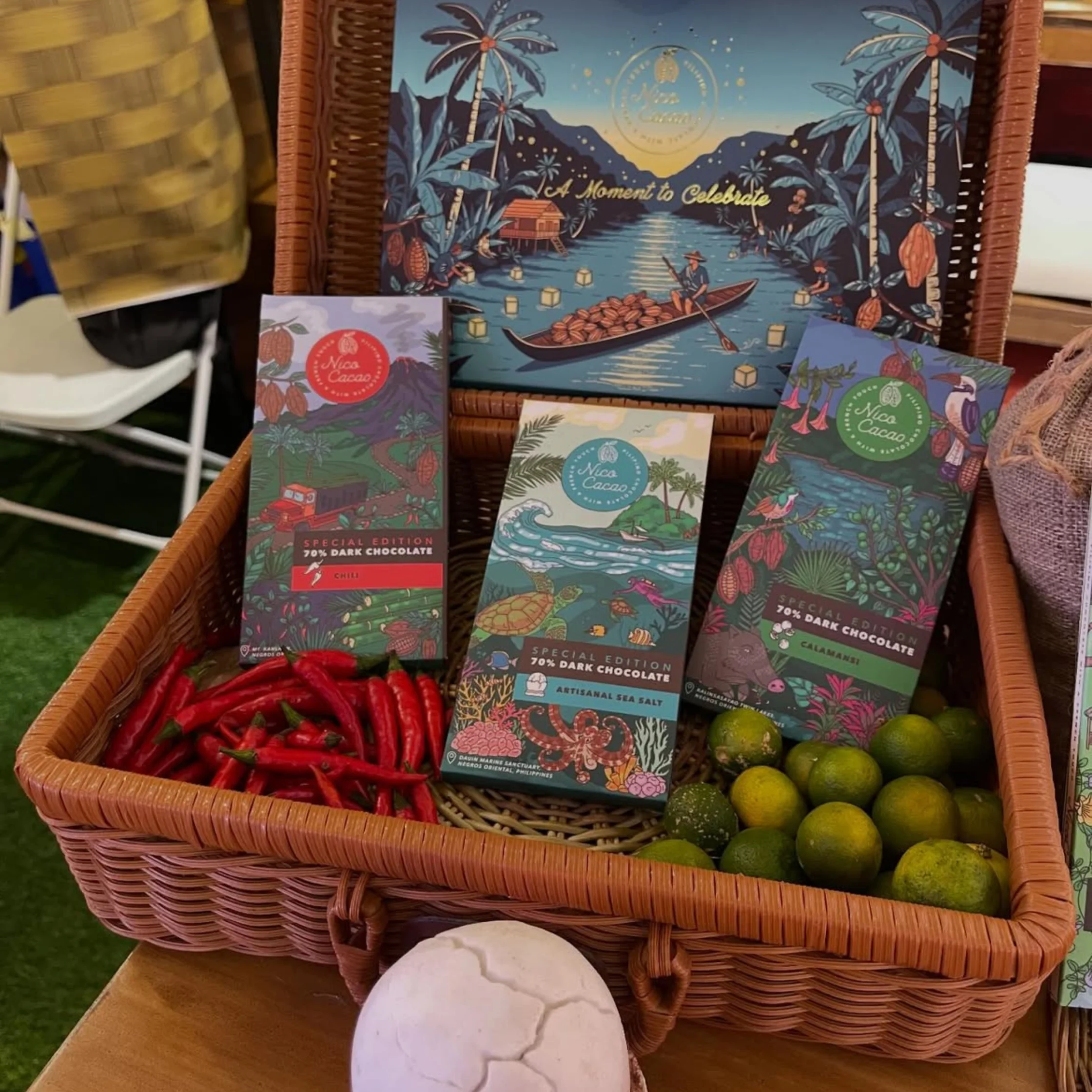
Chocolate Bars from Nico Cacao PHOTO COURTESY OF Nico Cacao Official Instagram
Chocolate Bars from Nico Cacao [PHOTO COURTESY OF Nico Cacao Official Instagram]

The result is a lineup that includes 60%, 70%, and 80% cacao bars, alongside Filipino-inspired combinations like calamansi, chili, and asin tibuok—which all make for interesting bites.

2. Pâtisserie Le Choux-Colat

Pâtisserie Le Choux-Colat is proof that Filipino chocolate can dress up for the occasion. Award-winning pastry chef Ely Salar combines French pastry techniques with Filipino flavors, creating chocolates, pralines, entremets, cakes, and eclairs that look almost too good to eat.
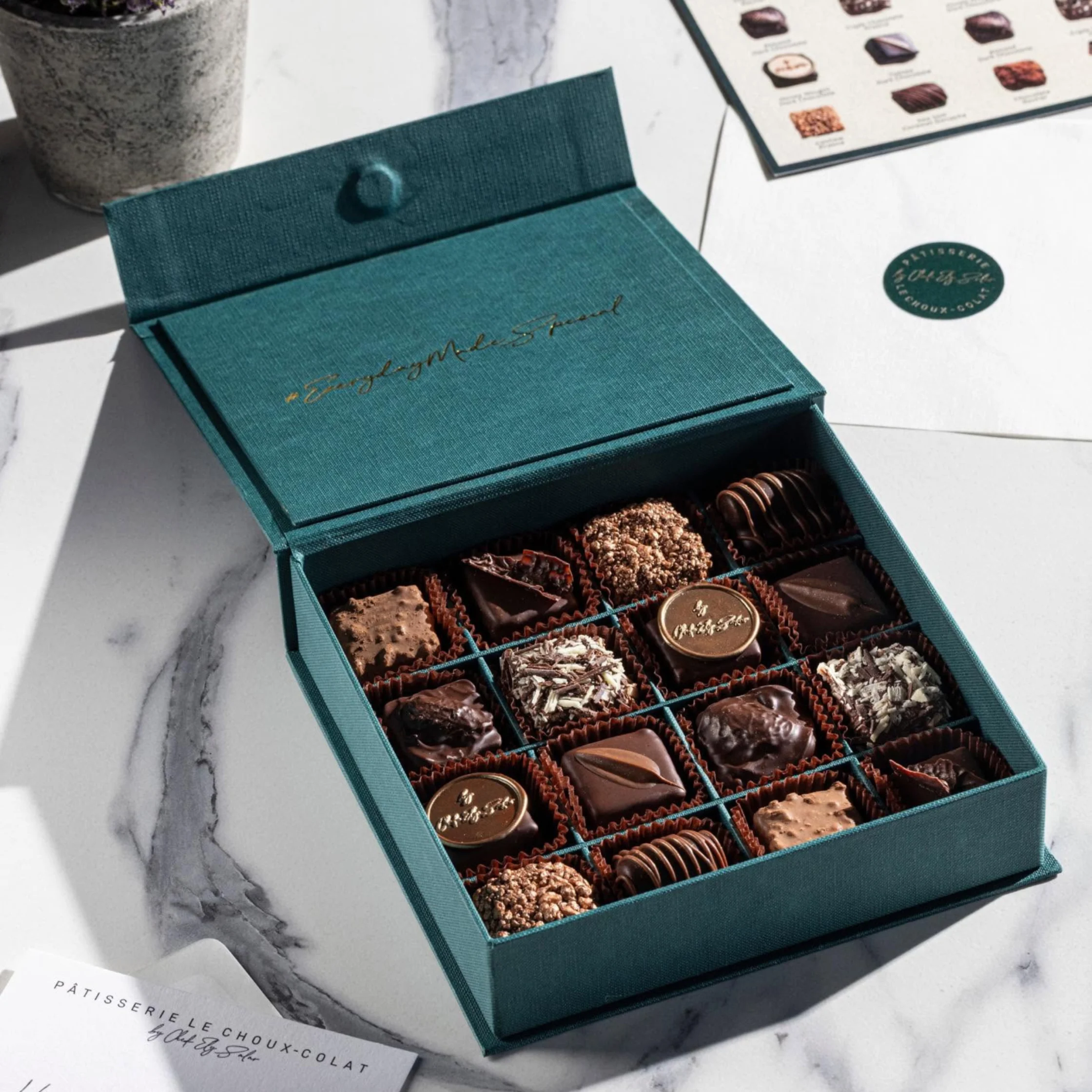
Praline Collection from Patisserie Le Choux-Colat by Chef Ely PHOTO COURTESY OF Patisserie Le Choux-Colat by Chef Ely Official Facebook
Praline Collection from Patisserie Le Choux-Colat by Chef Ely [PHOTO COURTESY OF Patisserie Le Choux-Colat by Chef Ely Official Facebook]

The chocolate itself keeps things proudly local, made with ethically sourced Philippine cacao that Salar transforms from bean to bar. Add Filipino flavors and French finesse to the mix, and you’ve got chocolate that’s all dressed up with somewhere delicious to go.

3. Auro Chocolate

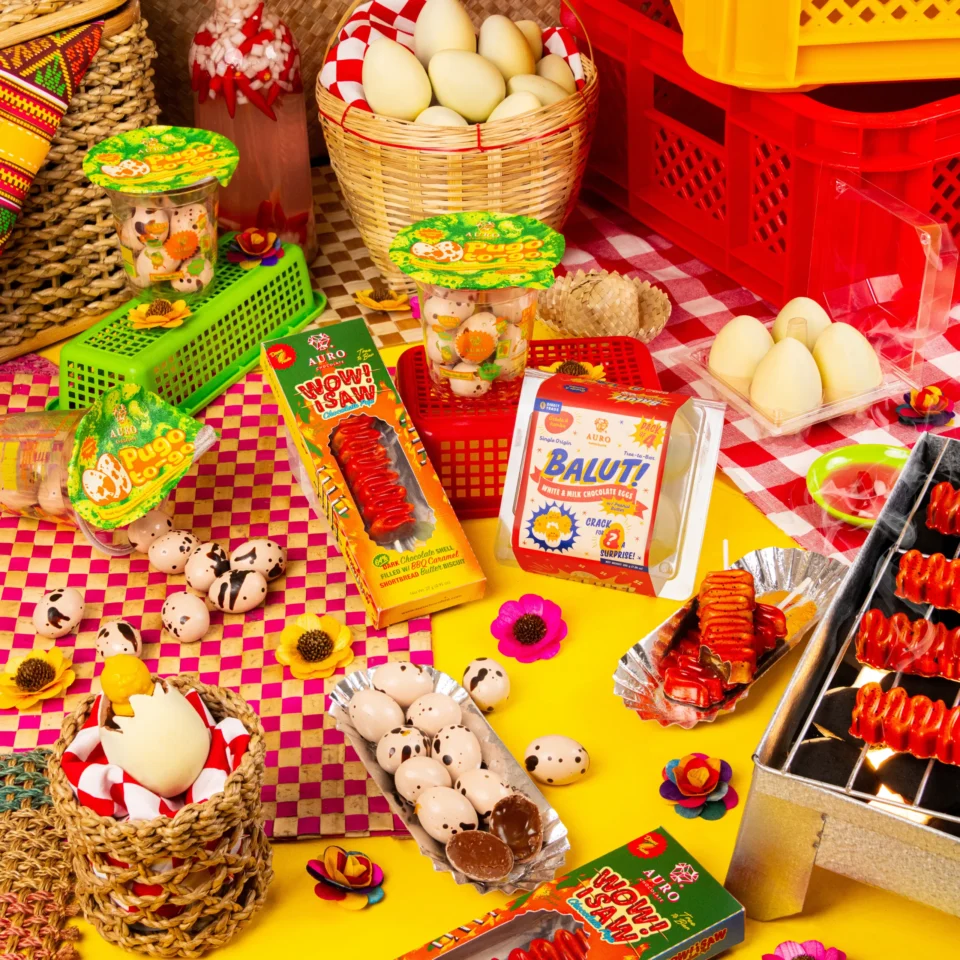
Consider this your golden ticket to some seriously good Filipino chocolate. Auro Chocolate is an internationally awarded tree-to-bar brand that works directly with local farmers to transform Philippine cacao into fine chocolates with bold, tropical flavors.

Auro Chocolate x Yardstick PHOTO COURTESY OF Auro Chocolate Official Instagram
Auro Chocolate x Yardstick [PHOTO COURTESY OF Auro Chocolate Official Instagram]

And while there’s no chocolate factory tour involved, there’s plenty to unwrap. Its playful lineup pairs local ingredients with chocolate in unexpected ways, proving that Philippine cacao can be a little fancy, a little adventurous, and very hard to put down.

4. Cacao Culture

If Davao is the Chocolate Capital of the Philippines, Cacao Culture is one sweet reason why. The homegrown brand works with local farmers and its own cacao farm to transform Philippine-grown cacao into chocolate right where it’s grown.
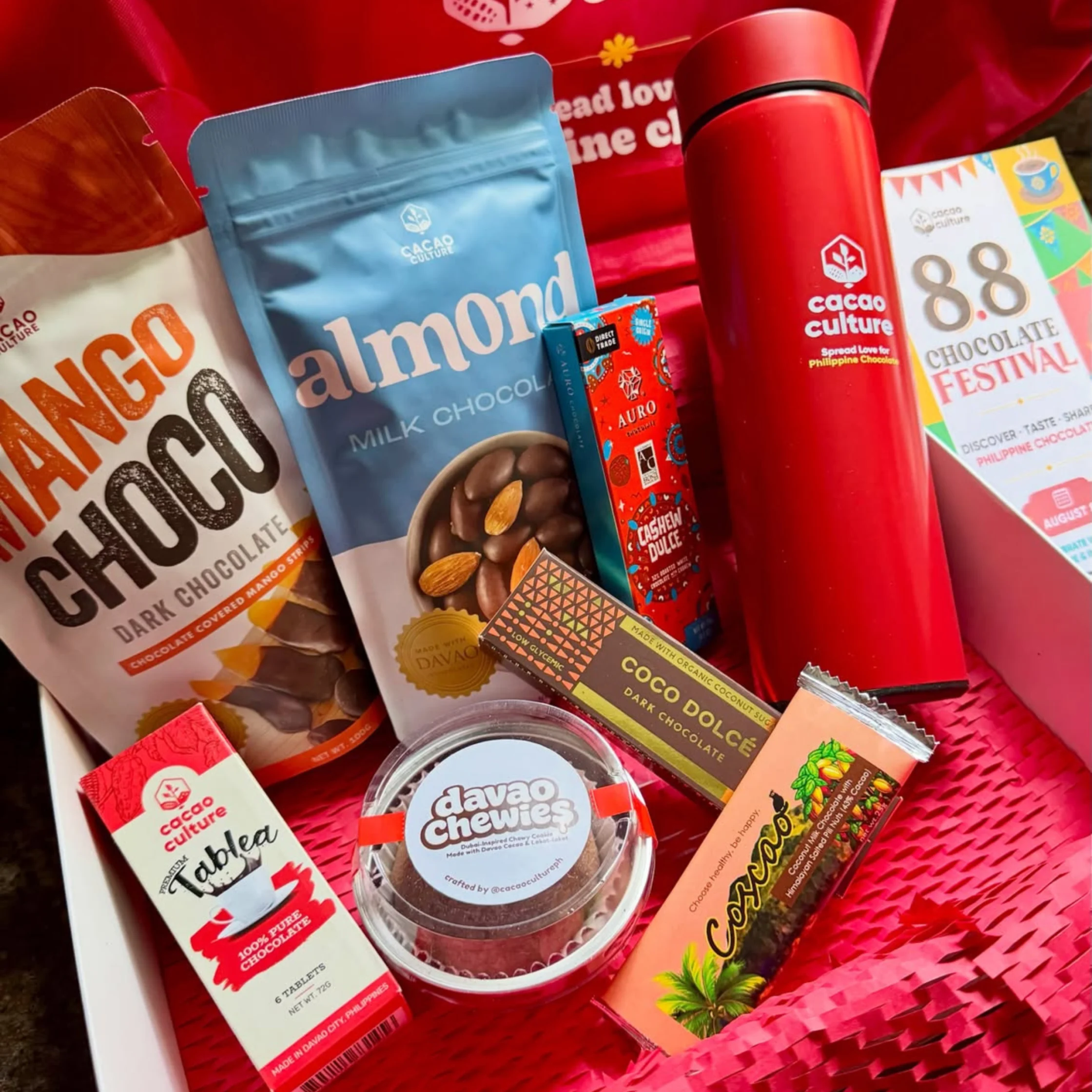
Assorted chocolate bars and treats in a gift box, including Cacao Culture packets and a red bottle-shaped container.
Goodies from Cacao Culture [PHOTO COURTESY OF Chef Beng Doria Velarde Official Instagram]

Fruity, nutty, crunchy, chocolatey—take your pick. There’s a little something for every kind of chocolate lover, all with Davao-grown cacao at the heart of it.

5. 1919 Chocolate

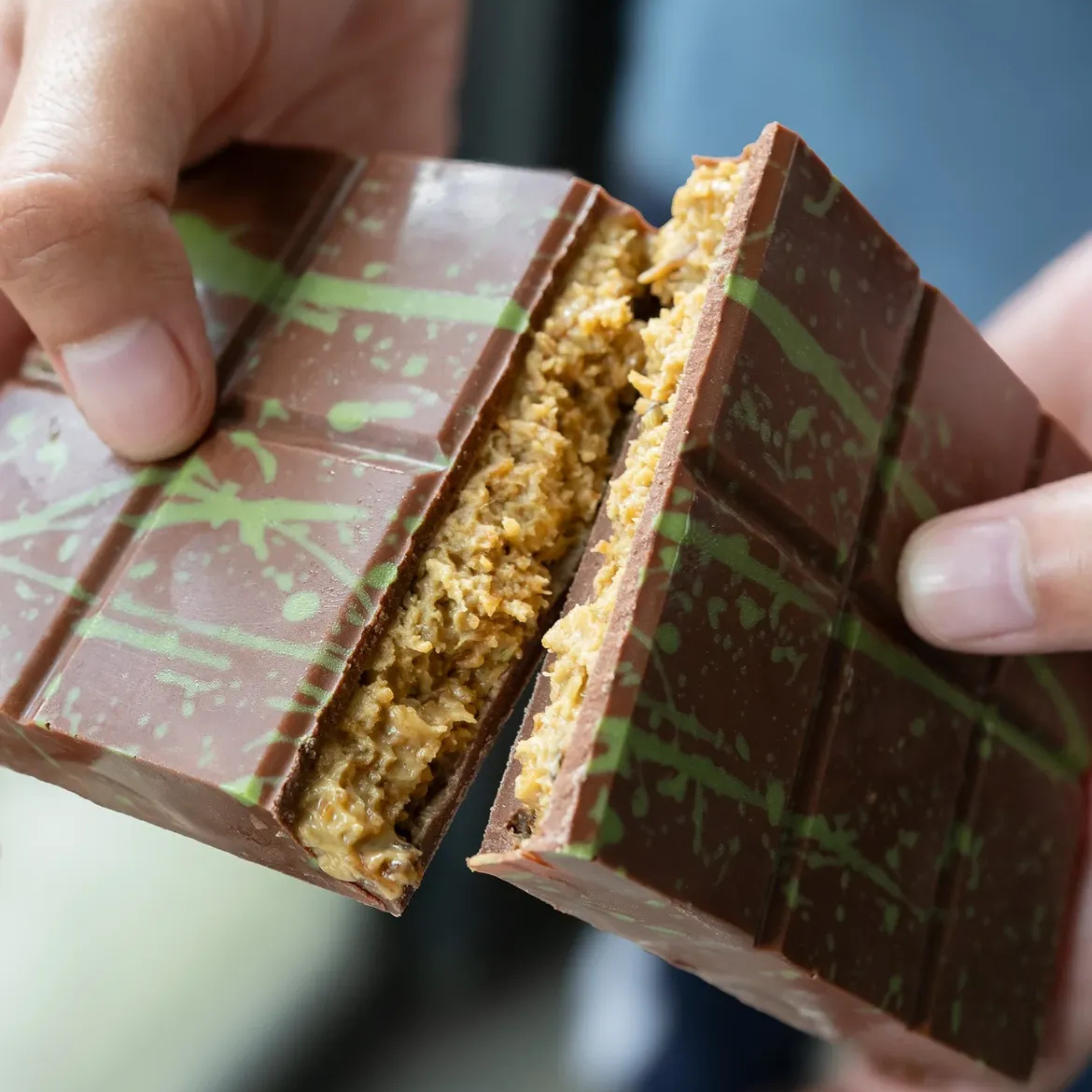
Good things take time—and 1919 Chocolate has had quite a head start. The Filipino tree-to-bar brand gets its cacao from a family estate in Batangas, where century-old Criollo trees have been producing beans for generations.
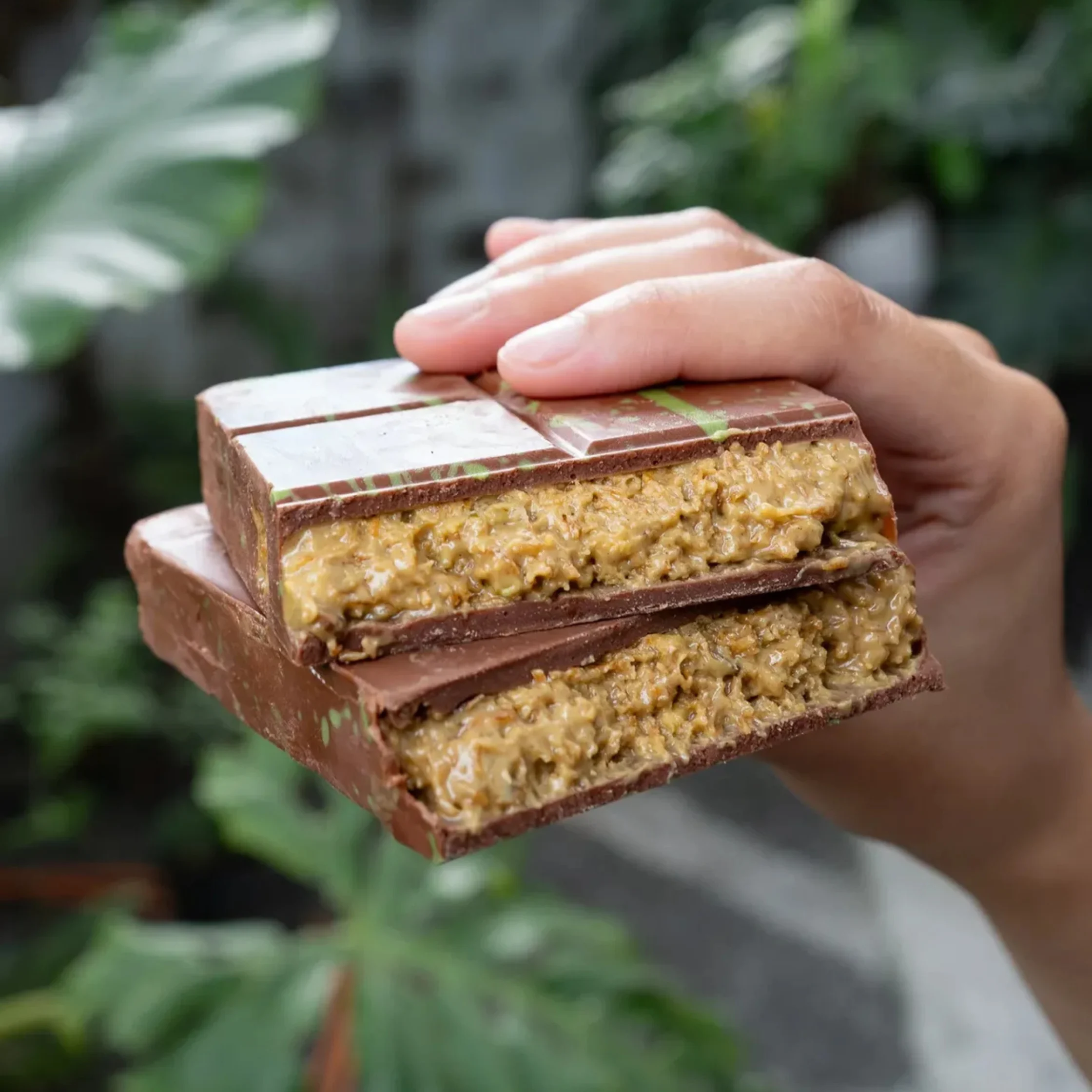
Close-up of a hand holding a stack of chocolate-covered granola bars with visible oats and nuts, outdoors among greenery.
Milk Chocolate Knafeh from 1919 Chocolate [PHOTO COURTESY OF 1919 Chocolate Official Instagram]

What started in 2019 with a few cacao beans has grown into an internationally celebrated chocolate brand, with small-batch creations that bring plenty of personality to the bar. It’s a little bit of family history, a whole lot of cacao, and a very sweet legacy to carry on.

Turns out, you don’t have to travel far for good chocolate. From Davao to Batangas and beyond, Philippine cacao is making its way into some seriously delicious creations, thanks to local farmers, chocolatiers, pastry chefs, and makers who are putting their own spin on the humble bean.

So this International Chocolate Day, skip the usual suspects and give local chocolate a chance to steal the spotlight. Your sweet tooth gets a treat, Filipino cacao gets the recognition it deserves, and everyone goes home happy.

That’s what we call a pretty sweet deal.

author avatar
Paolo Elwick
Paolo is a food writer and storyteller exploring the intersections of food, culture, and identity through thoughtful, people-centered storytelling. He believes that, second only to language, food is one of humanity's most powerful expressions of culture—a medium for preserving history, expressing identity, and coming to understand ourselves and connect with others. Drawn to the histories, traditions, and personal experiences behind every dish, his writing combines curiosity with emotional honesty, highlighting diverse voices and celebrating the communities that shape our food landscape. Influenced by writers and artists who embrace vulnerability and introspection, Paolo uses a reflective, metaphor-rich approach to uncover the deeper meanings found in everyday meals and shared tables. He is passionate about creating stories that foster empathy, preserve cultural narratives, and invite readers to see food as more than sustenance—as memory, identity, and belonging. Through his work, Paolo hopes to amplify underrepresented perspectives and spark meaningful conversations that extend far beyond the plate.

Frequently Asked Questions

Some Filipino chocolate brands worth exploring include Nico Cacao, Pâtisserie Le Choux-Colat, Auro Chocolate, Cacao Culture, and 1919 Tree-To-Bar Chocolate.

author avatar
Paolo Elwick
Paolo is a food writer and storyteller exploring the intersections of food, culture, and identity through thoughtful, people-centered storytelling. He believes that, second only to language, food is one of humanity's most powerful expressions of culture—a medium for preserving history, expressing identity, and coming to understand ourselves and connect with others. Drawn to the histories, traditions, and personal experiences behind every dish, his writing combines curiosity with emotional honesty, highlighting diverse voices and celebrating the communities that shape our food landscape. Influenced by writers and artists who embrace vulnerability and introspection, Paolo uses a reflective, metaphor-rich approach to uncover the deeper meanings found in everyday meals and shared tables. He is passionate about creating stories that foster empathy, preserve cultural narratives, and invite readers to see food as more than sustenance—as memory, identity, and belonging. Through his work, Paolo hopes to amplify underrepresented perspectives and spark meaningful conversations that extend far beyond the plate.

Filipino chocolate is made from cacao grown in the Philippines. Depending on the brand and product, the chocolate may feature cacao from regions such as Davao, Negros Oriental, or Batangas.

author avatar
Paolo Elwick
Paolo is a food writer and storyteller exploring the intersections of food, culture, and identity through thoughtful, people-centered storytelling. He believes that, second only to language, food is one of humanity's most powerful expressions of culture—a medium for preserving history, expressing identity, and coming to understand ourselves and connect with others. Drawn to the histories, traditions, and personal experiences behind every dish, his writing combines curiosity with emotional honesty, highlighting diverse voices and celebrating the communities that shape our food landscape. Influenced by writers and artists who embrace vulnerability and introspection, Paolo uses a reflective, metaphor-rich approach to uncover the deeper meanings found in everyday meals and shared tables. He is passionate about creating stories that foster empathy, preserve cultural narratives, and invite readers to see food as more than sustenance—as memory, identity, and belonging. Through his work, Paolo hopes to amplify underrepresented perspectives and spark meaningful conversations that extend far beyond the plate.

Tree-to-bar chocolate refers to chocolate makers who have greater control over the process from cacao sourcing and fermentation through chocolate production, rather than simply buying finished chocolate.

author avatar
Paolo Elwick
Paolo is a food writer and storyteller exploring the intersections of food, culture, and identity through thoughtful, people-centered storytelling. He believes that, second only to language, food is one of humanity's most powerful expressions of culture—a medium for preserving history, expressing identity, and coming to understand ourselves and connect with others. Drawn to the histories, traditions, and personal experiences behind every dish, his writing combines curiosity with emotional honesty, highlighting diverse voices and celebrating the communities that shape our food landscape. Influenced by writers and artists who embrace vulnerability and introspection, Paolo uses a reflective, metaphor-rich approach to uncover the deeper meanings found in everyday meals and shared tables. He is passionate about creating stories that foster empathy, preserve cultural narratives, and invite readers to see food as more than sustenance—as memory, identity, and belonging. Through his work, Paolo hopes to amplify underrepresented perspectives and spark meaningful conversations that extend far beyond the plate.

Cacao is grown in several parts of the Philippines, including Davao, Batangas, Negros Oriental, and other cacao-producing regions across the country.

author avatar
Paolo Elwick
Paolo is a food writer and storyteller exploring the intersections of food, culture, and identity through thoughtful, people-centered storytelling. He believes that, second only to language, food is one of humanity's most powerful expressions of culture—a medium for preserving history, expressing identity, and coming to understand ourselves and connect with others. Drawn to the histories, traditions, and personal experiences behind every dish, his writing combines curiosity with emotional honesty, highlighting diverse voices and celebrating the communities that shape our food landscape. Influenced by writers and artists who embrace vulnerability and introspection, Paolo uses a reflective, metaphor-rich approach to uncover the deeper meanings found in everyday meals and shared tables. He is passionate about creating stories that foster empathy, preserve cultural narratives, and invite readers to see food as more than sustenance—as memory, identity, and belonging. Through his work, Paolo hopes to amplify underrepresented perspectives and spark meaningful conversations that extend far beyond the plate.

International Chocolate Day is celebrated annually on September 13.

author avatar
Paolo Elwick
Paolo is a food writer and storyteller exploring the intersections of food, culture, and identity through thoughtful, people-centered storytelling. He believes that, second only to language, food is one of humanity's most powerful expressions of culture—a medium for preserving history, expressing identity, and coming to understand ourselves and connect with others. Drawn to the histories, traditions, and personal experiences behind every dish, his writing combines curiosity with emotional honesty, highlighting diverse voices and celebrating the communities that shape our food landscape. Influenced by writers and artists who embrace vulnerability and introspection, Paolo uses a reflective, metaphor-rich approach to uncover the deeper meanings found in everyday meals and shared tables. He is passionate about creating stories that foster empathy, preserve cultural narratives, and invite readers to see food as more than sustenance—as memory, identity, and belonging. Through his work, Paolo hopes to amplify underrepresented perspectives and spark meaningful conversations that extend far beyond the plate.
paolo elwick delish ph food writer

Paolo Elwick

Writer

Paolo is a food writer and storyteller exploring the intersections of food, culture, and identity through thoughtful, people-centered storytelling. He believes that, second only to language, food is one of humanity's most powerful expressions of culture—a medium for preserving history, expressing identity, and coming to understand ourselves and connect with others. Drawn to the histories, traditions, and personal experiences behind every dish, his writing combines curiosity with emotional honesty, highlighting diverse voices and celebrating the communities that shape our food landscape. Influenced by writers and artists who embrace vulnerability and introspection, Paolo uses a reflective, metaphor-rich approach to uncover the deeper meanings found in everyday meals and shared tables. He is passionate about creating stories that foster empathy, preserve cultural narratives, and invite readers to see food as more than sustenance—as memory, identity, and belonging. Through his work, Paolo hopes to amplify underrepresented perspectives and spark meaningful conversations that extend far beyond the plate.

0 0 votes
Total of Ratings
guest
Rating
Ratings for Article
0 Comments
Oldest
Newest Most Voted

To provide a customized ad experience, we need to know if you are of legal age in your region.

By making a selection, you agree to our Terms & Conditions.