

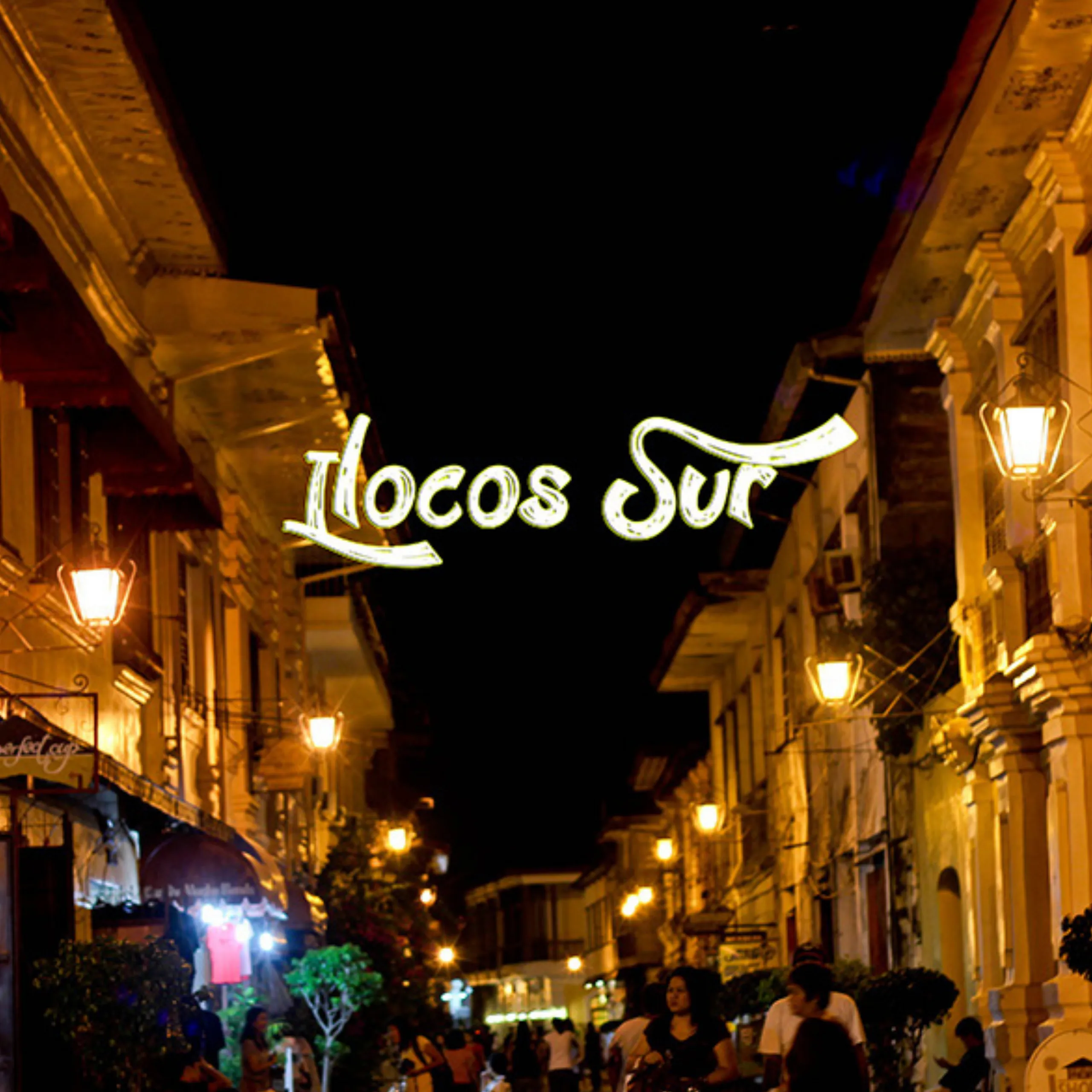
Characterized by rugged terrain, backyards rich in vegetables, and the industrious nature of many Ilocanos, Ilocos Sur’s food is marked by resourcefulness, simplicity, and real, unmasked flavors. It is further defined by their affinity for salty and bitter flavors and, well, bagoong as seasoning. These lesser-known dishes not only reinforce these claims but also prove that there’s much more to Ilocos Sur than their viral empanada.
There’s more to Ilocos Sur than fried food,
This northern province holds a wide array of dishes that personify their culture, apart from the famous bagnet and Vigan longganisa.
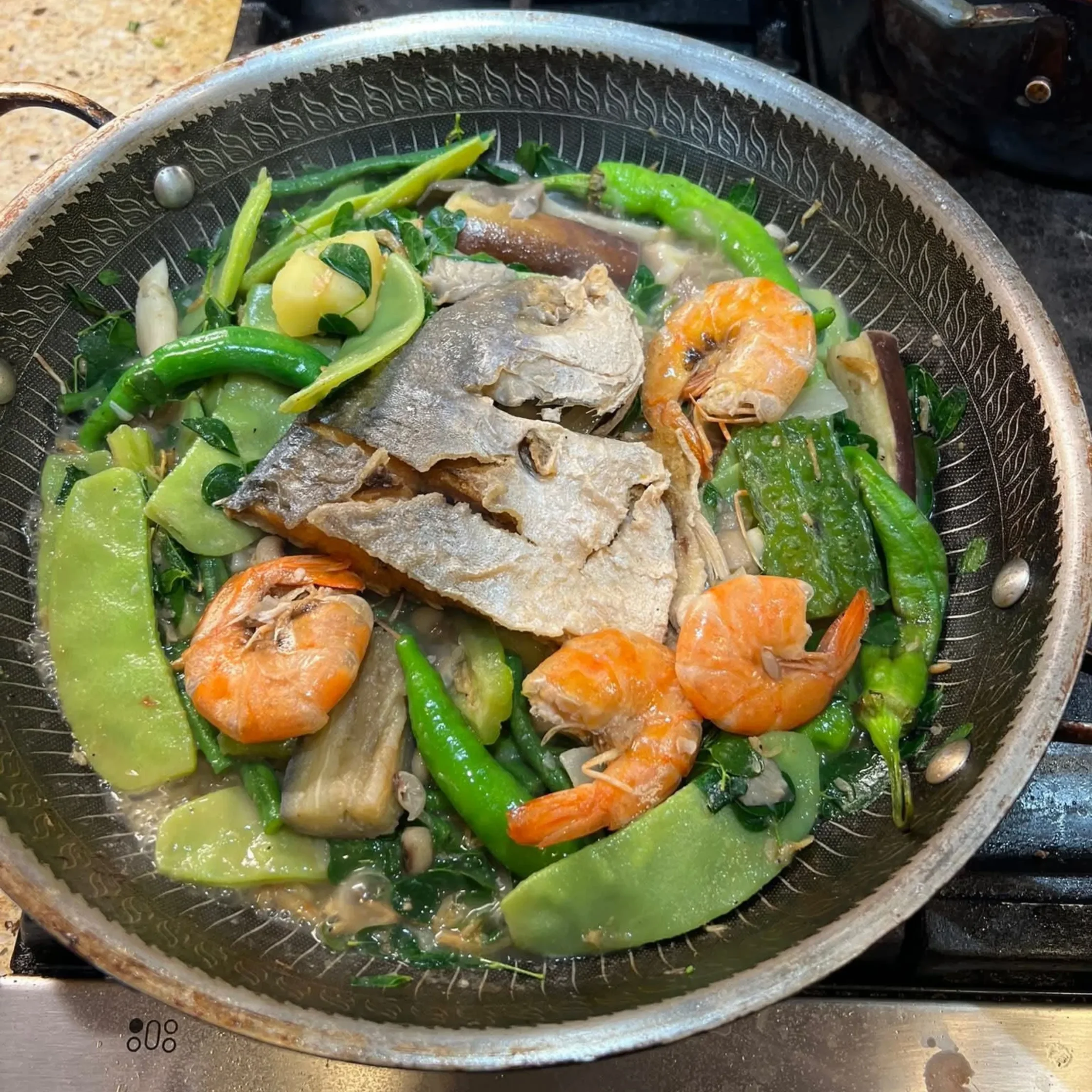
1. Baradibud
Having easy access to backyard vegetable harvests, having a vegetable stew or soup should come as no surprise. An iteration of the traditional dinengdeng, this dish, which is also known as buridibod, is a stew with a sweet potato broth flavored with fish bagoong. As with many other Ilocano dishes, this is flexible and accommodates what’s fresh and in season.
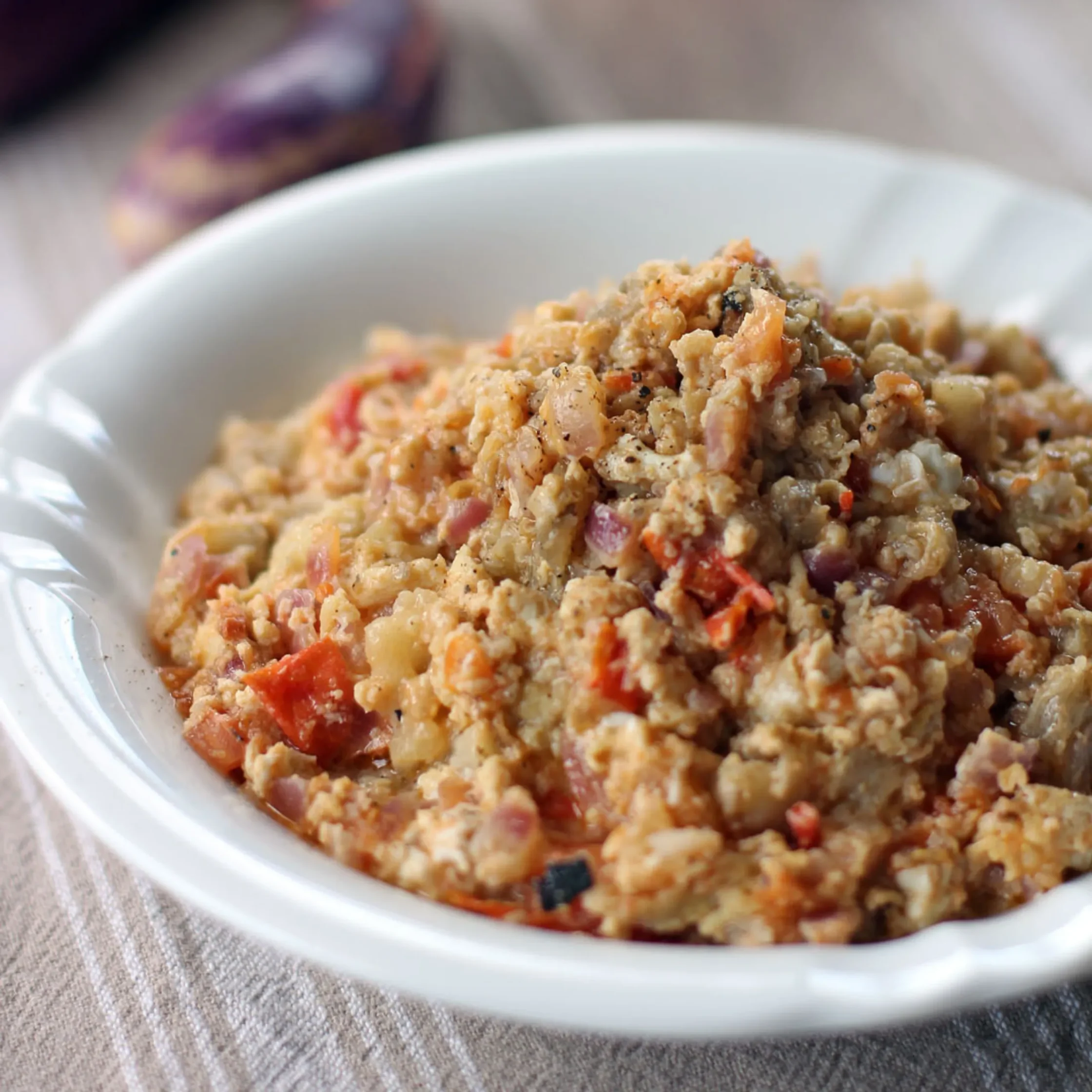
2. Poque Poque
The spelling differs—there’s poki-poki as well as puqui-puqui. But what remains the same is its composition: native eggplant that’s been broiled, chopped then sautéed with tomatoes, onions and eggs. It’s like tortang talong but not quite as the egg, in this case, is already incorporated in the mixture.
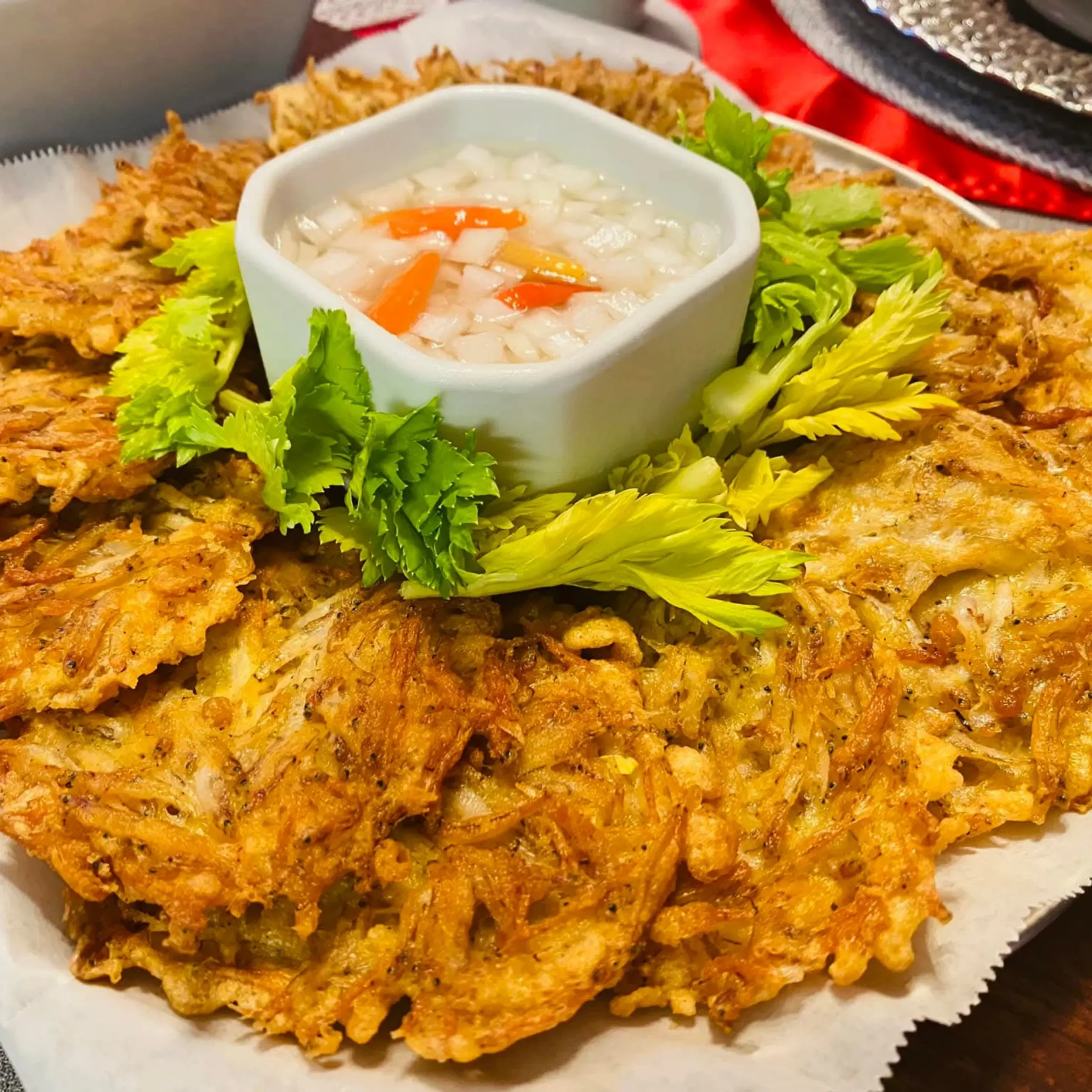
3. Tortang Ipon
It’s similar to okoy in the sense that it is a shrimp fritter. But the components make the difference. This torta doesn’t use glutinous rice flour, nor does it have chopped vegetables like sweet potato, squash and bean sprouts. Instead, it mixes ipon (tiny fish similar to dulong, which becomes available at the coast of Caoayan during cold months), onions, tomatoes and egg—that’s it.
4. Warek Warek
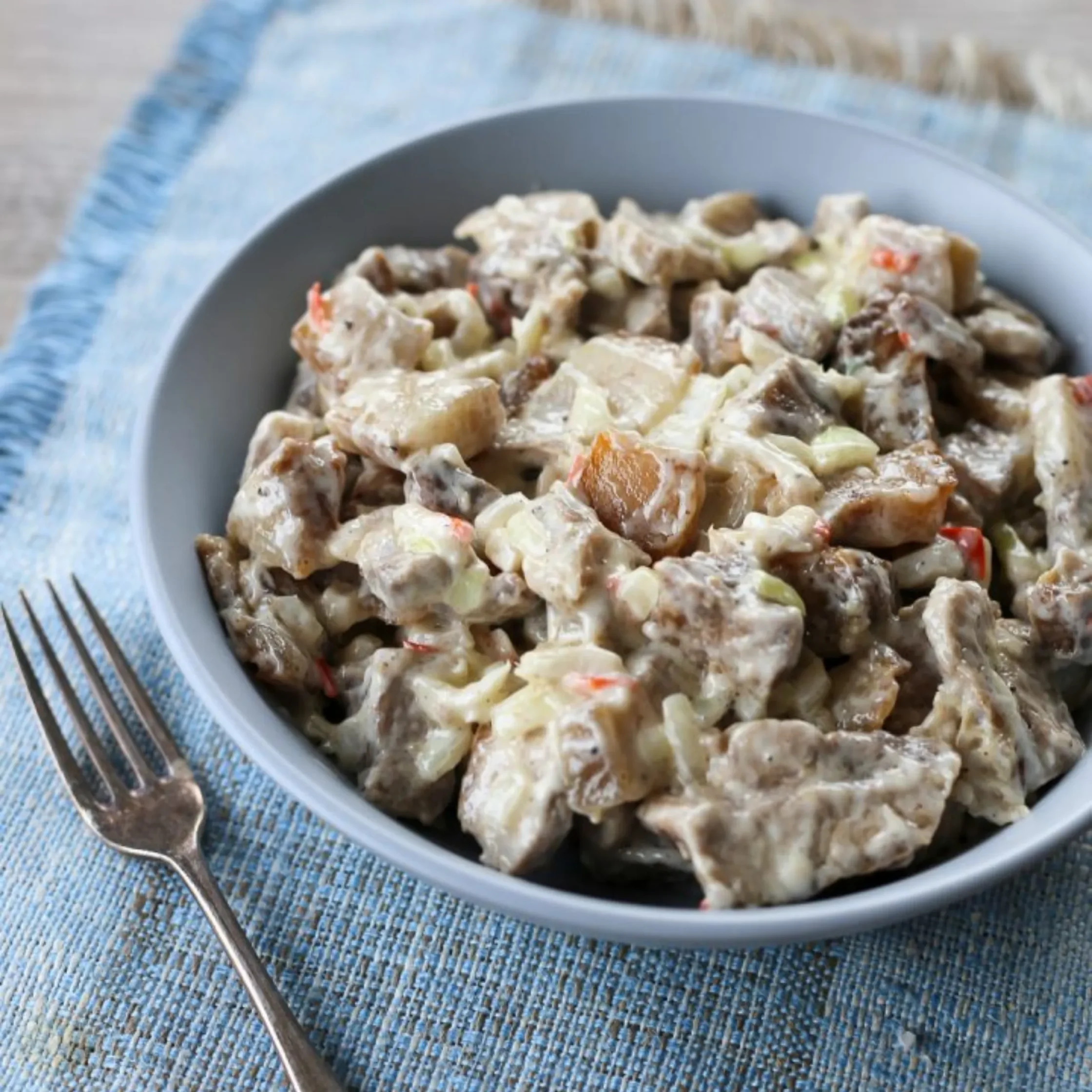
The dinakdakan, aka cooked kilawin, is slightly cooked pork face and liver that’s tossed in vinegar and spices. When pork brain that has been boiled in vinegar, drained, mashed then added to a dinakdakan, then it becomes warek-warek.
5. Ladek
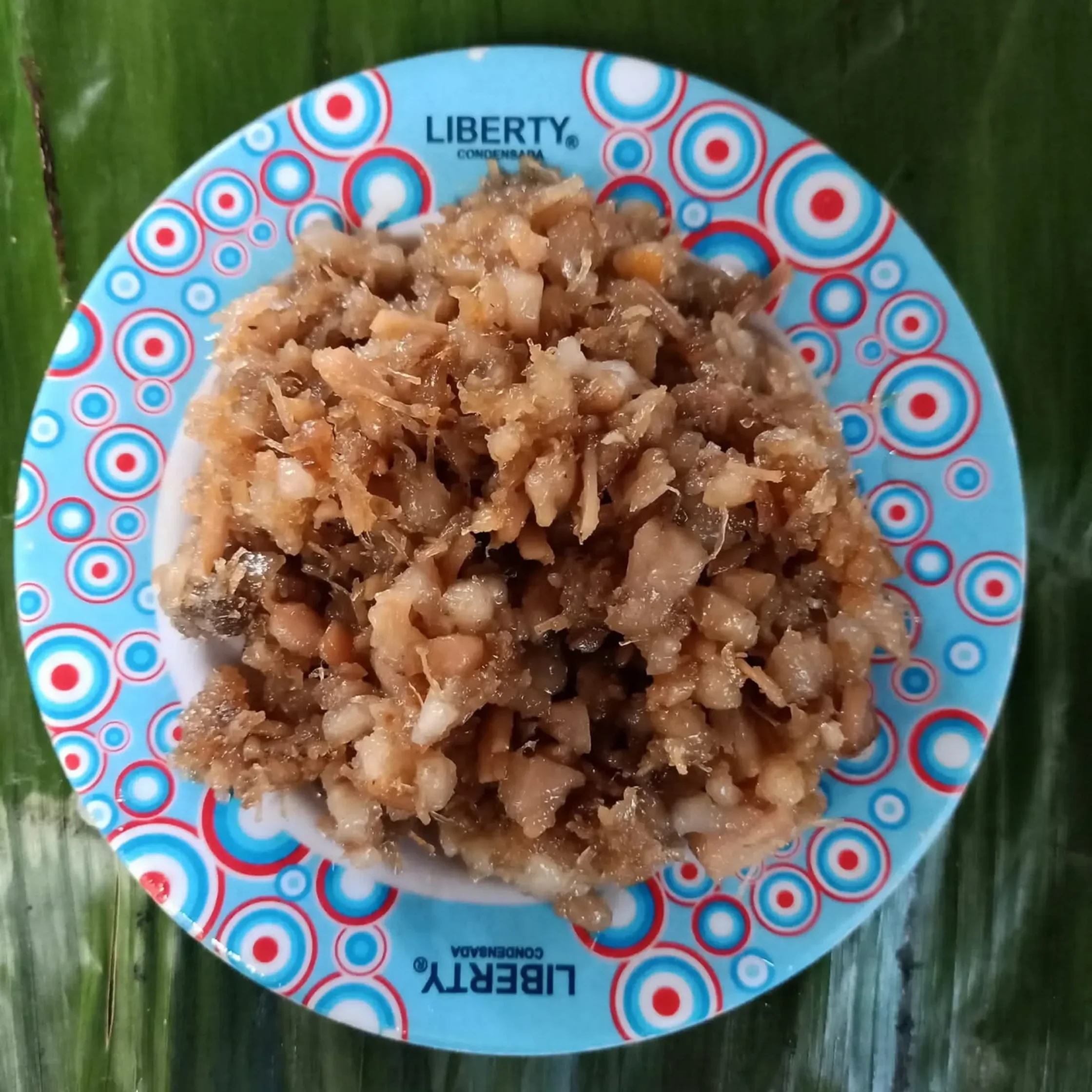
It’s your straightforward sisig—just pork face, head scraps and innards and nothing else to season it. The meat parts are broiled until tender then chopped to bits and cooked in oil until It becomes chewy, much like a pork floss.
6. Imbaliktad
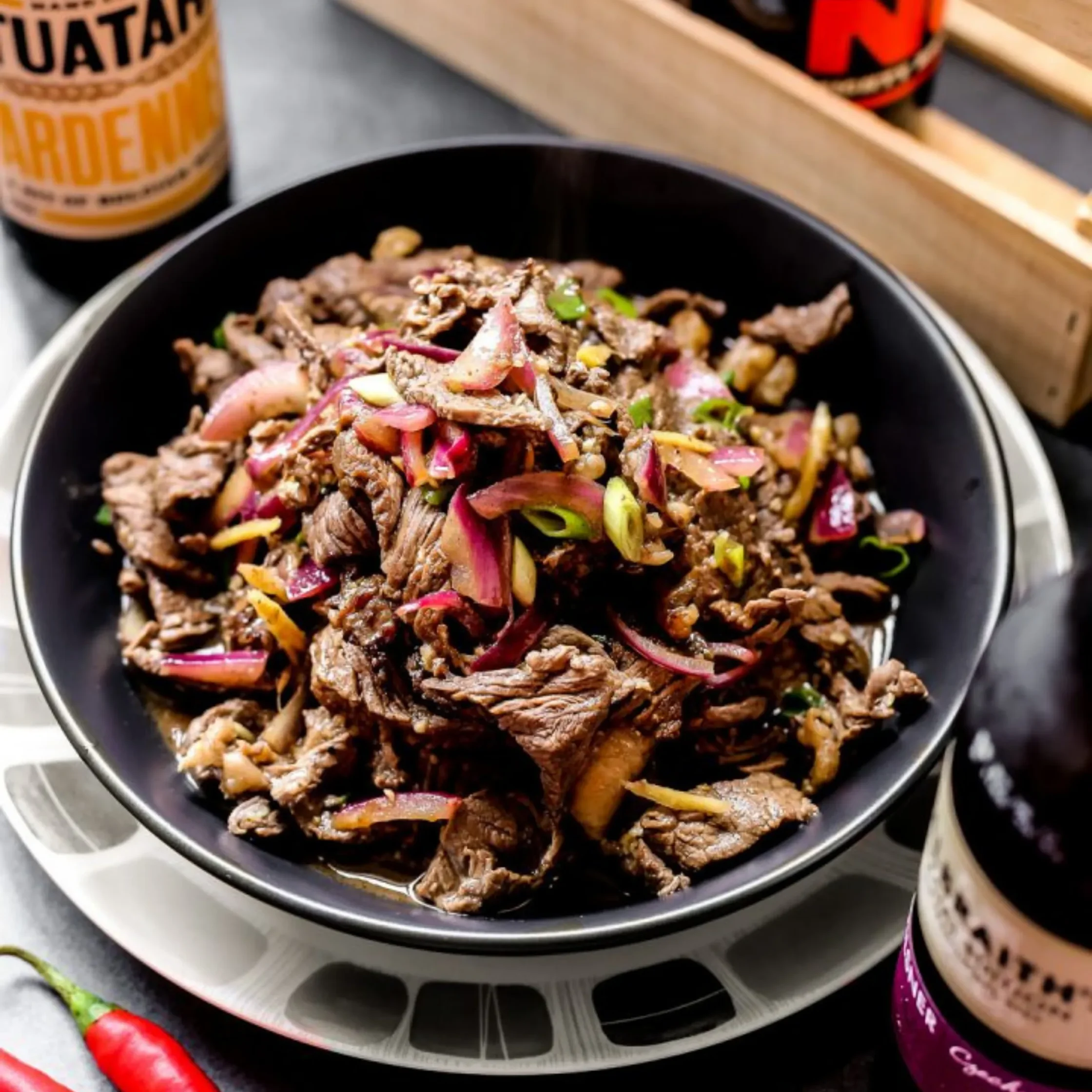
It’s either you love it or you hate it. Here, beef meat and innards are cooked in bitter juice from the digestive tract of grass-eating animals like cows and goats. Sometimes, they add liver to make the dish even richer.
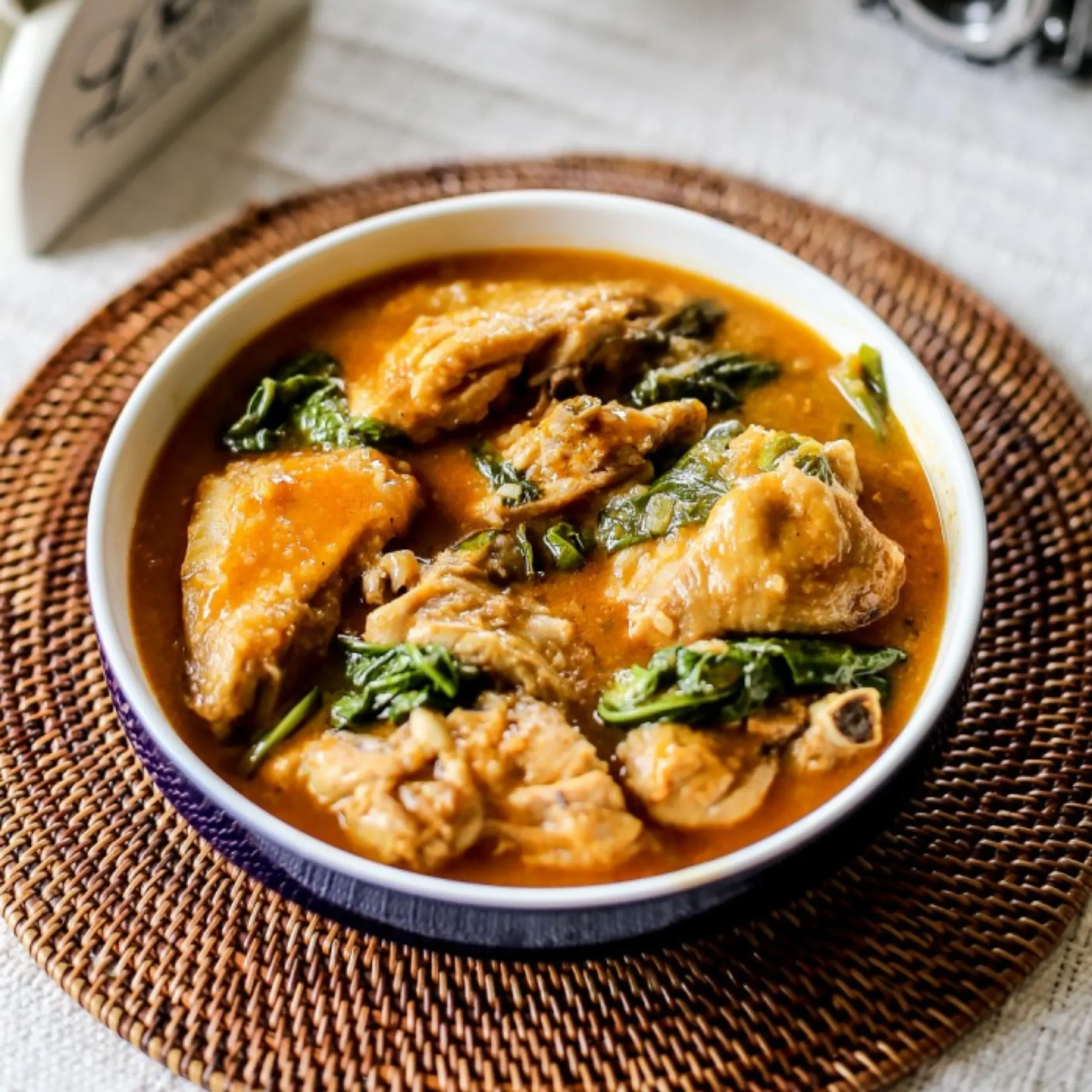
7. Pipian
It’s a chicken stew that’s largely influenced by Mexican flavors. Whereas the Mexican pipian uses roasted ground pumpkin seeds to thicken the sauce, the local dish uses ground rice flour. It also has the epazote leaves, aka pasote, an herb that most likely ended up in the country due to the Manila-Acapulco trade.

Frequently Asked Questions
Province of Ilocos Sur is located in the northwestern coast of Luzon in the Ilocos Region or Region I.
Food from Ilocos Sur is dictated by their resourcefulness, simplicity, and salty and bitter flavors.
The foods from Ilocos Sur that are much more well-known all throughout the Philippines include bagnet and Vigan longganisa.
There are many less well-known dishes that still reinforce what ingredients and flavor profiles you can expect from Ilocos Sur cuisine. These include baradibud, tortang ipon, imbaliktad, and pipian.