

Onion. Garlic. Ginger. Tomato. Calamansi. Every Filipino dish needs at least one of these vegetables, so you’ve got to make sure you have them.
This means knowing how to properly store these essential ingredients that not only ensures they are ready to use at any time, but makes them last as long as they can in your pantry.
The appropriate approach will depend the kind of ingredient and its own unique properties, so even shoving them in the refrigerator has to be done in a specific way.
Onion & Garlic: Keep Dry, Isolated, and in Open Air
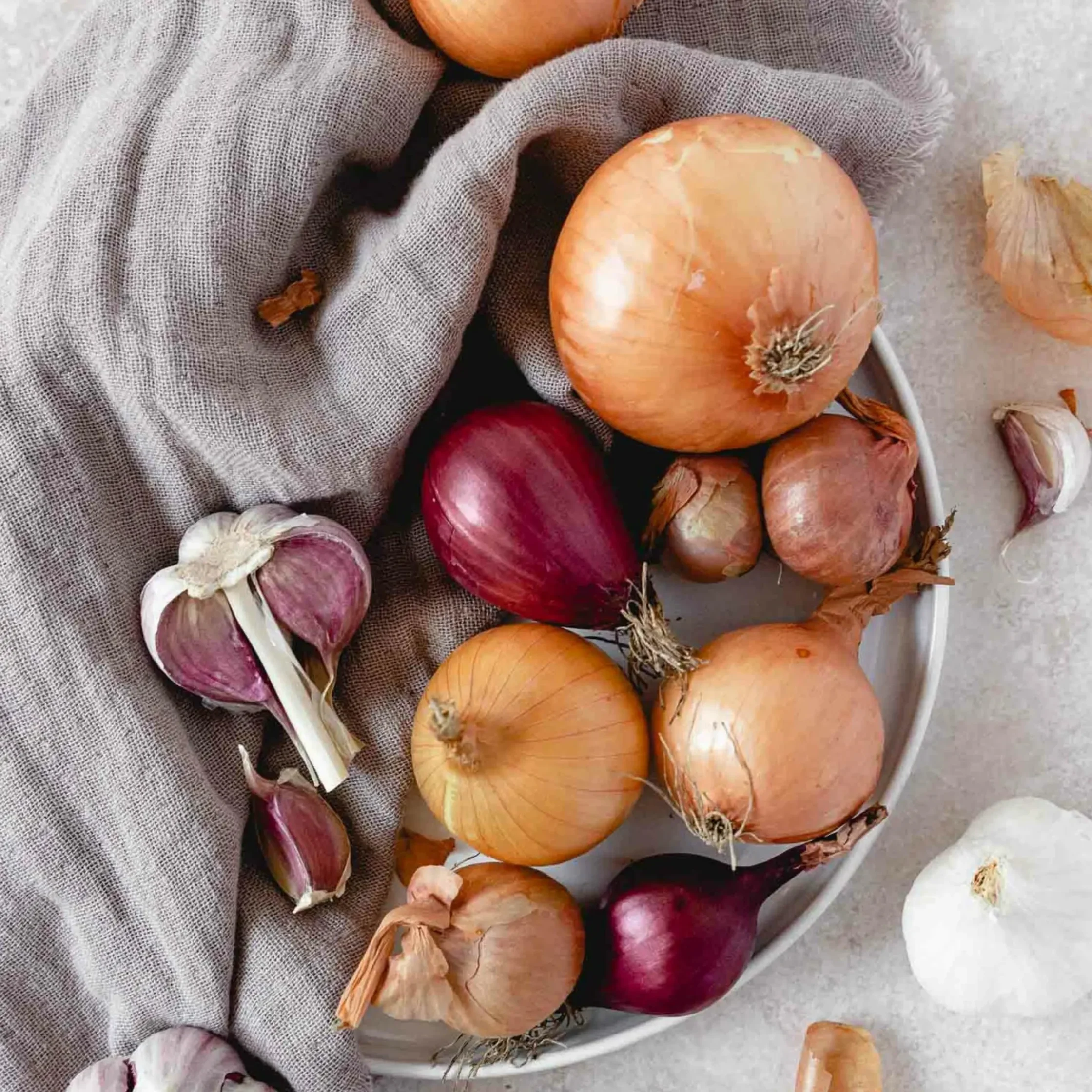
Onions and garlic are used in almost all Filipino dishes, so being able to store them properly is crucial for any home kitchen. Maximizing their shelf life means minimizing molding, spoilage, and sprouting. To achieve this, there are two things you need to take into account:
The first is that both are very sensitive to moisture. It is best that they be stored somewhere cool, dry, and well-ventilated. Anywhere or any container that limits airflow should be avoided. Consider storing them in a mesh bag or an open basket.
The second is that they absorb the flavors and odors of anything in their immediate vicinity. As much as possible, don’t store them with any other vegetables or fruits. Under the right conditions, onions and garlic can last as long as 2 months and 5 months respectively.
Ginger: Unpeeled at Room Temperature
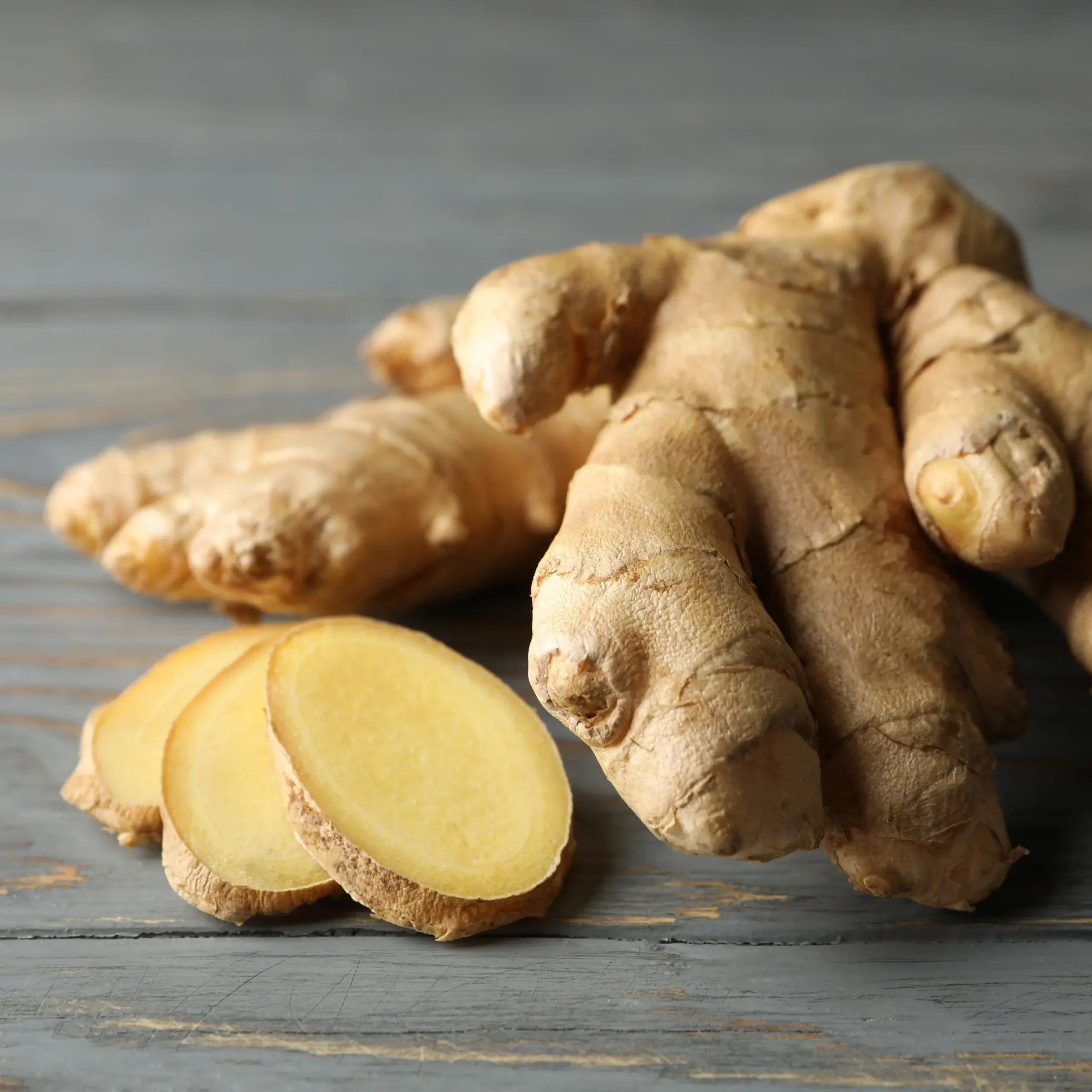
Aside from medicinal uses, ginger is prevalent in many marinades, stews, and even as toppings. How you choose to store it will depend on how you will incorporate it into your cooking.
For freshly bought ginger, you should leave the peel on until you need to use it and store it whole at room temperature. For peeled or already cut ginger, you can wrap it in plastic wrap and store it in the crisper drawer of your refrigerator to avoid further oxidation.
Calamansi: Juiced
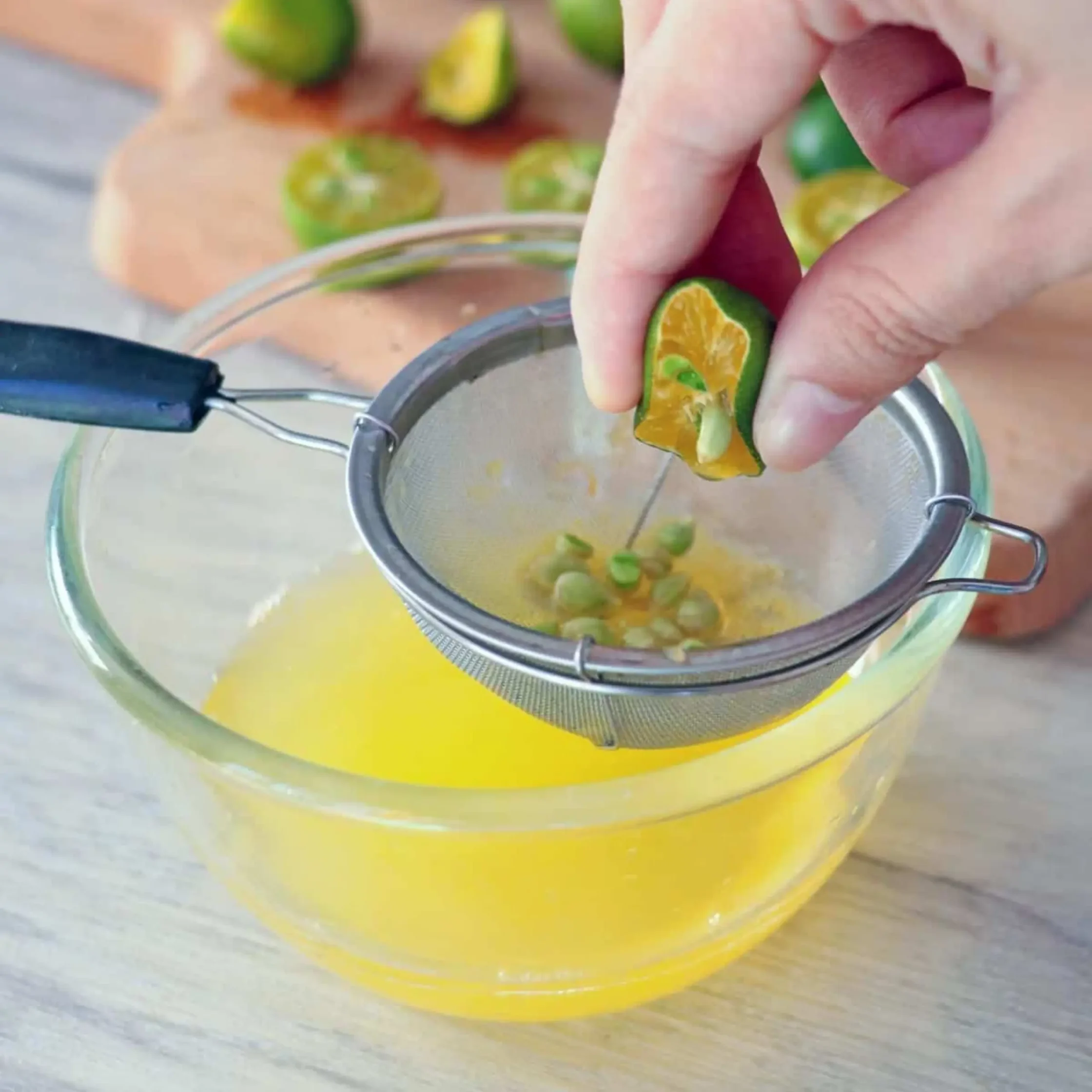
When life gives you calamansi, you make calamansiCalamansiA small, tart citrus native to the Philippines, with thin green skin and juicy, sour-sweet flesh. Squeezed into sawsawan, marinades, noodle dishes, and cold drinks, calamansi brightens everything it touchesGo to Calamansi Glossary juice! The most effective way to preserve calamansi is to juice them when it’s just ripe and keep it in a closed container inside the refrigerator. Another option is freezing them in ice cube containers and then thawing it whenever you need to use it.
If you’d prefer to keep the calamansiCalamansiA small, tart citrus native to the Philippines, with thin green skin and juicy, sour-sweet flesh. Squeezed into sawsawan, marinades, noodle dishes, and cold drinks, calamansi brightens everything it touchesGo to Calamansi Glossary intact, you may leave them out at room temperature for short term use or store them in the refrigerator for long term use. Just keep an eye out and separate any moldy or bruised ones so that they don’t affect the others.
Tomato: Stem Side Down with Tape
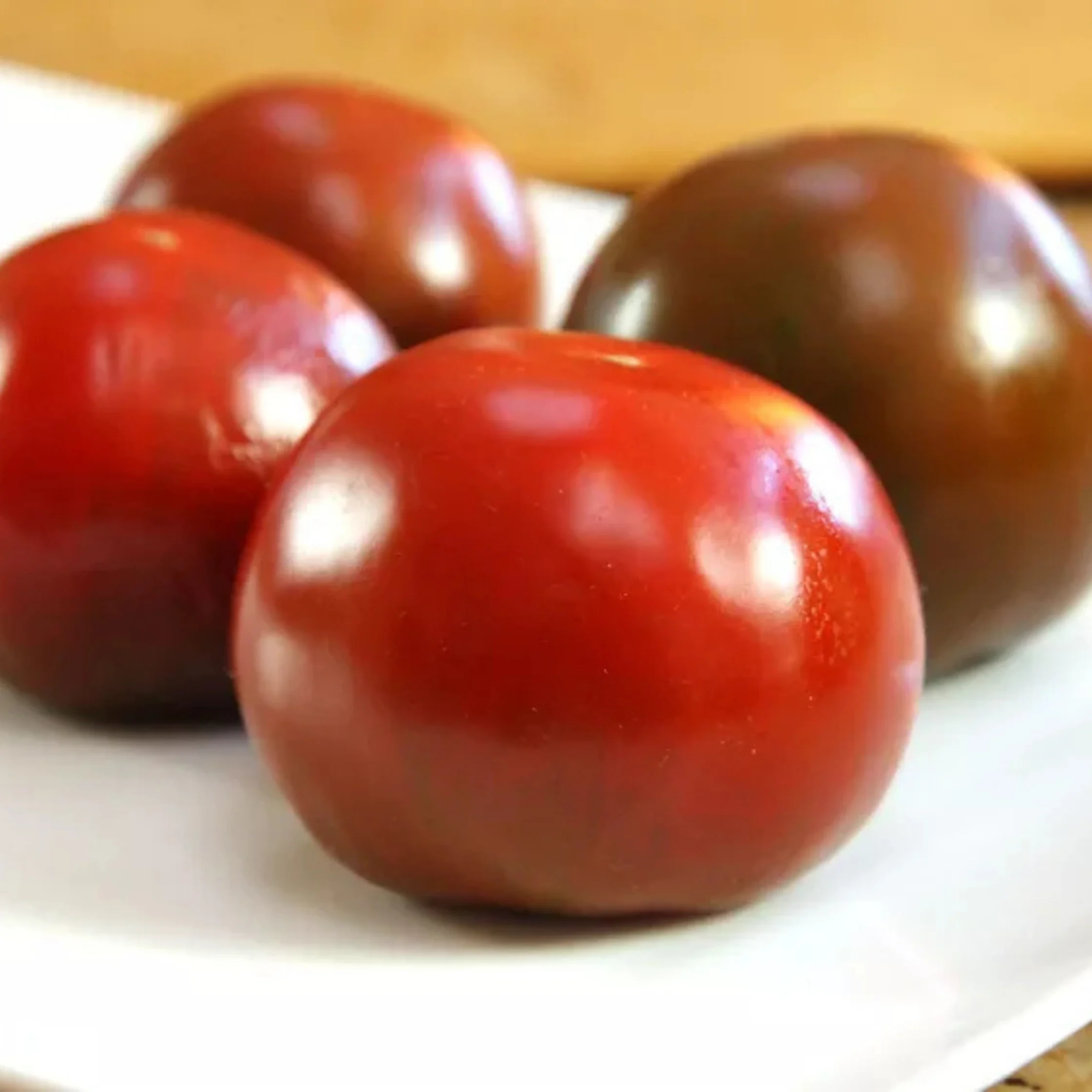
There’s no better feeling than serving something like itlog na maalat and there being a plump tomato available to slice up and eat it with. The way to properly store may sound a bit unconventional, but it is undeniably effective.
The main problem when storing tomatoes is they might lose their moisture. All you need to do to prevent this from happening is place it stem side down. Another hack is to put tape to help retain its moisture even more.
Mastering the art of storing these five kitchen staples goes beyond simple pantry organization—it forms the foundation of great Filipino cooking. By giving onions, garlic, ginger, tomatoes, and calamansiCalamansiA small, tart citrus native to the Philippines, with thin green skin and juicy, sour-sweet flesh. Squeezed into sawsawan, marinades, noodle dishes, and cold drinks, calamansi brightens everything it touchesGo to Calamansi Glossary the specific care they need, you ensure that every gisa starts with the freshest, most vibrant flavors possible.
Not only does proper storage save money by cutting down on food waste, but it also guarantees you are always just a few quick prep steps away from making a comforting bowl of sinigangSinigangA sour, savory Filipino soup soured with tamarind, guava, or calamansi and loaded with pork, shrimp, fish, or beef alongside vegetables like kangkong, radish, and string beans. A national comfortGo to Sinigang Glossary or a classic dipping sauce.
Treat your ingredients right, and your home-cooked meals will consistently deliver that rich, familiar taste of home!

Frequently Asked Questions
It is a case by case basis, depending on the kind of fruit or vegetable. But a good rule of thumb is to keep them dry, at room temperature, and away from sunlight.
Incorrectly storing produce inside the refrigerator can affect their texture and taste. It can make them turn mushy and bland. The only cases where you would refrigerate them would be if you plan on preserving them long term or if it they are leftovers such as unused peeled ginger or half cut onions.
Look for signs of any discoloration, foul odor, visible mold, and unusual texture. Immediately isolate any pieces that have gone bad as to not let it spread further.