

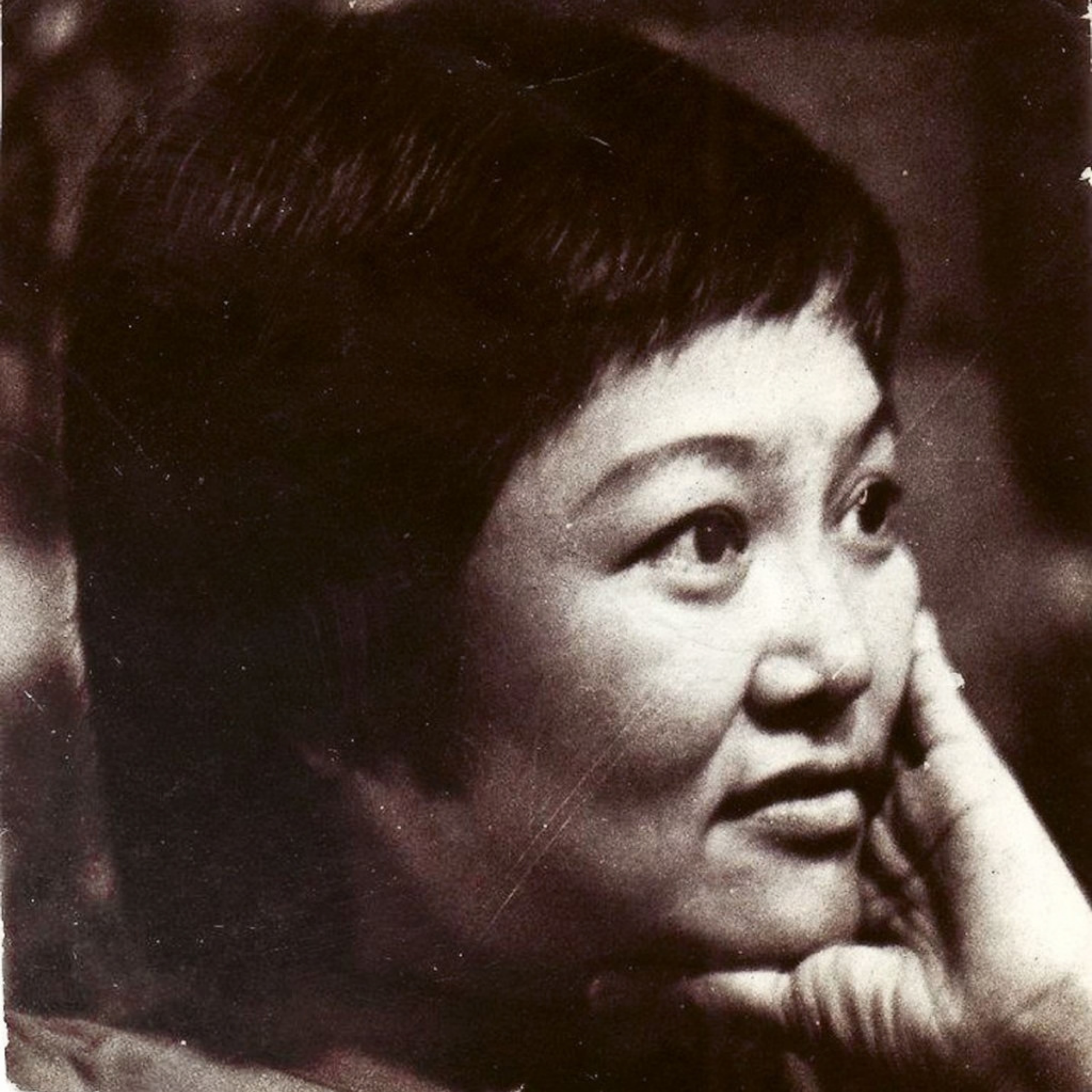
In the 1980s, after Reena finished college at the Ateneo, she traveled to Hong Kong with her doting aunt Doreen and uncle Wili Fernandez. It was their gift to the fresh graduate: they ate at the interior designer’s favorite haunts, from eateries in back alleys to private clubs in luxury hotels.
Wili made sure they were picked up by a Rolls-Royce at the airport and driven to The Peninsula, where the staff knew him. “Tito Wili loved the good life, so everything had to be high-end,” Reena recalls, “but when it came to food, he knew his karinderyas.” Doreen was the complete opposite.
“Tita Doreen is really simple—she’s just happy to ride anything.” She preferred wearing plain T-shirts and jeans. When Reena and her aunt wandered along Hong Kong’s shopping districts, Doreen was delighted by the bargain prices.
In good taste
Whenever Doreen ate at restaurants, “she didn’t want this thing of being given importance.” She always insisted on paying for her meals. Reena remembers a time when she asked Doreen to teach her sons food writing, and she did. She took Mari, 11, Carlo, 10, and their five-year-old cousin, Maite, to a diner that served pancakes and waffles all day. In a piece of paper, she wrote, “I like this food because…, I don’t like this food because…” But the staff “were fussing over her, and she hated it.” It was in 2002, and she was already ill.
Doreen only gave positive reviews in her food criticism. It was a product of her upbringing; she believed it was impolite to write anything bad about a restaurant. When she was younger, Doreen once wrote a sharp review about a “super-pretentious” restaurant that served steak—“not very good, and not very well served, either,” she later recalled in an interview. It was a piece she regretted having written: “I thought I had to reform things, tell ‘them’ how things should be,” she said. “She appreciated the efforts of anyone when she would eat in a restaurant,” Reena says. “For her, we are all the same.”
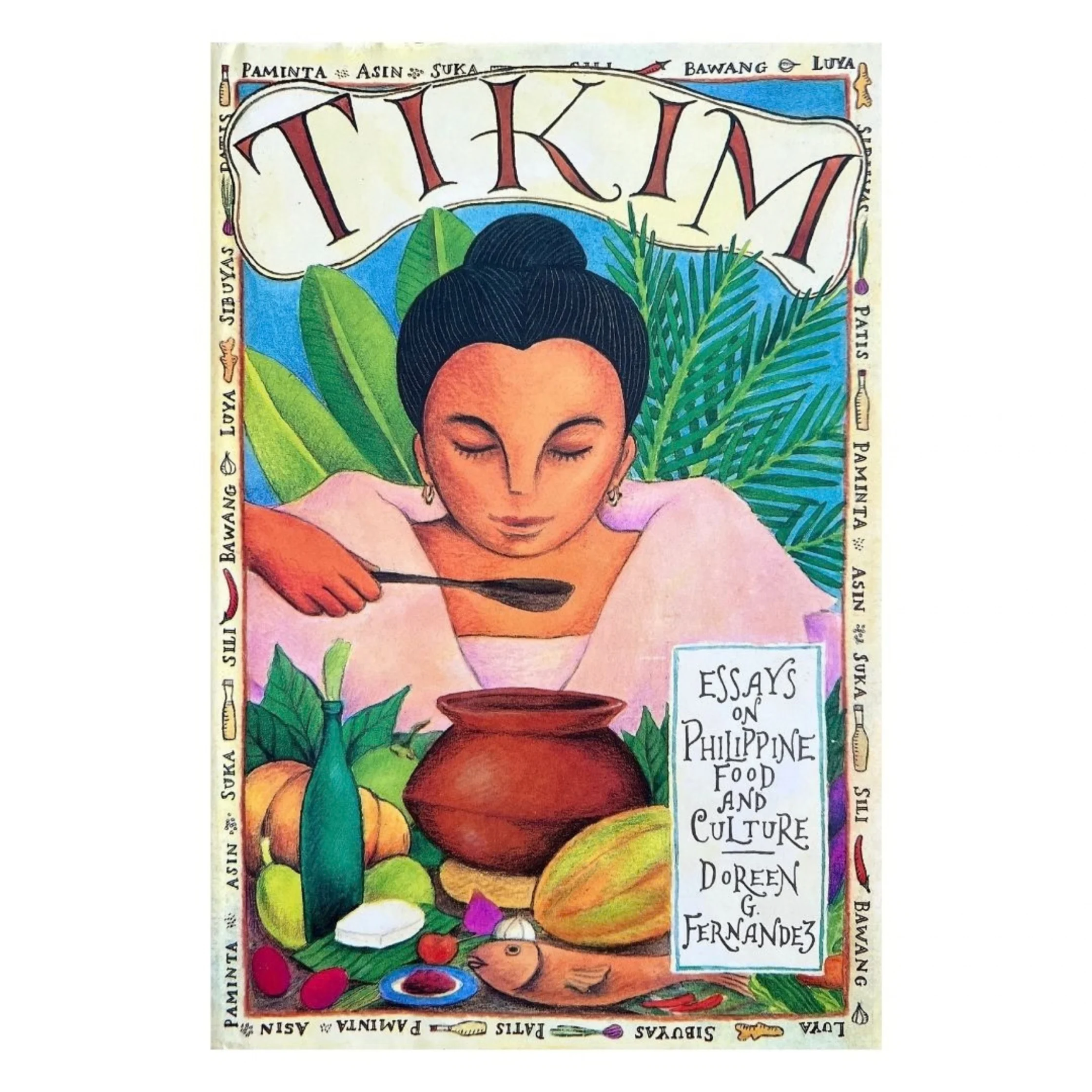
Doreen refused to pose as an authority even though she had the right to do so in the many fields on which she broke new ground. She considered her food writing career “accidental,” something she “just stumbled onto.” She was an English teacher at St. Scholastica’s College when the Manila Chronicle approached Wili to write a food column. “Oh sure,” he said, “I’ll eat, and she’ll write.” Their first joint byline ran in 1969, under the column “Pot-au-Feu.” But Doreen realized that there was a realm of food writing that saw beyond pleasure and into culture. “Soon, I was no longer interested in just describing the food,” she wrote. “I wanted to know its history, its setting, its meaning.”
Delicious legacy
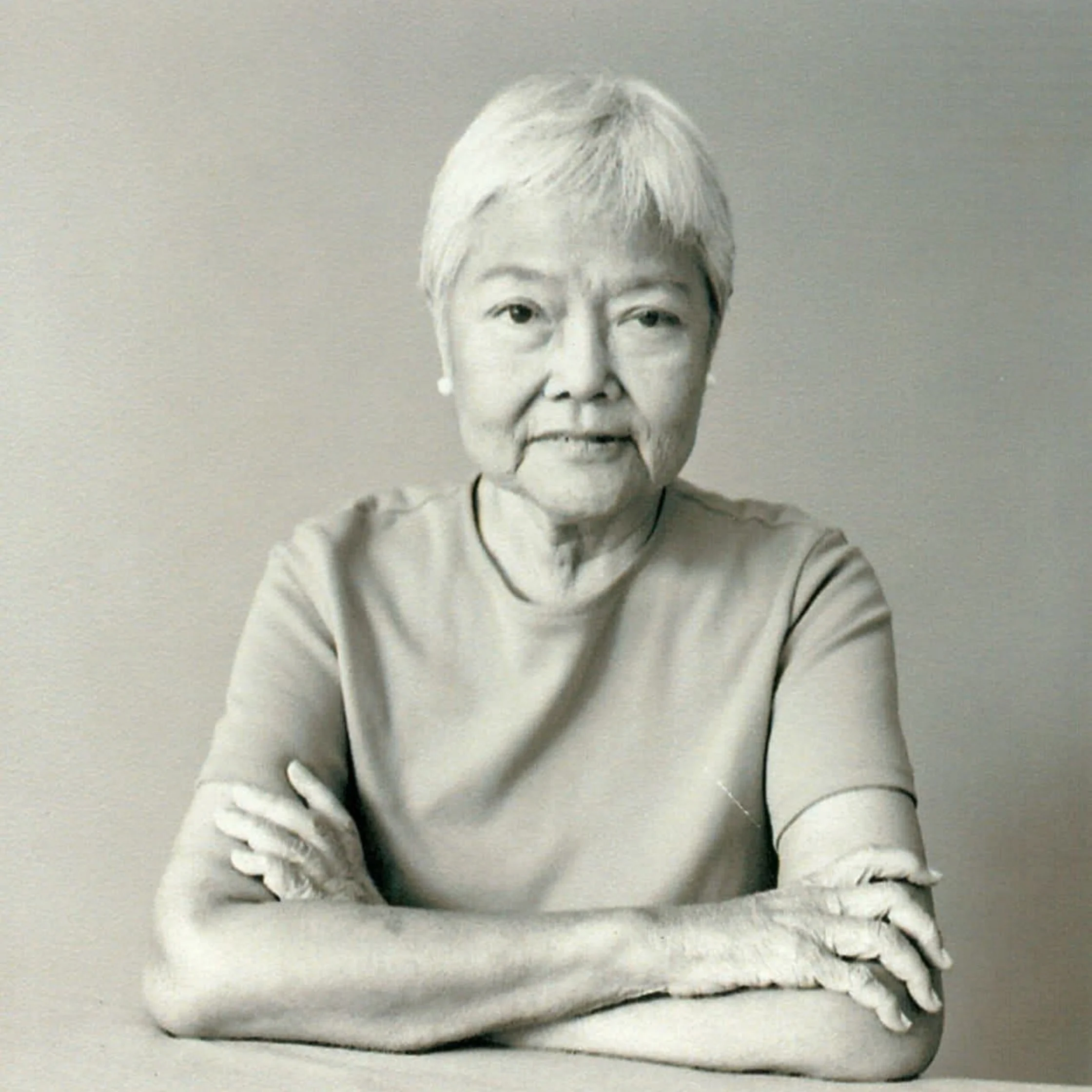
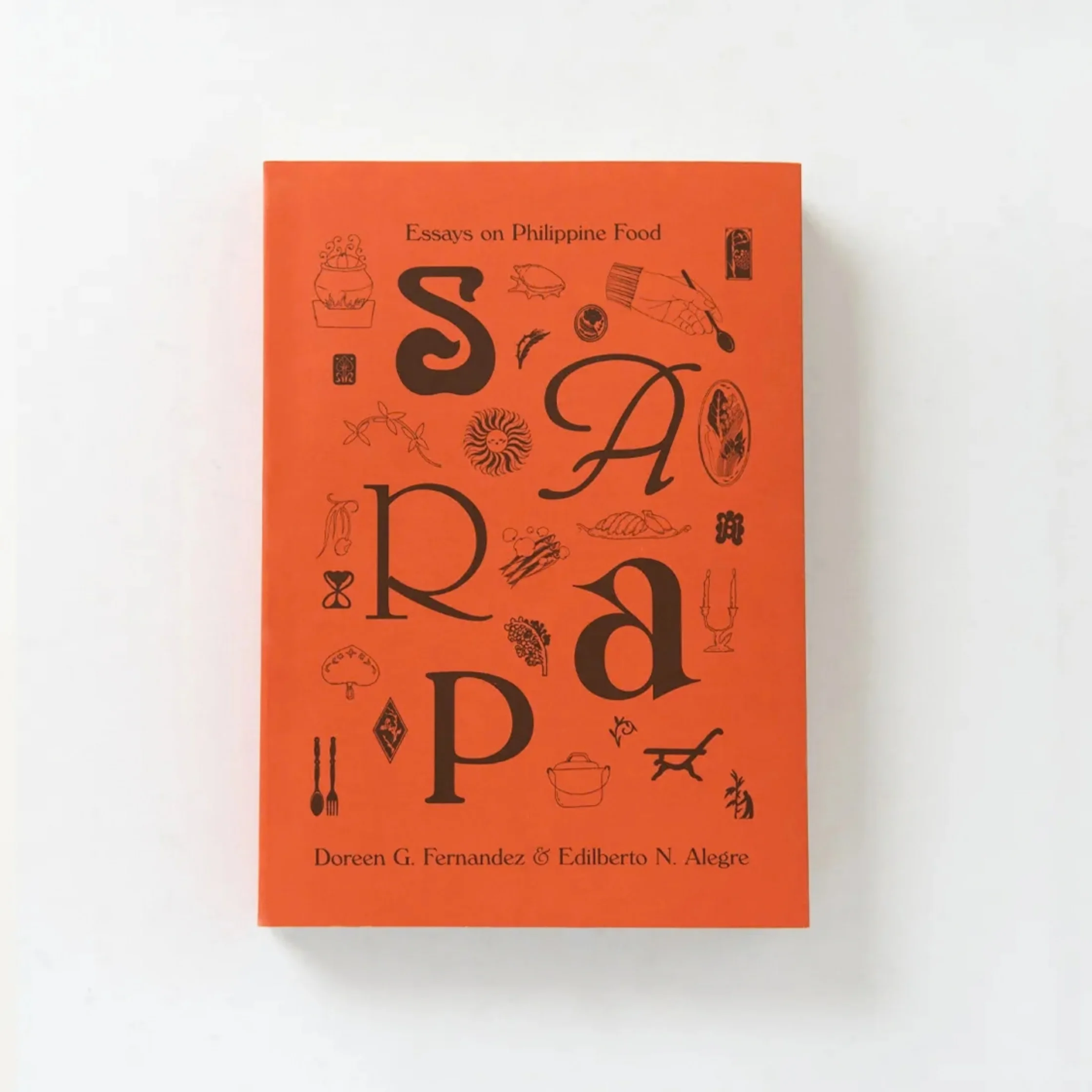
In the United States, many Filipino American chefs and restaurateurs are finding inspiration in Doreen’s work. The writer Ligaya Mishan said they found in her a champion of Filipino cuisine, once unknown in America and eaten only among Filipinos with a sense of shame. Today, Filipino food is served unapologetically in restaurants and pop-ups across the country.
Across the world, Filipino cuisine is having a moment. In the Philippines, regional cuisines are taking the spotlight. “I think she’d be proud and happy for Filipino cuisine, but I’m sure she will not say it’s because of her,” Reena says. “She’s not the type. She’ll just be happy.”
Reena cherishes her name. “Just being named Doreen, for me, is the legacy, because I carry with me the pride of being her niece, making people remember when they hear my real name that there was a Doreen Gamboa Fernandez who promoted Philippine gastronomy.”

Frequently Asked Questions
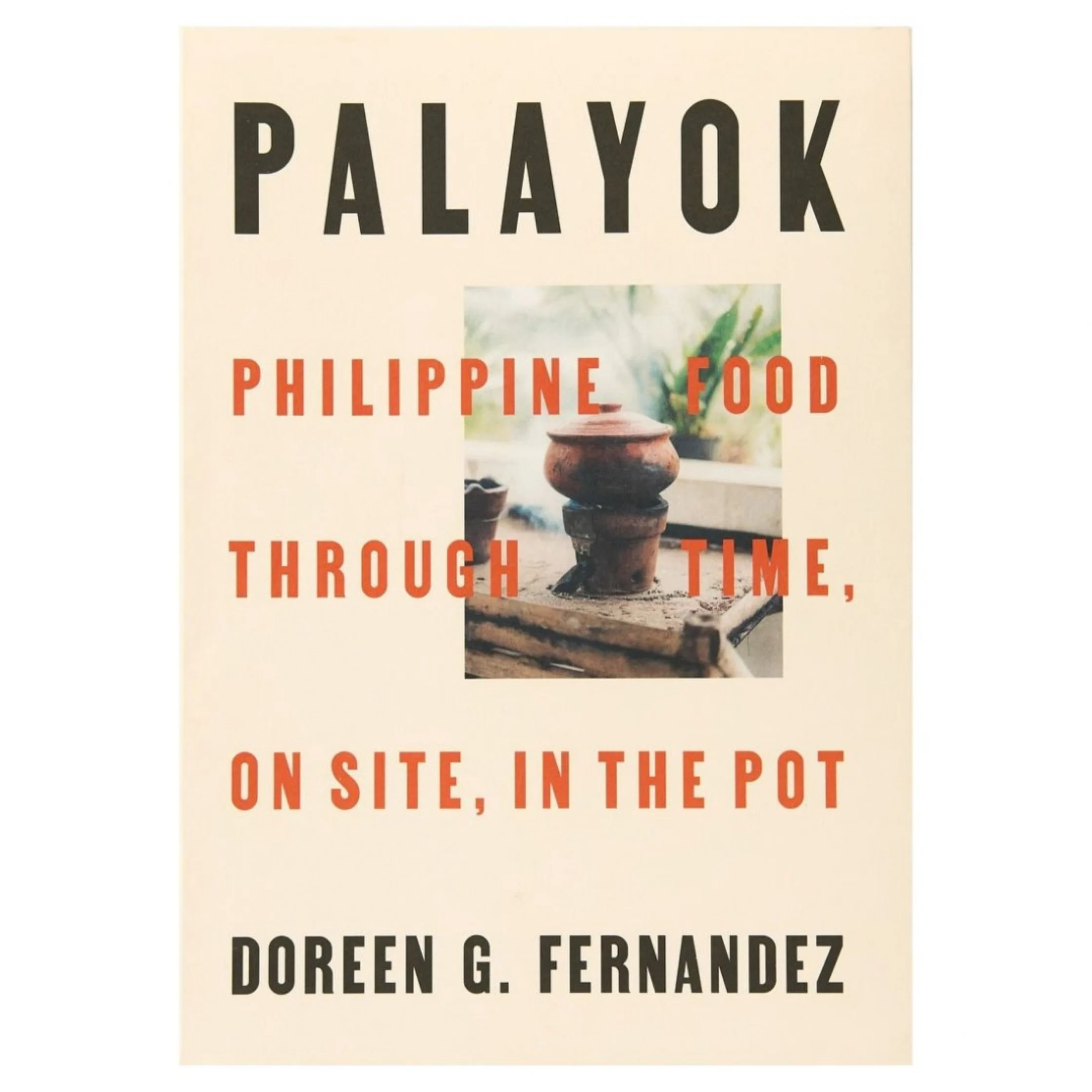
Doreen Gambao Fernandez was a renowned Filipino food writer, critic, scholar, cultural historian, teacher, and mentor.
She is the niece of the late Doreen Fernandez.
Although she considered her food writing career as something she just stumbled into, writer Ligaya Mishan sees Doreen Fernandez a champion of Filipino cuisine.
At restaurants, she prefered receiving no special treatment whatsoever. In terms of reviews, she onyl write positive ones as she believed it was impolite to write anything negative about a restaurant.
Although she sees her careed in food writing as something she just stumble into, Doreen Gamboa Fernandez is hailed as a champion of Filipino food, especially during a time when no one else was doing that. Many Fil-Am chefs and restauranteurs view Doreen as an inspiration.