


Pinipig is pounded young glutinous rice flakes, toasted until crisp and nutty, used as a topping for halo-halo, ice cream, and various kakanin. Its distinct crunch and subtly toasted flavor make it a textural signature ingredient across many traditional and distinctly modern Filipino desserts today.
Pinipig
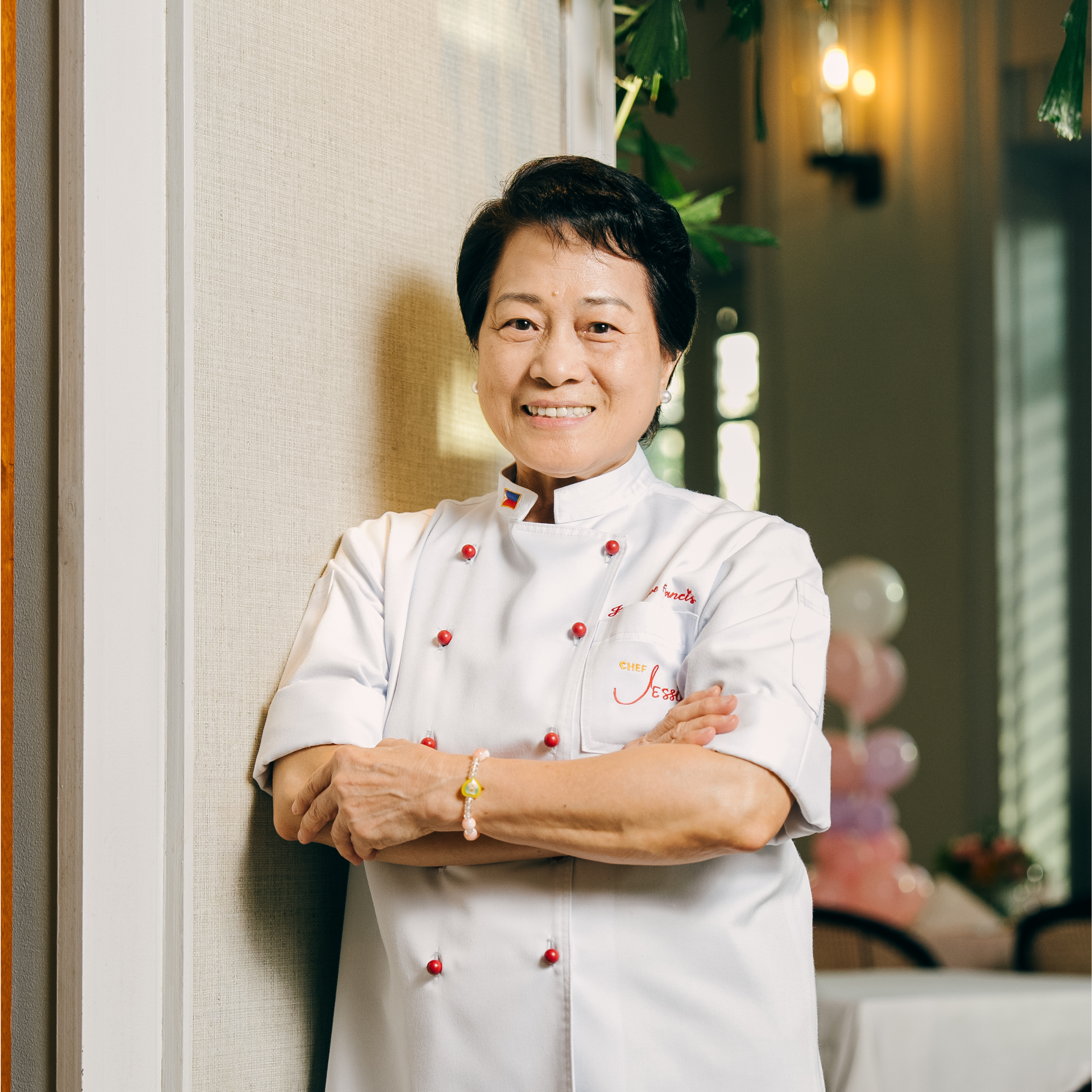
Long before cooking for Pope Francis and becoming one of the Philippines’ most celebrated chefs, Jessie Sincioco was a barrio girl surrounded by farms, fruit trees, fiestas, and family cooking in Angat—flavors and traditions that remain deeply ingrained in her food today.
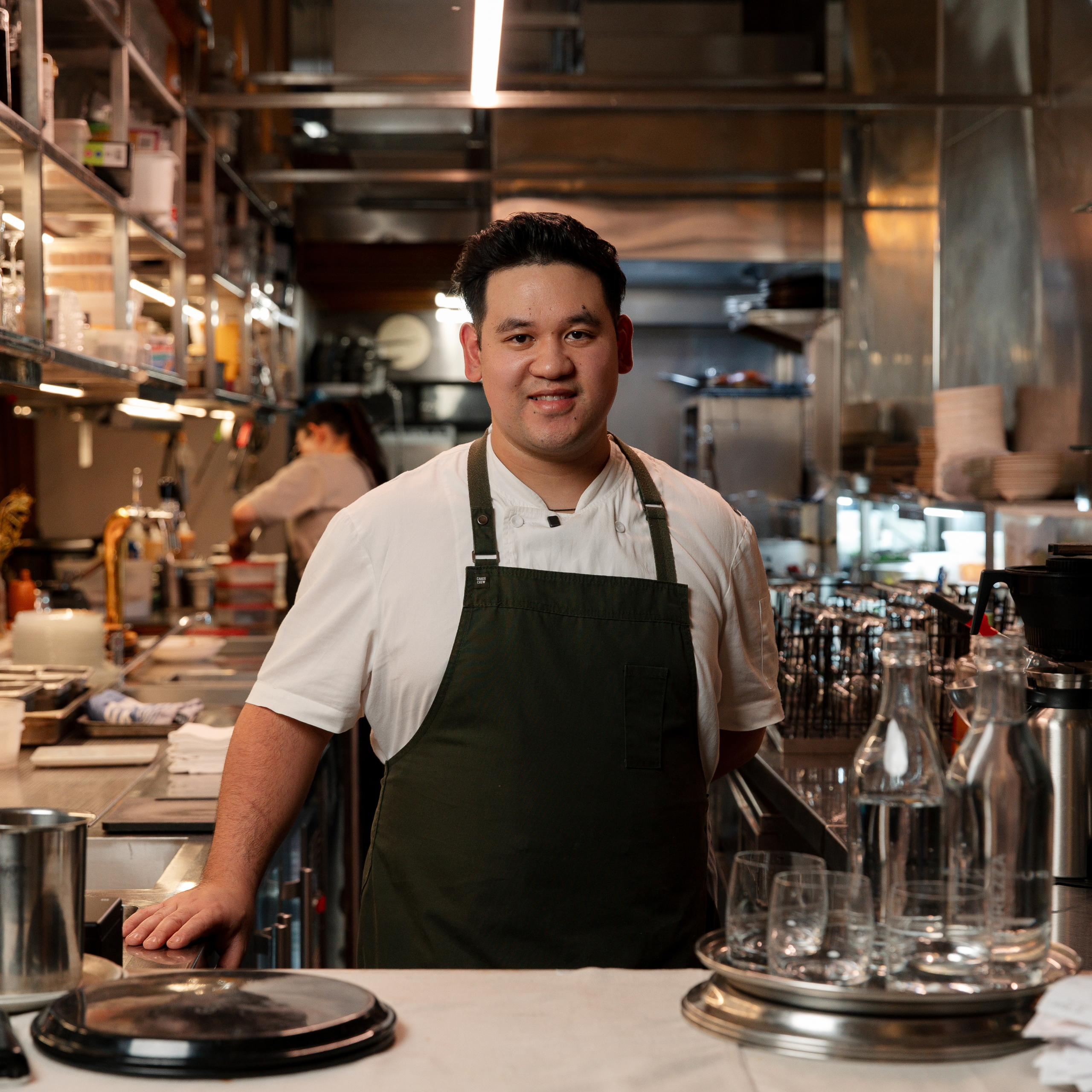
From growing up in Nueva Ecija to leading one of Melbourne's most celebrated Filipino restaurants, John Rivera shares how memory, tradition, and classical training shaped Askal's modern take on Filipino cuisine.
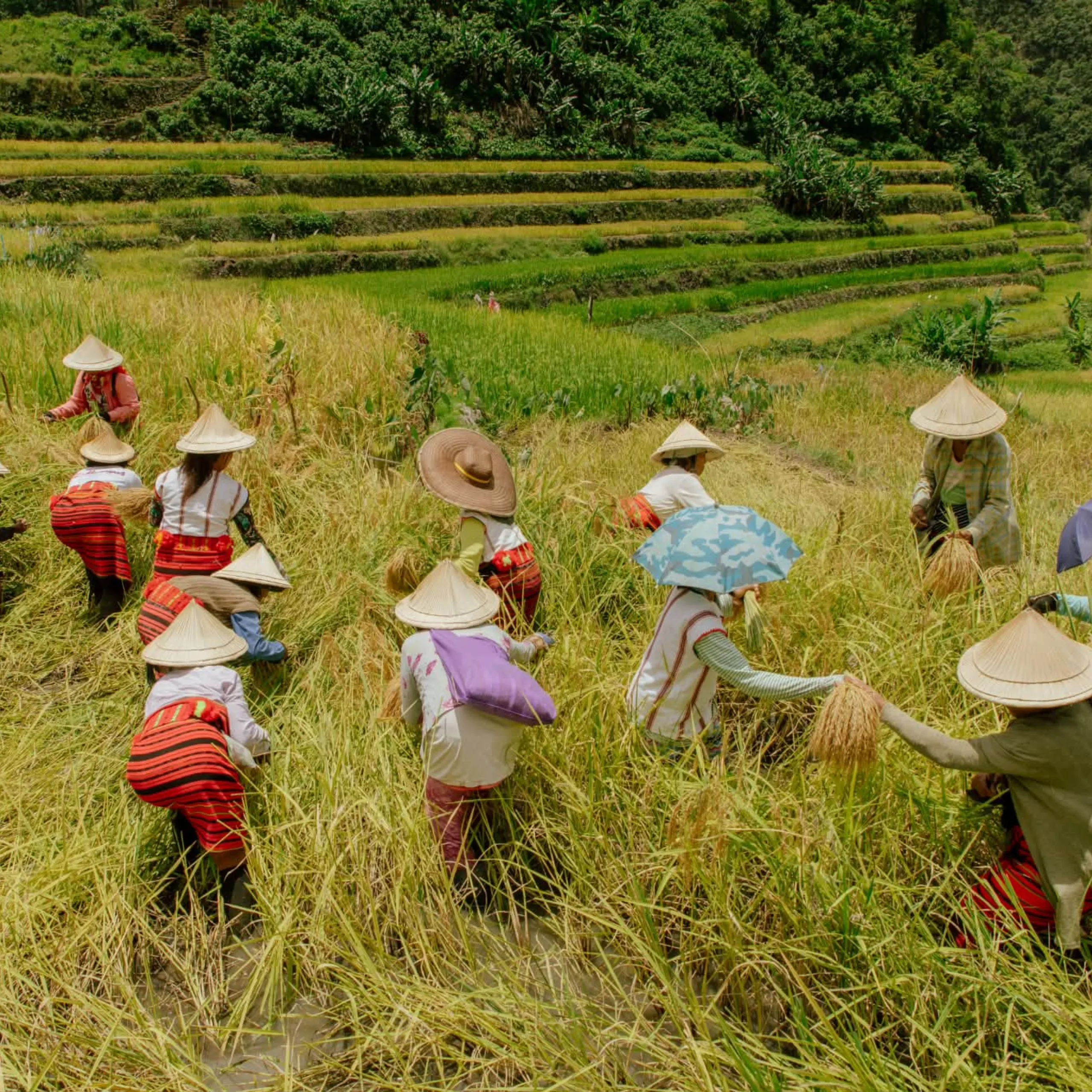
As climate change and migration threaten the centuries-old tradition, one Ifugao community continues to celebrate the harvest as an enduring act of resilience, gratitude, and cultural survival.
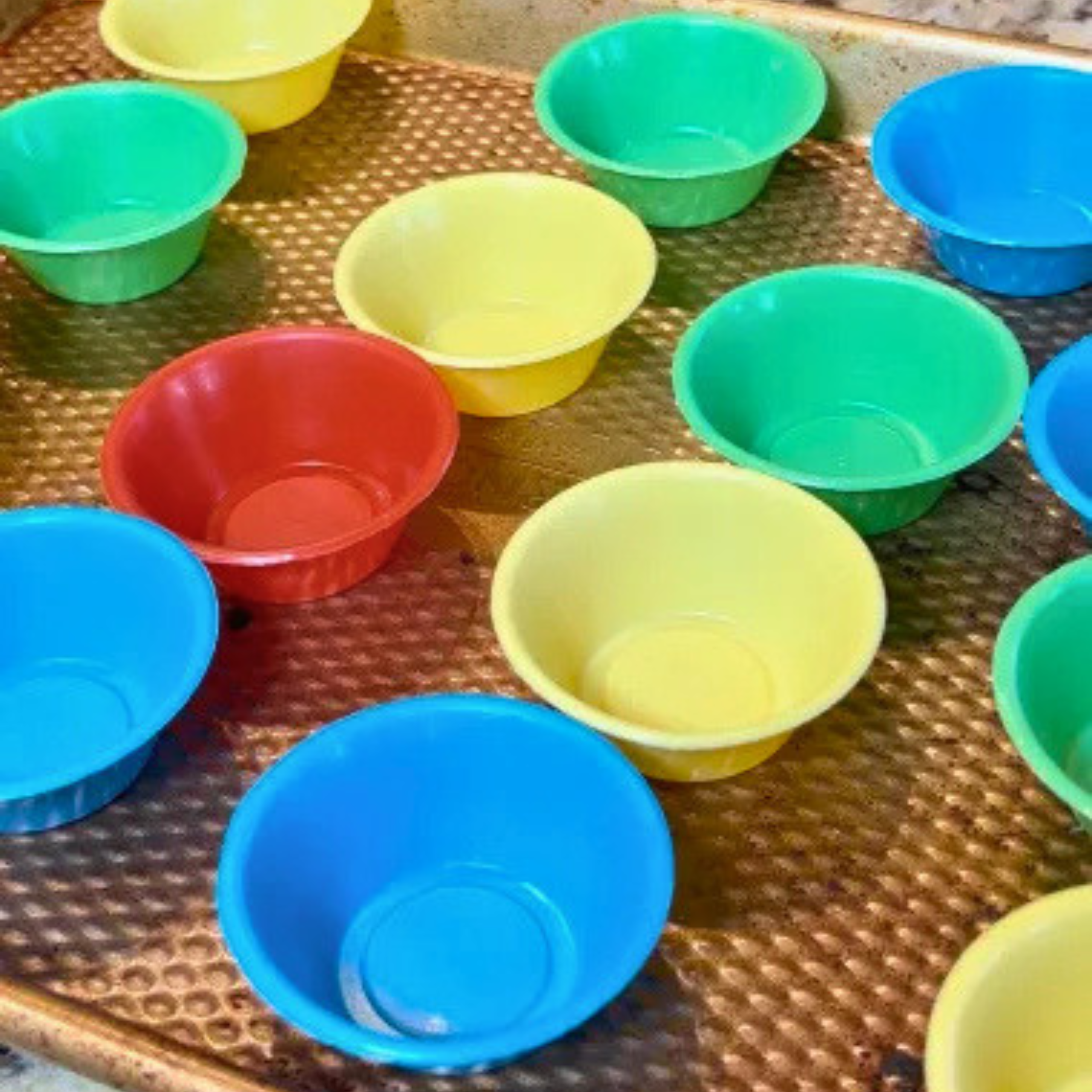
Behind every Filipino classic is a traditional kitchen tool that has helped shape generations of home cooking. Meet the essentials found in Filipino kitchens.
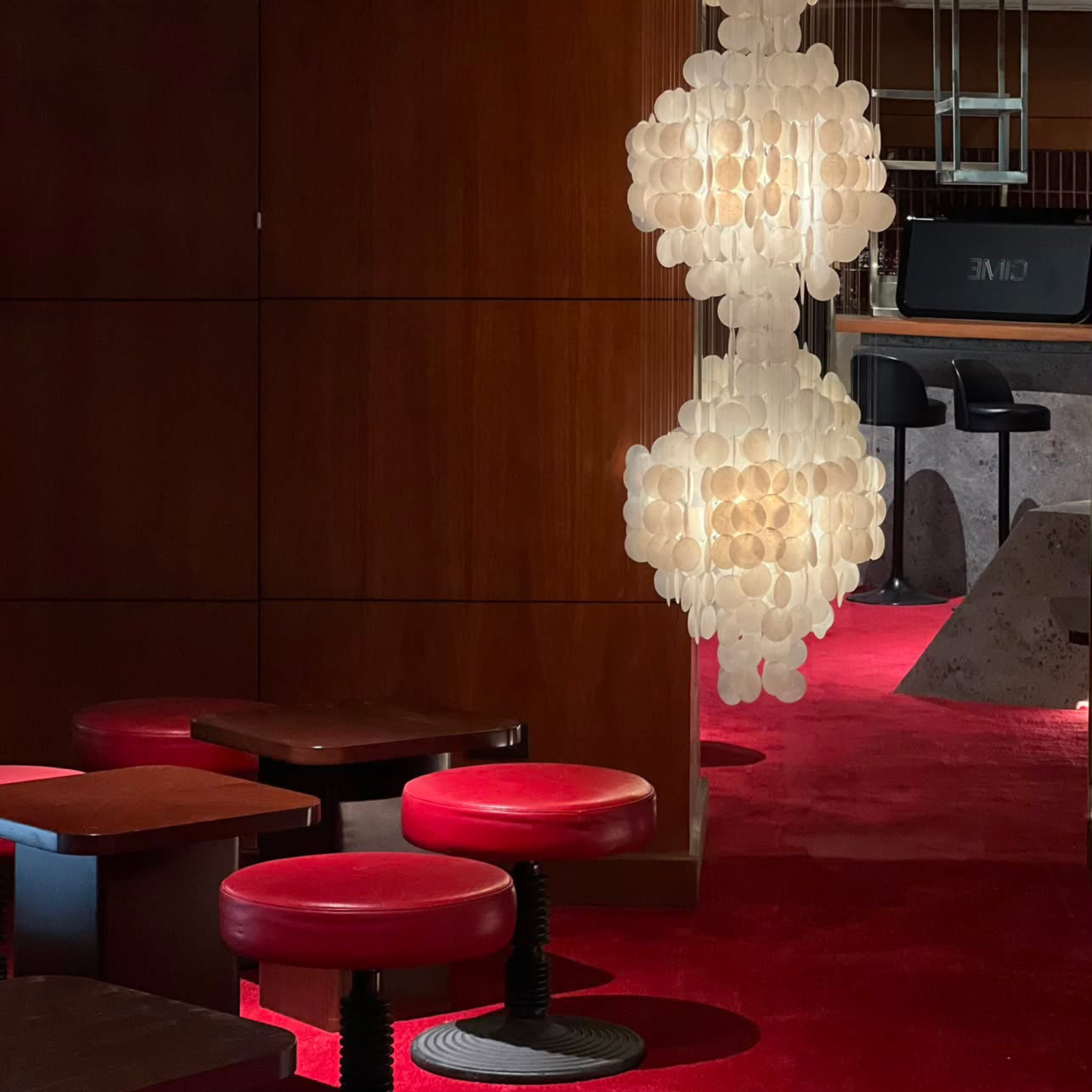
For PAPAKAPE founder Manu Reyes, the Legazpi branch is more than an expansion—it's a tribute to the city that shaped his family, childhood, and coffee journey.
You May Also Like

Advertisement