Though born and raised in Manila, Datu Shariff Pendatun’s roots stretch far beyond the metro. His family comes from Cotabato, Lanao, and Sulu in Mindanao; Silay in the Visayas; and Zambales and Cavite in Luzon. Look further back, and the family tree reaches southern China, the Basque country, Johor, and Sumatra. “Just like a lot of people from the city, my origins reflect Manila’s history as a melting pot and Filipino history in general,” he says.
A respected chef and writer, Pendatun currently sits as the Chief Culinary Officer of Aluyan Food Group, responsible for the recently opened TARA! Filipino Diner in BGC, and his next venture, a restaurant slated to open in the summer of 2027, will pay homage to the kitchens of Bangsamoro.
Bangsamoro Food Is Personal, Not a Passion Project
When it comes to Bangsamoro cuisine, his name almost always comes up as a good source of information and inspiration. Though he confesses that he never really sought to promote or champion anything.
“Perhaps because of my background, gravitating towards Bangsamoro food was intuitive,” he says. “The food is an expression of who I am—my travels, musings, and experiences. I was already in my twenties when I first visited Mindanao. I then lived in Davao and went all over Mindanao because of work. It was during that period in my life that I first tasted and discovered food from the Moro areas.”
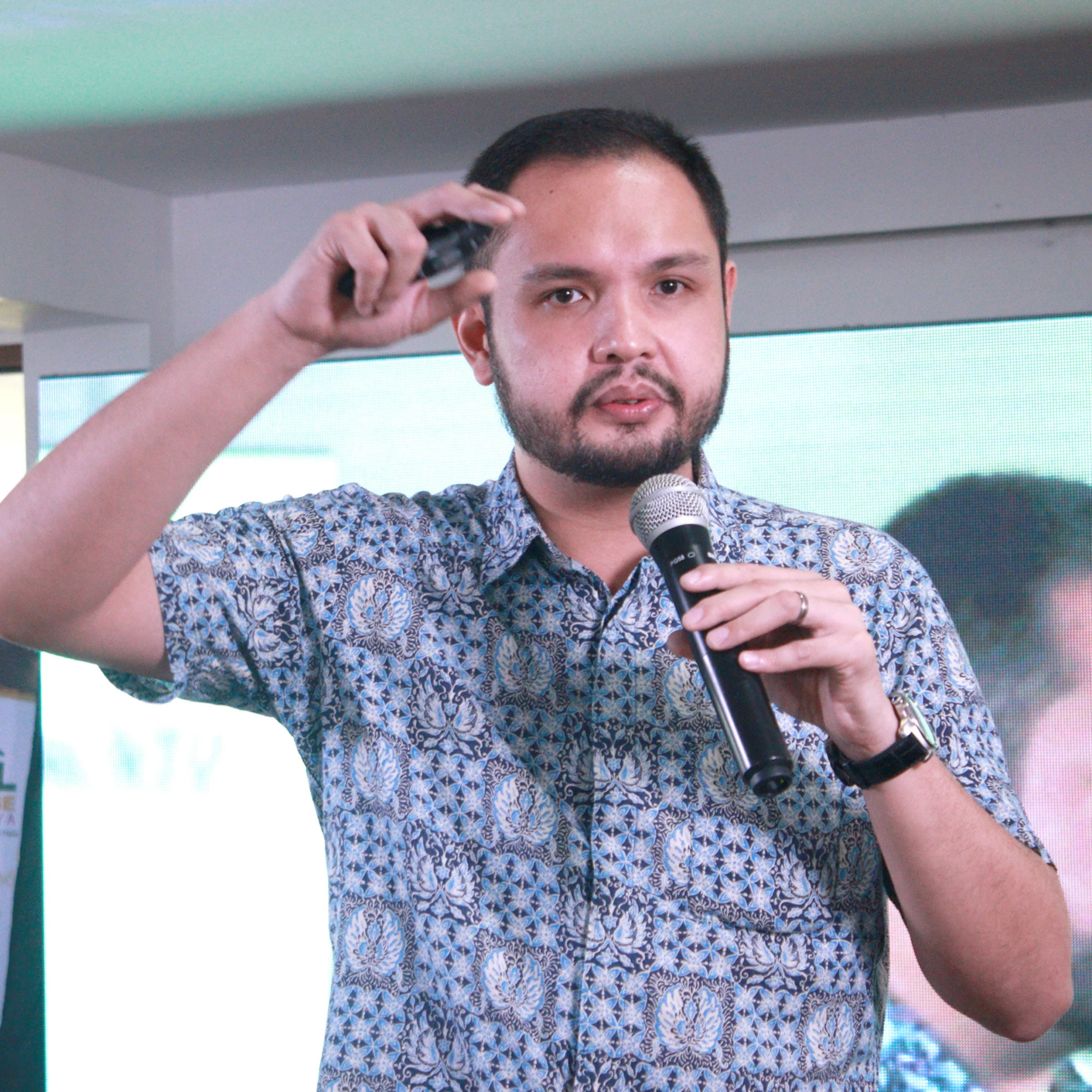
He adds, “To me, Bangsamoro food is neither nostalgia nor advocacy. It’s about discovery and allowing ourselves to connect through the things we share like ingredients, techniques, and rituals.”
On the Diversity of Bangsamoro Cuisine
It’s also a perspective that challenges how Filipino food is often discussed. One of the biggest misconceptions, according to Pendatun, is the idea that there is such a thing as a singular Mindanao cuisine.
“There’s no such thing as a Mindanao or Mindanaon cuisine! It’s kinda like saying Luzonian cuisine is a thing,” he points out.
Mindanao is home to numerous communities, each with its own culinary identity and traditions. To speak of Mindanao cuisine as one unified category is to ignore the diversity of the people who have shaped its food culture.
“Bangsamoro refers to the communities who were Islamized in waves beginning in the fourteenth century. When settlers from Luzon and the Visayas came en masse, they encountered the culinary traditions of the Moros—the Maranao, Maguindanaon, Tausug, Yakan, Sama, Kaagan, etcetera; and of other locals such as the Higaonon, Manobo, Kalagan, Tausug, Chavacano, and Subanen. Of course, the settlers brought with them the flavors of their own kitchens and tables, and thus contributed to the dynamic culinary landscape.”
For Pendatun, this variety is precisely what makes Bangsamoro food worth discovering and appreciating. Its story is not confined by geographical boundaries but is part of a much wider Southeast Asian conversation. And to genuinely acknowledge it means to make room for the many kitchens, communities, and stories that have always been part of the Filipino table.
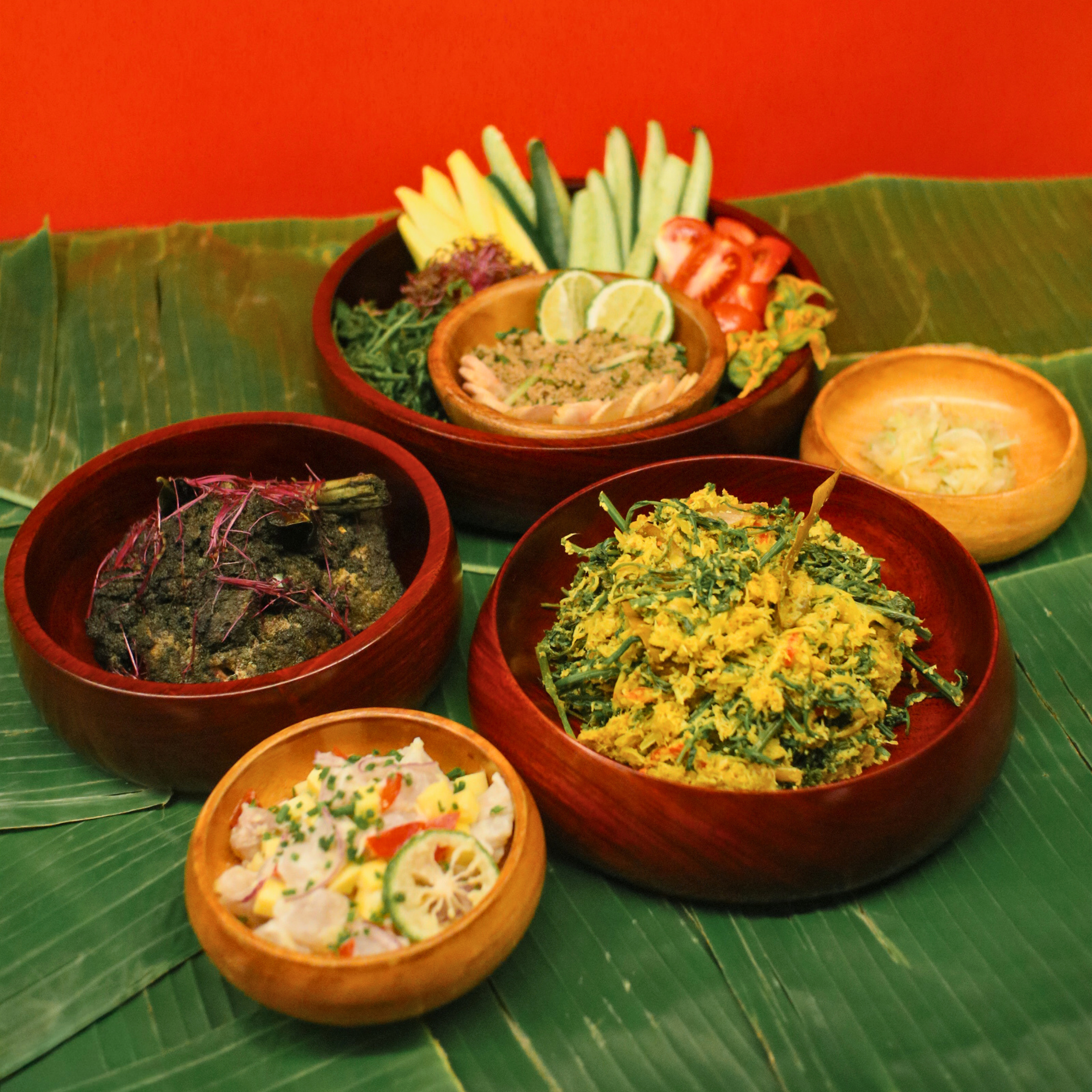
Five Bangsamoro Dishes People Should Know About
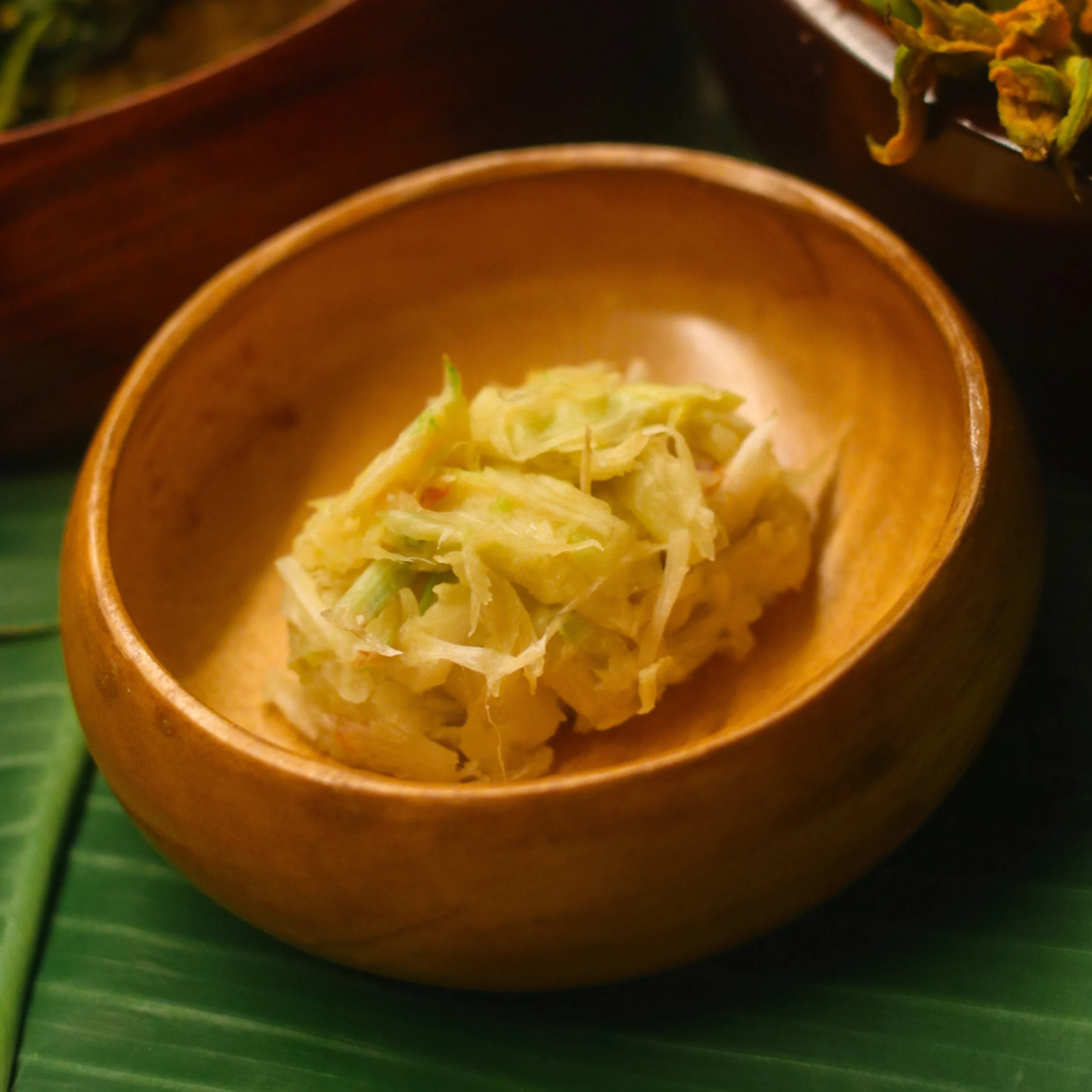
1. Palapa
It is a relish made of sakurab, a kind of Chinese scallion that’s pounded with ginger and chili. A version of it called biyaring has freshwater shrimp added.
“On a trip to Marawi with my friends Neal Oshima and Clinton Palanca several years back, we got to try biyaring for breakfast!”
2. Siyagul Bihud
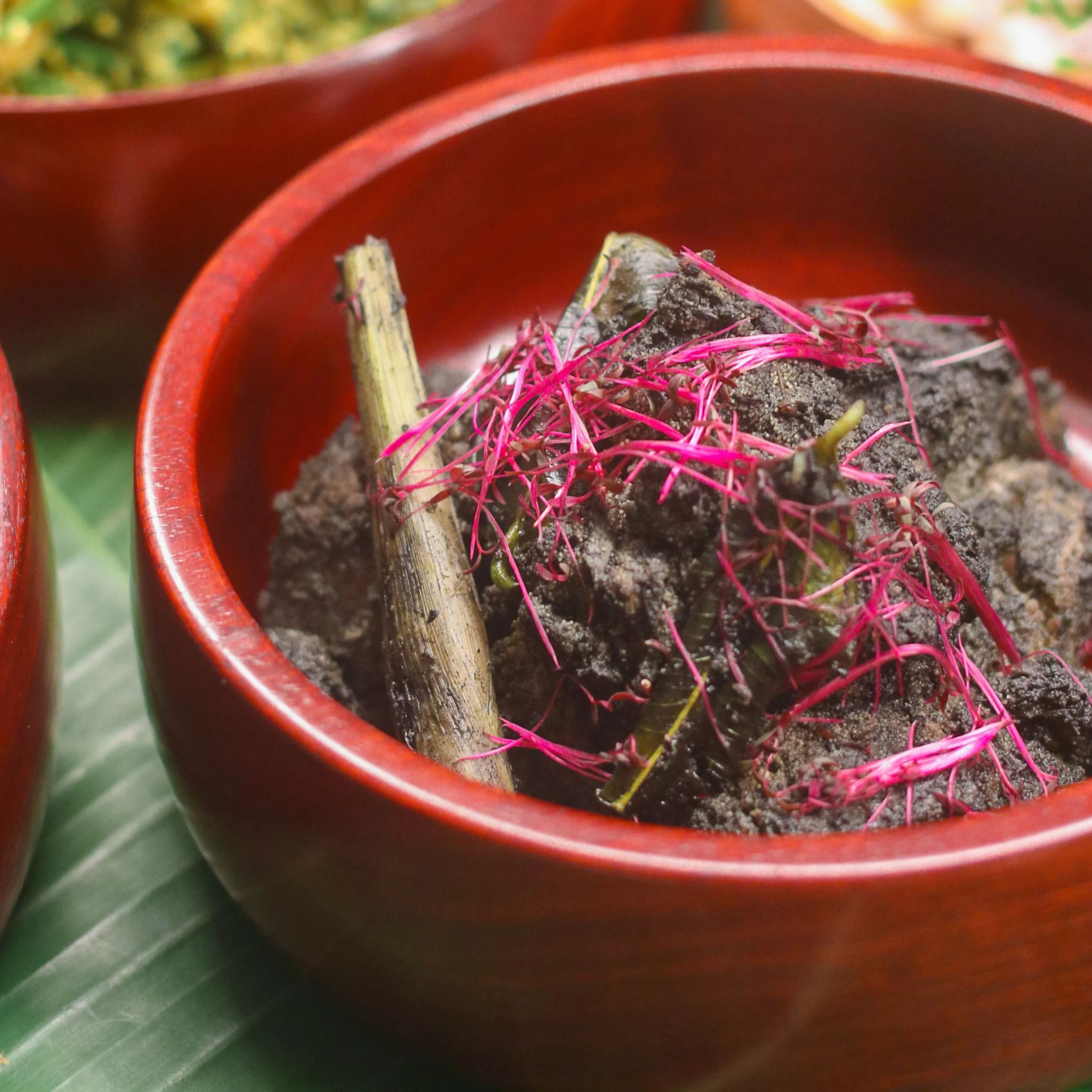
It’s fish roe cooked the siyagul way, i.e. with burnt coconut and fresh spices.
“I learned about the technique from a family friend, Santanina Rasul who was from Tawi-Tawi. Siyagul is normally prepared with stingray and other fish. Cooking bihod in burnt coconut is a personal touch.”
3. Sinagel a Guinamos
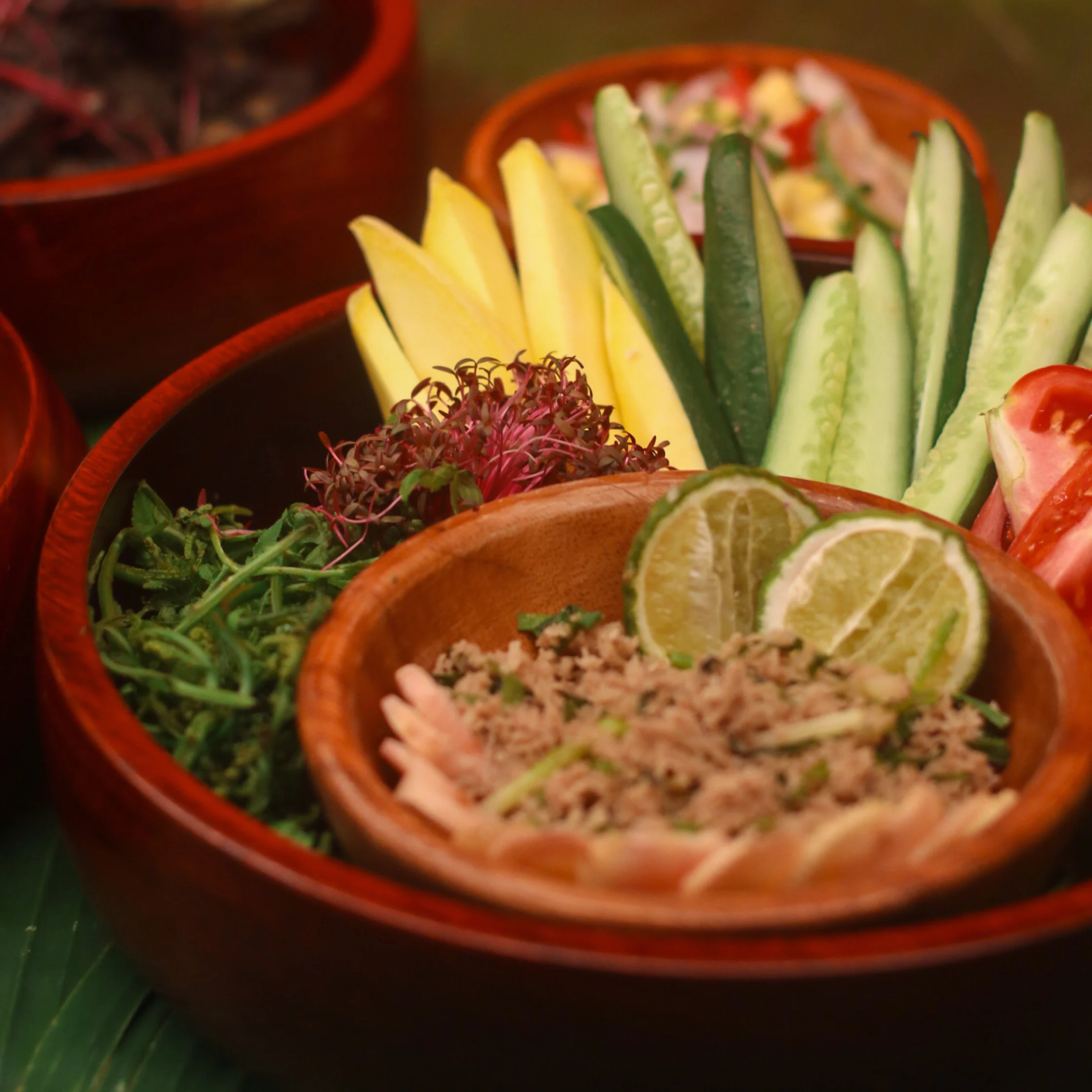
It is coconut meat cooked with guinamos or fermented fish sauce. It is enjoyed in the Cotabato-Maguindanao area with fish, vegetables, rice, and squeezes of a local lime called kabuling.
4. Piyaparan a Paku
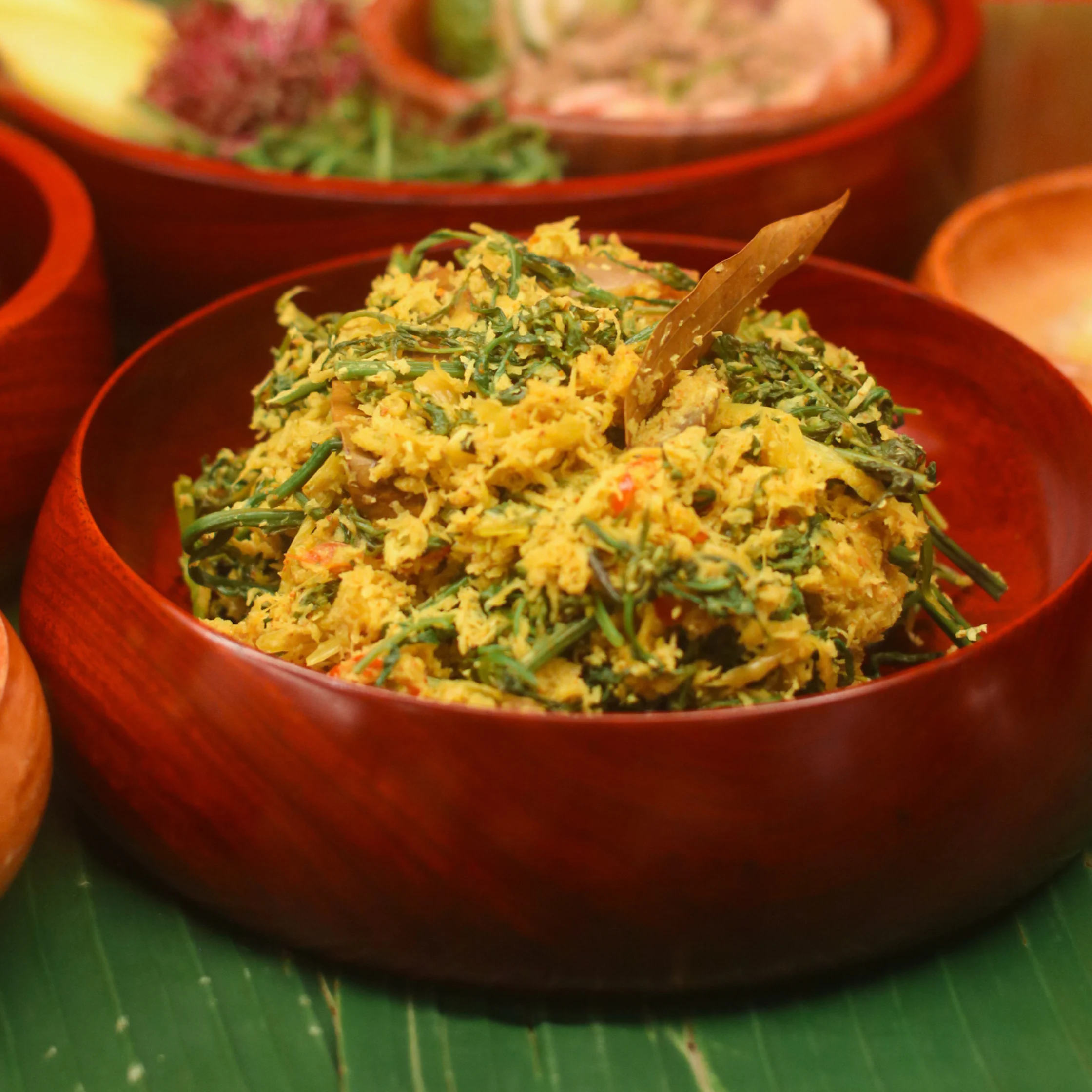
Piyaparan is a technique of cooking and tossing something in papar or coconut.
“Paku or pako is a wild fern that I first tried in Lanao around twenty years ago.”
5. Lawal
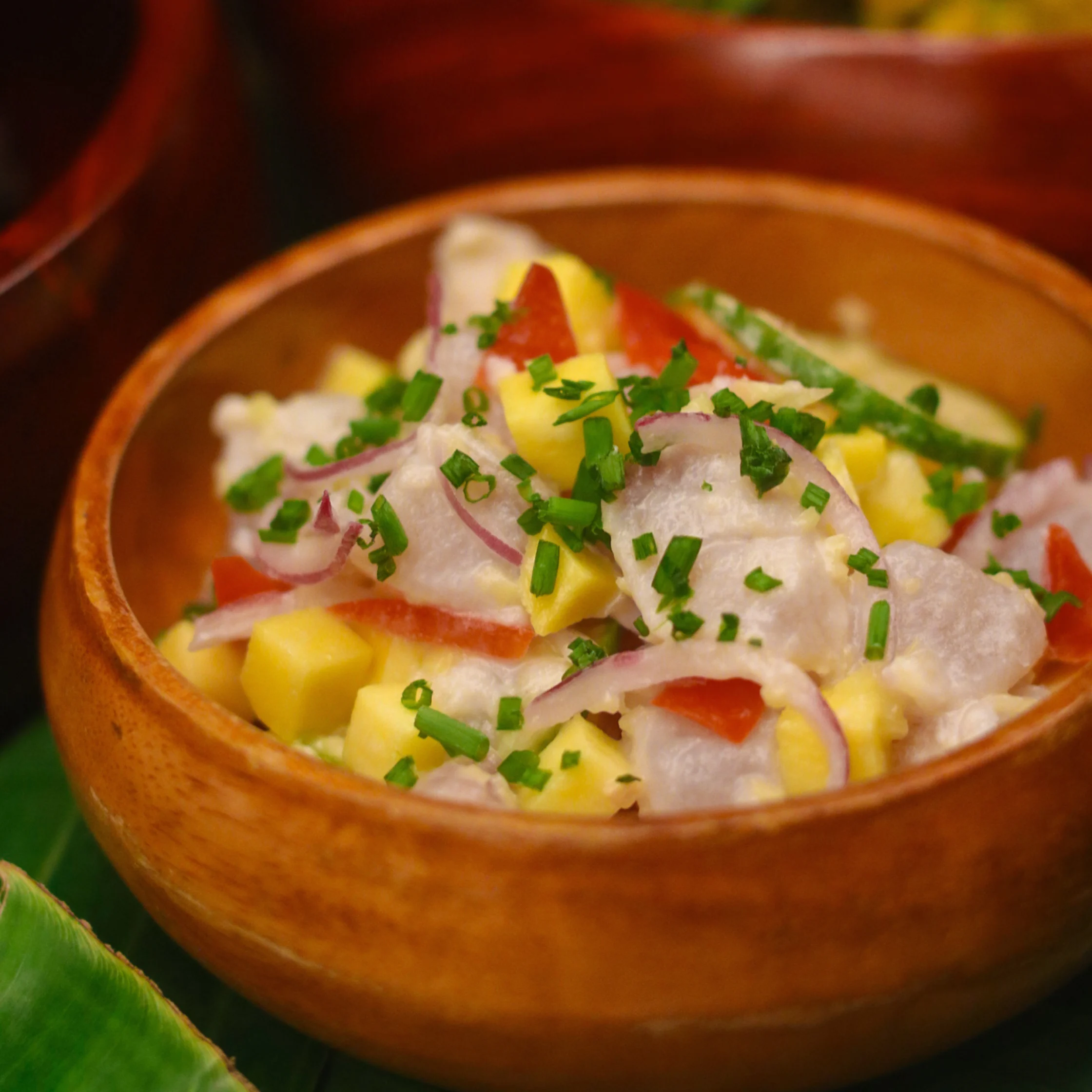
It is the kinilawKinilawA Filipino dish of raw fish or seafood cured in vinegar and citrus, mixed with ginger, onions, and chilies. Often compared to ceviche, kinilaw predates Spanish colonization and is prizedGo to Kinilaw Glossary of the Sulu archipelago. It’s fish soured and denatured with limes and unripe mango.
“Aside from the flavors, lawal is interesting to me because it sounds similar to the Balinese lawar which is also something of a salad.”

Frequently Asked Questions
Datu Shariff Pendatun is a respected chef and writer who serves as the Chief Culinary Officer of Aluyan Food Group. He is responsible for the recently opened TARA! Filipino Diner in BGC, and he has a planned restaurant opening in the summer of 2027 that will pay homage to the kitchens of Bangsamoro.
Datu Shariff Pendatun He points out that calling it “Mindanao cuisine” is like saying “Luzonian cuisine” is a single thing. Mindanao is home to numerous distinct communities such as the Maranao, Maguindanaon, Tausug, Yakan, Sama, Kaagan, Higaonon, Manobo, Subanen, and Chavacano. Each one has its own culinary identity, traditions, and individual food cultures.
He approaches Bangsamoro food not as a passion project, nostalgia, or political advocacy, but as a personal expression of his identity, travels, and experiences. To him, it is about discovery and connecting with others through shared ingredients, techniques, and rituals.
Siyagul Bihud is fish roe cooked using the siyagul technique, which involves cooking with burnt coconut and fresh spices. While siyagul is normally prepared with stingray or other fish, cooking bihud (roe) with burnt coconut is Chef Pendatun’s personal touch inspired by Tawi-Tawi family friend Santanina Rasul.
Palapa is a traditional relish made from sakurab or a Chinese scallion pounded together with ginger and chili. Biyaring is a specific version of palapa that incorporates freshwater shrimp.