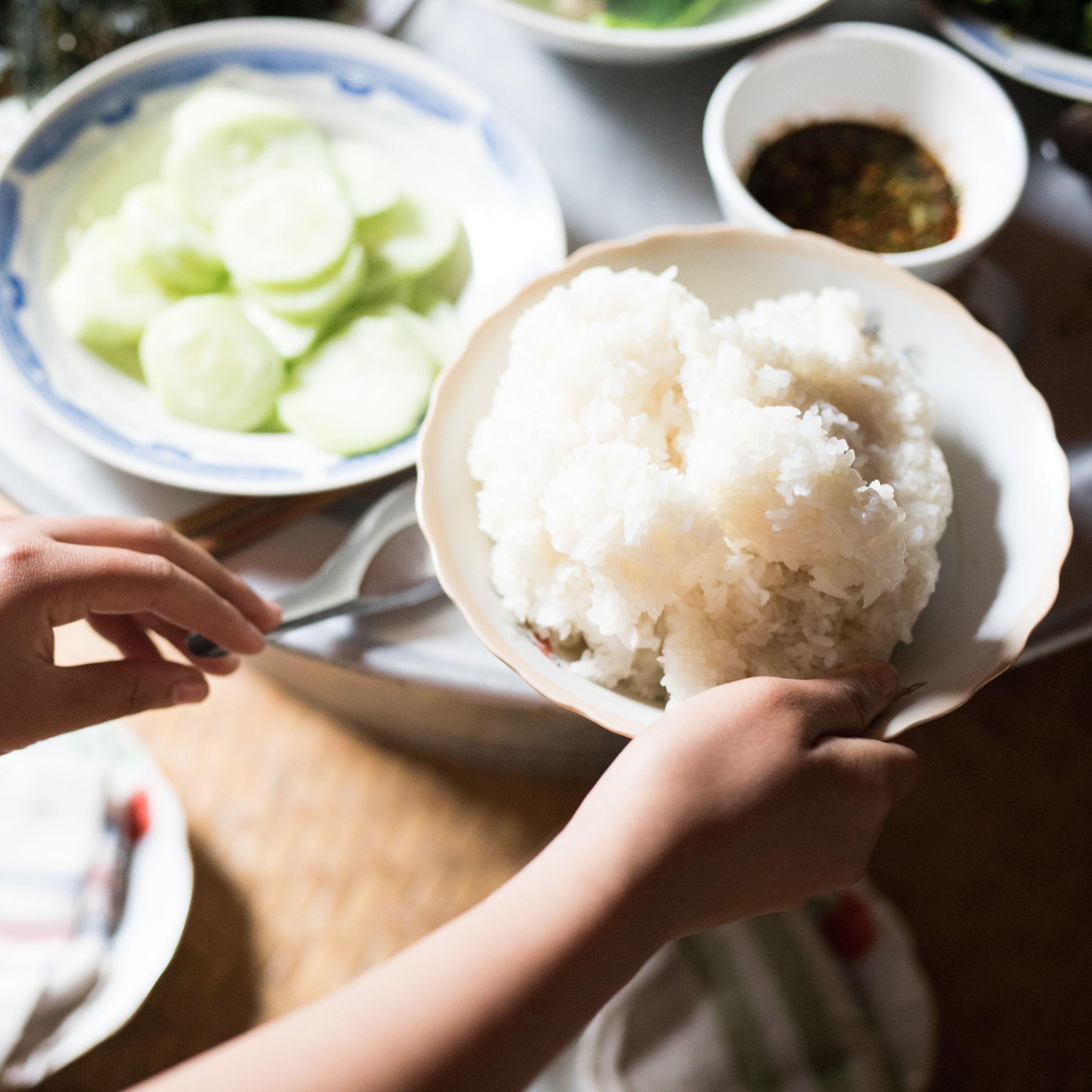
Rice is life as they say—it’s considered a staple by the majority of Filipinos and forms the base of most Filipino meals, from breakfast to lunch to dinner, and even in meryenda and dessert.
Nutritionally, it takes on the role of the carbohydrate—the body’s primary source of fuel that (in moderate amounts!) keeps Filipinos satiated and ready to take on the next couple of hours of working. It’s affordable and filling, allowing Filipinos to extend the main viand without spending an arm and leg.
But rice also plays a crucial role in the Filipino meal from the perspective of taste and the subjective experience of eating. It’s the “background for all other tastes” as Doreen Fernandez once wrote, ergo it’s “determinant of other tastes—rice as ritual food, rice not just as extender but as staff of life, with a taste and aroma that are highly valued.”
Rice Goes With Everything
Under the umbrella of Filipino cuisine are viands of all kinds. Some are thick and saucy; others are crusty and crispy. Some are bold assault on the taste buds; others go mellow, opening themselves to being doused in sawsawan. What unites these different parts? The rice, served as a packed mound or a loose bed, often occupying the central to the side portion of the plate.
Because of its neutral taste, it functions as a relatively blank (not tasteless!) canvas that goes with just about anything it’s served with.
Rice Balances Out Other Dishes
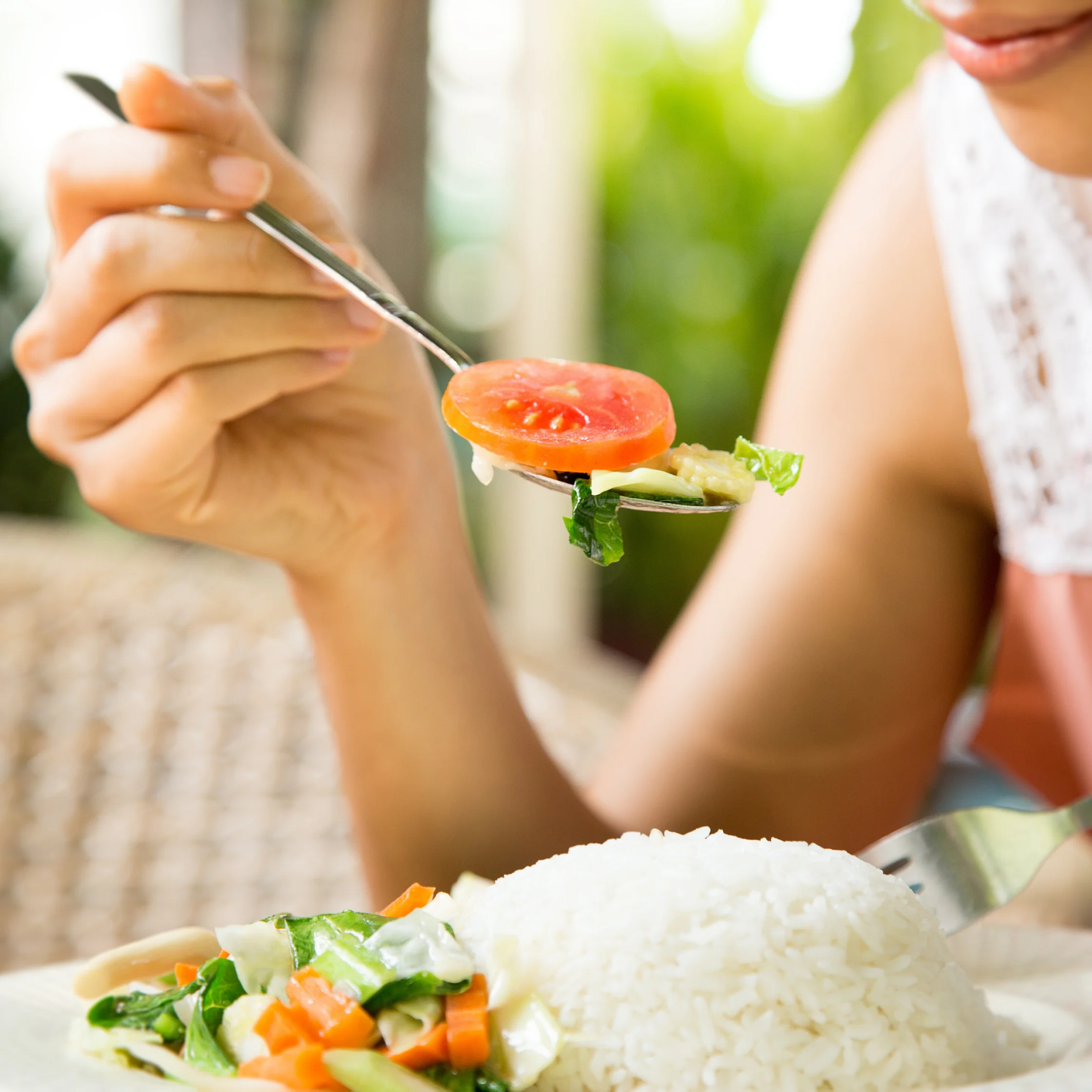
Call it the great neutralizer if you will—rice’s mellow taste allows it to balance out stronger flavors on the plate. Filipino viands tend to be potent in taste for the very reason that they’re designed to be taken with rice, such that even a small to moderate amount of ulamUlamThe main dish eaten with rice, whether meat, fish, or vegetables, and the centerpiece of a Filipino meal. From adobo to sinigang, an ulam is designed to pair with rice,Go to Ulam Glossary goes a long way in the meal.
Rice willingly soaks up liquids, and acts as a cushion of sorts against the heartiness of a kaldereta sauce, the sourness of sinigangSinigangA sour, savory Filipino soup soured with tamarind, guava, or calamansi and loaded with pork, shrimp, fish, or beef alongside vegetables like kangkong, radish, and string beans. A national comfortGo to Sinigang Glossary, or the savory, and the garlicky thrum of the stew liquid in adobo.
With oily viands—fried foods, gata-based stews, and so on—plain rice does wonders to balance out their richness and fattiness, keeping the diner from experiencing umay (i.e., sick of or overwhelmed by the dish).
In the same way that the Italians would mop up excess sauce or liquid with crusty bread, Filipinos make simot every last bit on the plate, using rice dragged across the plate with the aid of a spoon.
Rice Brings Different Viands Together
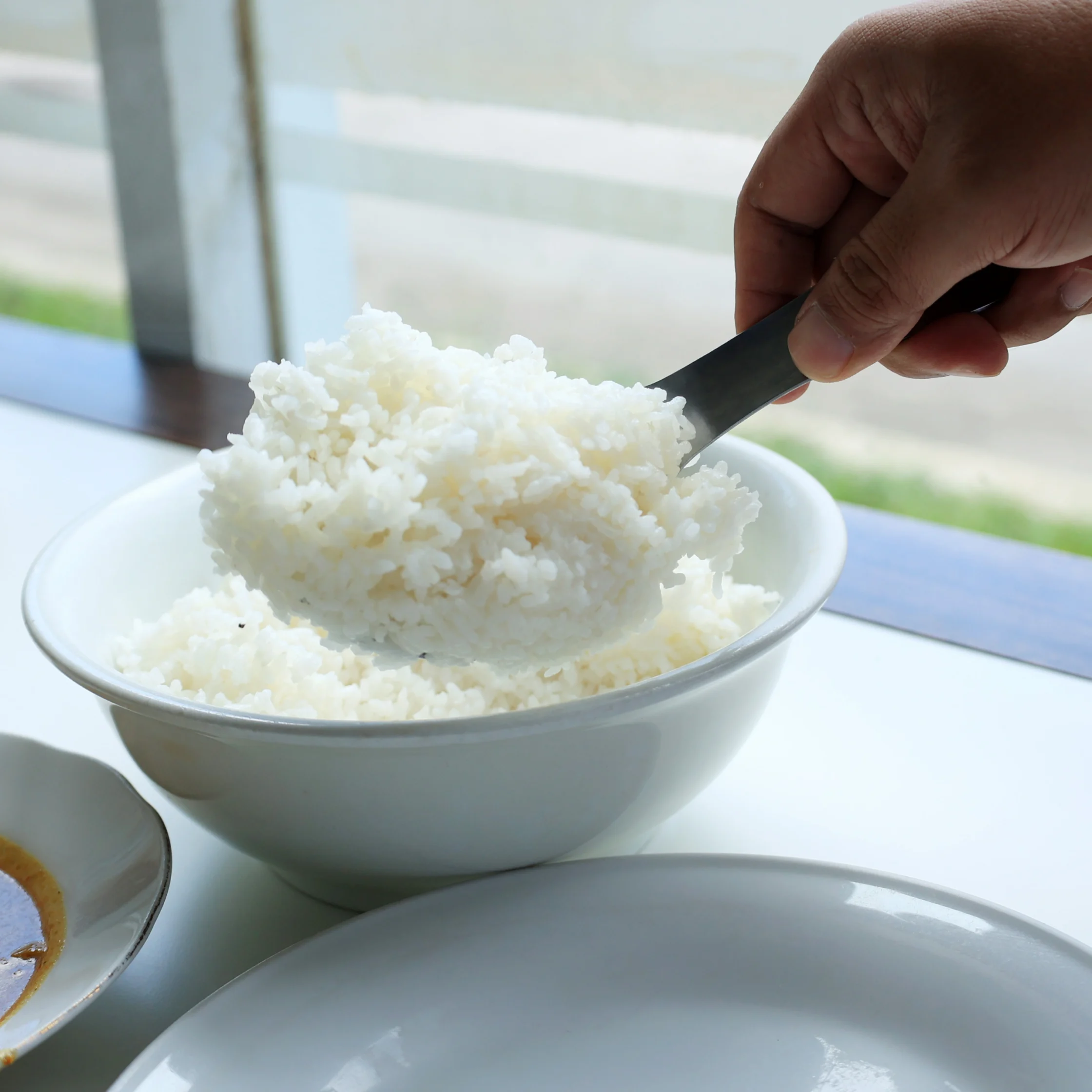
Occasionally—at buffets, potlucks, or some of the bigger family meals—there will be more than one viand on the table, and Filipinos would combine portions of multiple dishes on the plate. It wouldn’t be entirely unusual to combine the likes of pinritong isda, binagoongan, and chicken pastel all in one plate, as a way for the diner to try as many dishes as possible in one go.
However disjoint the combination might seem at the onset, somehow everything comes together once rice enters the picture, whether the diner’s alternating between viands or directly mixing them together as they’re smushed into the rice.
Rice + (Almost) Anything = a Meal
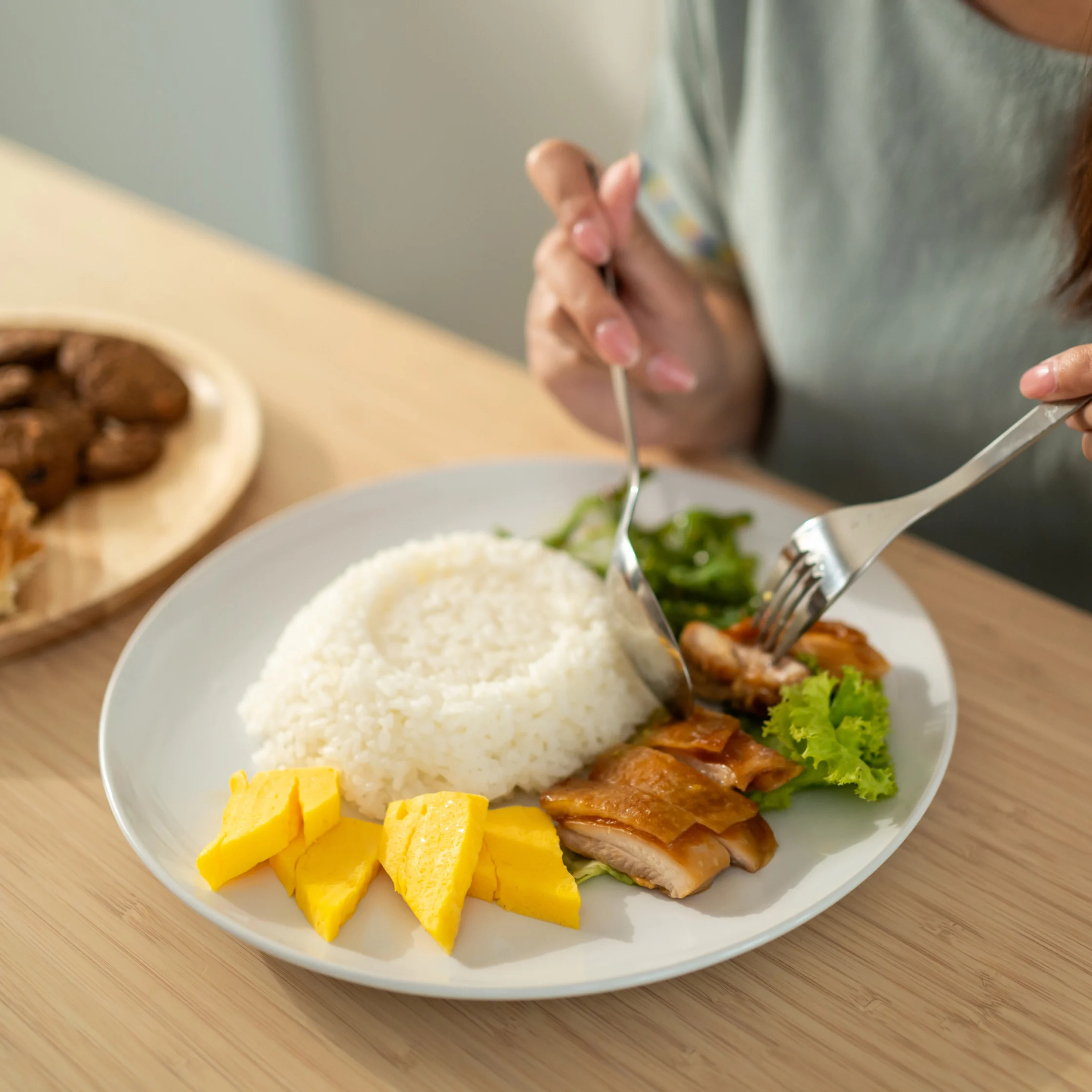
There’s the phenomenon where practically any food can be considered a meal once served with rice—chichirya (salty snacks), fellow carbs like pancit, even the chocolate-malt powdered drink that is Milo.
It’s an amusing observation, if one hinting at economic realities. Either way, it points to the indispensable role rice plays in Filipino meals; rice is almost what makes it a meal, and the choice of viand secondary.
Rice Makes Foreign Dishes Feel More Filipino
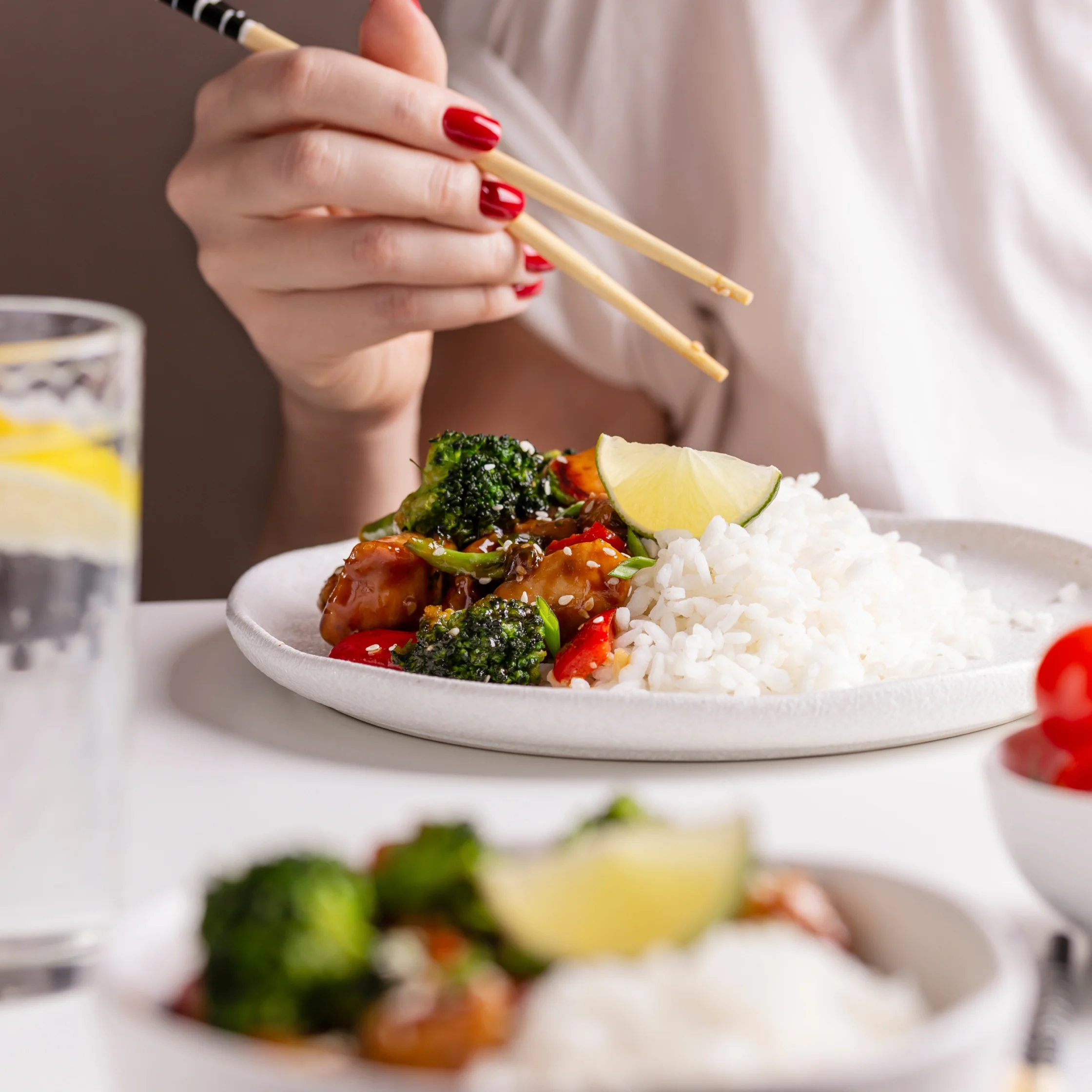
Global influences are almost inevitable, especially in a country that has endured a long colonial history. It’s no surprise, then, that the Philippines has welcomed foods and influences from other parts of the world—often with rice as the anchor that allows them to better be assimilated into the regular Filipino diet.
Fried chicken, salisbury steaks, sausages, corned beef, Spam—these are just some of the dishes of Western origin that are regularly enjoyed by Filipinos, accompanied by steamed or fried rice as a way for it to better assimilate with the local palate.
Asian dishes naturally lend themselves better to this sort of localization, as most cultures around the continent consume rice in their own way. Perhaps distinct to those we’d adopted or that make regular appearances in the Filipino diet—siomai, sukiyaki, chicken curry—are the very Filipino ways we eat it: with rice on the same plate, to be consumed simultaneously with the viand, using spoons and forks (especially in the home setting, though chopsticks are still common in restaurants), doused with sawsawanSawsawanThe dipping sauces and condiments served alongside a Filipino meal, allowing each diner to season food to taste. Suka, patis, bagoong, toyo with calamansi, and lechon sarsa each transform richGo to Sawsawan Glossary as the diner desires.
Such is the power of the mighty grain that is rice; no wonder many Filipinos consider it an indispensable part of the local diet.

Frequently Asked Questions
Rice is considered a staple food that forms the foundation of most Filipino meals throughout the day from breakfast, lunch, and dinner to meryenda and desserts. Nutritionally, it provides carbohydrates, which serve as the body’s primary source of energy to keep people full and energized.
Because rice is filling and inexpensive, it allows Filipinos to extend the main viand (ulam) without spending a lot of money. It also allows a small to moderate portion of a flavor-rich dish to go a long way.
Rice has a neutral, mellow taste that acts as a “blank canvas” or neutralizer. It balances out rich, oily, sour, or savory flavors in dishes like kaldereta, sinigang, and adobo, helping prevent umay.
Yes! When multiple contrasting dishes are served together (such as fried fish, binagoongan, and chicken pastel on a single plate), rice acts as a unifying base. Whether alternating between dishes or mixing them directly into the rice, the grain ties all the different flavors together.
Yes, why not?
Rice can act as an anchor that helps foreign foods integrate into the local diet and palate. Western foods (like fried chicken, Salisbury steak, and Spam) and Asian dishes (like siomai or chicken curry) feel more familiar and “Filipino” when served with rice on the same plate and eaten with a spoon and fork.