Advertisement

Tito Boy: Kapampangan Cooking and Hospitality in Pampanga

With a MICHELIN Bib Gourmand for the restaurant and a MICHELIN Service Award for its manager, Tito Boy is putting a spotlight on another Kapampangan specialty: making every guest feel like family.

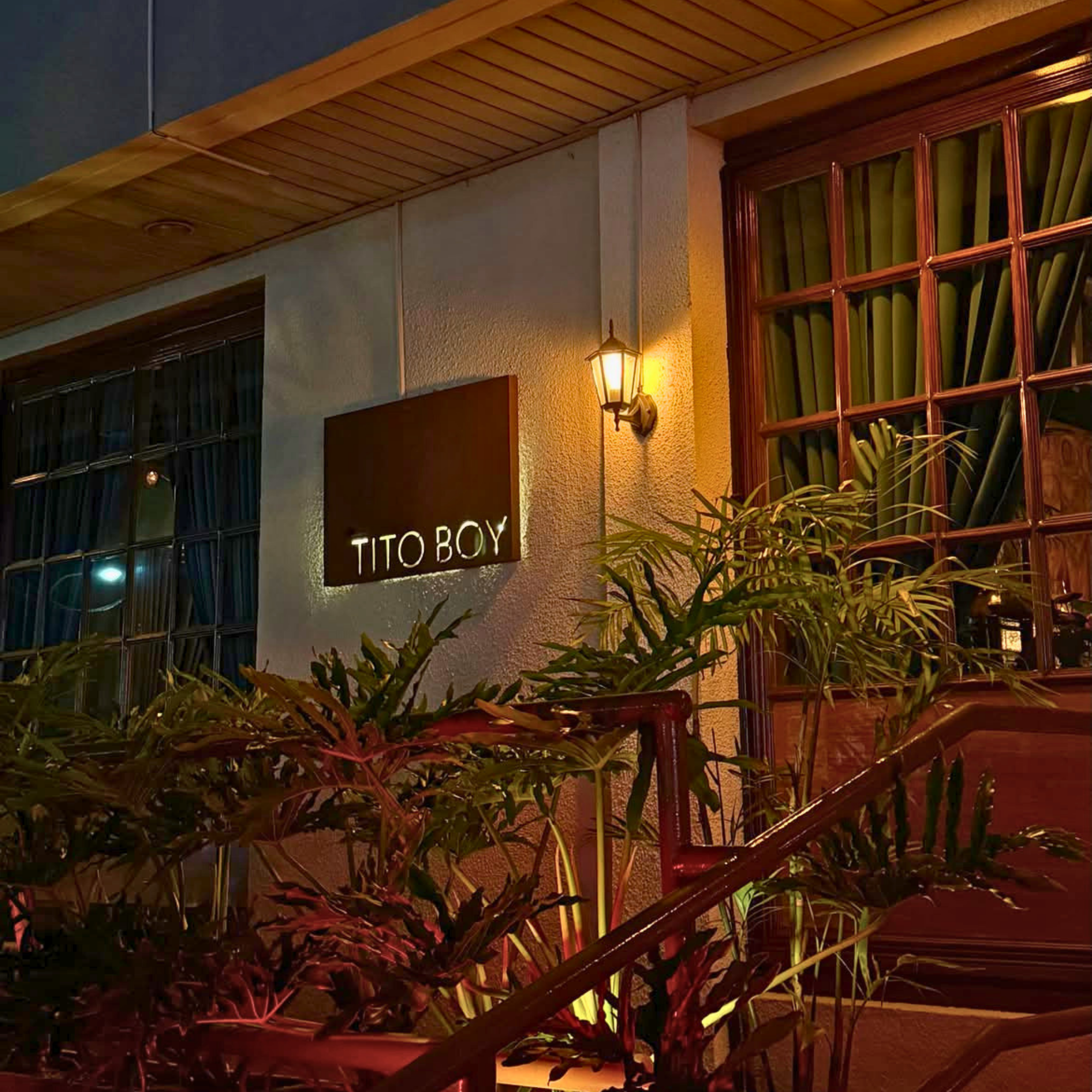
Tito Boy in Pampanga PHOTO COURTESY OF heyitsdanicaa on Instagram
Tito Boy in Pampanga [PHOTO COURTESY OF @heyitsdanicaa on Instagram]

Every family has that one tito who takes over the kitchen, spends hours cooking, and insists on bringing out just one more dish. He’s the one who makes sure everyone’s plate is full, everyone’s glass is topped up, and nobody even thinks about leaving until they’re bursting at the seams.

For chef-owner Bong Sagmit, that’s Tito Boy.

“I like saying there’s a Tito Boy in every family—the one who’s always in front of the stove, cooking for hours on end, serving up big platters, and always coaxing everyone to come and eat, to gather, to spend time together,” he shared.
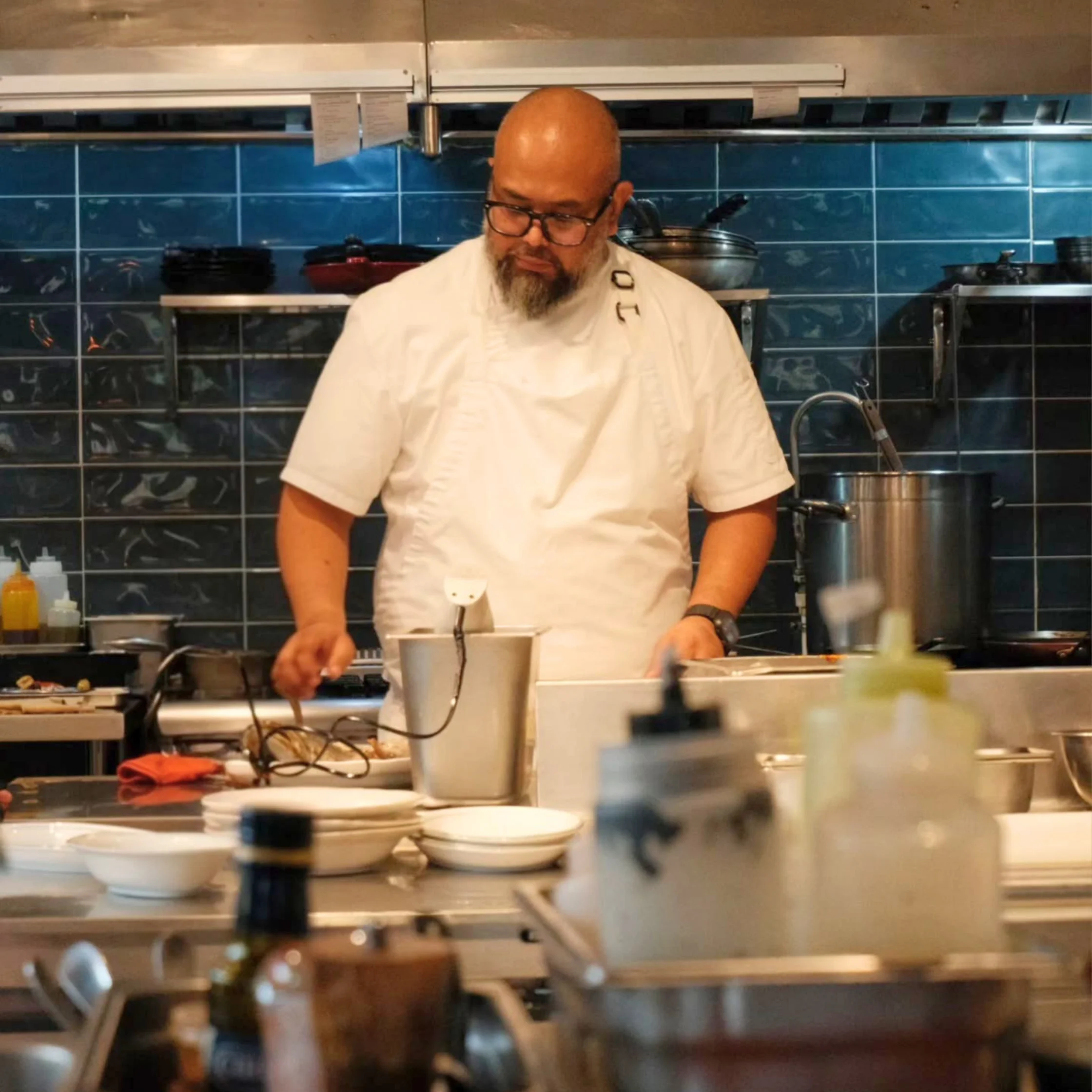
Bong Sagmit of Tito Boy PHOTO COURTESY OF mlntanarchives on Instagram
Chef Bong Sagmit of Tito Boy [PHOTO COURTESY OF @mlntanarchives on Instagram]

Named after his father, Atty. Ricardo “Boy” Sagmit Jr., Tito Boy is built around this familiar figure and how it represents food as an expression of love, generosity, and togetherness. It’s a philosophy that has earned the Pampanga restaurant a MICHELIN Bib Gourmand, and its restaurant manager, Clyde Joshua Zafra, a MICHELIN Service Award.

Together, the awards celebrate a memorable dining experience that’s about more than what’s on the plate—something Tito Boy has always believed in.

What Defines Kapampangan Cooking at Tito Boy?

For Sagmit, the idea of feeding and welcoming people is hardly new. He grew up watching his parents, titos, titas, and even friends go out of their way to make guests feel special. His early exposure to cooking came from his grandmother’s small carinderia, while trips to the market with his mother introduced him to the ingredients and dishes of Pampanga.

And after more than 20 years as a chef, he considers Tito Boy the first restaurant concept that feels like a true expression of himself. So rather than seeking culinary inspiration abroad, he chose to develop his own style from the food and cooking he grew up around.
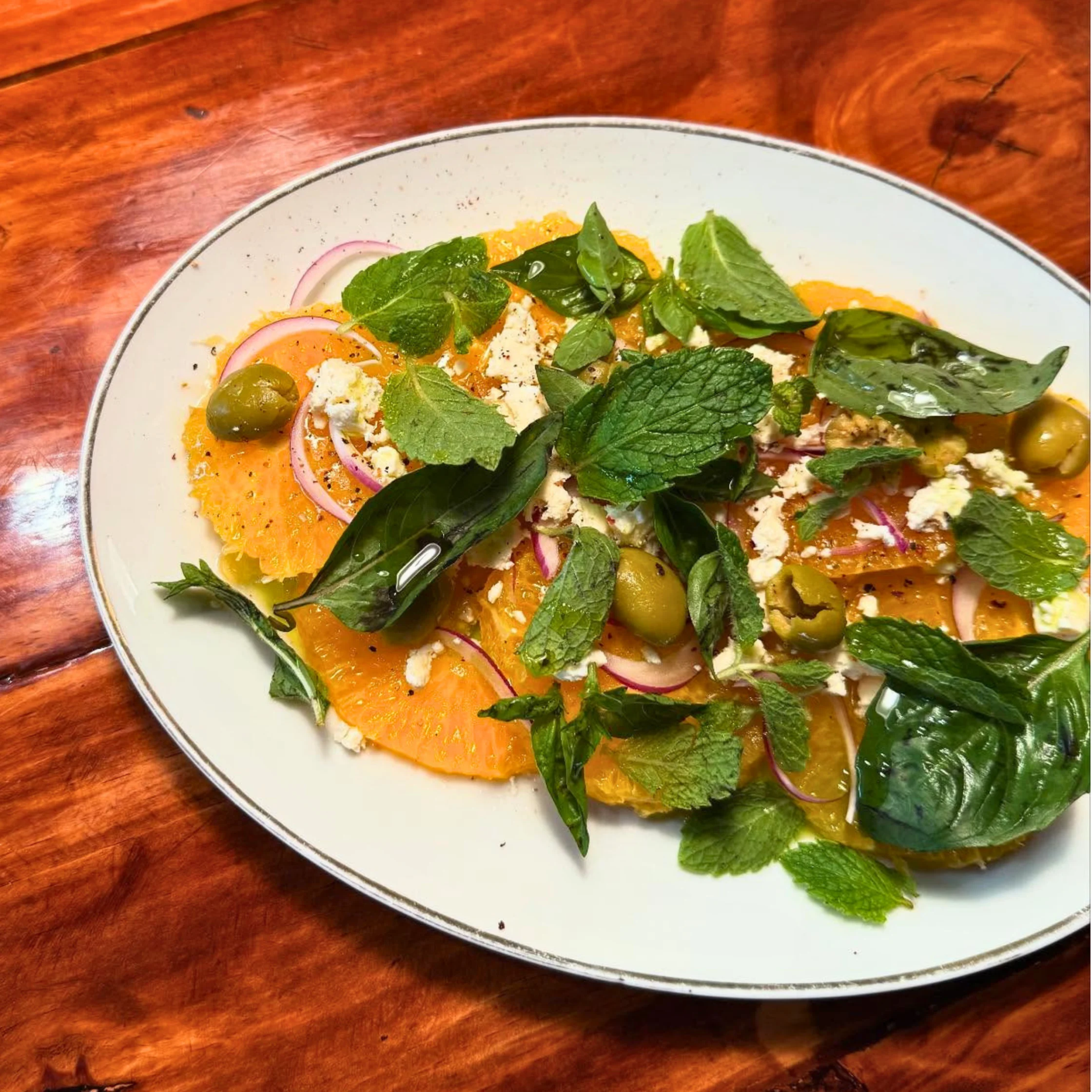
Orange Feta Salad PHOTO COURTESY OF Tito Boy Official Instagram
Fresh produce finds its way onto the menu too! [PHOTO COURTESY OF Tito Boy Official Instagram]
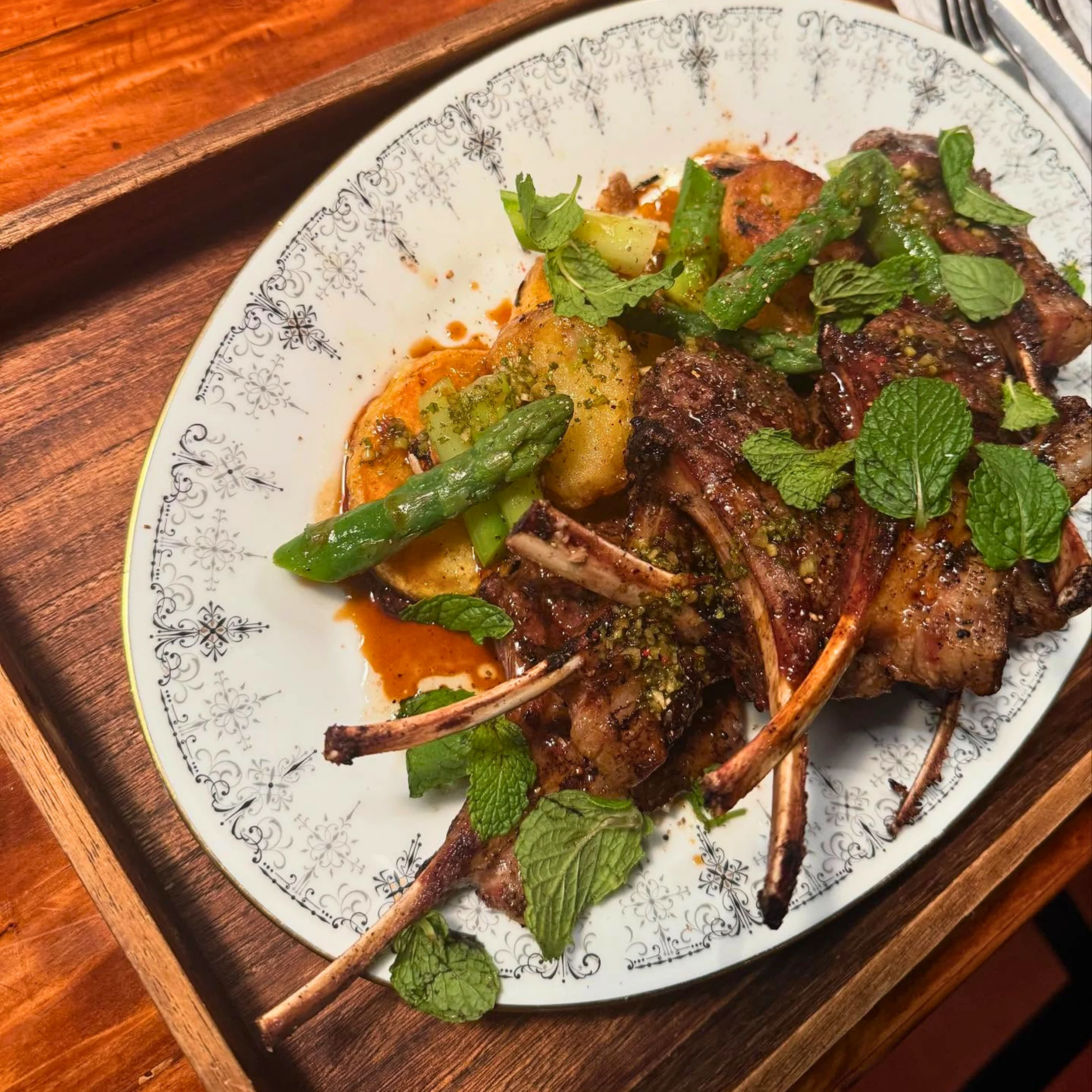
Lamb Ribs PHOTO COURTESY OF Tito Boy Official Instagram
Chef Bong and Tito Boy use Kapampangan ingredients and tradition to create flavorful dishes like these Lamb Ribs. [PHOTO COURTESY OF Tito Boy Official Instagram]
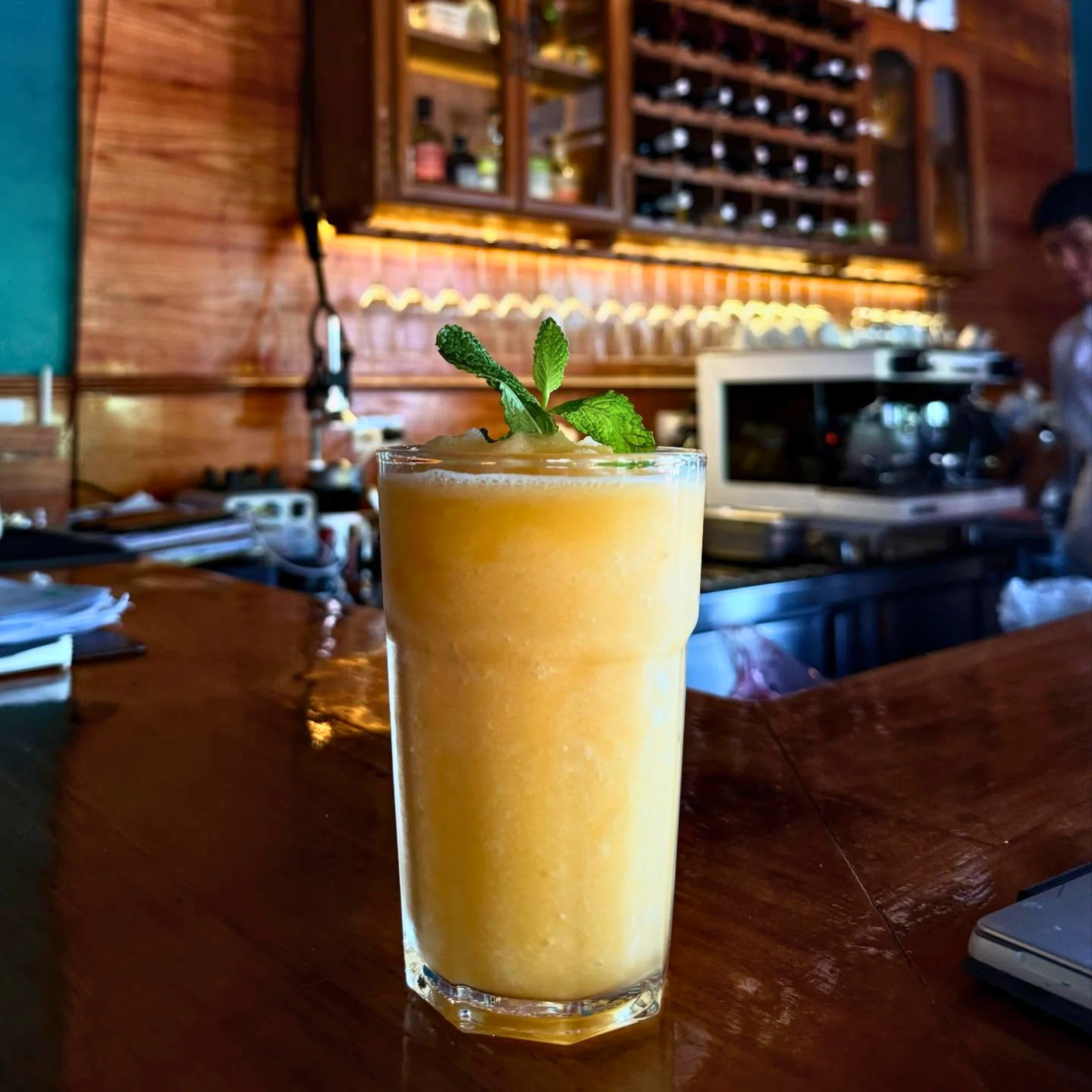
Hami Melon Shake PHOTO COURTESY OF Tito Boy Official Instagram
They also have drinks and refreshments like Hami Melon Shake for cooling down! [PHOTO COURTESY OF Tito Boy Official Instagram]

That connection to home comes out through the menu with Sagmit choosing to highlight a variety of distinct local ingredients such as alibangbang, dampalit, and pako, bringing traditional Kapampangan flavor profiles into contemporary preparations.

Among his personal favorites is lutong juice, a dish made with pineapple juice, celery, bay leaf, calamansi, and pork back fat. He remembers it as a childhood treat, only realizing later that the dish was born out of necessity. Burong talangka, made with raw talangka and salt, enjoyed with hot rice, is another favorite.

The dishes may be rooted in familiar flavors, but Sagmit’s approach gives him room to experiment. It’s his way of expressing his Kapampangan upbringing while making the cuisine his own.

What Does Hospitality Look Like at Tito Boy?

At Tito Boy, hospitality is just as important as the food. Sagmit and his wife want guests to experience the kind of welcome they grew up with through a bountiful feast, thoughtful service, and the feeling that someone has gone out of their way to make them comfortable.

Even the restaurant’s vintage dinnerware plays a part in bringing this to life. Inspired by the beautiful plates that families dust off for special celebrations, the pieces help recreate the feeling of being welcomed into someone’s home.
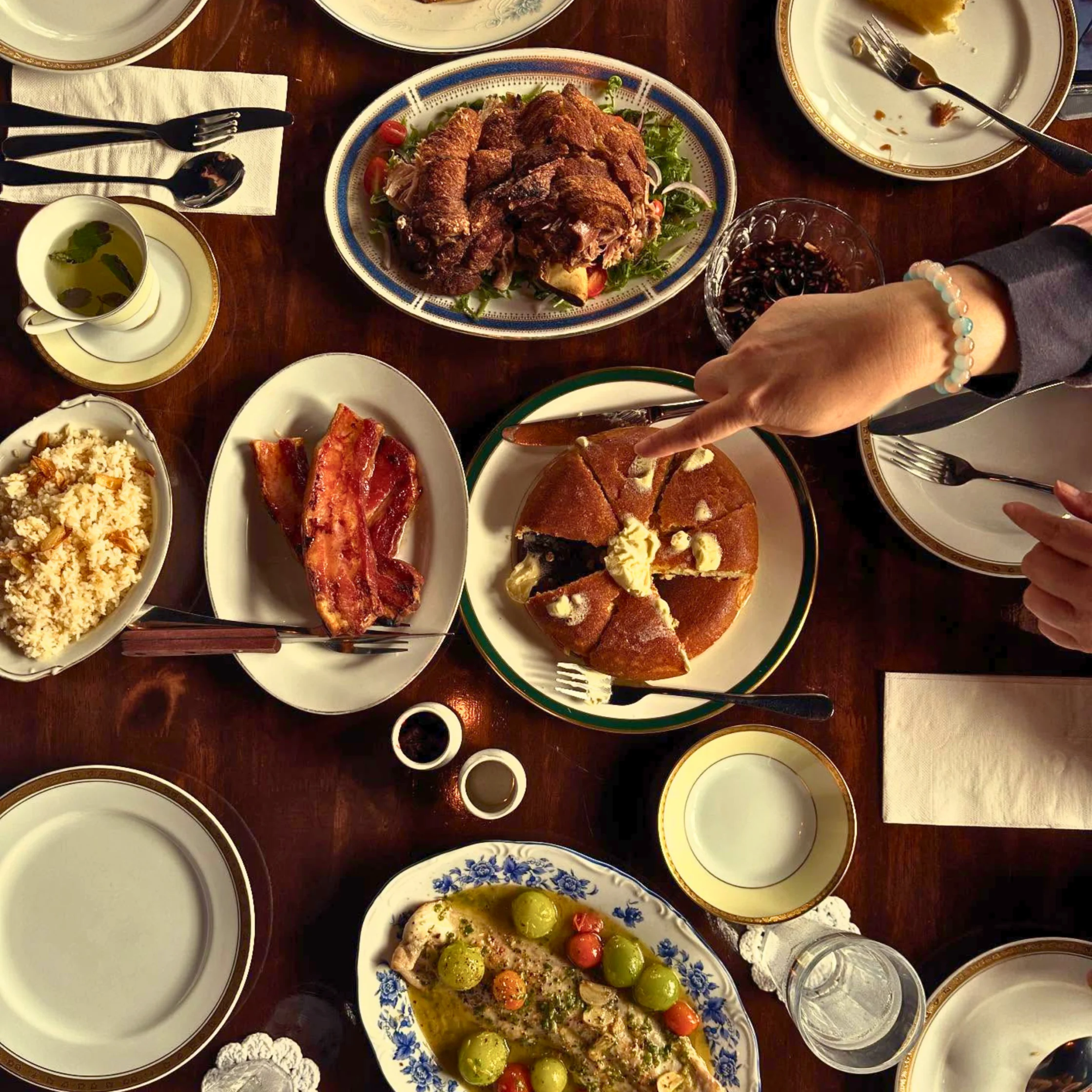
Spread from Tito Boy PHOTO COURTESY OF Bong Sagmit Official Instagram
Vintage dinnerware from Tito Boy [PHOTO COURTESY OF Bong Sagmit Official Instagram]

“There’s really nothing like being spoiled and pampered by your favorite tito or tita. That’s the feeling we’d like our guests to experience,” Sagmit said. 

For the team, this means treating every guest like family. And it’s not just a charming philosophy—it’s a standard they take seriously.

Clyde Joshua Zafra and the MICHELIN Service Award

The MICHELIN Service Award given to restaurant manager Clyde Joshua Zafra puts the spotlight on the people who bring Tito Boy’s hospitality to life.

Sagmit says the recognition reflects the dedication of the entire team, whose service standards remain uncompromising. Every visit, he reminds them, is unrepeatable—so the goal is for every guest to leave already looking forward to coming back.
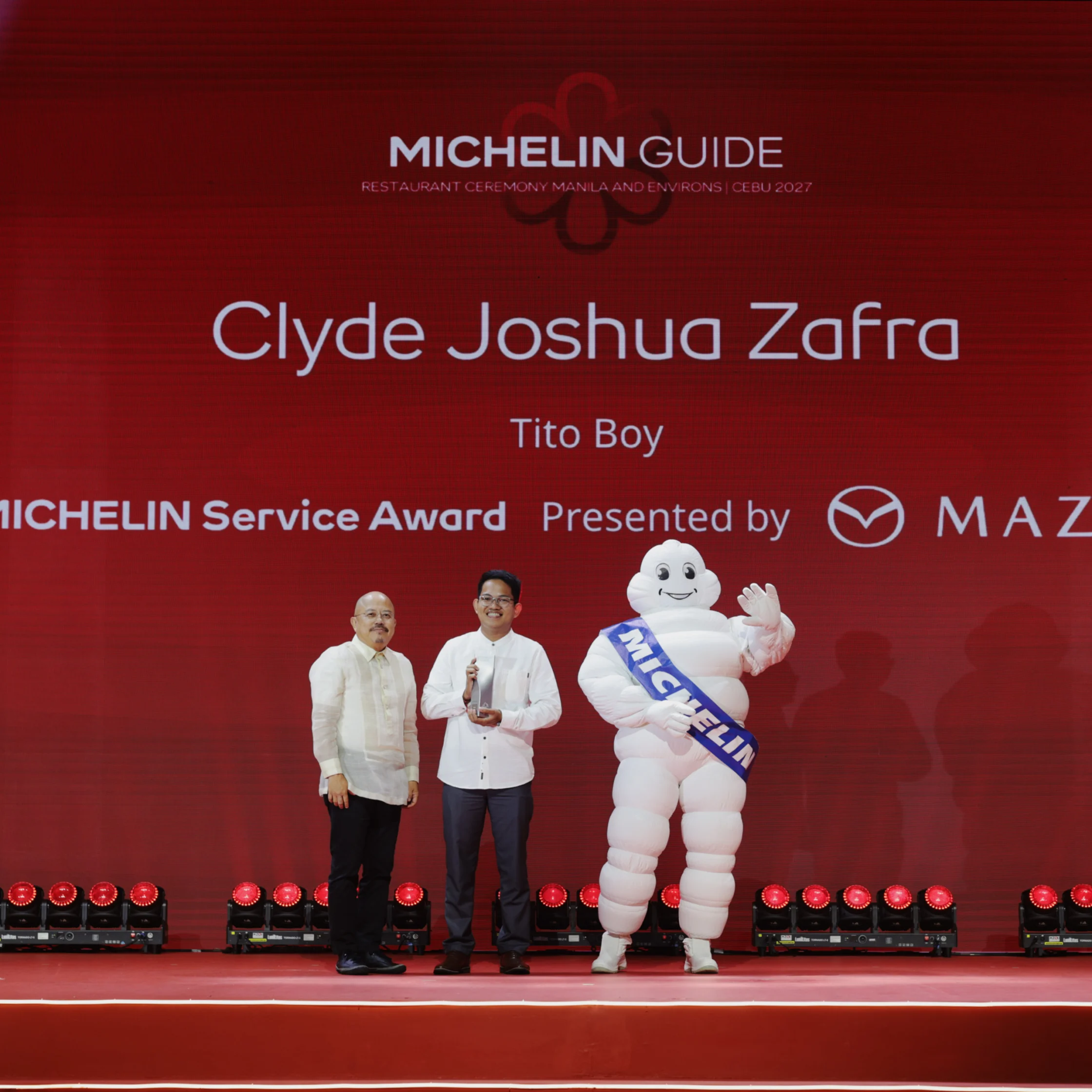
Michelin Service Award Winner Clyde Joshua Zafra PHOTO COURTESY OF The Michelin Guide
Michelin Service Award Winner Clyde Joshua Zafra [PHOTO COURTESY OF The Michelin Guide]

Zafra has his own way of making that invitation memorable. As guests leave, he often tells them, “Bukas ulit.” It’s a simple phrase, but it captures the restaurant‘s warm, familiar, and always-ready-to-welcome-people-back personality.

At Tito Boy, The Apag is Always Full

For Kapampangans, that generosity often comes in the form of abundance, so they make sure that a guest never has to worry about having too little to eat. As Sagmit puts it, the apag, or dining table, should always be full because a plentiful plate is a way of saying that someone is loved and cared for.

That spirit extends beyond the restaurant’s dining room because even before receiving a MICHELIN recognition, Sagmit and his team hosted gatherings called aguman, or fellowship, opening their kitchen to friends and fellow creatives. These get-togethers became opportunities to share ideas, showcase talent, and exchange knowledge.
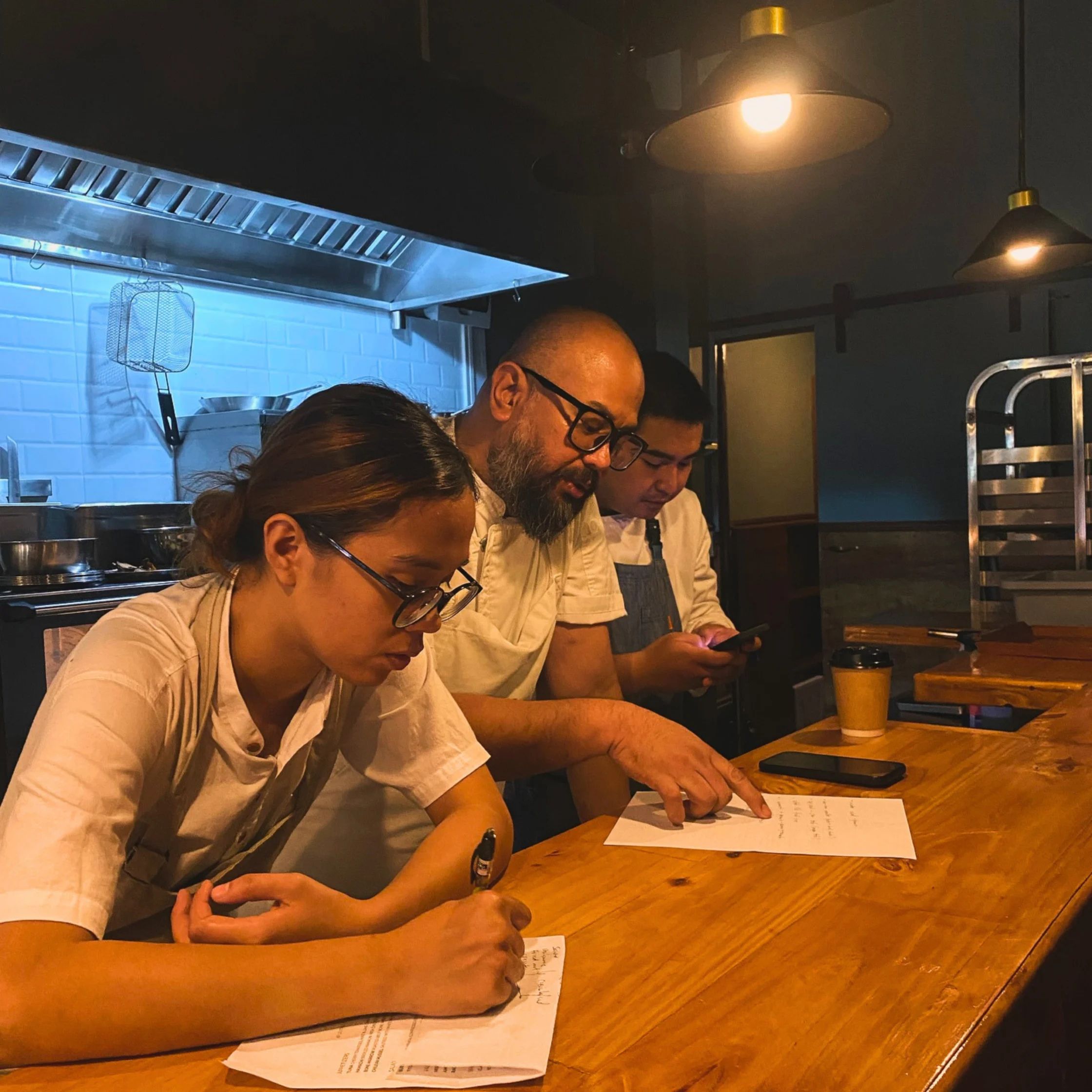
Tito Boy Team PHOTO COURTESY OF Tito Boy Official Instagram
The Tito Boy Team takes both food and hospitality seriously! [PHOTO COURTESY OF Tito Boy Official Instagram]

He hopes the restaurant’s recent achievements will encourage younger chefs and restaurateurs to explore their own creativity without losing sight of the traditions that make Kapampangan culture unique. He also hopes that these bring more attention to Pampanga’s food, people, and hospitality, alongside fellow local establishments such as Apag Marangle, Souq, and Mila’s. 

Because for Sagmit, a proper celebration is one that the entire community can share together. That might be the most important reason why a Tito Boy keeps cooking even after everyone has had their fill.

Tito Boy is located at Pavilion 10 A, B, C, D, Clark Center, Jose Abad Santos Avenue, Clark Freeport Zone, Angeles City, Pampanga.
author avatar
Paolo Elwick
Paolo is a food writer and storyteller exploring the intersections of food, culture, and identity through thoughtful, people-centered storytelling. He believes that, second only to language, food is one of humanity's most powerful expressions of culture—a medium for preserving history, expressing identity, and coming to understand ourselves and connect with others. Drawn to the histories, traditions, and personal experiences behind every dish, his writing combines curiosity with emotional honesty, highlighting diverse voices and celebrating the communities that shape our food landscape. Influenced by writers and artists who embrace vulnerability and introspection, Paolo uses a reflective, metaphor-rich approach to uncover the deeper meanings found in everyday meals and shared tables. He is passionate about creating stories that foster empathy, preserve cultural narratives, and invite readers to see food as more than sustenance—as memory, identity, and belonging. Through his work, Paolo hopes to amplify underrepresented perspectives and spark meaningful conversations that extend far beyond the plate.

Frequently Asked Questions

Tito Boy is located at Pavilion 10 A, B, C, D, Clark Center, Jose Abad Santos Avenue, Clark Freeport Zone, Angeles City, Pampanga.

author avatar
Paolo Elwick
Paolo is a food writer and storyteller exploring the intersections of food, culture, and identity through thoughtful, people-centered storytelling. He believes that, second only to language, food is one of humanity's most powerful expressions of culture—a medium for preserving history, expressing identity, and coming to understand ourselves and connect with others. Drawn to the histories, traditions, and personal experiences behind every dish, his writing combines curiosity with emotional honesty, highlighting diverse voices and celebrating the communities that shape our food landscape. Influenced by writers and artists who embrace vulnerability and introspection, Paolo uses a reflective, metaphor-rich approach to uncover the deeper meanings found in everyday meals and shared tables. He is passionate about creating stories that foster empathy, preserve cultural narratives, and invite readers to see food as more than sustenance—as memory, identity, and belonging. Through his work, Paolo hopes to amplify underrepresented perspectives and spark meaningful conversations that extend far beyond the plate.

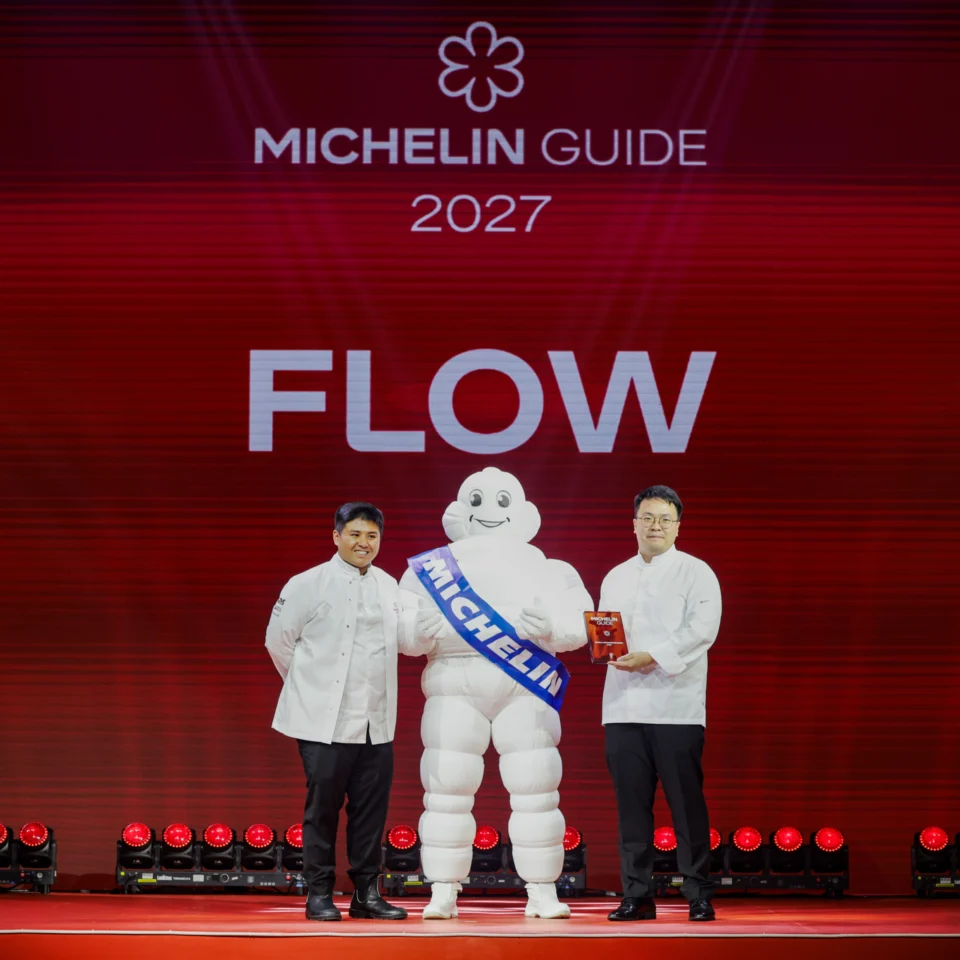
At the recently held 2027 MICHELIN Guide Awards, Tito Boy was given a Bib Gourmand, while restaurant manager Clyde Joshua Zafra was given the Service Award.

author avatar
Paolo Elwick
Paolo is a food writer and storyteller exploring the intersections of food, culture, and identity through thoughtful, people-centered storytelling. He believes that, second only to language, food is one of humanity's most powerful expressions of culture—a medium for preserving history, expressing identity, and coming to understand ourselves and connect with others. Drawn to the histories, traditions, and personal experiences behind every dish, his writing combines curiosity with emotional honesty, highlighting diverse voices and celebrating the communities that shape our food landscape. Influenced by writers and artists who embrace vulnerability and introspection, Paolo uses a reflective, metaphor-rich approach to uncover the deeper meanings found in everyday meals and shared tables. He is passionate about creating stories that foster empathy, preserve cultural narratives, and invite readers to see food as more than sustenance—as memory, identity, and belonging. Through his work, Paolo hopes to amplify underrepresented perspectives and spark meaningful conversations that extend far beyond the plate.

Pampanga-based chef Bong Sagmit, whose careers spans over 20 years of culinary experience, is the man behind MICHELIN-recognized Tito Boy in Pampanga.

author avatar
Paolo Elwick
Paolo is a food writer and storyteller exploring the intersections of food, culture, and identity through thoughtful, people-centered storytelling. He believes that, second only to language, food is one of humanity's most powerful expressions of culture—a medium for preserving history, expressing identity, and coming to understand ourselves and connect with others. Drawn to the histories, traditions, and personal experiences behind every dish, his writing combines curiosity with emotional honesty, highlighting diverse voices and celebrating the communities that shape our food landscape. Influenced by writers and artists who embrace vulnerability and introspection, Paolo uses a reflective, metaphor-rich approach to uncover the deeper meanings found in everyday meals and shared tables. He is passionate about creating stories that foster empathy, preserve cultural narratives, and invite readers to see food as more than sustenance—as memory, identity, and belonging. Through his work, Paolo hopes to amplify underrepresented perspectives and spark meaningful conversations that extend far beyond the plate.

Tito Boy in Pampanga is named after his father, Atty. Ricardo “Boy” Sagmit Jr., and is built around the familiar ‘Tito Boy’ figure whop treats food as an expression of love, generosity, and togetherness.

author avatar
Paolo Elwick
Paolo is a food writer and storyteller exploring the intersections of food, culture, and identity through thoughtful, people-centered storytelling. He believes that, second only to language, food is one of humanity's most powerful expressions of culture—a medium for preserving history, expressing identity, and coming to understand ourselves and connect with others. Drawn to the histories, traditions, and personal experiences behind every dish, his writing combines curiosity with emotional honesty, highlighting diverse voices and celebrating the communities that shape our food landscape. Influenced by writers and artists who embrace vulnerability and introspection, Paolo uses a reflective, metaphor-rich approach to uncover the deeper meanings found in everyday meals and shared tables. He is passionate about creating stories that foster empathy, preserve cultural narratives, and invite readers to see food as more than sustenance—as memory, identity, and belonging. Through his work, Paolo hopes to amplify underrepresented perspectives and spark meaningful conversations that extend far beyond the plate.

Tito Boy highlights local ingredients such as alibangbang, dampalit, and pako, bringing traditional Kapampangan flavors into contemporary preparations. Among Chef Sagmit’s favorites are lutong juice, made with pineapple juice, celery, bay leaf, calamansi, and pork back fat, and burong talangka eaten with hot rice.
author avatar
Paolo Elwick
Paolo is a food writer and storyteller exploring the intersections of food, culture, and identity through thoughtful, people-centered storytelling. He believes that, second only to language, food is one of humanity's most powerful expressions of culture—a medium for preserving history, expressing identity, and coming to understand ourselves and connect with others. Drawn to the histories, traditions, and personal experiences behind every dish, his writing combines curiosity with emotional honesty, highlighting diverse voices and celebrating the communities that shape our food landscape. Influenced by writers and artists who embrace vulnerability and introspection, Paolo uses a reflective, metaphor-rich approach to uncover the deeper meanings found in everyday meals and shared tables. He is passionate about creating stories that foster empathy, preserve cultural narratives, and invite readers to see food as more than sustenance—as memory, identity, and belonging. Through his work, Paolo hopes to amplify underrepresented perspectives and spark meaningful conversations that extend far beyond the plate.
paolo elwick delish ph food writer

Paolo Elwick

Writer

Paolo is a food writer and storyteller exploring the intersections of food, culture, and identity through thoughtful, people-centered storytelling. He believes that, second only to language, food is one of humanity's most powerful expressions of culture—a medium for preserving history, expressing identity, and coming to understand ourselves and connect with others. Drawn to the histories, traditions, and personal experiences behind every dish, his writing combines curiosity with emotional honesty, highlighting diverse voices and celebrating the communities that shape our food landscape. Influenced by writers and artists who embrace vulnerability and introspection, Paolo uses a reflective, metaphor-rich approach to uncover the deeper meanings found in everyday meals and shared tables. He is passionate about creating stories that foster empathy, preserve cultural narratives, and invite readers to see food as more than sustenance—as memory, identity, and belonging. Through his work, Paolo hopes to amplify underrepresented perspectives and spark meaningful conversations that extend far beyond the plate.

0 0 votes
Total of Ratings
guest
Rating
Ratings for Article
0 Comments
Oldest
Newest Most Voted

To provide a customized ad experience, we need to know if you are of legal age in your region.

By making a selection, you agree to our Terms & Conditions.