Within the tiny calamansi is enormous potential.
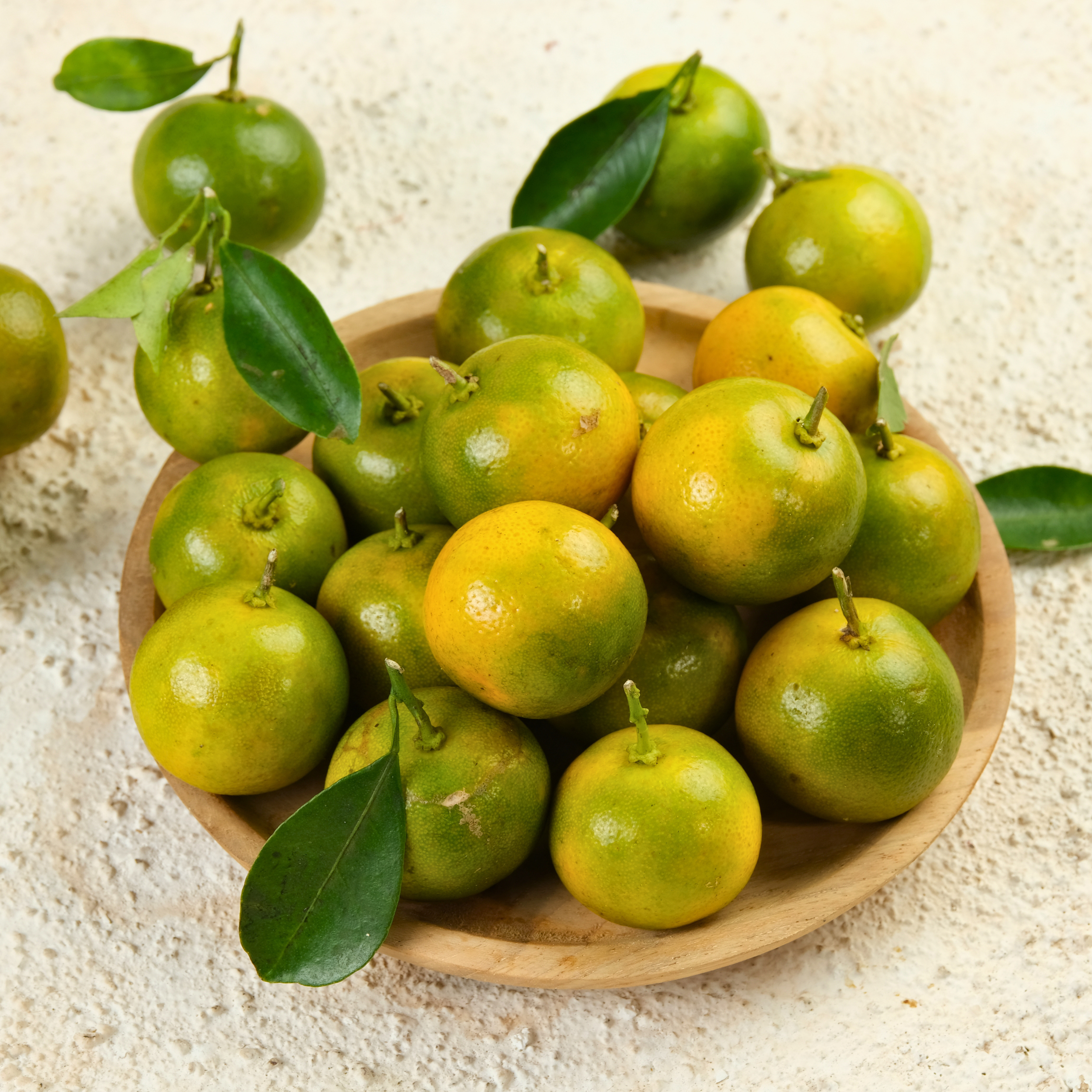
The citrus, also called Philippine lime, calamondin, or Citrus × microcarpa, is indigenous to the Philippines and deemed one of the country’s most important fruit crops—the fourth most prominent in production volume and land area next to banana, mango, and pineapple. And with its continuing popularity in different parts of the world, the fruit could well be Filipino cuisine’s next global success story.
From Sawsawan to Superfood: Why Calamansi Could Be the Next Ube
Its taste is certainly unique—it’s tart like a lemon or lime, but also a touch floral in a way no other citrus is. It’s also versatile, and works its magic in both sweet and savory dishes.
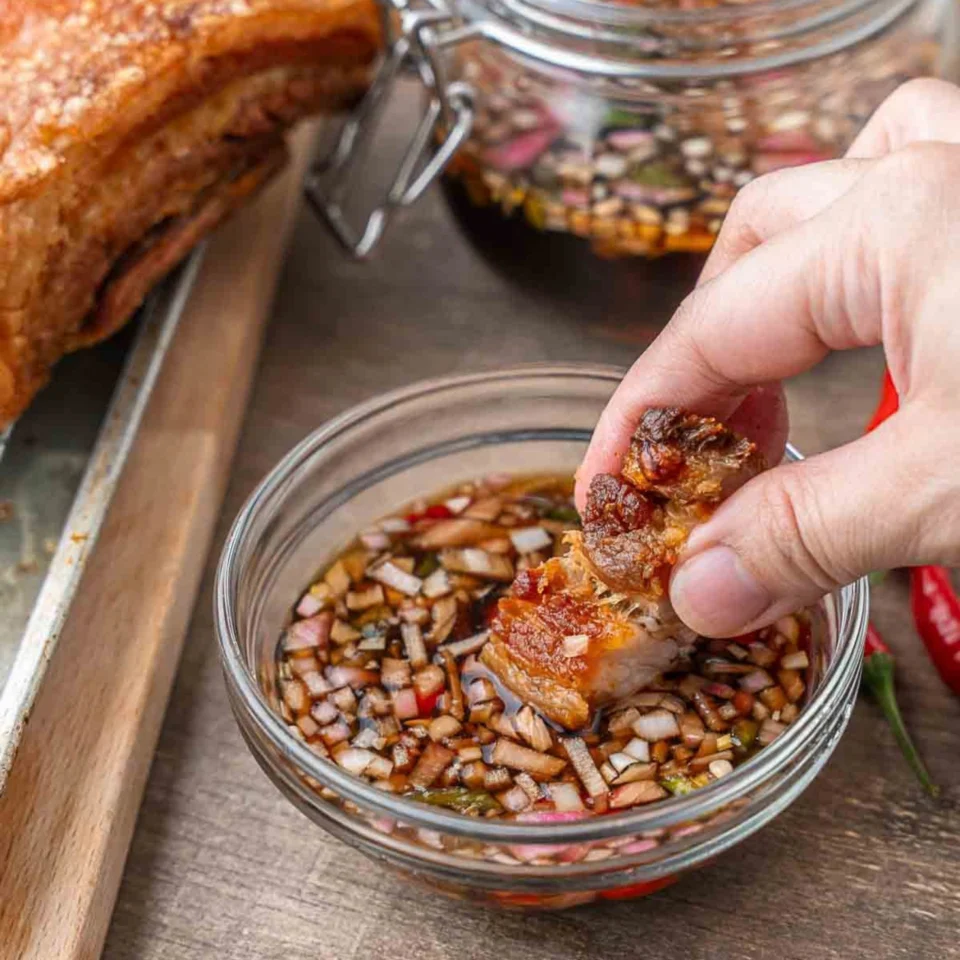
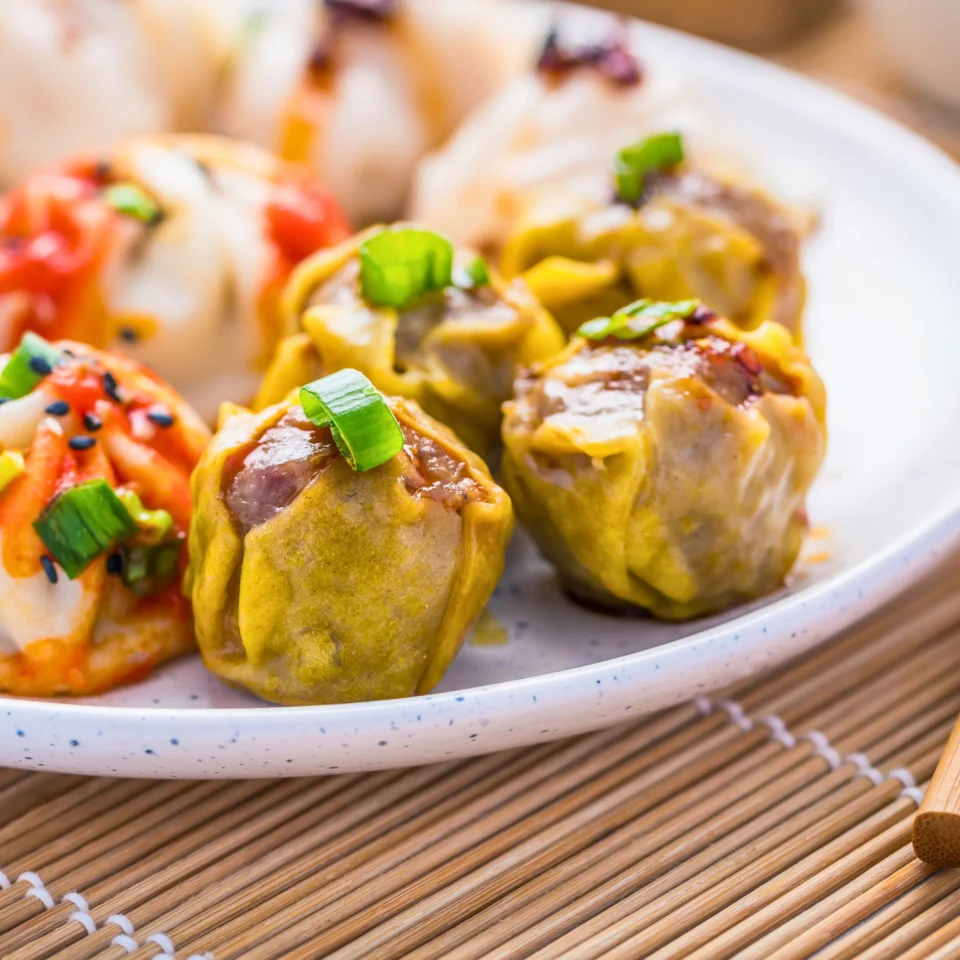
The fruit is practically indispensable in the Filipino kitchen. It provides the quintessential brightness that completes the flavor circuit in everything from sawsawan to pancit to sisig. Used as a marinade, its acidity helps tenderize meats like bistek and Pinoy BBQ. It makes for a refreshing beverage too, and it works beautifully in baked goods—cakes, bars, pies, you name it.
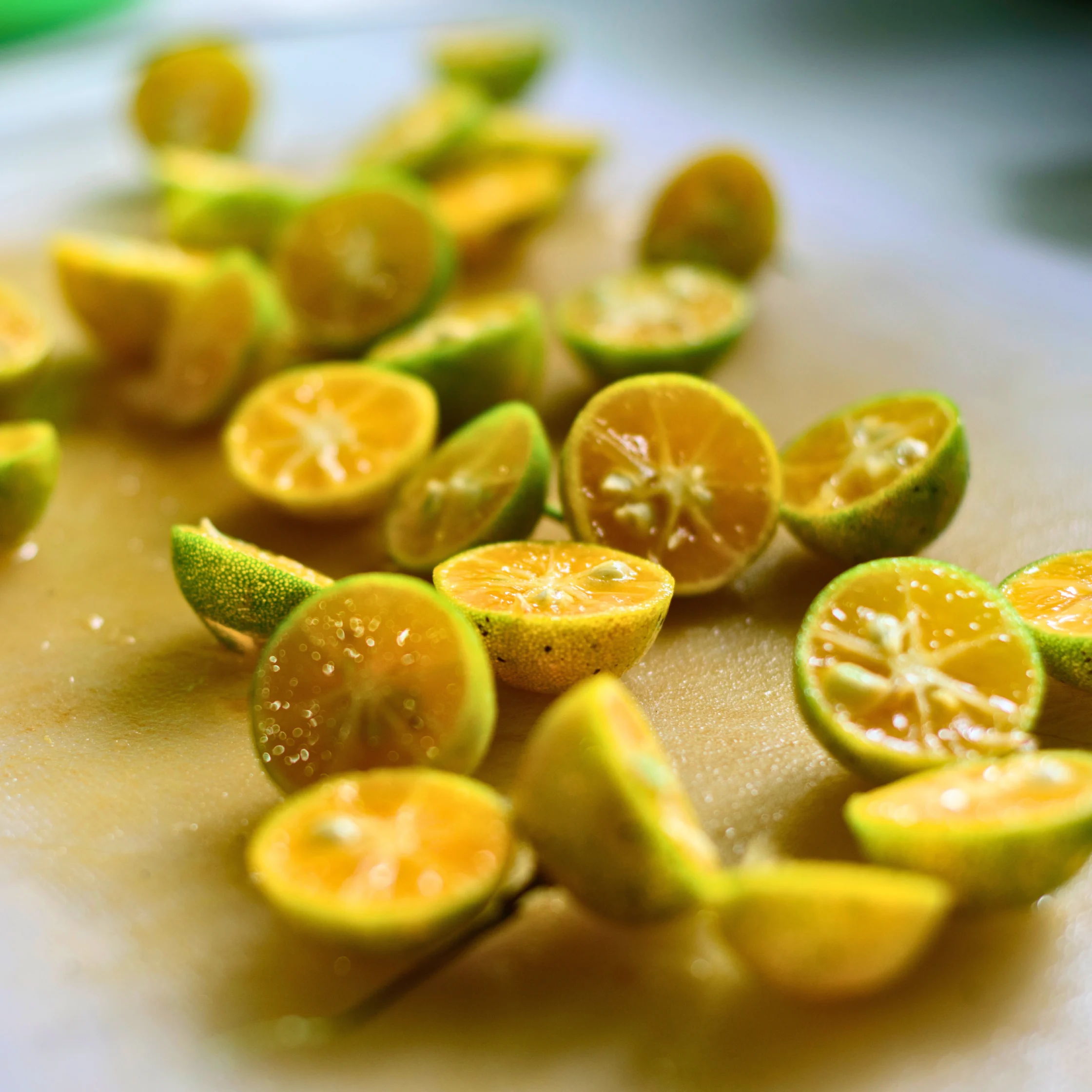
But it also has massive potential for other applications. Other parts of the world have already become enchanted with the tiny citrus. Calamansi was reportedly a trend in South Korea in the late 2010s, particularly as a detox ingredient of sorts for the health-inclined. It has grown its share of fans in the U.S., China, and Australia, appearing in snacks, drinks, even as an ingredient that restaurants are playing with. No wonder the DTI named calamansi as one of the two new export rising stars, along with ube.
Calamansi also fits in the increased interest for healthy or “functional” foods as it’s a nutritional powerhouse in its own right. The citrus is packed with vitamins A and C, iron, and antioxidants—all the good stuff that boosts immunity, reduces cholesterol, supports collagen production, and helps keep diabetes at bay.
The World Is Ready for Calamansi. Is the Philippines Ready to Supply It?
The demand is definitely there—globally, even. Sadly, production of calamansi has been in decline, some factors behind it being the spread of diseases like huanglongbing (HLB); the high costs of fertilizers and pesticides; and low farmgate prices, with farmers feeling pressured to sell the fruit at too-cheap prices before it turns yellow.
The challenges can be mitigated with the help of policy makers, who can help with implementing better practices from the production stage to harvesting, post-harvesting, and trading and marketing.
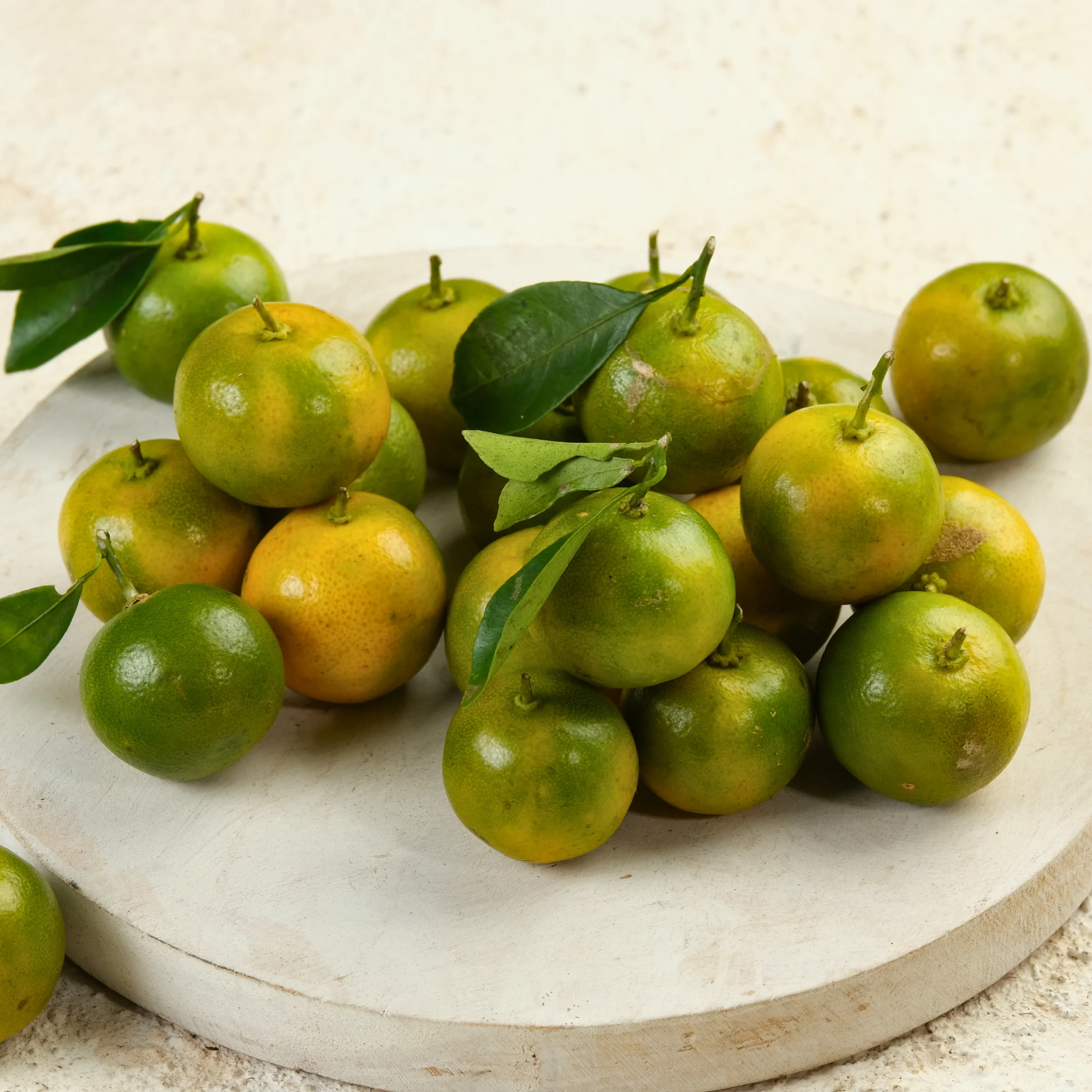
There is, thankfully, a growing number of locally made calamansi products suitable for export, including concentrates, extracts, oils, and freeze-dried powders. These help get around the problem of calamansi’s short shelf life and vulnerability to bruises, while making the citrus’ telltale taste (and nutritional benefits) more easily accessible to those outside the country.
Calamansi’s got great commercial value and there’s plenty to leverage, from its health benefits to its variety of uses to its distinctive flavor. With further support from policy makers to address existing issues, the fruit could well be propelled to high-value industries the world over.
The potential rewards are massive—not only could it keep the momentum of Filipino food going on a worldwide scale, following the success of ube; it’d also transform the lives of calamansi farmers by helping improve their livelihoods.

Frequently Asked Questions
Calamansi is a small citrus fruit native to the Philippines. Also known as Philippine lime or calamondin, it is prized for its bright, tart flavor and is widely used in Filipino cooking, beverages, marinades, and sauces.
Calamansi adds acidity and freshness to many Filipino dishes, including pancit, sisig, and sawsawan. It is also commonly used in marinades, juices, desserts, and baked goods.
Many believe calamansi has strong global potential because of its unique flavor, versatility, and nutritional benefits. The Department of Trade and Industry has even identified it as one of the Philippines’ rising export stars alongside ube.
Calamansi has a flavor that combines the tartness of lime and lemon with subtle floral notes. Its distinct taste makes it suitable for both savory and sweet applications.
Calamansi contains vitamins A and C, antioxidants, and iron. It is associated with immune support, collagen production, cholesterol management, and overall wellness.