


Imagine the viands and delicacies that once occupied the space at the dining table, carrying decades or even centuries of history, identity, and cultural heritage, fading from daily reality into mere memory.
Bleak as the prospect of it might be, the disappearance of dishes and the ingredients that comprise them is a devastating possibility that we’ve seen over the years. Food is, after all, living in the sense that it’s connected to—and inseparable from—its surroundings: the land it grows on or forest it thrives in; the seas it occupies; the people behind its cultivation and/or production; the people who consume it or rely on it for fuel. The deterioration of one or more of these foundations then, can pose real problems for these foods; as such, preserving these foods is a matter of preserving the other elements behind them.
Filipino Ingredients That Are at Risk Of Extinction
Slow Food’s Ark of Taste catalog covers species that could disappear and are in need of protection; as of writing, 130 products are listed from different parts of the Philippines.
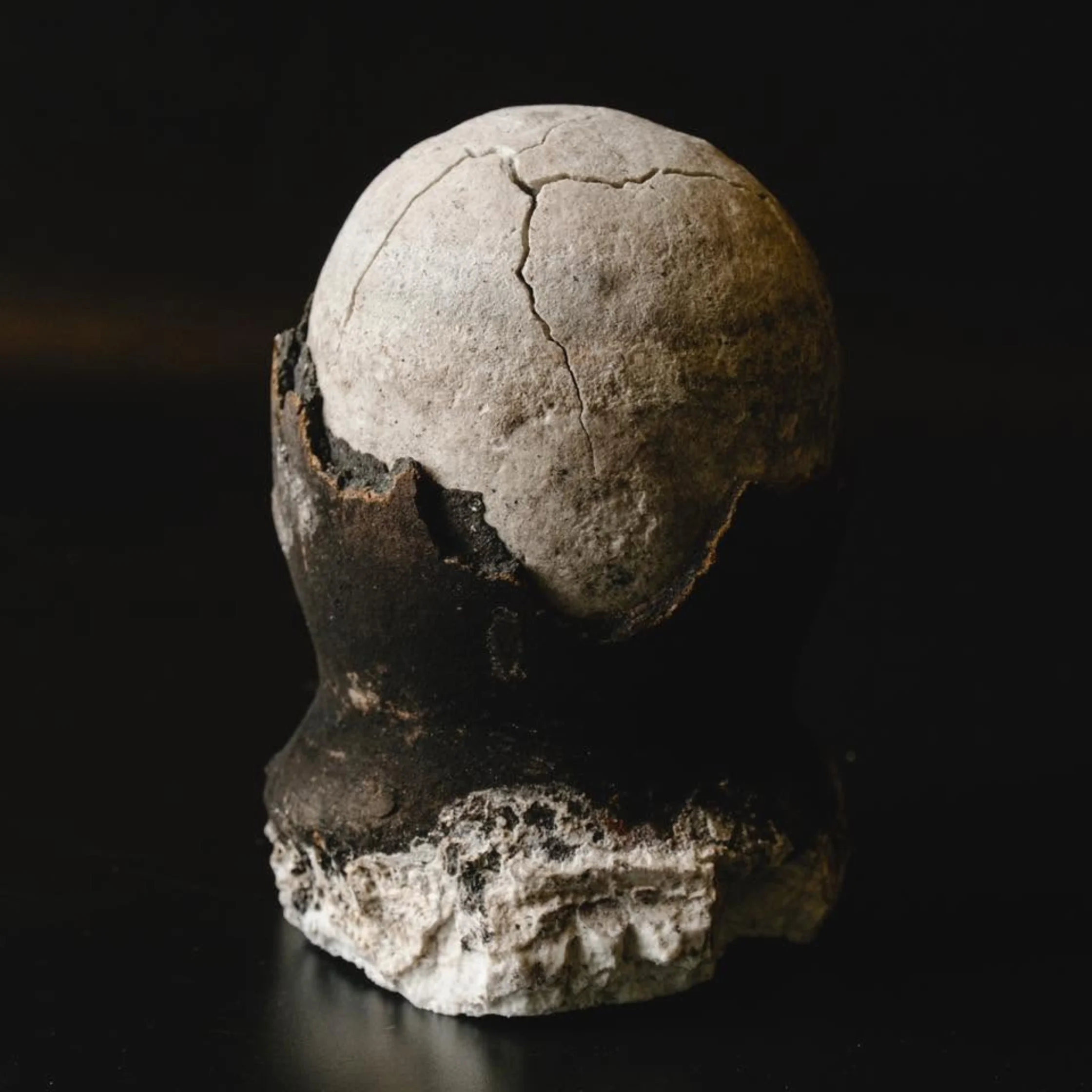
Bohol’s asin tibuok, for example, is notoriously labor-intensive to make—and coupled with seasonal production and the low profits it would generate, plus the prevalence of cheaper, mass-produced salts in the market (with the ASIN law passed in 1995), many from the younger generations are opting for alternative career paths. The process of making asin tibuok was included in the UNESCO’s 2025 List of Intangible Cultural Heritage in Need of Urgent Safeguarding, which covers living practices that are at “serious risk of disappearance.”
Certain varieties of Philippine heirloom rice—including the Kalinga varieties bolikao, camoros, nangotan, and unoy—also face possible disappearance, due to factors like urbanization, climate change, and the shift to high-value crops in areas that used to produce these varieties.
Filipino food heritage advocate John Sherwin Felix of Lokalpedia brings up apulid (local water chestnuts, also called buslig in Ilocano, pagappo in Ibanag, and other regional names)—which was once common in public markets and during fiestas, but is now hard to find. “Its populations have disappeared in many areas due to the degradation of wetland ecosystems,” he shares.
Certain species of fish are notoriously at risk. Most well-known might be tawilis, the only freshwater sardine species and one endemic to Taal Lake (and a breakfast favorite in Batangas and Tagaytay), famously marked endangered in 2018. Production of the fish dropped 50% from 1996 to 2018, due to factors like overfishing, pollution, habitat degradation, and the introduction of invasive species. Closed fishing seasons for tawilis are implemented from time to time, to allow it to spawn—most recently a fishing ban was implemented from March to April this 2026.
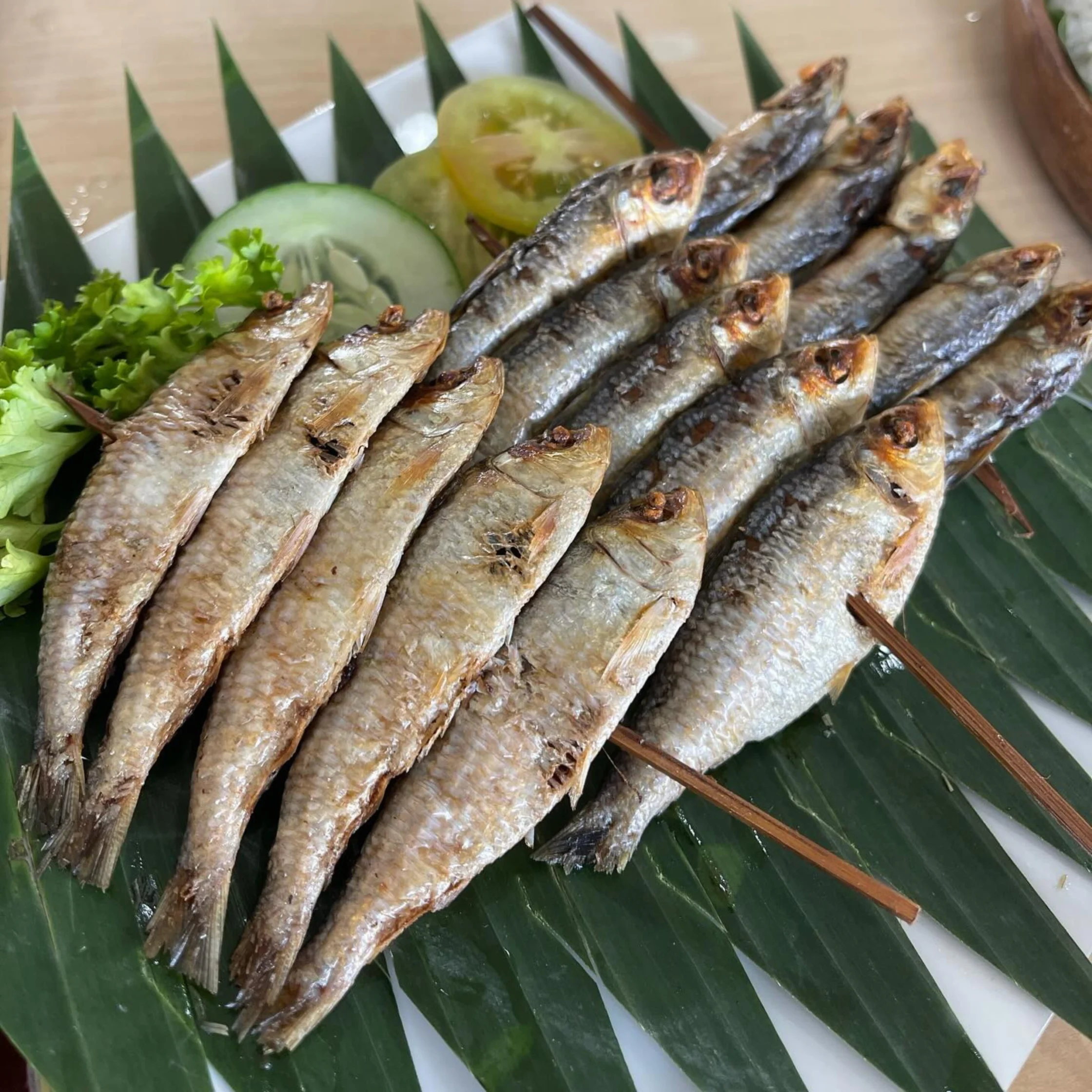
Another fish species at risk is the sinarapan, which happens to be the smallest commercially edible fish in the world. “It was once abundant in Lake Buhi, Camarines Sur, where locals usually cooked it in coconut milk or dried it into thin sheets and then fried them,” says Sherwin. Filipino food historian, culinary scholar, and book designer Ige Ramos also points out that riverine fishes like ludong, biya, and ayungin are sadly disappearing from Laguna de Bay and northern rivers.
Lake Lanao in Lanao del Sur is also home to 18 endemic fish species, 15 of which are now thought to be extinct while the others are critically endangered. “When I was in Marawi, locals shared stories about how tasty and fatty some of the fish species found in the lake were,” says Sherwin. “Now, those fish live only in the stories of the locals.”
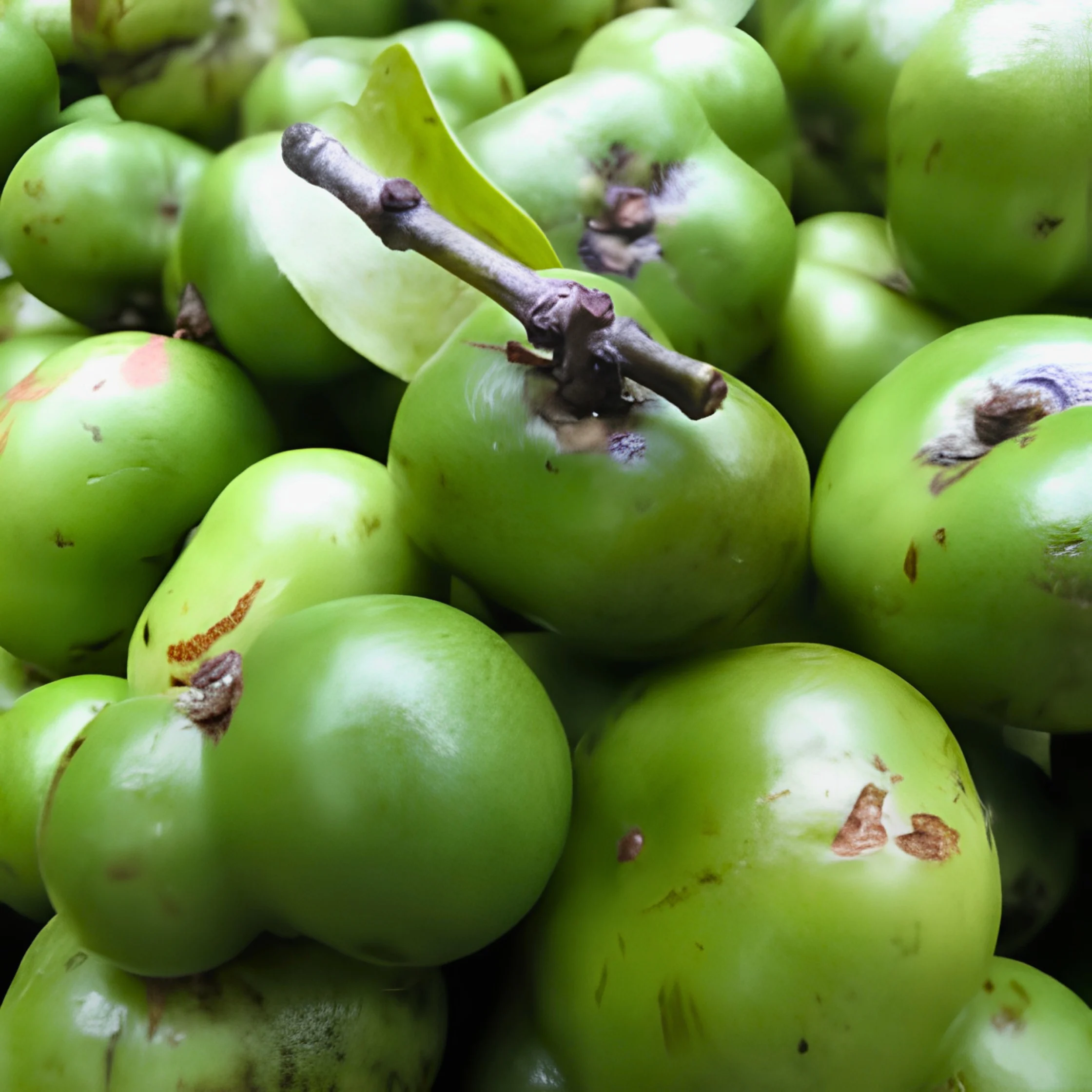
There are fruits at risk of disappearing, too—including batuan, the green fruit that’s a staple in Ilonggo dishes like kansi and KBL; and tabon-tabon, which is used to make kinilawKinilawA Filipino dish of raw fish or seafood cured in vinegar and citrus, mixed with ginger, onions, and chilies. Often compared to ceviche, kinilaw predates Spanish colonization and is prizedGo to Kinilaw Glossary in northern Mindanao.
Disappearing Filipino Dishes: Chanchau, Birhen-Birhenan
At times, the ingredients themselves still technically exist, but certain practices or ways of using them become increasingly rare as time goes on. This seems to be the case with labong (bamboo shoots) being cooked into the dish called balaw balaw; and kabuyaw (also called kaburáw, a local citrus) being served with pancitPancitThe Filipino noodle dish, symbolizing long life and traditionally served at birthdays. Varieties abound, from everyday bihon and canton to regional specialties such as Quezon's habhab and Cagayan's pancit batilGo to Pancit Glossary, shares cultural journalist and documentarian Roberto Villarcabral.
And then there are dishes and other delicacies that are disappearing, in the sense that they’re increasingly no longer being made. Rob brings up the case of chanchau, a street snack from the Spanish colonial period with grass jelly, rice noodles, sometimes mung beans and a seed or grain similar to chia, and a sugar cane syrup; even its Caviteño and Ilonggo counterparts (chin chao and sansaw respectively) are dying.
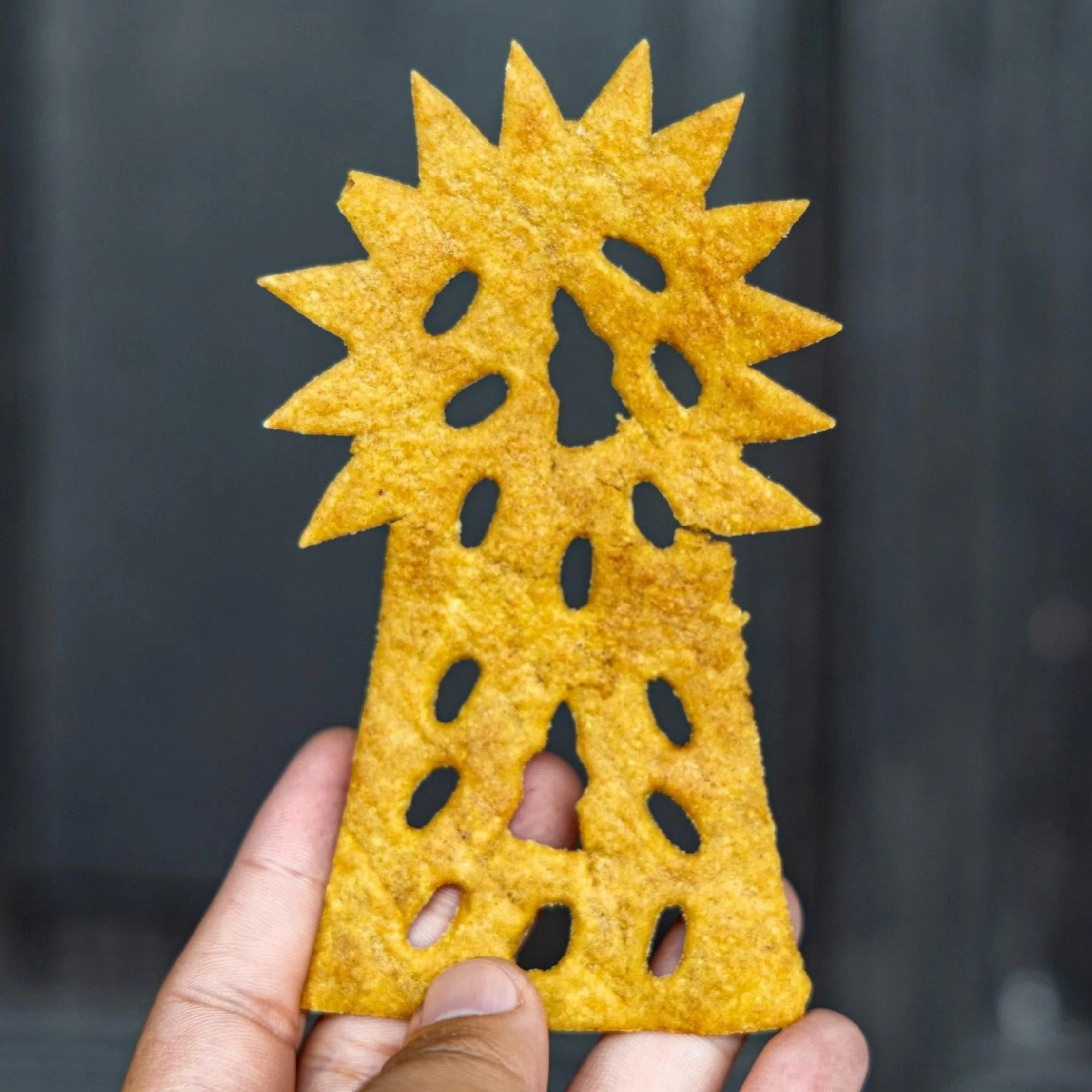
Chef, instructor, food writer, and Philippine Heritage Kitchen founder Reggie Aspiras also talks about birhen-birhenan (also called karatil or turumba), a traditional cookie from Pakil, Laguna made with glutinous rice, turmeric, and melted panutsa that’s kneaded in by hand while it’s hot. Only one known maker of which is still around, Chef Reggie laments. There are many others outside these examples.
Why Are Filipino Ingredients and Dishes Disappearing?
Ingredients, products, dishes, and cooking and dining customs can cease to exist for a number of reasons. Some, Sherwin explains, are rooted in changing demographics: those who practice certain traditions age, and in some cases don’t get to pass down their knowledge of making these delicacies to the next generation. This can happen when the younger generation loses interest—say, when parents don’t instill the traditions or make them sound interesting (which can also happen due to economic circumstances), says Roberto.
There’s also migration, Sherwin adds—e.g., when younger producers like farmers move out from their communities to seek better life opportunities, and there are few remaining producers from the younger generation to continue the tradition.
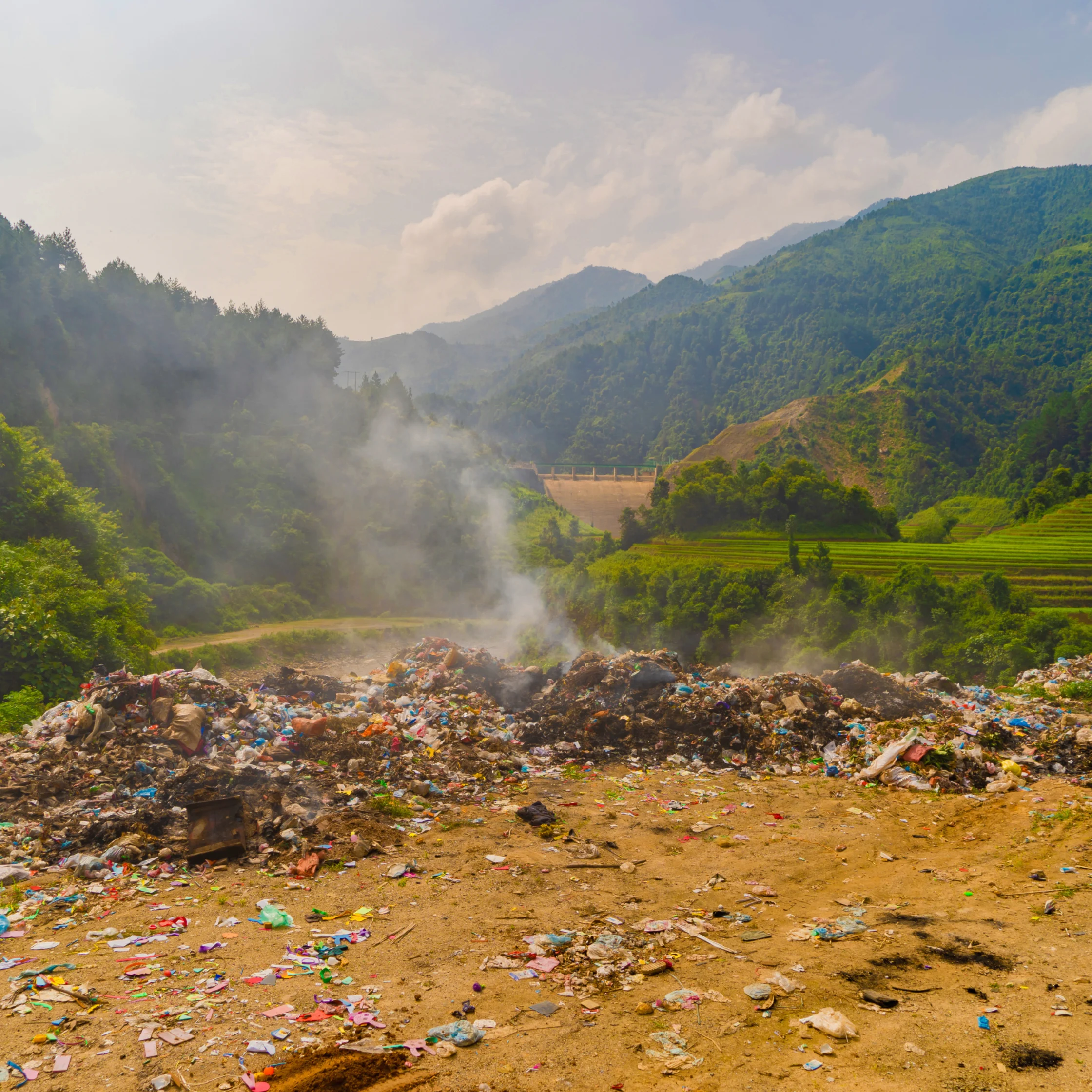
The biggest contributing factor to disappearing ingredients, says Sherwin, is the “destruction of habitat and ecosystems” following things like illegal logging and changes in land use (when agricultural lands are privatized or urbanized, leading to less food biodiversity).
Connected to this is monocropping, or growing just a single crop—usually one that would likely bring a higher profit—on the same land. Doing so can sound like the more lucrative option, but comes at the cost of food biodiversity. “For example, in Palawan, isang forest na punong-puno ng wild fruits, spices, and other ingredients na makukuha sa gubat, because of monocropping, threatened na ‘yung mga ingredients na ‘yun.” Monocropping also often entails using synthetic fertilizers to pull off—herbicides, fungicides, insecticides, and so on that can affect water systems in the process.
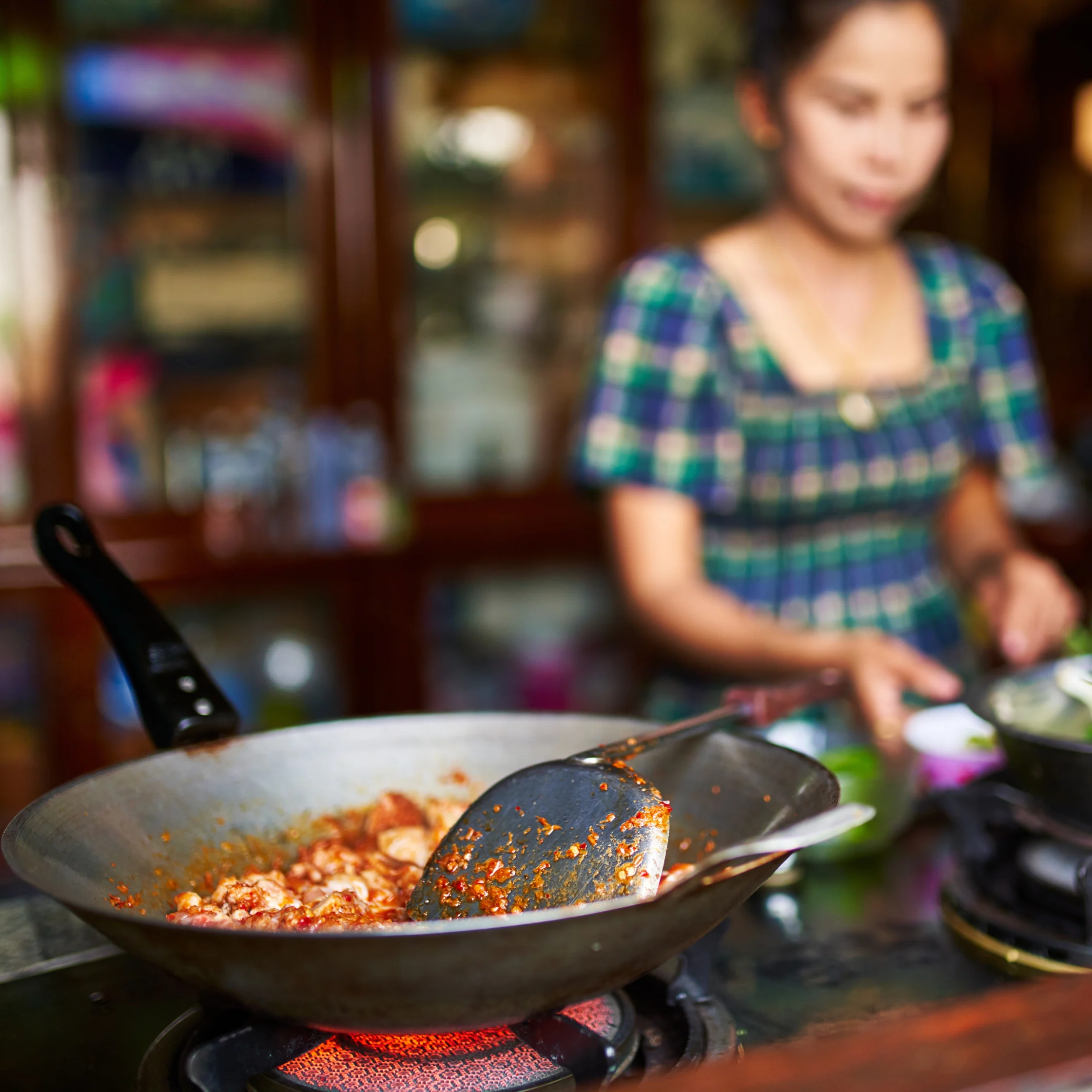
But the dishes don’t just vanish when its primary ingredients disappear for whatever reason, according to Ige Ramos. Instead, it undergoes a “process of culinary adaptation, structural substitution, and semantic ghosting.”
There is what he calls an “erosion of memory.” “An ingredient is an archive of ecology and labor; when a dish loses an indigenous souring fruit or a specific heirloom rice, we lose the vocabulary of the landscape,” says Ige. “The palate becomes homogenized, flattened into a uniform profile of commercial soy sauce, white sugar, and artificial seasoning.”
Some dishes will remain there in name, but with its core and defining ingredients replaced—as might happen when commercially sold sinigangSinigangA sour, savory Filipino soup soured with tamarind, guava, or calamansi and loaded with pork, shrimp, fish, or beef alongside vegetables like kangkong, radish, and string beans. A national comfortGo to Sinigang Glossary powders take the place of fresh native souring agents like batuan, kamias, and libas, or ditto with chicken and afritada mix. This is semantic ghosting at play; the dish is left to “survive as a flavor profile rather than a biological reality.”
Erasure on the ecological level is also a loss of terroir, Ige adds. “When a hyper-local habitat is destroyed—mangroves cleared, rivers silted, heirloom seeds lost—the dish dies with its ecosystem because it cannot be replicated elsewhere.” With the disappearing riverine fishes from Laguna de Bay, for example, once-everyday dishes like sinigangSinigangA sour, savory Filipino soup soured with tamarind, guava, or calamansi and loaded with pork, shrimp, fish, or beef alongside vegetables like kangkong, radish, and string beans. A national comfortGo to Sinigang Glossary sa ayungin are turned into “rare, museum-grade memories.”
Ige also brings up the related phenomenon of industrial simulation (or the “ultra-processed proxy”). Traditional and artisanal ingredients (e.g. wild-fermented patisPatisFilipino fish sauce, made from fermented fish and salt, with a deep umami character and a briny, savory aroma. Used both in cooking and as a table seasoning, patis roundsGo to Patis Glossary and bagoong) tend to be time-intensive to make, and are thus often replaced by “factory-made chemical equivalents that mimic umami and color” (e.g. hydrolyzed vegetable protein, caramel coloring, and bouillon cubes with MSG.) He emphasizes that relying on convenience products isn’t inherently wrong, especially as there are other factors to consider behind their usage; either way, it’s worth examining the impact it makes on local traditions.
‘Saving’ the foods we still have, so to speak, isn’t easy. Grander solutions to addressing the issues of extinction would have to come from the structural level, entailing systemic change. Until then, there are potential resolutions attainable at the individual level of the diner—like seeking out and learning about the whole-food based, traditional ways of cooking, rather than relying on factory-made chemical equivalents or commercialized instant mixes which, while convenient and often cheaper, can contribute to the aforementioned erasure. It doesn’t hurt to buy from local farmers and artisans when possible as attaching a face to the product lets you value the product more, as Chef Reggie Aspiras points out.
It certainly helps to be curious about these treasured ingredients and local traditions, and to raise awareness about the people, practices, and stories behind them—a task that’s much easier to carry out in this internet-powered, social media-driven day and age. More awareness about these practices can create demand, thus increasing the value of the product and encouraging older artisans to return to the craft or those from newer generations to learn it. That way, these foods and the tales attached to them can live on for the years to come.

Frequently Asked Questions
Because food is closely tied to its environment and the people behind it, damage to either can threaten its survival.
Major causes include habitat and ecosystem destruction, monocropping and chemical runoff, climate change, migration of younger producers, and shifting demographics where older artisans age without passing down traditions to younger generations.
Economic pressures such as low profits, labor-intensive processes, and competition from cheaper, mass-produced or instant alternatives also play a big role.
Examples include chanchau (a Spanish colonial-era street snack, along with its chin chao and sansaw counterparts), birhen-birhenan (also called karatil or turumba, a traditional Pakil, Laguna cookie with only one known maker left), cooking labong (bamboo shoots) into balaw balaw, and serving kabuyaw (kaburáw) with pancit.
Tawilis, sinarapan, riverine fishes like ludong, biya, and ayungin, and endemic fish species in Lake Lanao are some seafood examples of at-risk ingredients.
The rice grains and plants that are at-risk include bolikao, camoros, nangotan, unoy, apulid, and fruits like batuan and tabon-tabon.
In terms of local seasonings, Bohol’s asin tibuok, which faces labor, profit, and market pressures and was added to UNESCO’s 2025 List of Intangible Cultural Heritage in Need of Urgent Safeguarding.
According to Ige Ramos, losing ingredients erodes cultural memory and terroir, the connection between a food and its specific ecosystem and labor.
When hyper-local habitats are lost or dishes are replaced by factory-made equivalents like hydrolyzed vegetable protein, caramel coloring, or MSG bouillon cubes instead of wild-fermented patis or bagoong, everyday foods can turn into “museum-grade memories” and the overall palate can become homogenized.