


Kakanin is the broad umbrella term for Filipino rice cakes and glutinous-rice-based desserts, typically steamed and often paired with coconut, sugar, or latik. A merienda staple widely sold at markets and festivals nationwide, kakanin varieties notably differ significantly from region to region across the archipelago.
Kakanin
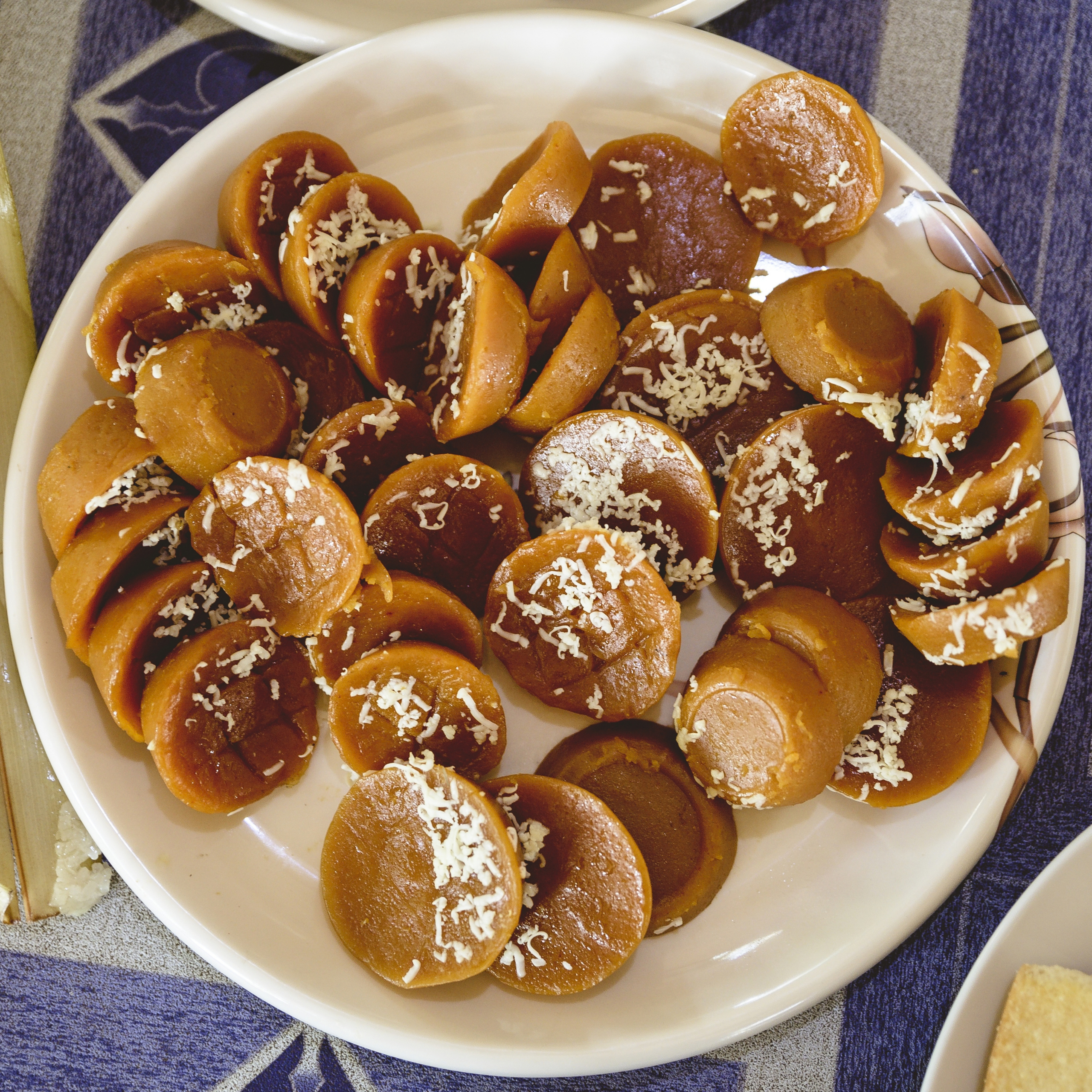
Musings on why we have meryenda between meals.
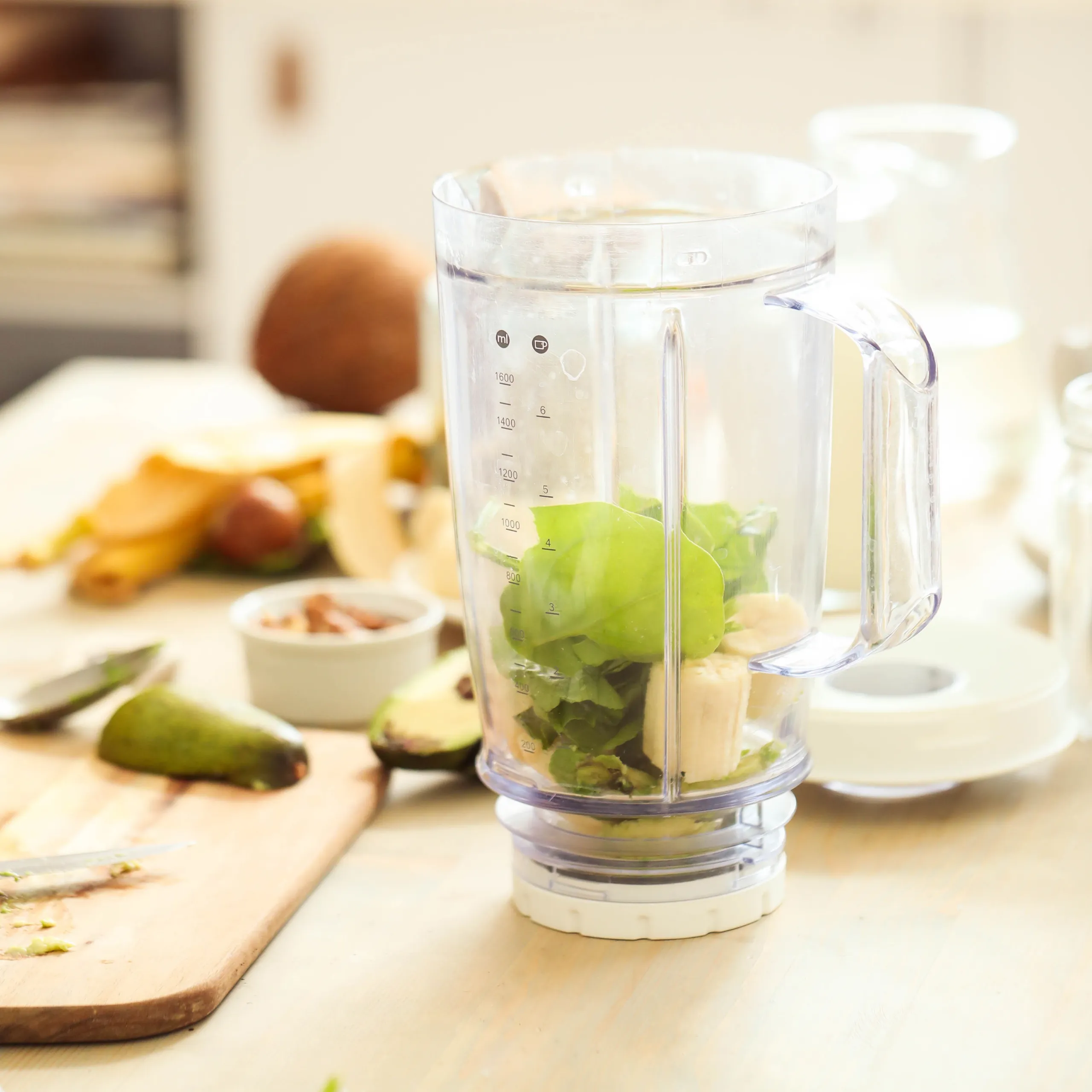
Figuring out which one deserves a spot in your kitchen is all about what you will need them for.
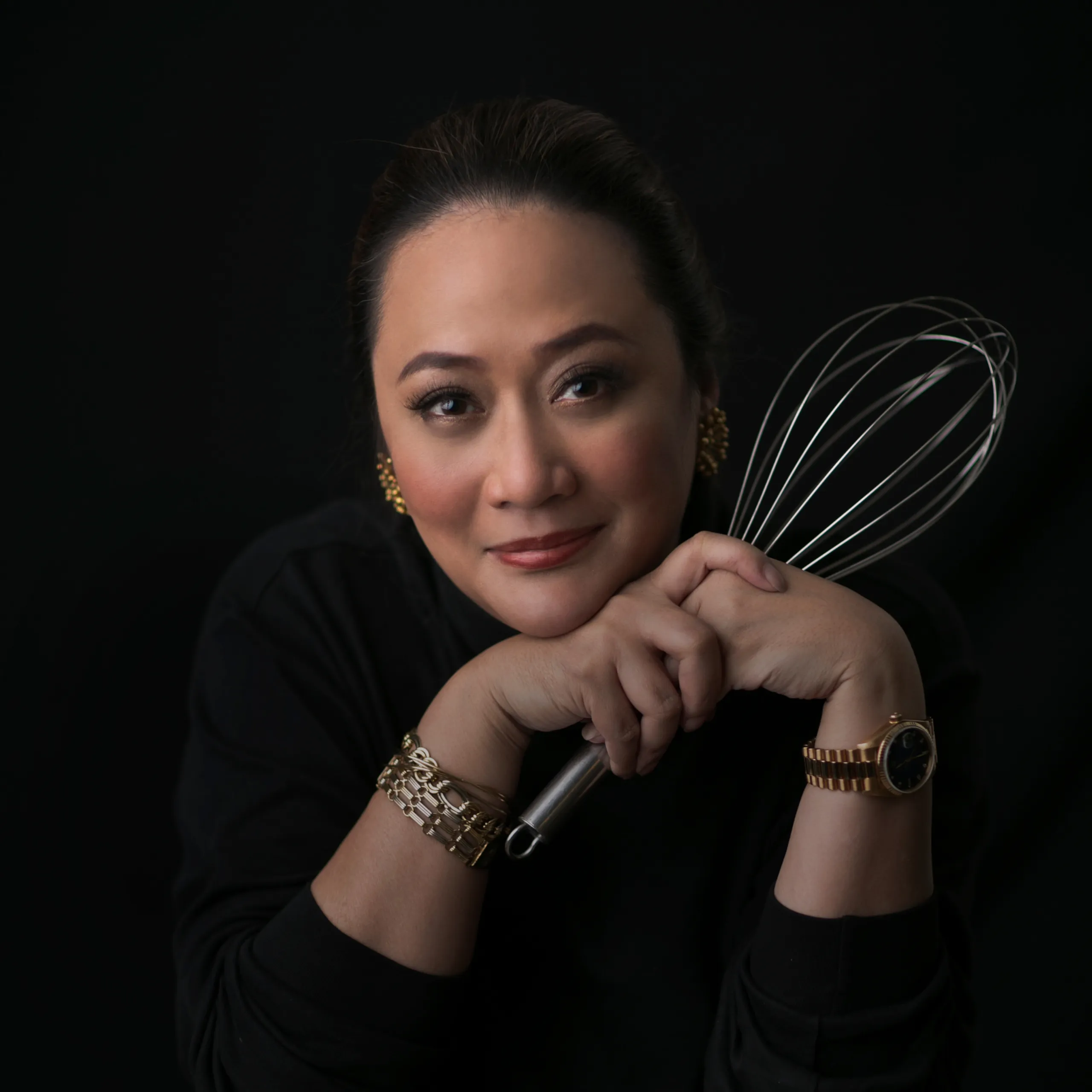
Since launching last April of this year, what does founder Reggie Aspiras have to say about Philippine Heritage Kitchen maintaining our local food culture?
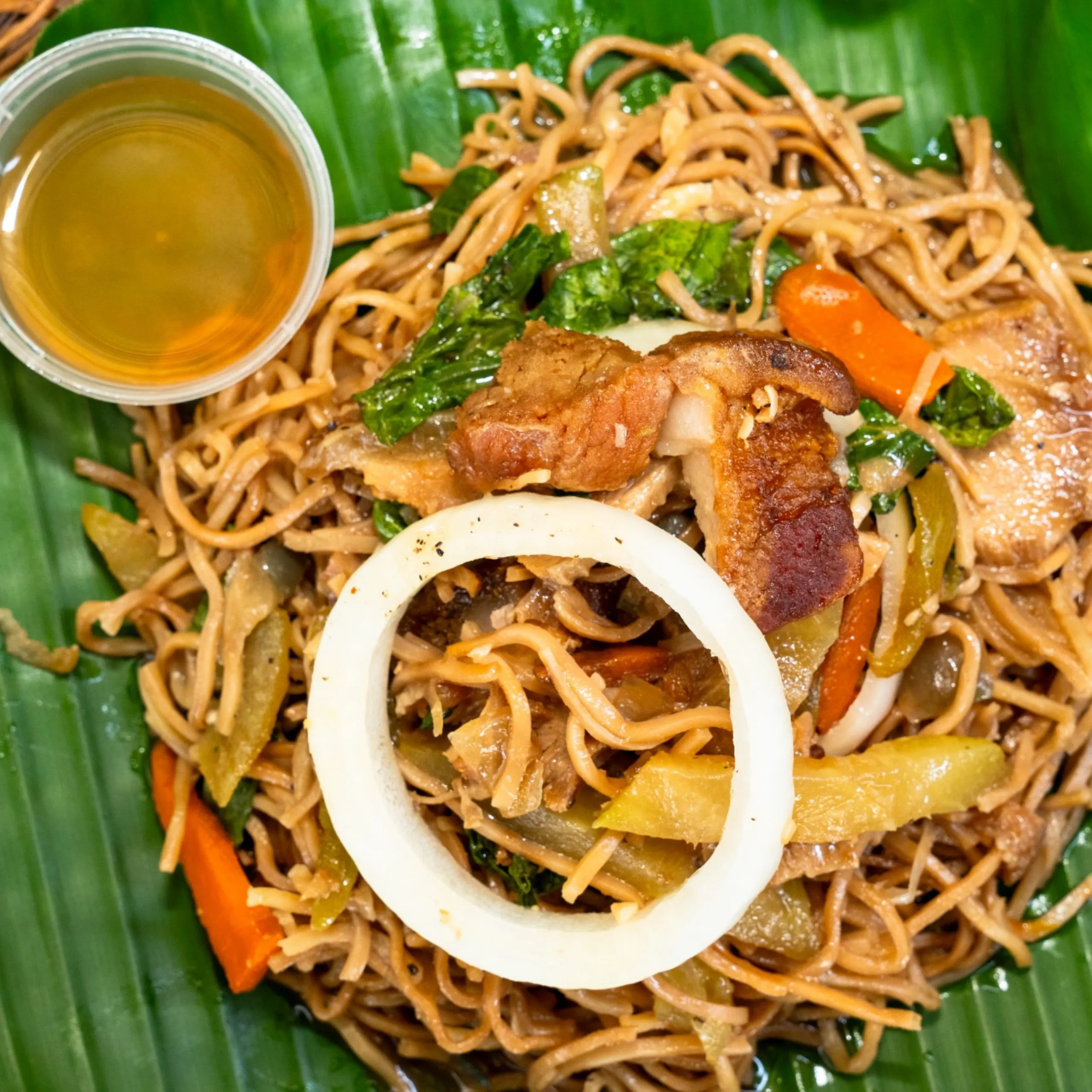
To truly understand a province, one must begin at the table—because its local food often tells the story of its land, history, traditions, and the people who call it home.
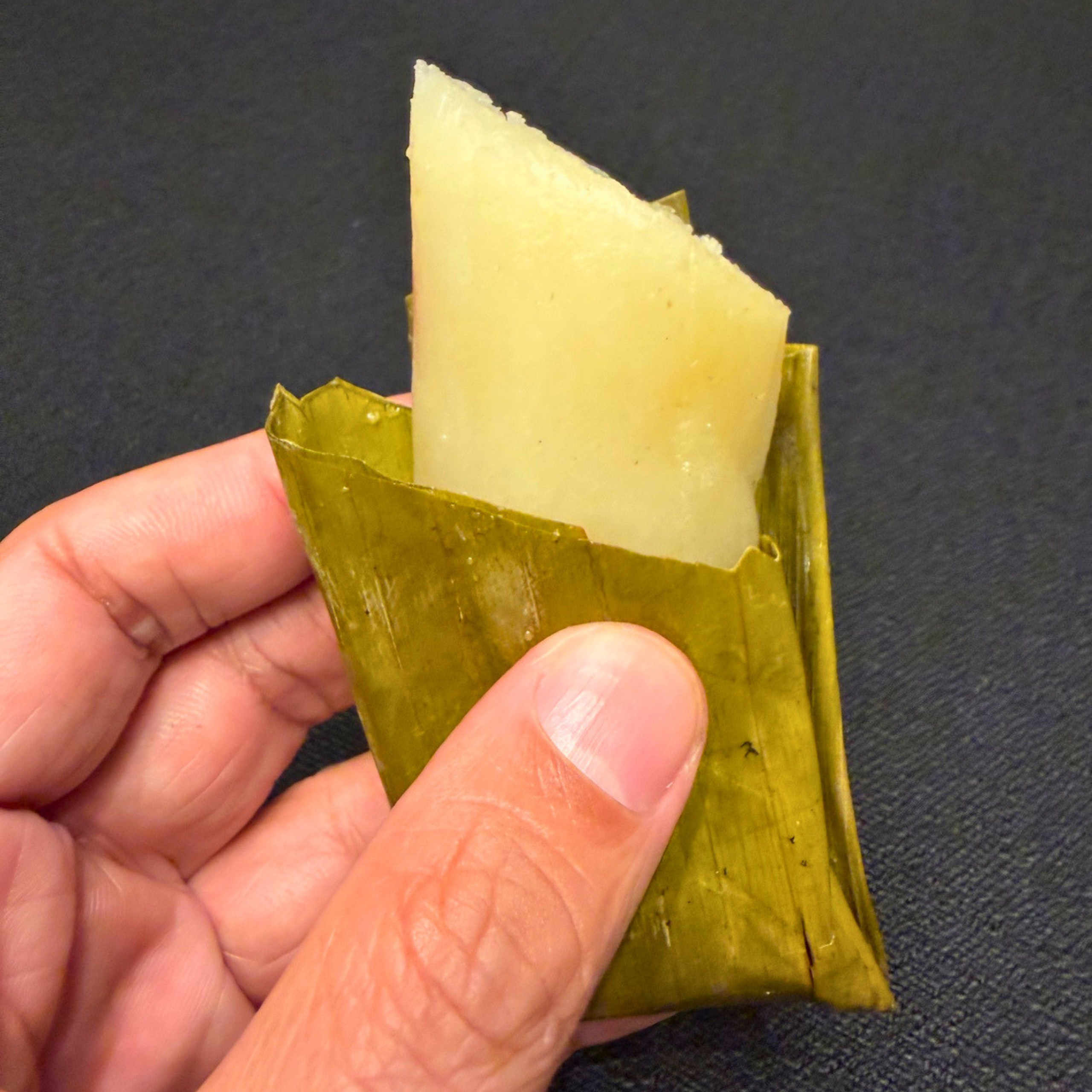
Inside "Kakanin…Kain!," a celebration of Filipino kakanin and the artisans behind them.
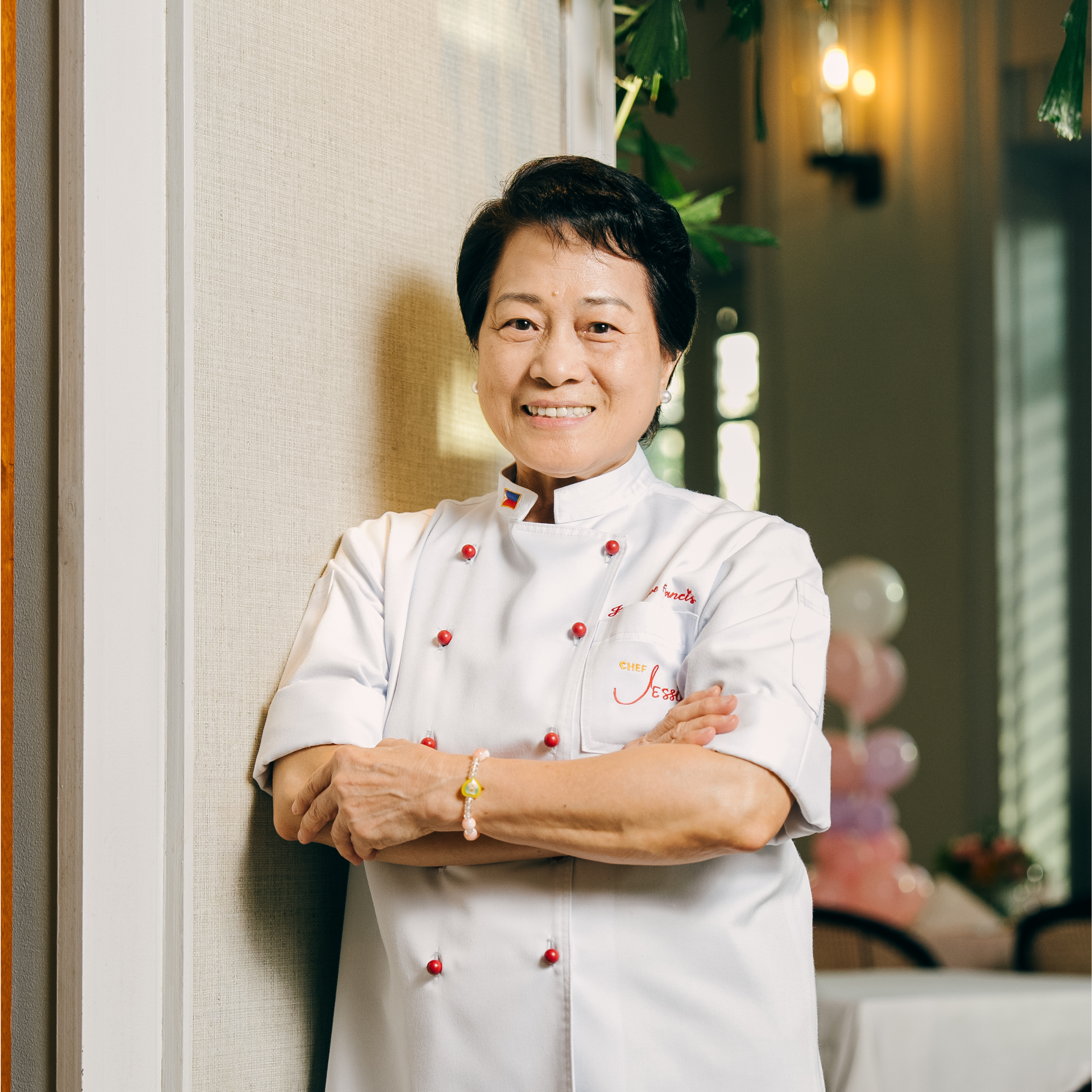
Long before cooking for Pope Francis and becoming one of the Philippines’ most celebrated chefs, Jessie Sincioco was a barrio girl surrounded by farms, fruit trees, fiestas, and family cooking in Angat—flavors and traditions that remain deeply ingrained in her food today.
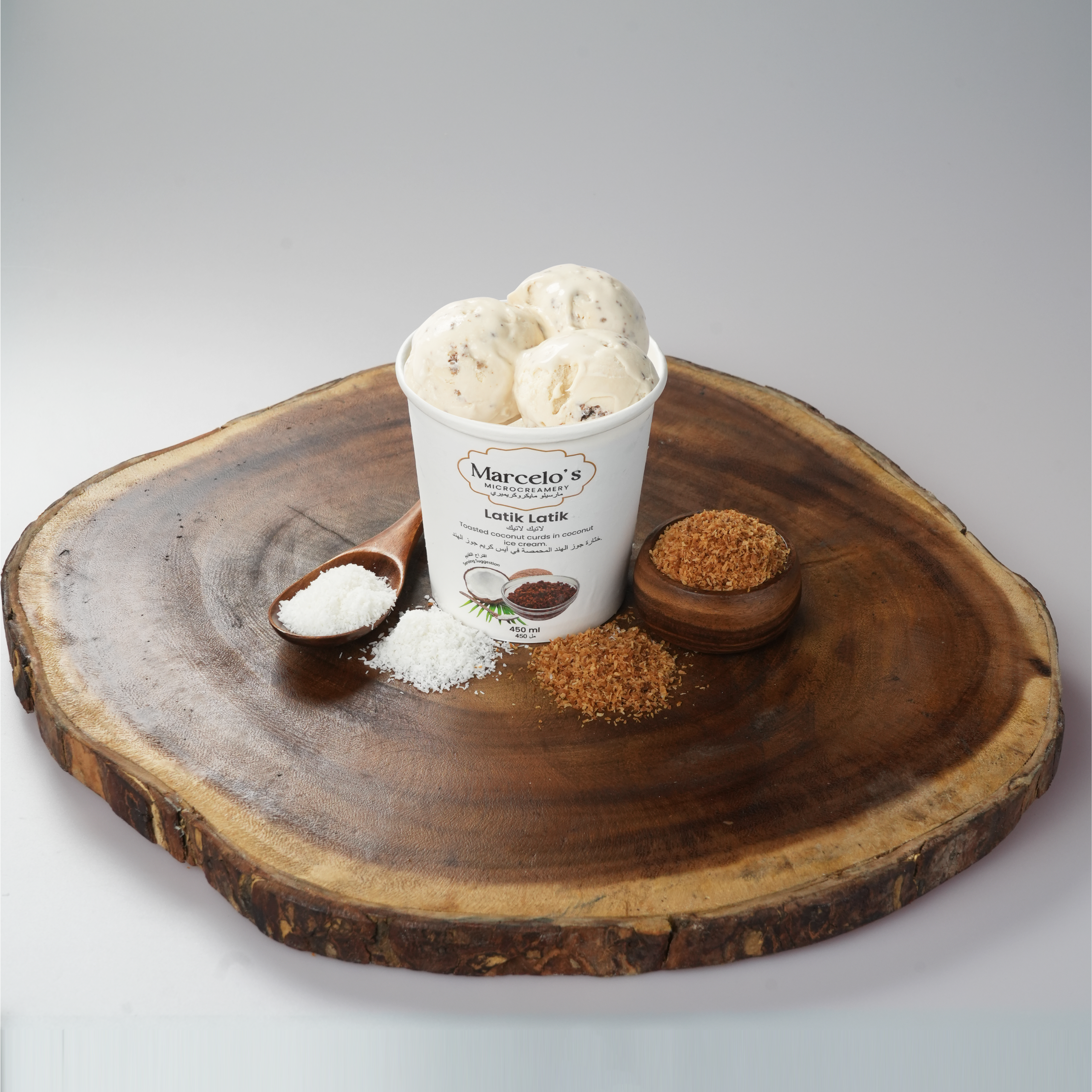
What started as an aha moment in a grocery store freezer aisle has become a mission to prove that Filipino flavors deserve a place among the world's finest desserts.
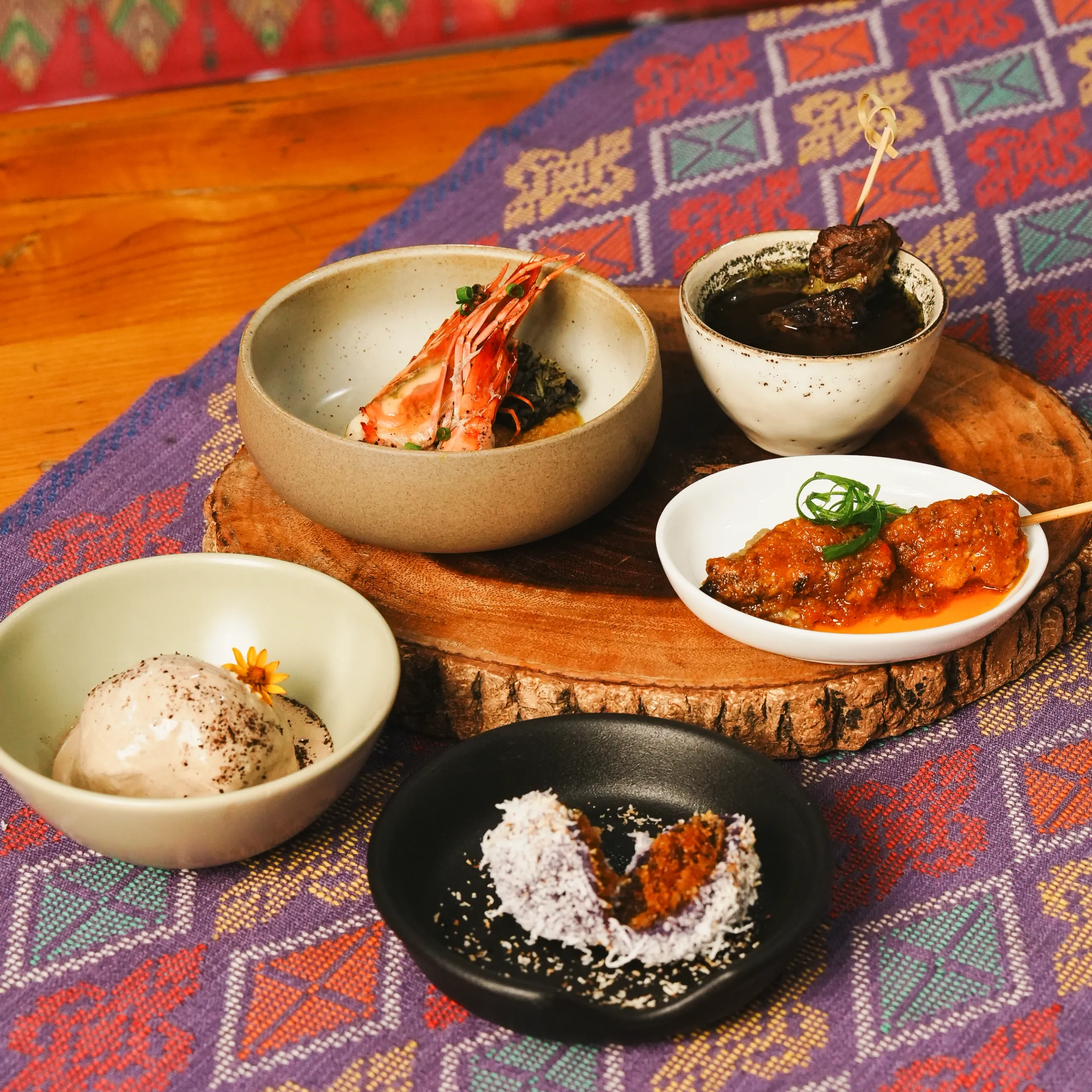
Guests embarked on a flavorful journey across Luzon, Visayas, and Mindanao through a menu crafted by three celebrated chefs.
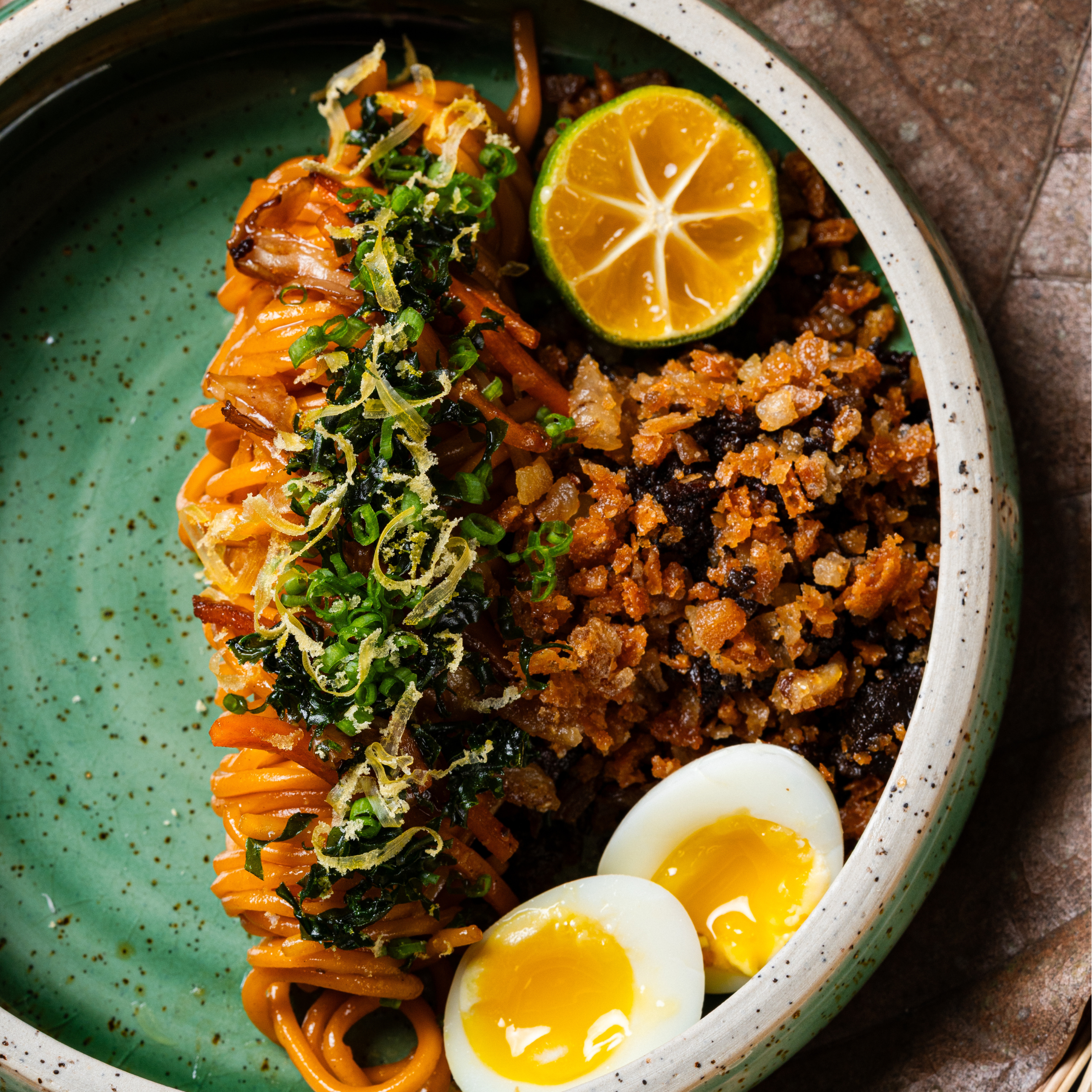
Inspired by their trip across Ifugao, Kalinga, Mountain Province, and Baguio, the latest tasting menu of Hapag celebrates the Cordilleras through indigenous ingredients, preservation techniques, and regional food traditions.
Page of 3
You May Also Like

Advertisement