


A cooking technique in which a liquid is simmered until some of the water evaporates, thickening its texture and concentrating its flavor. Home cooks reduce sauces, stocks, and glazes, and the method is key to adobo, caramelized sauces, and rich pan sauces for meats.
Reduce
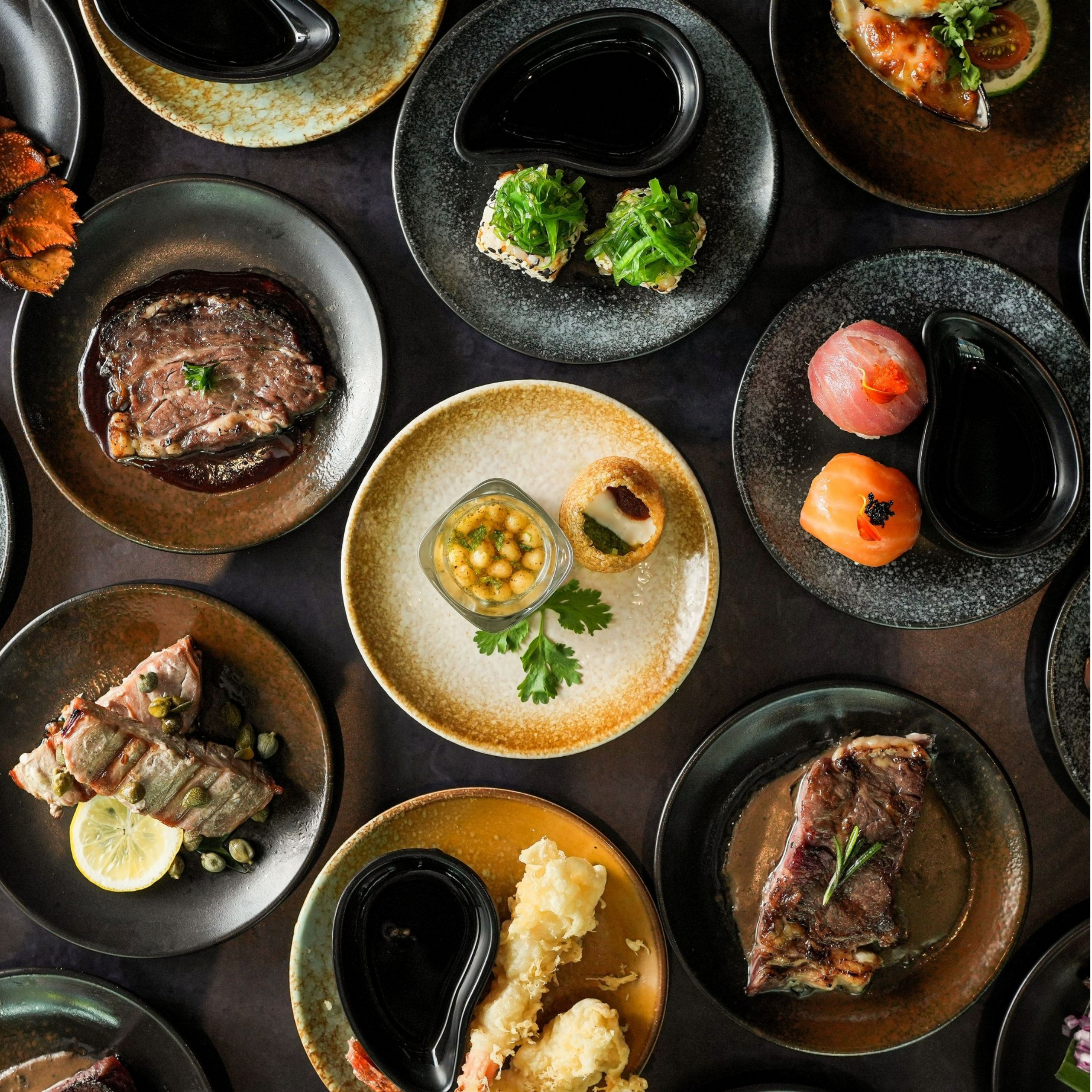
Marking a decade of hospitality, Novotel Manila Araneta City is stepping into a refreshed culinary identity centered on sustainability, local provenance, and mindful dining.

From Amber’s ingredient-conscious fine dining to Andō’s ocean-inspired tasting menu and The Chairman’s farm-sourced Cantonese cooking, these five Michelin-starred restaurants reveal the people, ideas, and culinary traditions that make Hong Kong’s dining scene worth exploring.
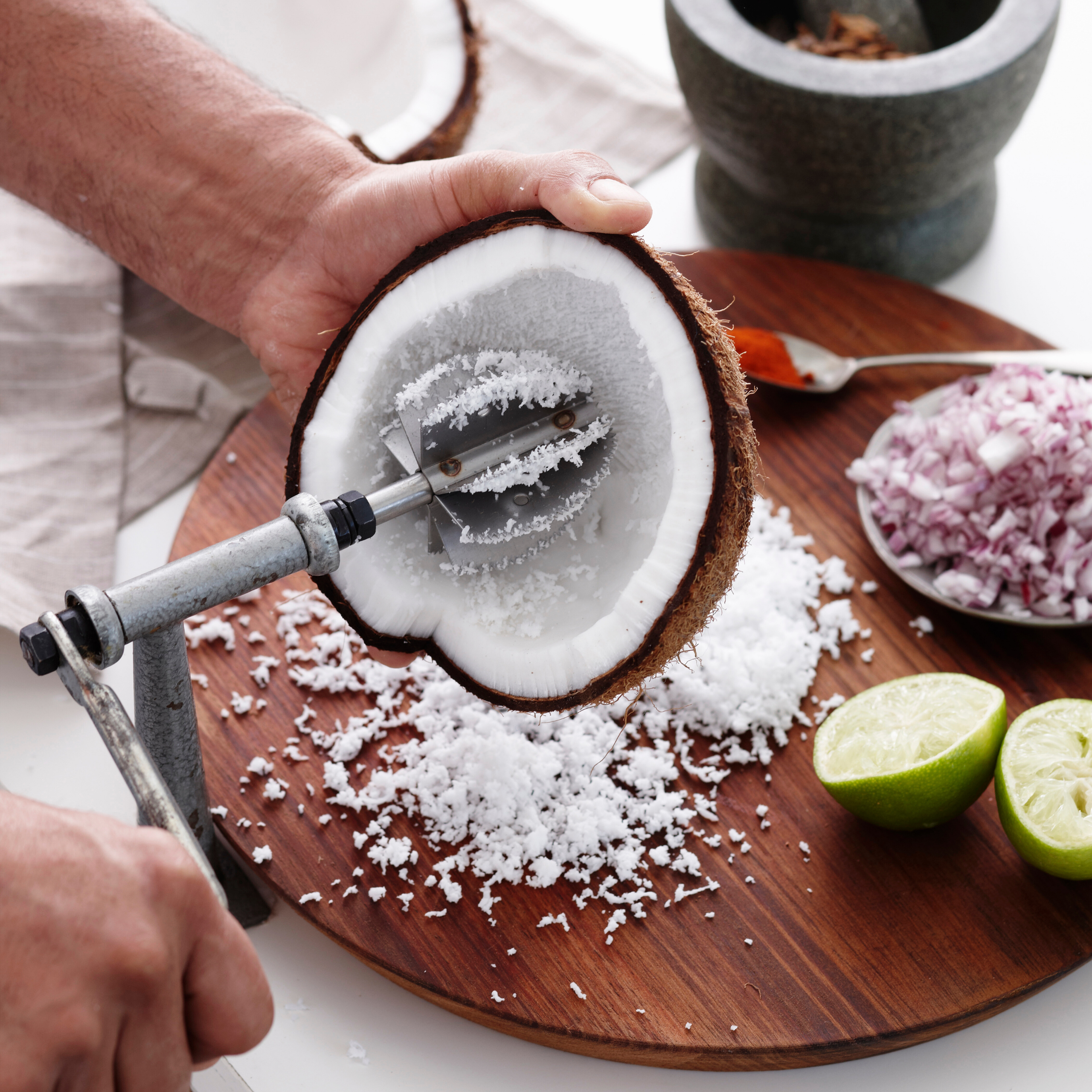
Making it at home is just 6 easy steps away!
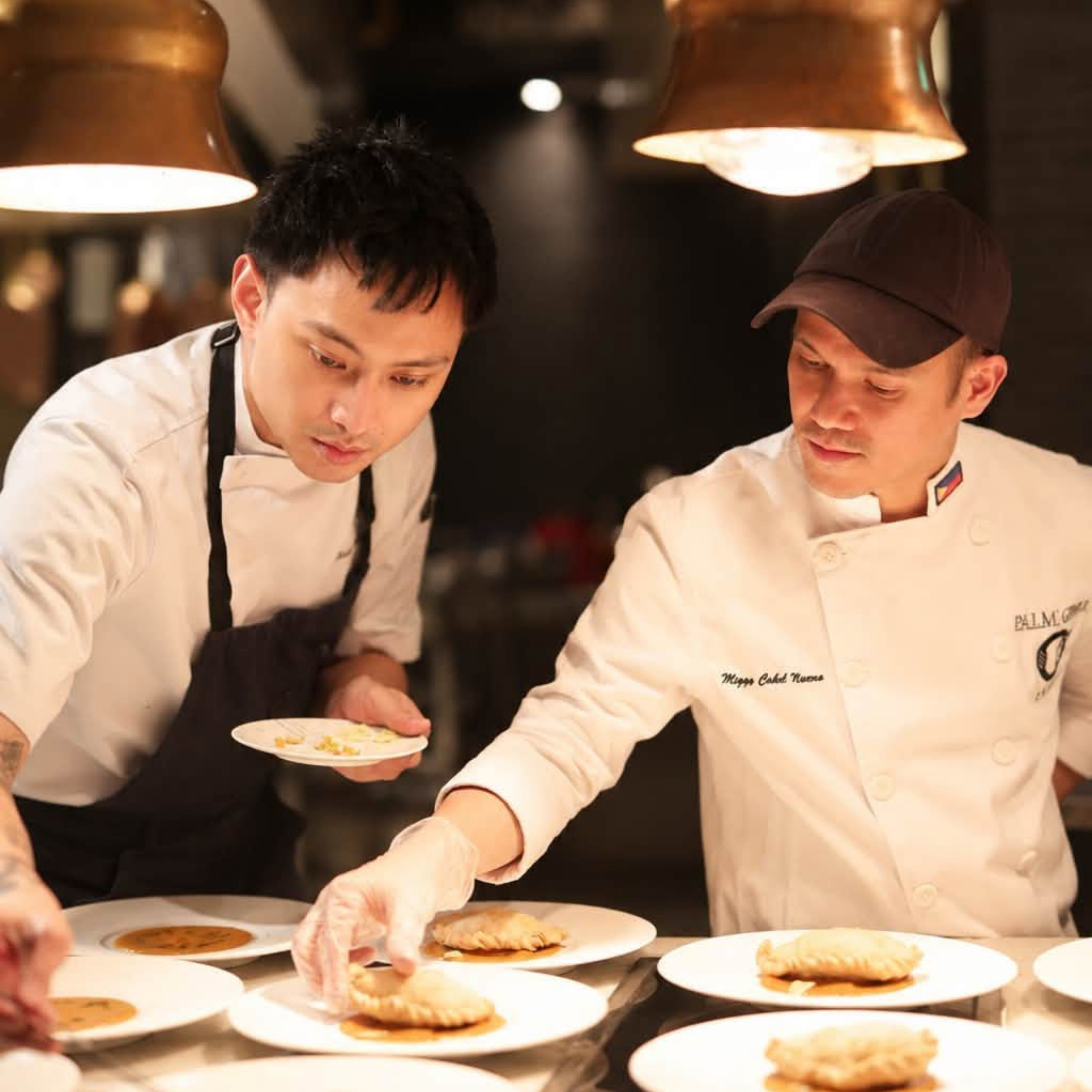
For The Southern Table, Mark Tumbale and Miggy Moreno transformed regional classics like Tiyula Itum, Kurma, and Sinuglaw into contemporary plates.

Stuck with pancit that’s gone soggy or adobo that’s too salty? These tips should help!
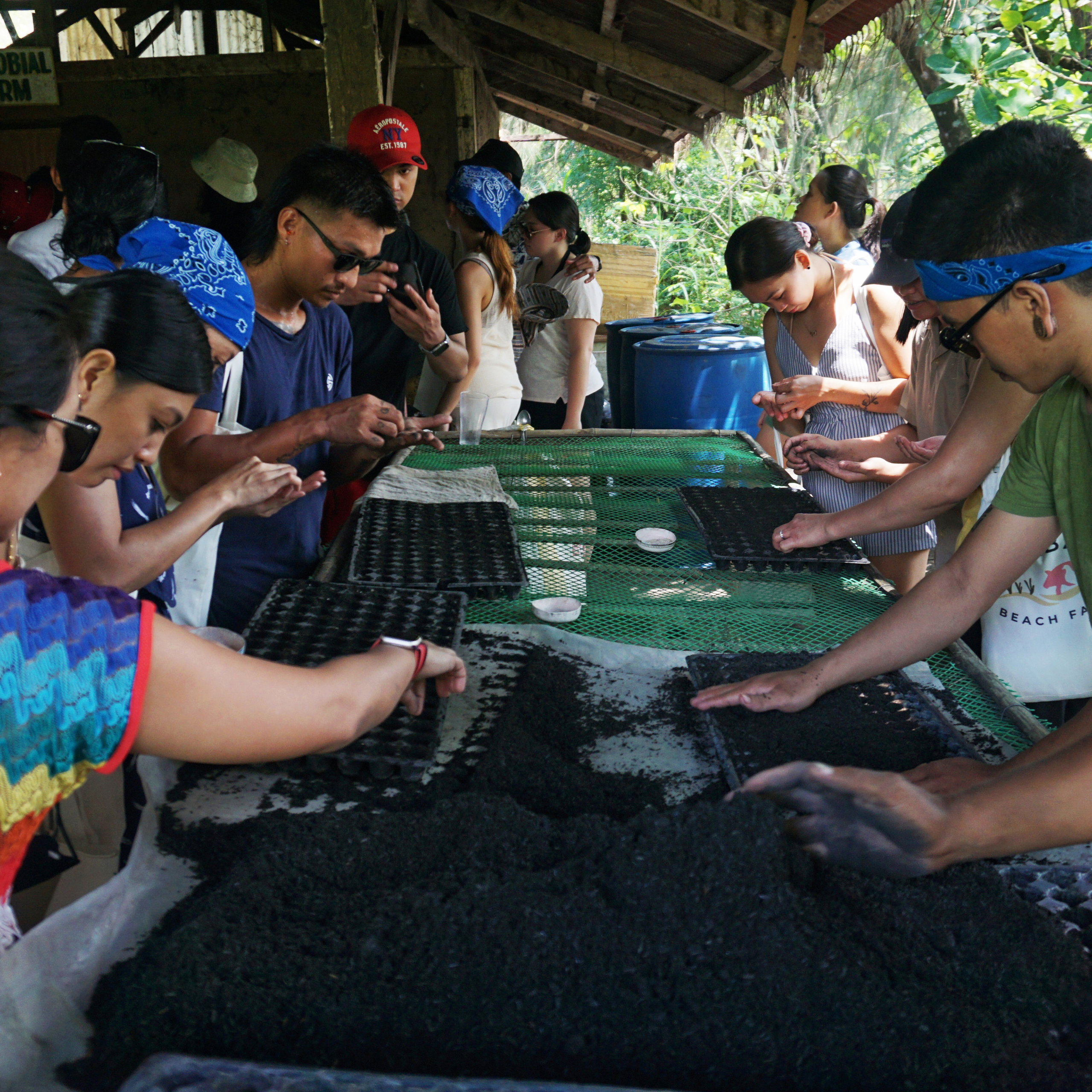
From heirloom rice grown in the Cordilleras to organic vegetables, sustainable seafood, cacao, mushrooms, and locally raised Kurobuta pork, these Filipino farmers and producers are helping fine dining restaurants put local ingredients—and a new idea of luxury—at the center of the plate.
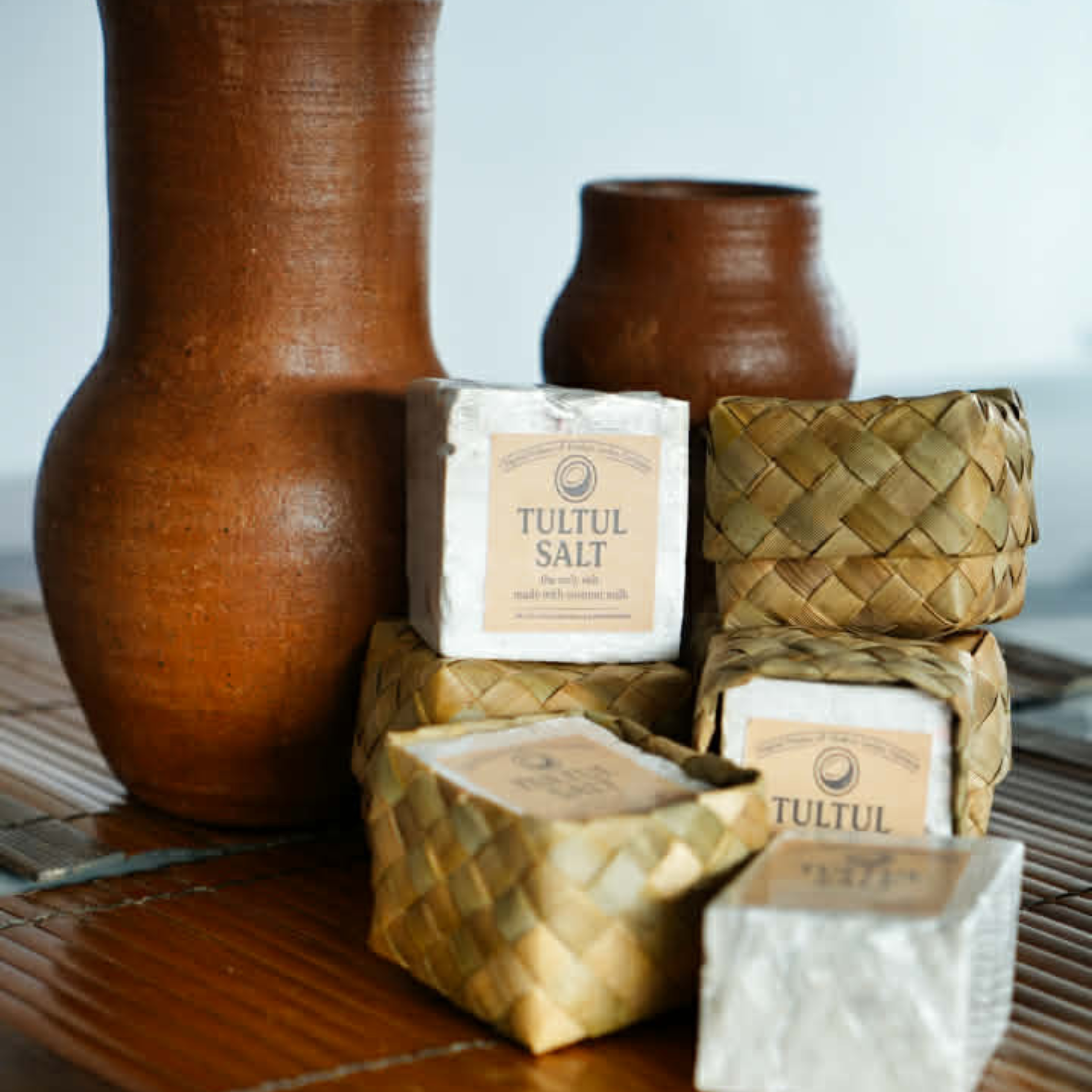
The Ganila family continues a five-generation tradition of making one of Guimaras’ rarest heritage foods by hand.

Cocktail bars these days are embracing zero-waste practices, local ingredients, and creative upcycling, showing that great drinks and sustainability can go hand-in-hand.
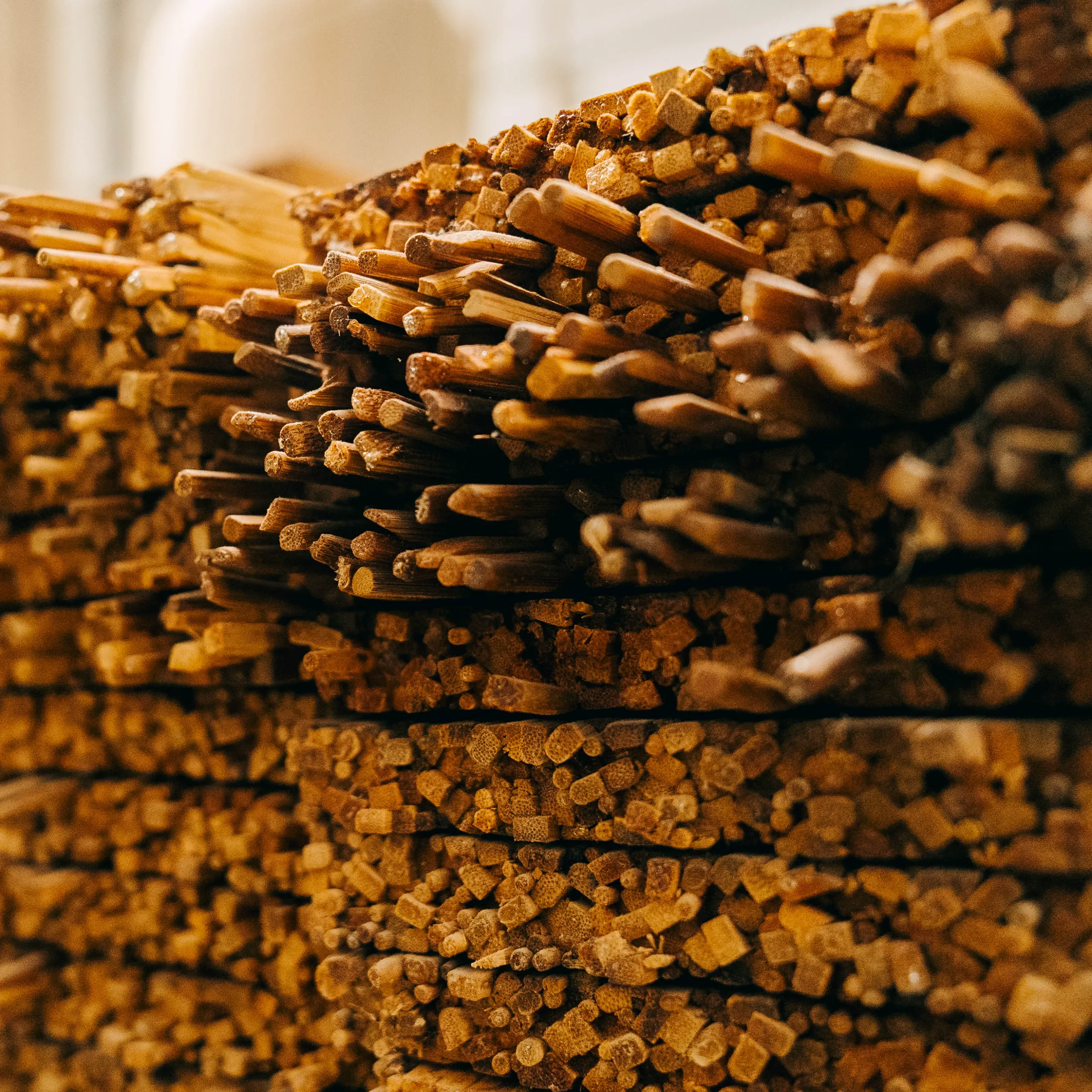
Don’t throw those chopsticks in the trash. ChopValue Philippines aims to build a more sustainable future, one chopstick at a time.
Page of 2
You May Also Like


Advertisement