Advertisement

Here’s Your Complete Cheat Sheet to Pancit Noodles

Every pancit has its own personality. Read along to meet some of them!

When buying pancit in the supermarket, there are countless types of noodles to choose from.

When they’re not gracing celebrations—symbolizing long life and prosperity from their serving bilao—pancit dishes fuel the Filipino’s daily life at panciterias, carinderias, and hapag-kainans across the nation. And at the heart of every pancit dish is the pancit—noodles made with a starch like rice, wheat, mung bean, and so on, shaped in different ways. 

The term “pancit” stems from the Hokkien “pien sit which essentially is ready-to-eat, cooked food sold by Chinese food vendors called pancitero to working women in cigar factories. The pancitero soon settled into more permanent spaces which came to be known as panciteria, serving comida China (Chinese food); and as time went on, the term pancit became more exclusively used to refer to noodles.

Today, “pancit” can refer to either the cooked noodle dish, or its constituent noodles (which is the topic of this article).  Some have a thinner, finer makeup and function beautifully as a canvas for other flavors; others deliver a stronger presence with their thicker, chewier makeup. All have their own personalities so to speak, and equally deserve a place in the Filipino pantry.

Bihon

These are thin vermicelli noodles made with rice flour and/or cornstarch—hence its off-white hue, light but bouncy texture, and neutral (if slightly sweet) taste. Because of its thinness, pancit bihon cooks quickly—about 3 to 5 minutes, so observe closely once the noodles hit the liquid it’s meant to cook in.

Pancit bihon takes well to the guisado (stir-fried) treatment. With its relative plainness, it soaks up the aromatics and seasonings in the sauce, as well as the flavors of the meats and veg in the recipe. 
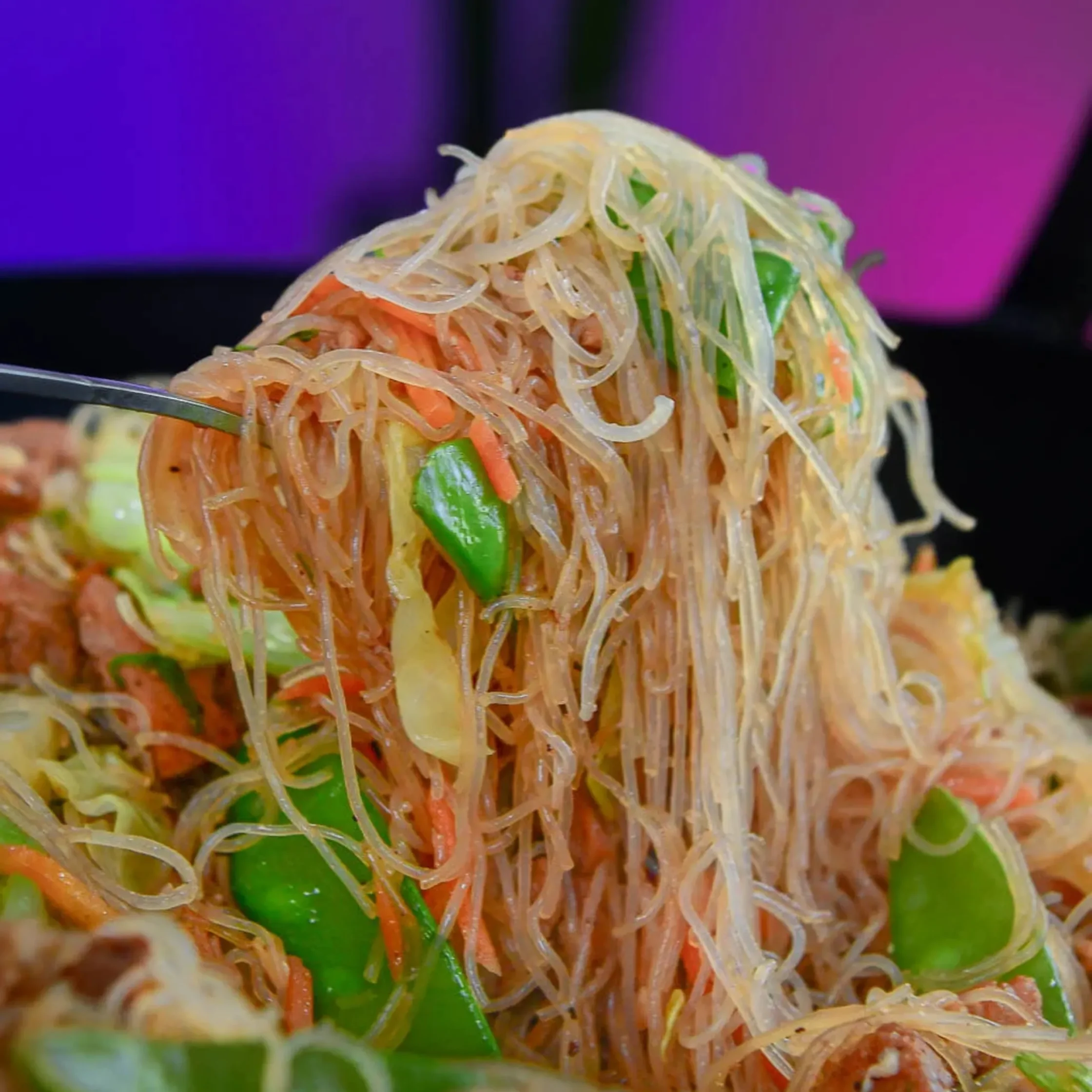
Bihon nooedles are best when stir-fried. [PHOTO COURTESY OF Panlasang Pinoy]

Sotanghon

The name “sotanghon” comes from the Hokkien suwatanghon, or “small wrinkly noodles”; dubbed cellophane, glass, or bean thread noodles. Made with mung bean starch, these noodles cook to a translucent appearance, delivering a delightfully slippery slurp and a chewy, springy bite.

One of the classic sotanghon recipes is chicken sotanghon—a soup of shredded chicken, veggies, and the sotanghon in a soothing broth with a yellowish hue from atsuete. Stir-fried sotanghon or sotanghon guisado is a popular choice, too.
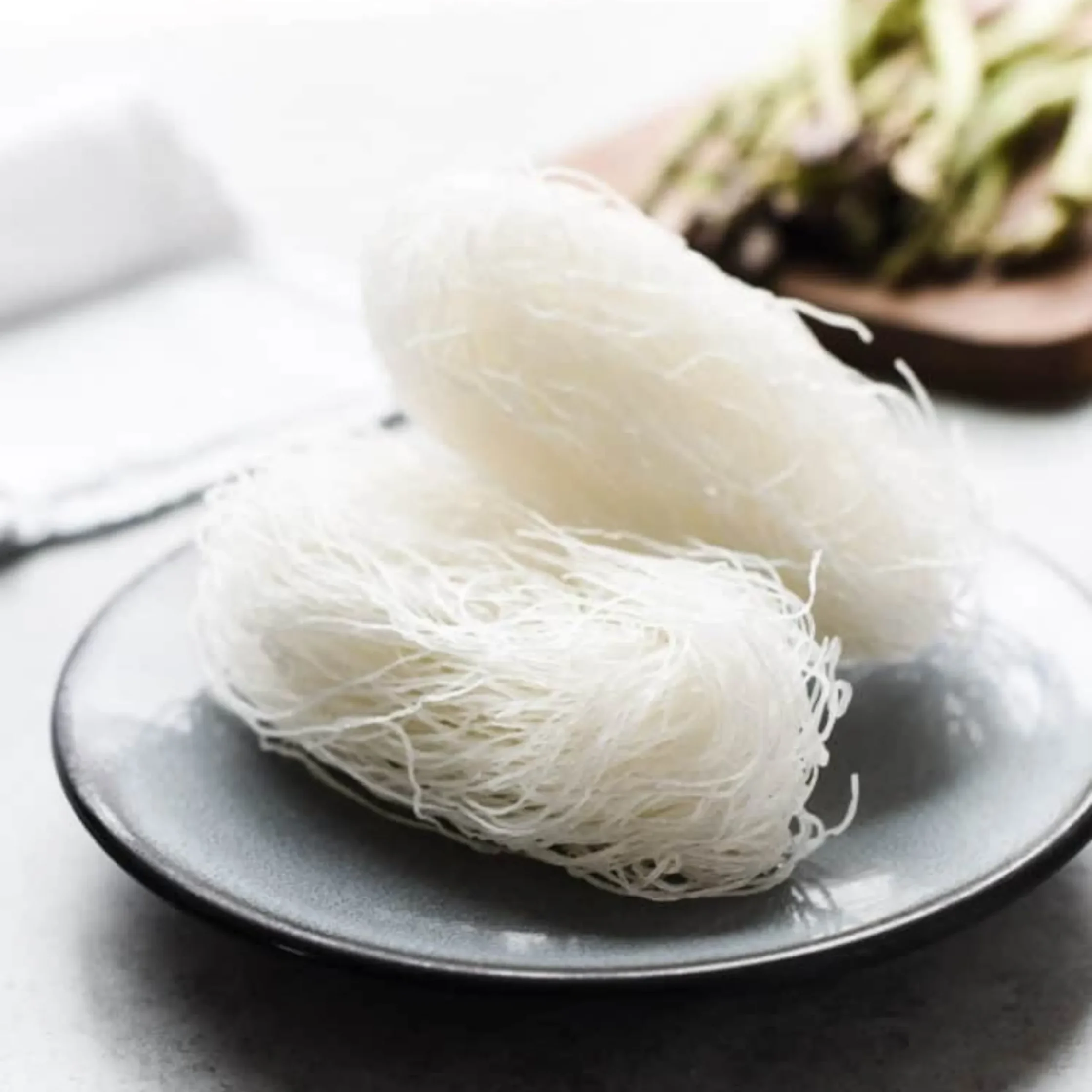
Sotanghon can be added as a chewy bite to hot soup. [PHOTO COURTESY OF Kawaling Pinoy]

Misua

The thinnest of the wheat noodles is misua, what with its fine, thread-like strands that cook up to a silky, delicate consistency. It has Fujian roots and is also used across different parts of East Asia and Southeast Asia—the Philippines, of course, included.

Misua’s lightness works to its advantage in classic recipes like misua patola, where it brings substance minus the heft that would overpower the subtle taste of the gourd. It can also be stir-fried, as in the Chinoy classic of cha misua.
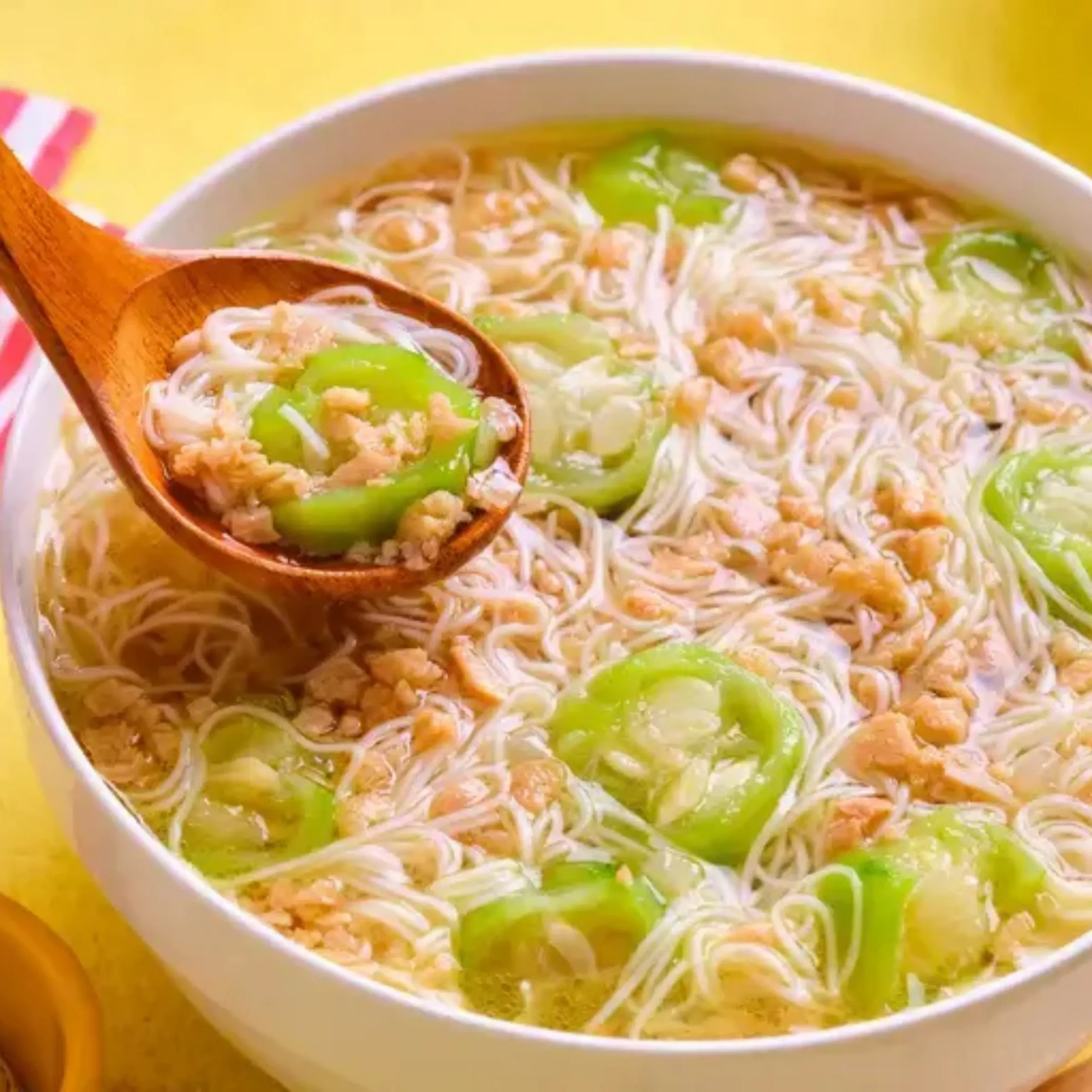
Besides the Philippines, misua is also used across different parts of East Asia and Southeast Asia. [PHOTO COURTESY OF Nestle Goodness Official Website]

Canton

This variety of egg noodles has a yellowish hue and a relatively substantial, chewy body that stands up to strong flavors. Often sold dried, they’re comparable to Chinese lo mein in their usage and taste.

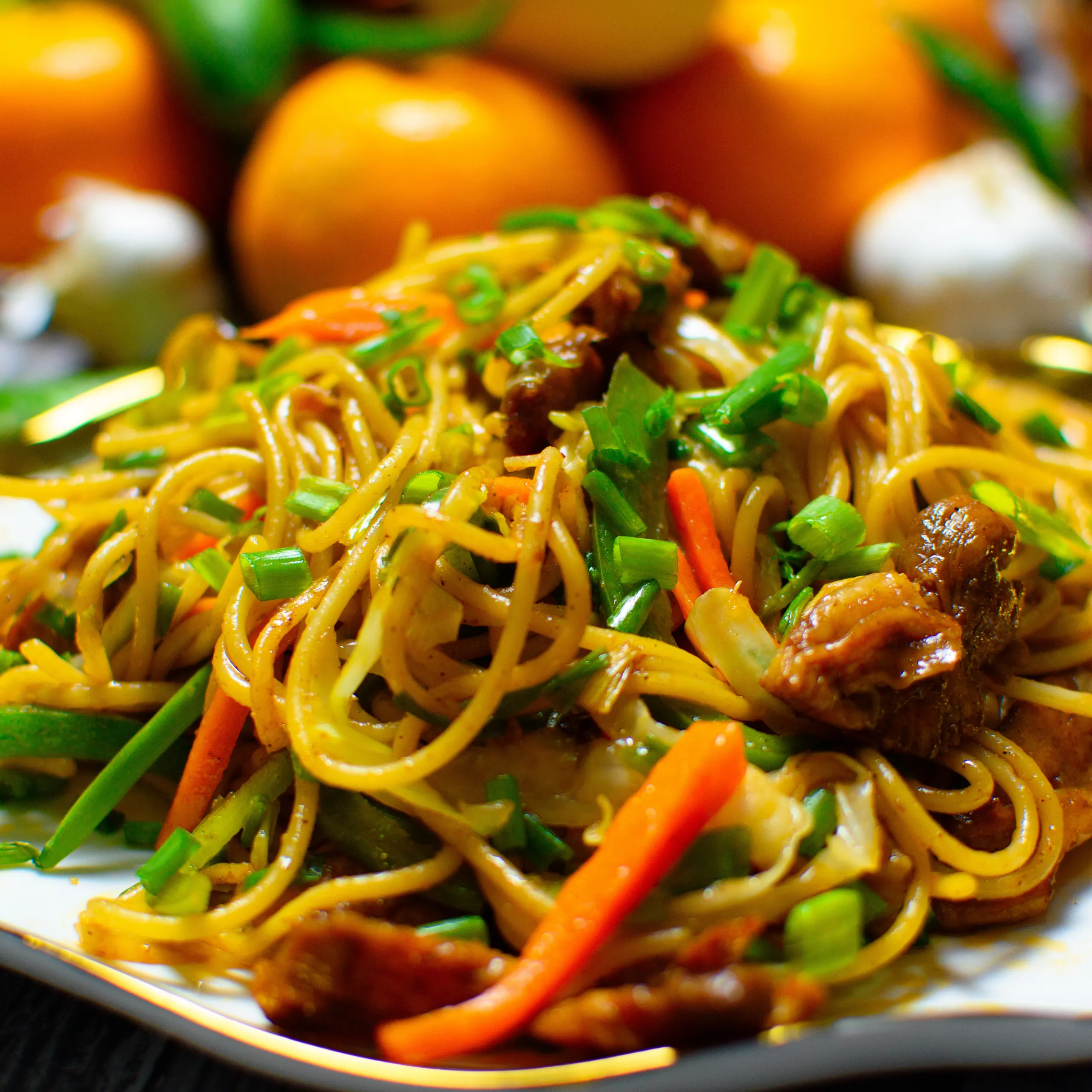
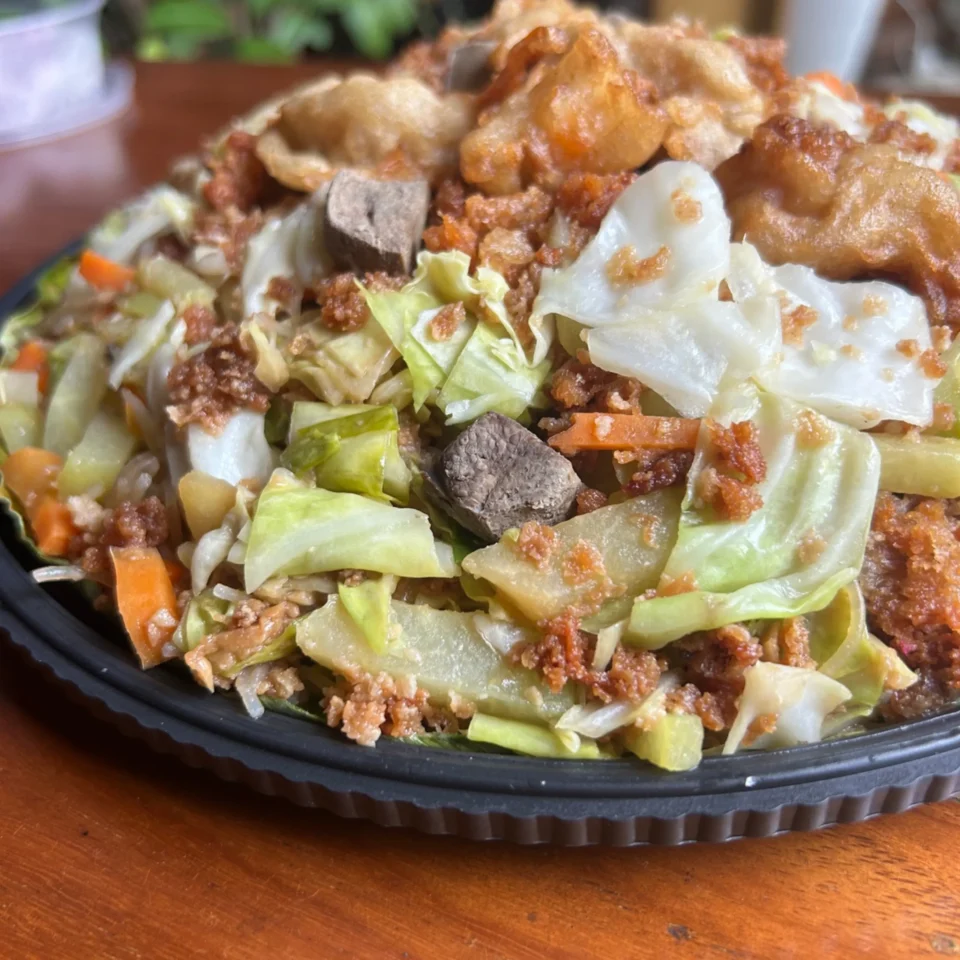
Pancit canton is very often stir-fried with some combination of meat (pork and chicken liver), seafood (shrimp, squid), and vegetables (cabbage, carrots, snow peas), and an umami-rich sauce (made with a combo of soy sauce, oyster sauce, and aromatics, often thickened with cornstarch).
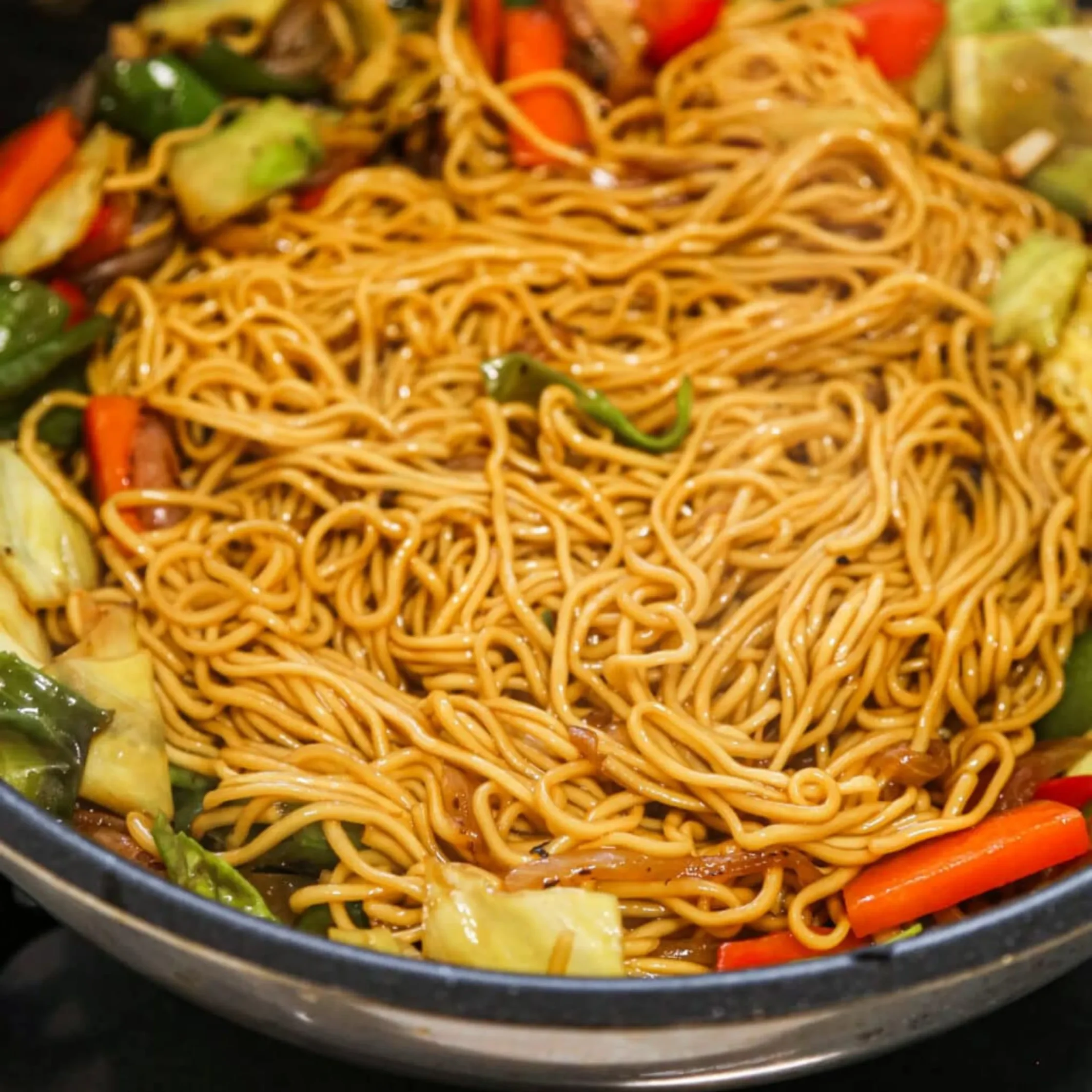
Canton noodles will absorb the flavor of the meat, seafood, vegetables, and sauces you add to it. [PHOTO COURTESY OF Pickled Plum]

Lomi

Lomi is another member of the egg noodle-verse that’s on the thicker, rounder side, often sold fresh, though dried versions are available, too. It has a firm but springy chew and mild alkaline taste from being soaked in lye, similar to how ramen noodles are made.

These noodles are, of course, the indispensable ingredient in making the Batangas classic that is pancit lomi, which has the noodles plus toppings of meat and other proteins (pork belly, liver, chicharon, kikiam, tofu, meat balls, et cetera) in a thickened stock—the stuff of heavens on a rainy day.
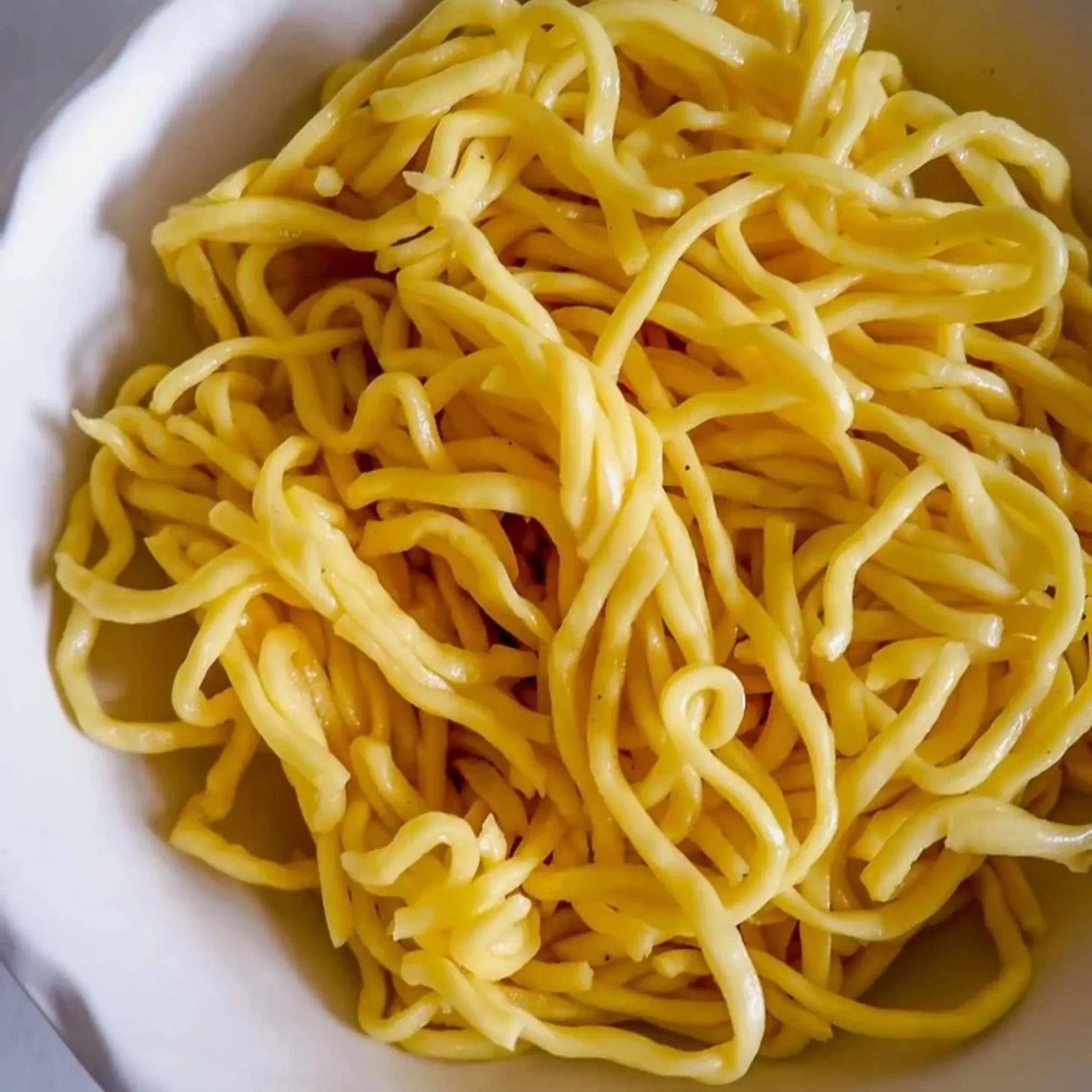
Cooked yellow pasta strands in a bowl, close-up view showing glossy surface and intertwined noodles.
Lomi is one of the many egg noodle types that are thicker and rounder. [PHOTO COURTESY OF The Foodie Takes Flight]

Miki

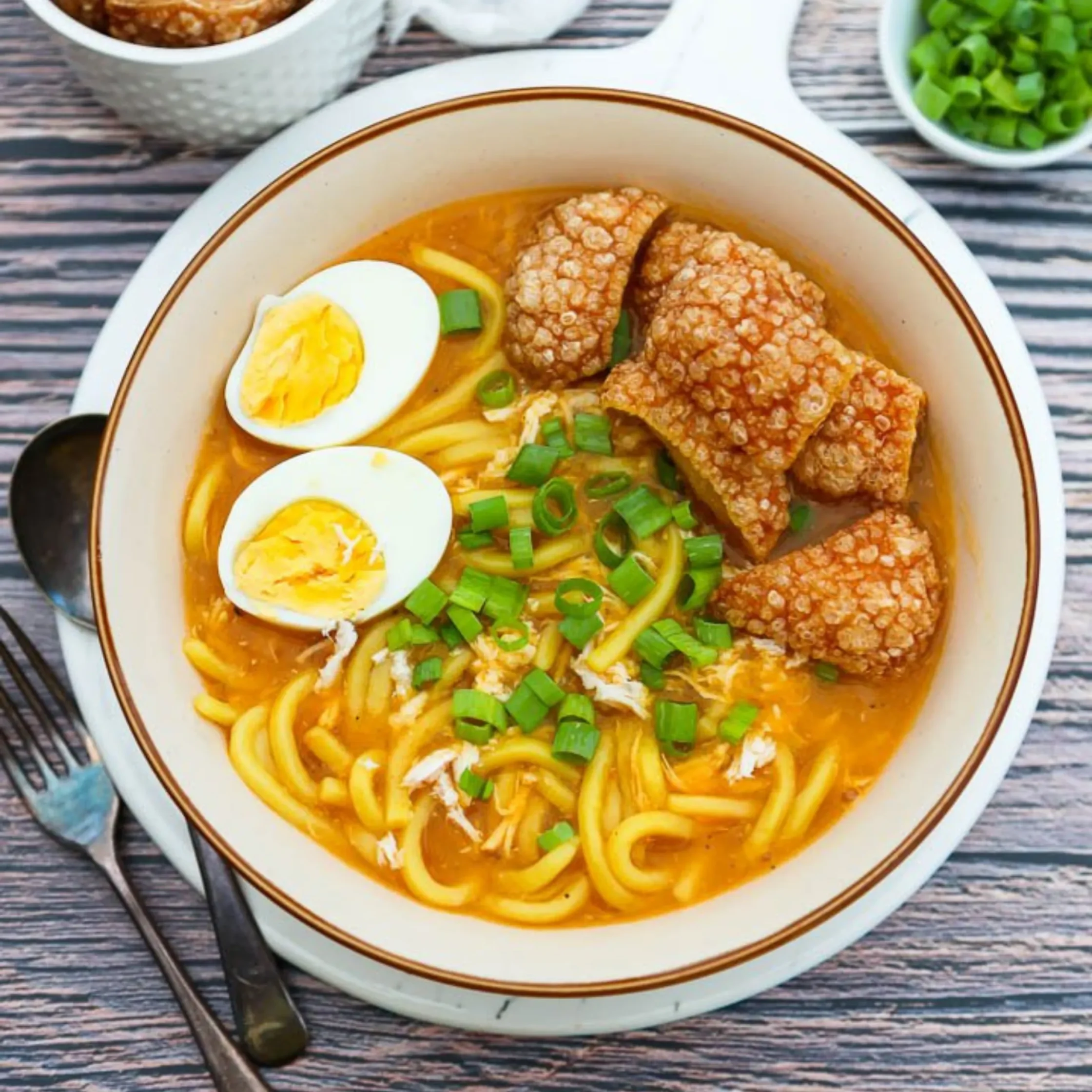
Like lomi, miki is a variety of egg noodles with a small amount of lye; compared to lomi however it’s slightly thinner and flatter in shape. While dried miki noodles are available, it’s more often sold in fresh form at the palengke or the refrigerated area of the grocery.

Pancit miki makes for an excellent guisado or noodle soup—just some of the classic recipes that use it are Ilocos’ miki ti batac and Tuguegarao’s batil patung.
Bowl of ramen with egg halves, green onions, and crispy pork in a miso/tonkotsu broth on a wooden table
Use miki noodles if you want to make a good guisado or noodle soup. [PHOTO COURTESY OF Ang Sarap]

Miki Lucban

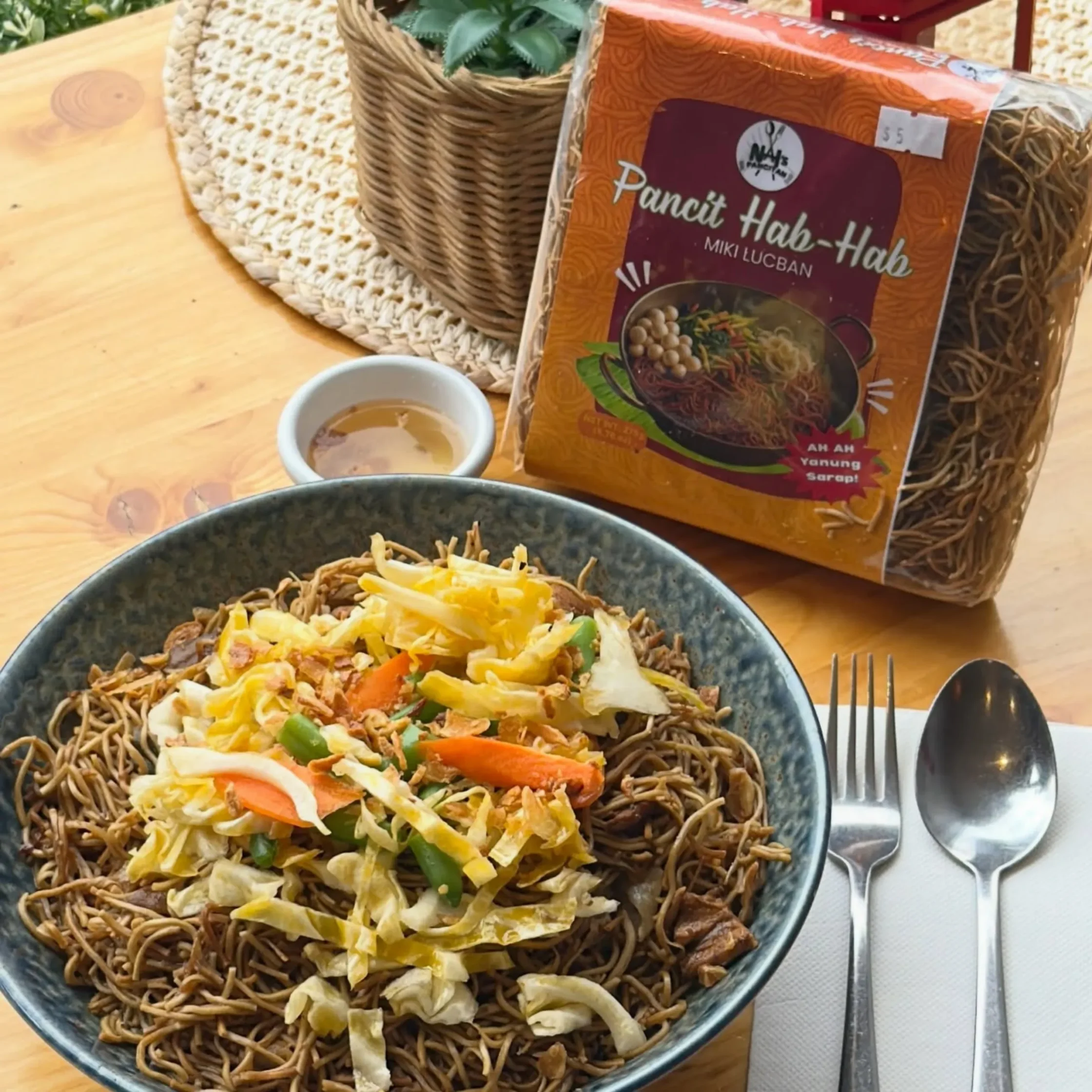
As the name implies, this is a specific kind of miki noodle from Lucban, Laguna, most often stir-fried to make pancit habhab. Compared to regular miki, miki Lucban has thinner, flatter strands and what seems to be more well-seasoned taste, even on its own. Most are made with flour; some brands have some lye added for a springier texture.

Bowl of fried noodles with cabbage and vegetables on a wooden table, with a bag of Pancit Hab-Hab nearby.
You can’t make Pancit Habhab without Miki Lucban noodles! [PHOTO COURTESY OF Busog Official Instagram]
author avatar
Patricia Baes
Trish thinks too much about everything—truth, existence, and what to have for dinner. Her early love of experimenting in the kitchen, coupled with a desire to better her relationship with food, led her down the rabbit hole of food media and writing. After graduating with a Psychology degree from UP Diliman, she sharpened her writing skills (and expanded her appetite) at a couple of food websites, where she covered cooking, restaurants, food history, and culture, and ate her way through Manila’s pulsating dining scene as staff writer and eventually as the publication’s food editor. Food, for Trish, is as much a source of pleasure and fuel as it is an outlet for creativity; a medium through which stories can be passed on; and a way to connect with others. And putting her musings into words lets her narrow the gap between her food geekery and background in the social sciences.

Frequently Asked Questions

The variations of pancit noodles all differ in terms thickness, texture, ingredients, chewiness, etc. Each one has attributes that make them perfect for certain sauces and preparations.

author avatar
Patricia Baes
Trish thinks too much about everything—truth, existence, and what to have for dinner. Her early love of experimenting in the kitchen, coupled with a desire to better her relationship with food, led her down the rabbit hole of food media and writing. After graduating with a Psychology degree from UP Diliman, she sharpened her writing skills (and expanded her appetite) at a couple of food websites, where she covered cooking, restaurants, food history, and culture, and ate her way through Manila’s pulsating dining scene as staff writer and eventually as the publication’s food editor. Food, for Trish, is as much a source of pleasure and fuel as it is an outlet for creativity; a medium through which stories can be passed on; and a way to connect with others. And putting her musings into words lets her narrow the gap between her food geekery and background in the social sciences.

Bihon is vermicelli noodles. They are known to cook very quickly and soak up the aromatics, seasonings and even the meat and vegetables you add to it. Because of this, they work best when stir-fried.

author avatar
Patricia Baes
Trish thinks too much about everything—truth, existence, and what to have for dinner. Her early love of experimenting in the kitchen, coupled with a desire to better her relationship with food, led her down the rabbit hole of food media and writing. After graduating with a Psychology degree from UP Diliman, she sharpened her writing skills (and expanded her appetite) at a couple of food websites, where she covered cooking, restaurants, food history, and culture, and ate her way through Manila’s pulsating dining scene as staff writer and eventually as the publication’s food editor. Food, for Trish, is as much a source of pleasure and fuel as it is an outlet for creativity; a medium through which stories can be passed on; and a way to connect with others. And putting her musings into words lets her narrow the gap between her food geekery and background in the social sciences.

Sotanghon noodles are made with mung bean starch, which is what gives them their recognizable translucent look. Also known as cellophane, glass, or bean thread noodles, they are best cooked with soups and even stir fried.

author avatar
Patricia Baes
Trish thinks too much about everything—truth, existence, and what to have for dinner. Her early love of experimenting in the kitchen, coupled with a desire to better her relationship with food, led her down the rabbit hole of food media and writing. After graduating with a Psychology degree from UP Diliman, she sharpened her writing skills (and expanded her appetite) at a couple of food websites, where she covered cooking, restaurants, food history, and culture, and ate her way through Manila’s pulsating dining scene as staff writer and eventually as the publication’s food editor. Food, for Trish, is as much a source of pleasure and fuel as it is an outlet for creativity; a medium through which stories can be passed on; and a way to connect with others. And putting her musings into words lets her narrow the gap between her food geekery and background in the social sciences.

Misua is known as the thinnest of wheat noodles. When you purchase them, they will look like very fine thread-like strands. But when cooked, they will become very silky and delicate. Dishes that use this type of noodle include misua patola and cha misua.

author avatar
Patricia Baes
Trish thinks too much about everything—truth, existence, and what to have for dinner. Her early love of experimenting in the kitchen, coupled with a desire to better her relationship with food, led her down the rabbit hole of food media and writing. After graduating with a Psychology degree from UP Diliman, she sharpened her writing skills (and expanded her appetite) at a couple of food websites, where she covered cooking, restaurants, food history, and culture, and ate her way through Manila’s pulsating dining scene as staff writer and eventually as the publication’s food editor. Food, for Trish, is as much a source of pleasure and fuel as it is an outlet for creativity; a medium through which stories can be passed on; and a way to connect with others. And putting her musings into words lets her narrow the gap between her food geekery and background in the social sciences.

Canton is just one variety of egg noodles of which is often stir-fried with a combination of meat, seafood, vegetables, and a rich sauce.

author avatar
Patricia Baes
Trish thinks too much about everything—truth, existence, and what to have for dinner. Her early love of experimenting in the kitchen, coupled with a desire to better her relationship with food, led her down the rabbit hole of food media and writing. After graduating with a Psychology degree from UP Diliman, she sharpened her writing skills (and expanded her appetite) at a couple of food websites, where she covered cooking, restaurants, food history, and culture, and ate her way through Manila’s pulsating dining scene as staff writer and eventually as the publication’s food editor. Food, for Trish, is as much a source of pleasure and fuel as it is an outlet for creativity; a medium through which stories can be passed on; and a way to connect with others. And putting her musings into words lets her narrow the gap between her food geekery and background in the social sciences.

Lomi is another type of egg noodles, except thicker and rounder. They have a very firm but springy chew. It is known as one of the titular ingredients for Batangas classic pancit lomi.

author avatar
Patricia Baes
Trish thinks too much about everything—truth, existence, and what to have for dinner. Her early love of experimenting in the kitchen, coupled with a desire to better her relationship with food, led her down the rabbit hole of food media and writing. After graduating with a Psychology degree from UP Diliman, she sharpened her writing skills (and expanded her appetite) at a couple of food websites, where she covered cooking, restaurants, food history, and culture, and ate her way through Manila’s pulsating dining scene as staff writer and eventually as the publication’s food editor. Food, for Trish, is as much a source of pleasure and fuel as it is an outlet for creativity; a medium through which stories can be passed on; and a way to connect with others. And putting her musings into words lets her narrow the gap between her food geekery and background in the social sciences.

Miki is similar to lomi but known to be thinner and flatter in terms of shape. It lends itself to being used for a good guisado or noodle soups like Ilocos’ miki ti batac and Tuguegarao’s batil patung.

author avatar
Patricia Baes
Trish thinks too much about everything—truth, existence, and what to have for dinner. Her early love of experimenting in the kitchen, coupled with a desire to better her relationship with food, led her down the rabbit hole of food media and writing. After graduating with a Psychology degree from UP Diliman, she sharpened her writing skills (and expanded her appetite) at a couple of food websites, where she covered cooking, restaurants, food history, and culture, and ate her way through Manila’s pulsating dining scene as staff writer and eventually as the publication’s food editor. Food, for Trish, is as much a source of pleasure and fuel as it is an outlet for creativity; a medium through which stories can be passed on; and a way to connect with others. And putting her musings into words lets her narrow the gap between her food geekery and background in the social sciences.

There is a kind of miki noodle specifically from Lucban, Laguna that is thinner and has flatter strands compared to the original. It is most known for being stir-fried to make pancit habhab.

author avatar
Patricia Baes
Trish thinks too much about everything—truth, existence, and what to have for dinner. Her early love of experimenting in the kitchen, coupled with a desire to better her relationship with food, led her down the rabbit hole of food media and writing. After graduating with a Psychology degree from UP Diliman, she sharpened her writing skills (and expanded her appetite) at a couple of food websites, where she covered cooking, restaurants, food history, and culture, and ate her way through Manila’s pulsating dining scene as staff writer and eventually as the publication’s food editor. Food, for Trish, is as much a source of pleasure and fuel as it is an outlet for creativity; a medium through which stories can be passed on; and a way to connect with others. And putting her musings into words lets her narrow the gap between her food geekery and background in the social sciences.
patricia baes delish contributing writer

Patricia Baes

Author

Trish thinks too much about everything—truth, existence, and what to have for dinner. Her early love of experimenting in the kitchen, coupled with a desire to better her relationship with food, led her down the rabbit hole of food media and writing. After graduating with a Psychology degree from UP Diliman, she sharpened her writing skills (and expanded her appetite) at a couple of food websites, where she covered cooking, restaurants, food history, and culture, and ate her way through Manila’s pulsating dining scene as staff writer and eventually as the publication’s food editor. Food, for Trish, is as much a source of pleasure and fuel as it is an outlet for creativity; a medium through which stories can be passed on; and a way to connect with others. And putting her musings into words lets her narrow the gap between her food geekery and background in the social sciences.

0 0 votes
Total of Ratings
guest
Rating
Ratings for Article
0 Comments
Oldest
Newest Most Voted

To provide a customized ad experience, we need to know if you are of legal age in your region.

By making a selection, you agree to our Terms & Conditions.