There was a time when going to a cafe meant meeting a friend, catching up over coffee, or simply spending an afternoon pretending to understand a book you brought along just in case.
These days, though, there’s a good chance you’ll find someone in a position that slightly resembles Jesse Eisenberg’s rendition of a ‘wired in’ Mark Zuckerberg in David Fincher’s The Social Network: hunched over a laptop, wearing headphones, and typing tenaciously. The only difference is that there’s probably a half-finished cup of coffee beside the people you see at cafes.
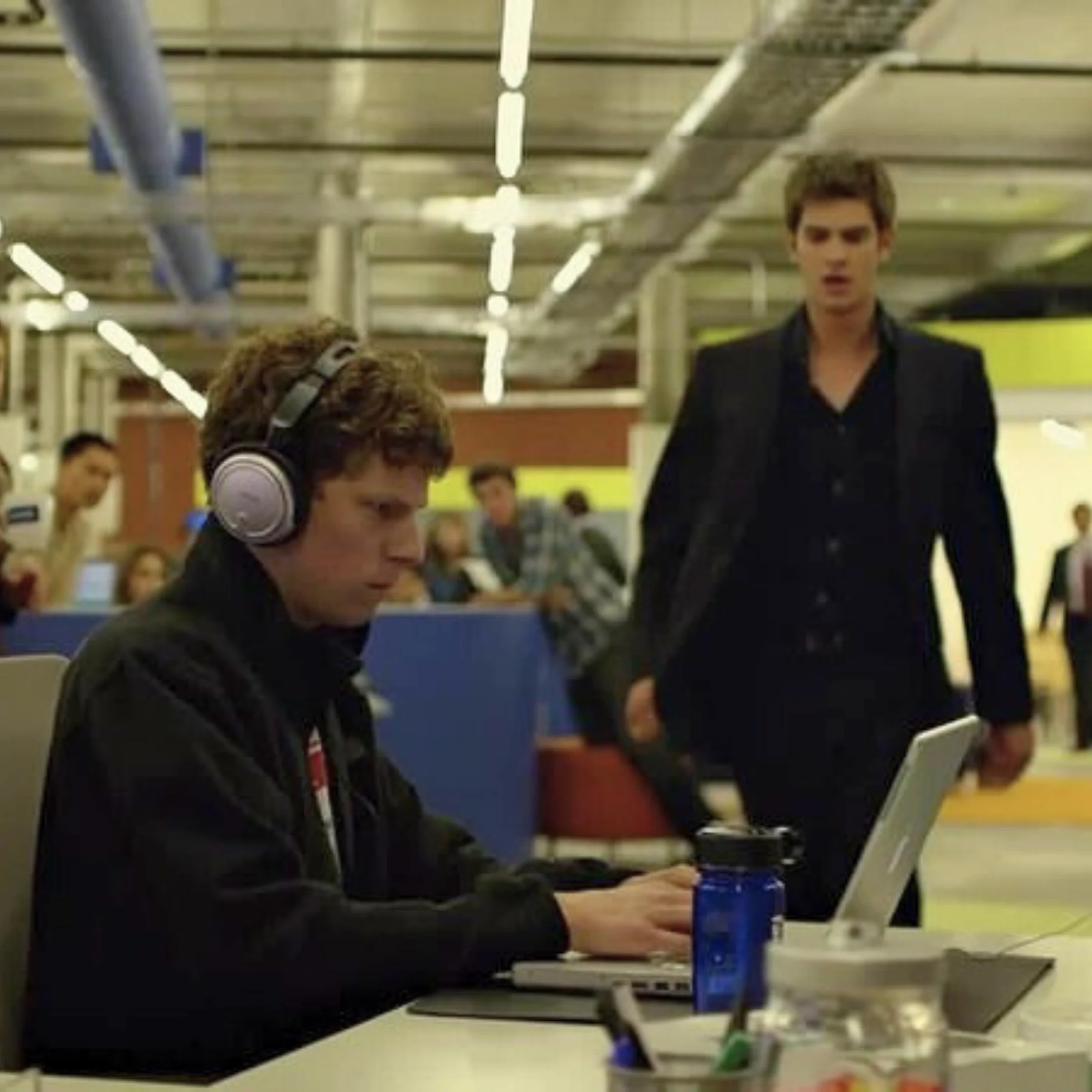
And as much as I would hate to admit it, I’m that person too.
Look around, and you’ll see cafes everywhere now—tucked along residential streets, besides universities, and in neighborhoods that already have more than enough places to get a caffeine fix. While every spot seems to have their own quirky little theme and aesthetic, most have power outlets at every table, Wi-Fi passwords printed on receipts, and signs politely reminding customers not to occupy seats for too long.
At a glance, it’s easy to see this as a simple love affair with coffee (or matcha), but after a year and a half of full-time work, I’ve started to wonder if our cafe culture is a symptom of a much larger disease—one related to the way we’ve come to work, and the amount of caffeine we’ve learned to consume just to keep up with it.
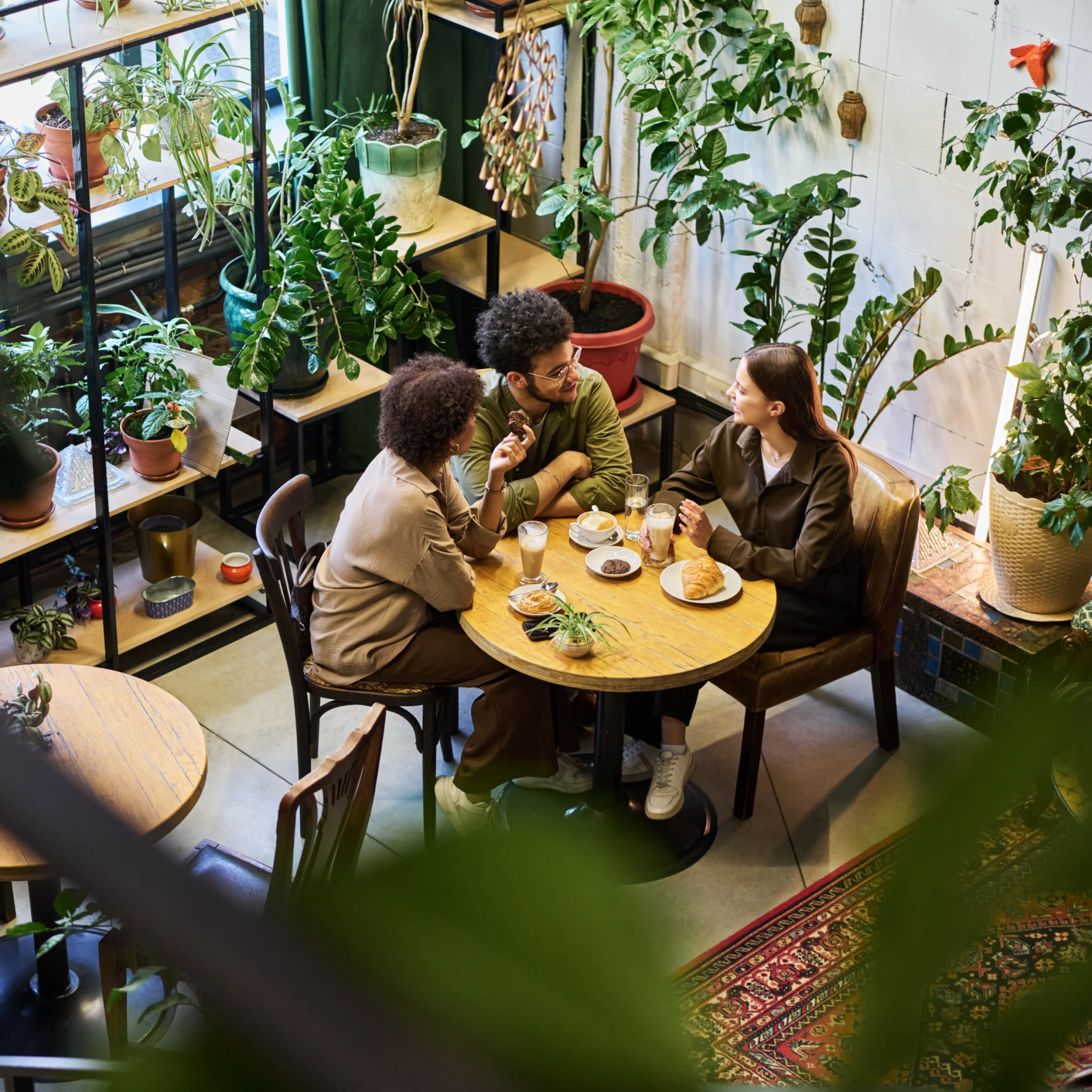
Because somewhere along the way, cafes stopped being just a place to unwind. It became an extension of the office, the classroom, and sometimes even the living room. And the drinks? Well, they became the things that helped us power through all of it.
Welcome to Your Third Place of Employment
Don’t get me wrong—I understand the appeal. After all, not everyone has a quiet home, a spacious desk, reliable internet connections, or ample amounts of room to work comfortably. For students sharing bedrooms with siblings and remote workers squeezing into crowded households, a cafe can offer a temporary, little space of their own.
There’s also the atmosphere. With background chatter, clinking cups, carefully curated interiors, upbeat playlists, and the occasional ‘Drink for *insert name here*’, even the most mundane tasks like sifting through emails and creating decks can feel a little less miserable. Add a slightly silly, slightly overpriced drink, and suddenly that spreadsheet doesn’t look as threatening.

When you take a step back, though, this feels a little ironic. Why? Well, we go to cafes because we want to escape our usual surroundings. But once we’re there, we recreate the same work environment. Yes, we change the scenery, order something delicious, but once we sit down, we get right back into the thick of the grind.
And let’s not forget the caffeine. Sometimes, I order coffee because I genuinely enjoy it. Other times, I order it because I’m tired, have too much to do, and need something to convince my brain that the day isn’t over yet.
Personally, I find this comical—because why am I paying for a drink to help me continue doing the thing that’s exhausting me in the first place?!!
Diskarte and Hustle Culture in the Philippines
Of course, cafes and coffee aren’t the problem. The problem is the culture that makes us feel like we always need to be doing something.
In the Philippines, hustle culture often comes packaged as the diskarte mindset, the side hustle, the freelance gig after the nine-to-five, or the passion project kept under wraps. And there’s pride in being resourceful and hardworking, and rightly so. But for many Filipinos, working hard isn’t some trendy lifestyle choice—it’s how they support their families, pay the bills, and try to build a more secure future.
So there’s a difference between working hard because you have goals and feeling that you can never afford to stop.
When wages struggle to keep up with the cost of living, when long commutes eat into personal time, and when stable employment doesn’t always guarantee financial security, the pressure to do more mutates from a slight ringing in your ears to a blaring alarm that just won’t stop.
Why Does Rest Feel Unproductive Under Hustle Culture?
Rest then starts to feel like a luxury, free time becomes an opportunity to earn extra income, and even hobbies turn into potential businesses. And since we’ve convinced ourselves that we can’t afford to stop, we instinctively grab another cup of coffee when our energy inevitably runs low.
We drink caffeine to get through early mornings, long meetings, afternoon slumps, and deadlines that probably should have been given more reasonable timelines. We joke about needing coffee before we can function, as though being perpetually exhausted is just another personality trait. Instead of asking why we’re so tired, we look for ways to stay awake a little longer.

Social media doesn’t exactly help. We’re constantly shown people building brands before they touch 30, turning hobbies into income streams, and somehow managing to work out, travel, and run successful businesses all before having lunch. So you can’t really blame anyone for feeling unproductive whenever they spend a Sunday doing absolutely nothing.
To compensate, we bring our laptops to cafes. We order another caffeinated or sugar-filled drink. We squeeze another task into the afternoon and gaslight ourselves into thinking we’re treating ourselves to a nice coffee when, in reality, we’re really just trying to stretch our energy a little further.
Public Spaces for Rest in the Philippines
There’s nothing wrong with enjoying a cafe while working. There’s also nothing wrong with wanting a productive afternoon, a second source of income, or a thriving business of your own. The trouble only starts when productivity becomes the default setting for our lives—because not every quiet moment needs to be optimized, not every interest needs to be monetized, and not every cup of coffee has to fuel the next big thing.
Perhaps what our cafe culture reveals isn’t simply that we love coffee, but that we need more places where we can comfortably exist without having to justify our presence with work. Public libraries, accessible parks, community spaces, and affordable places to sit and socialize shouldn’t feel like rare finds. And neither should having enough time and space for yourself.
Of course, changing that means looking beyond the cute interiors of a cafe. It means actually having difficult conversations about wages, working hours, public transportation, housing, and why so many people feel the need to burn the candle from both ends just to stay afloat. It also means questioning why being tired has become so normal that we reach for caffeine before we even consider whether we need rest.
Not Every Coffee Run Needs to Be Productive
Until then, I’ll probably keep seeing laptops beside unfinished cups of coffee and matcha, students buried in reviewers beside plates of pastries, and I’ll probably find myself in a cafe too, occasionally ordering a drink I can barely afford just so I can get through a day that feels a little too much.
But, at the same, I’ll be sure to remind myself that caffeine can only do so much. It might help me feel more alert, but it can’t replace the effects of actual rest—and that another order won’t magically make an unreasonable workload reasonable.

So go ahead and order your favorite drink. Get some work done if you need to. Just remember that you don’t have to turn every cafe visit into a productivity session, and you don’t have to keep pushing simply because you can.
Sometimes, you’re allowed to finish your coffee, close your laptop, and simply enjoy being there. No KPIs or side hustle required.

Frequently Asked Questions
Coffee culture can reflect how work has become intertwined with everyday life. Cafes are places to socialize and unwind, but they also function as extensions of offices and classrooms for people trying to keep up with their responsibilities.
Not by itself. Coffee is better understood as part of a larger picture involving workload, financial pressure, and the expectation to remain productive even when tired.
Hustle culture is the mindset that encourages constant work, productivity, and self-improvement. In the essay, it appears through side hustles, freelance work, passion projects, and the pressure to turn free time into something productive.
Cafes can provide internet access, a change of scenery, background activity, and a place to focus. They may also offer a practical alternative for people who lack quiet or comfortable workspaces at home.
Constant pressure to achieve more, earn more, or keep up with other people’s accomplishments can make downtime feel like a missed opportunity. Social media comparisons can intensify the feeling that every hour should be put to use.