

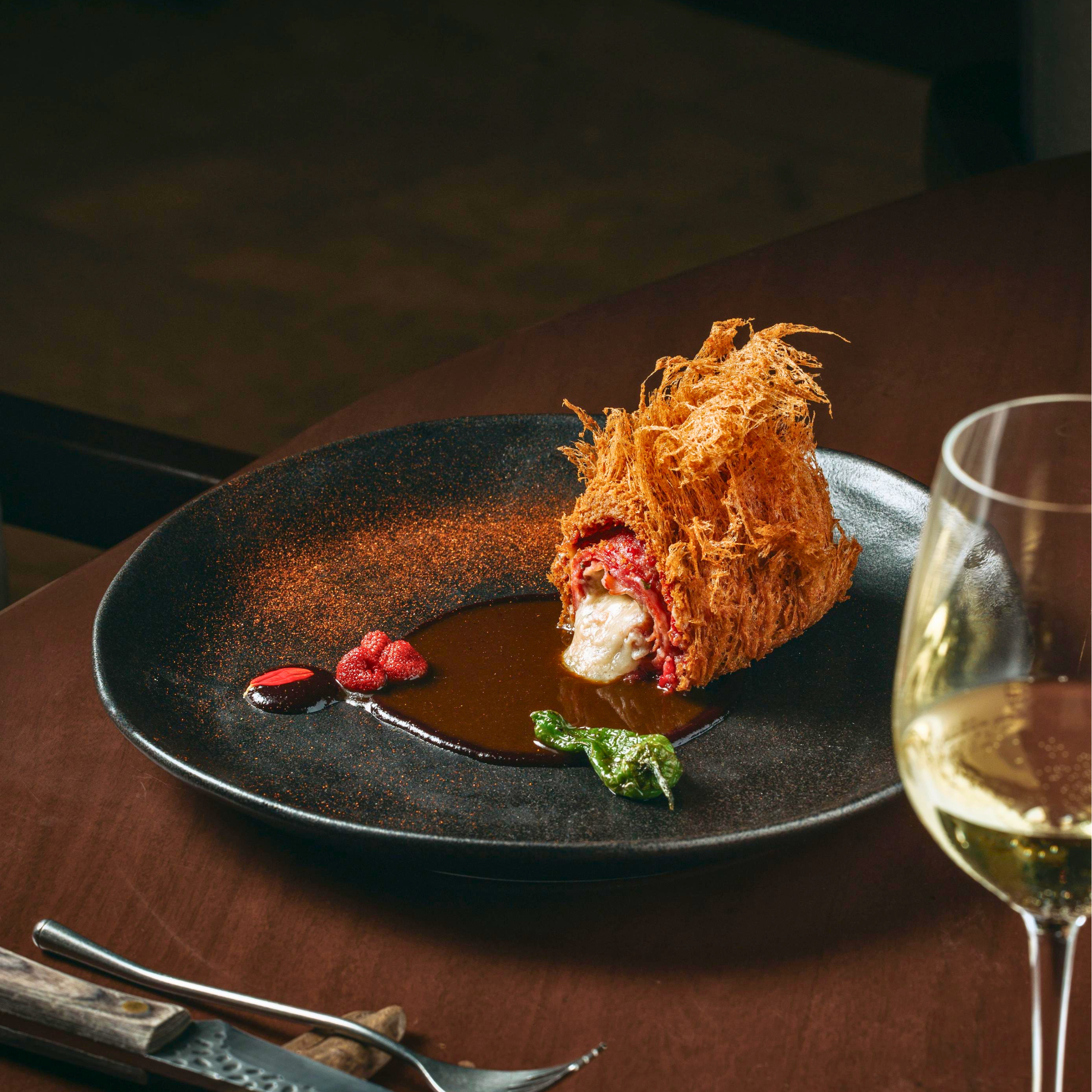
Whereas before, Kasa Palma’s menu took inspiration from Filipino favorites such as silog, lechon, and halo-halo, their latest eight-course offering takes diners somewhere else entirely: France.
This shift is deliberate, says chef Aaron Isip. “The menu allows me to tell the story of my background, my culinary training, and the philosophy that has shaped me as a chef.”
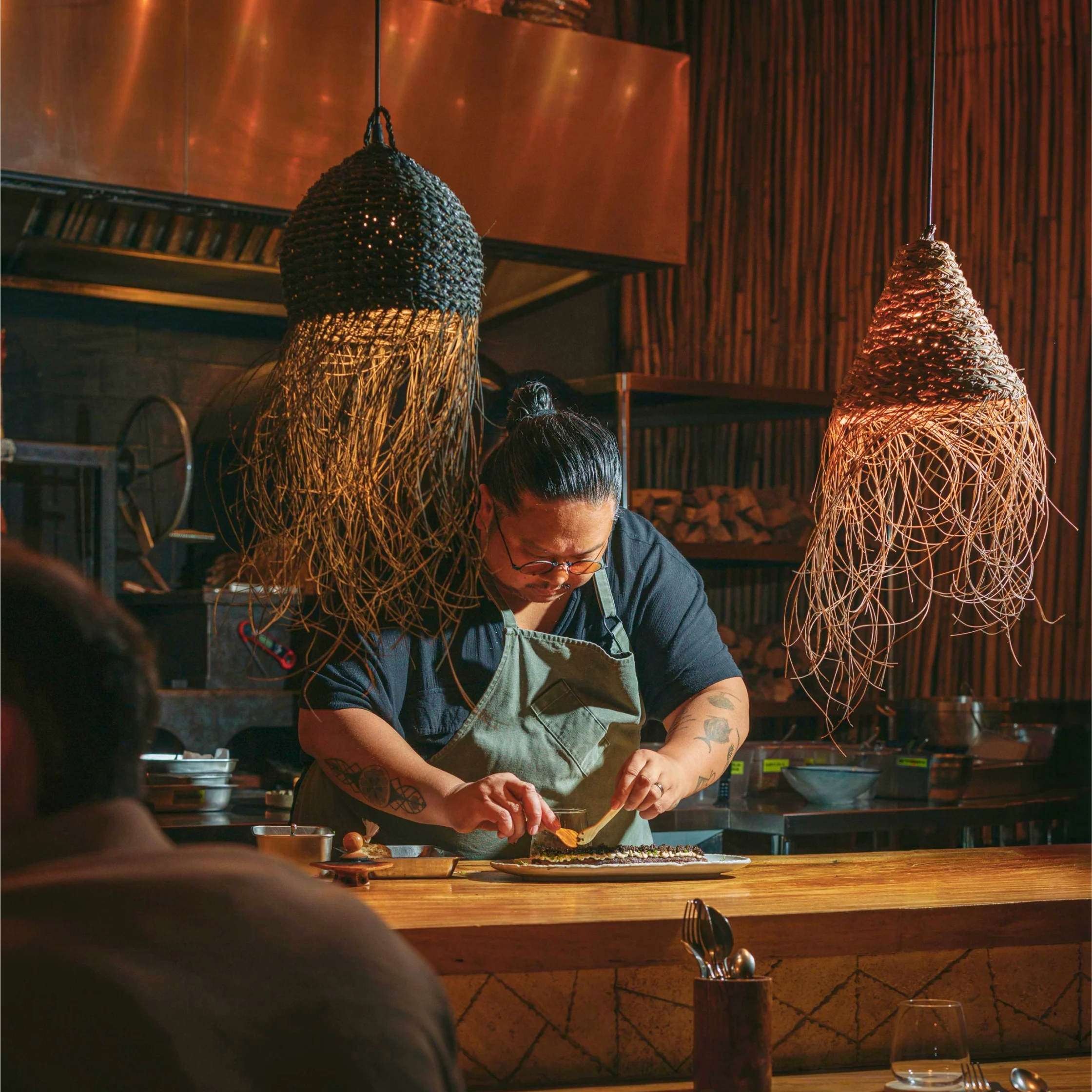
Their Filipino-inspired dishes are still available and are offered during Kasa Palma’s second seating. “The easiest way to describe it is that the 10-course menu is our interpretation of Filipino and Filipino-inspired dishes using local fish and seafood, while the 8-course menu is our interpretation of French and French-inspired dishes, also built around local produce and seafood. With that being said, rice is a more prominent ingredient with our Filipino-forward 10-course tasting menu while some dishes with bread are present in our 8-course menu.”
Despite the differing approaches, both menus are guided by the same mission. Kása Palma is fundamentally a seafood-driven restaurant after all. “Our mission is to showcase the marine biodiversity of the Philippines, particularly as we sit at the heart of the Coral Triangle, one of the most biodiverse marine regions in the world.”
How Kása Palma Transforms Philippine Seafood and Native Fruits Into French-Inspired Masterpieces
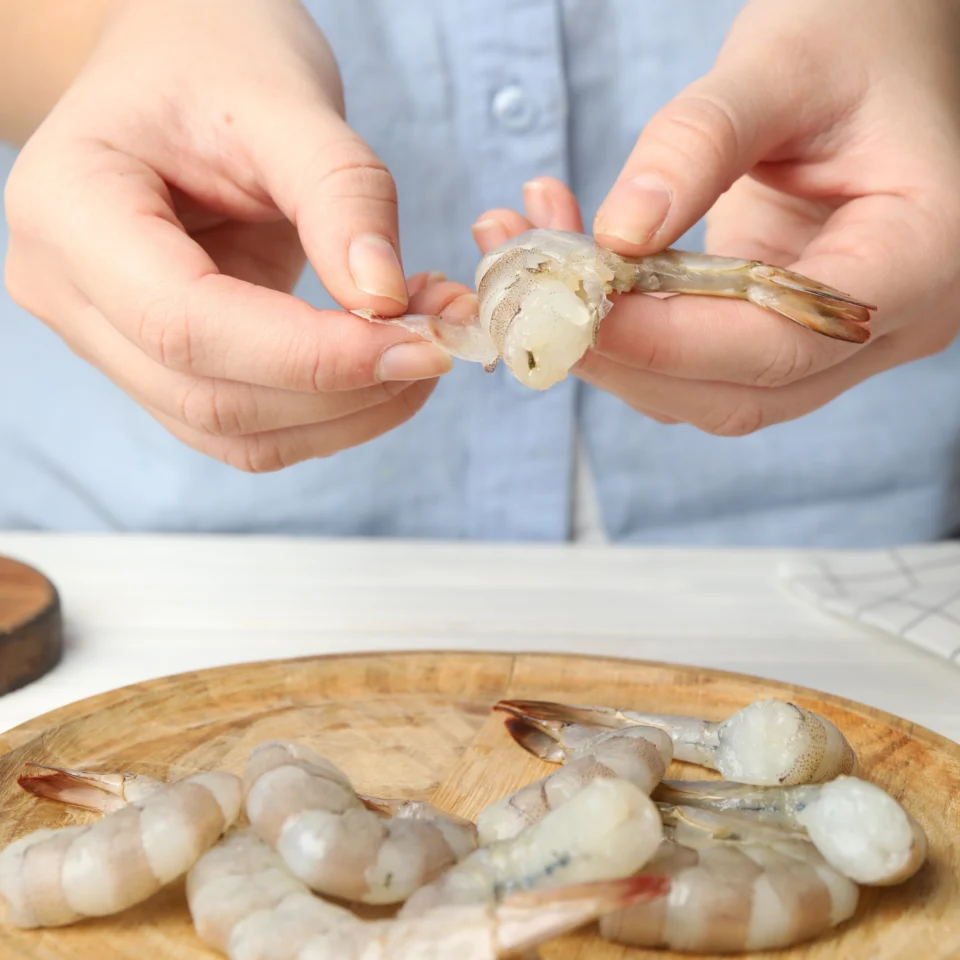
That philosophy manifests itself deliciously during the current season. With June and July bringing an abundance of warm-water species, Isip and his team are enjoying access to tuna, mahi-mahi, squid, crabs, tiger prawns, and a variety of shellfish. Among the ingredients currently capturing the team’s delight and research is diwal, or angel wings—an endemic shellfish that they are exploring for a future dish.
On the produce side, they’ve been toying with native fruits such as kamias, duhat, and sineguelas, which is nearing the end of its season. “As the seasons shift, we’ll be transitioning into fruits like santol, local dragon fruit, and rambutan,” claims Isip. “What excites us most is their versatility—we use them in both savoury and sweet preparations, allowing them to appear throughout the menu in unexpected ways.”
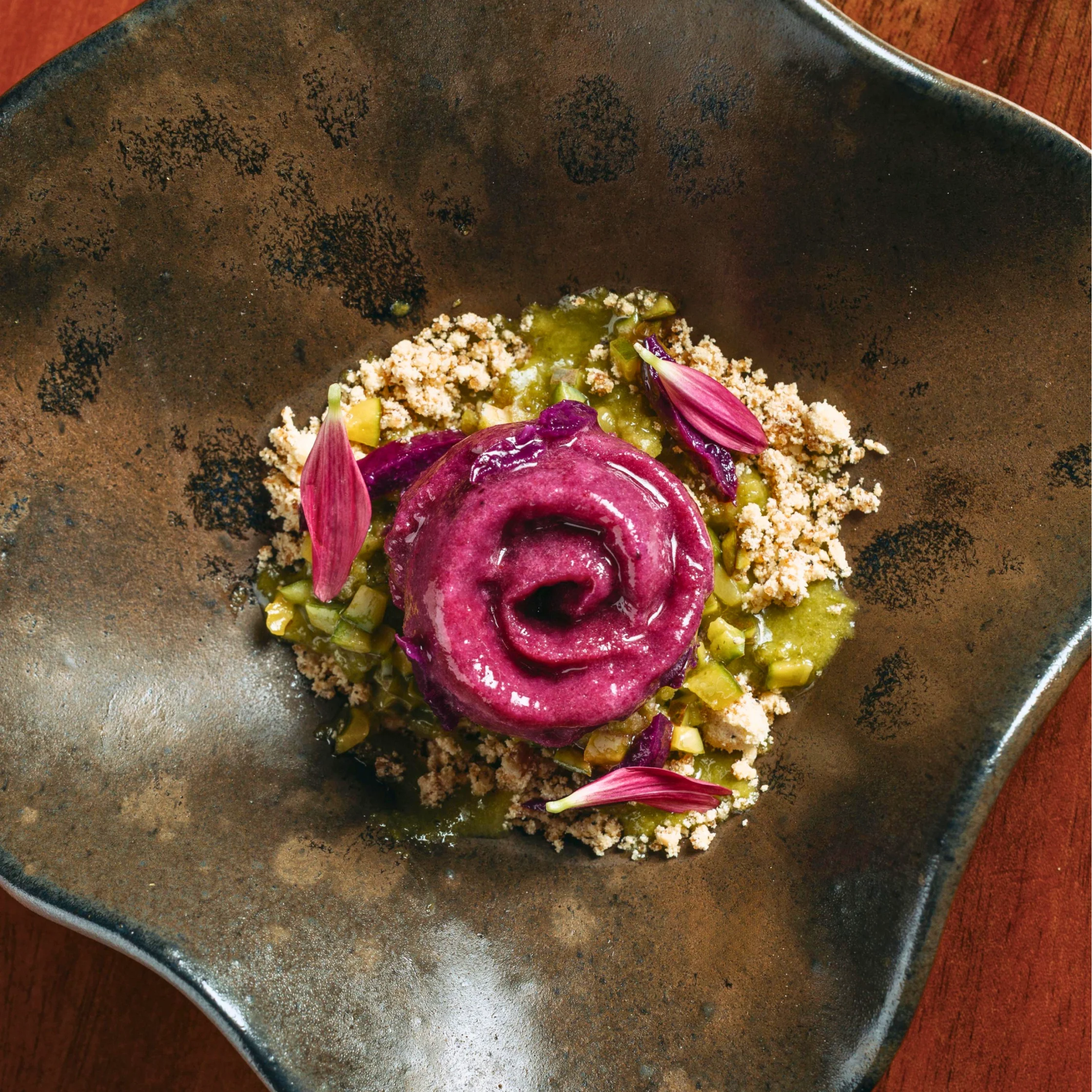
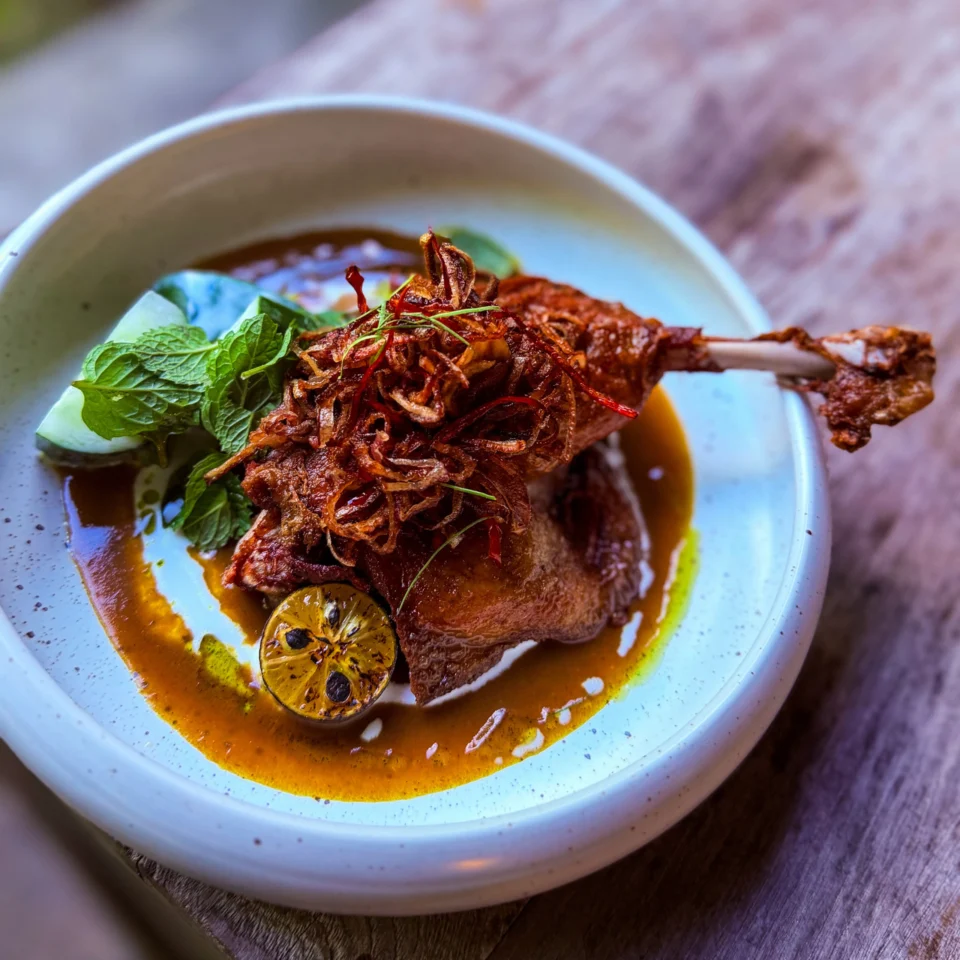
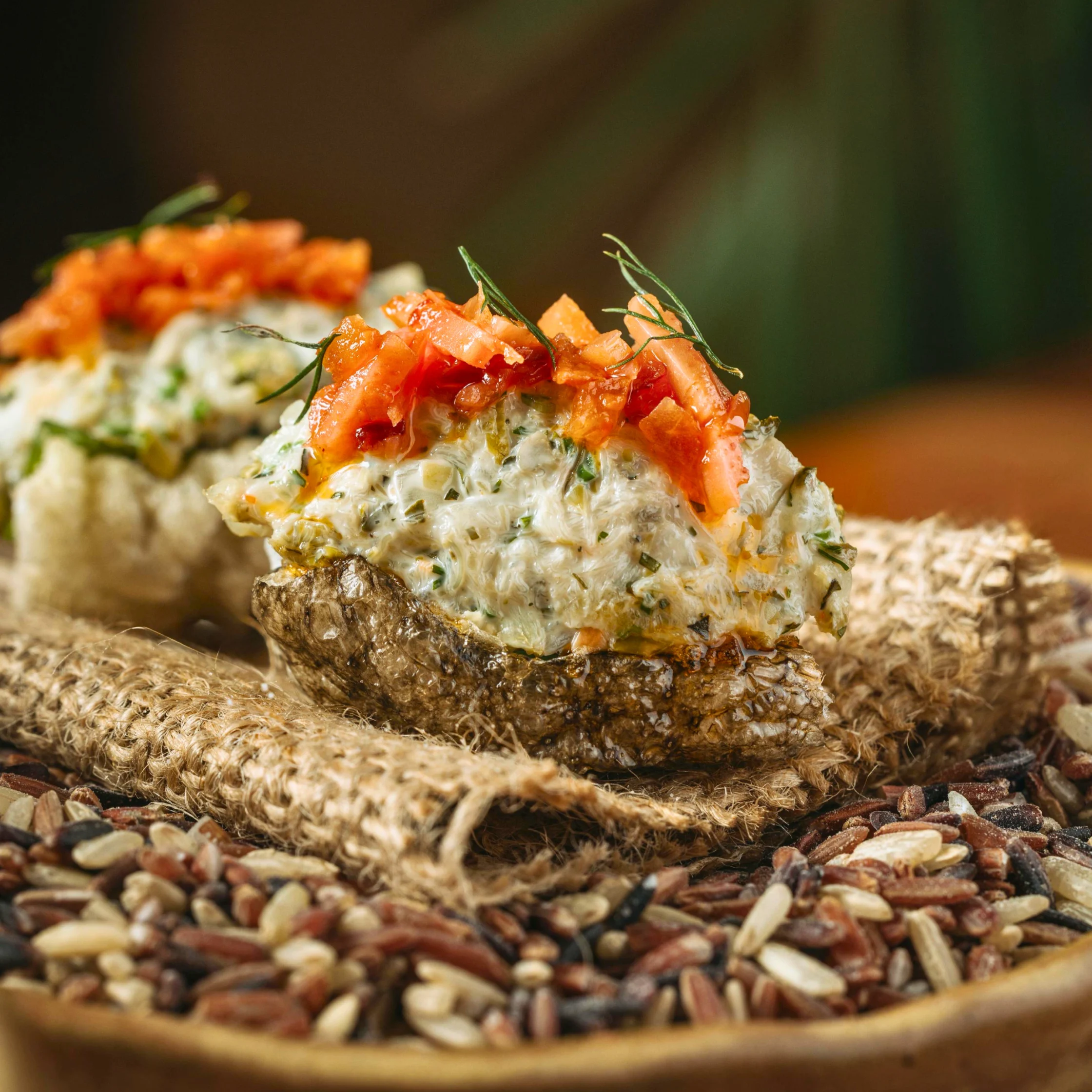
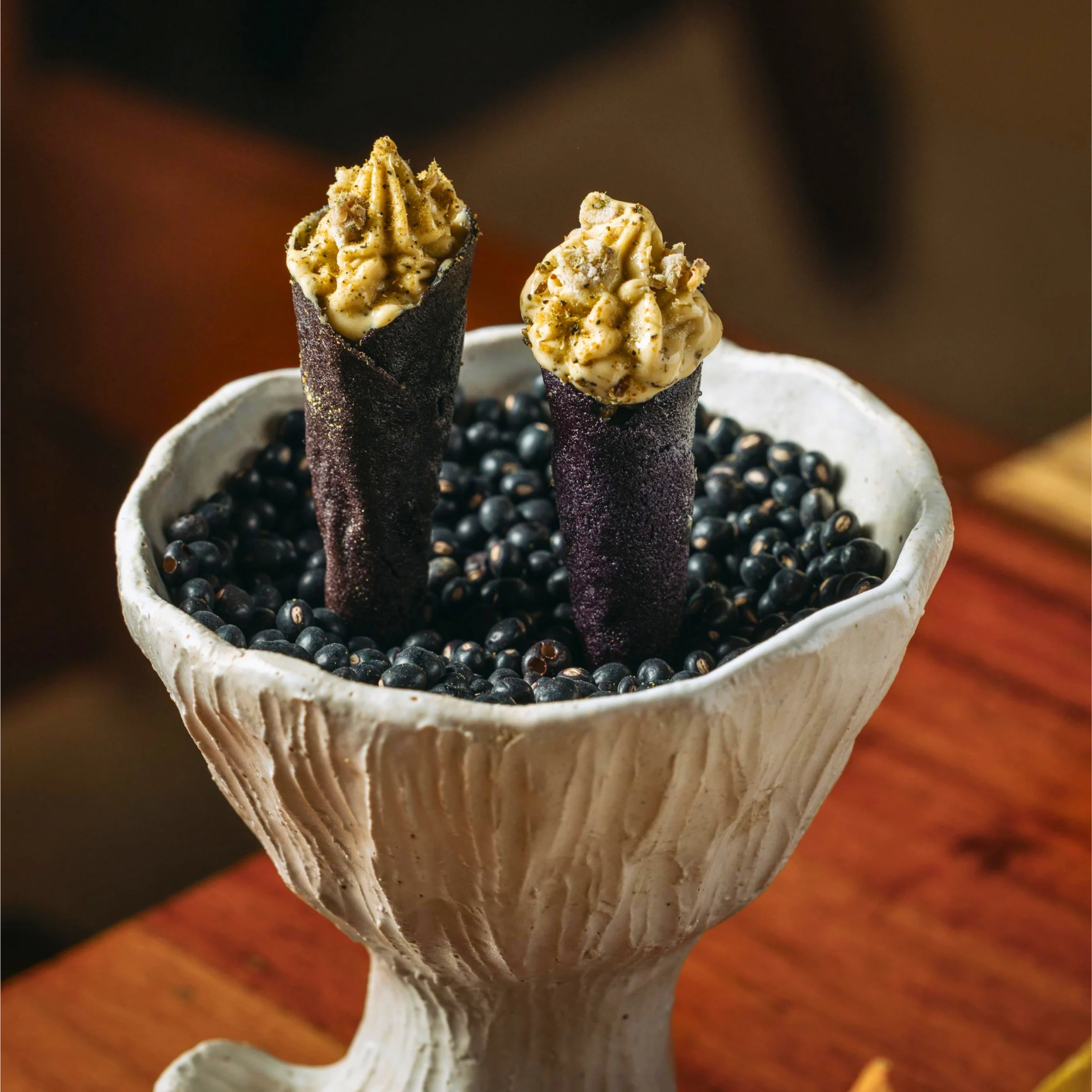
These items are beautifully transformed into dishes that pay homage to classic French cuisine. It starts with a trio of hors d’oeuvres: a cornet of Aklan oyster ice cream and seaweed; a rillette of Pacific halibut and kamias; and a chausson of sea mantis, prawn and papada iberica, a highly marbled cut from the lower jaw of the Iberian pig.
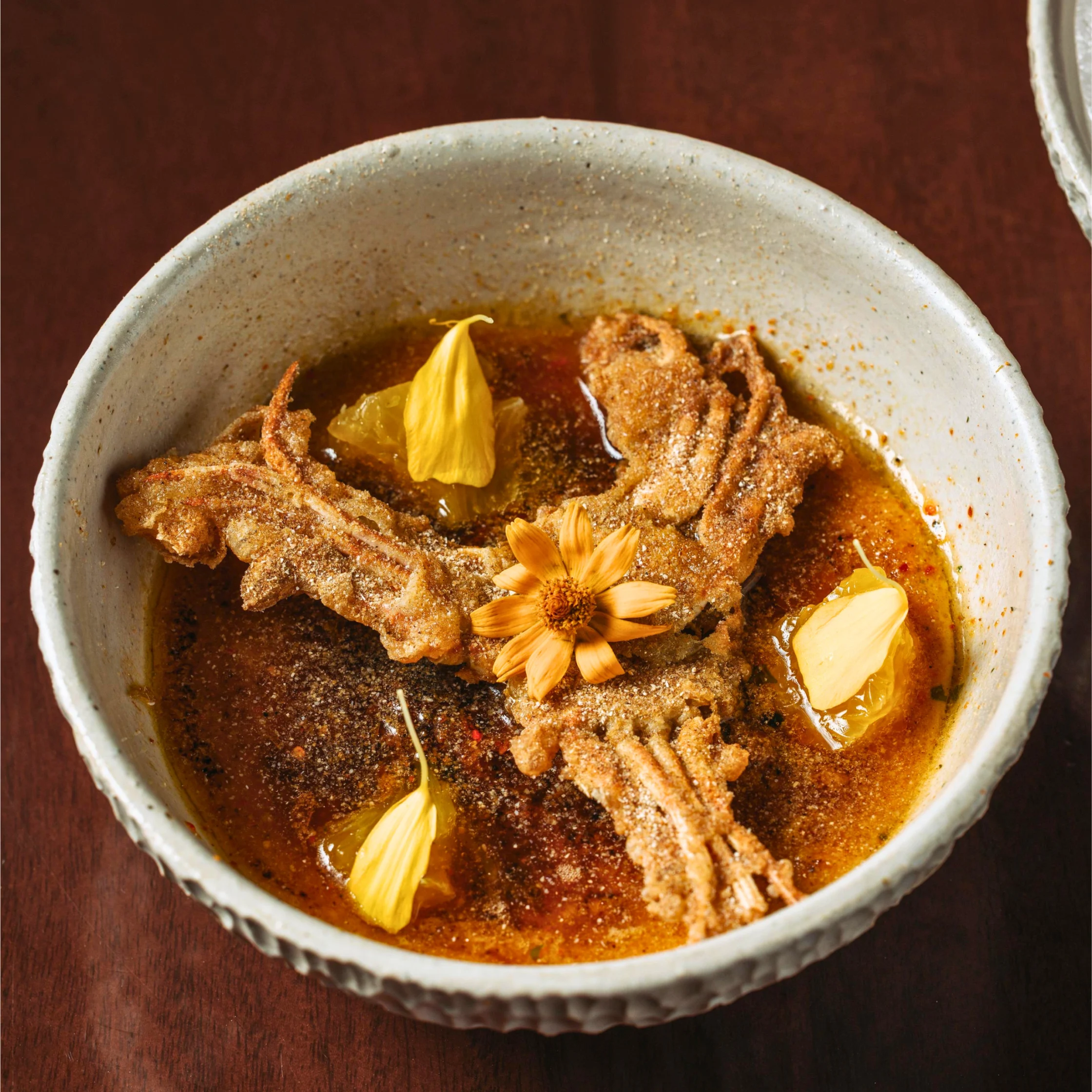
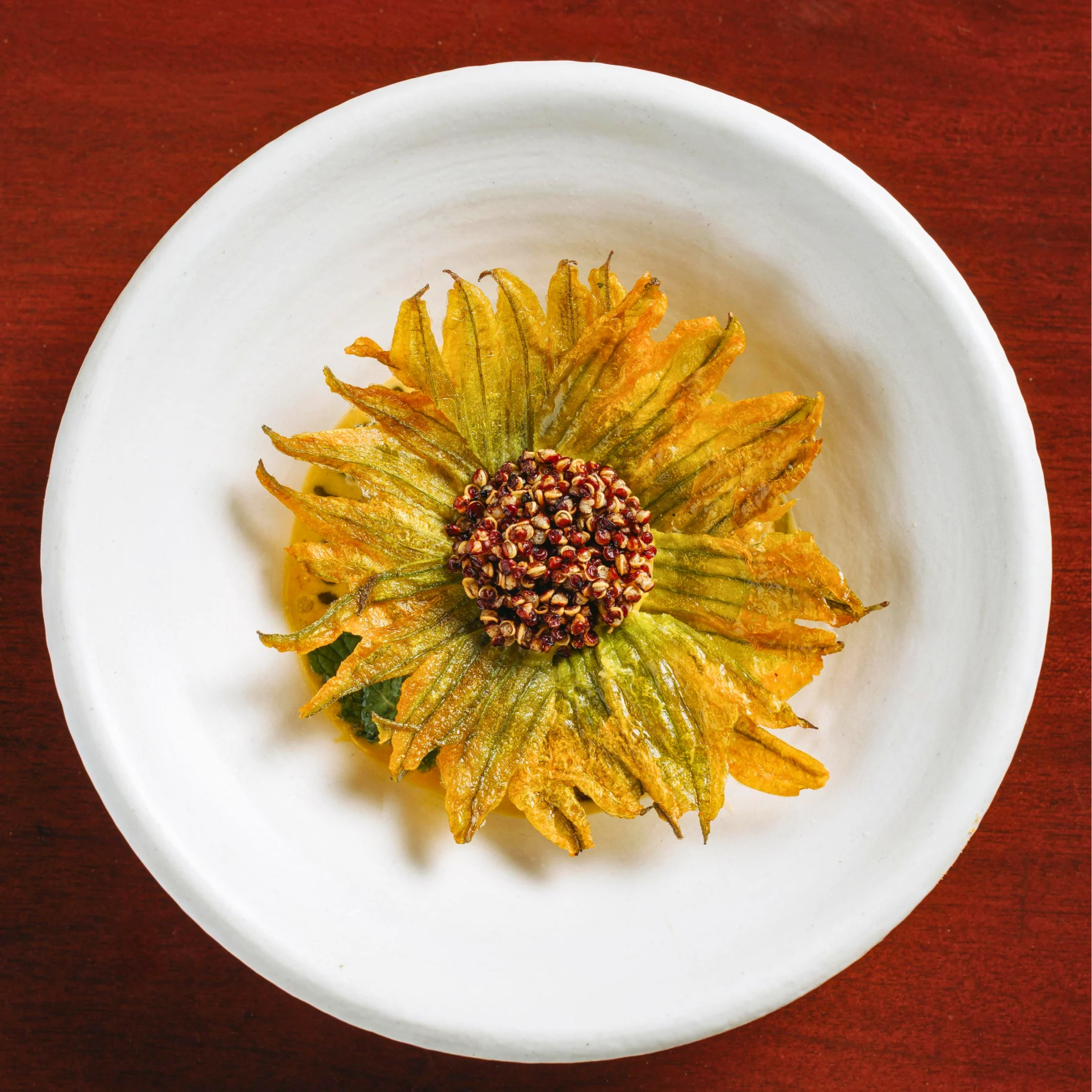
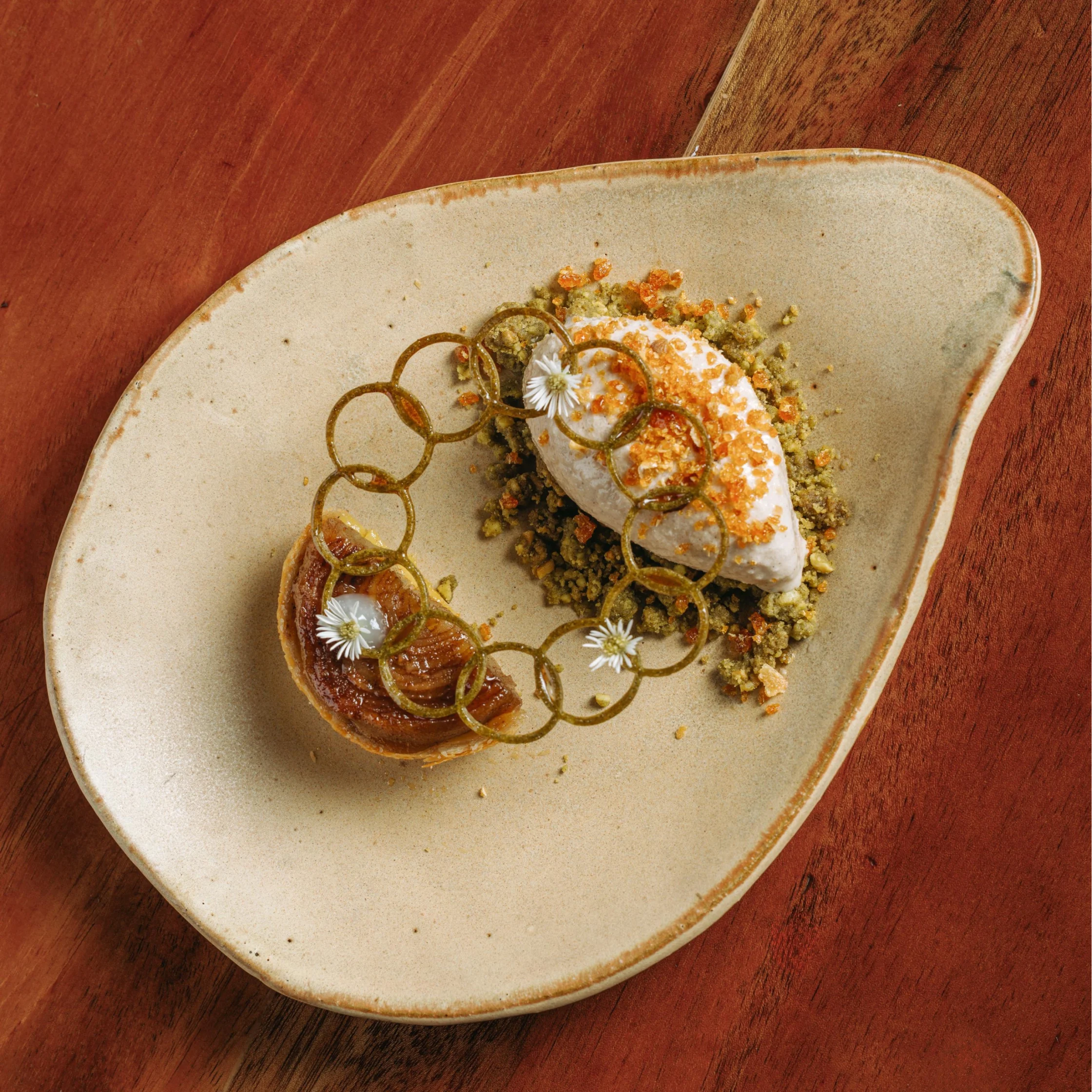
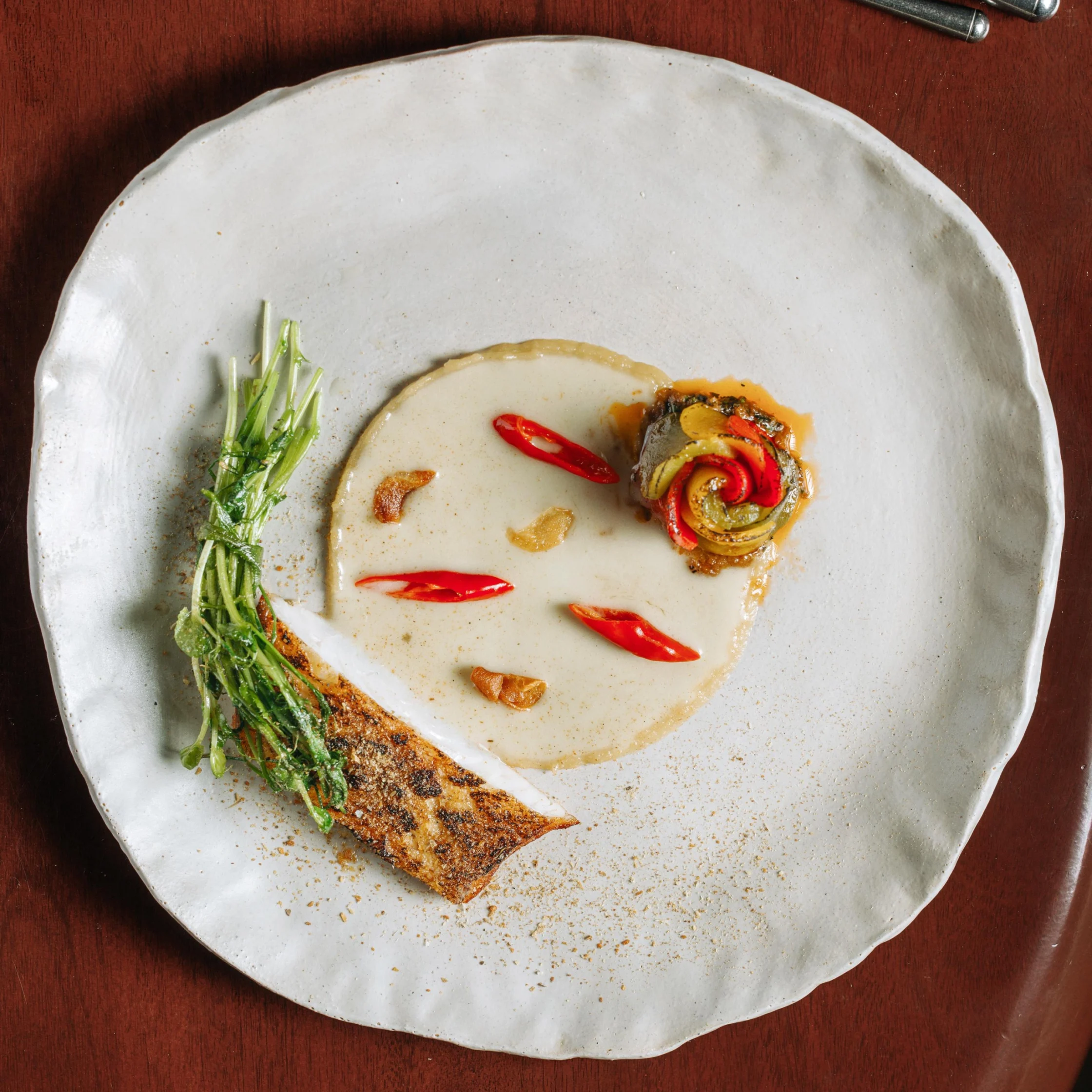
It then progresses to a series of plates that not only tips the hat to the country that greatly influenced his craft and career, but also showcases his finesse and technique: a striped jackfish crudo with pumpkin leche de tigre; a croque madame of tuna and sea urchin made richer by an uni mornay; a blue swimmer crab creme brulee with a consumee gelee; a secreto iberico and jamon serrano cordon bleu wrapped in ubeUbeThe Filipino purple yam, known for its vivid violet color and mellow, vanilla-like flavor. Cooked and mashed into ube halaya, it colors and flavors ice cream, cakes, ensaymada, and pandesal,Go to Ube Glossary puff and lubricated with manchego béchamel; and a tarte tatin composed of moringa flan, chayote ice cream and caramelized chicken skin. French classics have never seen such a degree of creativity and whimsy under the hands of Isip.
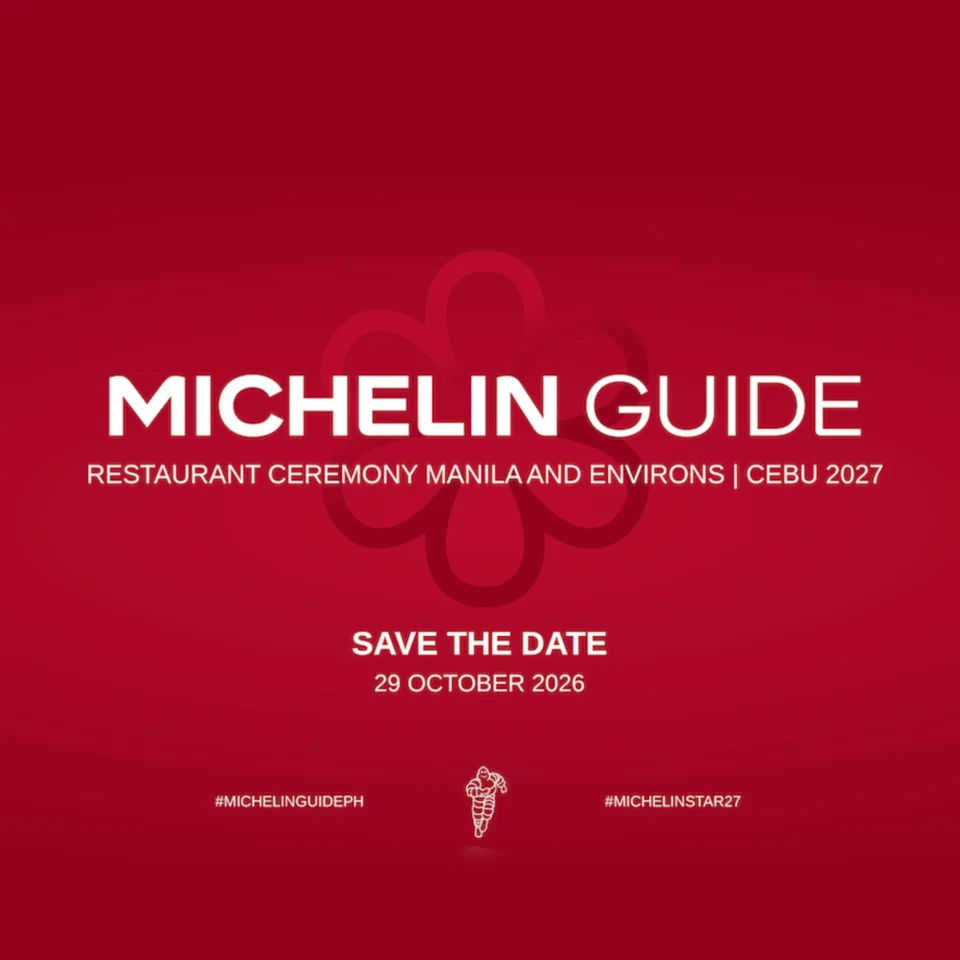
How Kása Palma Is Staying True to Its Identity After Earning a Michelin Star
This taste of France is the latest version of Kasa Palma’s 8-course menu since receiving their first Michelin star. Despite the pressure to excel, Aaron and his team has remained true to their soul and style.
“Authenticity is what earned us the recognition in the first place,” he says. “It’s business as usual for us. We’re incredibly grateful for the recognition, and while it certainly inspires us to continue improving, we don’t allow it to dictate our creative process. We see it as motivation, not pressure.”
That mindset has always guided their team, kept their feet on the ground, and their minds focused on satisfying their guests, rather than external expectations. If anything, their latest menu proves that Kása Palma continues to move forward with quiet confidence, trusting that authenticity—not accolades—remains its greatest ingredient.
Kasa Palma is located at 6042 R. Palma Street, Poblacion, Makati.

Frequently Asked Questions
Chef Aaron Isip wanted to tell the story of his culinary background, training, and influences through French-inspired dishes.
Yes. The restaurant continues to offer its Filipino-forward 10-course tasting menu during the second seating.
The 8-course menu explores French-inspired cuisine, while the 10-course menu focuses on Filipino and Filipino-inspired dishes. Both highlight local seafood and produce.
The restaurant aims to showcase Philippine marine biodiversity through thoughtful, seafood-driven tasting menus.
Seasonal ingredients include tuna, mahi-mahi, squid, crabs, tiger prawns, shellfish, and other local seafood.
Kamias, duhat, sineguelas, santol, local dragon fruit, and rambutan are among the fruits featured or being explored.
Diwal, also known as angel wings, is an endemic Philippine shellfish that Kása Palma is currently researching for future dishes.
Kása Palma is located at 6042 R Palma, Makati City, Metro Manila.