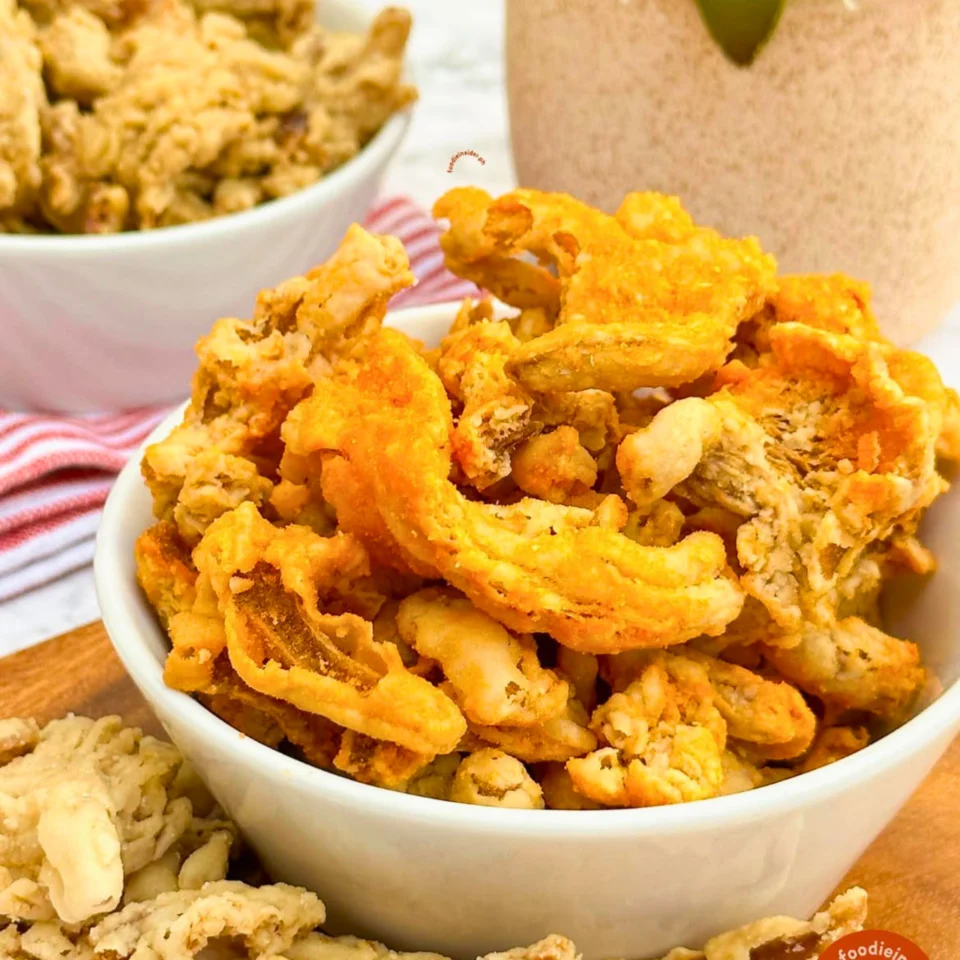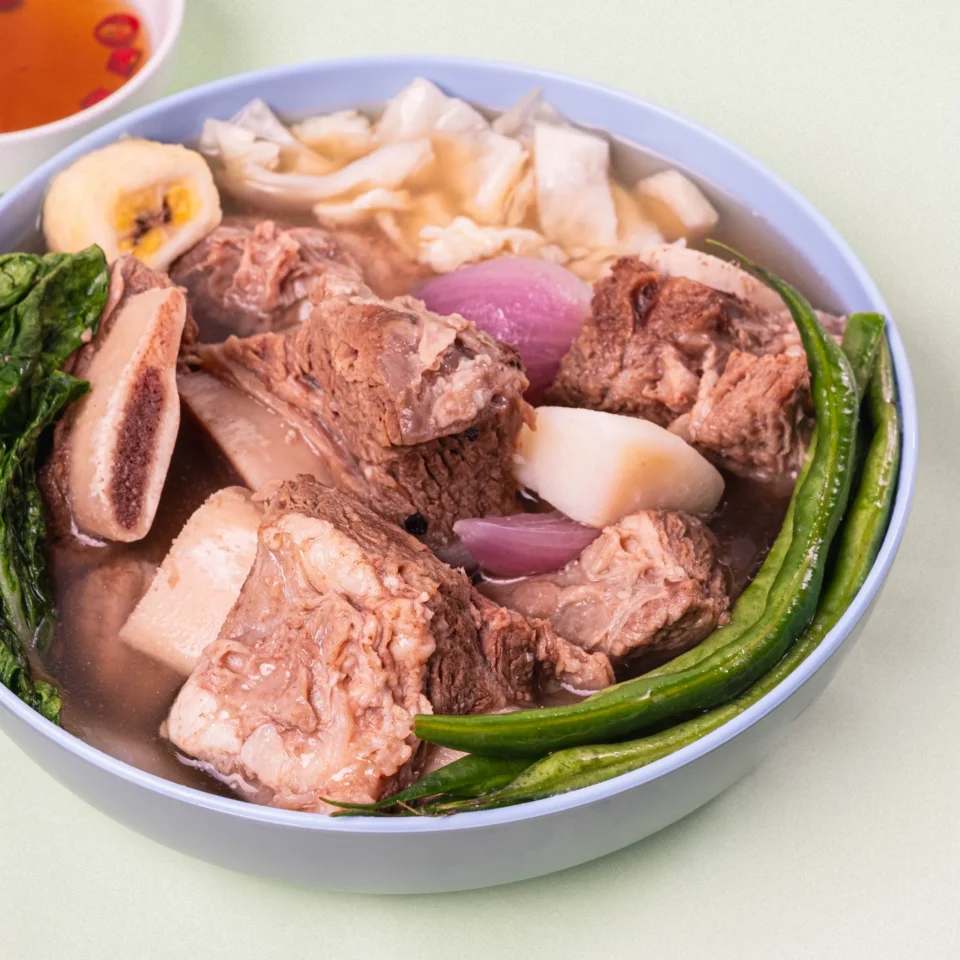




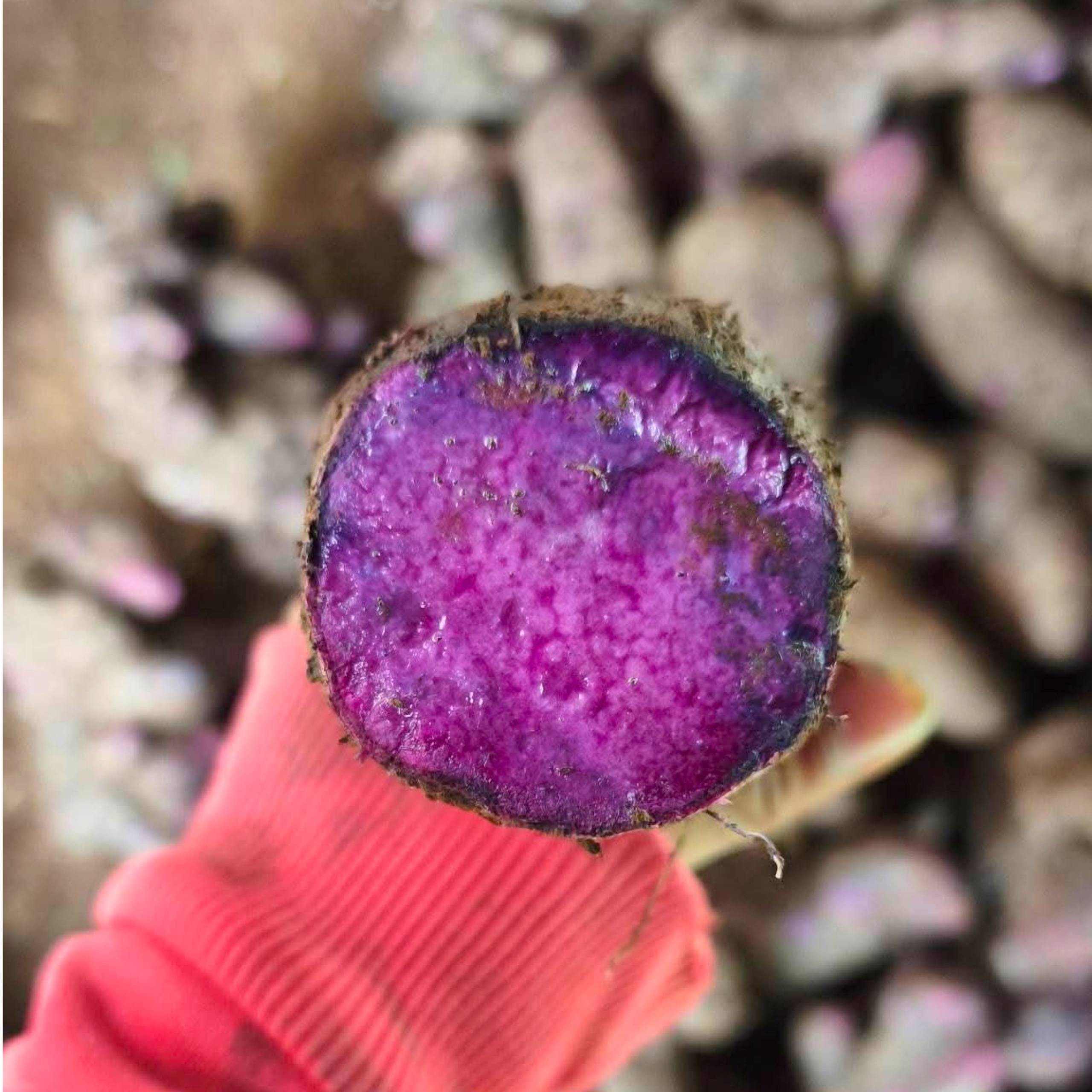
Walk into almost any café today and you’ll most likely find ube featured somewhere on the menu.
It’s in champorado, cheesecakes, sandwiches, breads, cookies, lattes, gelato, and even cocktails. Once a humble root crop, ube has become one of the Philippines’ biggest culinary exports, embraced both locally and internationally for its vibrant purple hue and unmistakably earthy sweetness.
But while consumers continue to fuel the purple craze, the people growing the crop say that the rewards can’t be felt by them yet.
How Ube Became One Family’s Lifeline in Bukidnon
Twenty-six-year-old Kim Mechavez knows this sad reality all too well.
While he was finishing his education as a third-year college student from Lantapan, Bukidnon, Mechavez took inspiration from his father-in-law Alfredo Villanueva, who has been farming the crop since 2011. He has spent the last five years cultivating ube.
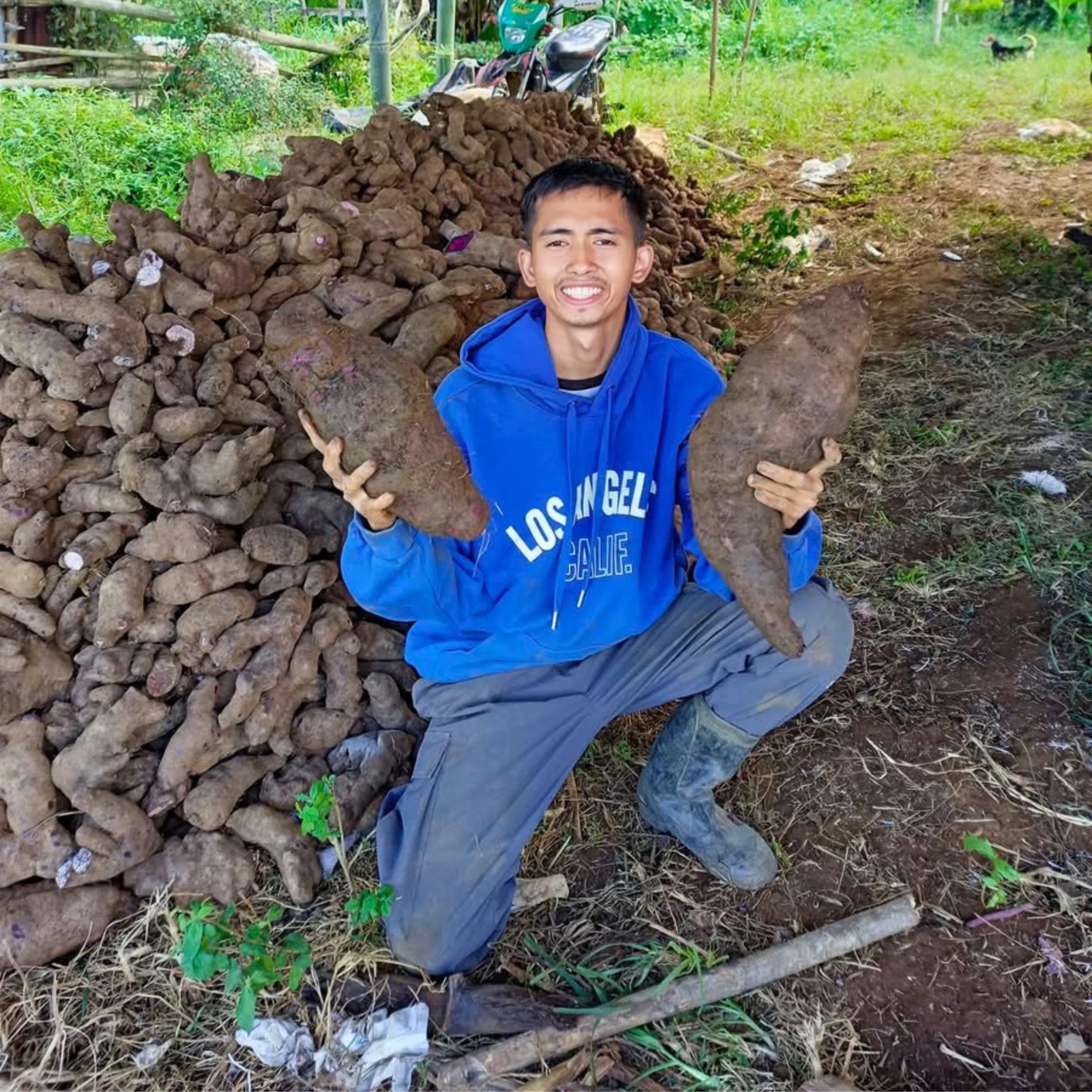
“Manugang ko nag-enganyo magtanim ng ube kasi naging primary source of income ng family niya,” he said.
As far as Kim can recall, ube first arrived in their municipality back in 2009. There was someone who tried planting it in an expansive field. Seeing how it yielded great results, Alfredo followed suit, bought a sack of tubers, and started sowing it in his two-hectare farmland. His yield was bought for P16 per kilo then and it was transported all the way to Cagayan de Oro.
Mechavez decided to take a risk and manage a hectare of his own, sowing the “Queen of Philippine Yams” kinampay, the highly sought Magnolia known for its deep purple flesh, and the Rainbow variety with its multi-colored, swirl flesh. He sold his first harvest in April 2021 for P14. A trader would usually purchase the crops for him and bring them to Manila or Misamis provinces.
Why Ube’s Popularity Isn’t Enough to Sustain Farmers
The livelihood of his family, consisting of his wife and two children, now depends on ube. Sadly, the global trend and growing demand haven’t exactly translated into stable earnings.
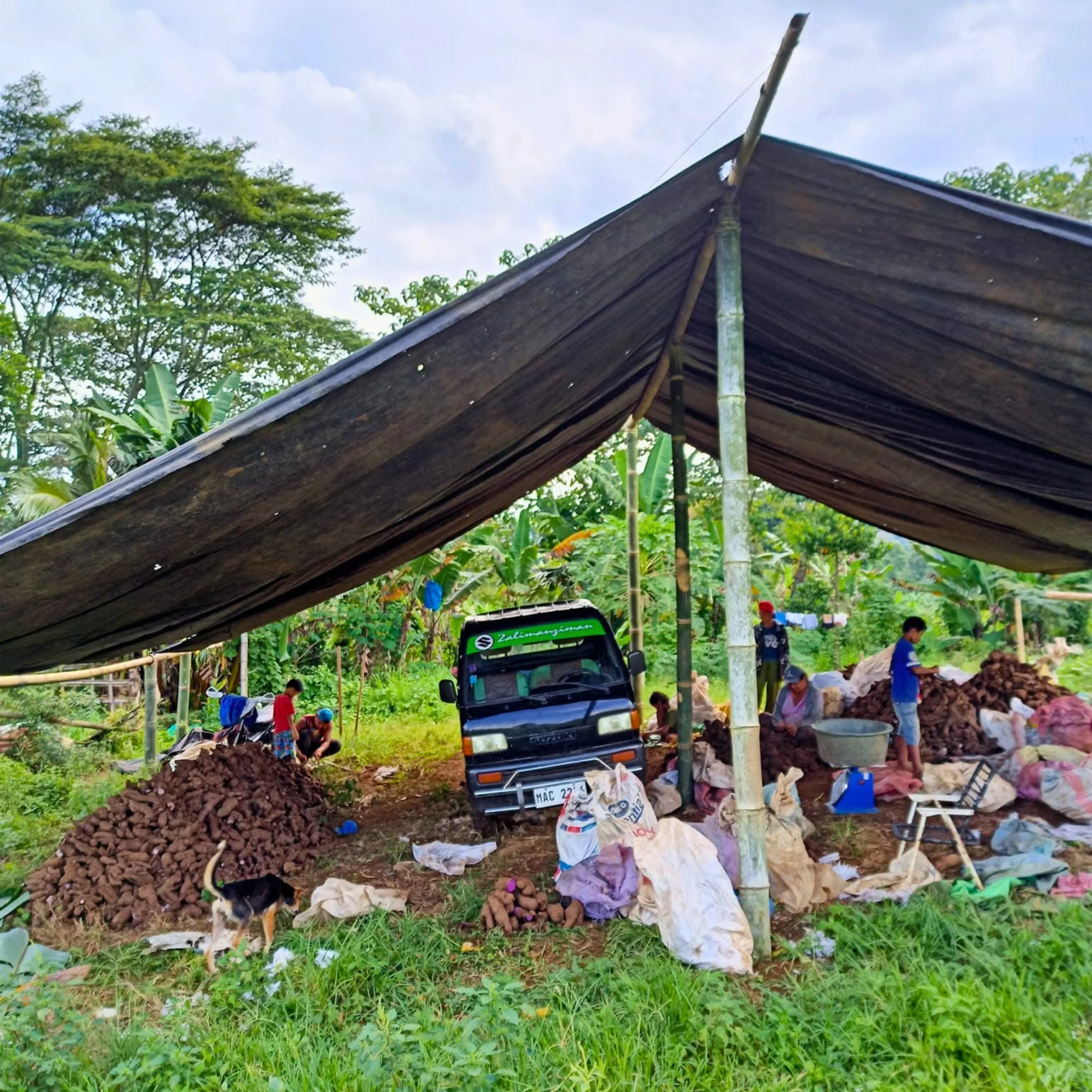
“Yung gusto sana namin stable na market. Ngayon mababa tapos tataas then baba na naman. Last month, P80 tapos now P65. Sabi nila trending pero bakit bumaba ang presyo?,” he says.
For the farmers, instability is only one part of the challenge.
Weather remains to be their biggest enemy. Unpredictable dry spells weaken the crop, while consecutive spouts of rain make for conditions that increase the probability for fungal diseases and blight, forcing farmers to spend on fungicides and pesticides.
Just recently, Mechavez harvested just a ton of ube—pretty low from his usual—after a month-long drought was followed by two straight weeks of heavy rain.
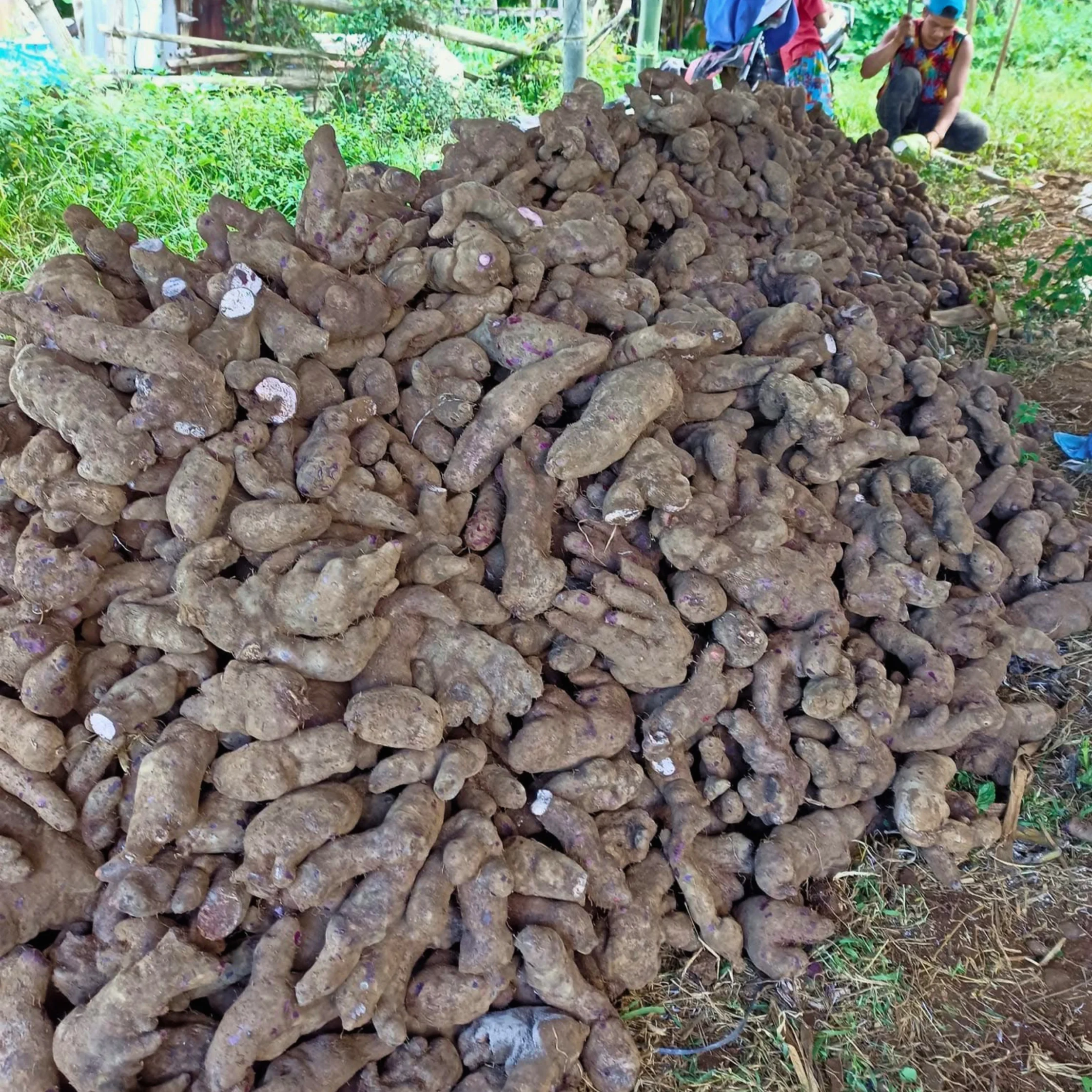
“Ang mahal,” he says. “And the government doesn’t help. Tumutulong lang kapag trending.”
Why the Ube Craze Needs to Benefit Farmers Too
Mechavez makes sure that none of his harvest goes to waste. Large ube are sold fresh, while smaller ones are replanted as seed stock or processed into homemade ube halaya, as an additional source of income.
What he, and other ube farmers, hope is not another viral ube dessert but a more reliable market. More than hype and short-lived attention, Mechavez simply wants consistent demand and fair prices that will allow him to plan for his family’s yet uncertain future.
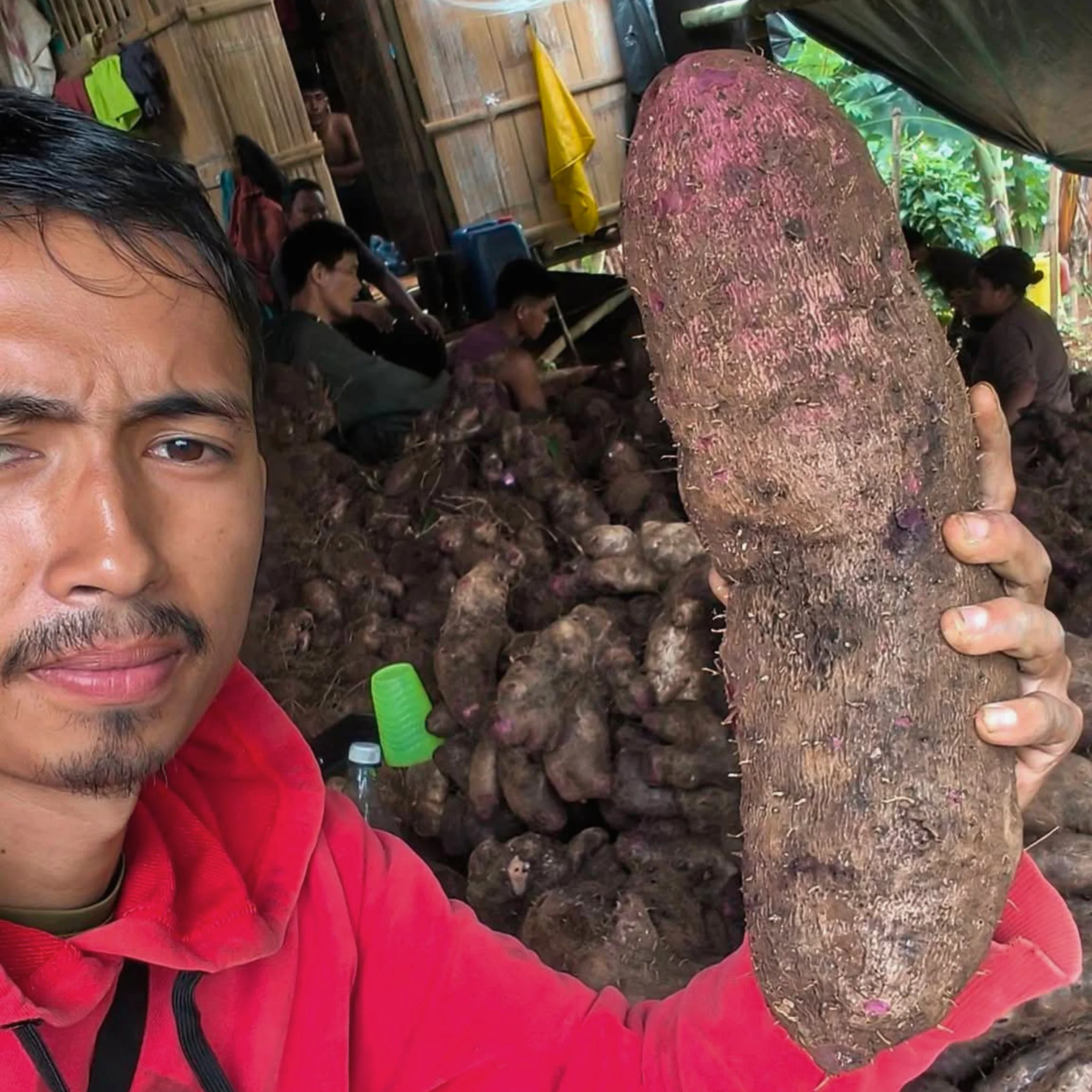
As the whole world celebrates the humble ube, one hopes that the rewards reach the very people who planted it.
To help Mechavez and get your hands on ube, you can directly message him at +63 965-6613379.

Frequently Asked Questions
Ube has gained global popularity because of its vibrant purple color, unique flavor, and versatility in desserts, drinks, and baked goods.
Many farmers deal with fluctuating farmgate prices, unpredictable weather, crop diseases, and limited government support despite growing demand.
Ube is cultivated in several provinces, including Bukidnon, Bohol, and parts of the Visayas and Mindanao.
Farmers like Kim Mechavez grow Kinampay (Magnolia), prized for its deep purple flesh, and Rainbow ube, known for its swirled interior.
Buying directly from farmers, choosing locally sourced ube products, and supporting businesses that practice fair sourcing can help improve farmers’ livelihoods.