The modern landscape of our local cuisine currently stands at an exciting crossroads. Filipino cuisine, and by proxy Filipino chefs, did not get the same kind of prominence it does today.
Our local ingredients and flavors are now capturing global attention. The country’s culinary community continues to grow not just exponentially in size, but in depth. Chefs are becoming more acutely aware that their role as the person behind the pass has transformed and is continuously transforming as we speak. No longer are they just creators of flavor or business owners. Today’s culinary leaders find themselves acting as historians, advocates, and storytellers.
What does it truly mean to wear the title of a Filipino chef today? I was able to ask six chefs to weigh in what they believe to be the purpose, heritage, and the future of the commanders of the Filipino kitchen.
Preserving The Past, Evolving Into The Future
At the heart of the modern movement is a delicate dance between honoring the past and pushing boundaries. For many, preserving tradition does not mean keeping it locked in glass; rather, it means allowing it to breathe and grow.
Chef Jam Melchor is the founder of the Philippine Culinary Heritage Movement as well as the founder and head of Slow Food Youth Network Philippines. He believes that being a Filipino chef today is about “honoring our roots while allowing our cuisine to evolve,” preserving the techniques and stories of past generations while presenting them in fresh, meaningful ways.
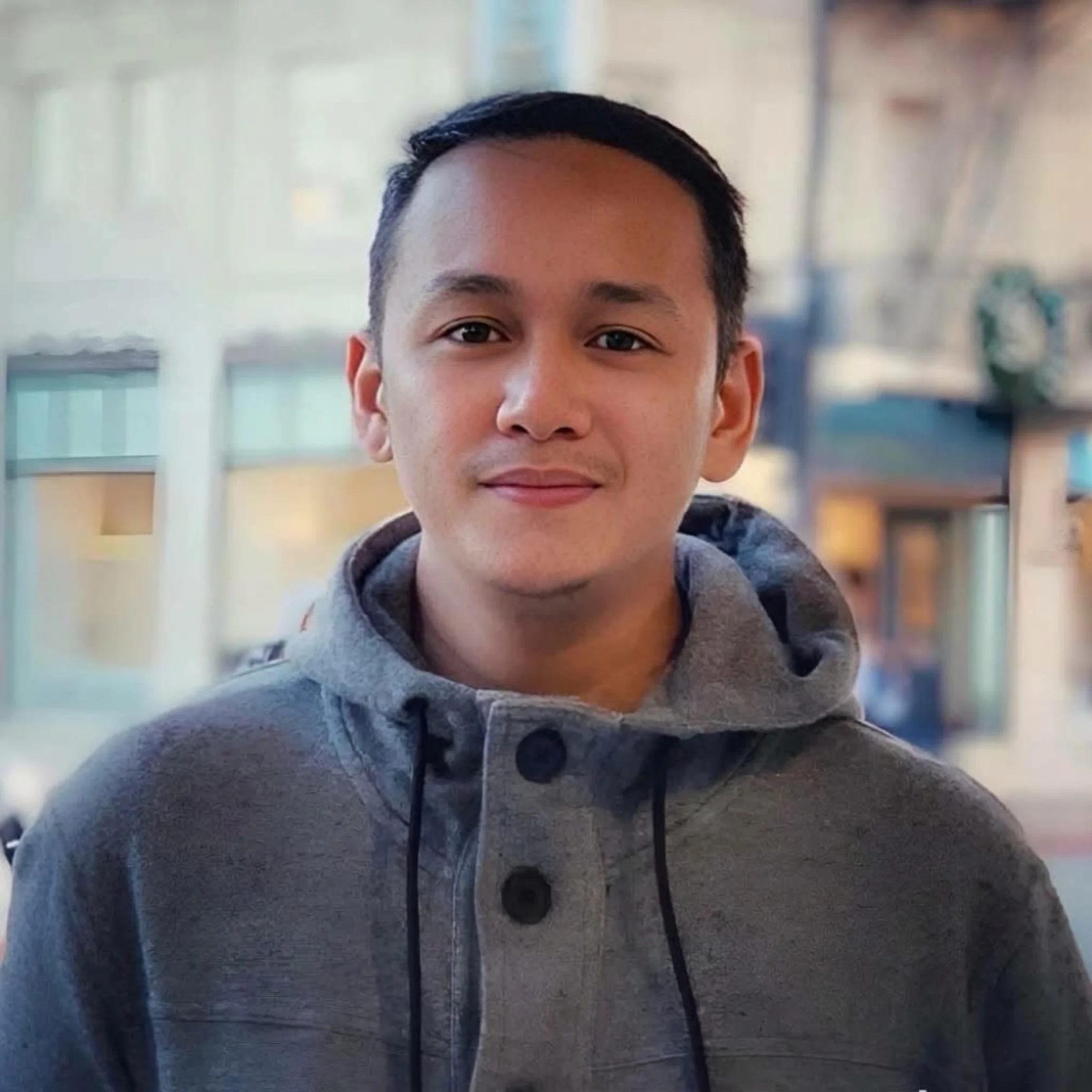
Chef Nadine Howell, the Corporate Chef for One World Deli and Pasta & Pizza Culinary Head for PYC Foods, has a similar view. She talks about how this current era of Filipino cooking is an opportunity to tell our own stories with intention, stating that it means “knowing our roots but never being afraid to evolve” as global recognition grows alongside a collective shift toward wellness and nutrition.
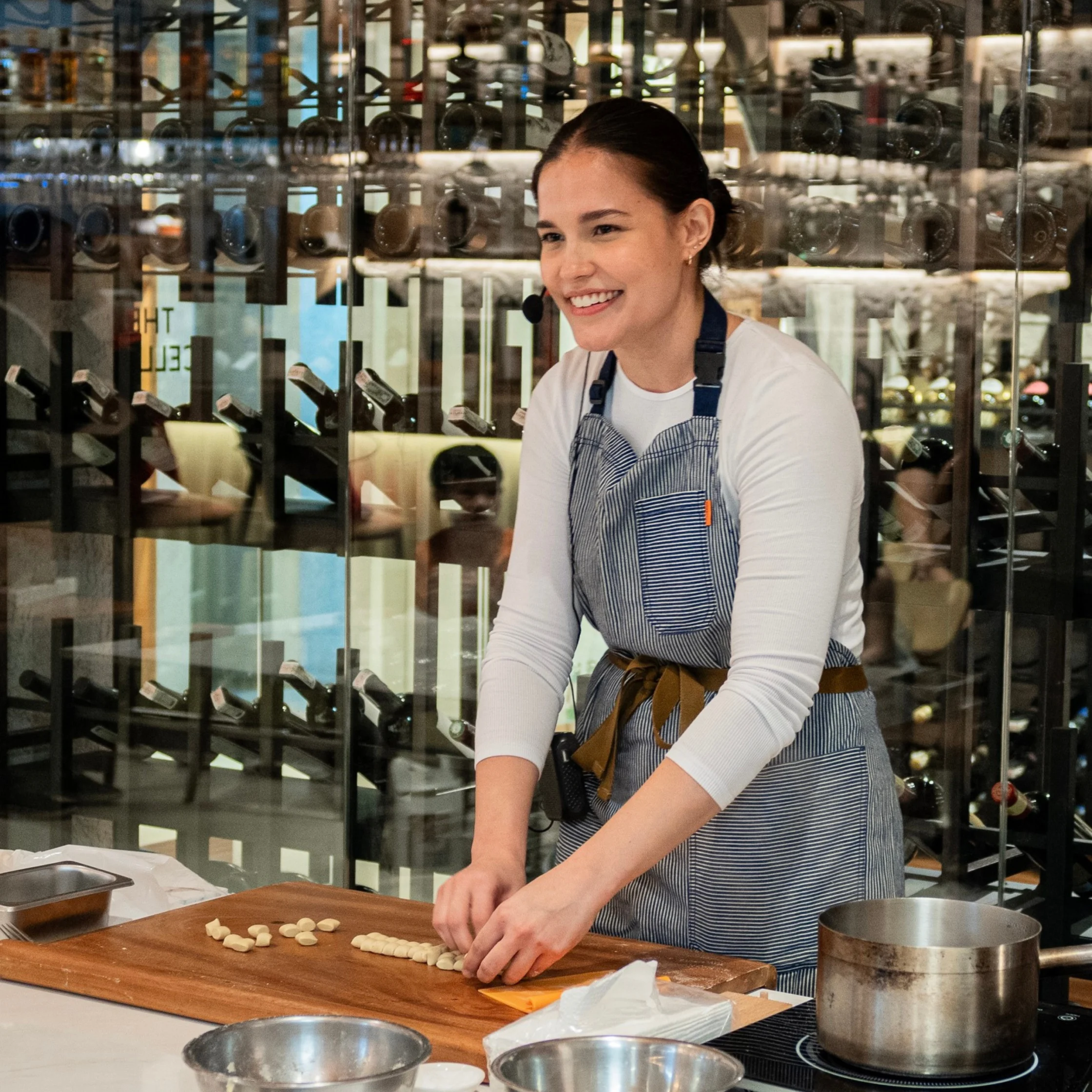
This sentiment is echoed by food content creator Arion Marin, which is befitting his personal mission “to see how far Filipino flavors can go.” He shares about he believes that honoring heritage shouldn’t mean being trapped by it. “Filipino cuisine has always been shaped by different cultures, influences, and generations of adaptation, and I think that evolution should continue.” While there is beauty in keeping recipes like adoboAdoboThe Filipino dish of meat or seafood braised in vinegar, soy sauce, garlic, bay leaves, and peppercorns. Widely regarded as the national dish, adobo varies from home to home andGo to Adobo Glossary identical to how grandparents taught us, Marin points out that pushing the cuisine forward requires the willingness to take creative risks without losing respect for history.
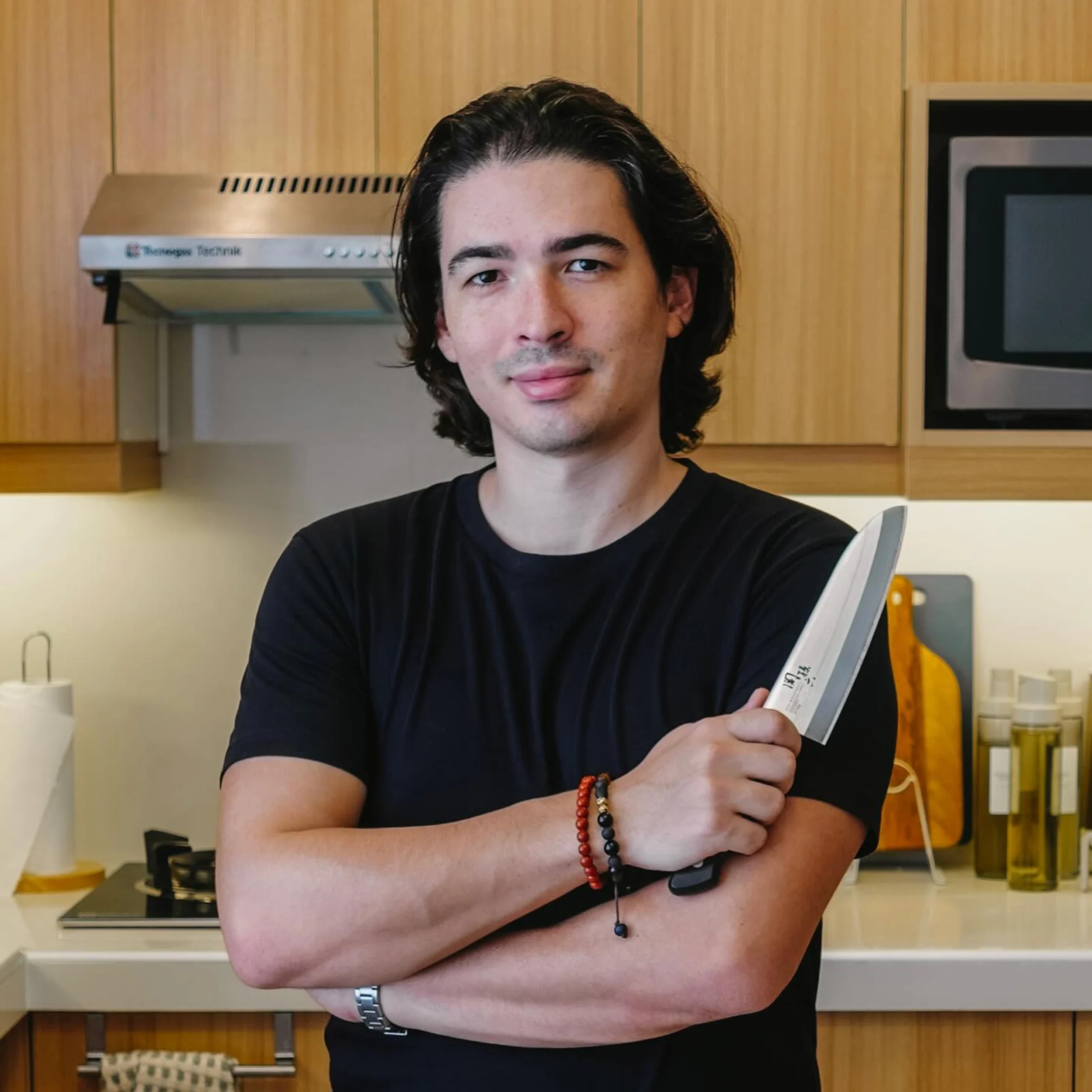
For head chef and co-owner of Hapag Thirdy Dolatre, this journey and movement through food as a whole is a privilege, one that he is very grateful to take part in. Fueled by his own regional research, he emphasizes “it’s equally important for us to look inward, understand our own food culture, and learn from the communities who continue to preserve these traditions… it’s about respecting our roots while finding ways to move Filipino cuisine forward.”
Local Expertise Without Borders
While regional roots anchor the cuisine, some chefs emphasize that a chef’s identity is not boxed in by geography or a single recipe book.
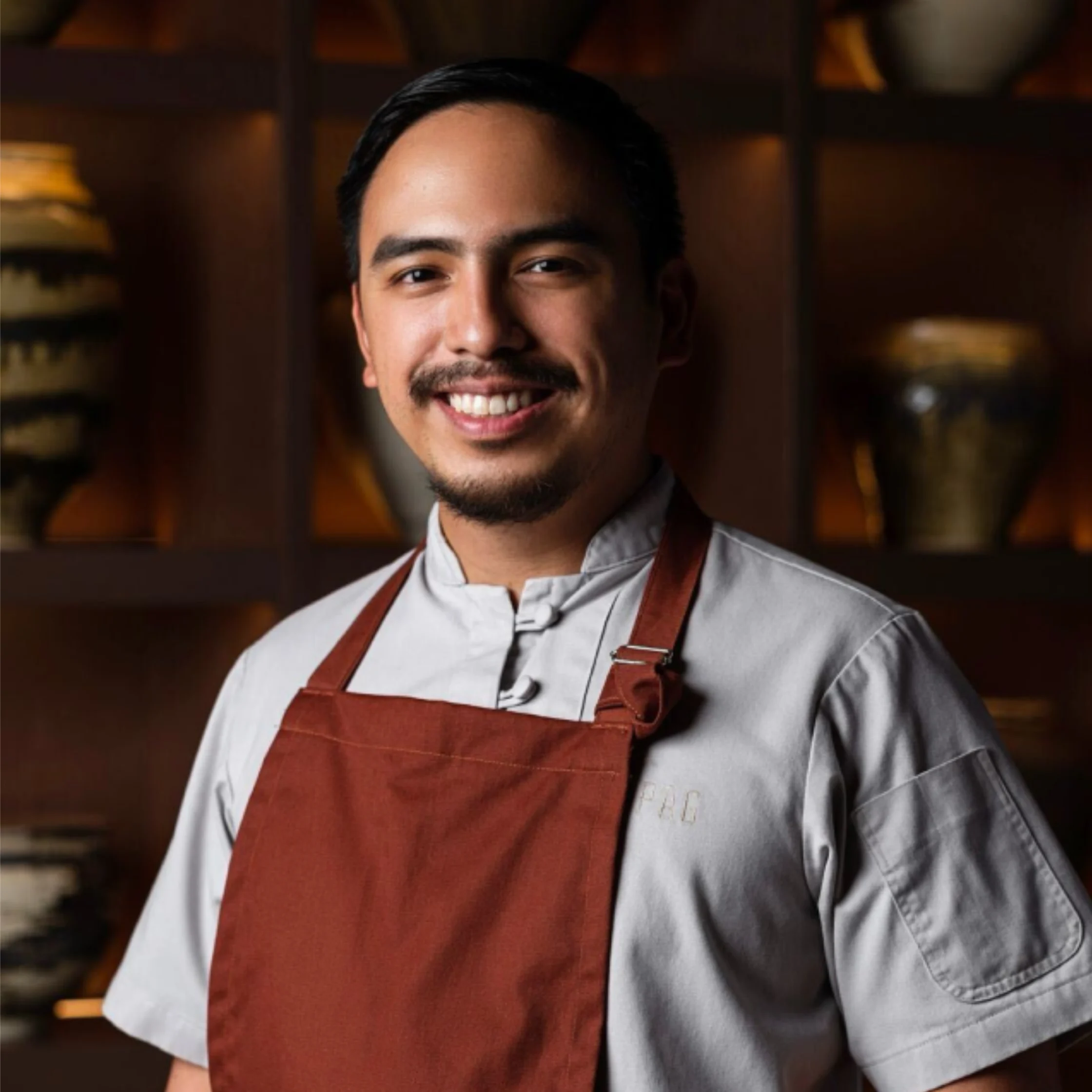
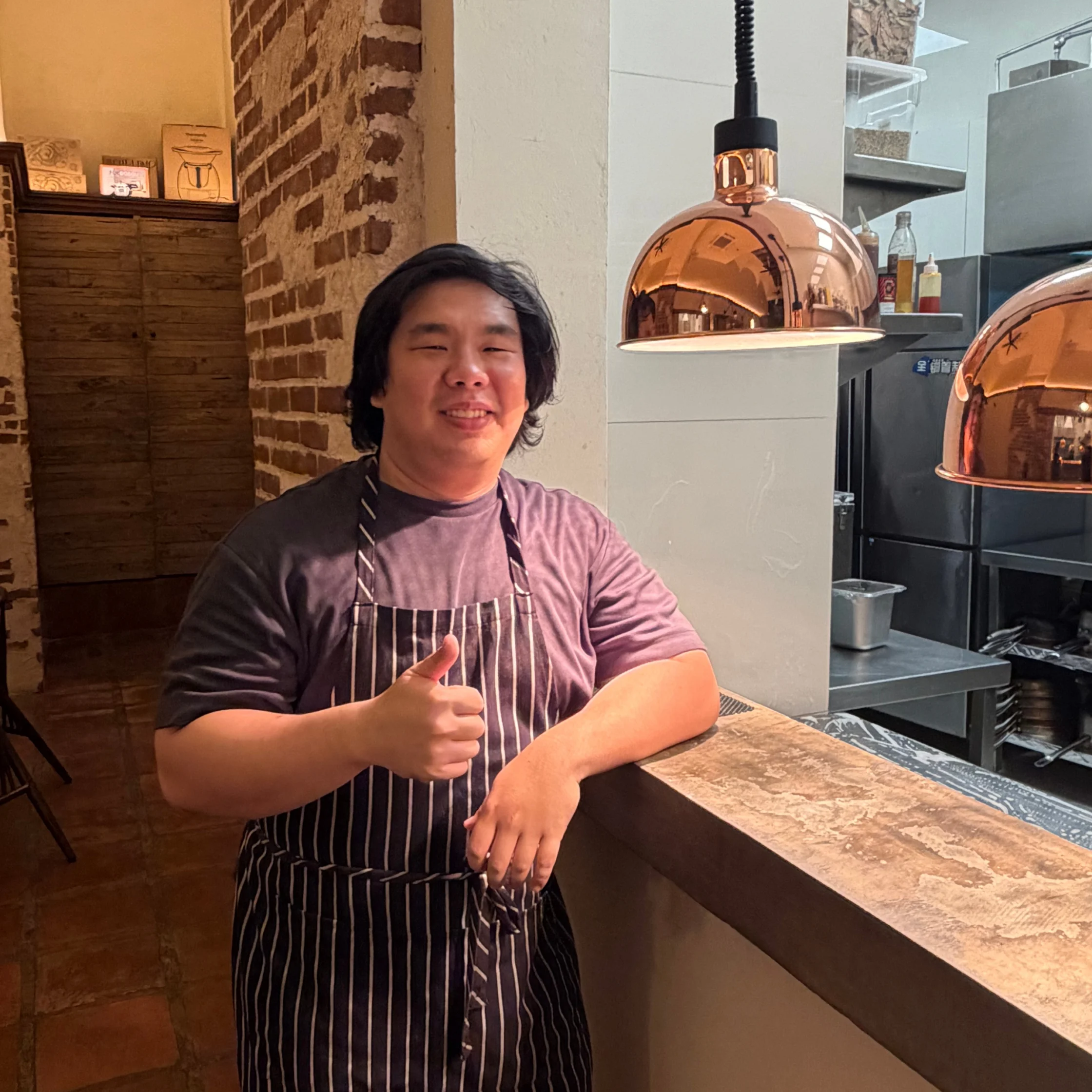
La Spezia and Manarola’s chef Aaron Cyril Shiu offers a refreshing perspective on the universality of the craft, noting that cooking transcends boundaries and traditions. “You can be a Filipino chef cooking Italian, French, or Japanese cuisine without losing your identity,” Aaron shares, explaining that our worth is defined by the knowledge and perspectives we bring to the kitchen rather than strict menu limitations. To him, the profession is about how far curiosity and discipline can take you. “Being Filipino is your identity, while being a chef is your craft.”
Responsibility Beyond the Pass
Beyond flavor, technique, and global reach, several chefs underscore that a kitchen’s impact must extend far beyond the dining room.
Chef Tatung Sarthou of Tatung’s, Azadore, Lore, Tindeli, and Pandan brings a grounded, urgent reality to the conversation. He reminds us that a beautiful dish in Manila means little if the primary producers cannot thrive. “If the farmer who grew our rice or the fisherman who caught our fish cannot afford to feed their own families well, then something in our work remains incomplete,” Tatung reflects. Pointing to the country’s rich natural abundance paired with the stark contradiction of hunger, Tatung stresses that the profession “calls for malasakit—genuine care for the people, communities, and resources that make our cooking possible. For Tatung, “food security is not simply about having enough calories. It is about kasapatan—having enough of what truly nourishes us—and sarap, the pleasure and satisfaction of eating well. Flavor carries culture, memory, and identity.”
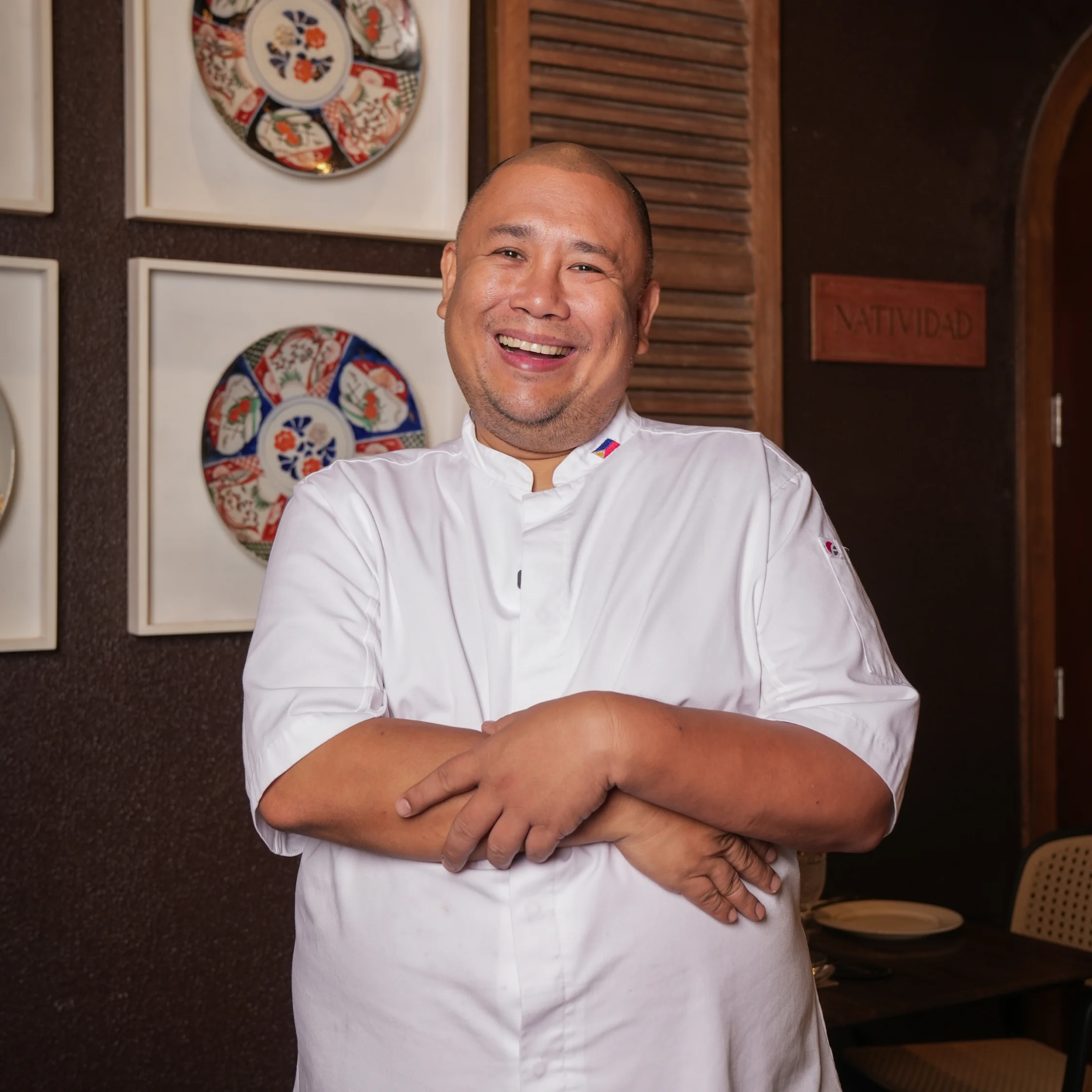
Chef Jam shares this commitment, emphasizing that celebrating diverse regions and working closely with local farmers helps strengthen communities and ensures the cuisine truly reflects its people. Chef Nadine adds to this, noting that resourcefulness is a core strength, but true responsibility involves “nourishing people, promoting healthier ways of eating, and helping shape a better food culture for Filipinos.”
Carrying the Culture Forward
Ultimately, the modern Filipino chef wears many hats. They must be an expert, teacher, storyteller, advocate. As chef Thirdy notes, “it’s [an honor] to be part of [the] movement [as Filipino cuisine is gaining more recognition around the world]… and I’m grateful to be part of that journey.” He also stresses that being part of said movement comes with the heavy responsibility of representing traditions accurately and respectfully.
As Chef Tatung beautifully summarizes, the work of a chef connects to something much larger than ourselves. “Ultimately, being a Filipino chef is about kapwa: we cook with puso and galing, in service of buhay and bayan.”

Frequently Asked Questions
Filipino chefs of today believe that respecting tradition does not mean being trapped by it.
Food content creator Arion Marin notes that while keeping recipes like adobo identical to family traditions is beautiful, pushing the cuisine forward requires taking creative risks: “Filipino cuisine has always been shaped by different cultures, influences, and generations of adaptation, and I think that evolution should continue.”
Similarly, chef Thirdy Dolatre emphasizes that moving the cuisine forward relies on looking inward: “it’s about respecting our roots while finding ways to move Filipino cuisine forward.”
It doesn’t have to!
Chef Aaron Cyril Shiu points out that a chef’s identity is separate from strict menu limitations, noting that cooking transcends boundaries. Ultimately, he believes that “being Filipino is your identity, while being a chef is your craft.”
Chef Nadine Howell highlights resourcefulness as one of our greatest strengths, stating that we know how to make the most of what we have without compromising flavor or quality. She stresses that the modern culinary responsibility goes even further: “It’s also about nourishing people, promoting healthier ways of eating, and helping shape a better food culture for Filipinos.”
It’s the farmers and local producers. They are the people behind every single ingredient chef’s need for their craft in the first place.
Chef Jam Melchor highlights the importance of “celebrating our diverse regions, supporting local farmers and producers, and prioritizing fresh, locally sourced ingredients” to help strengthen local communities.
Chef Tatung further stresses that a chef’s responsibility goes beyond the kitchen pass, noting: “If the farmer who grew our rice or the fisherman who caught our fish cannot afford to feed their own families well, then something in our work remains incomplete.”
Every chef’s answer to this question will be different, which is a good thing.
But general speaking, Filipino chefs are no longer mere creators of flavor or business owners. They go beyond simply executing recipes or cooking traditional meals. Being a Filipino chef today requires balancing a deep respect for heritage with the freedom to innovate, embrace regional research, and adapt to global influences. Ultimately, it is a role centered on purposeful storytelling, creative growth, and a commitment to local communities.