When it comes to Filipino cuisine, bagoong is the one salty, aromatic, and powerful condiment that brings countless dishes to life.
From dipping raw mango slices to adding depth to broths and sautéed vegetables, bagoong is not just a simple seasoning. It is, I’d argue, the poster child of our local fermentation traditions.
But let’s be honest, if you were tasked with picking up a jar at the grocery store, would you know which one to choose from the endless rows on the shelf? If you wouldn’t, you’re definitely not alone.
Finding the right bagoongBagoongA salty, umami-rich paste of fermented fish or shrimp, central to Filipino cooking. It seasons stews like pinakbet, tops green mango, and accompanies kare-kare, while the sautéed version, bagoong alamang,Go to Bagoong Glossary comes down to understanding what dish you’re making and matching it with the right variety.
Here’s a breakdown of the primary types of bagoongBagoongA salty, umami-rich paste of fermented fish or shrimp, central to Filipino cooking. It seasons stews like pinakbet, tops green mango, and accompanies kare-kare, while the sautéed version, bagoong alamang,Go to Bagoong Glossary and what they are best used for.
Bagoong Alamang
This is the most popular and familiar type of bagoongBagoongA salty, umami-rich paste of fermented fish or shrimp, central to Filipino cooking. It seasons stews like pinakbet, tops green mango, and accompanies kare-kare, while the sautéed version, bagoong alamang,Go to Bagoong Glossary for most people. It is made from alamang or tiny shrimp or krill cured in salt.
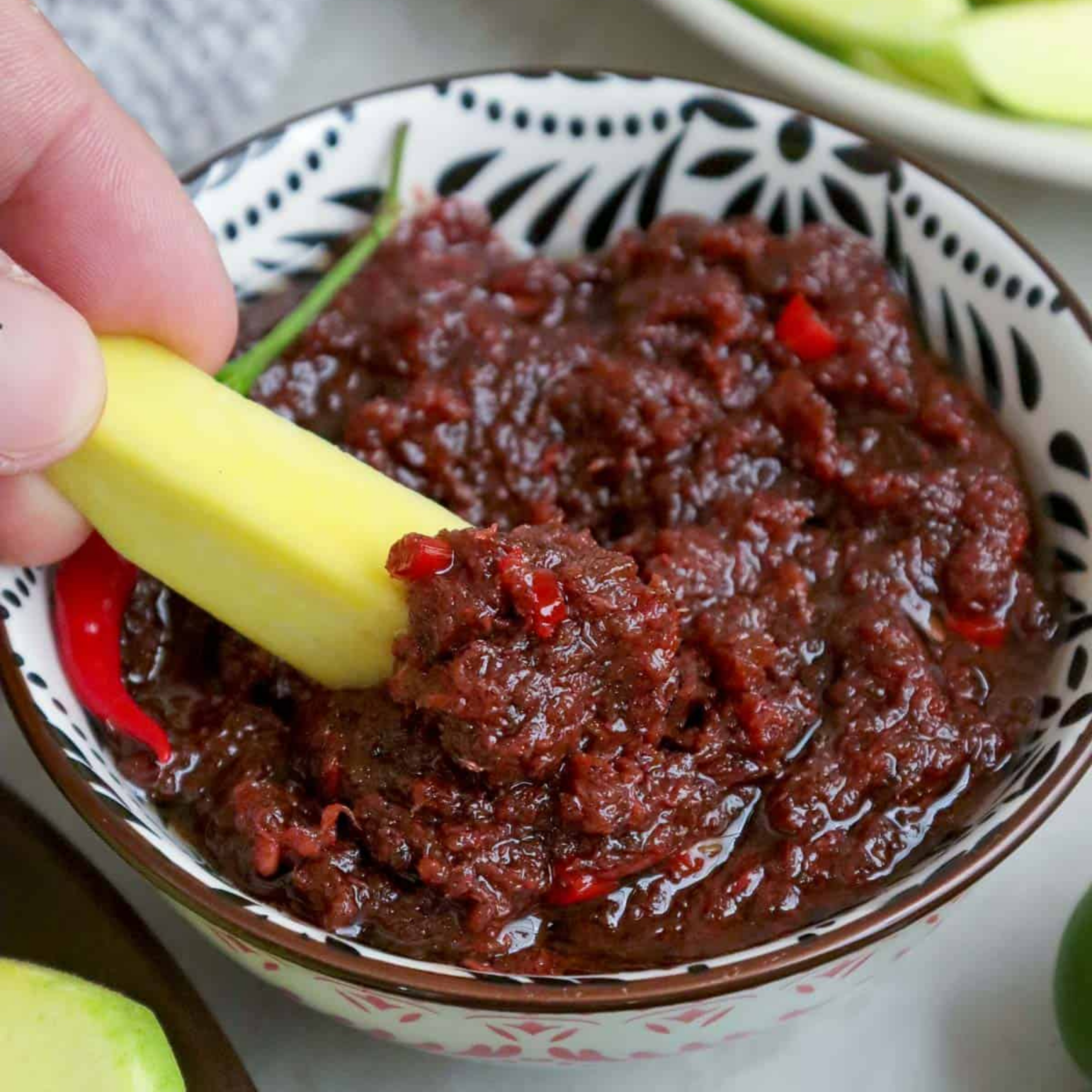
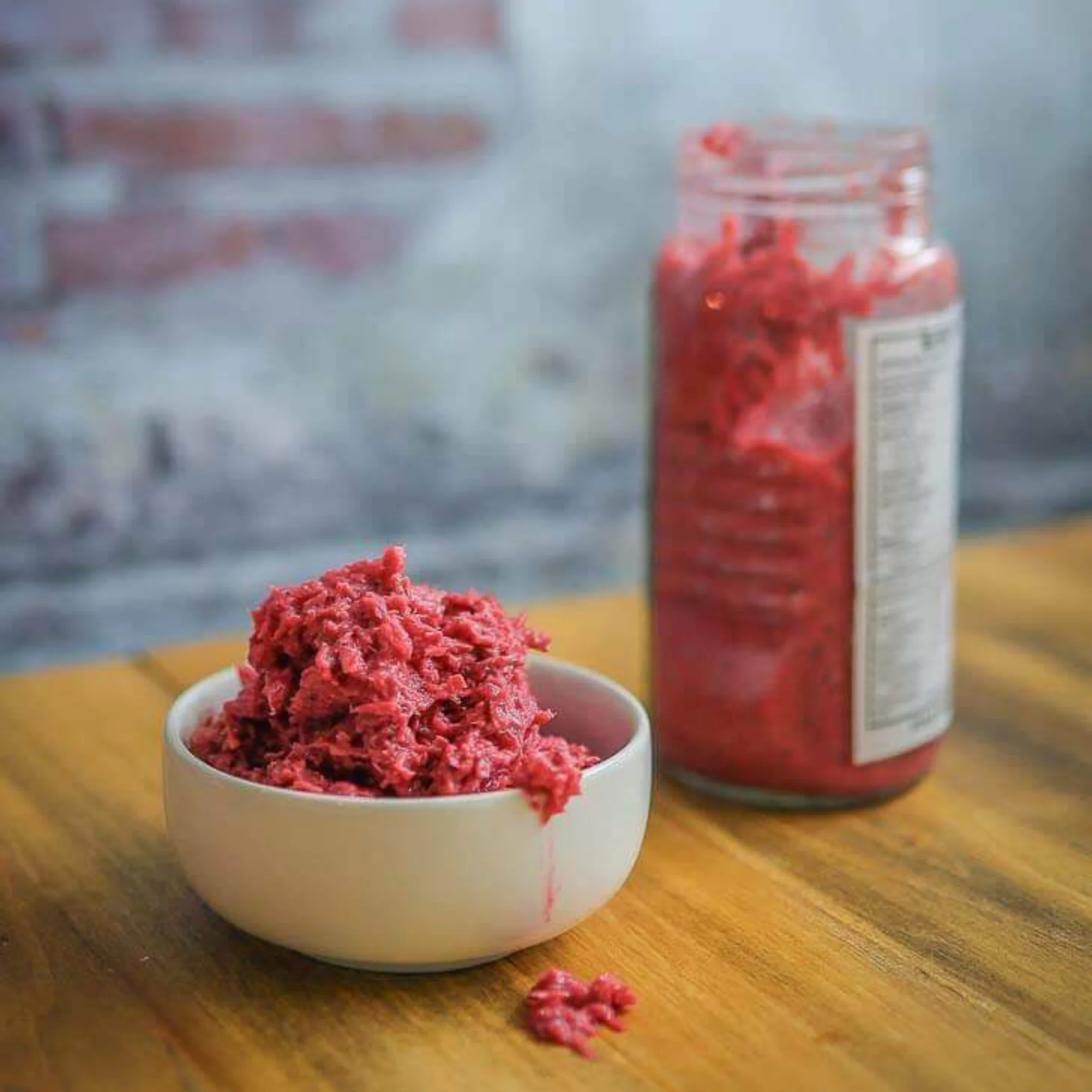
Its color through the glass bottle varies depending on which version you are looking at. If it looks like a light pinkish-grey soft paste, then you are looking at sariwa or raw bagoongBagoongA salty, umami-rich paste of fermented fish or shrimp, central to Filipino cooking. It seasons stews like pinakbet, tops green mango, and accompanies kare-kare, while the sautéed version, bagoong alamang,Go to Bagoong Glossary alamang. But if it looks deep reddish-brown or dark brown, that is sautéed or ginisang bagoong.
You can opt to buy it pre-cooked and bottled, in which case you can expect it to have added sugar, oil, garlic, or chili. Alternatively, if you want to try sautéing raw bagoongBagoongA salty, umami-rich paste of fermented fish or shrimp, central to Filipino cooking. It seasons stews like pinakbet, tops green mango, and accompanies kare-kare, while the sautéed version, bagoong alamang,Go to Bagoong Glossary yourself, you can cook it in oil with garlic, onions, tomatoes, a splash of vinegar, pork fat, and chili to your liking.
BagoongBagoongA salty, umami-rich paste of fermented fish or shrimp, central to Filipino cooking. It seasons stews like pinakbet, tops green mango, and accompanies kare-kare, while the sautéed version, bagoong alamang,Go to Bagoong Glossary alamang is the ultimate dip for sour green mangoes or singkamas. It’s also a core ingredient in favorite dishes like pork binagoongan and as a flavor enhancer for kare-kare and Tagalog-style pinakbet.
If you are pressed for time, buying ready-made ginisang bagoongBagoongA salty, umami-rich paste of fermented fish or shrimp, central to Filipino cooking. It seasons stews like pinakbet, tops green mango, and accompanies kare-kare, while the sautéed version, bagoong alamang,Go to Bagoong Glossary alamang is a very convenient choice. Just make sure it looks clean and possesses a natural color. Avoid buying the ones that have an overly bright artificial pink color to them.
Bagoong Isda
While alamang uses shrimp, bagoongBagoongA salty, umami-rich paste of fermented fish or shrimp, central to Filipino cooking. It seasons stews like pinakbet, tops green mango, and accompanies kare-kare, while the sautéed version, bagoong alamang,Go to Bagoong Glossary isda is created by fermenting small, whole fish with coarse salt. It is saltier, more fish-forward, and possesses a sharper, more pungent umami compared to bagoong alamang. Some variants contain intact fish solids, while others are strained down into a liquid sauce.
Traditionally, they are left to ferment inside large earthen fermentation jars called tapayan, but commercial and modern producers opt to use plastic drums or concrete vats as they are easier to clean and can hold larger batches at a time.
Unsurprisingly, the types of fish used vary greatly depending on the region and producer. There are many varieties from the Ilocos region (bagoong terong, made from bonnetmouth) and Pangasinan (bagoong padas, made from rabbitfish). Across Visayas, you’ll find ginamos (a staple anchovy paste in Cebu and Bohol), tinabal (specialty of Bohol and Leyte that uses larger, whole fish like parrotfish), and bagoong sisi (fermented oyster primarily produced in Roxas City, Capiz).
But for the simplicity of this guide, let’s cover just two other bagoong variants you are most likely to see stocked in store.
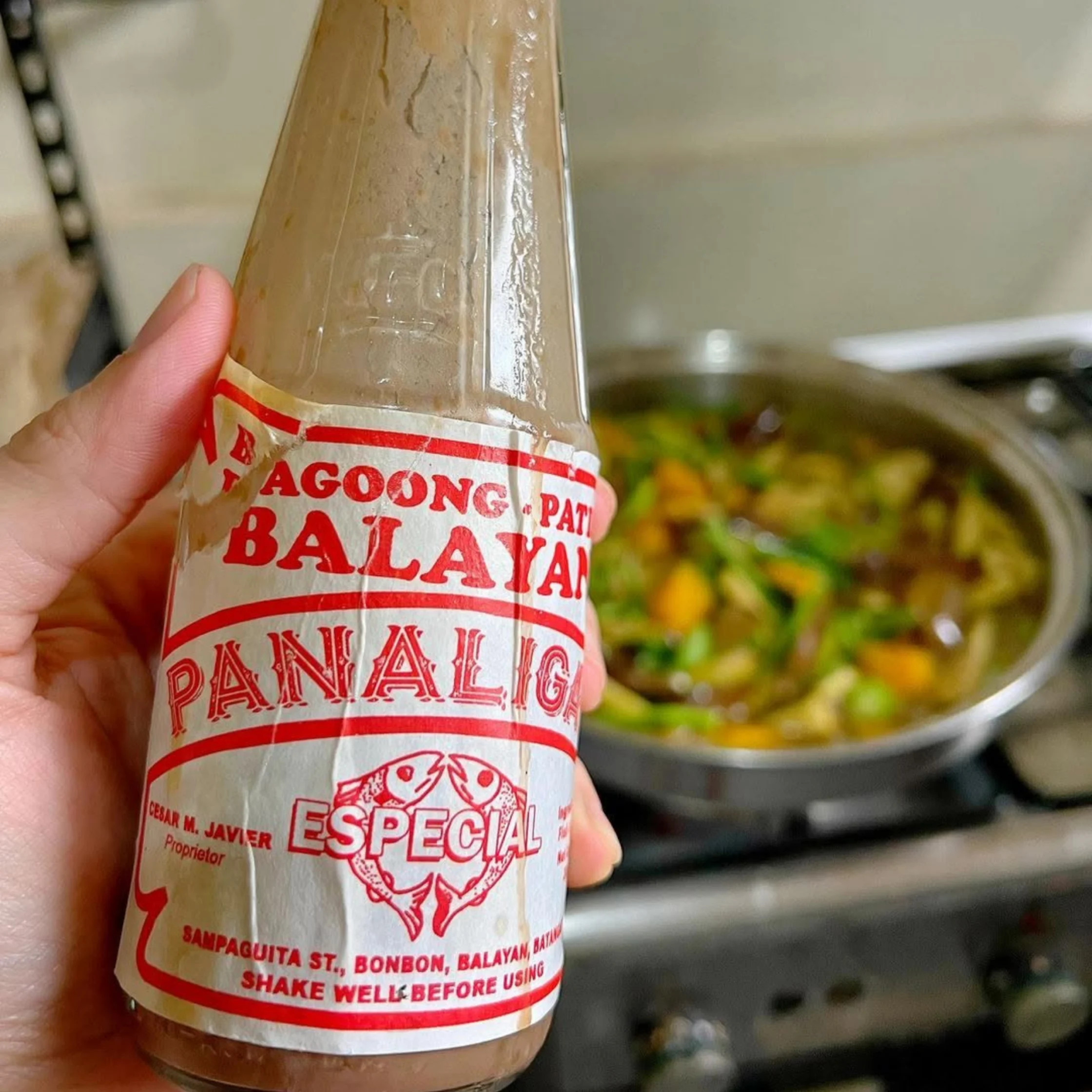
Bagoong Balayan
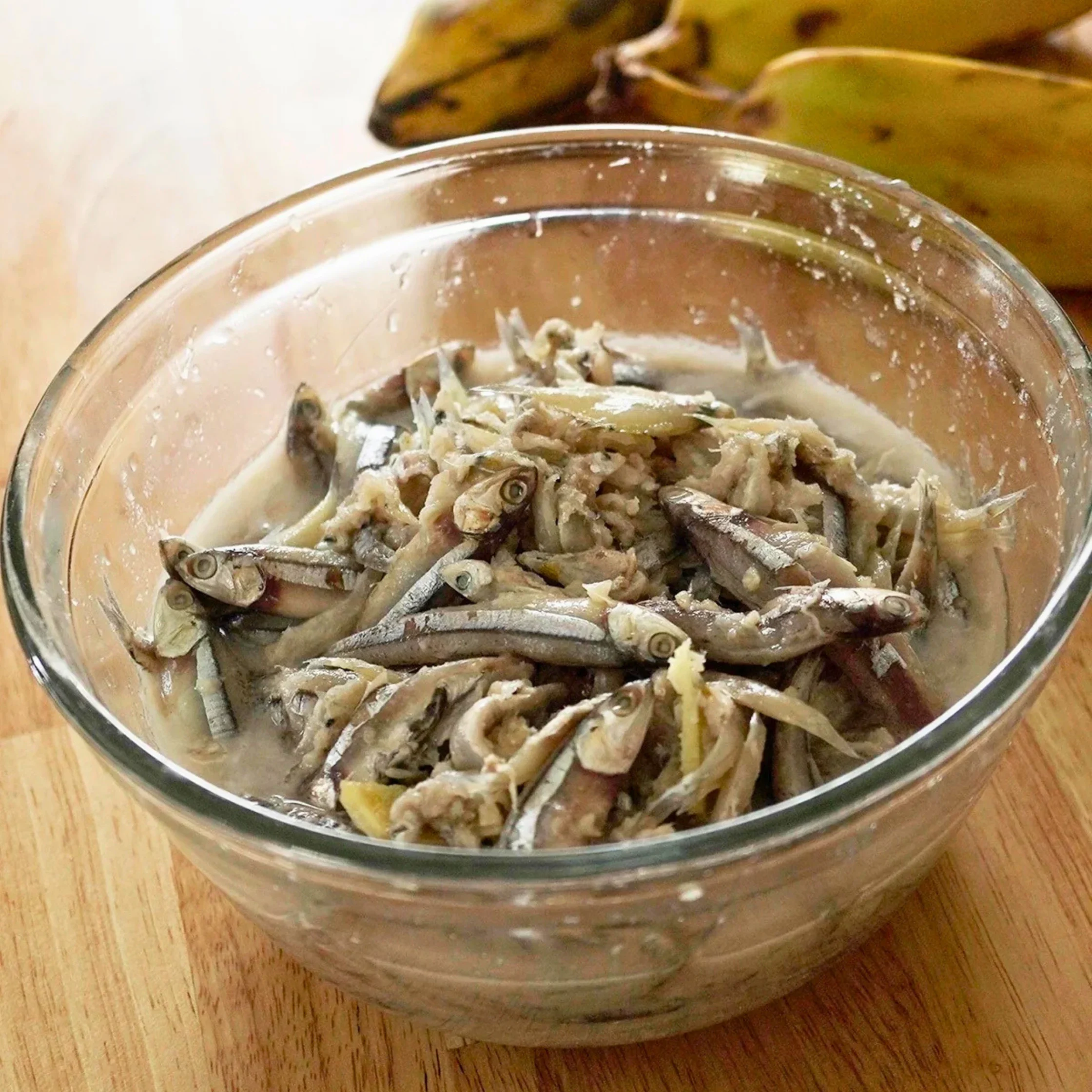
This is a specialized regional bagoong isda originating from Balayan, Batangas. It is typically made from fermented dilis or tamban. Tasting it, it has an earthy, pungent, extremely savory, and is slightly less sweet than commercial fish sauces.
Fun fact: the liquid extract drained off bagoong Balayan is traditionally bottled as high-grade patis.
When buying it, it’s often sold in clear glass bottles or plastic containers direct from Southern Tagalog producers, ranging from a thick cloudy liquid with fine sediment to a chunky whole-fish mixture.
Because it is smoother and more pourable than chunkier fish pastes, it is used in Batangas and Southern Tagalog cuisine to season regional broths and boiled vegetable dishes. When combined with calamansi, crushed chili, and either warm water or hot rice broth, it can also be a sawsawan to be eaten with fried fish or grilled pork belly.
Bagoong Monamon
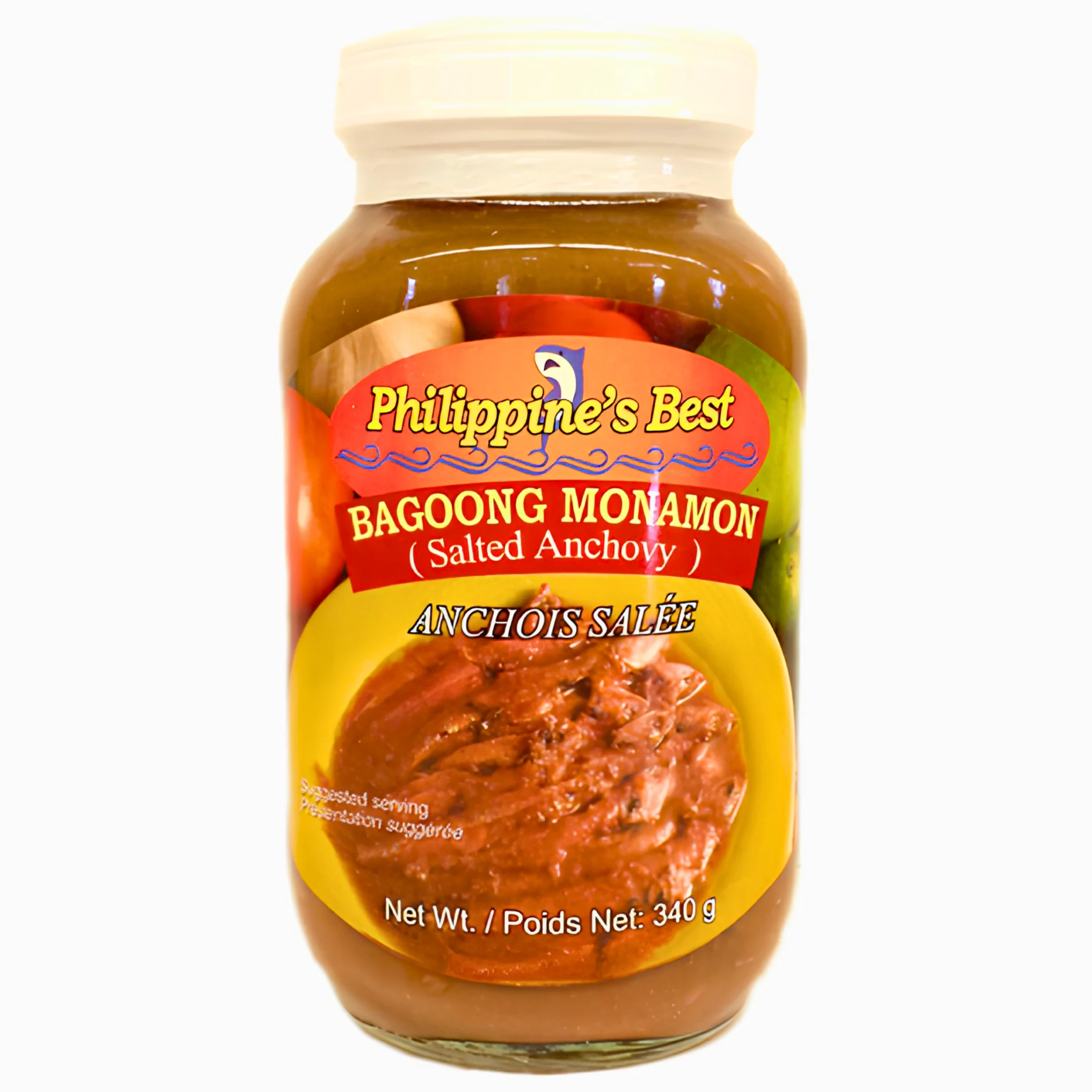
BagoongBagoongA salty, umami-rich paste of fermented fish or shrimp, central to Filipino cooking. It seasons stews like pinakbet, tops green mango, and accompanies kare-kare, while the sautéed version, bagoong alamang,Go to Bagoong Glossary monamon is an essential ingredient in Northern Ilocano and Pangasinan cuisine. Made primarily from fermented monamon or anchovies and scad, it is known for its sharp, extremely pungent aroma and potent flavor profile to match.
When you see it in store, it should be a thick, dark, textured paste or strained dark amber liquid with fine anchovy solids.
Because its flavor is so potent, it can be enjoyed directly as ulam main dish spooned over plain, steaming white rice or used as a pungent dressing for native salad greens, talbos ng kamote, or simmered vegetables.

Frequently Asked Questions
It appears as a soft paste ranging from a light pinkish-grey (raw/sariwa) to deep reddish-brown or dark brown (sautéed/ginisang bagoong). You can buy it pre-cooked and bottled for convenience or buy it raw to sauté at home.
It originated from Balayan, Batangas. It is from fermented dilis or tamban. It has an earthy, pungent, and savory flavor, and its drained liquid extract is traditionally bottled as high-grade patis.
Known for its extremely sharp, pungent aroma and potent flavor, it is strong enough to be eaten directly as a main ulam over plain white rice or used as a pungent dressing for native salad greens and boiled vegetables.
Bagoong isda is made by fermenting small, whole fish with coarse salt inside. Some variants contain intact fish solids, while others are strained down into a liquid sauce.
If you want an immediate dip or topping, buy ginisang bagoong sautéed. If you plan to build a stew or fry it from scratch with garlic and pork fat, buy sariwa.
Keep opened jars tightly sealed in the refrigerator. Always use a clean, dry utensil when scooping to prevent spoilage.