Choosing a bottle of wine is part knowledge, part instinct.
You might reach for something familiar, pick a bottle because the label catches your eye, or try something new because it sounds good with dinner. You don’t necessarily need to know the difference between every grape variety to know what you enjoy.
For 25 years, Yellow Tail has built its identity around that simple idea. Born from an Australian family winery and introduced to the US in 2001, the brand found an audience by offering wines that were fruit-forward, approachable, and easy to choose.
Its success wasn’t simply about selling affordable wine. It was about giving different kinds of drinkers a way in, building a recognizable Australian identity around that idea, and making room for people to discover their own tastes along the way.
From a Family Winery to an International Name
The story began with Casella Wines, established in 1965 in Riverina, New South Wales, by Italian immigrants Filippo and Maria Casella. For decades, the family business primarily supplied grapes to larger wine producers. Their son, John Casella, took over the winery in 1994 and invested in expanding its production capabilities, laying the groundwork for a brand that would eventually reach far beyond Australia.
That opportunity came through a partnership with US wine distributor W.J. Deutsch Company. After an earlier collaboration failed to gain traction, the two family-owned businesses tried again, this time with a different approach. They wanted a wine that could stand out on the shelf, deliver on quality for its price, and appeal to drinkers who weren’t necessarily looking for a traditional wine experience.
Yellow Tail launched in the US in 2001, initially with Shiraz and Chardonnay. The response quickly exceeded expectations: the brand sold almost 200,000 cases in its first year, against an initial projection of 25,000. Within two years, its Shiraz had become America’s best-selling red wine across both imported and domestic offerings. By its fourth year, Yellow Tail had also become the country’s leading imported wine.
The early success established the foundation for the brand’s international growth. It launched in Australia in 2004 and is now sold in more than 50 countries. In 2025, it was recognized by IWSR as the world’s No. 1 Australian wine brand by volume and value for the eighth consecutive year.
Finding Your Own Taste
A wine list can come with its own vocabulary: tannins, acidity, body, finish. These terms can be useful, but they can also make choosing a bottle feel more complicated than it needs to be. Yellow Tail takes a more relaxed approach, offering a range of reds, whites, and sweeter styles that give drinkers different ways to figure out what they like.
Take Shiraz, for instance. Yellow Tail describes its version as rich and smooth, with red berry, cherry, and plum notes alongside hints of vanilla and spice. Those flavors make it a natural option for a hearty meal, particularly grilled meats. A fuller red can complement a dish’s savory richness, while its fruit character adds another dimension to the pairing.
The point isn’t to turn dinner into a formal tasting. It’s to notice what you enjoy, whether that’s a bold red with a grilled meal or a sweeter wine poured at a gathering with friends. Preferences can change with the food, the company, and the occasion. There’s no single right way to discover them.

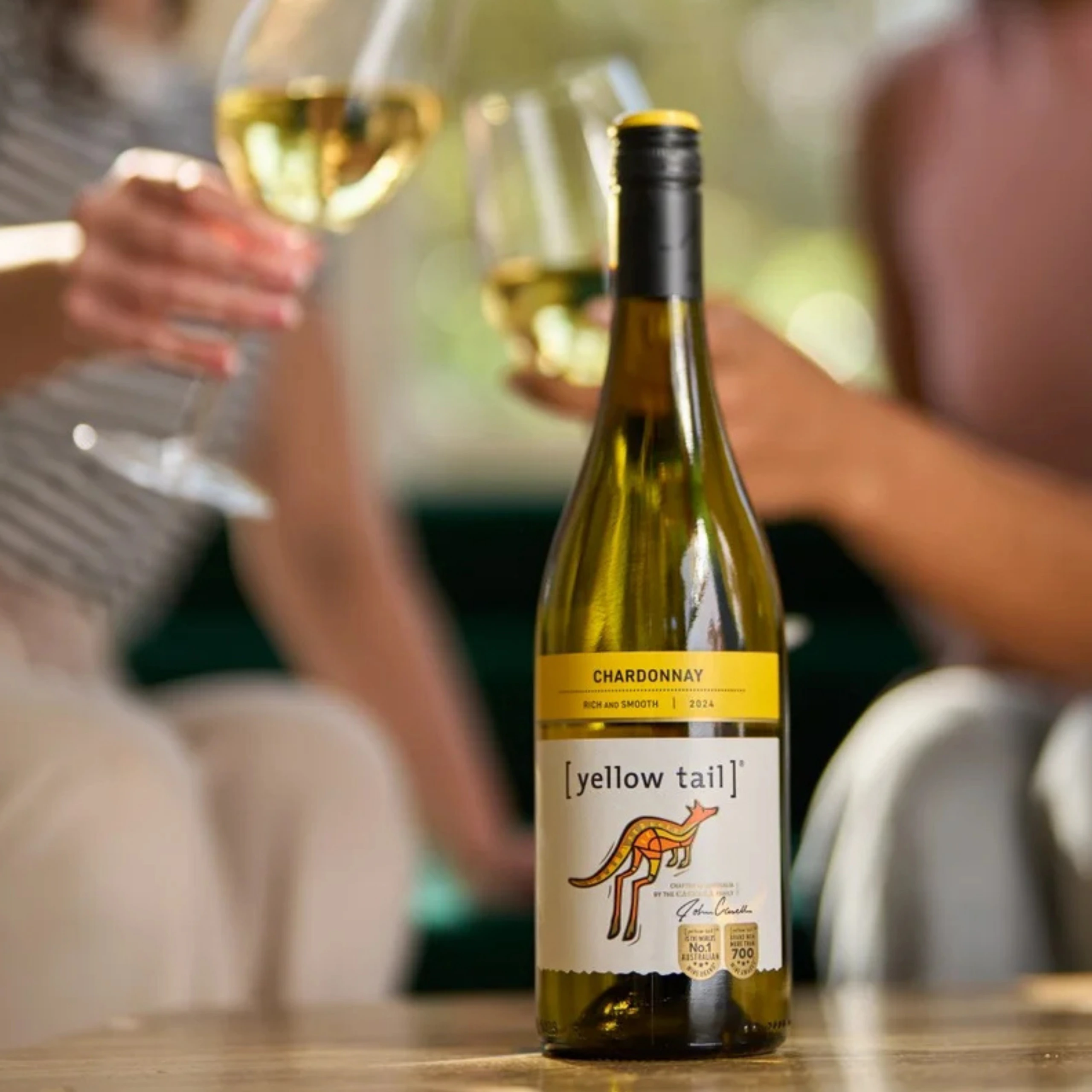
That easygoing sensibility is part of what has defined Yellow Tail from the beginning. Its bold label and familiar kangaroo emblem helped it stand apart from more traditional wine packaging, while its range gave people room to explore beyond one bottle or variety. The brand’s distinctly Australian character comes through in that uncomplicated approach: enjoy the wine, find what you like, and don’t let the rules get in the way.
Why Moscato Matters in the Philippines
In the Philippines, that approach has found a particularly strong expression in Moscato. With its sweeter profile and easy-drinking character, the variety has become an important part of Yellow Tail’s local story, finding an audience in a market where sweet food and beverages already have a common place at the table.
The brand introduced its first Moscato in the Philippines in November 2011. Red Moscato followed in June 2020, Pink Moscato in October 2023, and Gold Moscato in February 2025. Each addition gave local drinkers another way to explore the style, with Pink Moscato becoming one of the brand’s best-selling wines in the country.
Moscato’s appeal also lends itself to the way Filipinos gather around food. A sweeter wine can offer a welcome contrast to spicy dishes, while its fruit-forward character makes it an easy companion to casual get-togethers and celebrations. Rather than requiring a special occasion or an elaborate pairing, it can find a place in the everyday moments that bring people together.
Beyond Moscato, Yellow Tail’s popular Philippine offerings include Cabernet Sauvignon, Merlot, Shiraz, and White Moscato.
Twenty-Five Years of a Different Approach
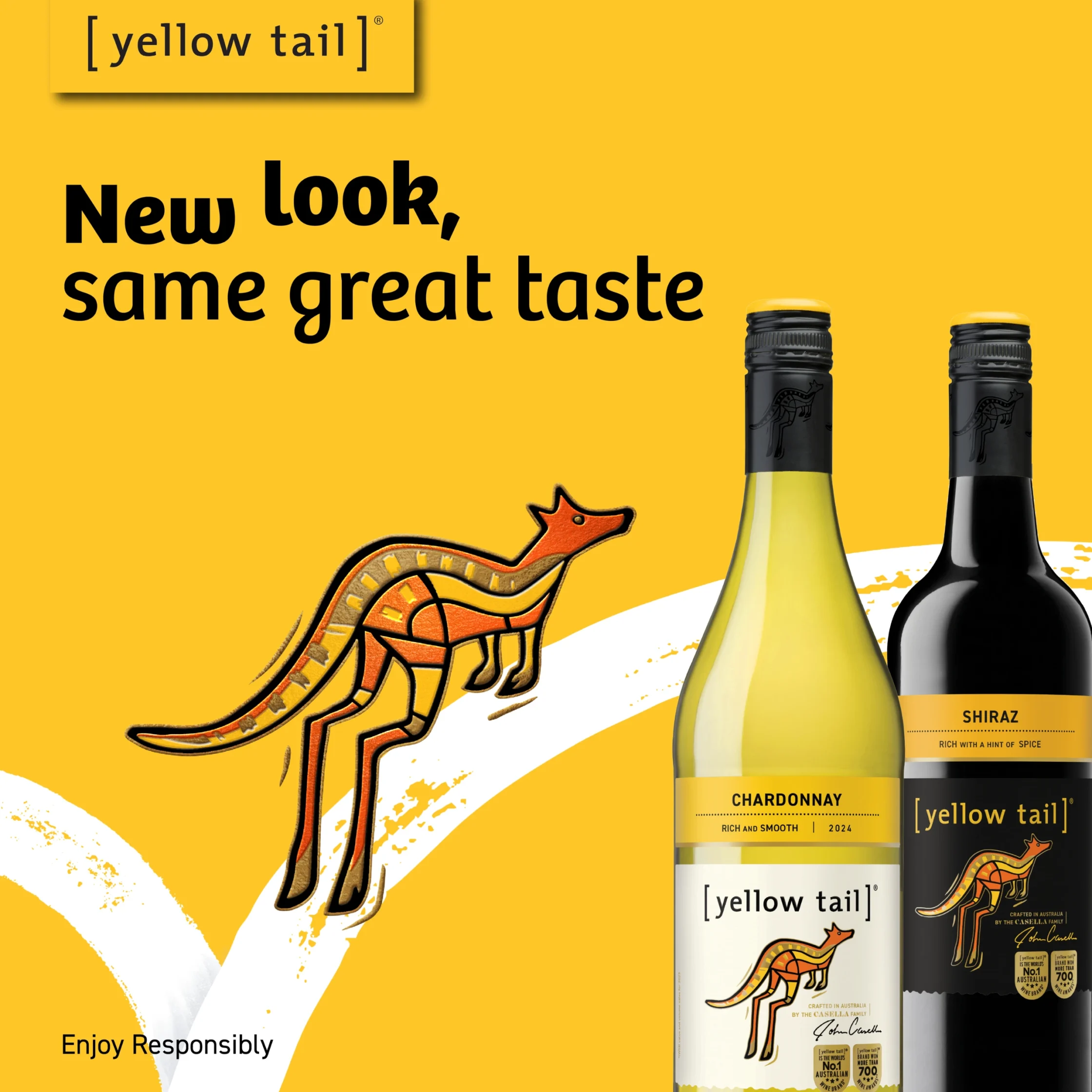
As Yellow Tail marks its 25th anniversary, it is also entering a new chapter with refreshed packaging. The updated look brings a more contemporary feel to the brand while retaining the recognizable Roo that has been part of its identity from the start. It’s a visual evolution that keeps the familiar character in place while making room for what’s next.
The distinction matters. A brand can change its look without losing what people know it for, just as a drinker can try a different variety without abandoning an old favorite. After 25 years, Yellow Tail’s story is still rooted in the idea that wine doesn’t have to be intimidating to be enjoyed.
For Yellow Tail, that idea has been central to its identity for a quarter of a century. You can spend years learning about wine, but the pleasure starts much more simply: finding something you like and figuring out why.