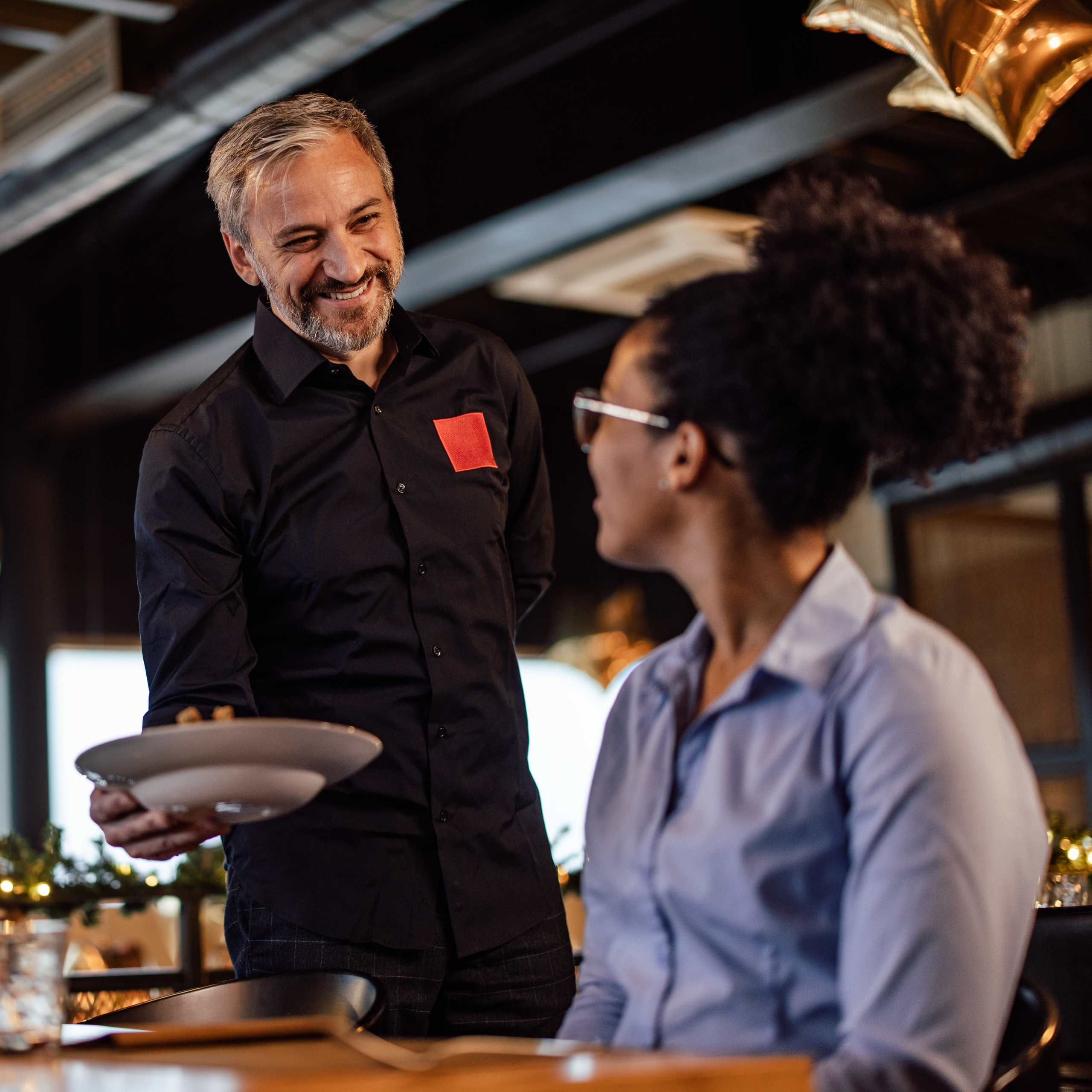
Running a restaurant involves so much more than what simply ends up on the plate. Behind every dish are long hours of prep, kitchen and from-of-house teams working in sync, rising ingredient costs, and countless pivotal decisions that diners may never get to witness.
We asked chefs from all over the Philippines what they wished customers understood about operating a restaurant—from the realities of the kitchen to the thought and hard work behind every meal. Consider this a little food for thought the next time you dine out.
Bryan Kong, owner of Kurimu and Now Now Canteen in Manila:
“When a restaurant is new, give it a little breathing room. There’s only so much you can learn before opening the doors. Once service begins, the team needs time to gather feedback, make adjustments, and find its rhythm. That doesn’t excuse a bad experience, but as our local dining scene grows and tries new things, I hope diners will give a restaurant a second chance, especially if their first visit was during its opening days.”
He adds, “Please also be kind to the reservations team. Their job is to honor the bookings of guests who reserved through the proper channels. If they can’t accommodate you as a walk in, please don’t take it personally or take it out on them. They’re doing their job and keeping a commitment to someone else.”
Another one of his pet peeves is people using the ‘I’m friends with the owner’ card when something isn’t satisfactory. “Please tell the team what went wrong and give them a chance to fix it. Knowing the owner shouldn’t be a requirement for getting something resolved, or a reason to pressure the staff. My friends would message me directly. They wouldn’t use our friendship as leverage at the table.”
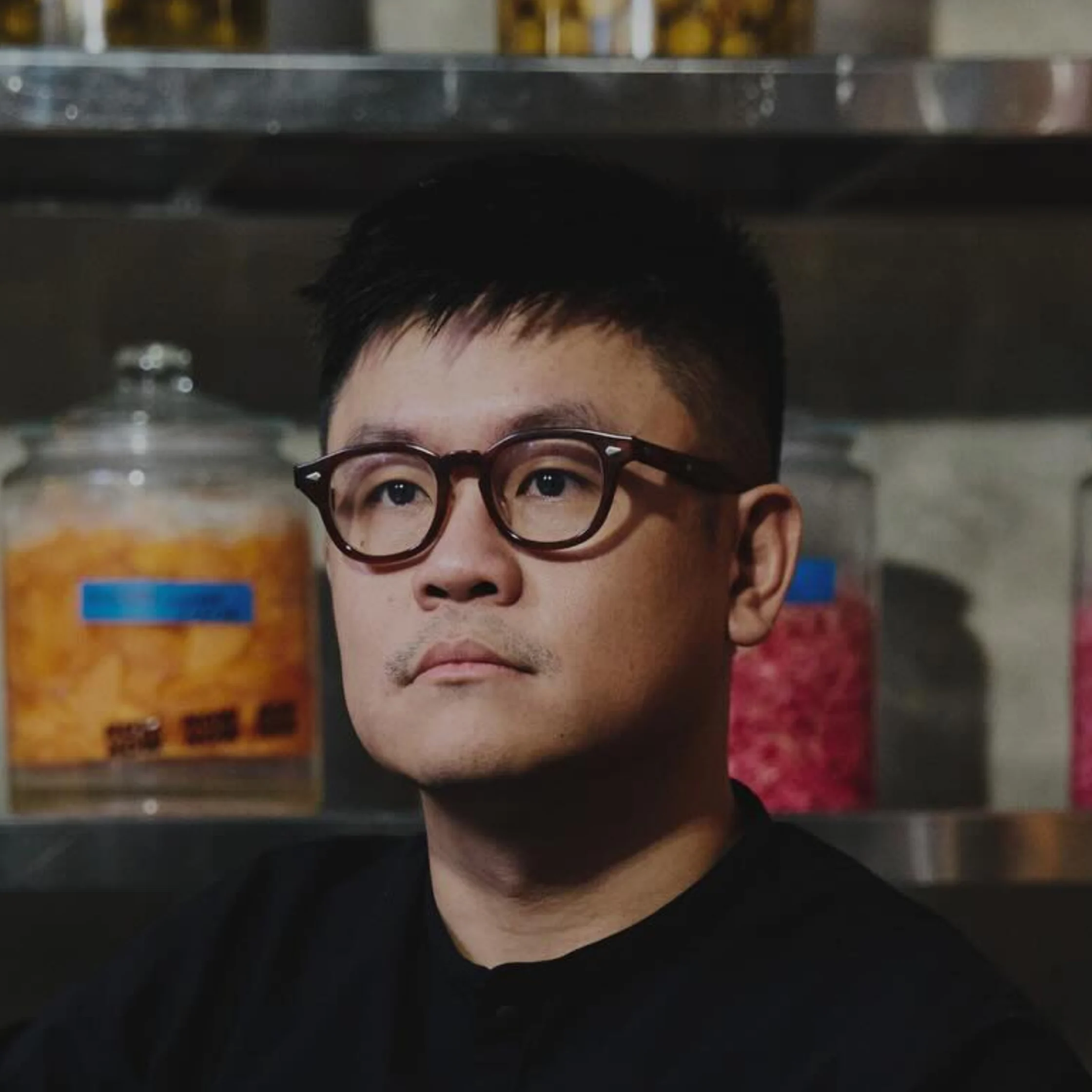
Paul Samson, R&D Chef for Cebu Golden Restaurant Inc.:
“As an R&D chef, I know how much time and effort it takes to perfect a dish or menu and ensure that it can be properly executed by the kitchen team before it is launched in a restaurant. We strive for perfection, but we all know that perfection is impossible. That’s why, if possible, in an ideal scenario, customers who have had a bad experience or are unhappy with their meals could approach the restaurant or chef directly to share their feedback and give them a chance to correct their mistakes and improve, rather than immediately blasting them on social media.”
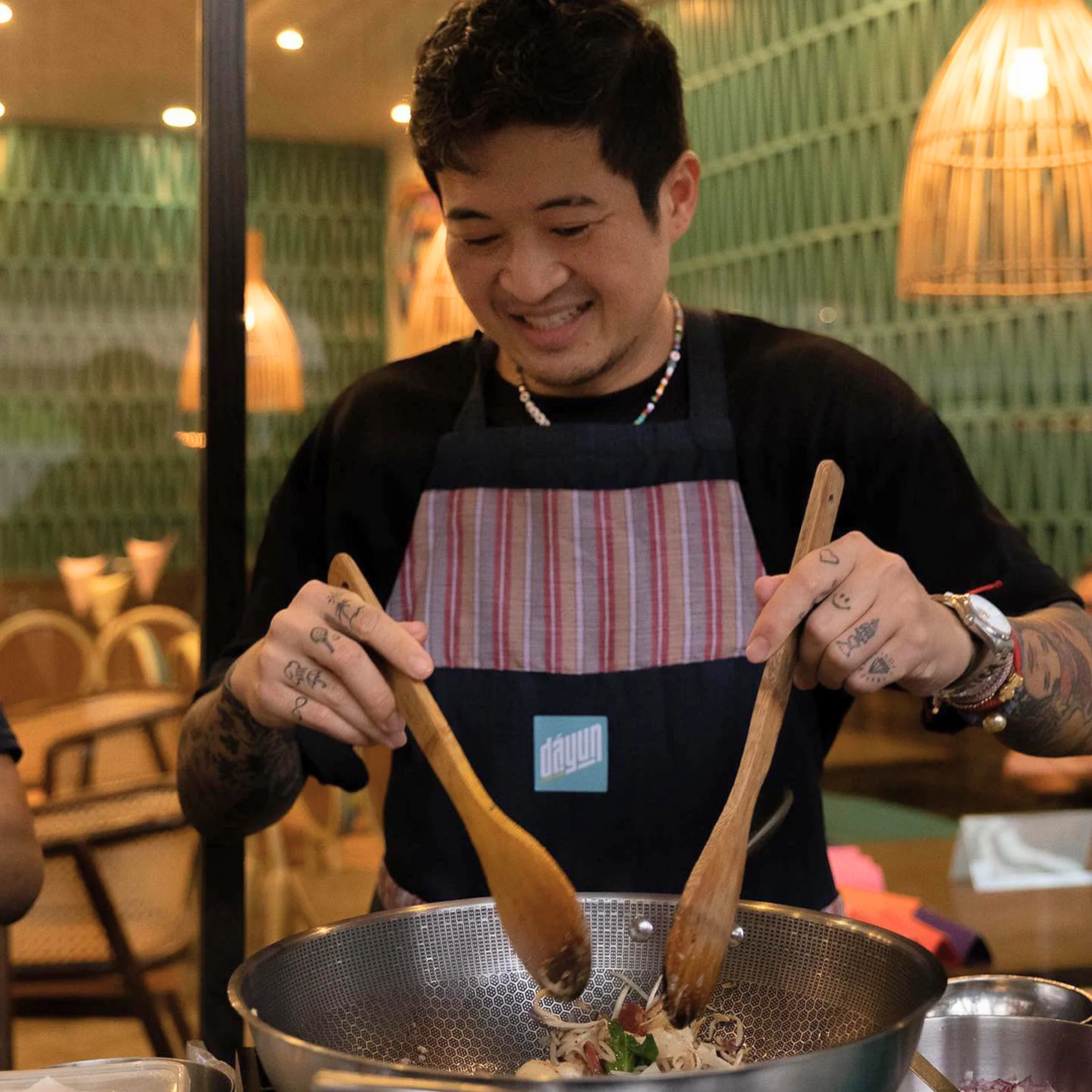
Filippo Turrini, Culinary Director for KAOS (Roots, Branch by Roots in Siargao):
“I think people often don’t realize how much work goes into staying genuinely committed to good, clean and fair food systems. Building short supply chains, respecting seasonality, and prioritizing ingredients from our immediate surroundings over those brought in from elsewhere requires a tremendous amount of effort.”
“It means taking the time to understand the landscapes around us, researching their biodiversity, learning about local ingredients and traditional food practices, building relationships with farmers, fishers and producers, and adapting our menus to what nature can provide rather than expecting nature to adapt to our menus.”
“There’s a huge amount of work that happens long before an ingredient reaches the kitchen, let alone the plate. And I think that’s something we wish more diners understood: that a restaurant’s commitment to sustainability isn’t just reflected in what we serve, but in all the decisions, relationships and research that make it possible.”
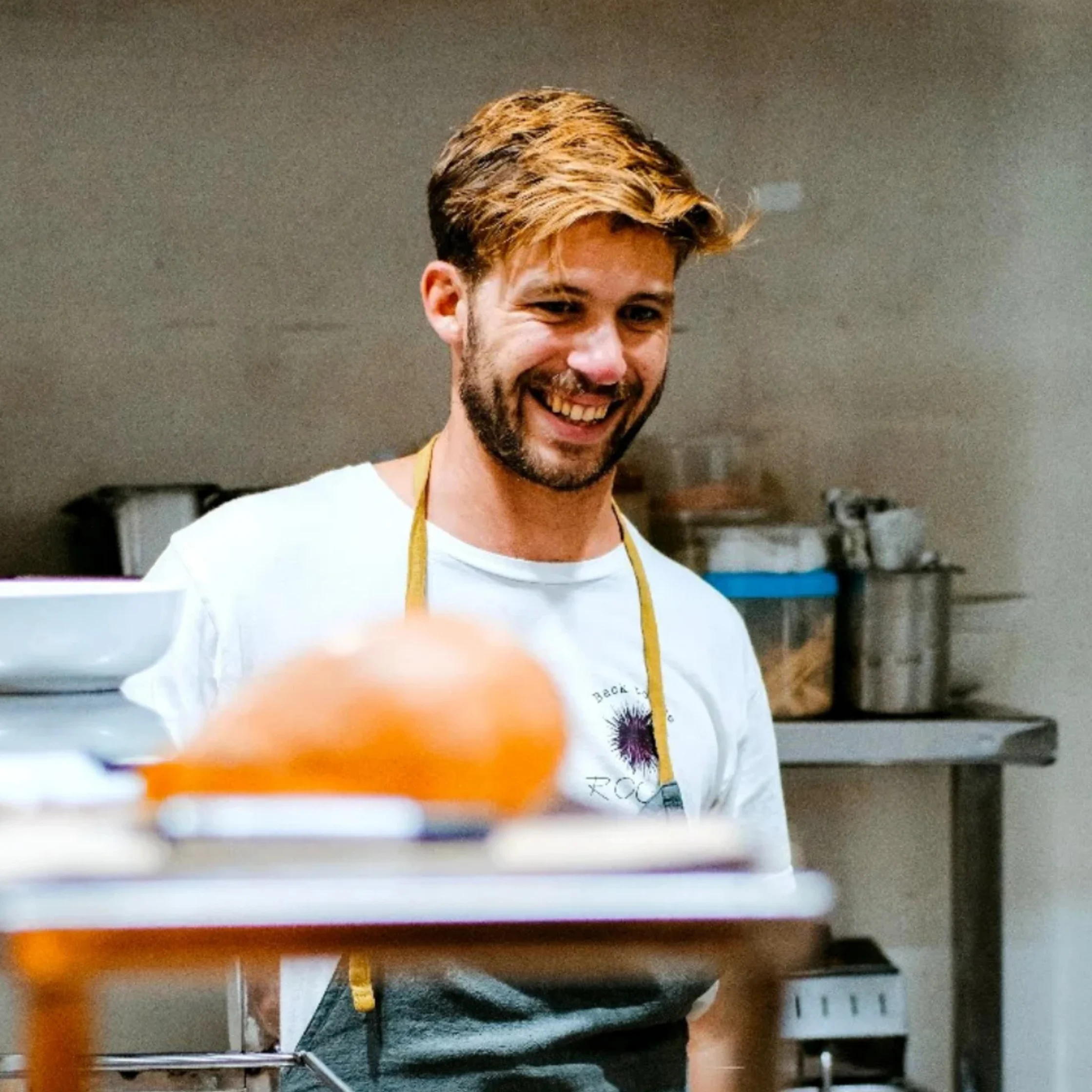
Sau del Rosario, owner of 25 Seeds and Cafe Fleur in Pampanga:
“A chef can be famous and still be broke. A restaurant can be full and still lose money. And sometimes, the most beautifully plated dish comes from a kitchen where everything else is falling apart.”
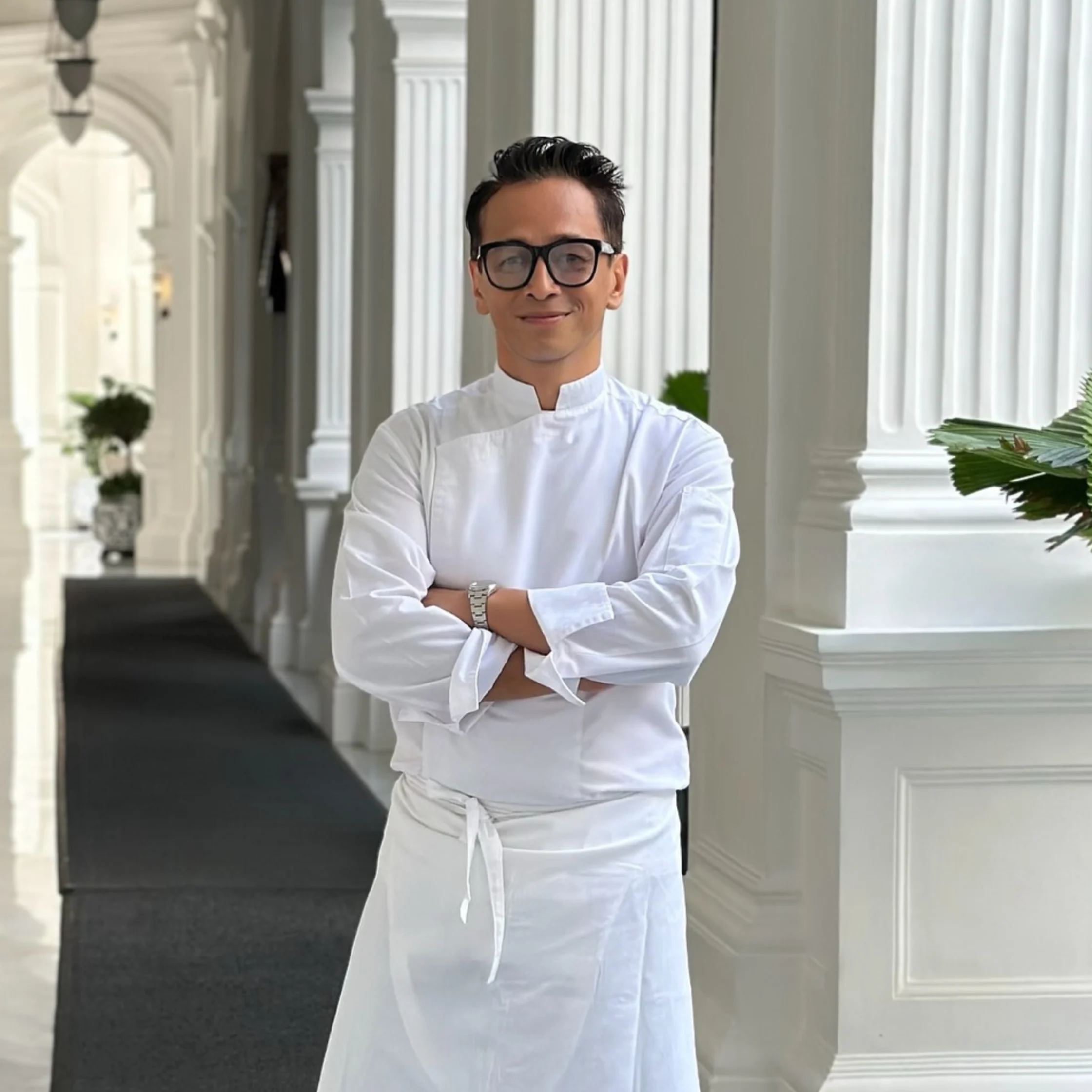
Charles Montañez, chef and co-owner of Liyab in Manila :
“[I wish people knew that] if you walk into a restaurant that’s packed and the team is clearly having a busy service, of course, you can’t expect your food to come out in 5 or 10 minutes. I hope customers can give the team a little patience and trust that they’re doing their best to make the experience worthwhile. Sometimes, it just takes a little more time, but trust that the team is pushing hard behind the scenes to take care of everyone.”
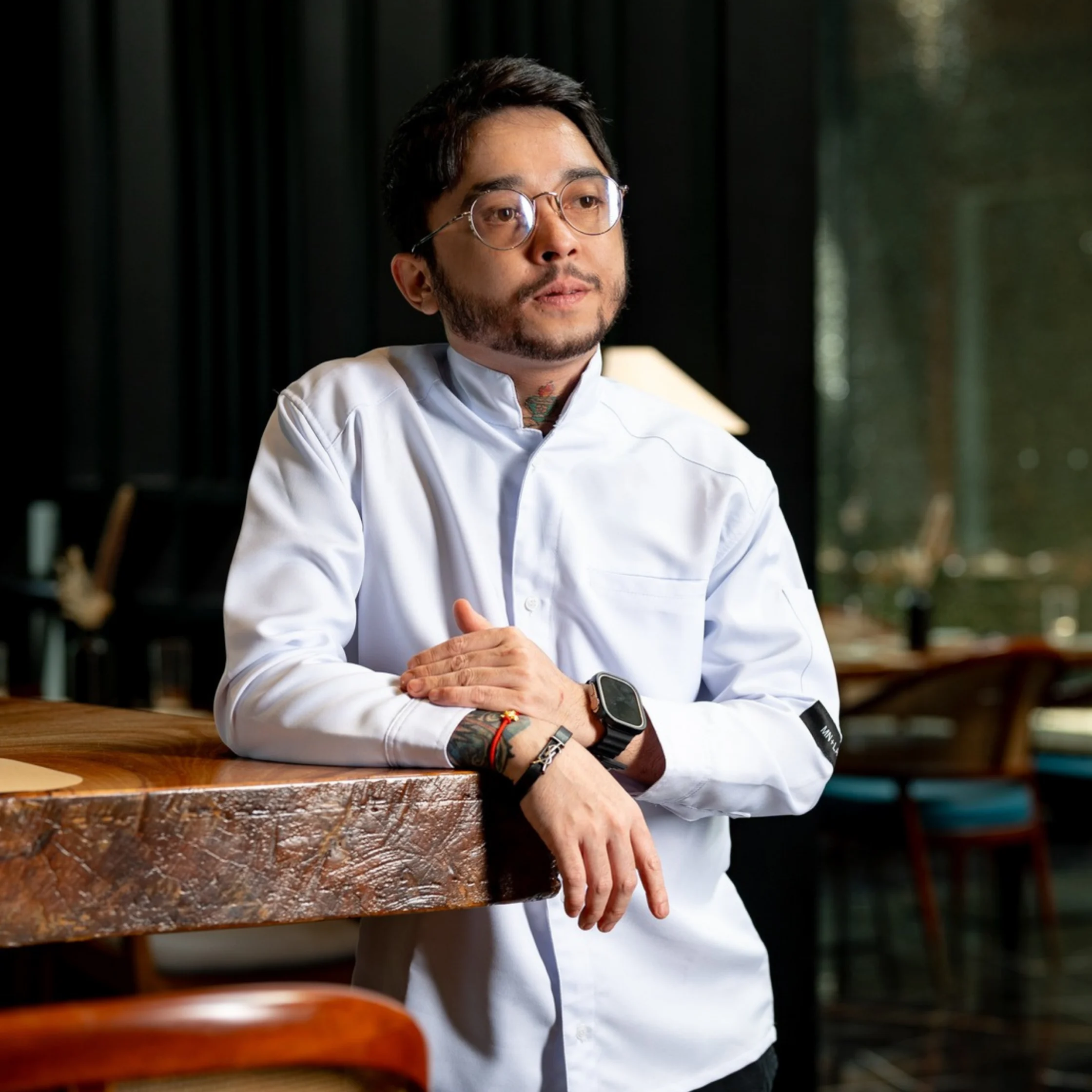
Aaron Isip, chef and owner of Kasa Palma in Manila:
“I wish guests knew that hospitality goes both ways. We’re there to take care of you, and the people cooking your food and serving your table deserve the same kindness and respect. At Kása Palma, we start preparing for you long before you arrive. Ingredients are sourced, prep is underway, and the team is scheduled around our reservations. A no-show has a real impact: we’ve already invested in that evening and may have turned other guests away. Keeping your reservation, or giving us enough notice when plans change, matters more than people realize.”
“I also wish guests felt comfortable giving us honest feedback while they’re still at the restaurant. Taste is personal. If something isn’t right, tell us so we have the chance to listen and address it. We care deeply about your experience, and that conversation helps us become better.”
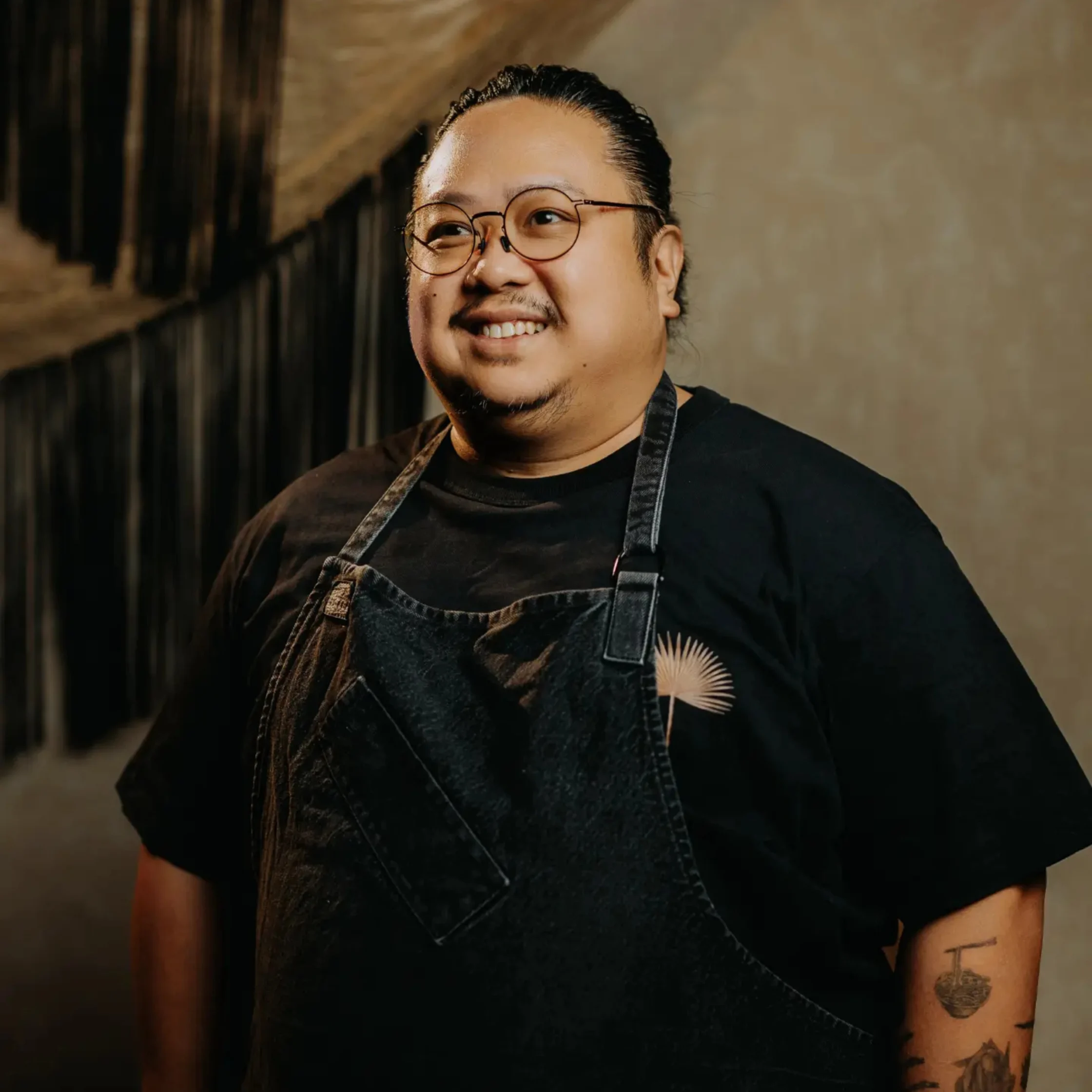
David del Rosario, owner of CEV Siargao:
“[I wish diners knew] that everyone involved in the restaurant; from the dishwasher, to the line cook, to the server, the farmer, the fisherman, the delivery man, and everyone else in between, all work their butts off every single day just to make sure the customer has the best experience possible. It’s not just about how the food will look and taste at the end of the day, but more importantly, it is also how much blood, sweat and tears the people in the industry put into their craft on a daily basis.”
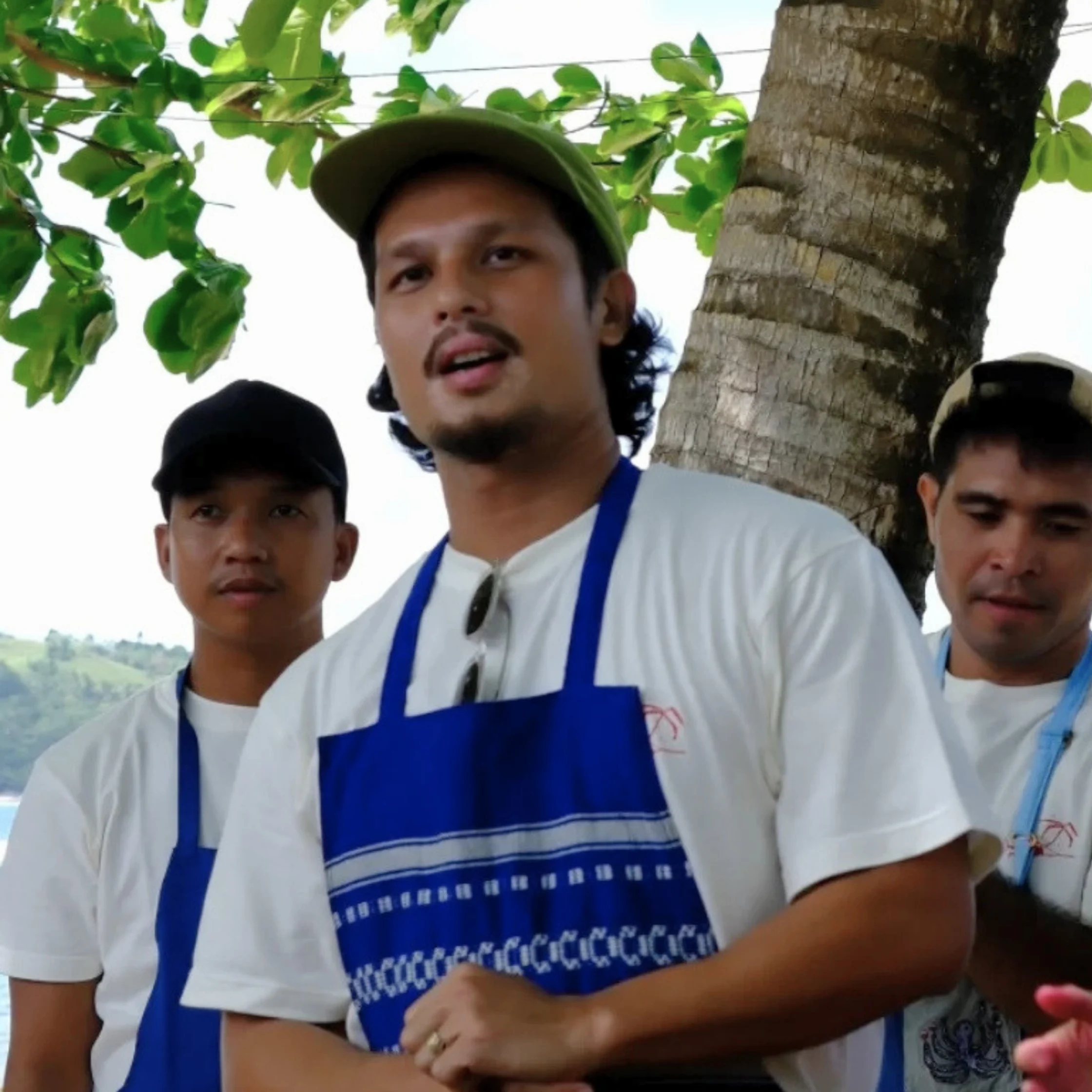
Ariel Castañeda, executive chef at Courtyard by Marriott Iloilo:
“I wish guests knew that dining is more than just the food on the plate. Behind every dish are people, stories, and communities, from our farmers and fisherfolk to the hands that prepare and serve the food.”
“As chefs, we have a responsibility not only to create memorable experiences but also to preserve our culinary heritage, support local producers, and cook with purpose. Every ingredient has value, and every dish can tell a story.”
“At the end of the day, it’s not just about feeding people. It’s about creating connections, honoring our roots, and making sure that the food we serve contributes to something bigger than the dining experience itself.”
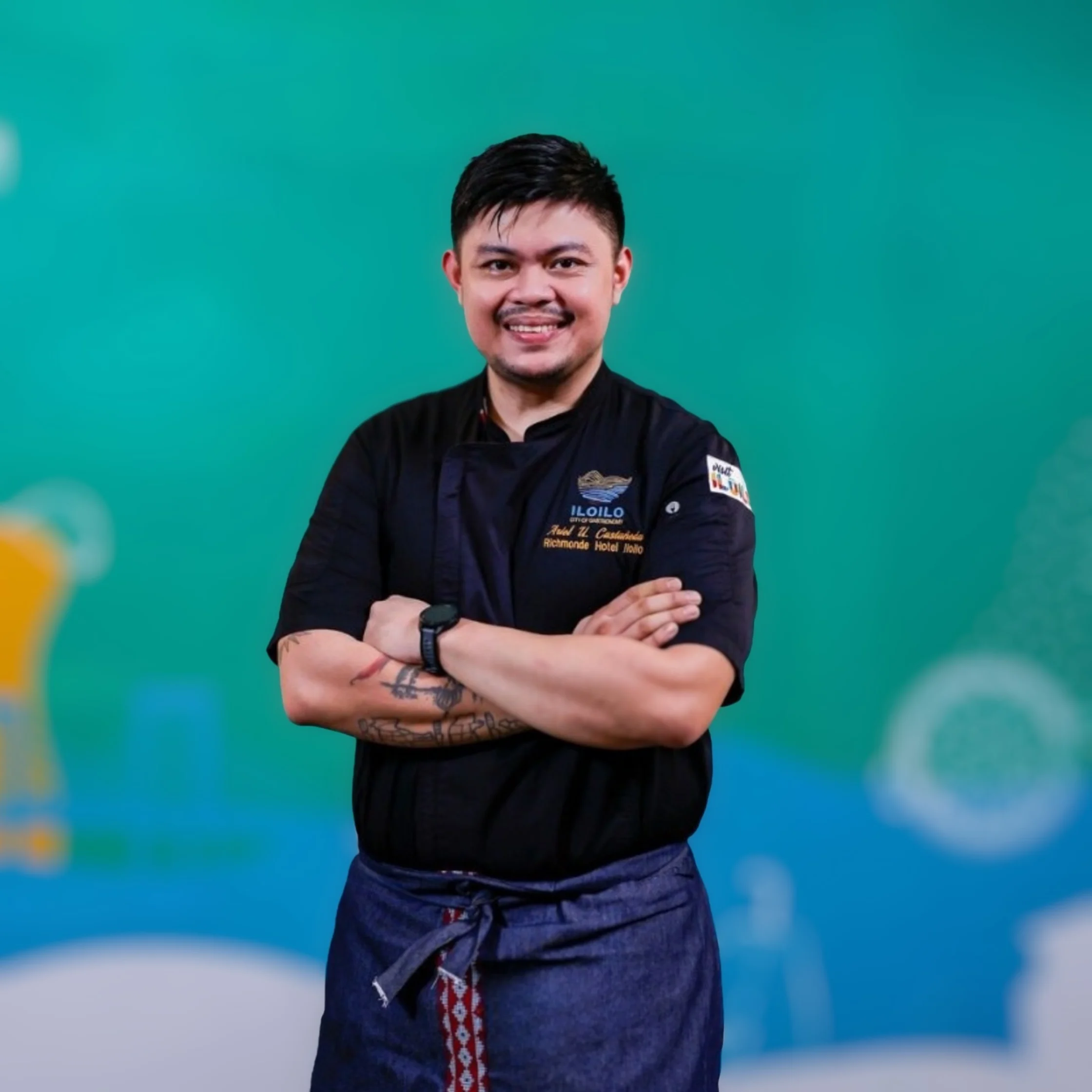
Pïl-ōd Acop Ano, chef and owner of Farmer’s Daughter in Baguio:
“There are many things I wish customers knew like kindness and patience would go a long way just as we, restaurateurs, go the extra mile to accommodate their request. And that not every fad and craze is doable in the restaurant. Most importantly, that they are not always right.”
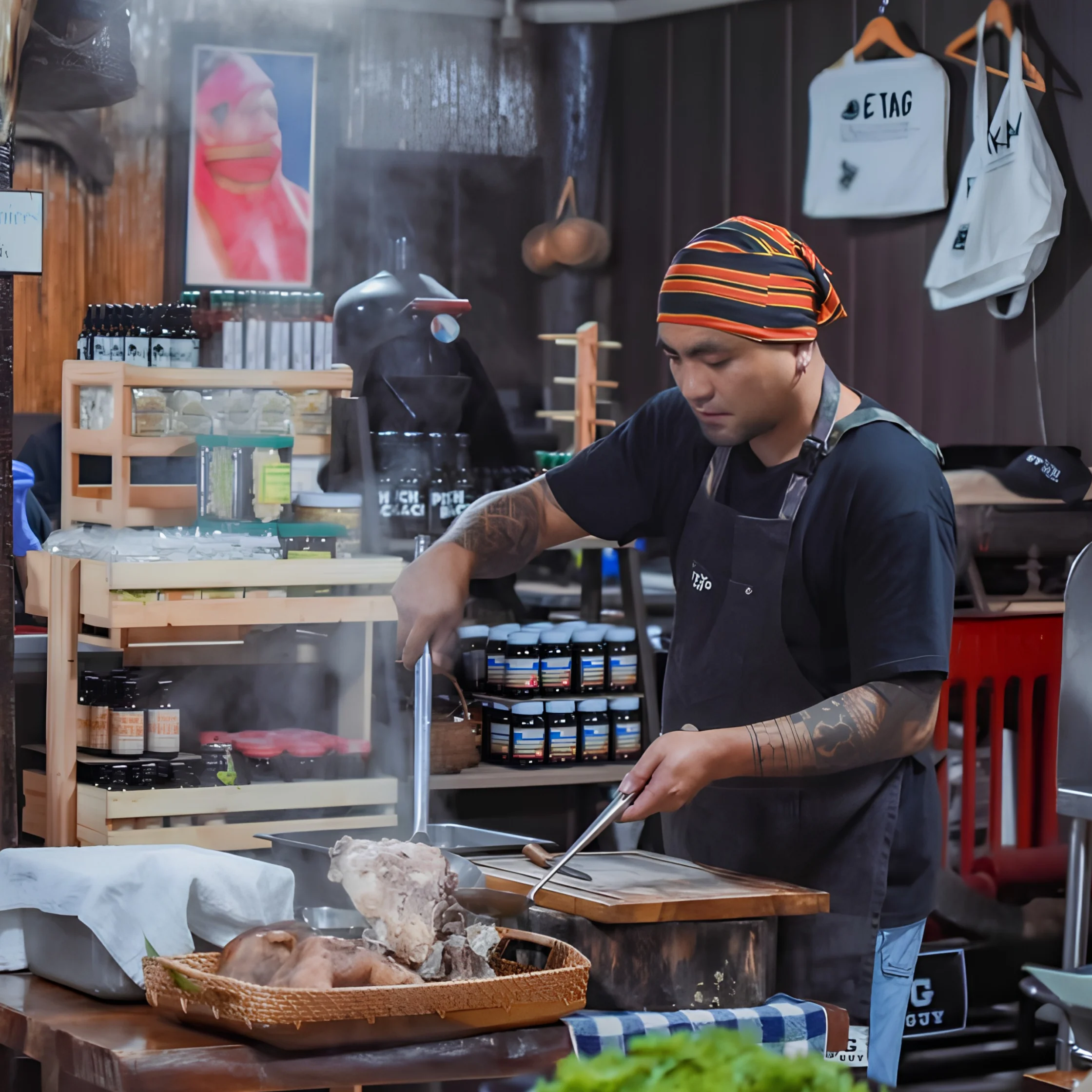
Francis Tolentino, chef and owner Taupe Dining and Cerulean:
“I wish guests knew how much work, time, and sacrifice go into running a restaurant. What they see on the plate is just a small part of the story. There’s a whole team behind it, and a lot of things happening behind the scenes that they don’t see.”
He adds, “We’re not perfect, and we don’t expect everyone to love everything, but respect goes a long way. At the end of the day, we’re not just serving food. We’re people putting our hearts into what we do.”
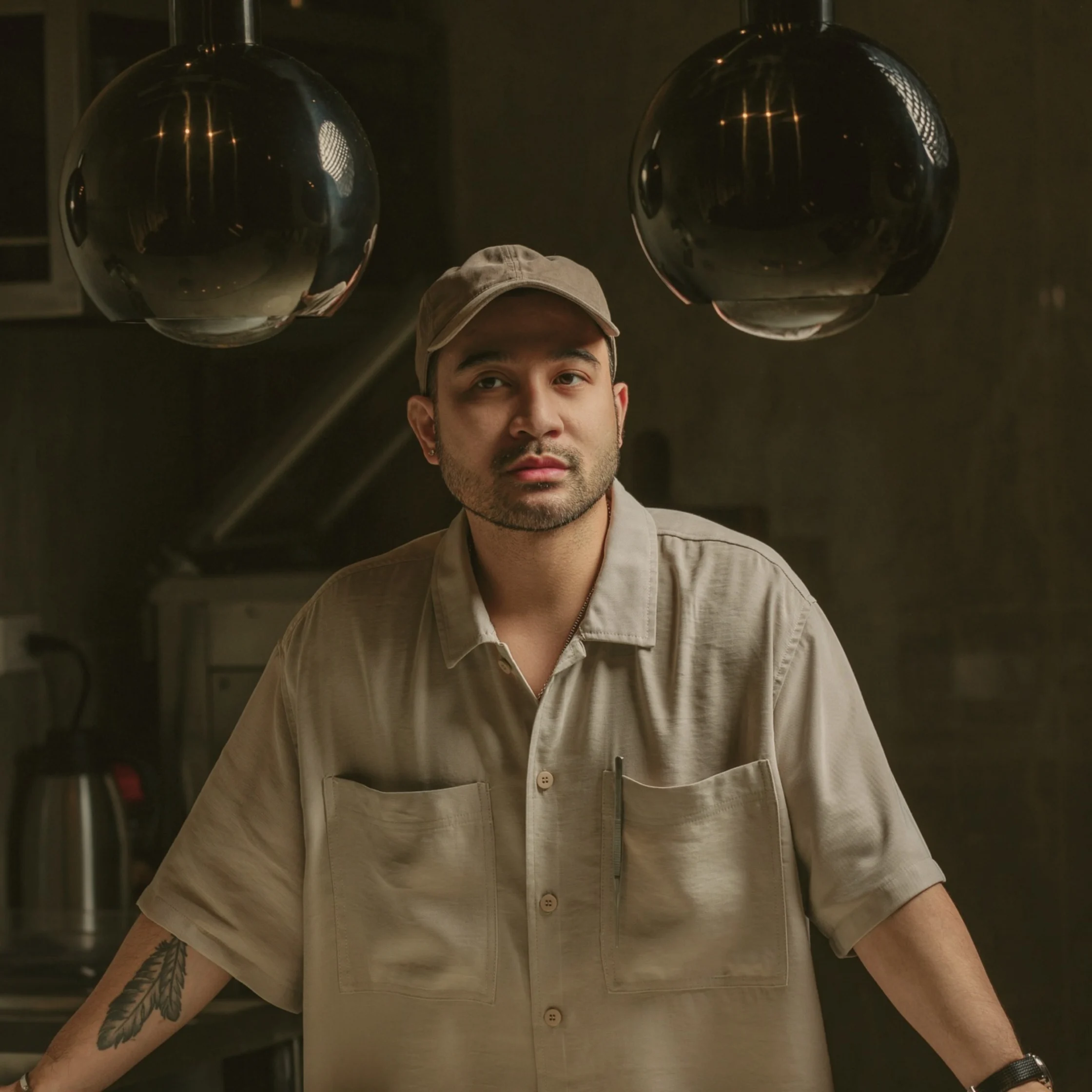
Don Colmenares, chef and owner of Sauma in Negros
“I think diners should understand that there’s more to a dish than what’s on the plate. Every dish takes a lot of time, skill, quality ingredients, and people working behind the scenes. Every restaurant also has its own philosophy and style. You don’t have to love everything, but being open to new experiences and treating the people behind the concept and the dishes with respect makes dining more enjoyable for everyone.”
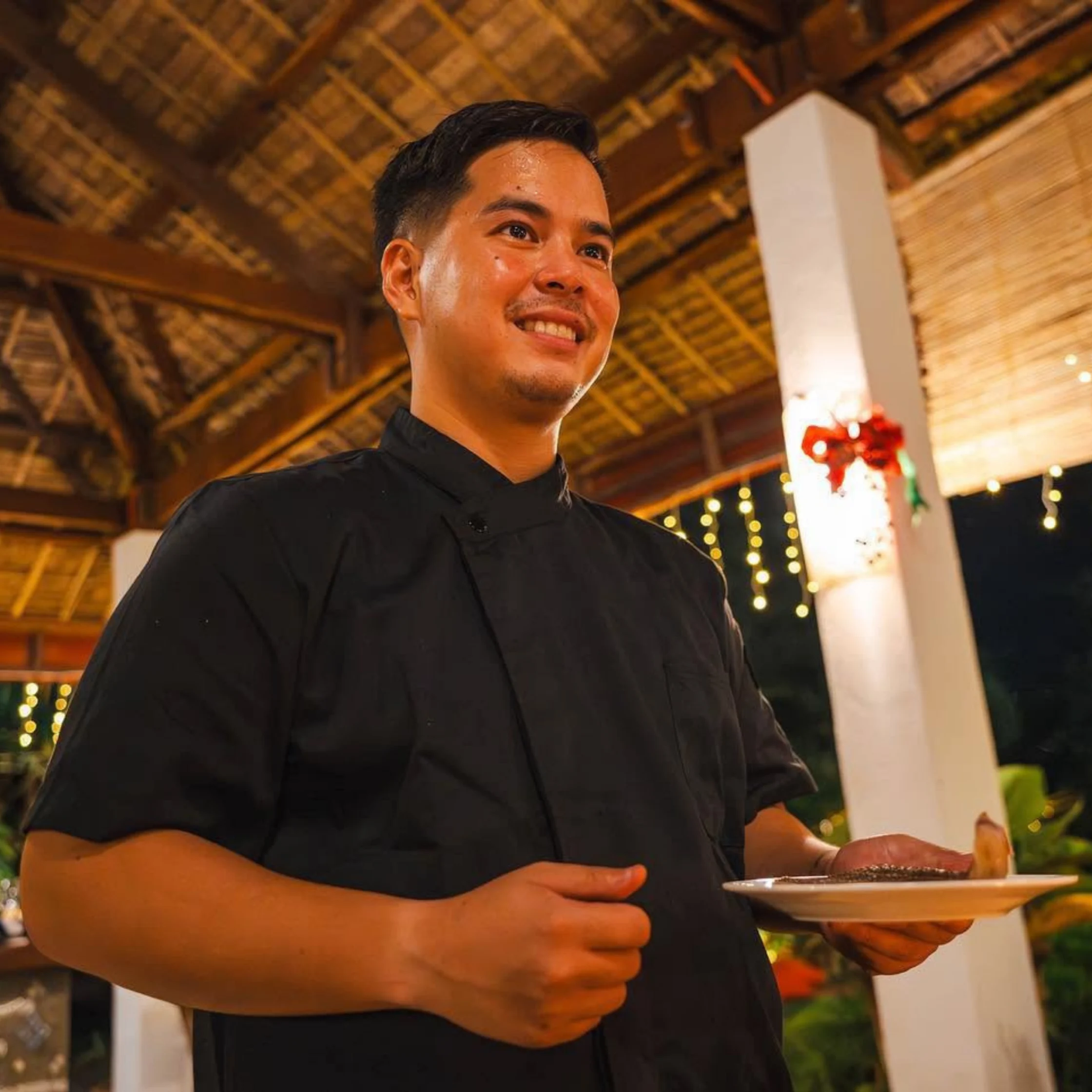
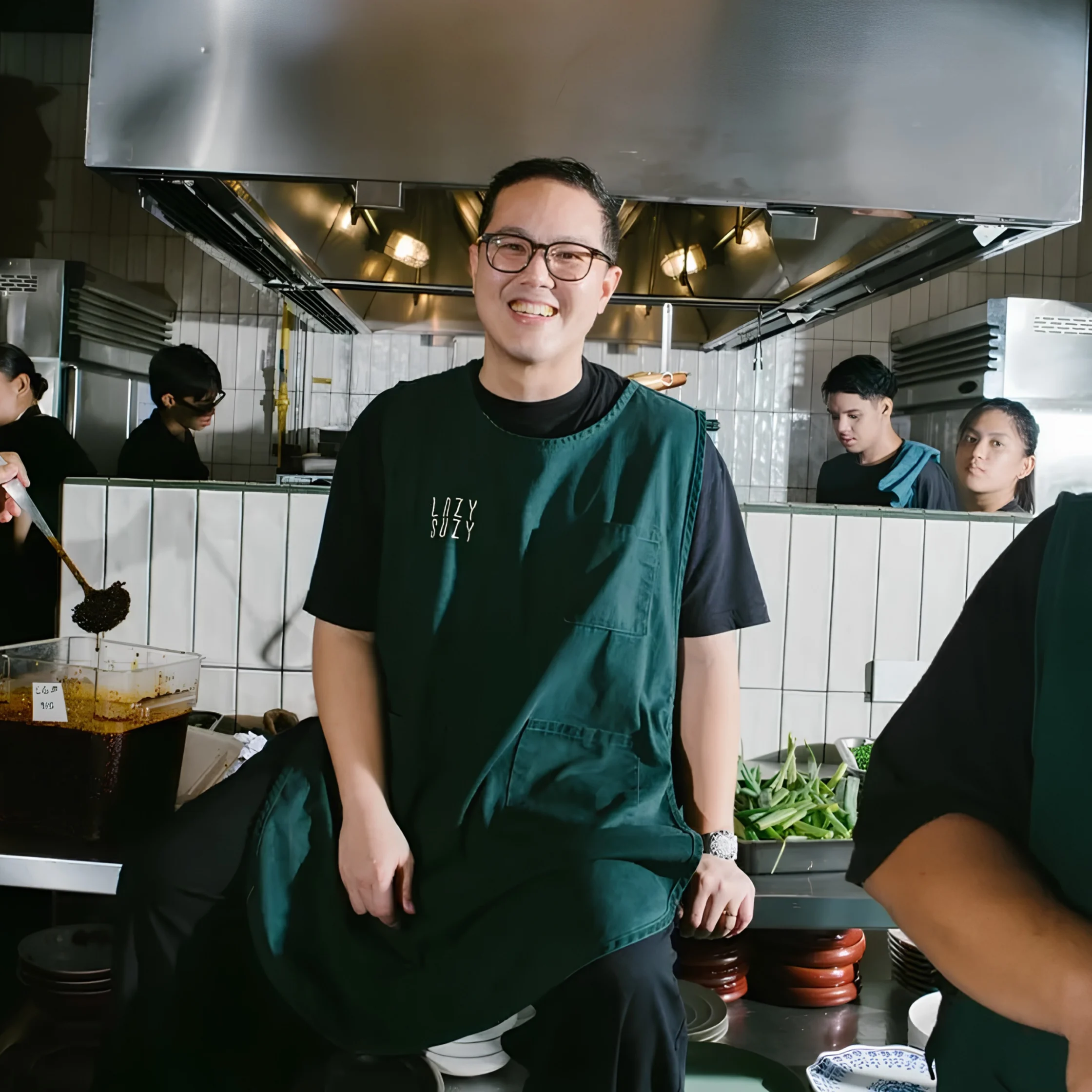
Patrick Go, chef of Your Local and chef-owner of Lazy Suzy
“We all wish that customers knew how hard kitchen and dining service is and that we are all doing our best to create the best dining experience for them. Kindness and understanding from the customers go a long way for our servers and chefs.”
Frequently Asked Questions
As Bryan Kong explains, “Once service begins, the team needs time to gather feedback, make adjustments, and find its rhythm.
Paul Samson suggests approaching the restaurant or chef directly, noting that customers should “share their feedback and give them a chance to correct their mistakes and improve, rather than immediately blasting them on social media.”
Sau del Rosario highlights the hidden financial realities by stating, “A chef can be famous and still be broke. A restaurant can be full and still lose money.”
Highlighting the unseen preparatory work, Filippo Turrini notes that “Building short supply chains, respecting seasonality, and prioritizing ingredients from our immediate surroundings over those brought in from elsewhere requires a tremendous amount of effort.”
Reflecting on the deeper value of meals, Ariel Castañeda believes that “At the end of the day, it’s not just about feeding people. It’s about creating connections, honoring our roots, and making sure that the food we serve contributes to something bigger than the dining experience itself.”
Addressing customer expectations, Pil-ōd Acop Ano points out that “not every fad and craze is doable in the restaurant. Most importantly, that they are not always right.”