

This hidden gem serves authentic mountain flavors in a warm, community-driven setting. A longtime local favorite, it serves a unique menu rarely found in typical restaurants—making it an ideal spot to experience Baguio’s culinary heritage.
This spot wasn’t easy to find. The case may have been different back in the day as it was a very popular hangout among miners, but given that we asked three people working in and around the vicinity where it was at and all of whom were clueless, I figured that it might not currently be as sought-after as before.
After a half-hour search, we finally landed in front of a wearied building with a small wooden sign that’s made unreadable by thick patches of stain and dust. We made our way up the stairs and was greeted by a tight space that was even made tighter by the mid-morning crowd. I thought, it wasn’t that unknown after all.
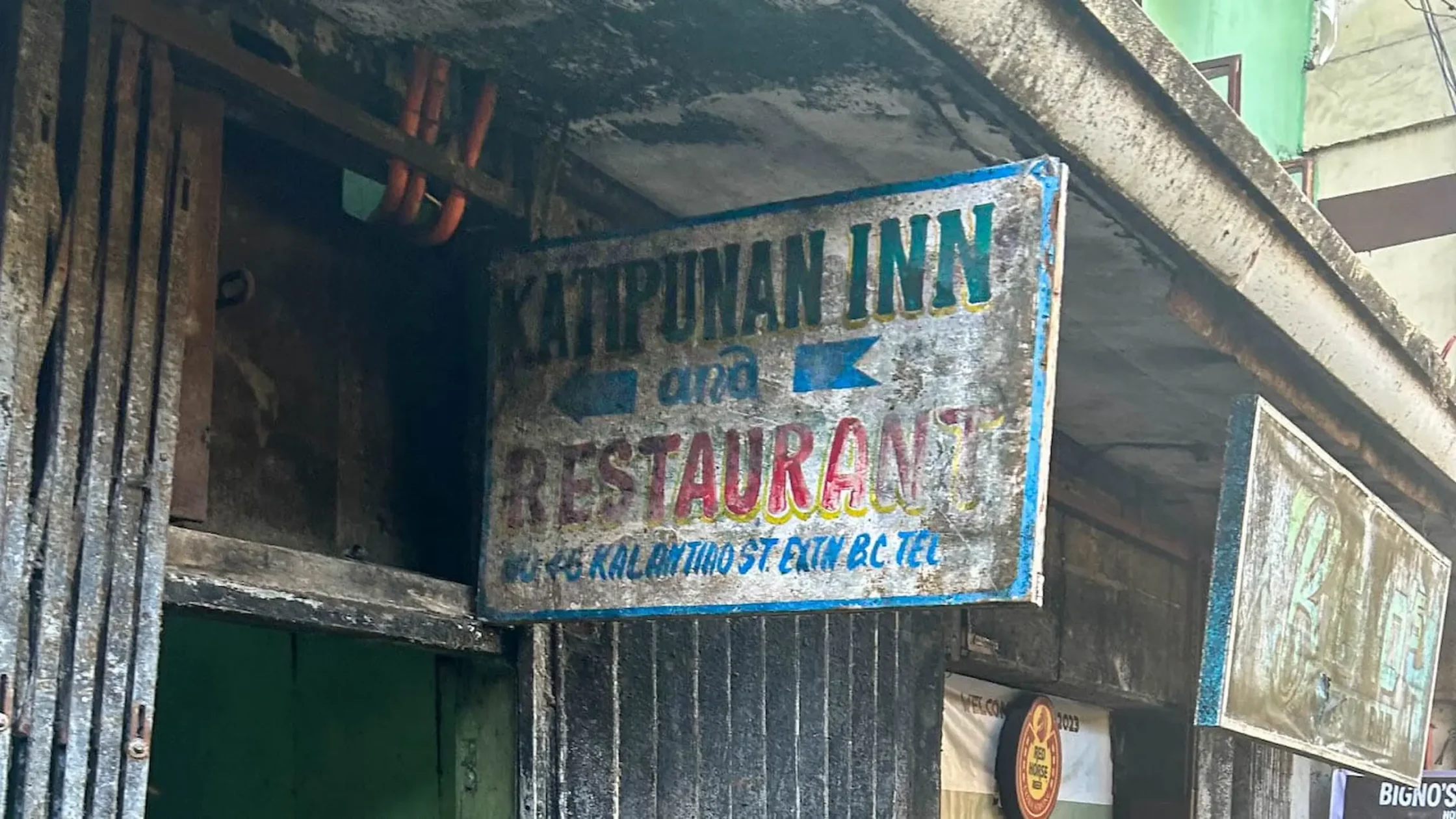
History of Katipunan Inn and Restaurant
Katipunan Inn and Restaurant is a family-run business that’s been in operations since the 1970s. Their kitchen was exposed, which not only added to the familiar kitchen noise in the room but also provided an alluring scent.
There are only nine dishes in the menu, which came in the form of a blown up tarpaulin tacked on the wall. For those who are unfamiliar to Cordilleran cuisine, the photos may help get their appetites going. But better ask the servers for descriptions as they might feel otherwise upon knowing.
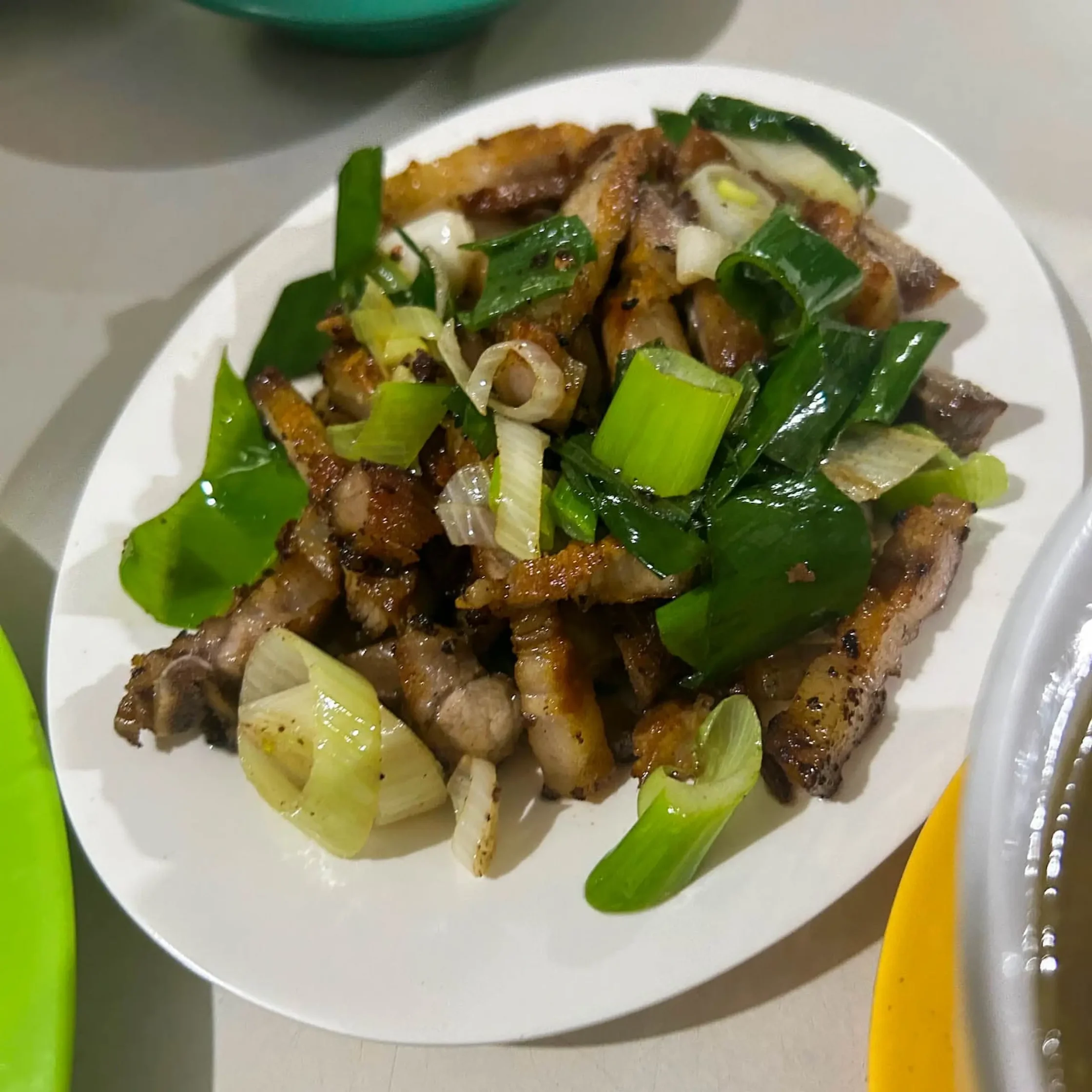
Authentic Cordilleran Dishes: Pinuneg and Sungo
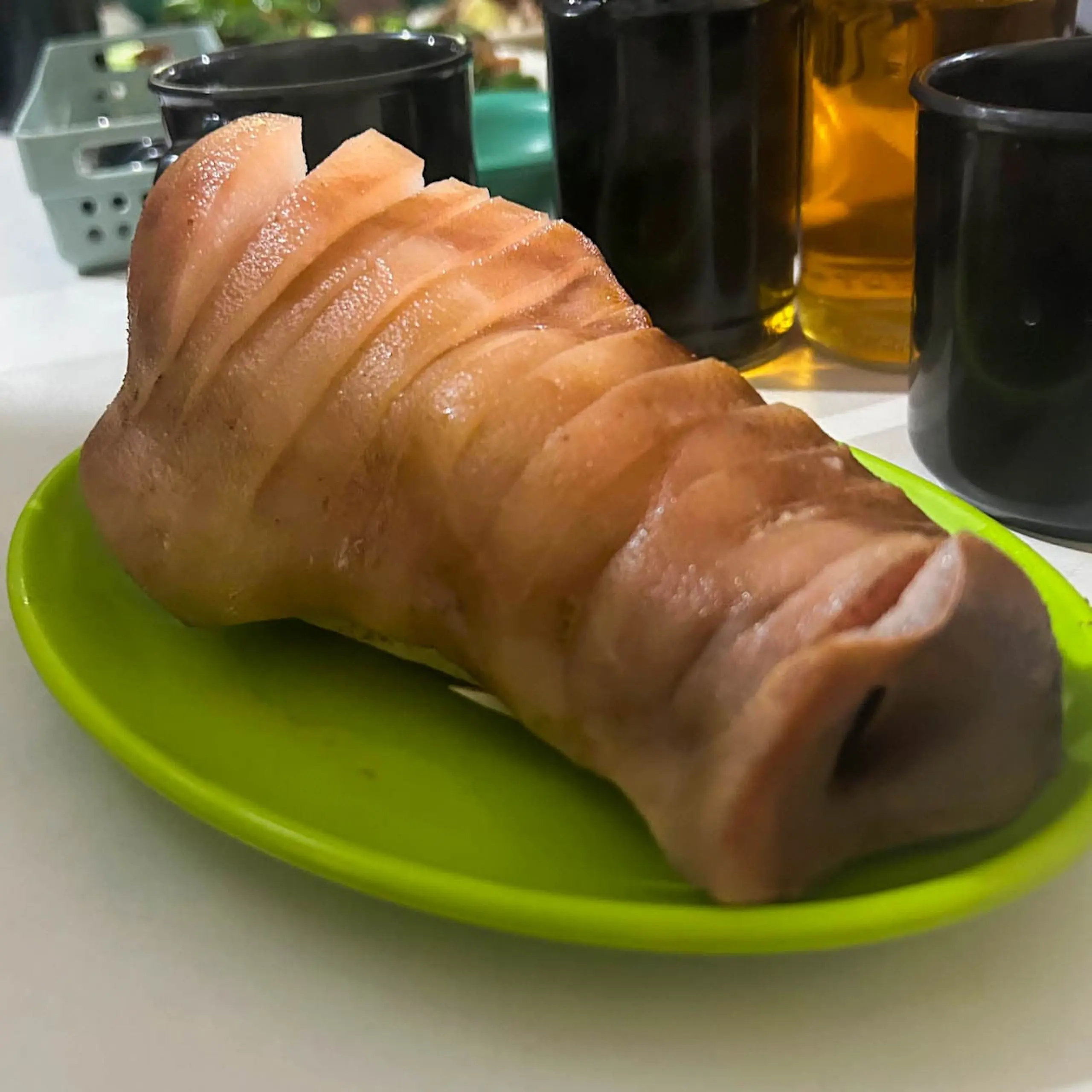
There’s no vegetables or seafood here—just all meat, and the parts you wouldn’t typically think of indulging in. The sungo is a whole pig’s snout that’s boiled until fork tender. The dila is lengua or cow’s tongue, chopped up to bite-sized pieces. Ping ping is beef cheeks that’s been sliced and sautéed. And the pinuneg is the traditional blood sausage of the Igorot.
The lone chicken dish is the pinikpikan, still cooked the traditional way. A meal here comes with complementary soup, which is essentially the broth you get from boiling all these parts together. And note that hardly any seasoning or spice is used to flavor these dishes. The cooks rely mostly on the meat’s inherent flavor to make them toothsome.
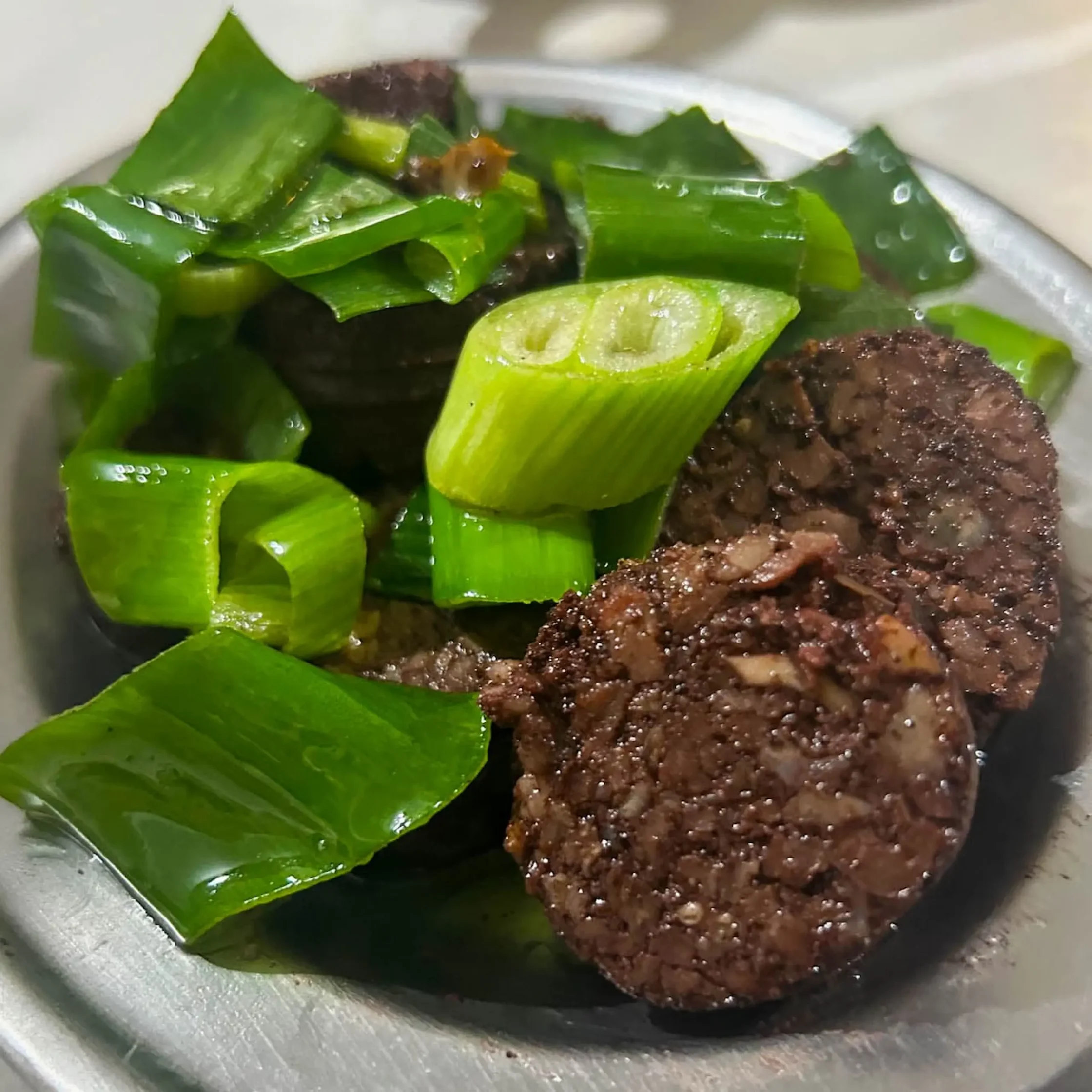
For some, these dishes have become the antidote to relieve a hangover. But for the open-minded and adventurous, this writer included, these are the very plates that promote novelty and culture, exactly the ones I want to eat if I want to acknowledge, appreciate and savor the history of Baguio.
Katipunan Inn was definitely well worth the find. But I do hope that it stops remaining a mystery to many.
Katipunan Inn and Restaurant is located at 46 Kalantiao Street, Baguio City. Contact no. 0910-2487559.

Frequently Asked Questions
Despite its history as a popular hangout for miners, the restaurant is housed in a wearied building with a small, stained wooden sign that is nearly unreadable.
The family-run business has been open since the 1970s and features a tight dining space with an exposed kitchen that fills the room with familiar cooking noises and scents.
The menu consists of only nine meat-heavy dishes focused on non-traditional parts like pig’s snout (sungo), cow’s tongue (dila), and beef cheeks (ping ping), with no vegetables or seafood offered.
The cooks rely on the meat’s inherent flavor rather than spices, and the pinuneg is a traditional Igorot blood sausage that includes rice mixed with the blood.
The restaurant is located at 46 Kalantiao Street, Baguio City.