

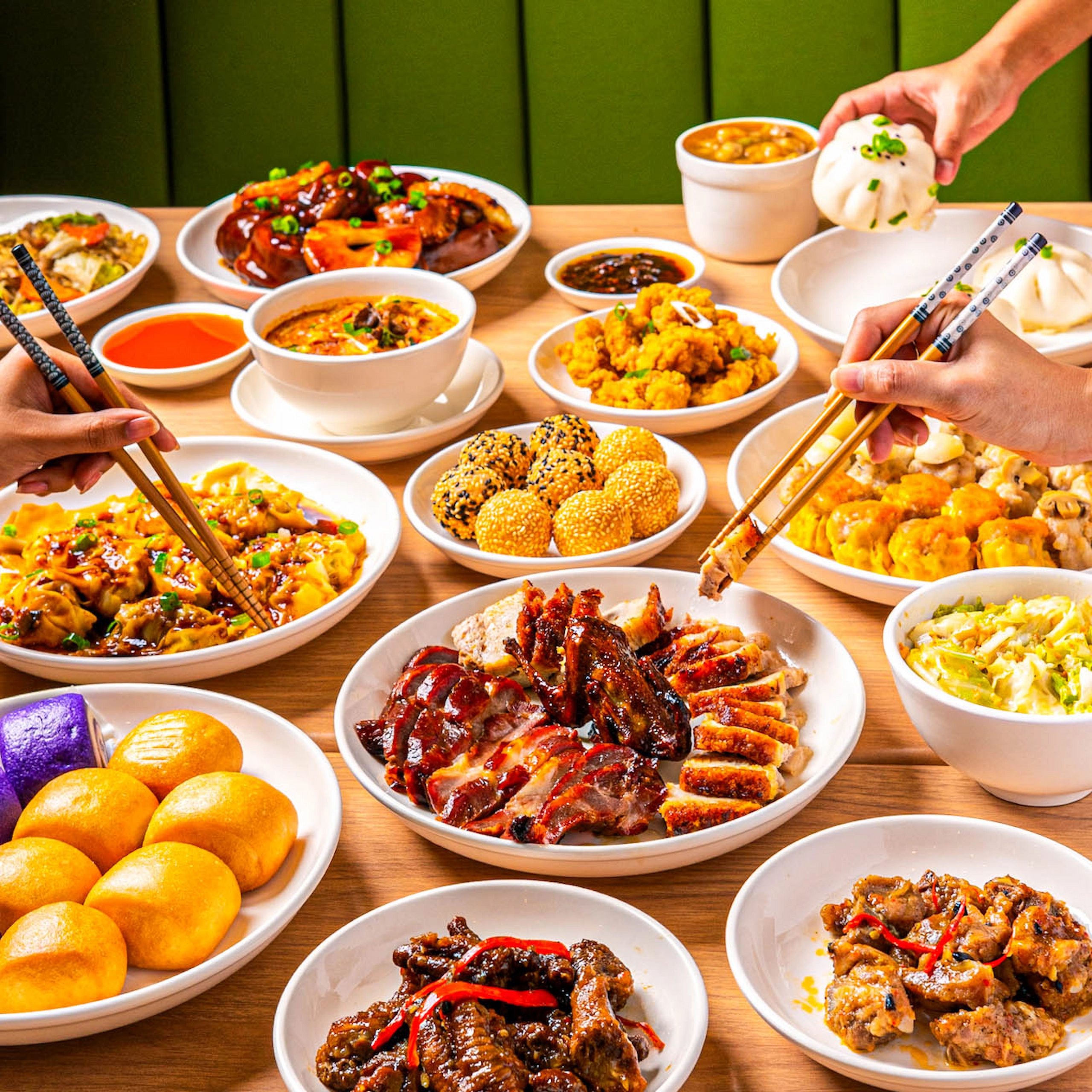
Founded in 1969, Harbour City Dimsum House Co., Inc. introduced dimsum to Cebu and pioneered all-day dimsum dining through its four brands.
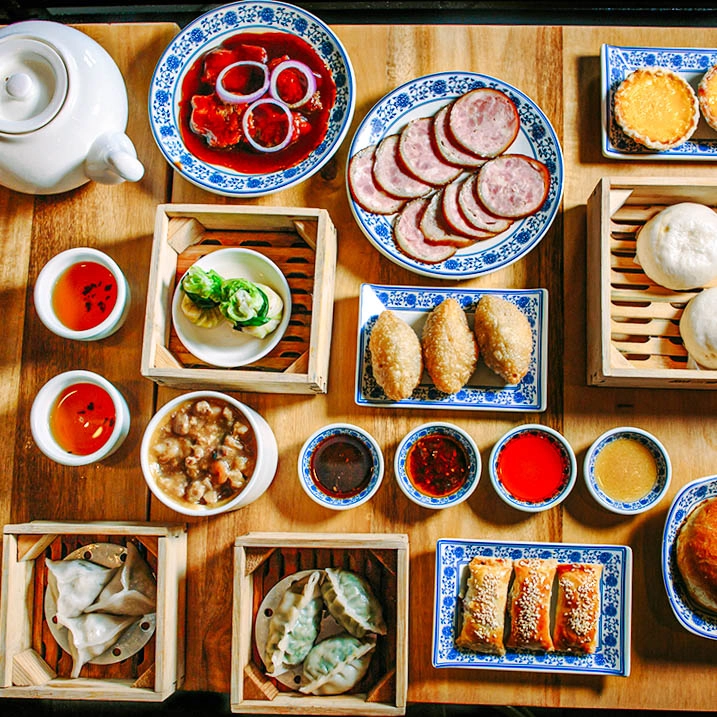
Meals are memories, and for many Cebuanos, few are as enduring as those shared in a Harbour City group restaurant. The most vivid of mine are of after-school siopao and spring rolls at the original Ding How downtown, and discovering empress rolls and quail egg siomai (their signature sweet ginger sauce, too) in the thematic interiors of Ding Qua Qua along Mango Avenue. Saturday mornings meant hours at the Bibo arcade in SM City Cebu, always ending in lunch at the very first Harbour City next door. College pre-med, perpetually on-the-go, allowed time for the quick and ultimately satisfying, well, Dimsum Break. Then there’s the memory of our impossibly under-thirty waistlines that somehow kept despite four servings of their iconic steamed fried rice in each sitting.
One always starts with a bowl of their steamed fried rice, the quintessential dish that arguably defined the Cebuano dimsum experience. To the uninitiated, the name is a beautiful paradox: steamed and fried? The magic is in the process of seasoned fried rice portioned into single-serve pots to steam, only meeting its savory, velvety-thick meat sauce topping upon an order. Individually, the components are humble; together, they are a complete, bone-deep satisfy-all.
The History of Harbour City and Ding How Cebu
It was 1969, the year the world looked at the moon, but in Cebu, the visionaries behind Harbour City Dimsum House Co., Inc. were looking at a small, family-run dining room called Ding How. Their mission was as bold as a moon landing: take dimsum out of its traditional lunchtime slot and transform it into an all-day Cebuano staple. The goal was simple: Lami, Paspas, Barato; that’s Cebuano for delicious, fast, and affordable. It was a commitment to quality, speed, and value that turned a single restaurant into a heritage brand.
The formula stuck, and so did the soul of the food. By blending a rich legacy with contemporary expectations, the group has navigated over five decades of change, growing into a diverse portfolio of five distinct brands. That trajectory began with Ding How, the wise root of the family recipes, before branching into the communal generosity of Ding Qua Qua’s celebratory buffets and scaling into the grand, cart-rolling institution of Harbour City. As the city’s pace quickened, Dimsum Break stripped away the formalities for a modern fast-food identity, leading finally to the group’s most recent pivot: Dai Pai Dong. This “street-luxe” evolution moves beyond the functional, rewarding an aspirational market with sensory-focused claypot origin stories; a definitive shift from merely satisfying hunger to curating an engaging experience.
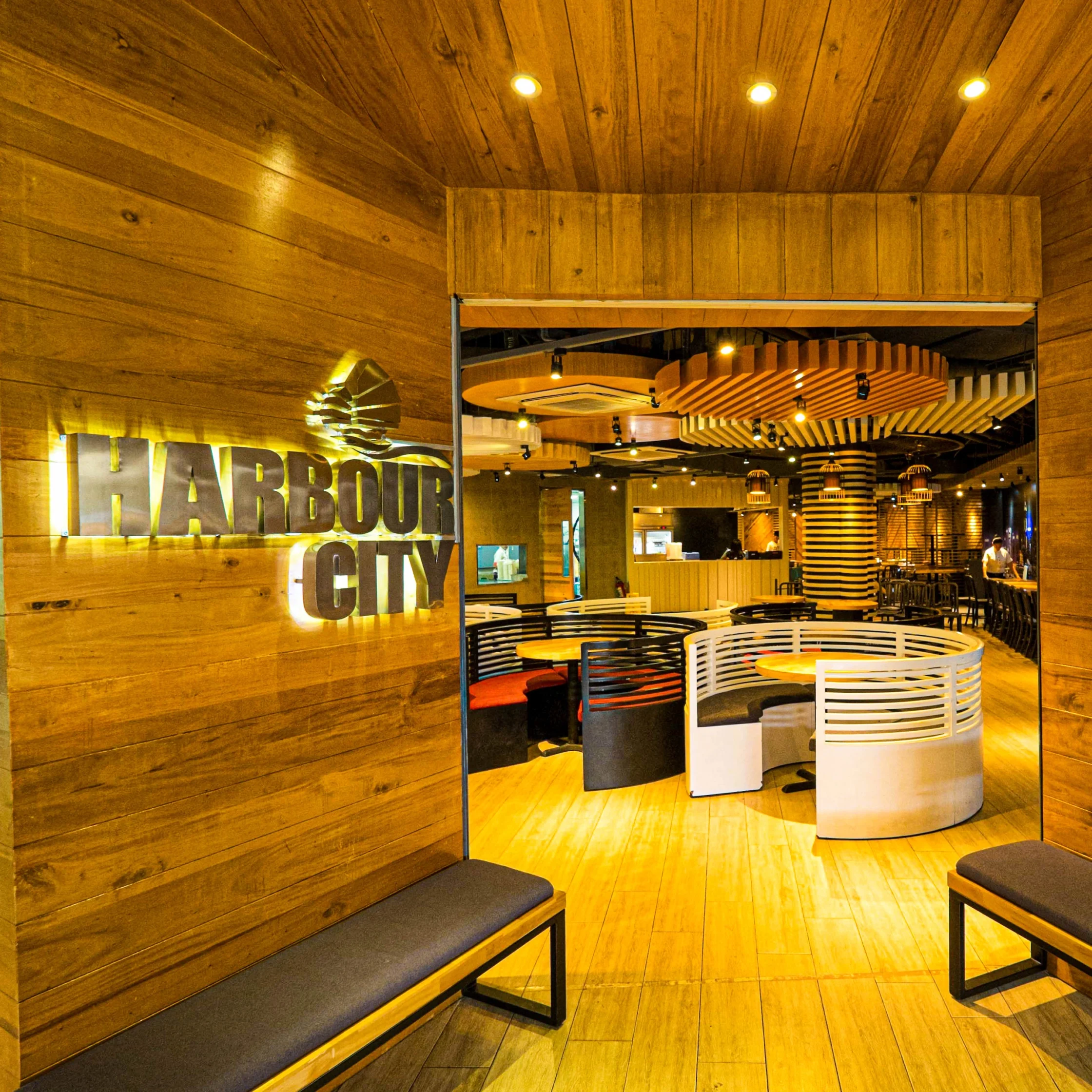
Menu Innovation: From Traditional to Street-Luxe
There is a delicate tension in seeing a legacy brand embrace digital apps and frozen packs, where the goal is no longer just to survive the change, but to bottle their original “secret sauce” for a new generation. The resolution to this tension lies in a redefined authenticity: comfort as a form of sensory memory. It’s the flavor profile that triggers a flashback to childhood Sundays or the specific salt-and-steam hit that reminisces trips abroad. By staying tethered to these roots while leaning into the precision of R&D, the group ensures that even as they scale to a global velocity, the quality of that memory doesn’t flicker.
While the mainstay dishes remain inspired by traditional Cantonese flavors, the group hasn’t been afraid to flirt with the zeitgeist. Take the Ube Xie Ping, for instance, a shaved ice dessert that marries a Chinese classic with the Filipino default for halo-halo and the global obsession with “Oob.” It’s a nod to the evolution of a brand that knows exactly when to hold onto tradition and when to ride the seasonal wave.
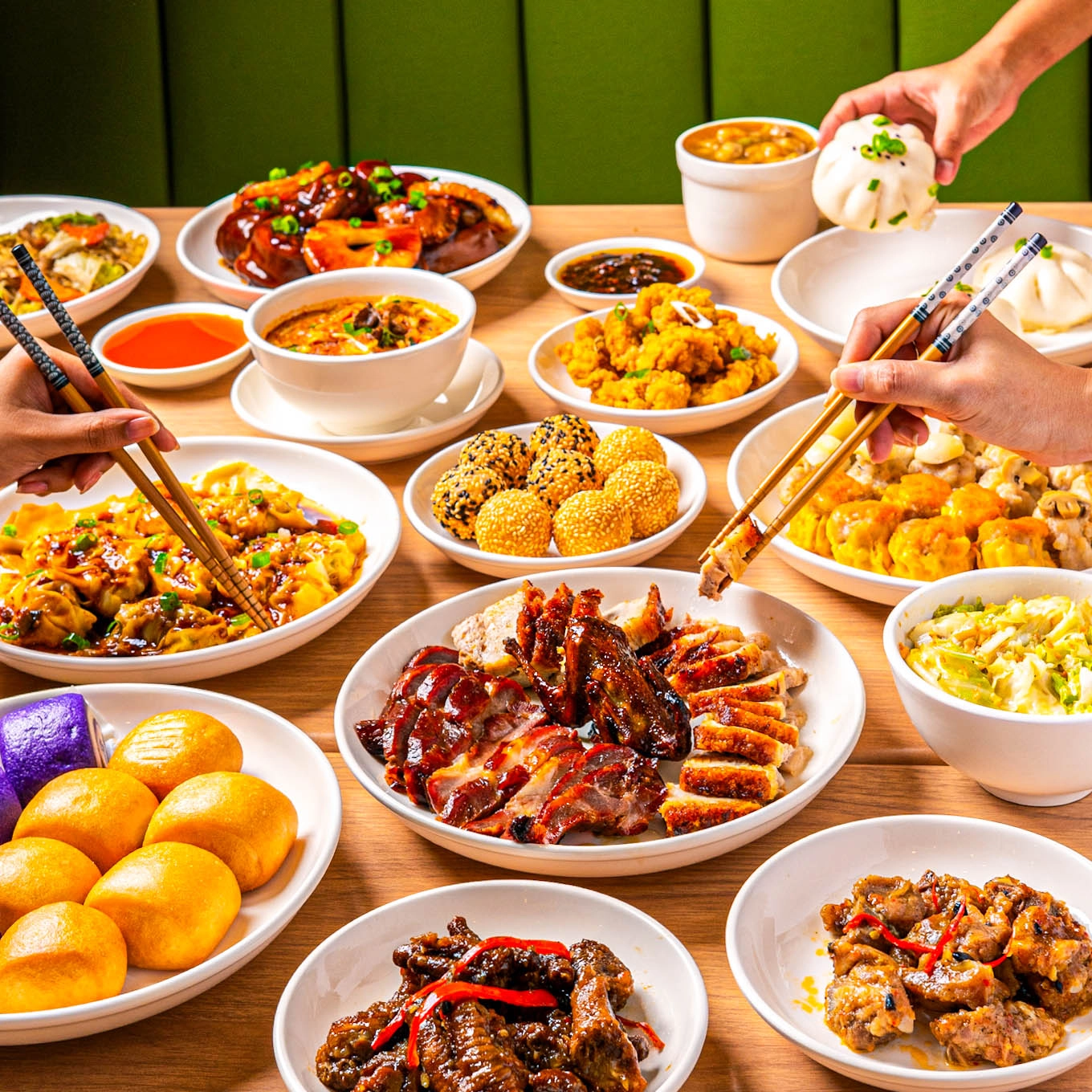
Long before they were a dominant force in the mall landscape, they were a family seeking to make dimsum accessible. Today, with QR ordering and frozen packs in supermarkets, the delivery method has changed, but the core remains the same. On your nth dimsum serving and, most likely, seconds of that signature Steamed Fried Rice, you’d understand that the most successful stories are the ones that, despite the leaps and bounds, keep a heel planted firmly right where they began.
Ding How, Ding Qua Qua, Harbour City, Dimsum Break and Dai Pai Dong branches are located all over Metro Cebu.

Frequently Asked Questions
Their mission was to take dimsum out of its traditional lunchtime slot and transform it into an all-day Cebuano staple guided by the philosophy of “Lami, Paspas, Barato” (delicious, fast, and affordable).
The dish is a unique process where seasoned fried rice is portioned into single-serve pots to steam, and it is only topped with a savory, velvety-thick meat sauce at the moment of order.
Ding How holds the root family recipes; Ding Qua Qua offers celebratory buffets; Harbour City is a grand, cart-rolling institution; Dimsum Break provides a modern fast-food identity; and Dai Pai Dong offers a “street-luxe” experience with sensory-focused claypot dishes.
It is a shaved ice dessert that blends a Chinese classic with the Filipino love for ube, representing the brand’s ability to ride seasonal trends while staying tethered to tradition.
Branches of Ding How, Ding Qua Qua, Harbour City, Dimsum Break, and Dai Pai Dong are located all over Metro Cebu.