Advertisement

How to Keep Lumpia Crispy Long After Frying

From the right frying temperature to proper draining and storage, these simple tricks will keep your lumpia golden, crunchy, and never soggy.

golden cripsy lumpia filipino egg roll fried yummy crispy
Craving the crunch? Here’ s how quick guide on how to keep your lumpia as crunchy as possible!

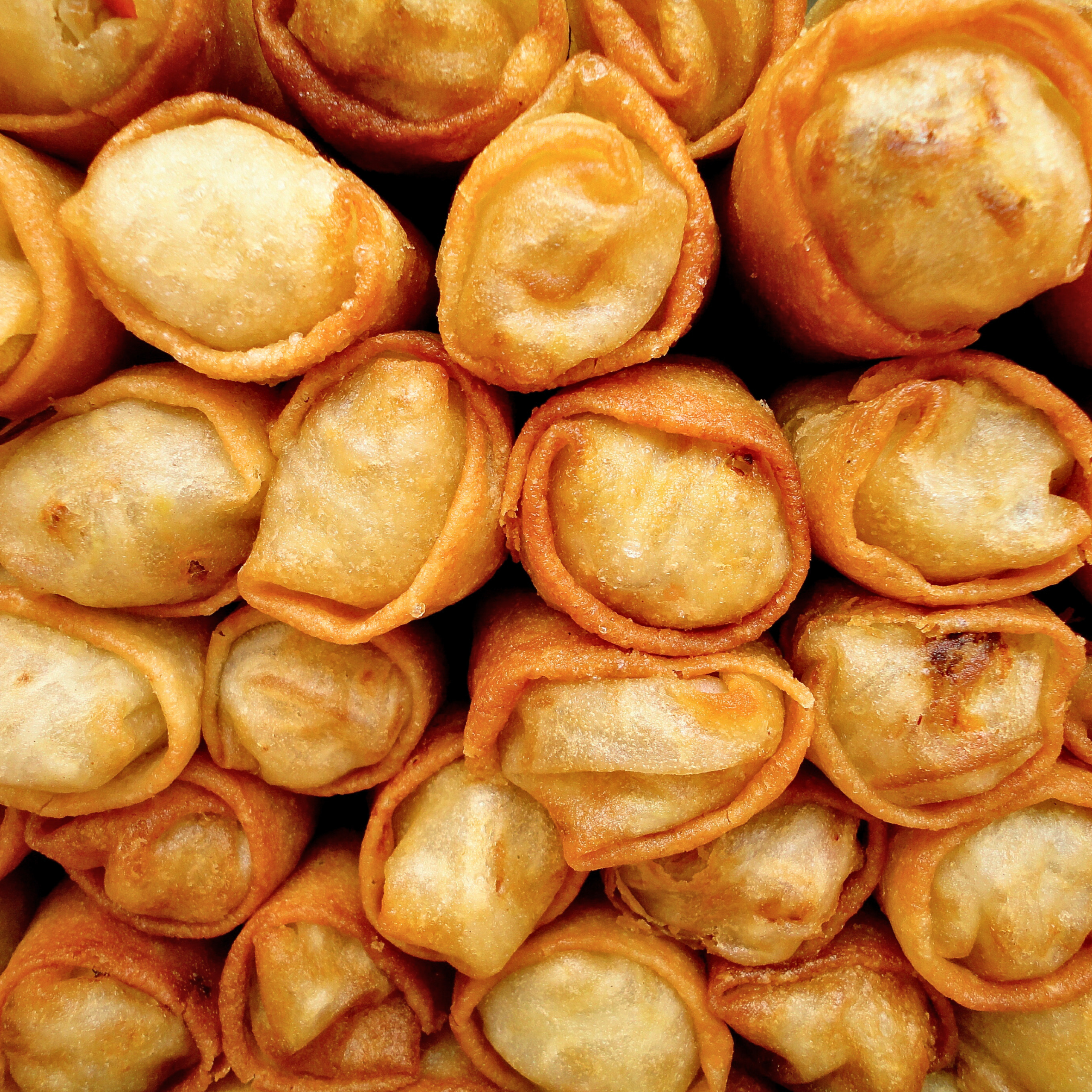
Few things are as gratifying as biting into a crispy roll of lumpia—the shattering of its golden-brown exterior; the audible crackle as your teeth sink down and reach its juicy interior.

Assigned lumpia duties for your next gathering? Frying them up is fairly straightforward, but you can run into the problem of your cooked rolls getting soggy as they sit, especially if you’re making multiple batches in one go.

Thankfully, keeping them crispy is as simple as finding the right ways to cool and store your cooked lumpia as you fry more batches of the dish, or attend to other duties.

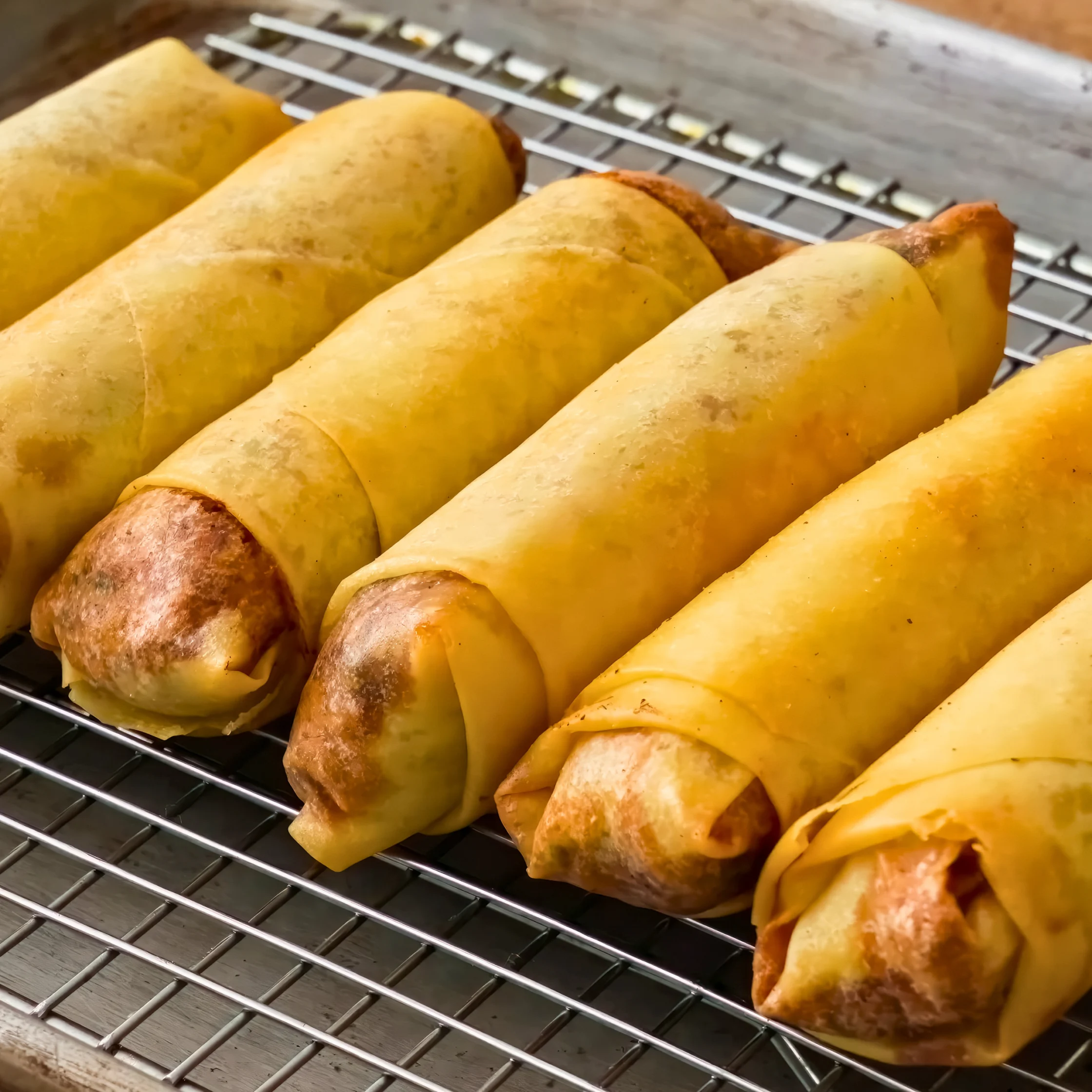
Place It on a Wire Rack

One of the factors behind soggy fried foods is excess moisture, usually from trapped steam that condense into water droplets as they cool. Cooling racks prevent moisture from building by elevating the food from the surface and having open spaces at the bottom, allowing air to flow in. The open ridges also allow any excess oil on the rolls to drip down.
golden cripsy lumpia filipino egg roll fried yummy crispy
Let your lumpia rest on a wire rack to avoid moisture from building up.

Store Your Lumpia Standing

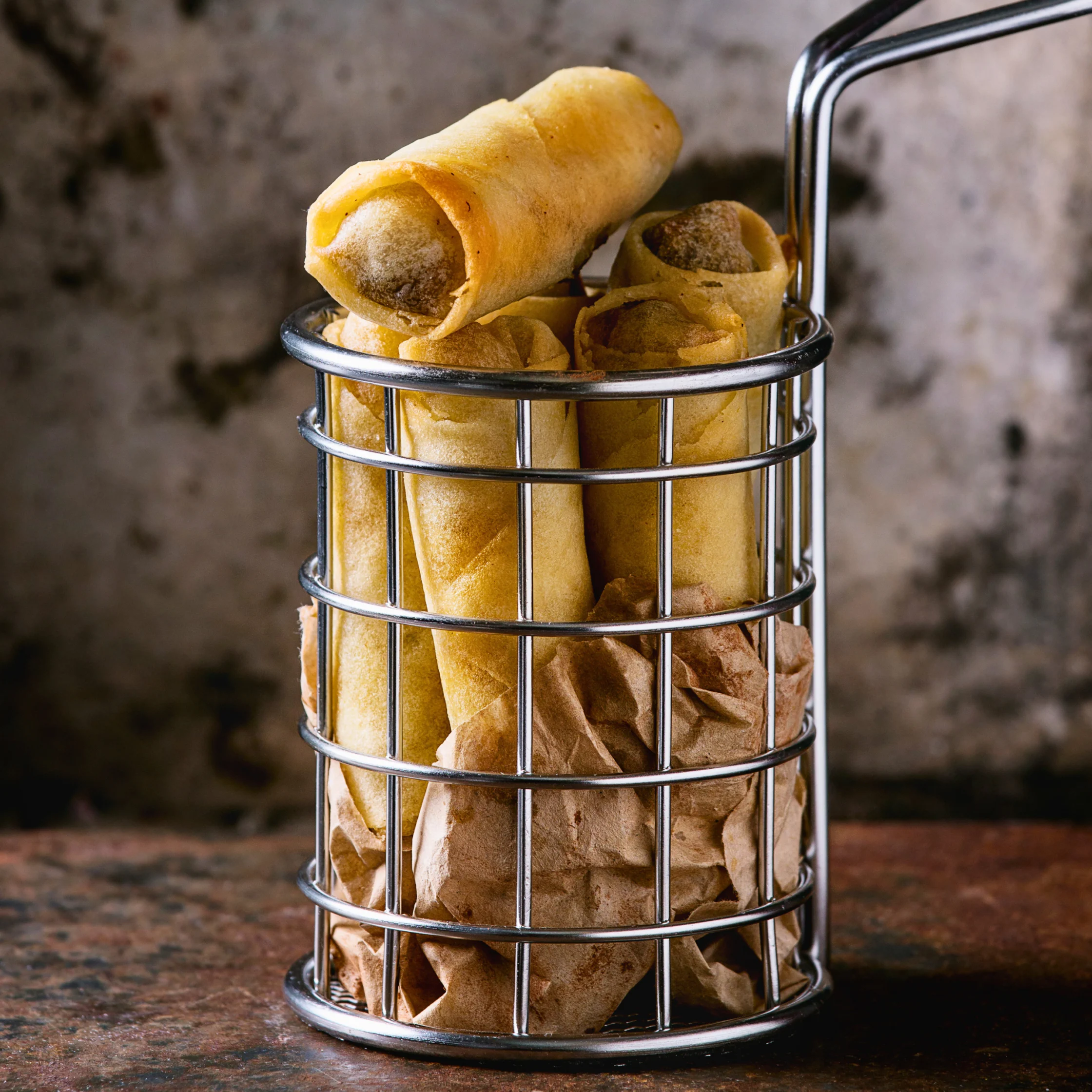
Avoid stacking the cooked rolls in a closed container. Instead, you’ll want to cool your lumpia with the rolls standing upright in a wire mesh colander. Though less ideal, a shallow bowl lined with paper towels works, too.
golden cripsy lumpia filipino egg roll fried yummy crispy
Store your lumpia standing up so that the oil drips down to the bottom of your container.

Storing lumpia upright allows any excess oil to drop down, and for a greater amount of surface area to be exposed to more circulating air than if the lumpia were left to lie on top of each other horizontally. Try not to crowd the container. If you don’t have too many pieces to fill it up, you can let the rolls rest diagonally against the colander or bowl’s inner edges.

Keep Them in a Warm Oven

The dry heat of the oven can help dry out excess moisture that could make the lumpia soggy. The trick is to keep the oven at a low temperature—around 75 to 90°C or roughly 170 to 200°F, which is just enough to keep the environment warm inside without further cooking or burning your food. Choose the lower end of the temperature range if you’re working with a smaller oven.

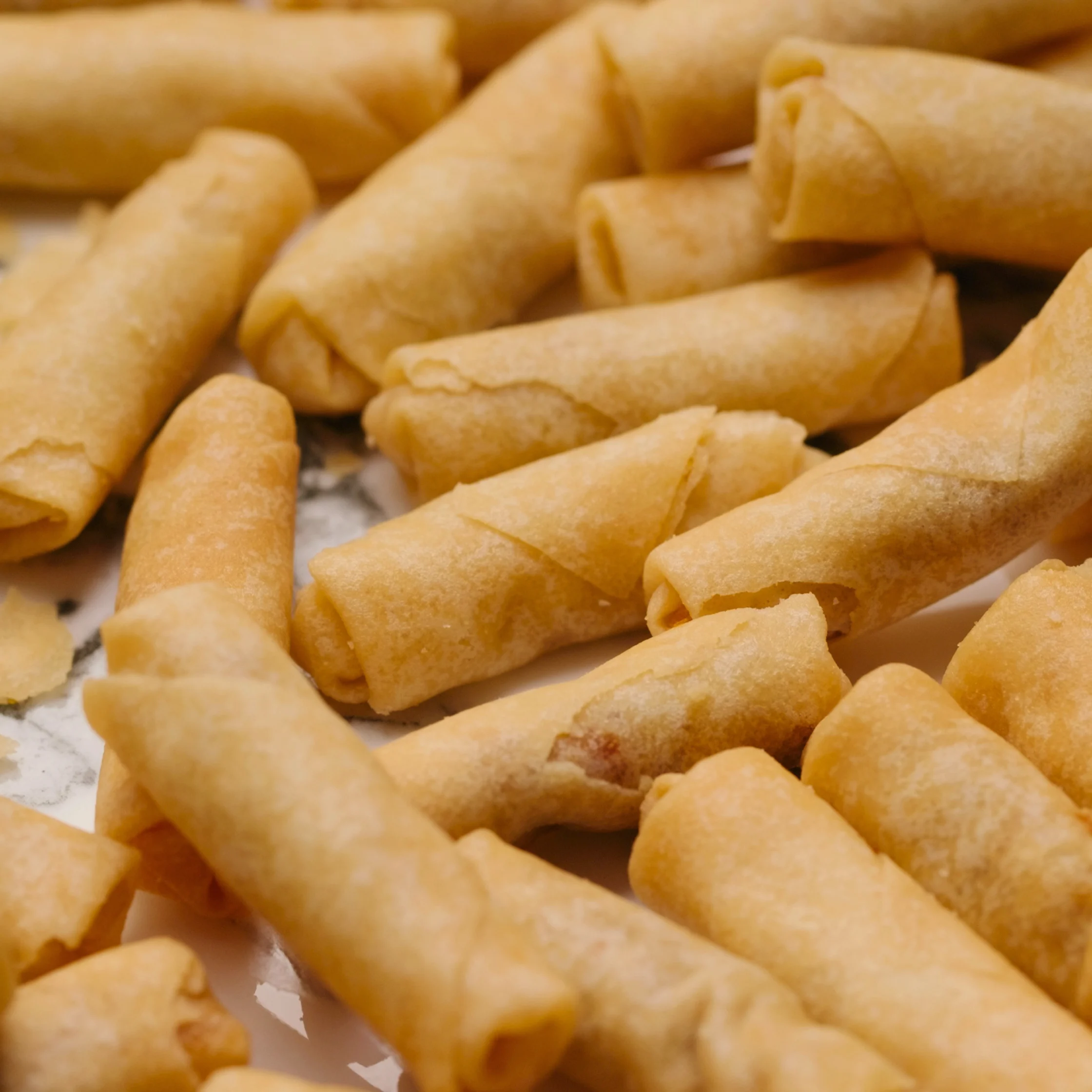
From there, you’ll want to place your cooked lumpia (standing upright if your oven allows for it) on a baking sheet. Make sure there’s some space in between each roll, and keep them in the heated oven until you’re done frying all your batches.
golden cripsy lumpia filipino egg roll fried yummy crispy
Don’t be afraid to throw your lumpia in the oven if it means keeping them warm and dry!

Try not to leave the lumpia in there for more than an hour or so, though—you want to keep it warm and crisp, not render it burnt and dry and lifeless.

To Cover or Not to Cover?

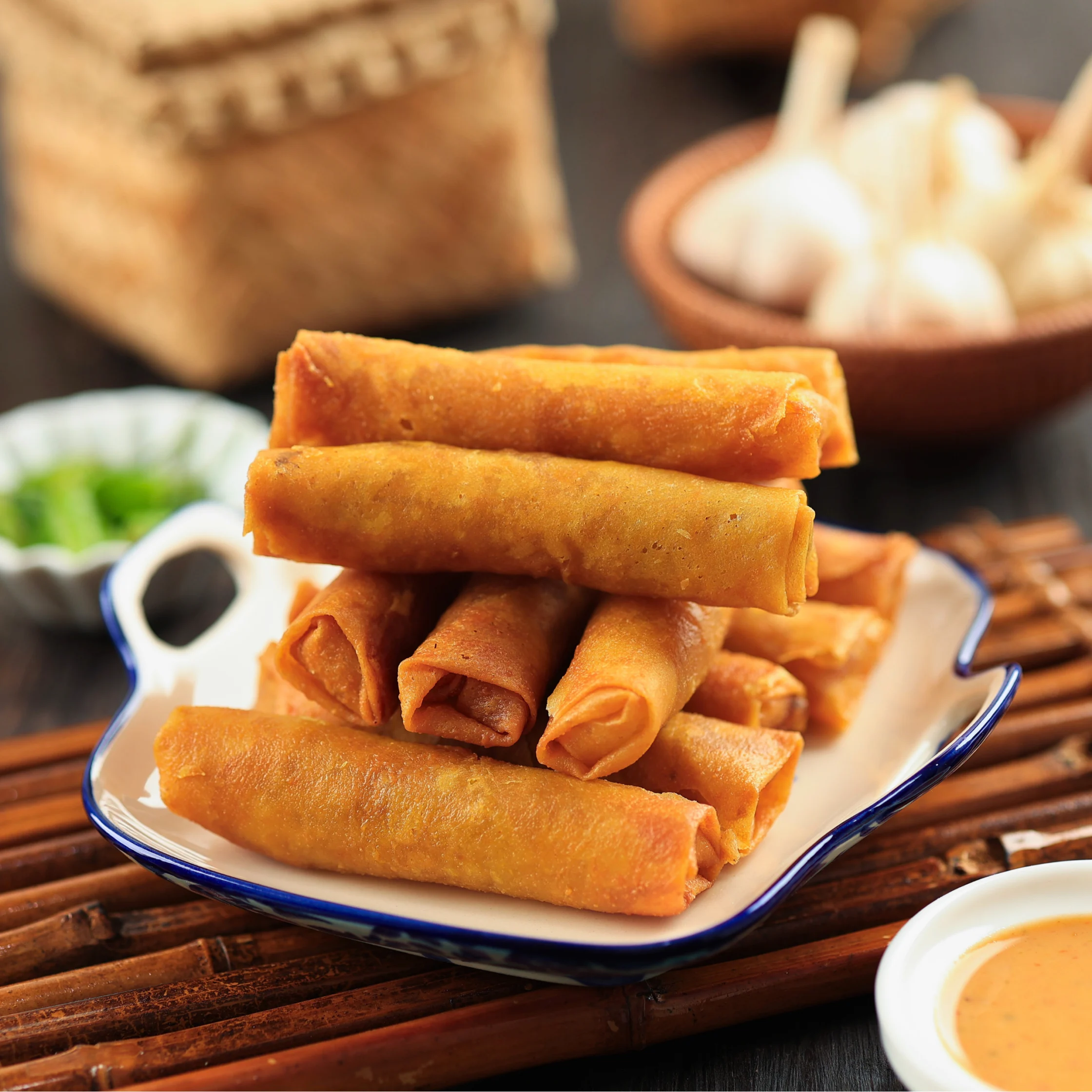
Your best bet to keeping lumpia crisper for longer is to keep it uncovered for as long as you can, again to keep moisture from building from the trapped steam. If you must use a covered container though—say, if you’re traveling—there are still easy hacks you can utilize.
golden cripsy lumpia filipino egg roll fried yummy crispy
Keep your lumpia uncovered to avoid steaming them into sad, soggy little rolls.

Line your container with paper towels to absorb excess grease, and let the lumpia cool completely before placing them inside the container. If you can help it, cover the container just loosely, or poke holes in the lid if you’re using an aluminum tray or cardboard box.

author avatar
Patricia Baes
Trish thinks too much about everything—truth, existence, and what to have for dinner. Her early love of experimenting in the kitchen, coupled with a desire to better her relationship with food, led her down the rabbit hole of food media and writing. After graduating with a Psychology degree from UP Diliman, she sharpened her writing skills (and expanded her appetite) at a couple of food websites, where she covered cooking, restaurants, food history, and culture, and ate her way through Manila’s pulsating dining scene as staff writer and eventually as the publication’s food editor. Food, for Trish, is as much a source of pleasure and fuel as it is an outlet for creativity; a medium through which stories can be passed on; and a way to connect with others. And putting her musings into words lets her narrow the gap between her food geekery and background in the social sciences.

Frequently Asked Questions

Lumpia usually turns soggy because trapped steam condenses as it cools. Improper draining, stacking, or covering hot lumpia also traps moisture and softens the wrapper.

author avatar
Patricia Baes
Trish thinks too much about everything—truth, existence, and what to have for dinner. Her early love of experimenting in the kitchen, coupled with a desire to better her relationship with food, led her down the rabbit hole of food media and writing. After graduating with a Psychology degree from UP Diliman, she sharpened her writing skills (and expanded her appetite) at a couple of food websites, where she covered cooking, restaurants, food history, and culture, and ate her way through Manila’s pulsating dining scene as staff writer and eventually as the publication’s food editor. Food, for Trish, is as much a source of pleasure and fuel as it is an outlet for creativity; a medium through which stories can be passed on; and a way to connect with others. And putting her musings into words lets her narrow the gap between her food geekery and background in the social sciences.

Cool fried lumpia on a wire rack, store them upright, avoid covering them while hot, and keep them in a warm oven if serving later.

author avatar
Patricia Baes
Trish thinks too much about everything—truth, existence, and what to have for dinner. Her early love of experimenting in the kitchen, coupled with a desire to better her relationship with food, led her down the rabbit hole of food media and writing. After graduating with a Psychology degree from UP Diliman, she sharpened her writing skills (and expanded her appetite) at a couple of food websites, where she covered cooking, restaurants, food history, and culture, and ate her way through Manila’s pulsating dining scene as staff writer and eventually as the publication’s food editor. Food, for Trish, is as much a source of pleasure and fuel as it is an outlet for creativity; a medium through which stories can be passed on; and a way to connect with others. And putting her musings into words lets her narrow the gap between her food geekery and background in the social sciences.

Yes. Place fried lumpia in a warm oven set between 75–90°C (170–200°F). This keeps them warm while allowing moisture to evaporate.

author avatar
Patricia Baes
Trish thinks too much about everything—truth, existence, and what to have for dinner. Her early love of experimenting in the kitchen, coupled with a desire to better her relationship with food, led her down the rabbit hole of food media and writing. After graduating with a Psychology degree from UP Diliman, she sharpened her writing skills (and expanded her appetite) at a couple of food websites, where she covered cooking, restaurants, food history, and culture, and ate her way through Manila’s pulsating dining scene as staff writer and eventually as the publication’s food editor. Food, for Trish, is as much a source of pleasure and fuel as it is an outlet for creativity; a medium through which stories can be passed on; and a way to connect with others. And putting her musings into words lets her narrow the gap between her food geekery and background in the social sciences.

Paper towels can absorb excess oil, but a wire rack is the better option because it allows air to circulate underneath the lumpia, helping preserve its crispiness.

author avatar
Patricia Baes
Trish thinks too much about everything—truth, existence, and what to have for dinner. Her early love of experimenting in the kitchen, coupled with a desire to better her relationship with food, led her down the rabbit hole of food media and writing. After graduating with a Psychology degree from UP Diliman, she sharpened her writing skills (and expanded her appetite) at a couple of food websites, where she covered cooking, restaurants, food history, and culture, and ate her way through Manila’s pulsating dining scene as staff writer and eventually as the publication’s food editor. Food, for Trish, is as much a source of pleasure and fuel as it is an outlet for creativity; a medium through which stories can be passed on; and a way to connect with others. And putting her musings into words lets her narrow the gap between her food geekery and background in the social sciences.

It’s best not to. Stacking traps heat and steam between the rolls, making the wrapper soft instead of crispy.


author avatar
Patricia Baes
Trish thinks too much about everything—truth, existence, and what to have for dinner. Her early love of experimenting in the kitchen, coupled with a desire to better her relationship with food, led her down the rabbit hole of food media and writing. After graduating with a Psychology degree from UP Diliman, she sharpened her writing skills (and expanded her appetite) at a couple of food websites, where she covered cooking, restaurants, food history, and culture, and ate her way through Manila’s pulsating dining scene as staff writer and eventually as the publication’s food editor. Food, for Trish, is as much a source of pleasure and fuel as it is an outlet for creativity; a medium through which stories can be passed on; and a way to connect with others. And putting her musings into words lets her narrow the gap between her food geekery and background in the social sciences.
patricia baes delish contributing writer

Patricia Baes

Author

Trish thinks too much about everything—truth, existence, and what to have for dinner. Her early love of experimenting in the kitchen, coupled with a desire to better her relationship with food, led her down the rabbit hole of food media and writing. After graduating with a Psychology degree from UP Diliman, she sharpened her writing skills (and expanded her appetite) at a couple of food websites, where she covered cooking, restaurants, food history, and culture, and ate her way through Manila’s pulsating dining scene as staff writer and eventually as the publication’s food editor. Food, for Trish, is as much a source of pleasure and fuel as it is an outlet for creativity; a medium through which stories can be passed on; and a way to connect with others. And putting her musings into words lets her narrow the gap between her food geekery and background in the social sciences.

0 0 votes
Total of Ratings
guest
Rating
Ratings for Article
0 Comments
Oldest
Newest Most Voted

To provide a customized ad experience, we need to know if you are of legal age in your region.

By making a selection, you agree to our Terms & Conditions.