

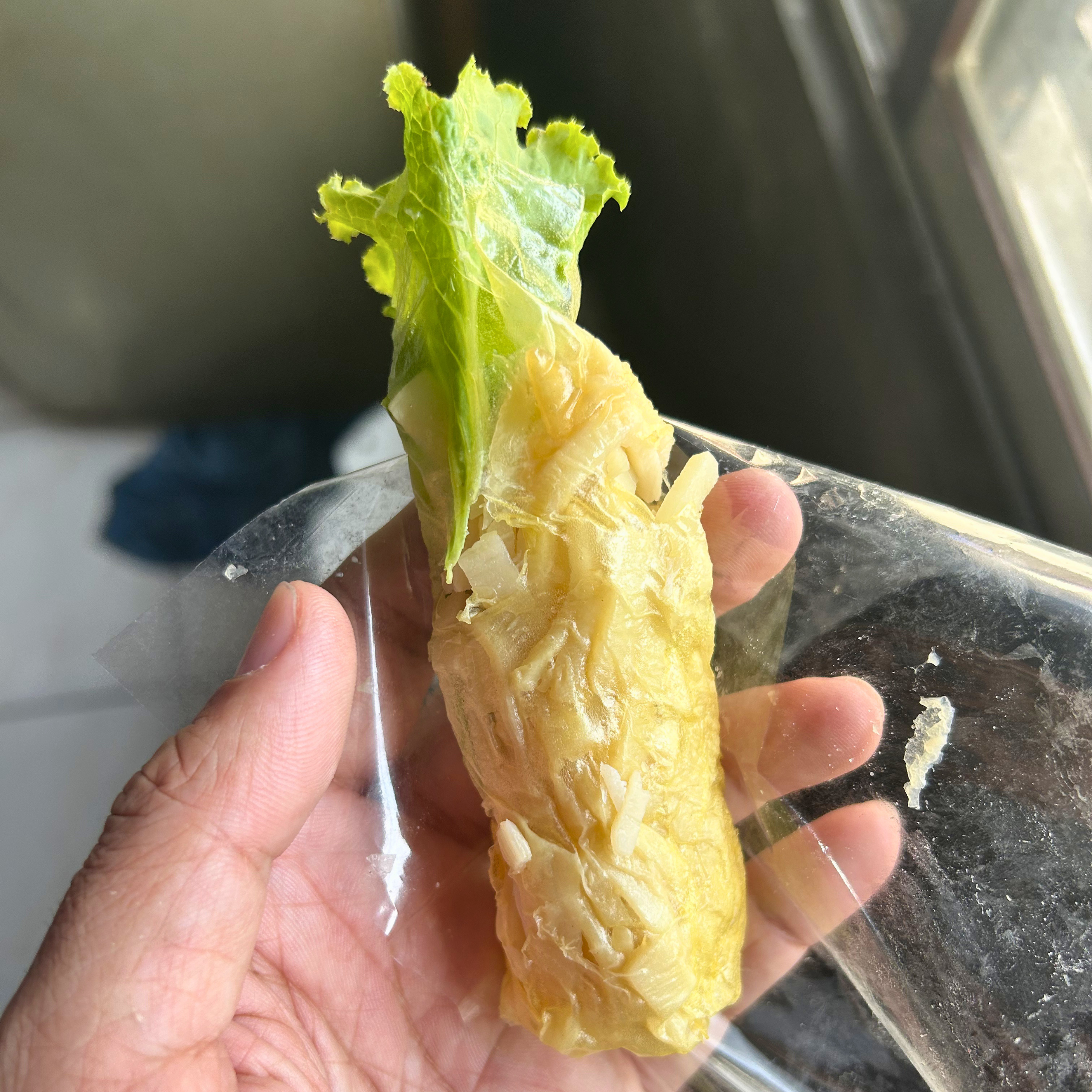
There may be hundreds of fresh lumpia variations across the country—from naked rolls (hubad, sans the wrapper) to Chinese-style with fried vermicelli noodles—but none quite as delicate as the one Arlene Cetoliko has been making.
For more than three decades, she has been rolling fresh lumpia by hand. But beyond providing nourishment, every roll she makes helps preserve a culinary legacy.
How a 1950s Family Recipe Became One of Iloilo’s Most Beloved Fresh Lumpias
The 57-year-old behind Arlene’s Fresh Lumpia traces the business back to 1995, though the recipe itself has a history that stretches back even further.
The lumpia was originally made by the Jardiniano family of Jaro, who had been preparing and selling it since the 1950s. Rodolfo aka “Tiyoy” is the cook responsible for the recipe, but when he packed his bags and moved to La Paz to be with his wife, Arlene, production came to a halt.
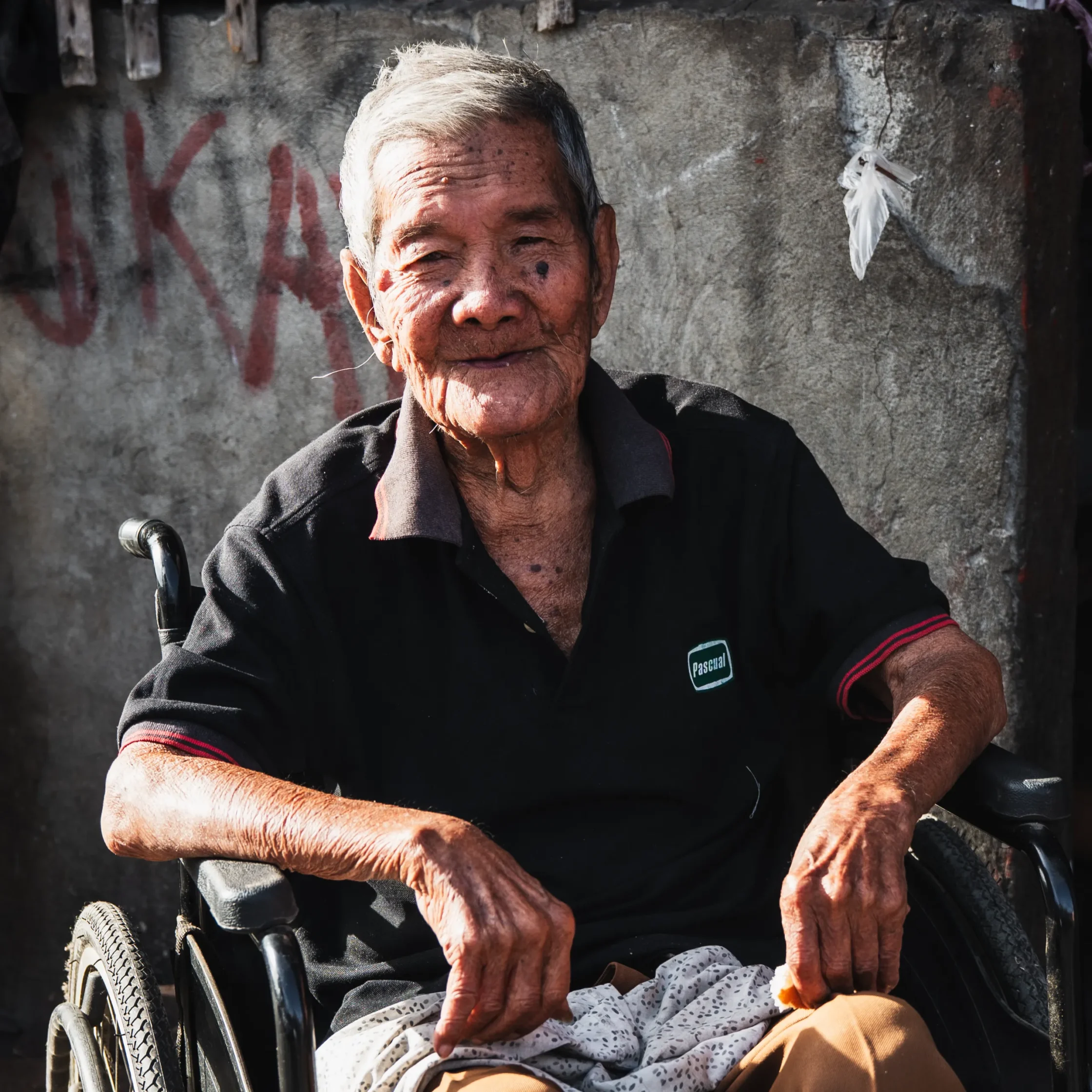
At the time, Arlene was unemployed. Seeing an opportunity, she suggested that she and Tiyoy continue the lumpia business together. She provided the capital while he handled the cooking. Soon, what began as a home-based operation slowly grew through word of mouth. And those who have tried it eventually branded it as “The Best Fresh Lumpia In Town Since 1996.”
“Madami kaming cliente na pumupunta pa from Jaro, kilala nila si Tiyoy,” she says. “Sa pamilya niya may nagpatuloy rin gumawa ng lumpia kasi naiba na ang lasa.”
She attributes that loyalty to consistency. Apart from occasional customized orders that include pork or chicken (for the reason that shrimp spoils easily), the recipe remains mostly unchanged.
Another detail she refuses to compromise on is the texture of the ubod or heart of palm.
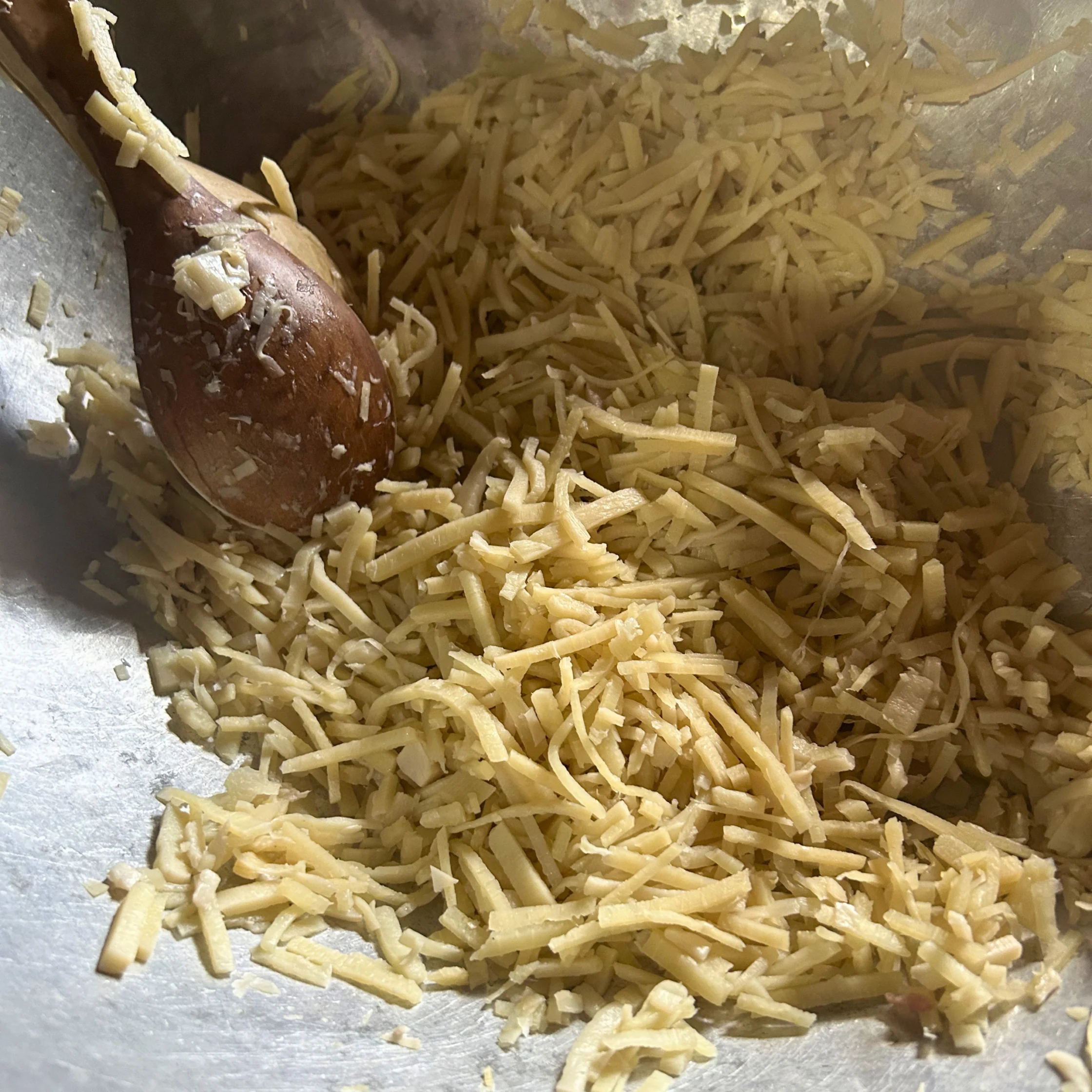
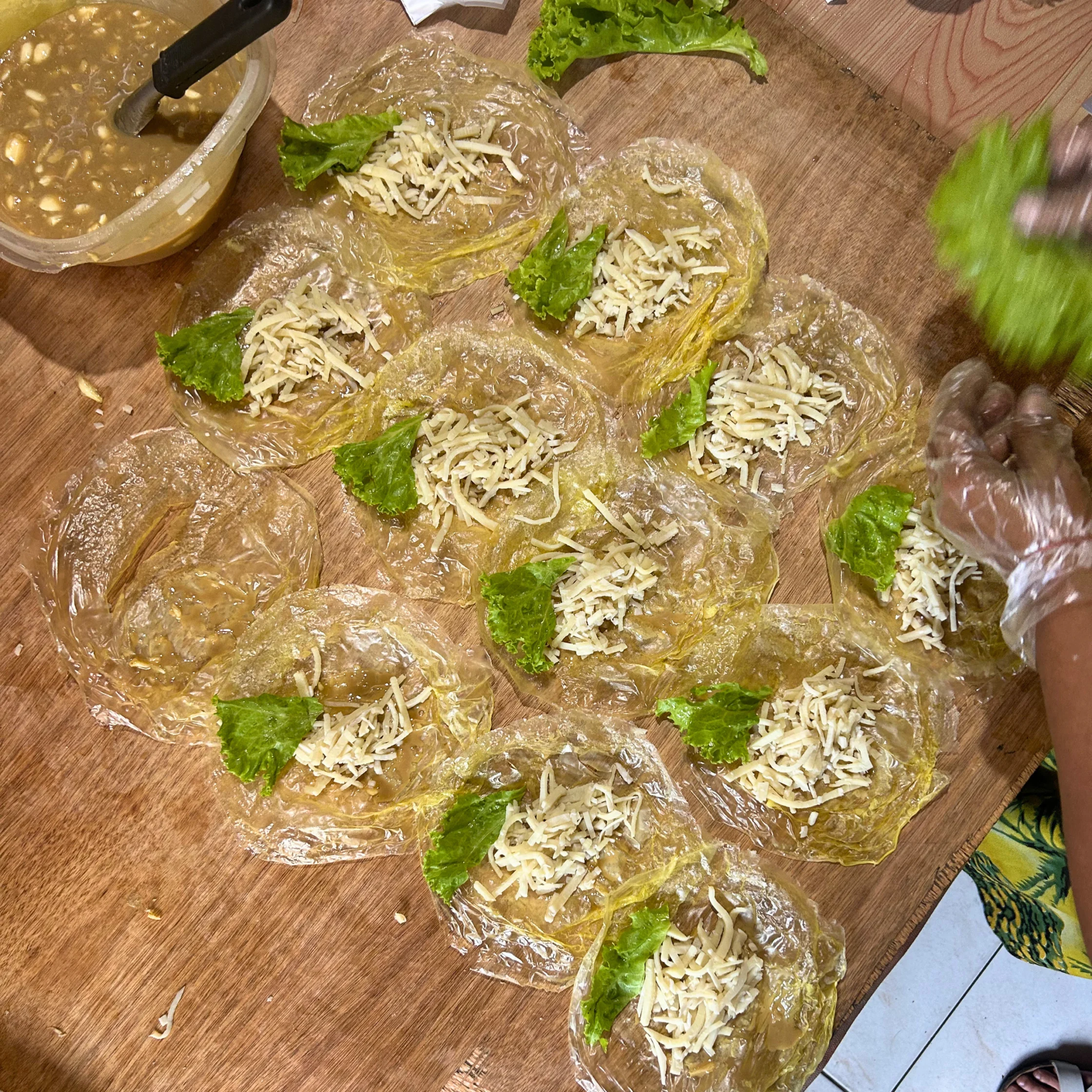
“Ako kasi pagnagluluto, ayoko ng matigas yung ubod. Gusto ko yung soft talaga. Ganun din ang gusto ng cliente ko. Especially yung matatanda. Hindi dapat chini-chew ng matagal. And di kami naglalagay ng tubig kapag nagluluto ng ubod. Di na kailangan.”
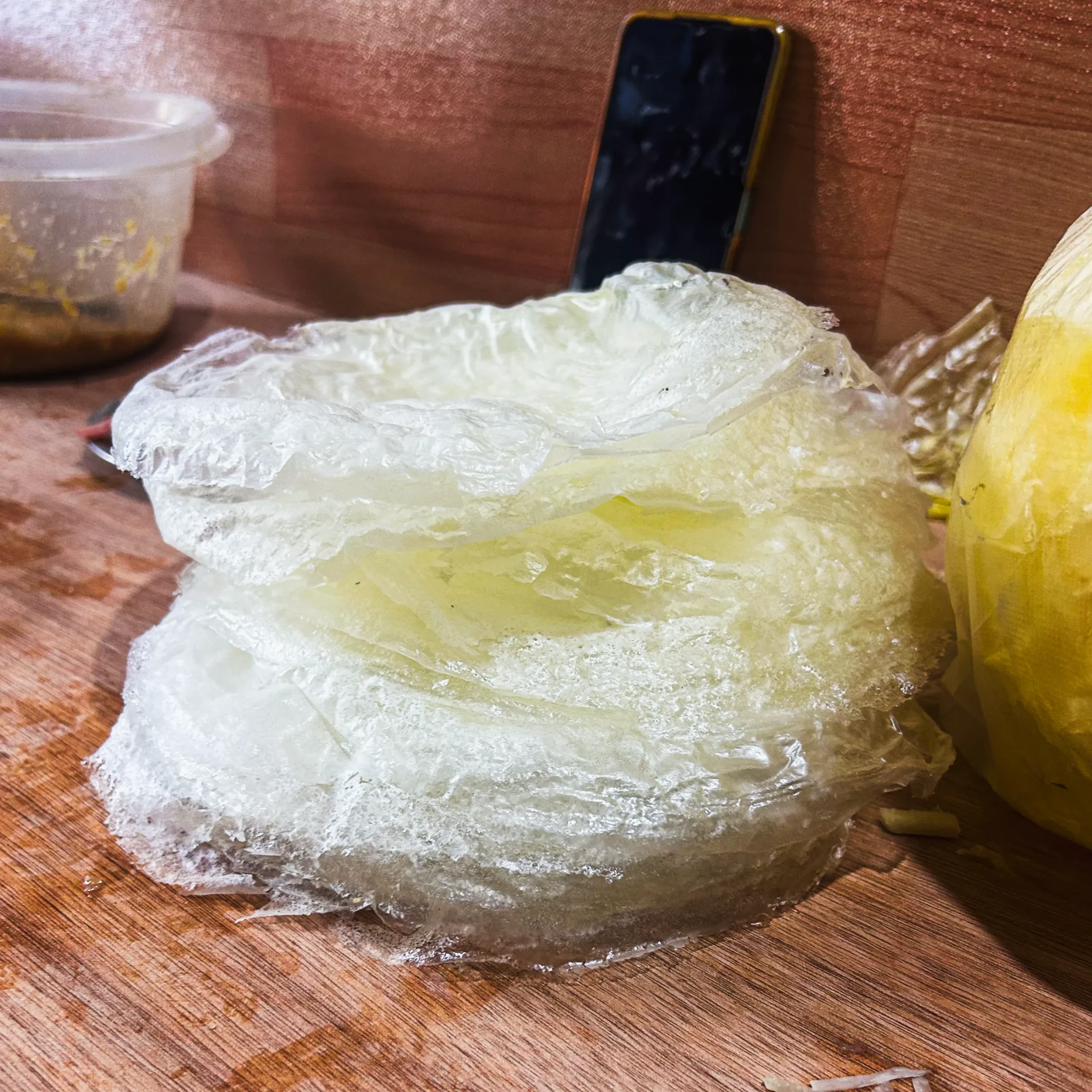
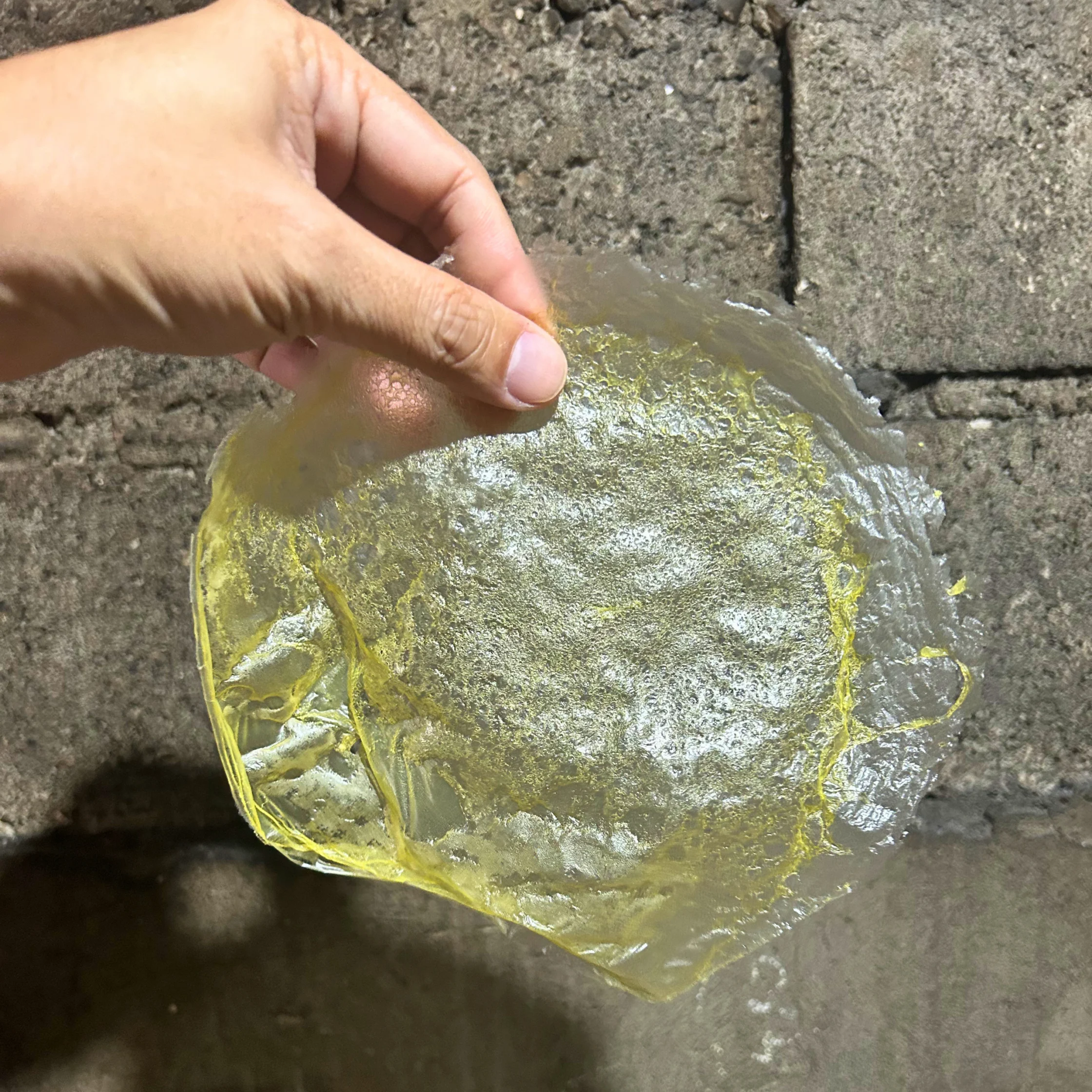
Nor does she settle for commercially available wrappers. They make their own putos or lumpia wrapper—translucent and whisper-thin. They make it only when there are orders. A kilo of batter can yield as many as 500 wrappers.
The Business of Lumpia and the Promise of a Better Life
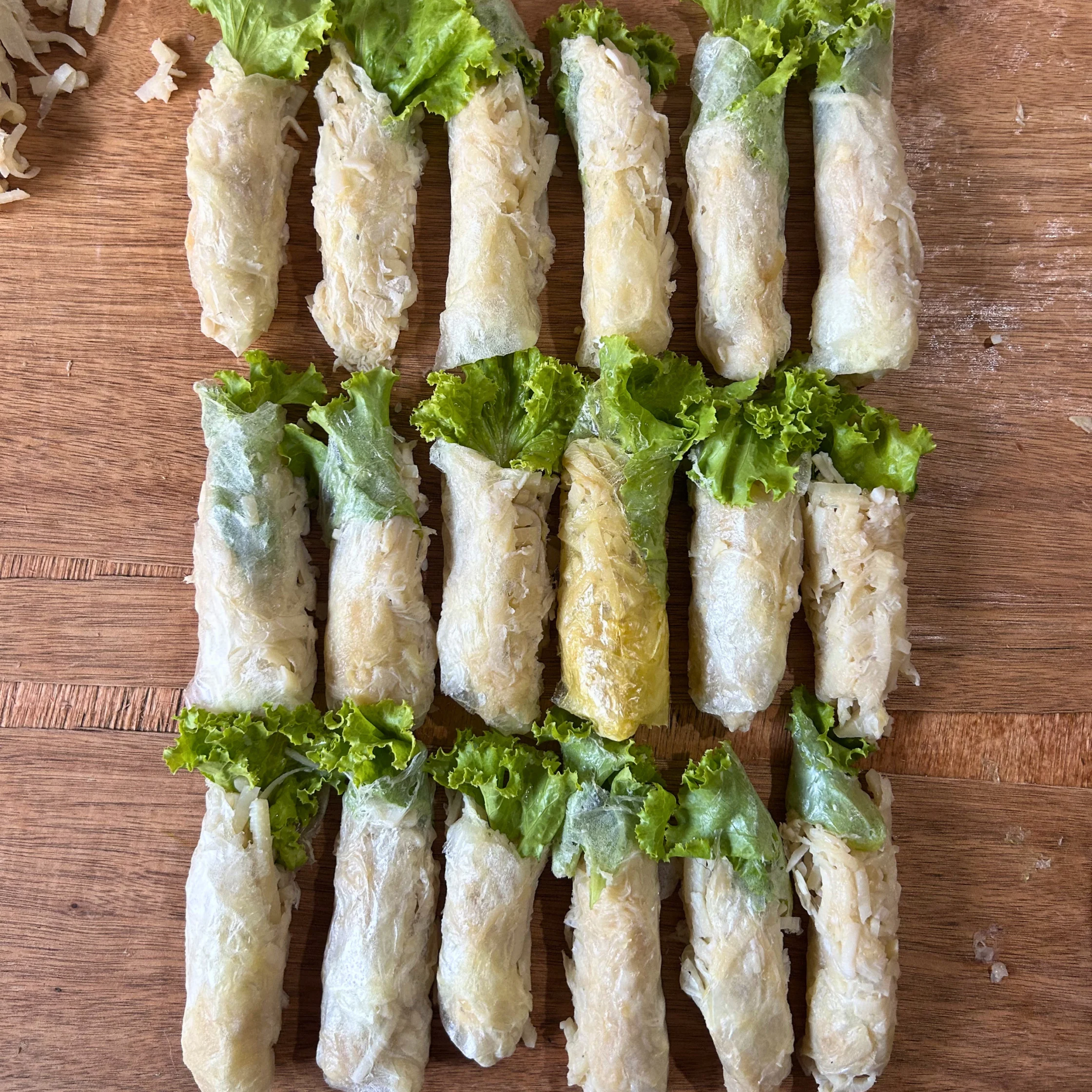
The work begins before dawn. Arlene wakes up as early as four in the morning so orders are ready for pickup by six or eight. On regular days, they produce around 200 pieces. During special town occasions, that number can grow to 3,000. In the recent Dinagyang Festival, they received around 500 orders.
What started simply as a humble means to earn a living has since then become a stable family livelihood. Because of lumpia, the couple was able to send their two children to school, cover daily expenses, and even make the down payment on a house.
How Social Media Helped Bring an Iloilo Lumpia Tradition to the World
Social media brought another turning point in their business. To keep up with the times, one of her kids thought of making their lumpia more accessible by opening a Facebook account and selling online. Not only will it bring in more clients for his mom but also add to the income he’s earning as a call center agent. Since then, they had been getting orders beyond Iloilo. It has even been brought by customers to Taiwan, China and the United States.
Arlene sees this as succession. With her kids taking interest in the business, she knows that the tradition she is helping preserve has a promising future.

Frequently Asked Questions
Arlene’s Fresh Lumpia is best known for its exceptionally thin handmade wrappers, tender ubod filling, and a family recipe rooted in Iloilo’s culinary tradition.
The family business is based in Iloilo City and accepts both walk-in and online orders.
They prepare their own paper-thin wrappers, cook the ubod until soft without adding water, and continue using a recipe that dates back to the 1950s.
The business officially started in 1995, although the original recipe has been around since the 1950s.
Yes. The family accepts orders through Facebook, allowing customers from outside Iloilo—and even overseas—to enjoy their fresh lumpia.